
Starting seeds can be both an art and a science. For every lush garden flourishing from seed, there are tales of starting missteps and hidden tricks that seasoned gardeners swear by. This guide explores eleven common blunders to sidestep and offers thirteen professional hacks that truly make a difference. Whether you’re a novice or a seasoned green thumb, these insights will help ensure your seedlings thrive.
1. Overwatering the Seeds
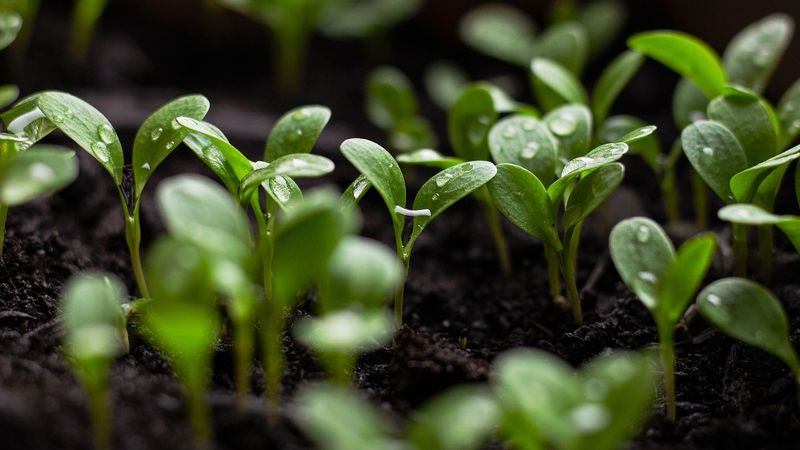
Many beginners assume more water equals better growth, but overwatering suffocates seeds. Waterlogged soil can lead to mold and rot. Instead, aim for consistent moisture without drenching. Start by using a spray bottle to gently mist the surface.
Monitor the soil’s dampness with your finger. Once seeds sprout, water from below to encourage root strength.
Did you know? Overwatering is one of the most common beginner mistakes. Control humidity with a breathable cover, especially in the early stages. Keeping the balance ensures strong, healthy seedlings ready to transplant.
2. Using Old Seeds
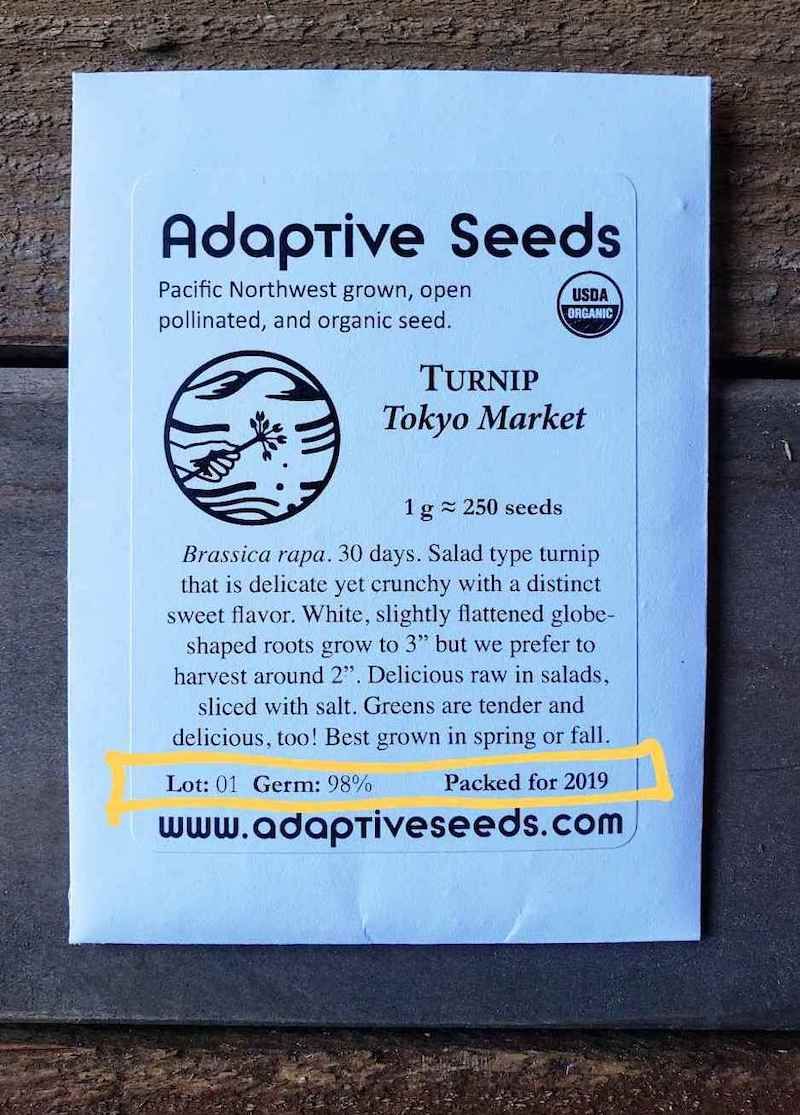
Seeds, like food, have a shelf life. Using old seeds often results in poor germination rates. Always check expiration dates before planting.
If in doubt, conduct a germination test: place a few seeds in a damp paper towel and see if they sprout.
Seeds stored in a cool, dry place maintain viability longer. Remember, fresher seeds lead to stronger plants.
It might be tempting to use last season’s leftovers, but investing in new seeds can save disappointment. Consider splitting seed packets with a friend to reduce waste and cultivate variety.
3. Planting Seeds Too Deep
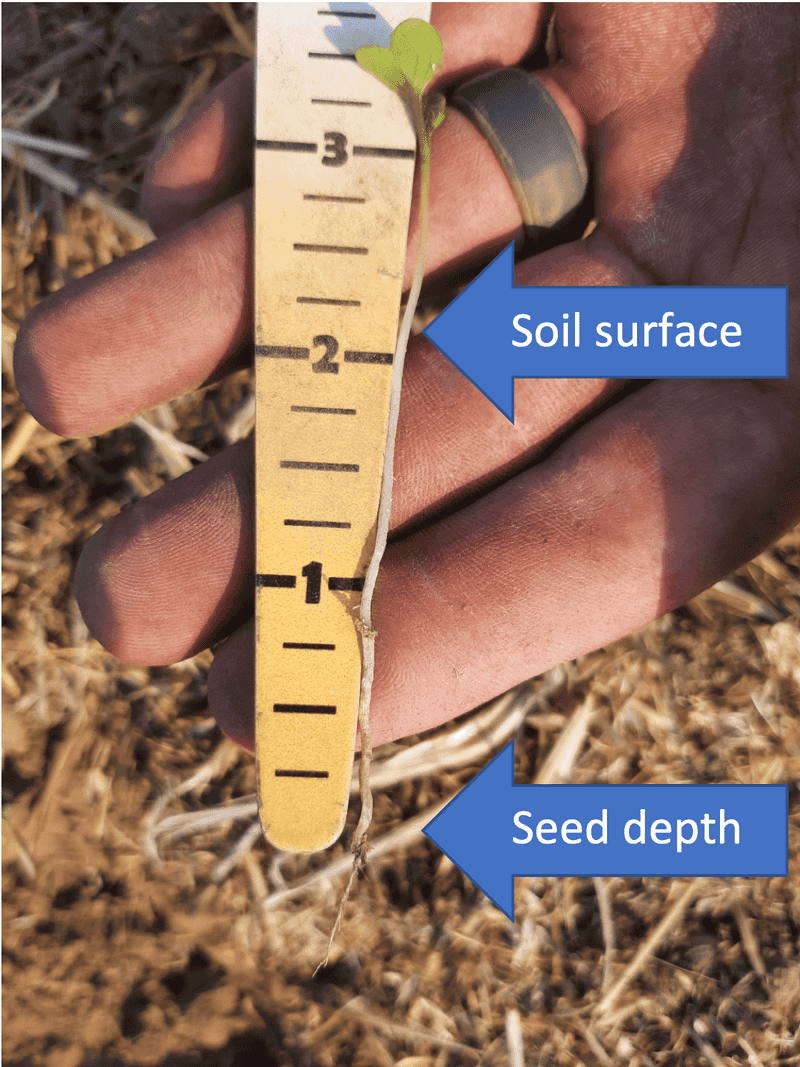
Planting depth dramatically affects germination. Too deep, and seeds struggle to reach light. Too shallow, they may dry out or blow away.
Research each seed’s ideal depth, usually indicated on the packet. A rule of thumb: plant seeds twice as deep as their diameter.
Lightweight seeds, like lettuce, can be gently pressed into the surface. Did you know? Some seeds need light to germinate and should not be covered at all.
This simple adjustment can markedly improve seedling emergence and health, paving the way for thriving growth.
4. Ignoring Soil Quality
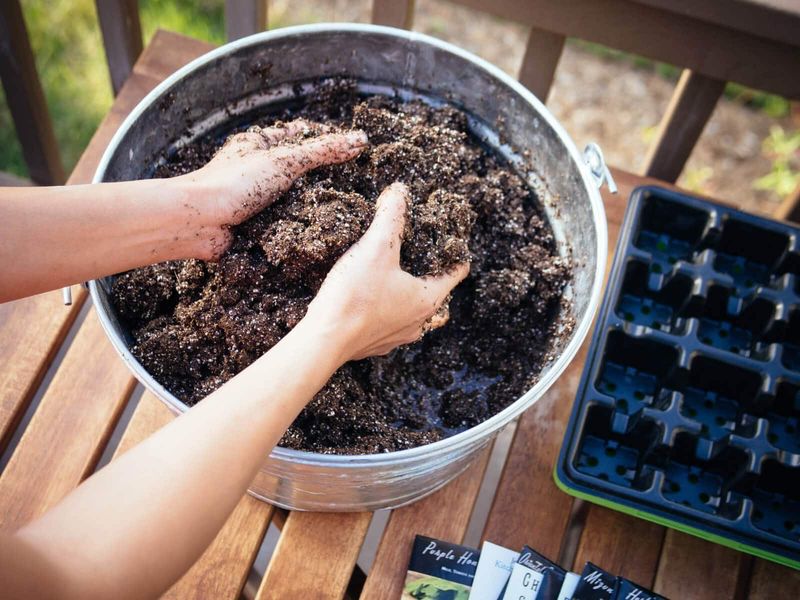
Soil quality is the foundation of strong seedlings. Poor soil lacks nutrients and proper drainage. Invest in a good seed-starting mix or enrich your current soil with organic matter.
Compost improves texture and nutrient content. Avoid garden soil, as it may harbor pests and diseases.
Did you know? The right soil pH can significantly affect nutrient uptake. Test your soil and amend as needed.
Using sterile soil minimizes disease risk and supports robust root development. Strong seedlings begin with rich, well-balanced soil.
5. Neglecting Light Requirements
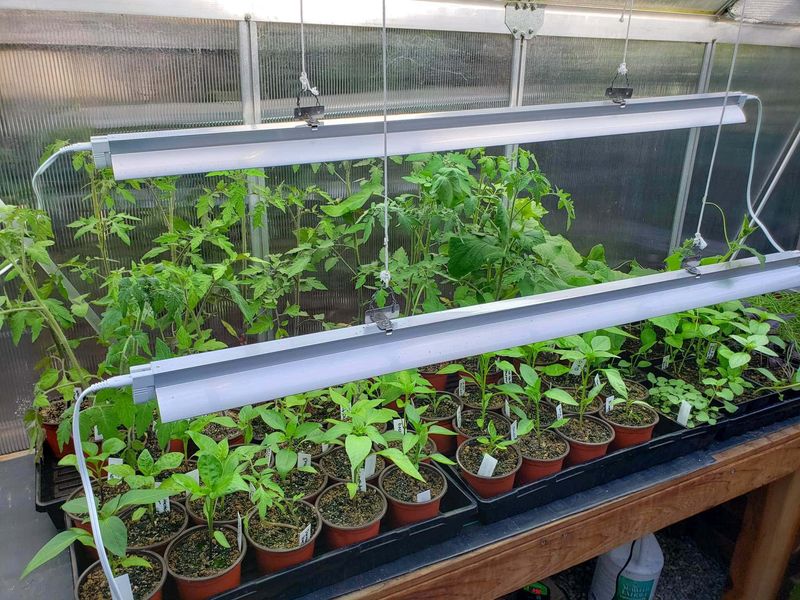
Light is essential for seedling growth, yet many underestimate its importance. While windowsills offer natural light, they rarely provide enough intensity.
Invest in grow lights to ensure seedlings receive ample illumination. Position lights close but avoid overheating.
Did you know? Seedlings typically need 12-16 hours of light daily to prevent spindly growth. Rotate trays regularly for even exposure.
Proper lighting encourages sturdy stems and lush foliage, setting the stage for healthy transplants. Balancing light and dark periods promotes natural growth cycles.
6. Skipping Hardening Off
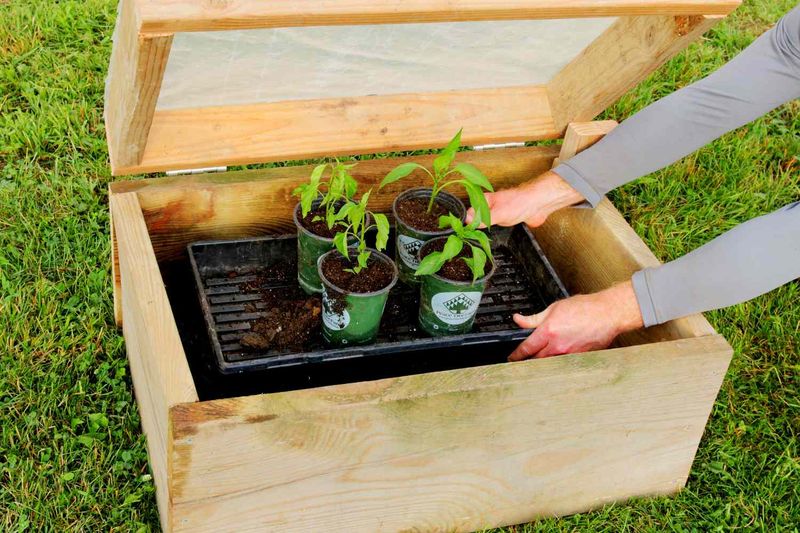
Hardening off is crucial when moving seedlings outdoors. Sudden exposure to elements can shock and stunt growth.
Gradually introduce them to outdoor conditions over a week. Start in a sheltered spot, then increase sun and wind exposure.
Did you know? Hardening off reduces transplant shock and boosts survival rates.
Monitor weather changes to protect young plants from extremes. This gradual adaptation builds resilience, ensuring they thrive in their new environment. The effort invested in hardening off pays off with robust, adaptable plants.
7. Using Dirty Equipment
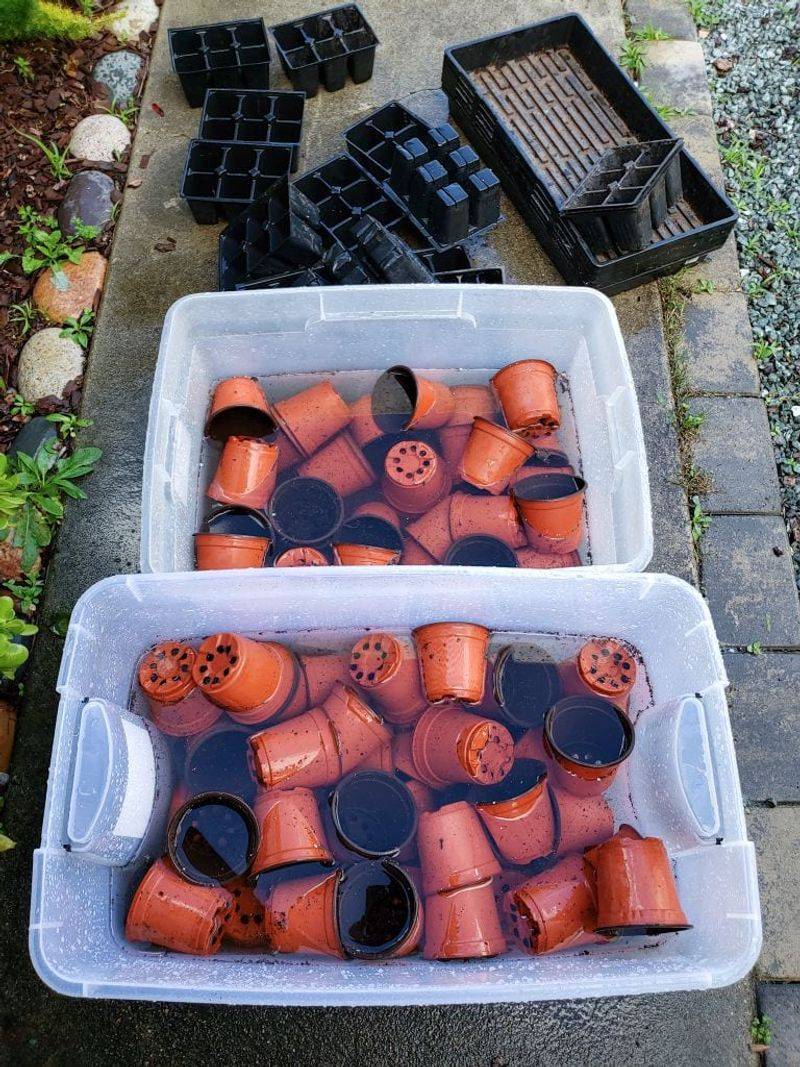
Clean tools are vital for healthy seedlings. Dirty pots can harbor diseases and pests that attack vulnerable sprouts.
Regularly sanitize equipment with a mild bleach solution or natural cleaner. Ensure all surfaces are rinsed and dried thoroughly.
Did you know? Disease prevention starts with cleanliness. A clean environment minimizes pathogen spread.
Investing time in equipment upkeep drastically reduces infection risks and supports thriving growth. Maintaining sanitation reflects the care and attention needed for successful seed starting.
8. Choosing Incorrect Containers
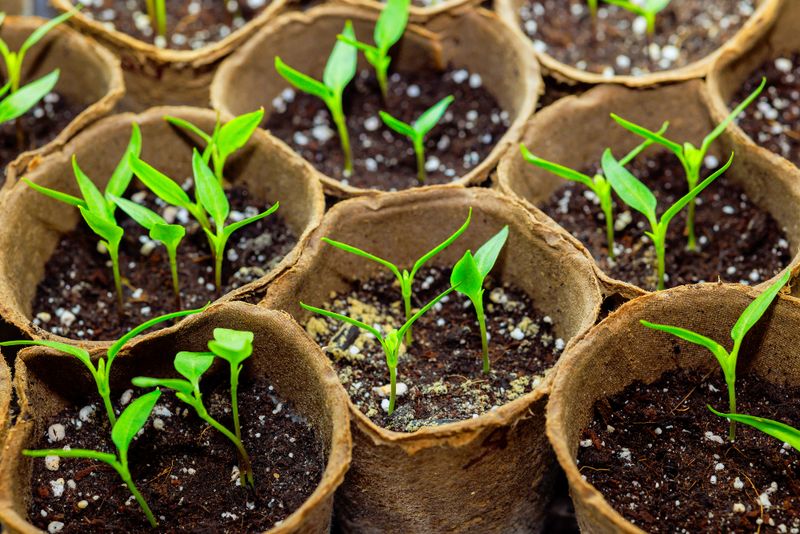
Container choice impacts seedling health. Containers must support root growth and offer proper drainage.
Biodegradable pots allow for seamless transplanting. Recycled containers can be used if cleaned properly.
Did you know? Drainage holes prevent waterlogging, a common seedling killer.
Consider tray size to manage watering and space efficiently. The right container facilitates strong root systems, crucial for transplant success. Being mindful of container choices contributes to a well-organized and productive growing environment, leading to flourishing seedlings.
9. Crowding Seedlings
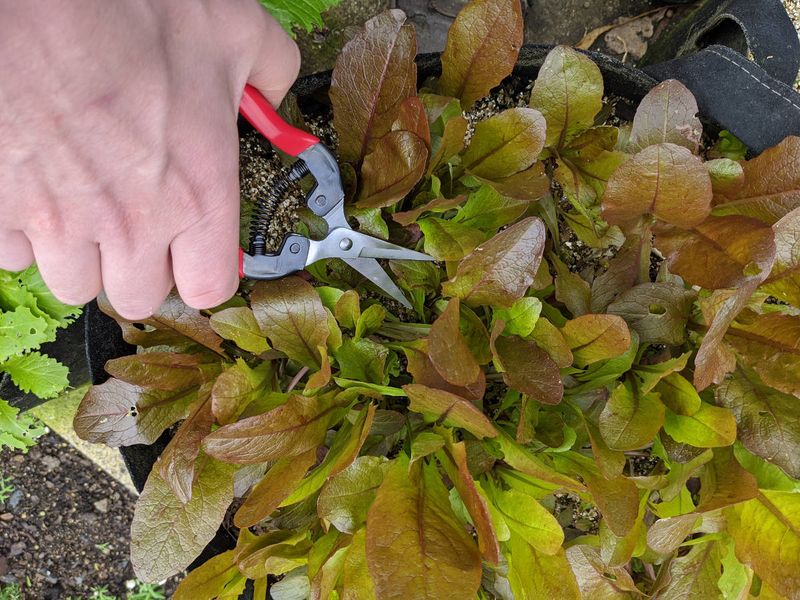
Overcrowding seedlings can stunt growth as they compete for light, air, and nutrients. Select the strongest seedlings by thinning them out.
Space ensures each plant receives adequate resources, promoting robust development.
Did you know? Crowded conditions can lead to fungal diseases due to poor air circulation. Proper spacing reduces this risk.
By giving seedlings room to breathe and expand, you set the stage for healthier, heartier plants. This strategic thinning fosters a thriving garden, maximizing your growing success.
10. Inconsistent Watering Schedule
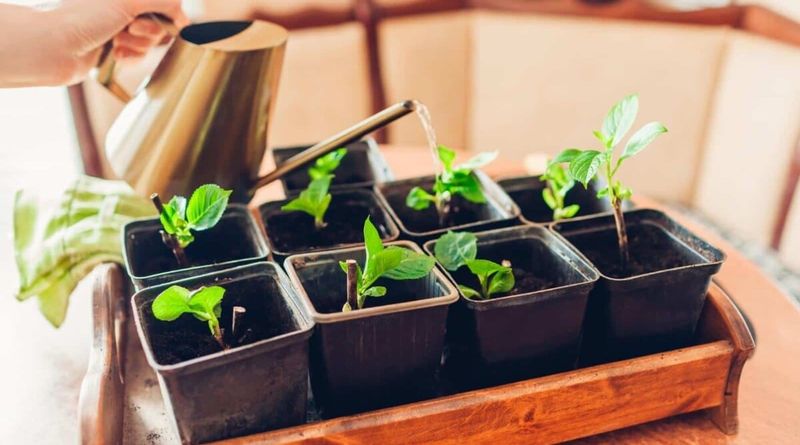
Inconsistency in watering disrupts seedling growth. Both over- and under-watering can lead to stress and poor development. Develop a regular watering routine that maintains soil moisture evenly.
Use your finger to check the topsoil.
Did you know? Seedlings need more water as they grow; adjust accordingly. Consistency is key to fostering robust growth.
Automated systems or reminders can help maintain this balance. By establishing a reliable watering schedule, you ensure seedlings receive the care they need to flourish, promoting lush, resilient plants.
11. Neglecting Temperature Control
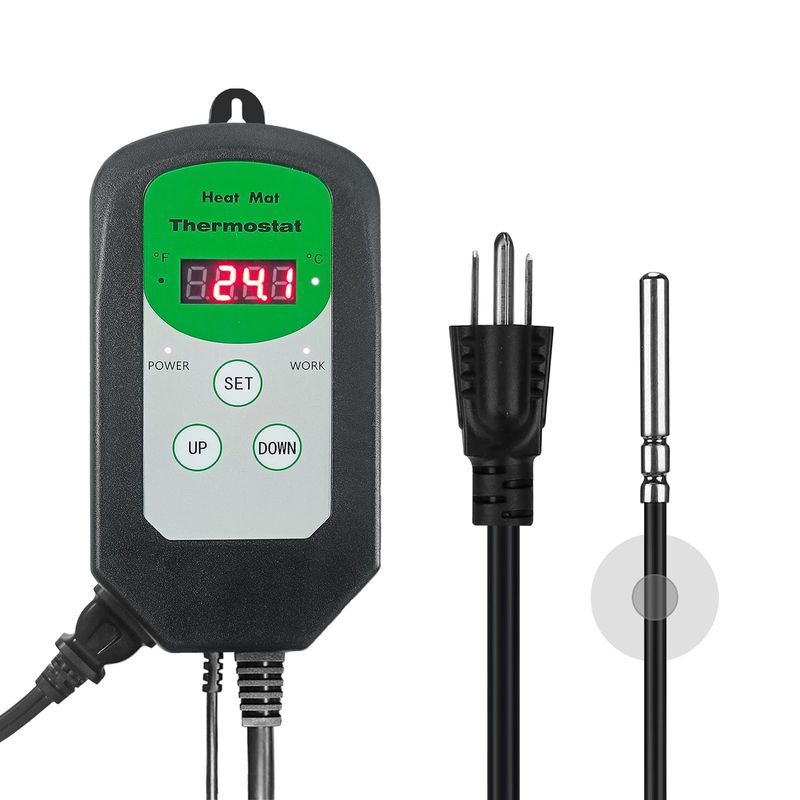
Temperature influences germination rates. Too cold, and seeds lie dormant; too hot, they may perish.
Monitor ambient and soil temperatures closely. Heat mats can provide consistent warmth, especially in cooler climates.
Did you know? Some seeds require specific temperatures to germinate effectively. Knowing these can boost success rates.
Stabilizing temperature conditions ensures a conducive environment for germination, leading to vigorous seedlings. This attention to detail in managing temperature paves the way for a fruitful garden.
12. Labeling Trays Clearly
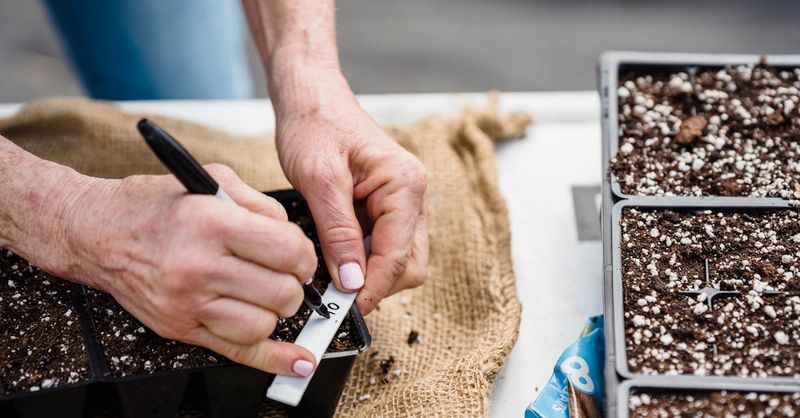
Labeling trays is crucial for tracking seedling progress. Mix-ups can lead to planting errors and disrupted garden plans.
Use waterproof markers or labels to avoid smudging. Include plant names and planting dates for clarity.
Did you know? Clear labeling aids in monitoring growth stages and identifying any issues promptly.
This simple step enhances organization in your gardening process, ensuring you can easily manage and care for each seedling. Proper labeling contributes to a seamless transition from seed to flourishing garden.
13. Soak Seeds Before Planting
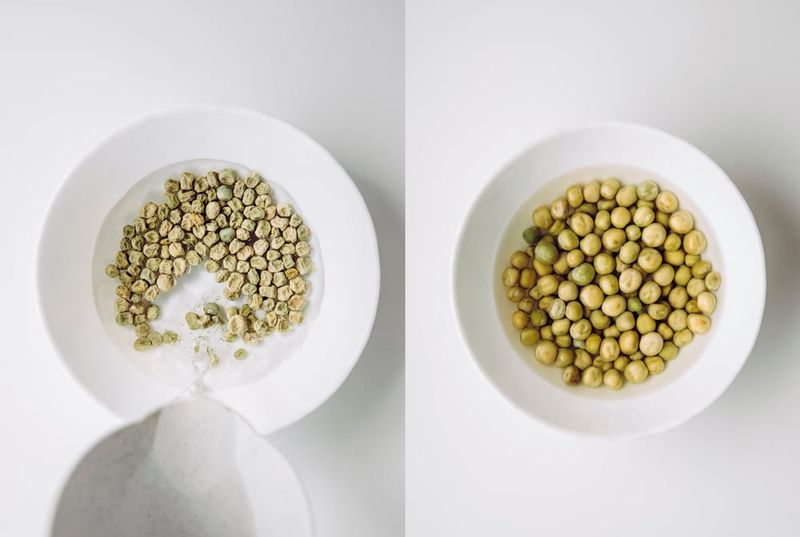
Soaking seeds can hasten germination. Water breaks down seed coats, allowing easier moisture absorption.
Popular with larger seeds, soaking can reduce germination time by days. Ensure seeds are only submerged for the recommended period to prevent damage.
Did you know? Some seeds benefit from a brief soak, while others may require overnight immersion. Research your seeds to determine the best approach.
By incorporating soaking into your planting routine, you can speed up growth and enjoy timely blooming, setting the stage for a vibrant garden.
14. Use Heat Mats for Germination
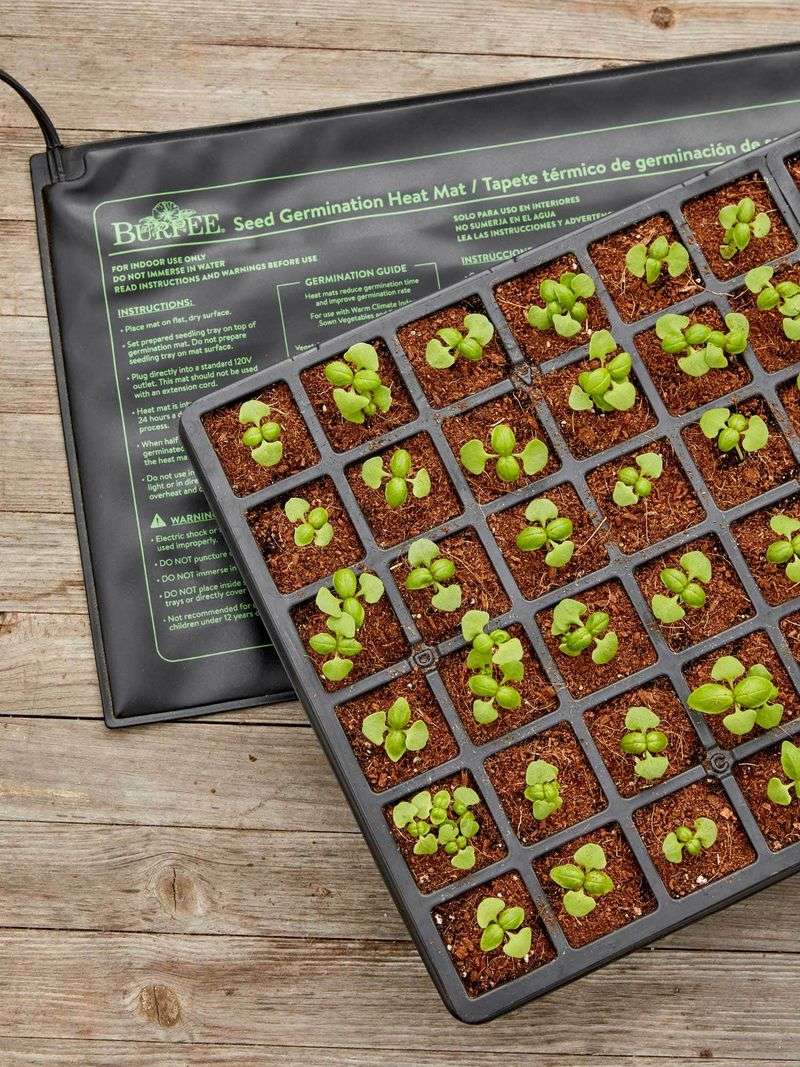
Heat mats create ideal conditions for germination by providing consistent warmth. Essential in cooler areas, they promote faster growth and higher success rates.
Adjust temperature settings according to seed needs. Did you know? Heat mats can significantly reduce germination time for many seeds.
Keep soil moist but not soggy, as warmth increases evaporation. This tool is a game-changer for early planting, boosting germination and ensuring a robust start.
By enhancing heat conditions, you facilitate a thriving seed-starting environment, leading to a more productive gardening season.
15. Choose the Right Seed-Starting Mix
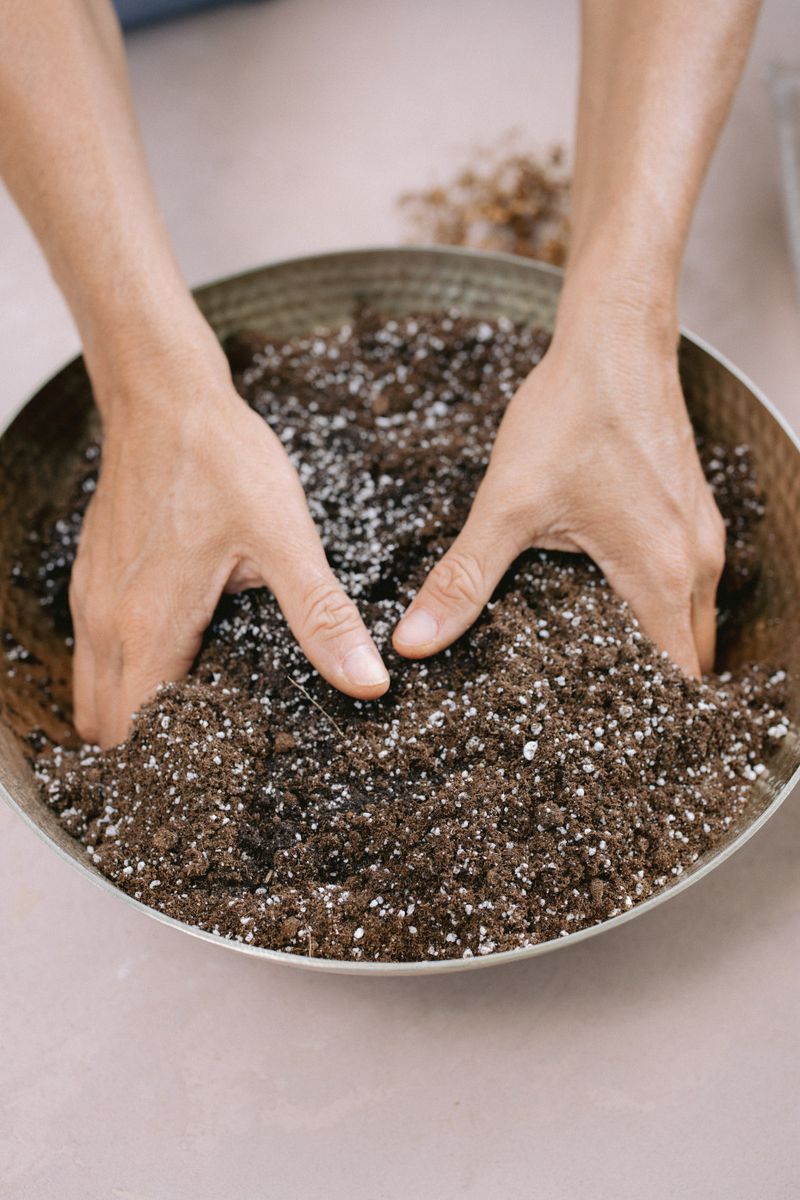
The right mix influences seedling health. Seed-starting mixes are finely textured to support delicate roots.
Choose a mix with good drainage and nutrient content. Peat moss and vermiculite are common components, ensuring aeration and moisture retention.
Did you know? Using garden soil can impede growth, as it’s often too dense and nutrient-poor. A quality mix boosts seedling vigor, setting the groundwork for success.
Selecting the appropriate mix is a foundational step in nurturing strong plants, optimizing your garden’s productivity from the ground up.
16. Create a Mini Greenhouse Effect
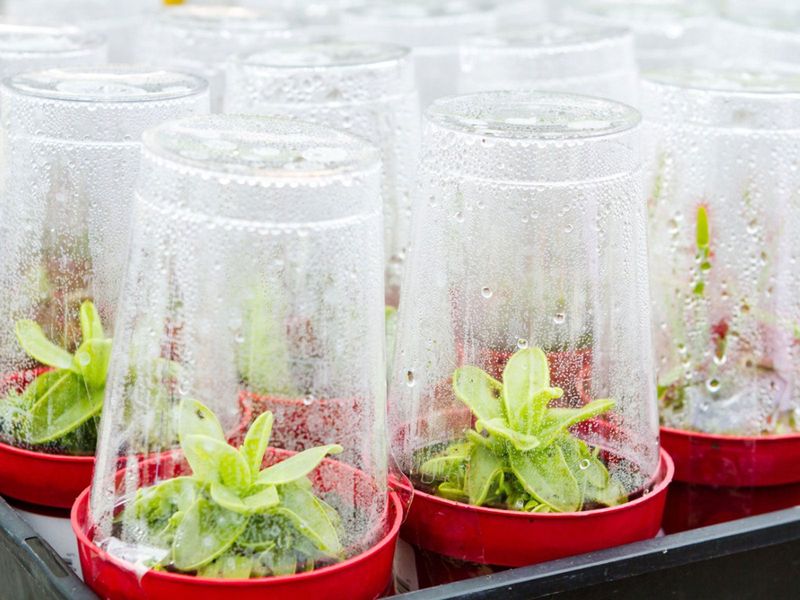
Mimic a greenhouse to enhance seedling growth. Covering trays with plastic domes retains heat and humidity, crucial for early stages.
Ventilation is key; remove covers to prevent mold. Did you know? This method can speed up germination significantly.
Monitor moisture levels closely, as enclosed spaces dry out quickly. The mini greenhouse effect fosters a nurturing environment, maximizing growth potential.
This practice supports robust seedlings ready for transplantation, enhancing your garden’s overall health and vitality.
17. Incorporate Companion Planting
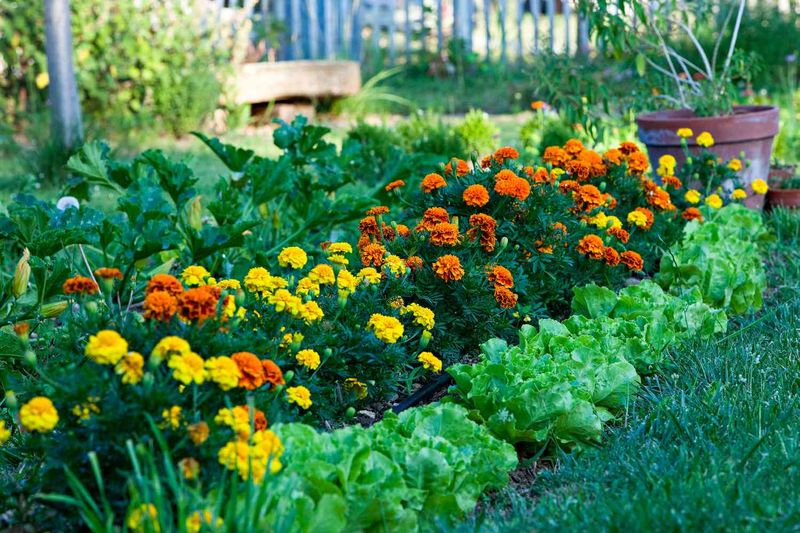
Companion planting enhances growth by pairing plants with mutual benefits. Certain combinations deter pests or improve nutrient uptake.
Consider marigolds with vegetables for natural pest control. Did you know? Some plants release chemicals that aid neighbors’ growth.
Research compatible pairings to maximize garden health and productivity. This strategy promotes biodiversity and sustainable gardening practices.
By incorporating companion planting, you create a harmonious ecosystem that supports thriving plants, leading to a more fruitful and resilient garden.
18. Use Reflective Surfaces for Light
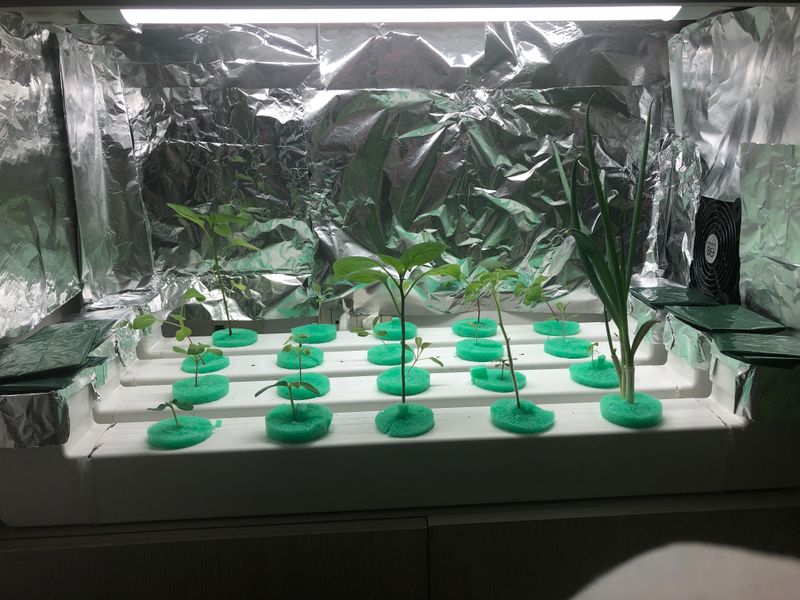
Harness extra light with reflective surfaces to enhance seedling growth. Aluminum foil or mylar can redirect sunlight.
Position these to maximize light exposure, especially in low-light areas. Did you know? Reflective surfaces can boost growth by increasing light availability.
This technique helps prevent leggy seedlings, promoting strong, upright growth. By optimizing light, you ensure your seedlings develop into robust plants, ready to thrive outdoors.
Using reflective surfaces is an effective way to simulate ideal lighting conditions, fostering a productive seed-starting process.
19. Use Homemade Fertilizer
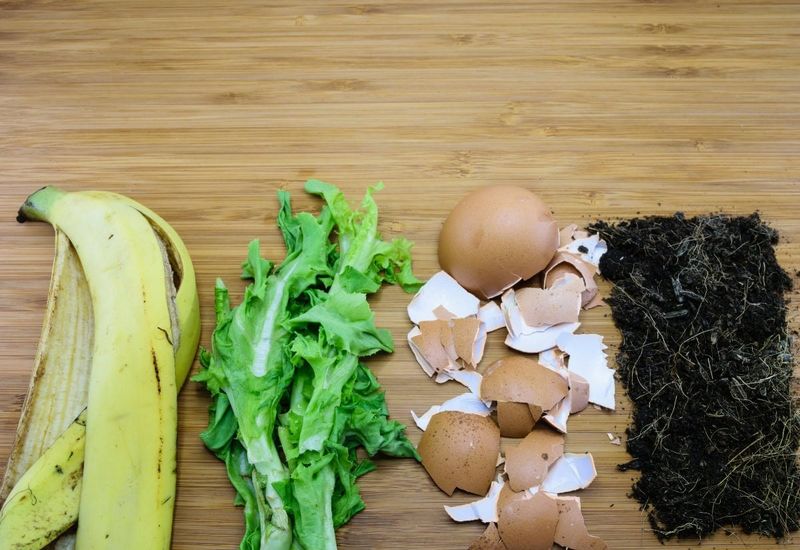
Homemade fertilizers provide nutrients tailored to your seedlings’ needs. Kitchen waste like eggshells and coffee grounds enrich soil.
Customize blends to address specific deficiencies. Did you know? Fish emulsion and compost tea are popular organic options.
These fertilizers support healthy, vigorous growth without harsh chemicals. By using homemade solutions, you enhance soil quality and promote sustainable gardening practices.
This personalized approach nurtures your seedlings naturally, paving the way for a flourishing garden filled with thriving plants.
20. Experiment with Seed Tape
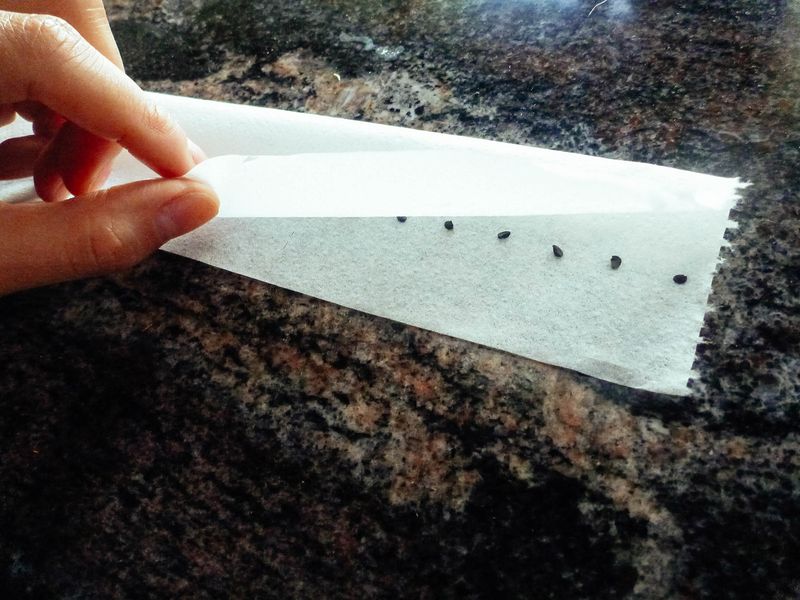
Seed tape offers a convenient planting solution. Pre-spaced seeds ensure uniform growth and reduce thinning.
Perfect for small seeds, it simplifies sowing and saves time. Did you know? You can make your own tape with paper and glue.
This method promotes precise plant placement, optimizing garden layout. By experimenting with seed tape, you streamline planting, fostering an organized and productive garden environment.
This innovative approach supports consistent growth, leading to a neat and flourishing garden space.
21. Use Eggshells as Seed Starters
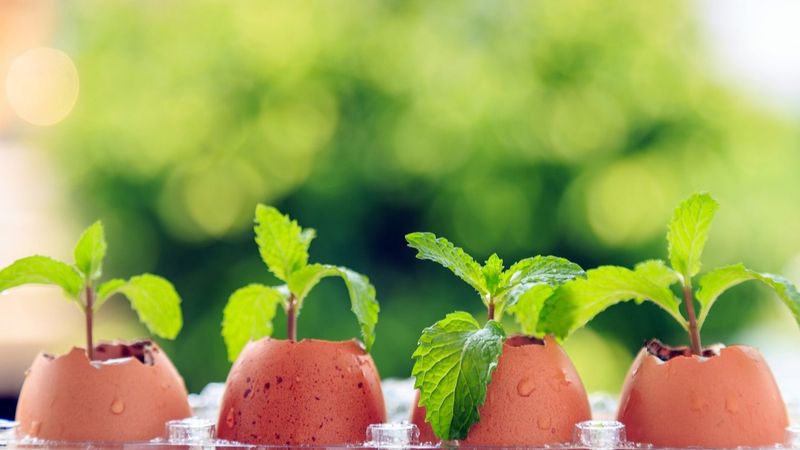
Eggshells serve as eco-friendly seed starters, providing calcium and structure. Fill shells with soil and plant seeds directly.
Transplanting is seamless; simply crack the shell to release roots. Did you know? Eggshells naturally decompose, enriching soil further.
This sustainable approach reduces waste and supports nutrient-rich growth. By using eggshells, you create a nurturing environment for young plants, leading to stronger transplants.
This creative seed-starting method offers an environmentally conscious option, setting your garden up for success from the start.
22. Use Cinnamon to Deter Mold
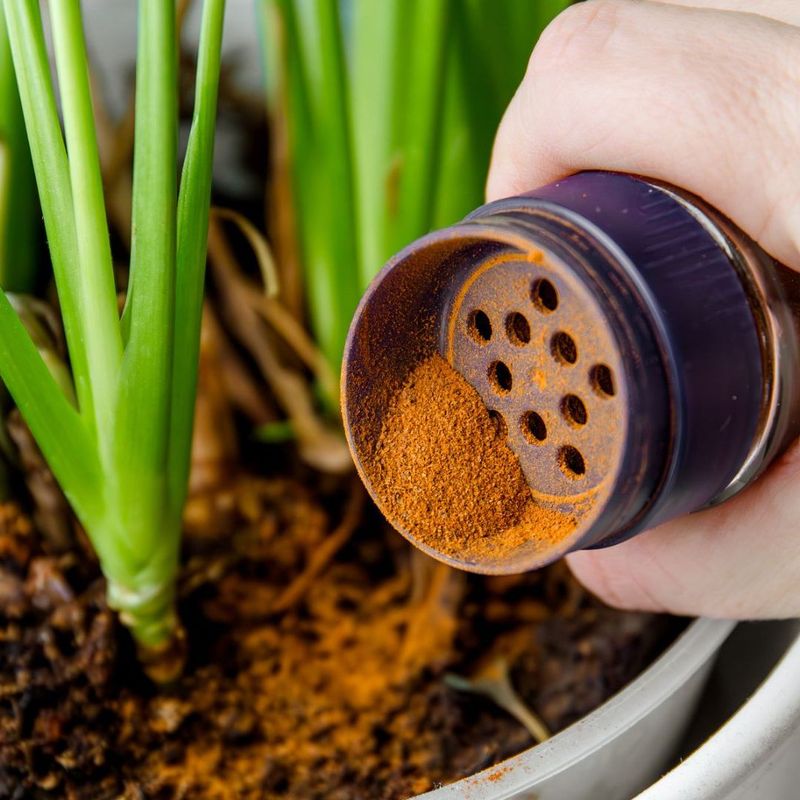
Cinnamon is a natural antifungal, deterring mold on seedlings. Sprinkle lightly on soil surface to protect vulnerable sprouts.
Did you know? Cinnamon is safe and effective, offering a chemical-free alternative. This simple remedy supports healthy seedling development.
Using cinnamon helps maintain a clean environment, reducing the risk of fungal diseases. This natural approach ensures robust seedlings, ready to grow into strong plants.
Incorporating cinnamon into your routine fosters a healthier garden, promoting successful seedling growth without harsh additives.
23. Create a Watering Schedule
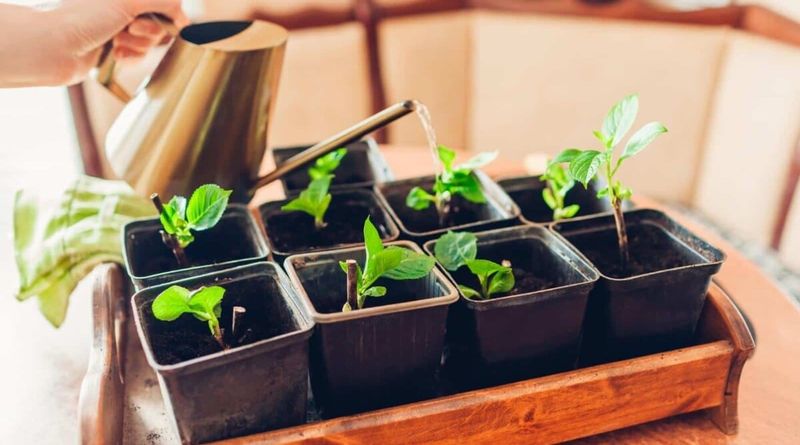
Consistency in watering ensures uniform seedling growth. An established schedule prevents over- or under-watering.
Mark a calendar with watering days, adjusting as seedlings grow. Did you know? Regularity can prevent common growth issues.
This proactive measure supports healthy development, reducing stress on plants. By maintaining a schedule, you create an environment conducive to thriving seedlings.
This structured approach sets the stage for a vibrant garden, maximizing your plant’s potential through consistent care and attention.
24. Using Moon Phases for Planting

Have you ever wondered if the moon could guide your gardening? Many avid gardeners swear by planting according to lunar phases. The idea is rooted in ancient agricultural practices where the moon’s gravitational pull influences water in the soil, much like tides.
Plants sown during the new or waxing moon are believed to grow stronger and faster. This method connects you to natural rhythms, turning gardening into a meditative experience.
Next time you plan your seed starting, glance at the lunar calendar. Who knows? You might find a celestial secret to thriving plants.