
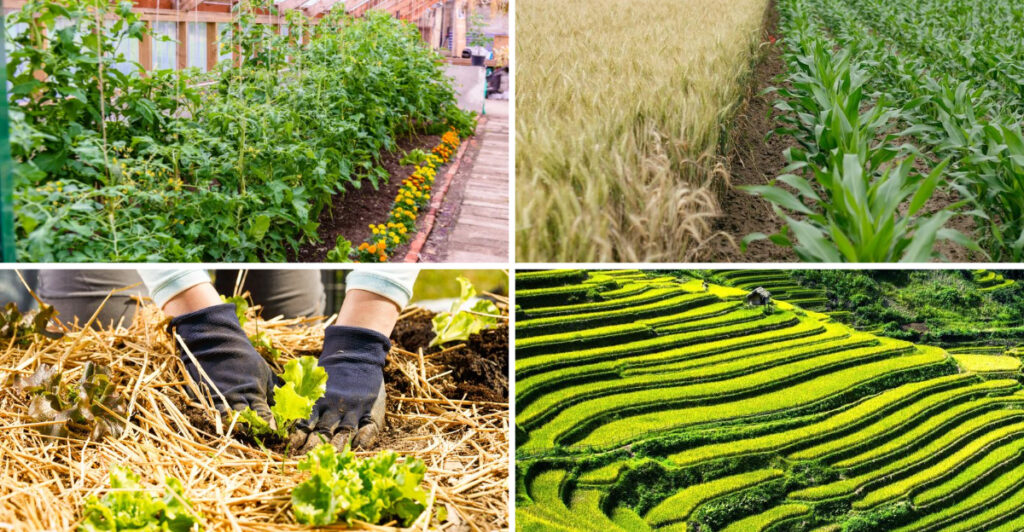
Unlock the secrets of ancient vegetable gardening that have stood the test of time. Each technique is a time-honored method to boost your harvest, ensuring flavorful and bountiful crops.
1. Companion Planting
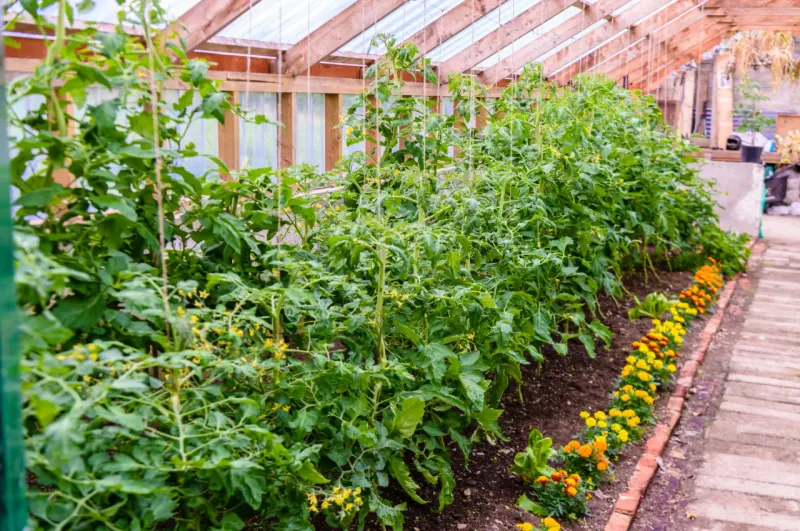
Marigolds and tomatoes, when planted together, create a symbiotic relationship that enhances growth. The marigolds repel pests, protecting the tomatoes naturally. In ancient cultures, companion planting was a common practice. This method relies on understanding plant relationships, fostering a balanced ecosystem in your garden. Imagine the vibrant blend of colors and scents, warding off unwanted insects while promoting healthier plants. It’s a natural pest deterrent without chemicals. Today, gardeners continue this age-old practice for its effectiveness. The harmony of nature is both a visual delight and a practical solution for thriving gardens.
2. Crop Rotation
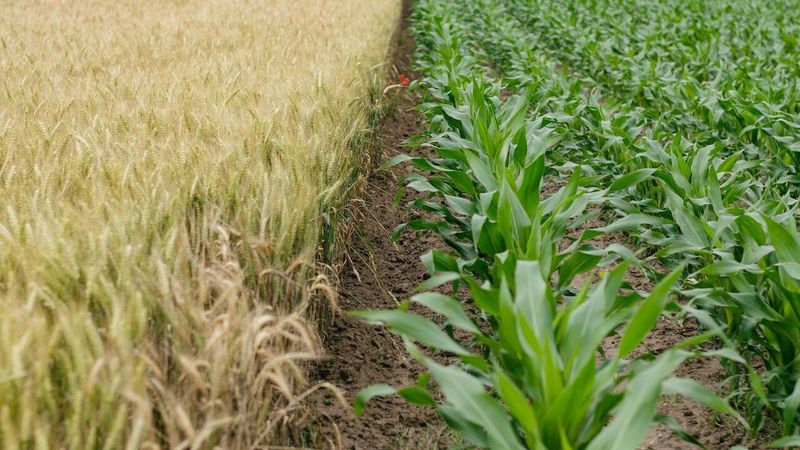
Ancient farmers knew the power of crop rotation long before modern agriculture. By changing the location of crops each year, nutrients in the soil are preserved. This method prevents soil depletion and reduces pest cycles naturally. Imagine the vibrant fields of yore, where each season brought new life to different patches of earth. This strategic approach not only improves soil fertility but also increases crop yield significantly. In modern gardens, this practice is still revered, allowing for sustainable and productive plots. The wisdom of the ancients continues to feed the world today.
3. Soil Enrichment with Compost
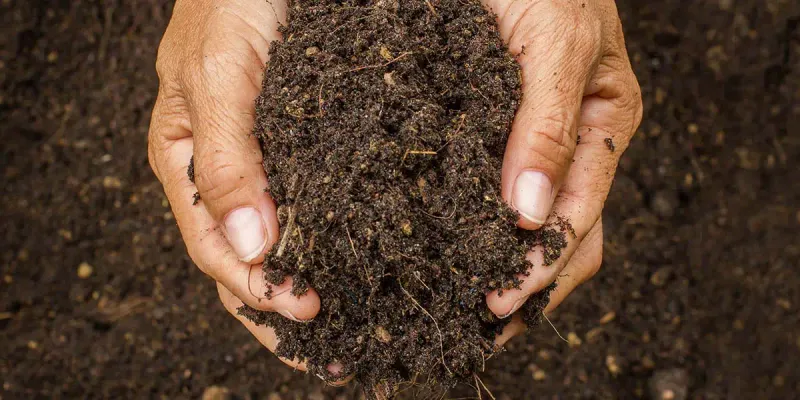
Compost, a gardener’s black gold, transforms ordinary soil into a nutrient-rich haven for plants. Ancient civilizations composted to recycle nutrients, enhancing soil fertility. Picture the lush, thriving plants springing from rich, dark earth teeming with life. Composting accelerates decomposition, turning waste into valuable soil amendments. This sustainable practice reduces the need for chemical fertilizers, offering a natural alternative. Even today, this technique remains a cornerstone of organic gardening, supporting robust plant growth and abundant harvests. Compost is a testament to nature’s incredible cycle of life.
4. Terracing

Terracing transforms steep landscapes into productive gardens. Ancient civilizations carved terraces into hillsides to maximize arable land. This method prevents soil erosion and manages water efficiently. Imagine rows of lush greenery cascading down a mountainside, a testament to human ingenuity and nature’s beauty. Terraces create microclimates, allowing a variety of crops to thrive in challenging terrains. This ancient technique is still used worldwide, from Asian rice paddies to Mediterranean vineyards, demonstrating its timeless utility. It’s a clever way to make the most of natural landscapes while ensuring sustainable agriculture.
5. Natural Pest Deterrents

Garlic, with its potent aroma, has been used for centuries as a natural pest repellent. Ancient gardeners crushed garlic into sprays to protect their crops. Imagine the pungent scent wafting through the garden, deterring insects while leaving plants unharmed. This eco-friendly method reduces the reliance on chemical pesticides. Today, garlic spray remains a popular choice for organic gardeners seeking effective, natural solutions. It’s a simple yet powerful tool in the fight against unwanted pests, reflecting an enduring tradition of using nature’s resources to promote plant health and productivity.
6. Mulching with Straw
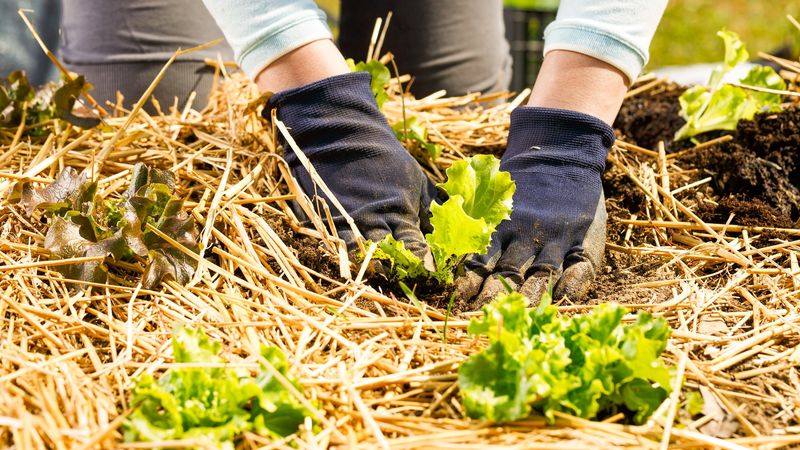
Straw mulch, a golden blanket for gardens, conserves moisture and suppresses weeds. Ancient farmers discovered its benefits, laying it thick over soil. Picture a garden adorned with straw, retaining water while reducing undesirable growth. This practice maintains consistent soil temperature, creating a stable environment for plants. Modern gardeners embrace straw mulch for its simplicity and effectiveness. It’s an organic method to enhance soil health and boost plant vigor. The harmony of straw and soil showcases a timeless balance, supporting lush harvests with minimal intervention.
7. Comfrey Tea Fertilizer
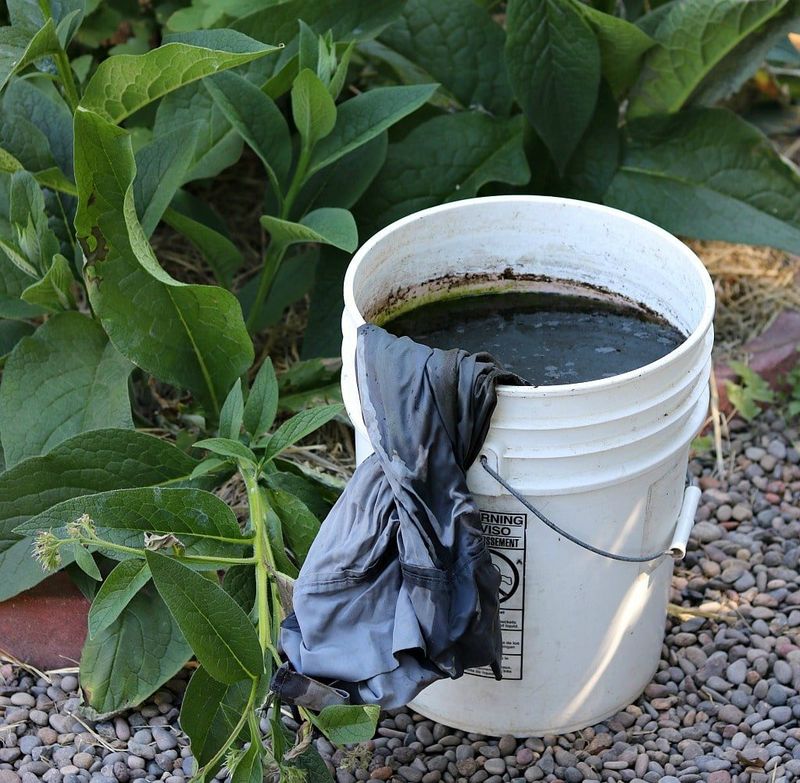
Comfrey, a plant with deep roots, creates a nutrient-rich tea that boosts plant growth. This ancient fertilizer, made by soaking comfrey leaves in water, enriches the soil naturally. Imagine the lush, verdant growth that follows a comfrey tea application. It’s a potent tonic, supplying essential nutrients directly to plants. Ancient gardeners valued comfrey for its ability to invigorate tired soil, bringing life to lackluster crops. Today, it’s a beloved organic remedy, enhancing gardens without chemicals. This practice highlights the power of plants to support one another in thriving ecosystems.
8. Biochar Enrichment
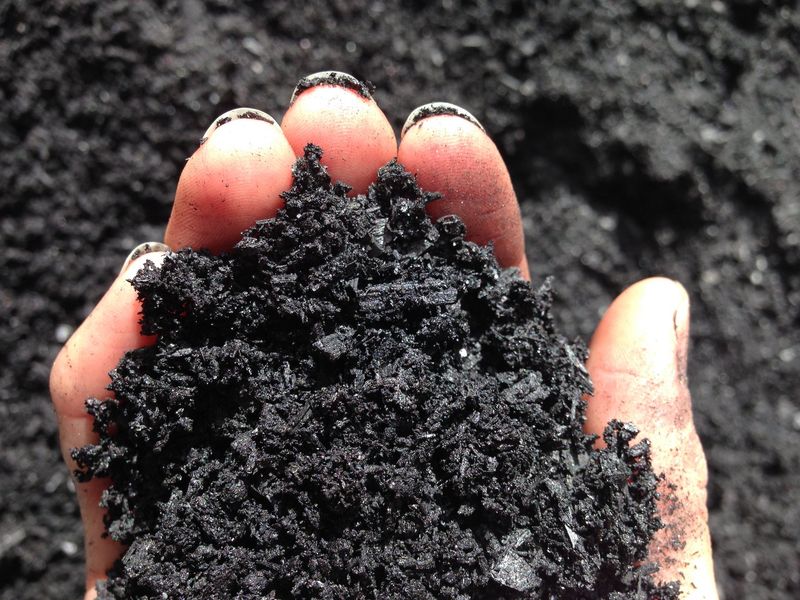
Biochar, a charcoal-like substance, enhances soil fertility and structure. Ancient Amazonian societies used it to enrich their nutrient-poor soils. Picture rich, dark particles blending into earth, improving water retention and nutrient availability. Biochar’s porous nature supports beneficial microorganisms, creating a thriving soil ecosystem. Modern gardeners use biochar to boost plant growth sustainably, reducing the need for synthetic fertilizers. This ancient technique offers a natural solution to depleted soils, promoting robust harvests. The legacy of biochar endures, proving nature’s adaptability in modern agricultural practices.
9. Three Sisters Planting
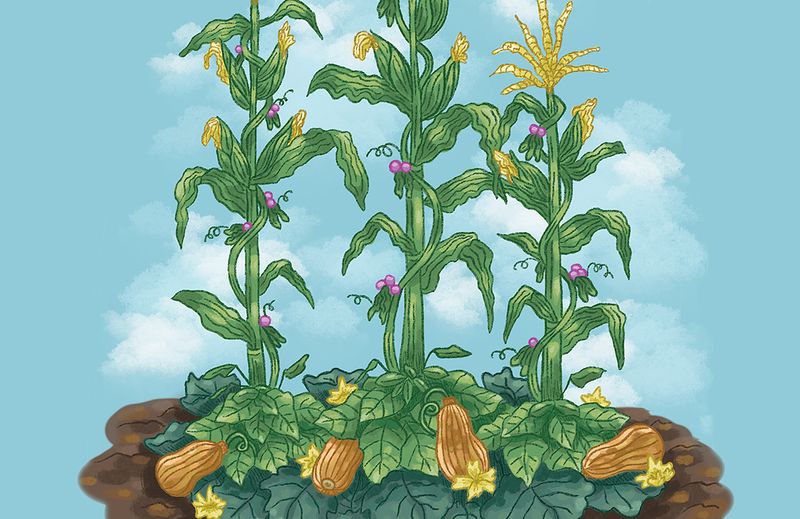
The Three Sisters—corn, beans, and squash—are a gardening trio with ancient roots. Native Americans cultivated these plants together for mutual benefit. Corn provides a natural trellis for beans; beans enrich the soil with nitrogen; squash covers the ground, preventing weeds. Picture this harmonious planting method, where each plant supports the others’ growth. It’s an ingenious integration, enhancing yield while minimizing labor. Today, this technique is celebrated for its ecological balance, offering a sustainable model for diverse and productive gardens. It’s a testament to the wisdom of indigenous agricultural practices.
10. Rainwater Harvesting
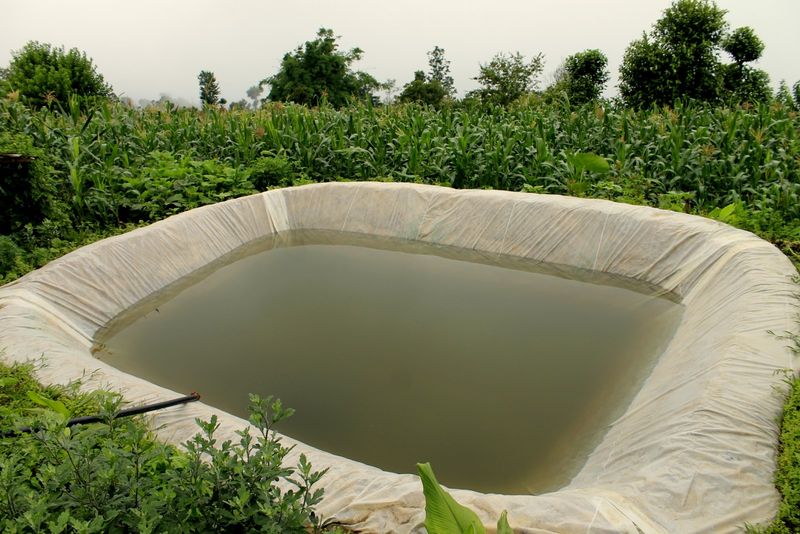
Collecting rainwater is an ancient practice that provides a sustainable water source for gardens. Imagine a stone cistern, capturing precious rainfall to nourish plants in dry times. This method conserves water and reduces reliance on municipal supplies. In ancient times, rainwater harvesting ensured crops thrived even in arid conditions. Modern gardeners continue this practice with barrels and cisterns, promoting environmental stewardship. It’s a simple yet effective way to ensure water availability, supporting healthy growth and abundant harvests. The tradition of harvesting rainwater demonstrates nature’s generous cycle.
11. Green Manure Cover Crops
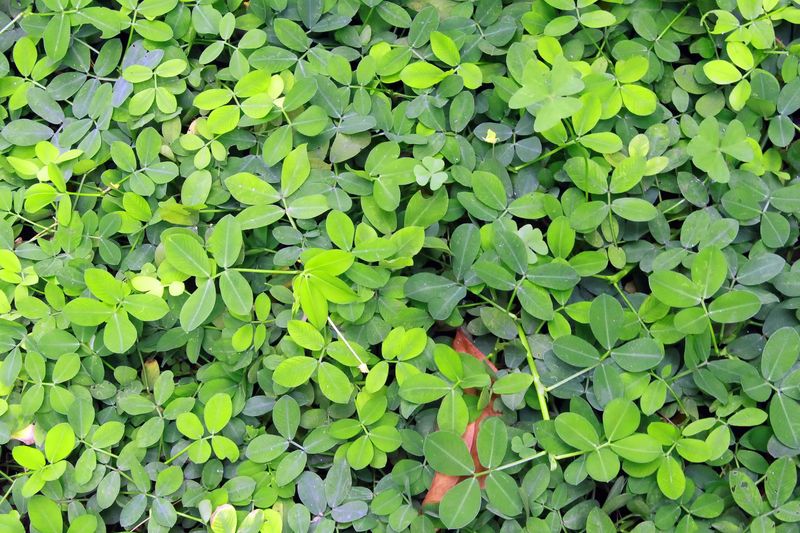
Green manure cover crops, like legumes, rejuvenate soil by fixing nitrogen and improving structure. Ancient farmers planted them during off-seasons, turning fields green with promise. Picture the vitality of a field covered in verdant growth, preparing the land for future crops. This practice reduces erosion, enhances fertility, and suppresses weeds naturally. Modern agriculture embraces cover crops for their ecological benefits, supporting sustainable farming. By integrating green manure into crop rotation, gardeners tap into a time-tested strategy for soil health and productivity. It’s a living legacy of agricultural wisdom.
12. Seed Saving
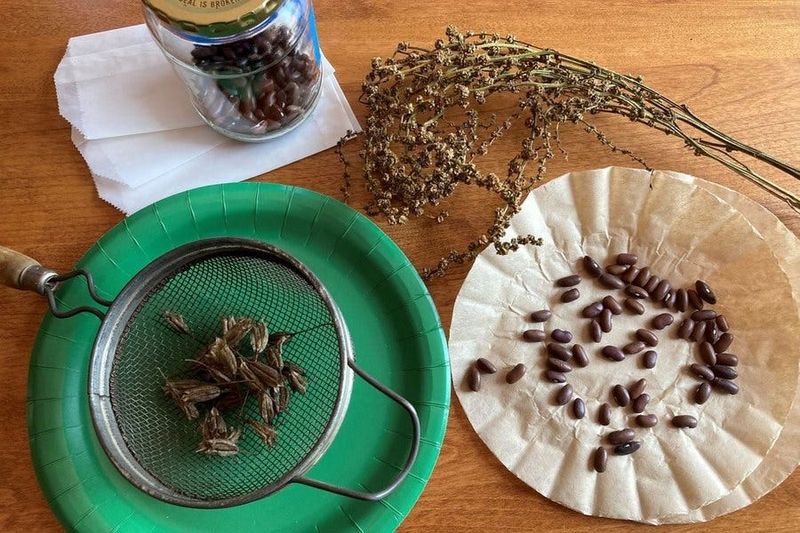
Saving seeds is an ancient practice that preserves plant diversity and ensures future harvests. Picture a collection of seeds, each representing the promise of tomorrow’s crop. Ancient gardeners meticulously saved seeds from the best plants, ensuring resilience and adaptation. This practice maintains genetic diversity, allowing plants to evolve with changing conditions. Today, seed saving is cherished by gardeners seeking heritage varieties and sustainable practices. It’s a link to our agricultural past, fostering independence and resilience. The simple act of saving seeds continues to nurture the bond between gardener and land.
13. Hotbed Gardening
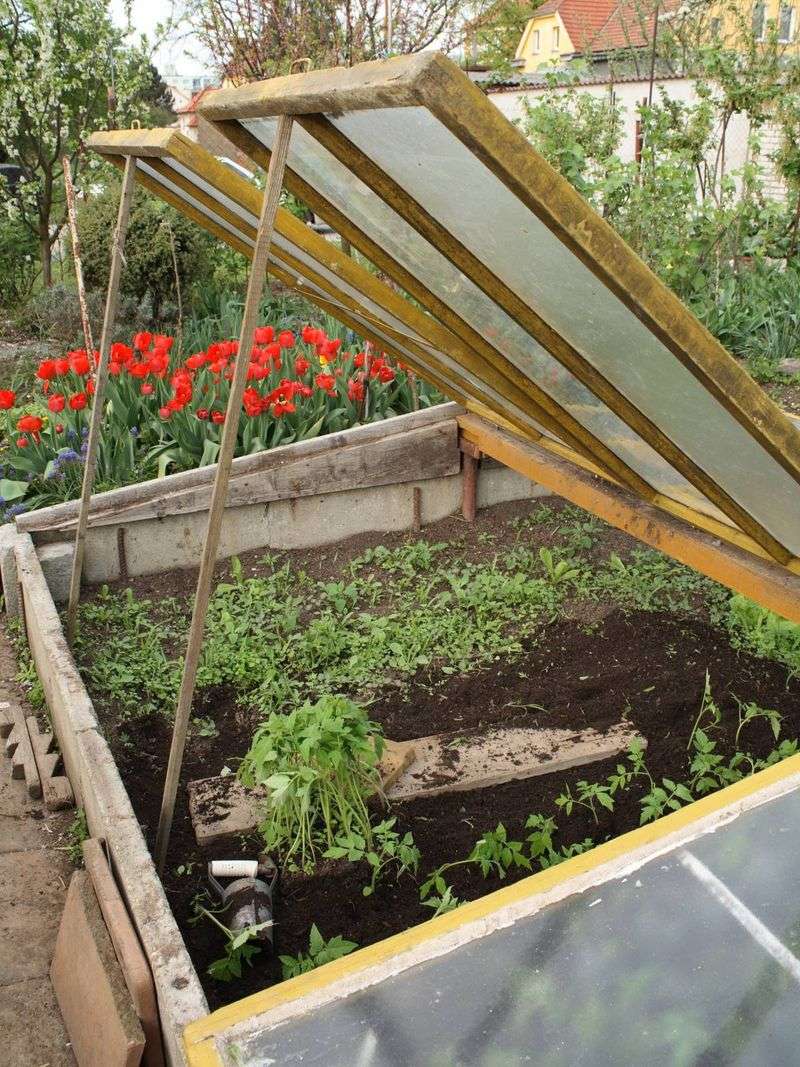
Hotbeds, heated by decomposing manure, enable early planting in colder climates. Ancient gardeners used them to extend growing seasons. Imagine young plants thriving in cozy warmth, protected from frosty conditions. This method harnesses natural heat, creating a microenvironment for seedlings. Modern gardeners build hotbeds to jumpstart the growing season, offering a sustainable alternative to greenhouses. The warmth of a hotbed nurtures early growth, leading to robust harvests. This technique showcases the ingenuity of our ancestors, utilizing organic processes to overcome climatic challenges. Hotbeds remain a valuable tool in cold-season gardening.
14. Biodynamic Soil Preparations
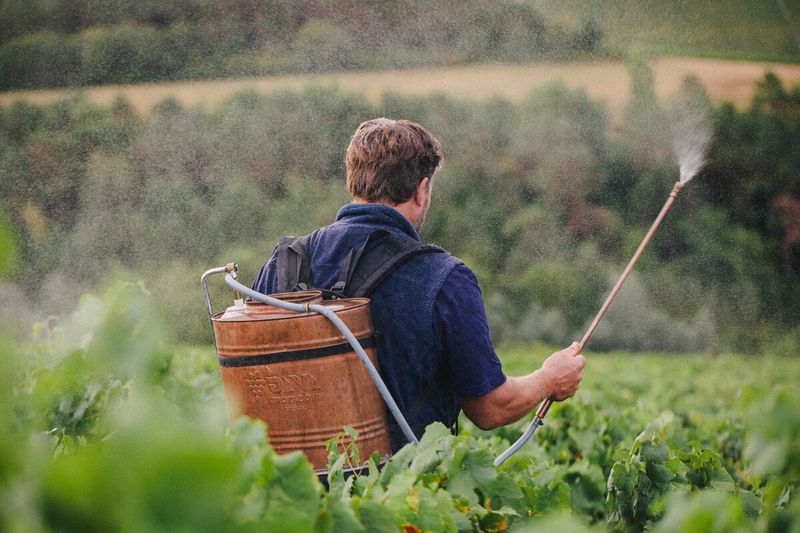
Biodynamic farming emphasizes natural cycles and holistic practices. Ancient methods of soil enrichment include preparations made from herbs, minerals, and manure. Picture a gardener applying these mixtures, fostering a vibrant ecosystem. These preparations enhance soil vitality and plant resilience, promoting harmony in the garden. Modern biodynamic farmers continue this tradition, integrating spiritual insights into agriculture. It’s a unique approach that considers cosmic rhythms and ecological balance. The legacy of biodynamic practices connects gardeners to the earth’s natural rhythms, supporting abundant and healthy harvests. It’s a holistic journey back to nature’s roots.
15. Vertical Gardening
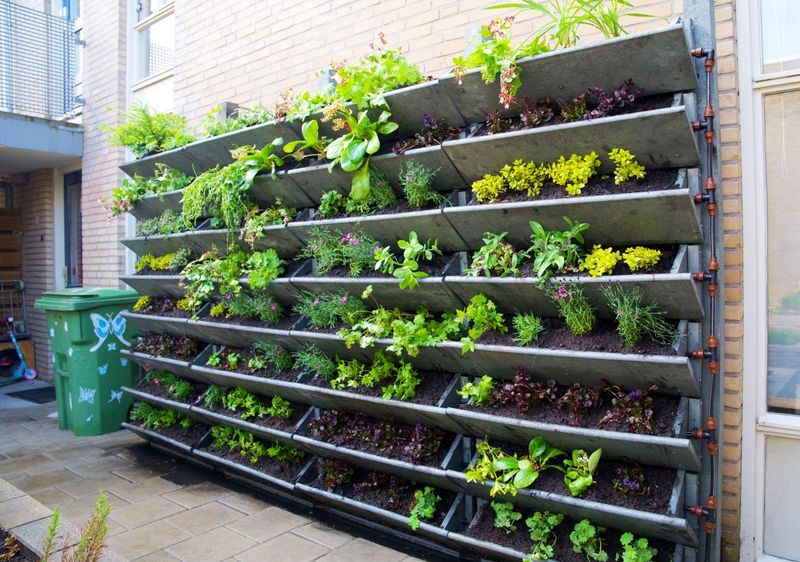
Vertical gardening transforms small spaces into productive green areas. Ancient civilizations utilized walls and trellises to grow upward, maximizing limited space. Picture a vertical garden, lush with herbs and vegetables, climbing towards the sun. This method conserves space while enhancing visual appeal, making it ideal for urban gardeners. Modern enthusiasts embrace vertical gardening for its efficiency and aesthetic value. It’s a creative solution that expands growing potential in confined areas, showcasing the adaptability of ancient techniques. Vertical gardens are a testament to human innovation and the quest for sustainable urban farming.
16. Herbal Brews for Plant Health

Herbal brews, crafted from plants like nettles and chamomile, bolster plant health naturally. Ancient gardeners brewed these teas to invigorate their crops. Picture the aromatic steam rising as herbs steep, infusing their essences into the water. These brews enhance plant immunity and growth, reducing the need for chemical treatments. Modern organic gardeners continue this tradition, valuing the gentle power of plants to heal themselves. Herbal brews embody the synergy between plants, illustrating nature’s ability to nurture and protect. It’s a fragrant reminder of the interconnectedness within ecosystems.
17. Sun Trap Design

Sun traps, designed to capture and maximize sunlight, were used by ancient gardeners to boost growth. Picture a garden layout that channels warmth and light, creating ideal conditions for plants. This strategic design enhances photosynthesis, promoting vigorous development. Modern gardeners use sun traps to extend growing seasons and increase yields, making the most of available light. It’s a clever adaptation of natural resources, reflecting a deep understanding of environmental dynamics. Sun traps offer a bright solution for gardeners seeking to harness the sun’s energy to its fullest potential.
18. Living Mulch
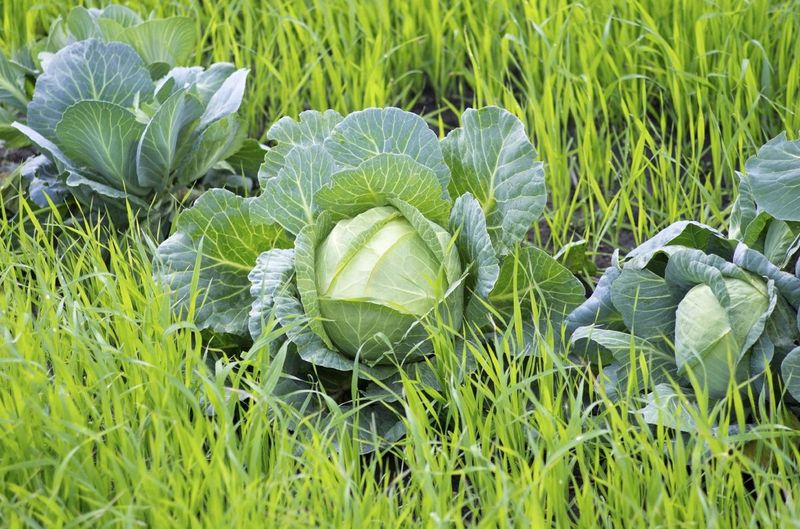
Living mulch, a cover crop growing alongside vegetables, suppresses weeds and retains moisture. Ancient farmers utilized this method to protect and nourish their fields. Picture vibrant clover spreading underfoot, shielding the soil while enriching it with nitrogen. Living mulch provides habitat for beneficial insects, enhancing garden biodiversity. Today, gardeners embrace this eco-friendly technique for its ability to improve soil health and productivity. It’s a dynamic interaction, showcasing the synergy between plants. This natural mulch offers a sustainable alternative to traditional methods, fostering a thriving garden ecosystem.
19. Edible Forest Gardens
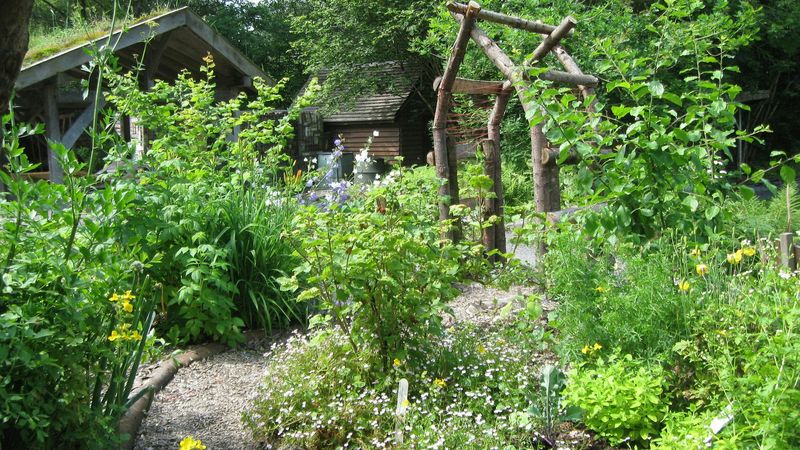
Edible forest gardens mimic natural ecosystems, providing diverse harvests with minimal intervention. Ancient cultures cultivated these self-sustaining systems, blending fruit trees with understory plants. Picture a lush, layered garden teeming with life and nourishment. This permaculture approach requires careful planning, but yields abundant produce. Modern permaculturists design edible forests to align with nature, promoting biodiversity and resilience. It’s a holistic practice that nurtures both the land and its caretakers. Edible forest gardens embody the essence of sustainable agriculture, offering a bountiful legacy for future generations.
20. Moon Gardening
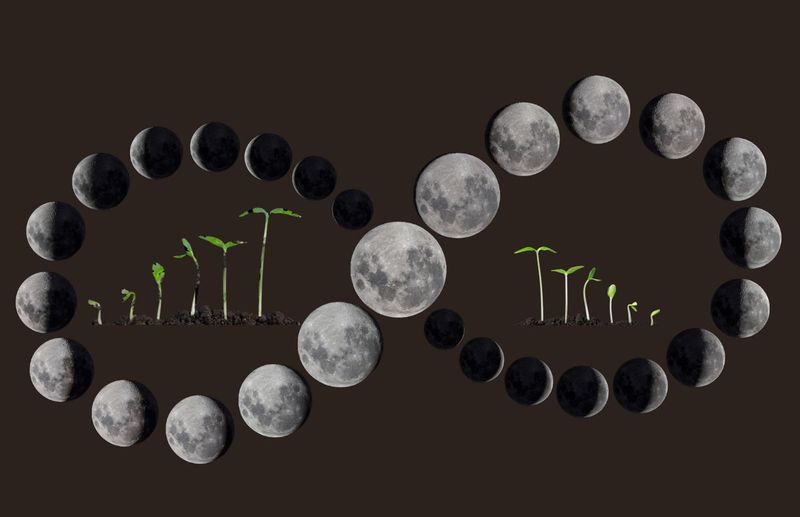
Moon gardening, guided by lunar phases, aligns planting with celestial rhythms. Ancient farmers observed the moon’s influence on earth, timing activities for optimal growth. Picture a gardener sowing seeds under moonlit skies, harmonizing with natural cycles. This practice enhances germination and vitality, tapping into cosmic forces. Modern gardeners explore moon gardening for its connection to nature’s timing. It’s a mystical tradition that celebrates the earth’s relationship with the moon, fostering a deeper bond with the environment. Moon gardening offers an ethereal perspective on planting, rooted in ancient wisdom.
21. HugelKultur
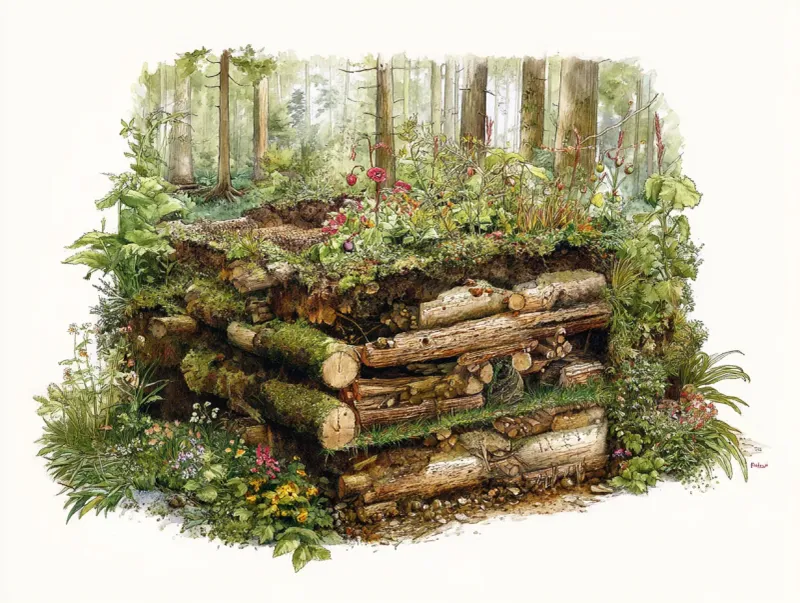
Hügelkultur, a centuries-old technique, involves building mounds of wood and soil to create raised garden beds. Ancient farmers layered logs and organic matter, fostering rich, fertile environments. Picture a mound teeming with life, where decomposition fuels plant growth. This method improves drainage and retains moisture, supporting thriving ecosystems. Modern permaculturists adopt hügelkultur for its sustainability and efficiency. It’s a creative adaptation of natural processes, enhancing soil structure and fertility. Hügelkultur transforms garden waste into valuable resources, demonstrating nature’s ability to regenerate and sustain.
22. Clay Pot Irrigation
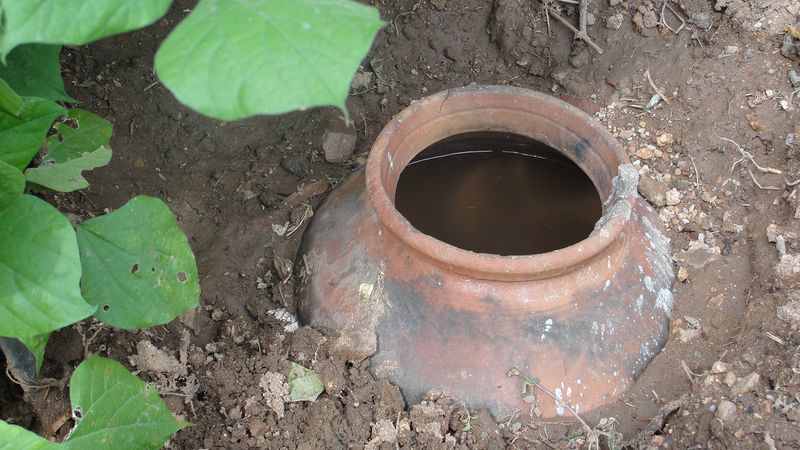
Clay pot irrigation, an ancient method, conserves water by delivering it directly to plant roots. Picture a clay vessel buried in soil, seeping moisture steadily to nearby plants. This technique minimizes evaporation, ensuring efficient water use in arid regions. Ancient gardeners relied on this method to sustain crops through dry seasons. Modern permaculturists value clay pot irrigation for its simplicity and effectiveness, integrating it into sustainable water management strategies. It’s a gentle reminder of how past innovations continue to inform present practices, nurturing gardens in harmony with nature’s cycles.
23. Grafting Techniques
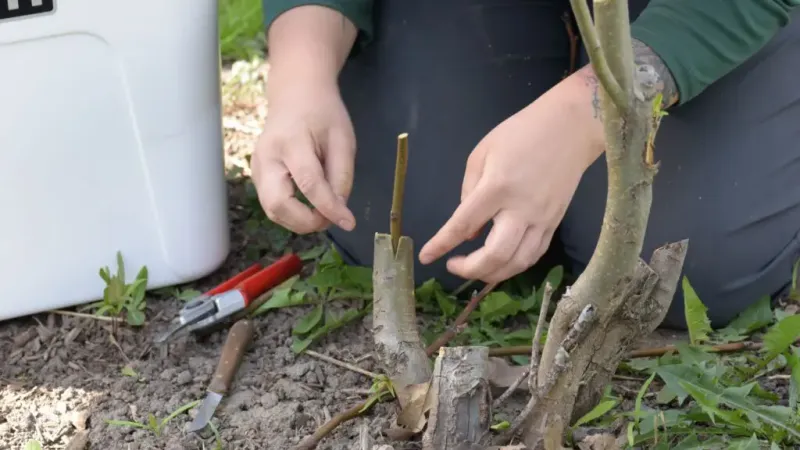
Grafting, the art of joining plants, enhances strength and productivity. Ancient horticulturists perfected this technique to improve fruit quality and yield. Picture a skilled hand binding two branches, uniting them in growth and purpose. Grafting allows for the combination of desirable traits, creating robust plants capable of thriving in diverse conditions. Modern gardeners use grafting to propagate fruit trees and ornamental plants, continuing a tradition of innovation. It’s a testament to human ingenuity and the quest for agricultural excellence. The practice of grafting links us to our horticultural heritage.
24. Intercropping
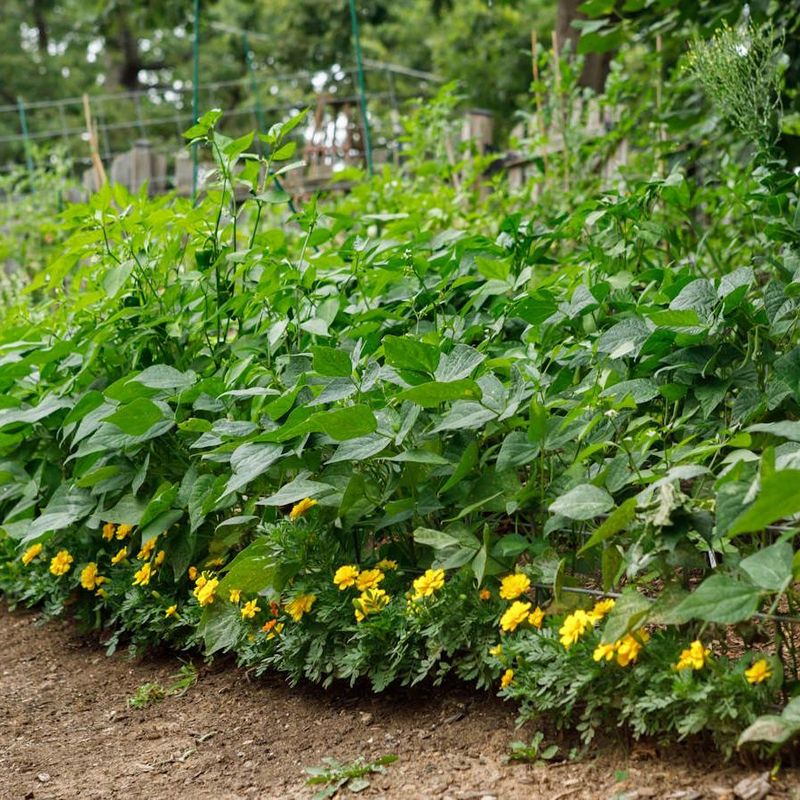
Intercropping, the practice of growing different crops together, boosts yield and diversity. Ancient farmers mastered this method, enhancing productivity with strategic plant pairings. Picture a field alive with varied colors and textures, each crop supporting the others’ growth. Intercropping reduces pest infestations and optimizes space, promoting a balanced ecosystem. Modern agriculture embraces this technique for its ecological benefits, fostering resilience and sustainability. It’s a dynamic interplay of plants, reflecting a deep understanding of natural systems. Intercropping offers a vibrant tapestry of life, rooted in traditional farming wisdom.
25. Fish Emulsion Fertilizer
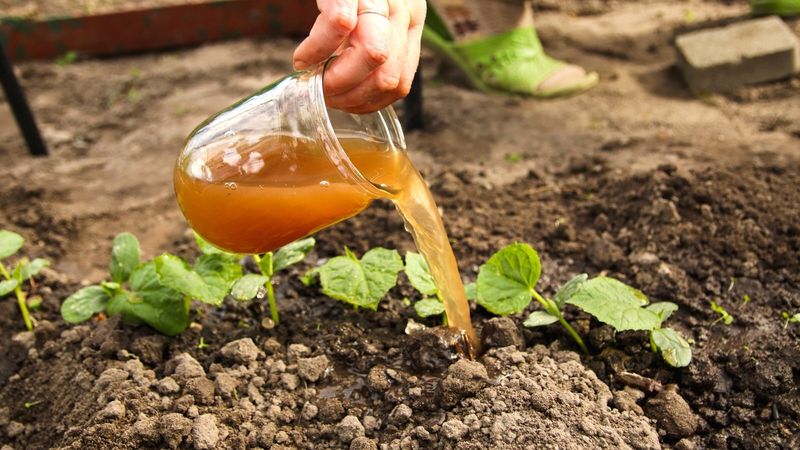
Fish emulsion, a nutrient-rich fertilizer, boosts plant growth and soil health. Ancient coastal communities used fish waste to nourish crops, blending tradition with resourcefulness. Picture a garden thriving with vibrant greenery, enriched by this potent elixir. Fish emulsion provides essential nutrients, enhancing plant vitality and productivity. Modern gardeners value this organic fertilizer for its effectiveness and sustainability, integrating it into holistic practices. It’s a testament to the ancient wisdom of utilizing natural resources efficiently. The legacy of fish emulsion endures, feeding gardens with the bounty of the sea.
26. Polyculture Planting
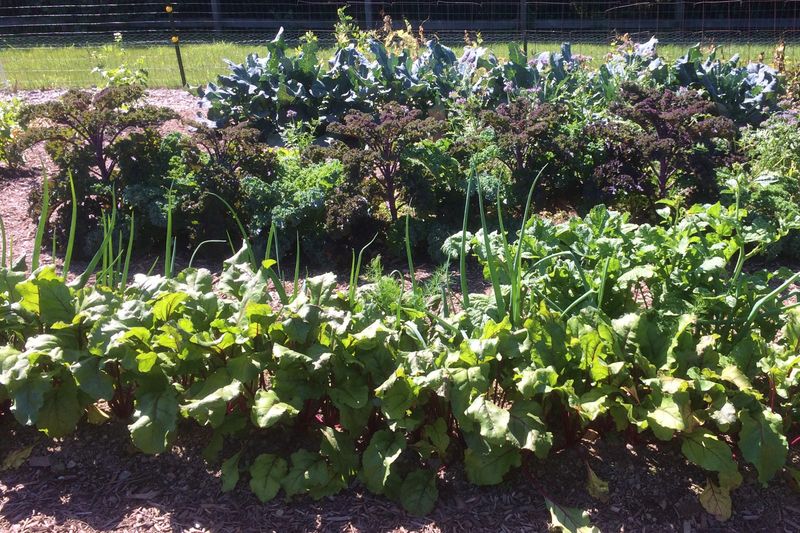
Polyculture, growing multiple crops in one space, enhances biodiversity and resilience. Ancient farmers recognized its benefits, cultivating diverse plant communities. Picture a garden bursting with variety, each plant contributing to a balanced ecosystem. Polyculture reduces disease and pest risks, supporting sustainable agriculture. Modern permaculturists adopt this method to foster harmony in gardens, maximizing space and productivity. It’s a celebration of diversity, reflecting nature’s inherent complexity. Polyculture planting offers a thriving landscape of abundance, rooted in the timeless wisdom of working with nature’s diversity.
27. Natural Trellising
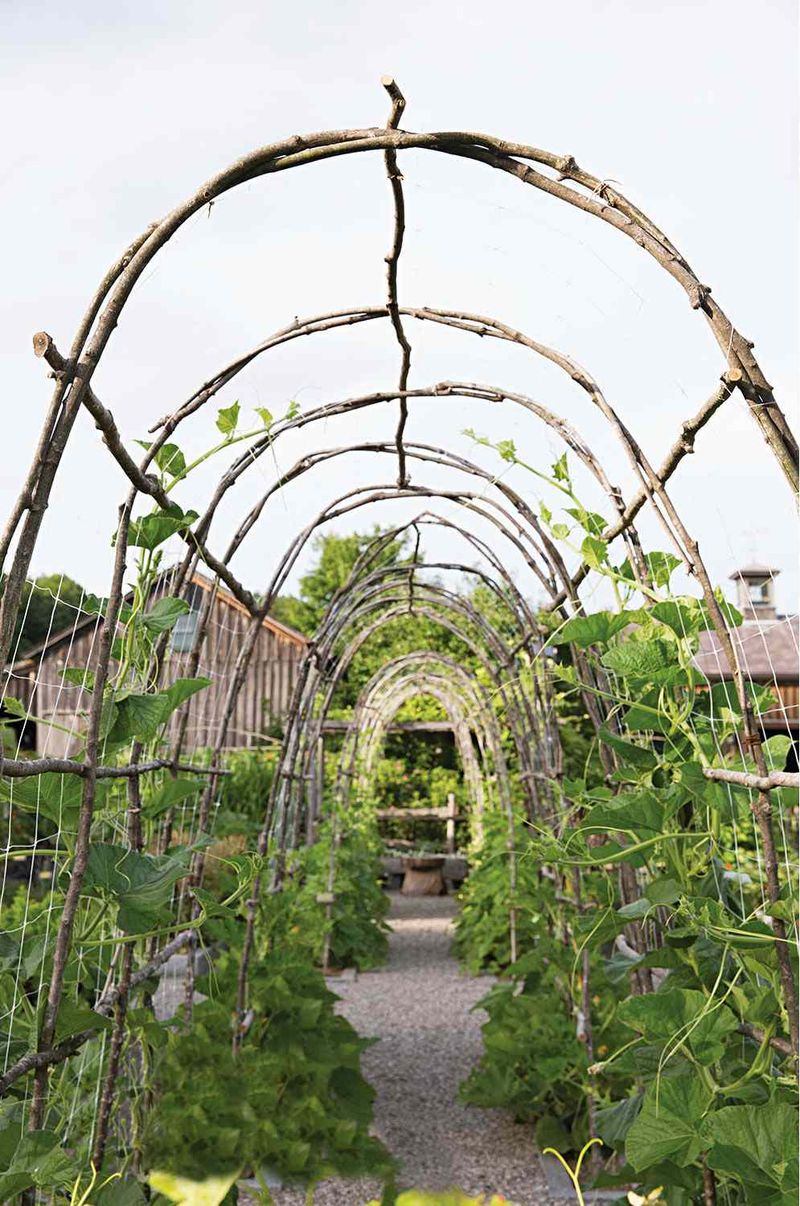
Natural trellising, using branches and vines, supports climbing plants without synthetic materials. Ancient gardeners crafted trellises from available resources, blending utility with aesthetics. Picture a garden where plants climb gracefully on rustic supports, reaching for the sun. This method enhances vertical growth, optimizing space and air circulation. Modern gardeners embrace natural trellising for its simplicity and eco-friendly appeal. It’s a sustainable alternative that integrates seamlessly into garden landscapes. The tradition of natural trellising reflects a commitment to resourcefulness and creativity, nurturing plants in harmony with their environment.
28. Ancient Seed Fermentation
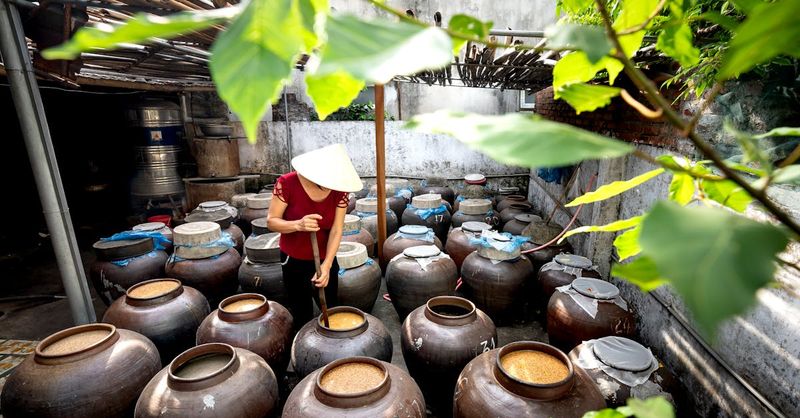
For centuries, farmers have harnessed the power of seed fermentation to enhance germination rates. By soaking seeds in natural solutions, they unlock hidden potential, leading to more vigorous growth.
The process involves a delicate balance of time and temperature, transforming ordinary seeds into powerhouses of productivity. Each batch tells a story of experimentation and tradition.
Did you know? In ancient China, fermented seeds were revered for their magical ability to boost harvests. This practice remains a cornerstone in regions where agriculture meets alchemy.
29. Lunar Planting Cycles
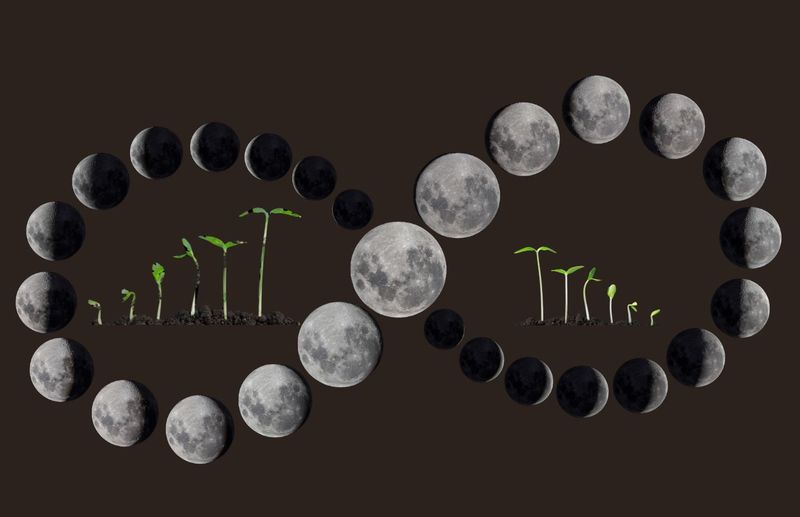
Planting by the moon’s cycles is an age-old tradition that aligns agriculture with the celestial calendar. Farmers observed lunar phases, timing their activities to the moon’s influence on water and sap movement.
Each phase dictates a specific task, from sowing seeds to transplanting seedlings. This cosmic dance enhances vitality in plants, bridging earth and sky.
While modern science may question, many gardeners swear by its subtle rhythms. Ancient cultures regarded the moon as a guide, believing its phases held secrets to bountiful harvests.
30. Stone Mulch Heat Traps
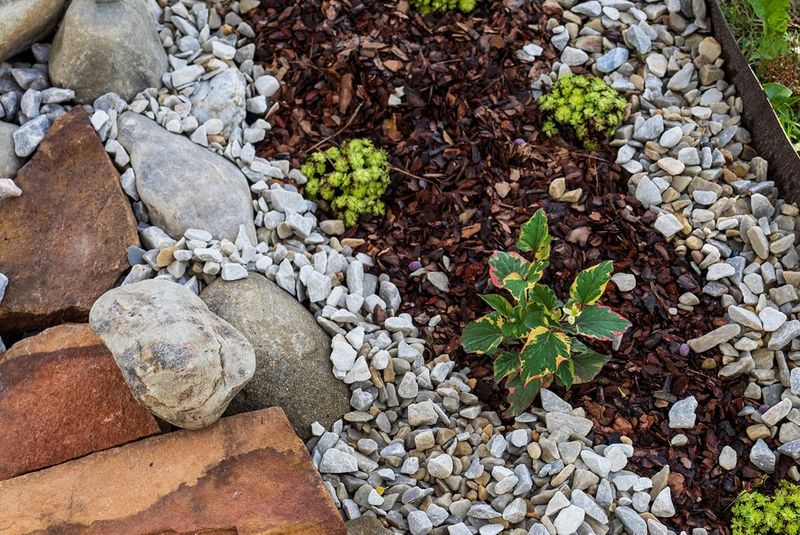
Using stones as mulch creates microclimates that retain heat and moisture, perfect for thriving vegetable gardens. This technique involves placing stones around plants to absorb sunlight and gradually release warmth during cooler hours.
A practice rooted in arid regions, it conserves water and promotes healthy growth. The stones’ thermal properties create a nurturing environment, mimicking natural habitats.
Ancient farmers recognized the symbiotic relationship between rocks and plants, a testament to resourceful innovation long before modern irrigation.
31. Herbal Companion Plant Brews

Herbal brews crafted for companion planting create harmonious plant relationships, enhancing growth and deterring pests. These potions, steeped in tradition, are brewed from specific herbs to support nearby plants.
An old-world practice, this method fosters balance in the garden ecosystem. Each brew is a unique blend, offering nourishment and protection.
Did you know? Ancient herbalists were the original chemists, mastering plant interactions to boost yields. This blend of botany and folklore continues to inspire modern gardeners, connecting past wisdom with present-day needs.