
Gardening is often surrounded by a plethora of myths that can lead even the most seasoned gardeners astray. These myths, passed down through generations, often contain more fiction than fact. This article debunks 15 common garden myths, providing insight into what truly benefits plant growth. Whether it’s understanding the real impact of organic pesticides or the misconception about daily watering, this guide sheds light on these myths with factual clarity. Get ready to empower your gardening with truth and science.
1. Myth 1: Adding Gravel to Pots Improves Drainage
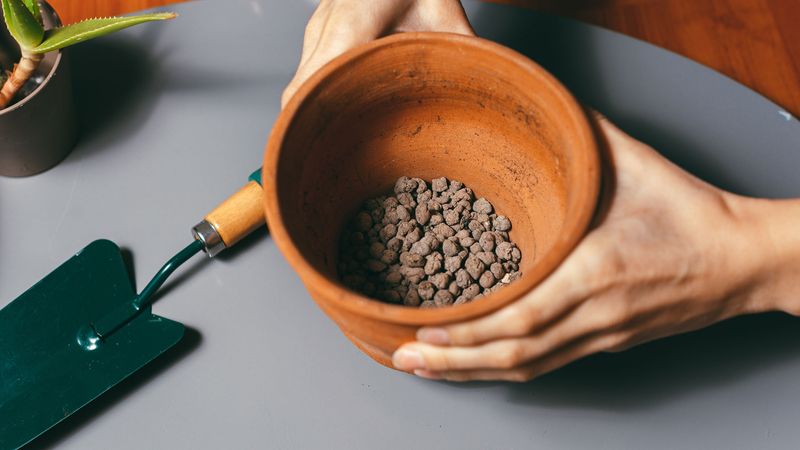
Gravel in pots seems logical for drainage, yet it creates a “perched water table.” This means water pools above gravel, risking root rot. Instead, select a pot with proper drainage holes. Use well-draining soil to ensure excess water escapes. Curious gardeners might think gravel helps, but it’s misleading. A pot with waterlogged roots is never happy. Why not try mixing sand or vermiculite with soil for better results? Understanding the root of the issue is key. Remember, a pot without holes is like a plant without sunlight!
2. Myth 2: Epsom Salt Fixes All Plant Problems
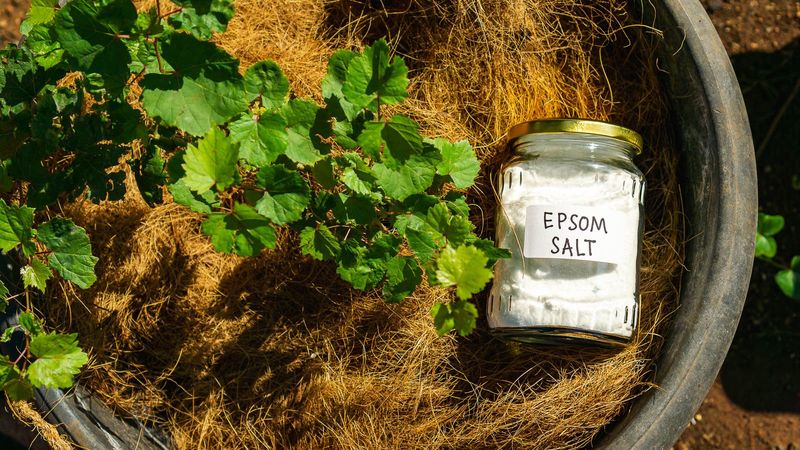
Epsom salt, often hailed as a gardening magic wand, isn’t a panacea. While magnesium sulfate can help, it’s only beneficial if there’s a magnesium deficiency, which is infrequent. Overusing Epsom salt might lead to nutrient imbalances, stunting plant growth. Think twice before reaching for it as a cure-all. Assessing soil health is a gardener’s first task. Skip unnecessary additives unless a genuine need arises. A lush garden thrives on balanced nutrition, not quick fixes. Remember, not all shimmering solutions are golden!
3. Myth 3: You Should Water Plants Daily
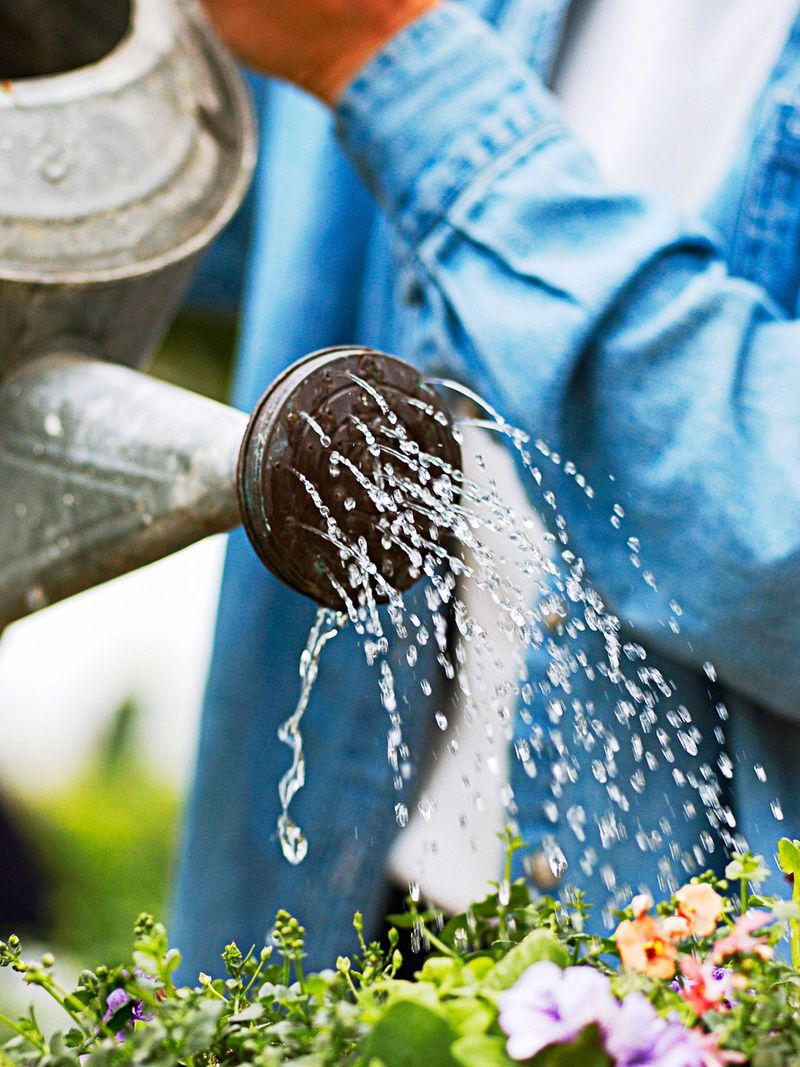
The belief that plants require daily watering is misleading. Overwatering is often a plant’s silent killer, drowning roots and causing decay. Many plants thrive on deep, infrequent watering, allowing roots to explore and strengthen. Be cautious; knowing when to water is vital. Equip yourself with a moisture meter or simply touch the soil. A well-drained garden dances with health. Give plants the deep hydration they crave, but don’t drown them with kindness. Remember, water’s not always the best medicine!
4. Myth 4: Organic Pesticides Are Always Safe
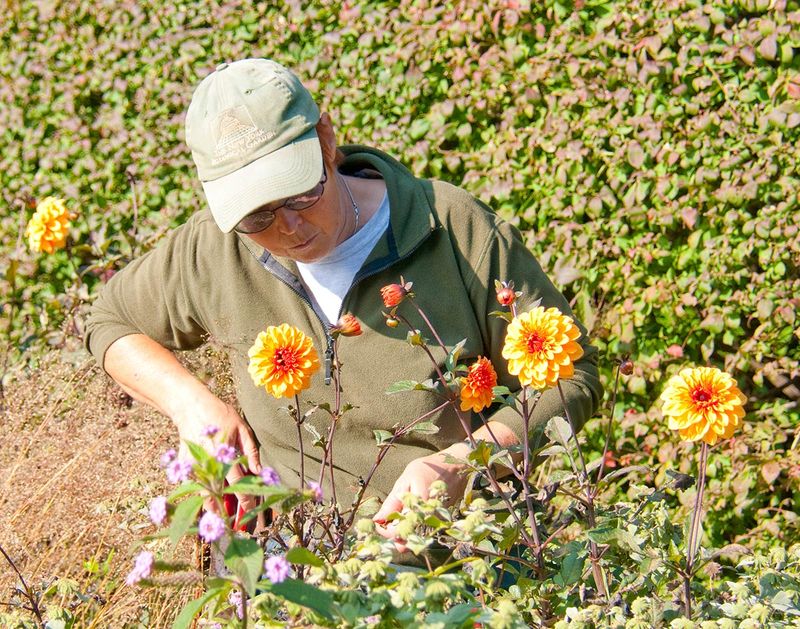
Organic pesticides, though natural, aren’t automatically safe. Misused, they can harm pollinators like bees. Apply them with caution, preferably at dusk when bees retire. Even nature’s solutions require mindfulness. Embrace integrated pest management for sustainable gardening. Safeguard beneficial insects while targeting pests. Nature’s balance is delicate; reckless use disrupts harmony. Take time to learn and understand each pesticide’s role. The path to a thriving garden is paved with knowledge, not assumptions. Responsible choices shape a healthy ecosystem!
5. Myth 5: Coffee Grounds Acidify Soil
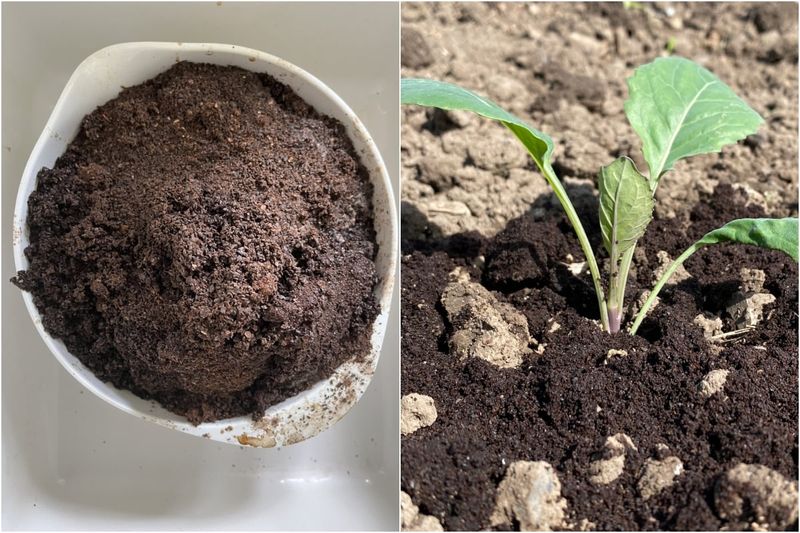
Coffee grounds, once brewed, lose their acidity, rendering them nearly pH-neutral. While they enrich the soil with organic matter, they don’t alter its acidity significantly. Gardeners hoping for a magical acid boost may find disappointment. Instead, focus on soil amendments suited to your garden’s needs. Composting grounds adds texture, but not the acidic punch some crave. Explore other methods for acid-loving plants. Coffee does more for morning energy than soil’s pH. The truth is, it’s all about balance, not shortcuts!
6. Myth 6: Planting Marigolds Repels All Pests
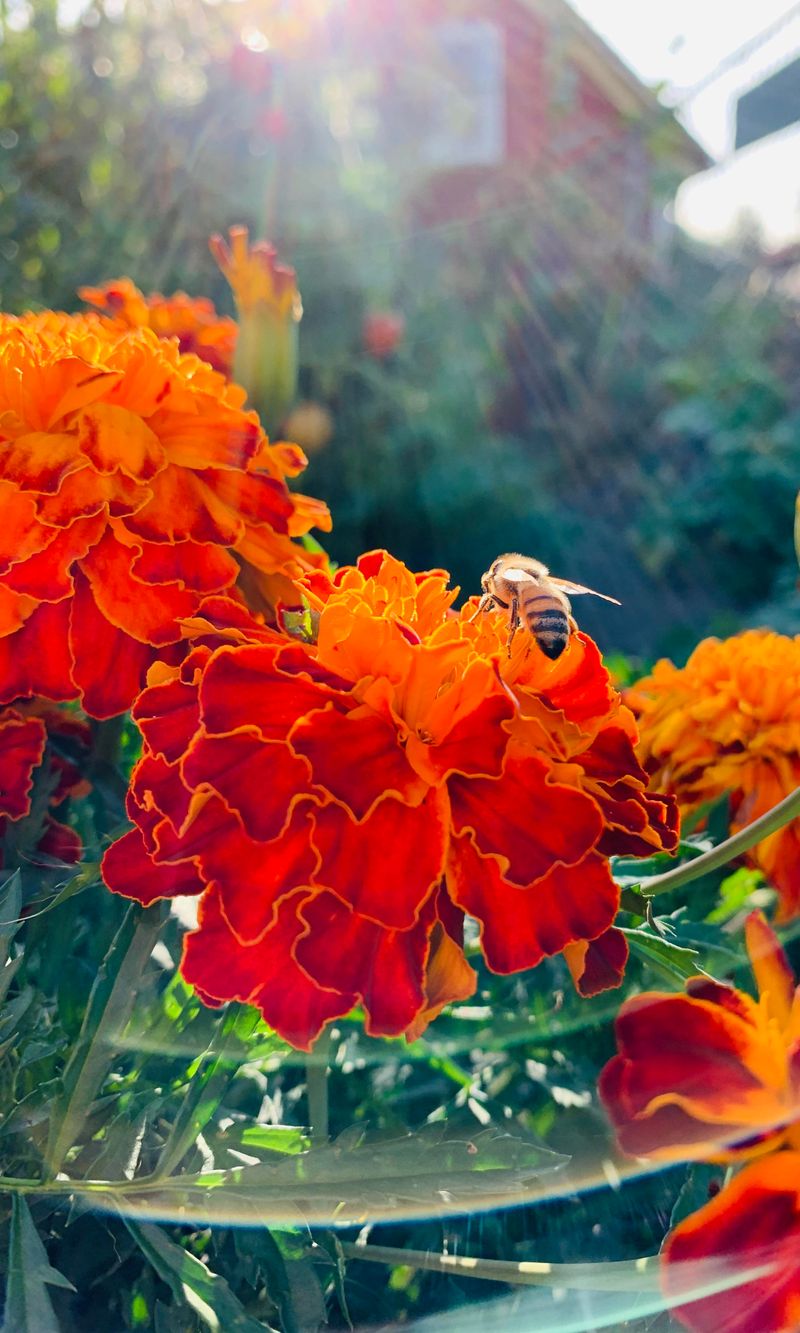
Marigolds, often touted as pest deterrents, have their limits. They fend off nematodes but don’t repel aphids or beetles. Their bright blooms might mislead gardeners into overconfidence. Explore companion planting to boost natural defenses. Relying solely on marigolds can leave gardens vulnerable. Embrace biodiversity for a balanced ecosystem. The key is understanding each plant’s strengths and weaknesses. Remember, every garden warrior has its niche. Look beyond marigolds for a robust, pest-resistant garden. Nature’s variety is your greatest ally!
7. Myth 7: You Should Stake Young Trees Tightly
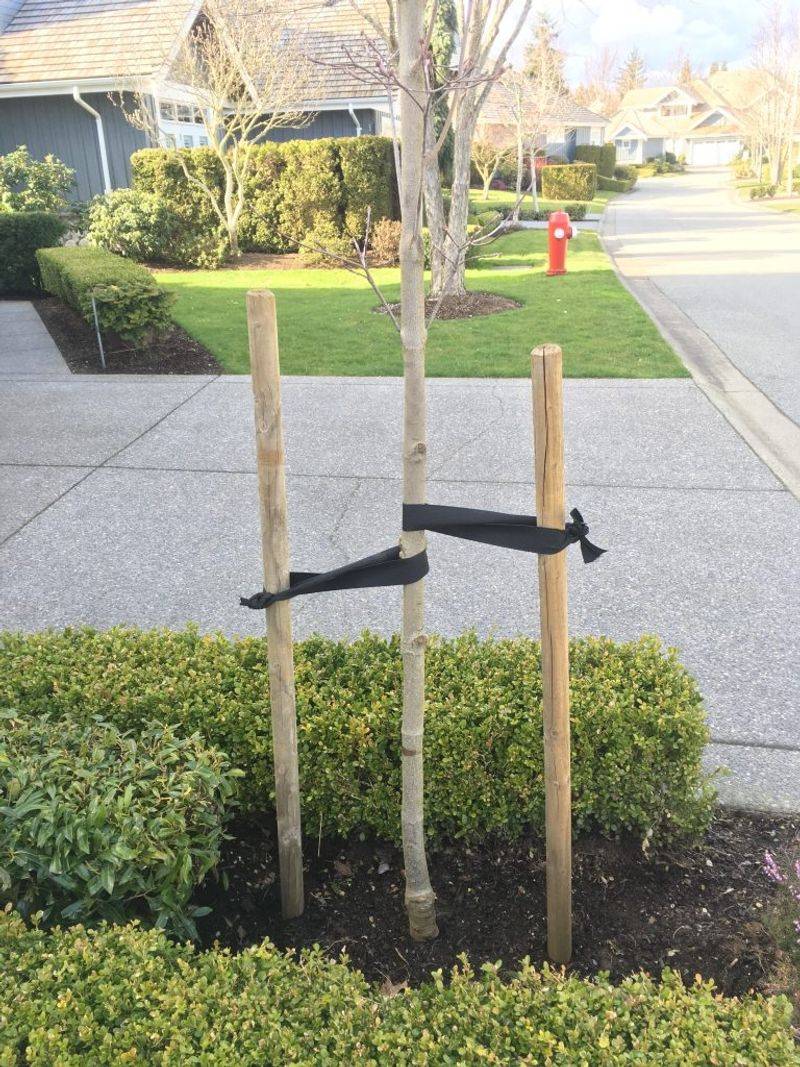
Tightly staking young trees might seem wise, but it hinders growth. Trees need freedom to sway, building trunk strength and resilience. Over-staking results in weak, dependent trees. Use flexible ties, allowing movement. It’s like teaching a child to walk; they need space to grow. Swaying in the wind, trees develop character and sturdiness. Let nature guide your staking approach. Remember, trees’ strength lies in their gentle dance with the wind. Give them the freedom to flourish, not constraints!
8. Myth 8: All Ladybugs Are Good for the Garden
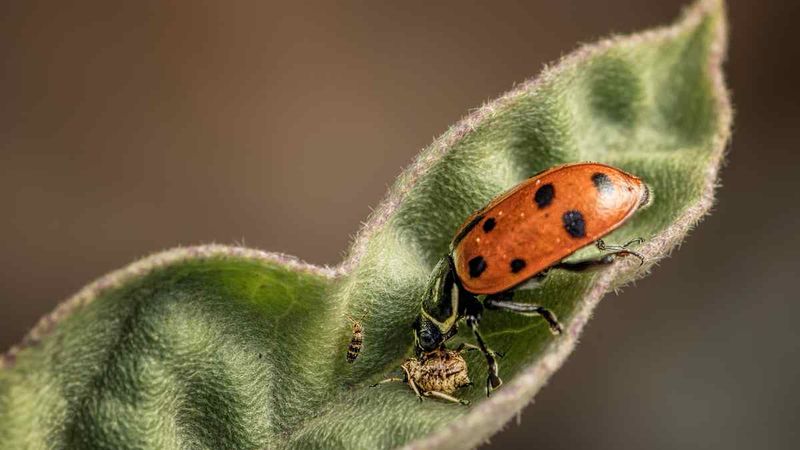
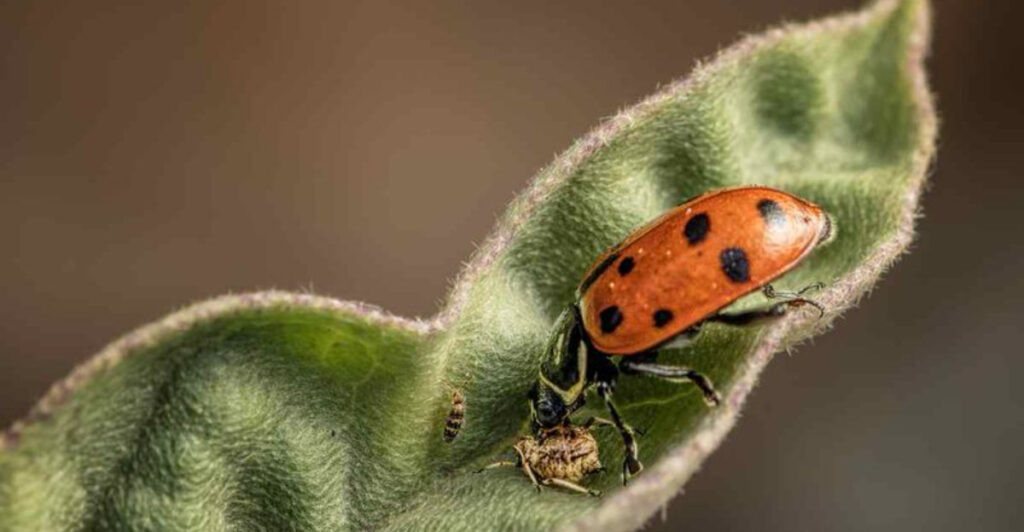
Ladybugs, cherished garden allies, aren’t all beneficial. The invasive Asian lady beetle outcompetes native species, posing challenges. Don’t be fooled by their similar appearance; they’re not interchangeable. Observant gardeners recognize these differences, protecting the ecosystem’s balance. Encourage native ladybugs while managing invasives. Knowledge is power in identifying these beetles. Celebrate diversity, but keep a watchful eye. The garden thrives on harmonious relationships, not invaders. Every bug has a role, but not all belong. Let wisdom guide your garden choices!
9. Myth 9: Eggshells Prevent Blossom End Rot
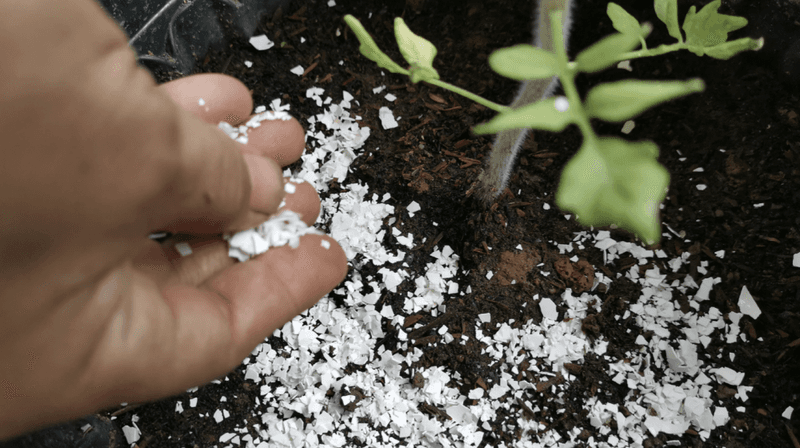
Eggshells, thought to combat blossom end rot, offer limited help. This condition often stems from inconsistent watering, not calcium deficiency. Though rich in calcium, eggshells decompose slowly, delaying impact. It’s a classic example of patience versus urgency. Focus on watering consistency to address this issue. Examine plant care holistically, rather than quick fixes. The beauty of gardening lies in understanding complexities. Remember, growth requires thoughtful attention, not just crushed hopes. Let eggshells enhance compost, not misconceptions!
10. Myth 10: More Fertilizer = Bigger Plants
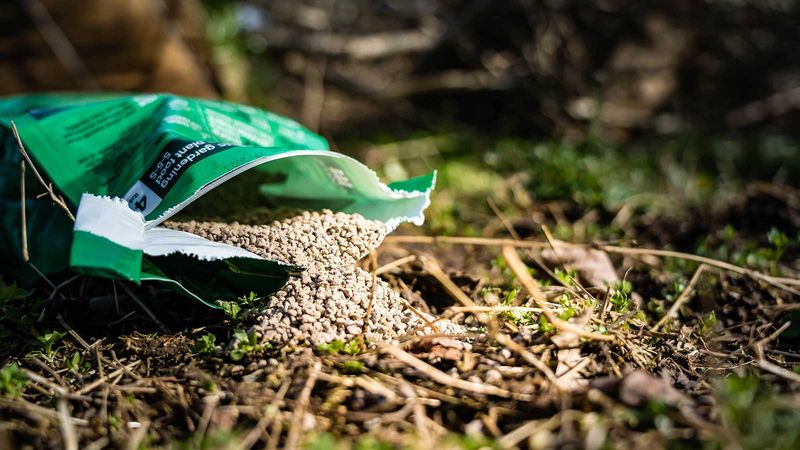
Over-fertilizing plants is like overfeeding; it leads to problems. Extra fertilizer doesn’t guarantee growth; it can harm roots and promote weak, leafy shoots. Plants thrive best on balanced nutrition, following package guidelines. Too much of a good thing disrupts harmony. Evaluate plant needs before adding more. The soil’s story is revealed through careful observation. Over-fertilization is a story of excess, not abundance. Remember, a thriving garden is a dance of balance, not overindulgence. Let moderation guide your fertilization efforts!
11. Myth 11: Drought-Tolerant Plants Never Need Water
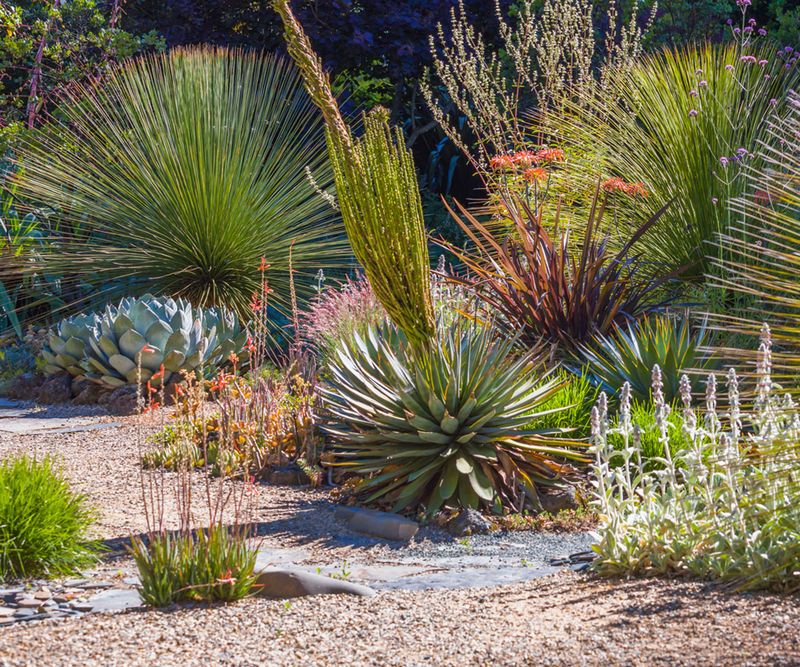
Drought-tolerant plants, renowned for resilience, still need water occasionally. Extreme heat demands extra care. Deep watering supports their survival, even in arid conditions. It’s about understanding each plant’s nature and needs. Neglect is not an option, as even the hardiest benefit from attention. This myth confuses toughness with invincibility. Learn each plant’s water requirements to ensure longevity. Remember, even resilient souls need nurturing embraces. Embrace the rhythm of nature’s cycles and watch your garden flourish through understanding and care!
12. Myth 12: Vinegar Is a Safe Weed Killer
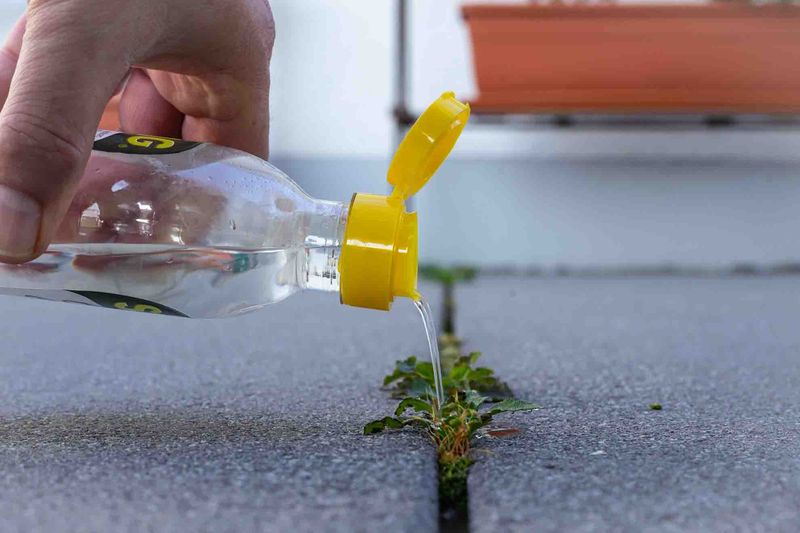
Vinegar, often touted as a safe herbicide, doesn’t discriminate. It kills everything in its path, not just weeds. Use with care to avoid harming desirable plants. Consider vinegar’s long-term effects on soil acidity. The allure of simplicity hides potential risks; knowledge offers clarity. There’s power in understanding natural tools and their consequences. Approach weed control with caution, respecting the garden’s balance. Remember, responsible stewardship involves informed decisions. The path to a healthy garden is paved with sustainable choices!
13. Myth 13: All Mushrooms in Soil Are Bad
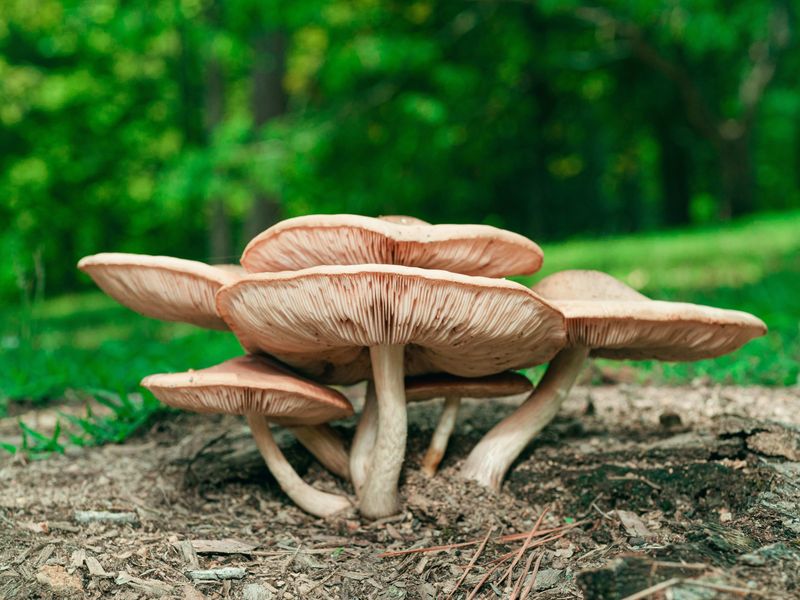
Mushrooms in soil often signal health, not trouble. They’re nature’s decomposers, breaking down organic matter. Most fungi are harmless, aiding nutrient cycling. Alarm arises from misunderstanding their role. Identify harmful species, but respect the beneficial ones. Embrace the unseen world beneath your feet. Mushrooms tell tales of vitality and balance. Trust in the garden’s natural processes and marvel at nature’s symphony. Remember, life thrives through diverse connections. Let curiosity guide your exploration of this hidden kingdom!
14. Myth 14: Pruning Paint Seals Tree Wounds
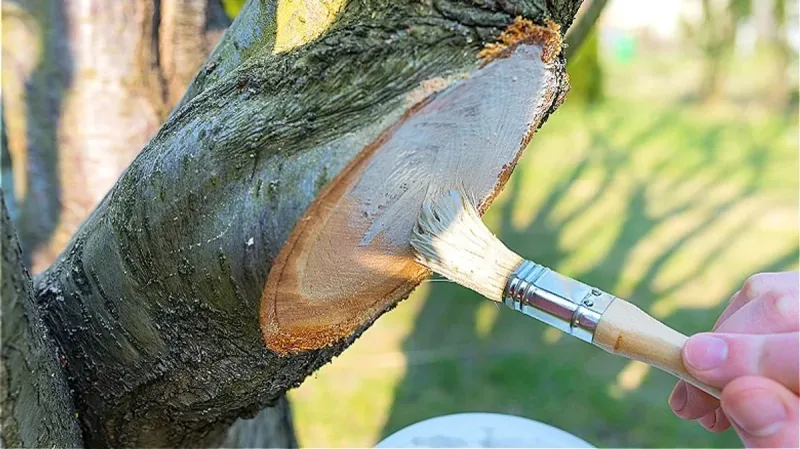
Pruning paint, once believed to heal tree wounds, often hinders recovery. Trees heal best naturally, exposed to air. Paint traps moisture, inviting decay. Let cuts breathe, trusting nature’s wisdom. The temptation to intervene can sometimes obstruct. Trust the tree’s innate ability to mend itself. Experience teaches that less is more, in gardening and life. Nurture with patience, not haste. Remember, healing requires space, not confinement. Wisdom lies in understanding nature’s rhythms and allowing them to unfold!
15. Myth 15: Talking to Plants Helps Them Grow
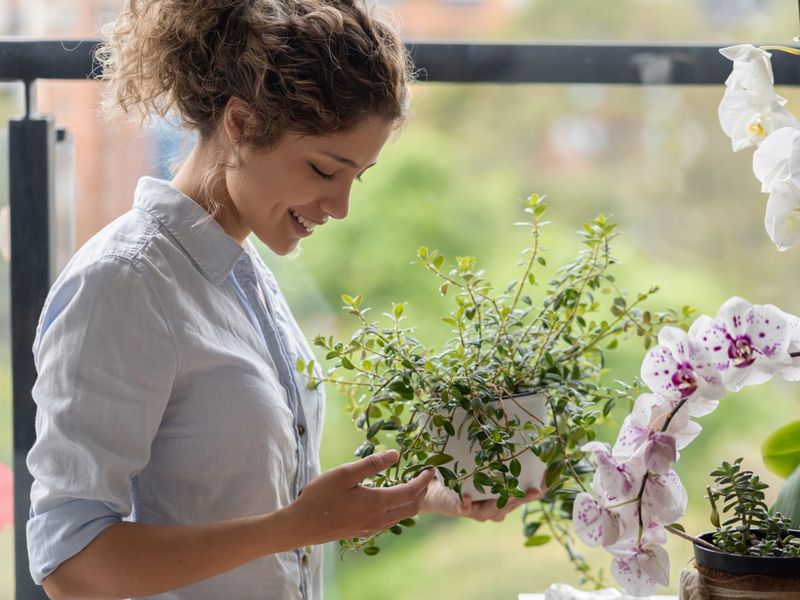
The idea of talking to plants enhancing growth captures imaginations. While CO₂ from breath might aid slightly, it’s good care that matters most. Light, water, and nutrients are key to thriving plants. The myth speaks to a human desire for connection. Embrace a garden as a reflection of care and attention. Engage with plants through mindful nurturing, not just words. Growth stems from consistent effort, not idle chatter. Remember, actions speak louder than words in the language of nature!