
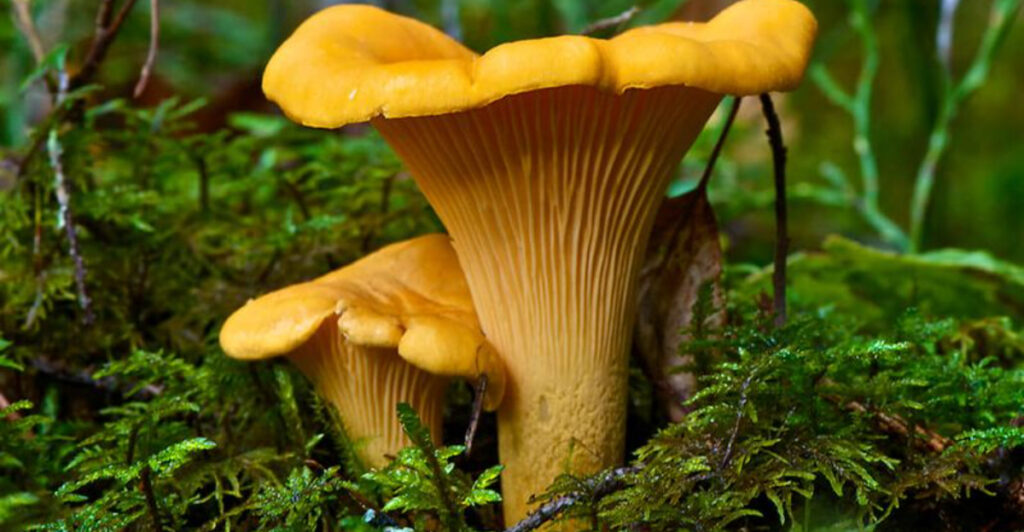
Cultivating mushrooms at home is not just a rewarding hobby but also provides a continuous supply of fresh and nutritious fungi. They are packed with vitamins, minerals, and unique compounds that contribute to health and wellness. Learn about ten varieties you can easily grow and enjoy their culinary and medicinal benefits.
1. Oyster Mushrooms
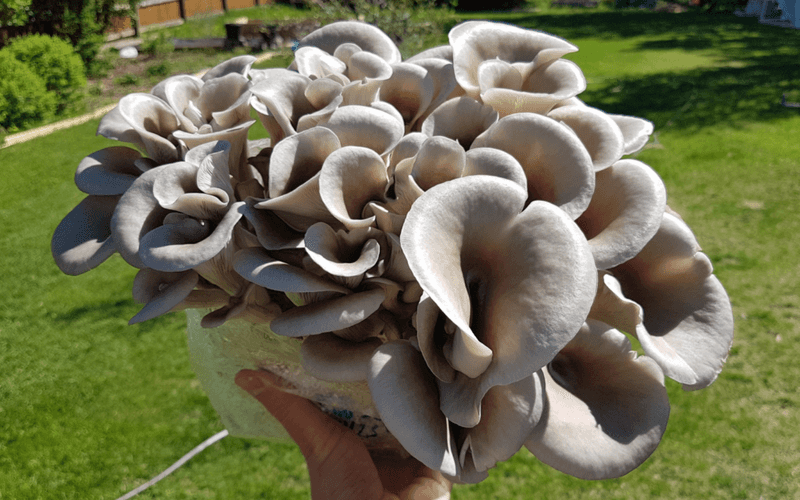
Oyster mushrooms, known for their delicate texture and mild, savory flavor, are a favorite among home gardeners. They thrive on a variety of substrates, such as straw or cardboard, making them versatile and easy to cultivate.
These mushrooms are rich in nutrients, including protein, fiber, and several vitamins, contributing significantly to a balanced diet. In addition, they contain compounds that may support heart health and immune function.
Their fast growth and low maintenance make them perfect for beginners. Oyster mushrooms can be harvested in just a few weeks, providing a quick and rewarding yield.
2. Shiitake Mushrooms
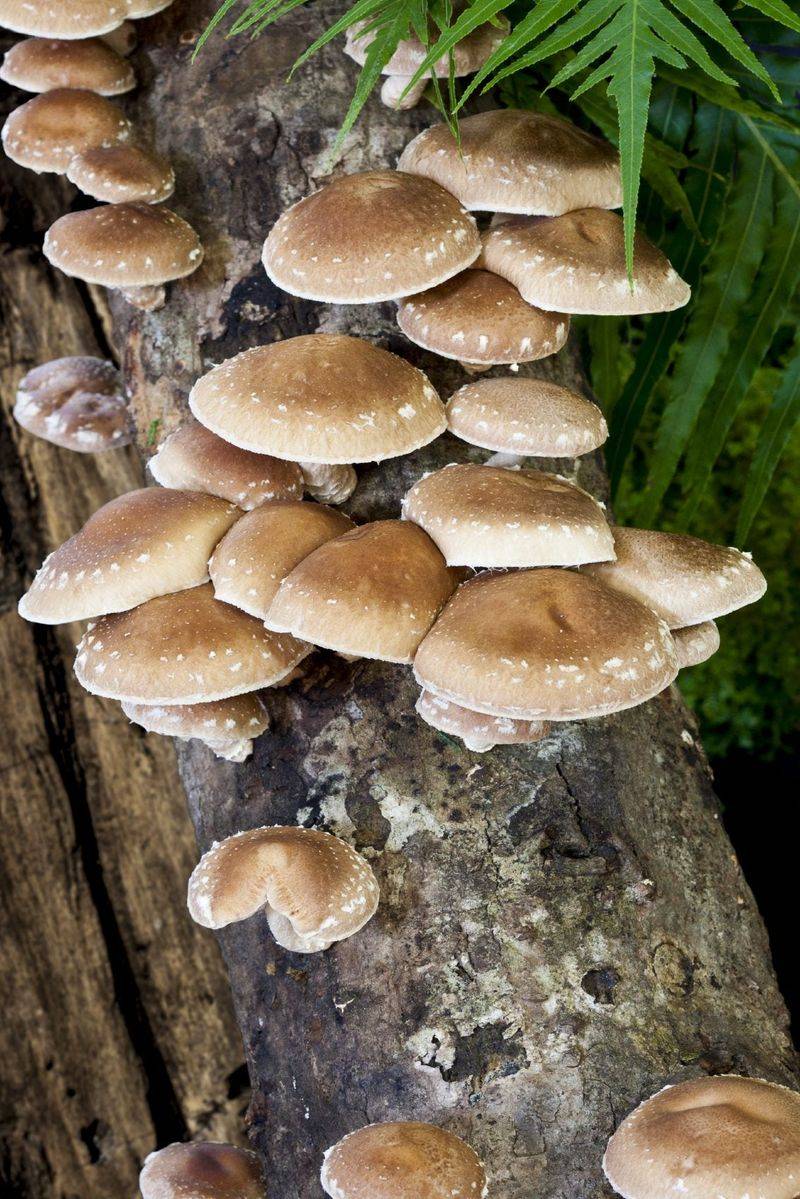
Shiitake mushrooms bring a robust, earthy flavor to any dish and are revered in Asian cuisine. They grow well on hardwood logs or sawdust blocks, offering a sustainable way to cultivate this delicious fungi at home.
Packed with B vitamins and minerals, shiitake mushrooms are known for their immune-boosting properties. They contain lentinan, a compound studied for its potential to support immune function and overall health.
While they require a bit more attention, the rich flavor and health benefits make shiitake mushrooms a favorite for home cultivation.
3. Lion’s Mane Mushrooms
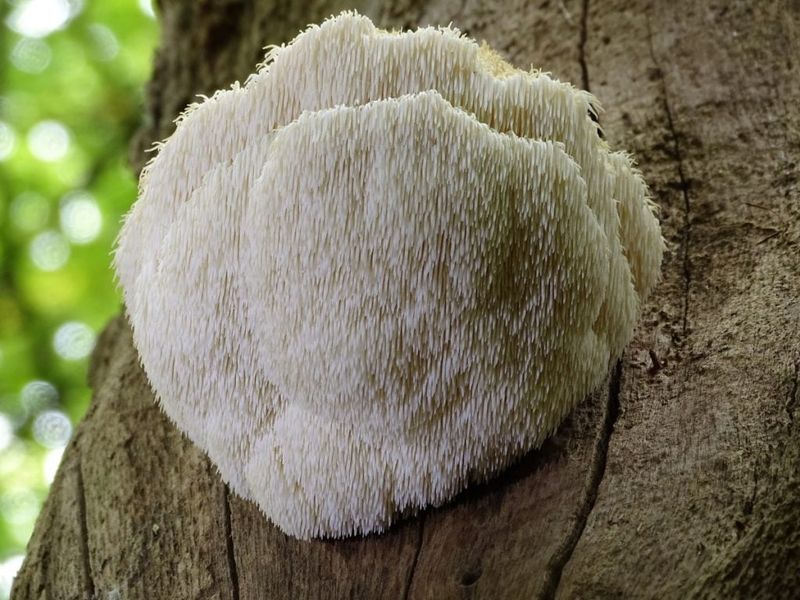
Lion’s mane mushrooms captivate with their unique appearance and potential cognitive benefits. Often described as having a seafood-like taste, they can be a delightful addition to a variety of dishes.
Lion’s mane is celebrated for its potential neuroprotective properties. Compounds found in these mushrooms might support brain health and help improve cognitive function.
Cultivating lion’s mane at home can be done using sawdust or wood-based substrates. Their intriguing look and health benefits make them a fascinating choice for both novice and experienced growers.
4. Reishi Mushrooms
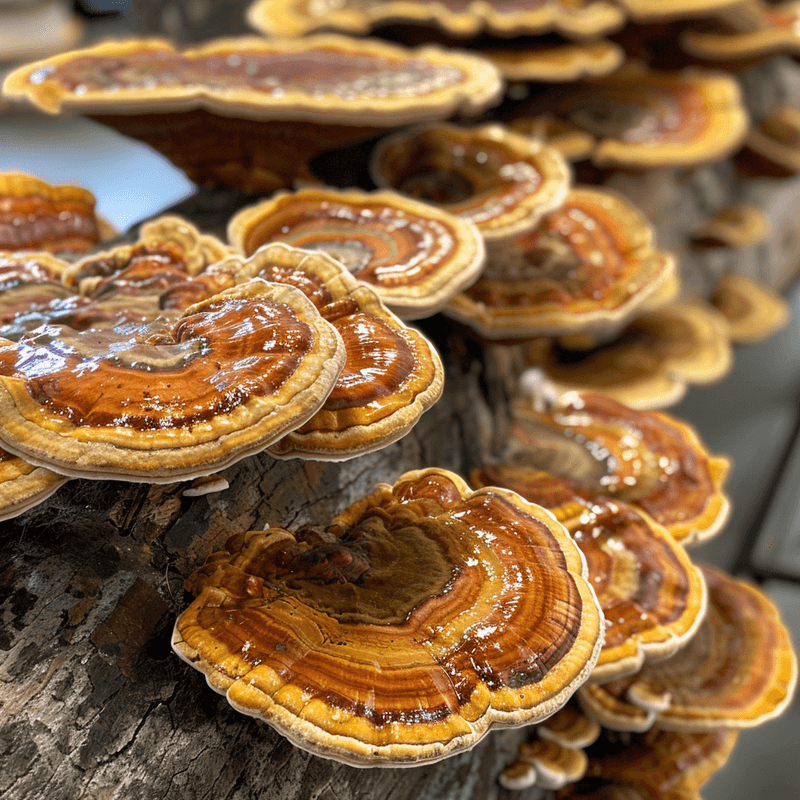
Reishi mushrooms, often called the “Mushroom of Immortality,” are renowned for their health-promoting properties. They have a bitter taste and are typically consumed as teas or extracts.
For centuries, reishi has been used in traditional medicine for its potential to support the immune system and promote relaxation and longevity. They grow best on hardwood logs and require patience, as they take longer to mature.
Despite the slow growth, the health benefits and spiritual significance of reishi make them a revered choice for any home mushroom farmer.
5. Portobello Mushrooms
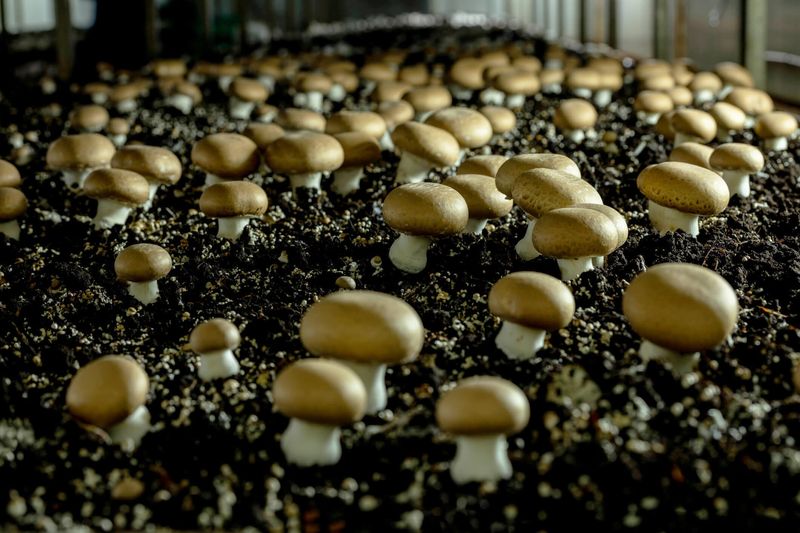
Portobello mushrooms are prized for their meaty texture and rich, umami flavor, often used as a hearty meat substitute in vegetarian dishes. They grow well in compost-rich soil, making them a favorite among home gardeners.
Nutritionally, portobellos are low in calories but rich in fiber and essential nutrients like potassium and phosphorus. Their large caps can be grilled, baked, or stuffed, offering culinary versatility.
Growing portobello mushrooms at home is straightforward, and their satisfying flavor and texture make them a staple in many kitchens.
6. Enoki Mushrooms
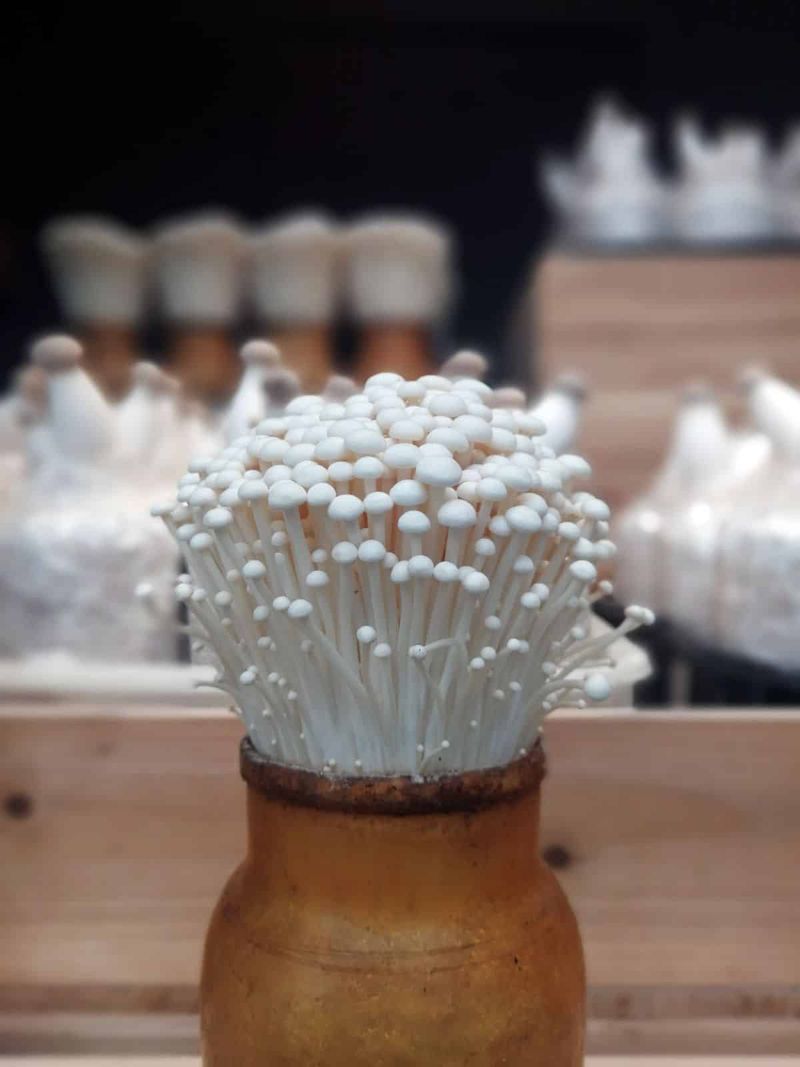
Enoki mushrooms, with their long, thin stems and small caps, are a staple in Asian dishes, adding a delicate crunch and mild flavor. They can be easily cultivated at home in jars or bottles.
These mushrooms are low in calories but high in antioxidants, which may support overall health and wellness. Their unique shape and ease of growth make them a fun addition to any home farm.
Enoki mushrooms grow quickly, often ready to harvest in a matter of weeks, providing a swift and gratifying gardening experience.
7. Maitake Mushrooms
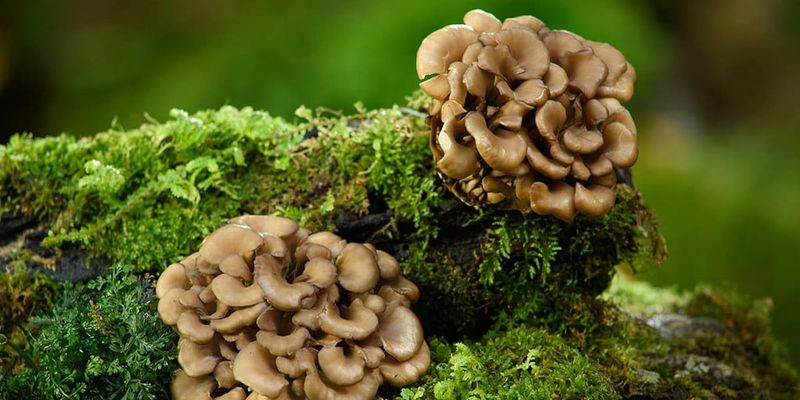
Maitake mushrooms, affectionately known as “hen-of-the-woods,” are famous for their rich, earthy flavor and health-promoting properties. They grow at the base of hardwood trees, making them a unique addition to home gardens.
Maitake is celebrated for its potential to support immune health and metabolic function. Their frilly clusters are not only visually striking but also provide a dense source of nutrients.
Cultivating maitake at home can be a bit more challenging, but their substantial health benefits make the effort worthwhile for many enthusiasts.
8. White Button Mushrooms
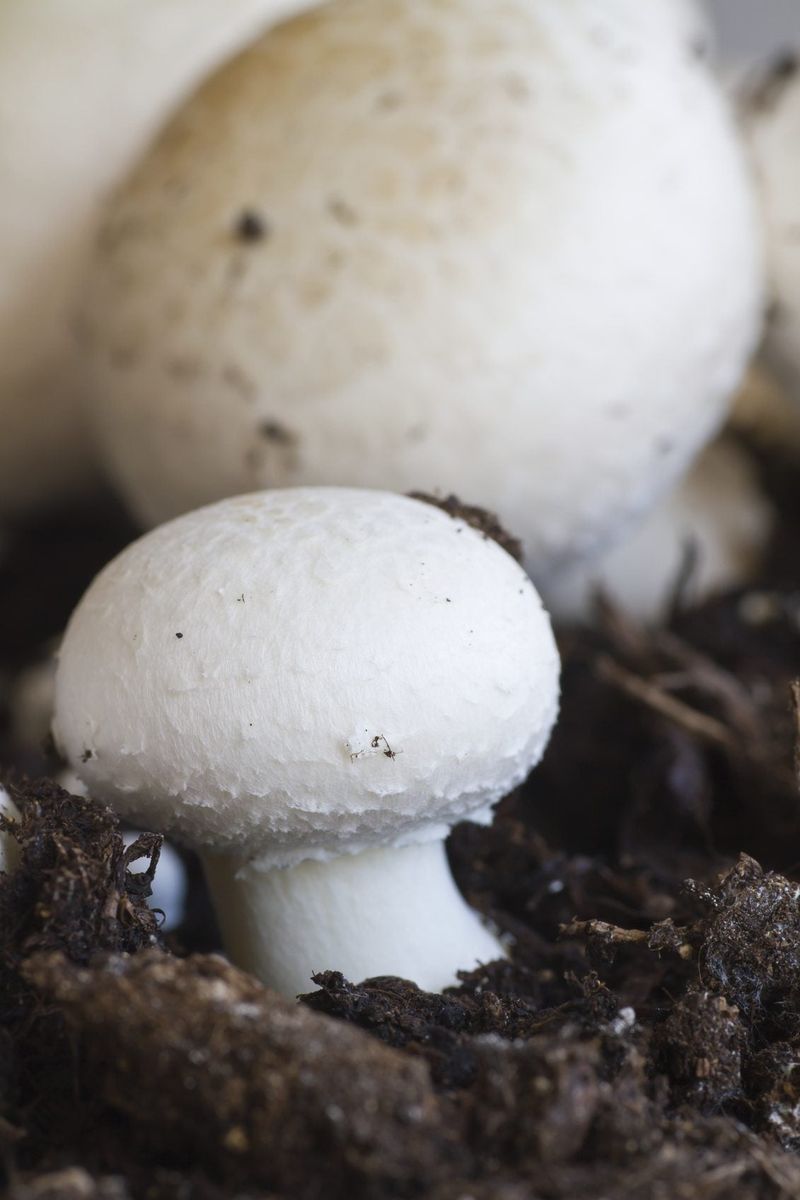
White button mushrooms are among the most common varieties found in kitchens worldwide, celebrated for their mild flavor and versatility. They thrive in dark, humid conditions, making them ideal for indoor cultivation.
These mushrooms are an excellent source of vitamin D when exposed to sunlight, contributing to bone health and immune function. Their simple cultivation requirements make them a great choice for beginners.
Whether sautéed, grilled, or used in soups, white buttons provide a delicious and nutritional boost to any meal.
9. Chanterelle Mushrooms
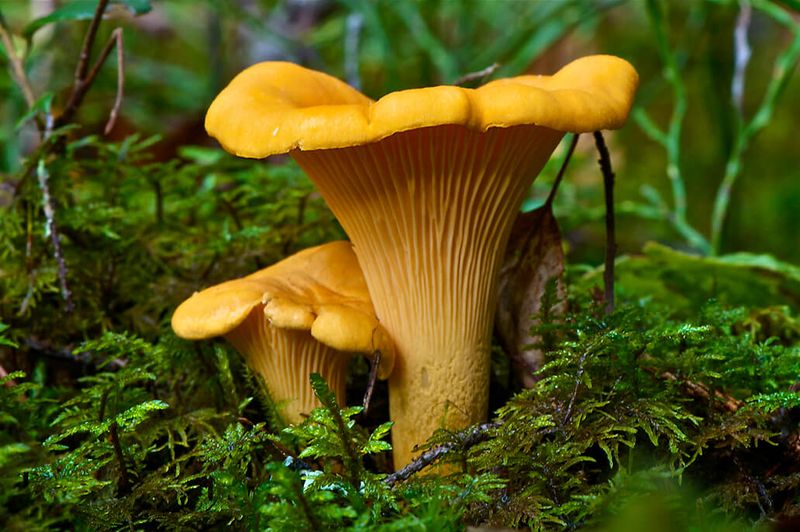
Chanterelle mushrooms are sought after for their exquisite taste and aroma, often described as fruity or peppery. They prefer growing in symbiosis with trees, making them a rare and special find.
Rich in vitamins and antioxidants, chanterelles contribute to a healthy diet and are a gourmet’s delight. Their vibrant color and unique flavor profile make them a prized addition to any dish.
Growing chanterelles at home can be challenging, but their culinary and nutritional value makes them a sought-after treasure for mushroom enthusiasts.
10. King Trumpet Mushrooms
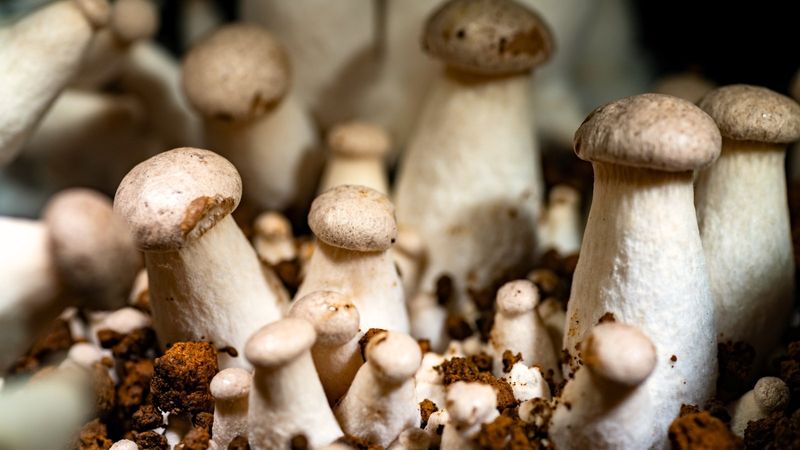
King trumpet mushrooms, also known as king oyster mushrooms, are favored for their thick, meaty stems and umami flavor. They are versatile in cooking, often used as a substitute for seafood or meat.
These mushrooms are rich in nutrients, including protein and fiber, supporting a healthy diet. Their robust texture makes them ideal for grilling or frying.
Easily grown in sawdust or straw, king trumpets are an excellent choice for those looking to expand their homegrown mushroom selection.