 Complete Gardening
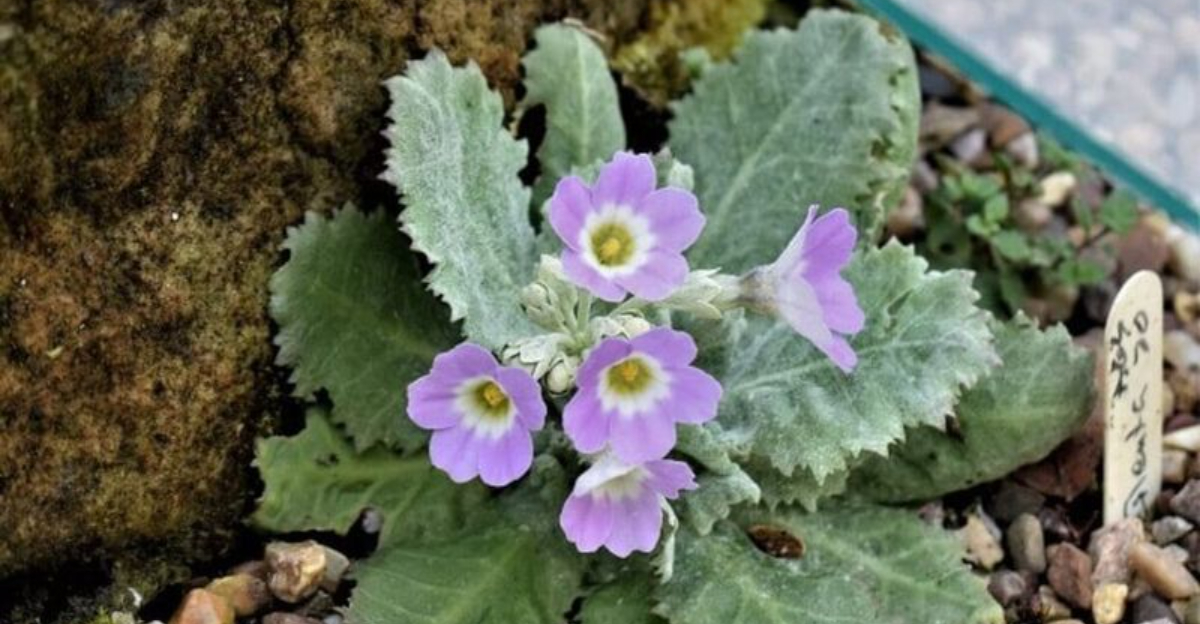
Discover the hidden gems of alpine gardening with these 18 secrets that experts are keeping close to their chests.
Whether you’re a seasoned green thumb or a curious beginner, these insights will help you cultivate a thriving alpine garden full of vibrant colors and resilient plants.
From choosing the right location to mastering the art of plant division, explore these tips and elevate your gardening game to new heights.
1. Choose the Right Location
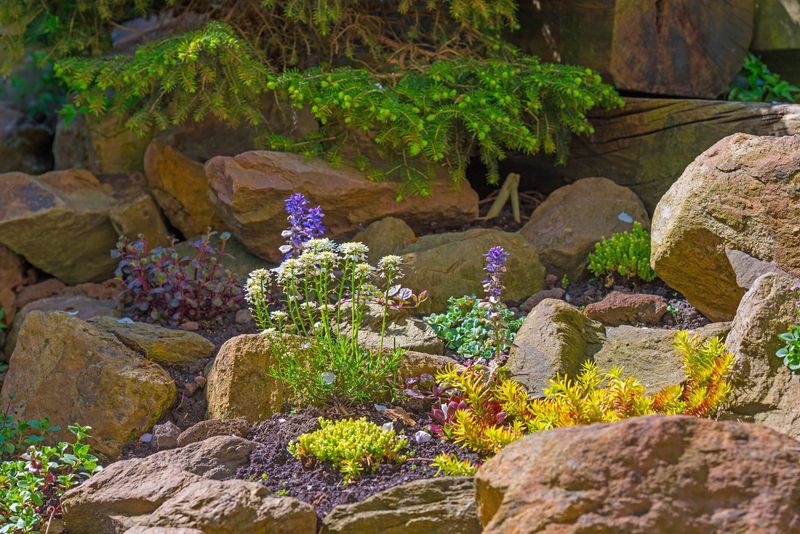
In the world of alpine gardening, location is everything. These plants thrive in full sun and well-drained soil, making raised beds, slopes, or rockeries ideal. Picture a sun-drenched slope, where alpines bloom with vibrant colors. The elevation and drainage mimic their natural habitat, providing the perfect conditions for growth. Did you know? Alpines are adapted to high altitudes, and their love for rocky terrains makes them unique additions to any garden.
2. Use Gritty, Free-Draining Soil
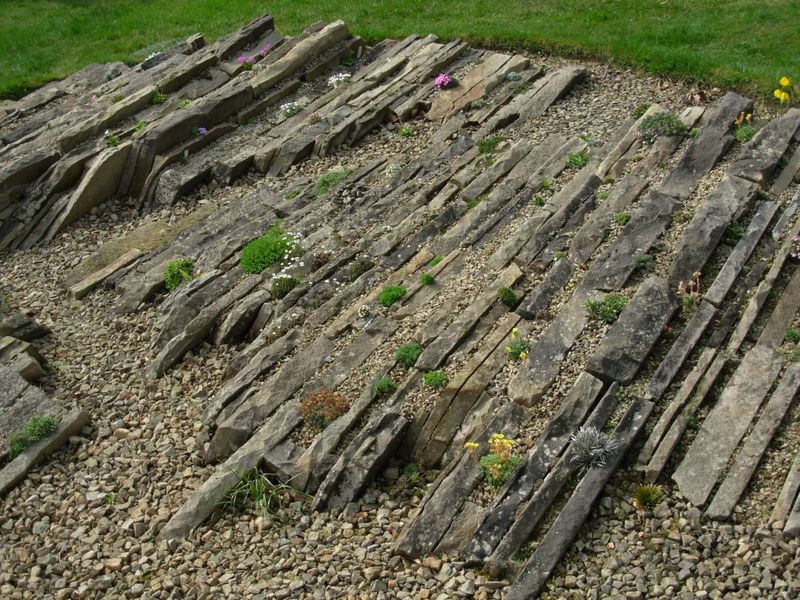
The secret to flourishing alpines lies beneath the surface. Mixing garden soil with sand or horticultural grit creates a free-draining environment that mimics their mountain origins. This blend prevents root rot, ensuring healthy growth. Imagine your garden as a miniature mountain range, where each plant finds its niche. Fun fact: Alpines have evolved over centuries to adapt to harsh, gritty terrains, making them remarkably resilient.
3. Avoid Overwatering
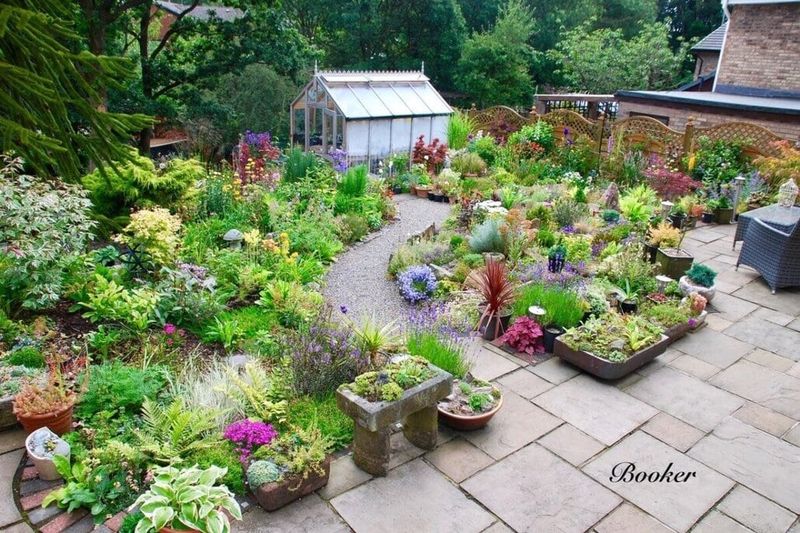
Overwatering is the nemesis of alpine plants. These resilient flora require sparing hydration, only when the soil feels dry to the touch. Visualize a meticulous gardener, gently touching the soil to gauge moisture levels. This careful approach prevents waterlogged roots and encourages robust growth. Interesting tidbit: Alpines have developed water-conserving adaptations, enabling them to thrive in arid mountain conditions.
4. Ensure Good Air Circulation
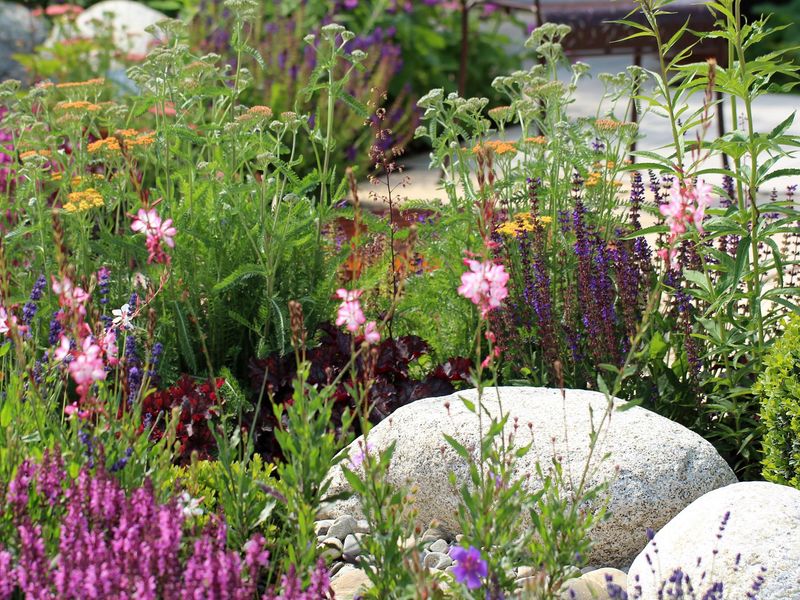
Breathe life into your alpine garden by ensuring good air circulation. Planting alpines with ample space between them allows air to flow, reducing fungal risks. Imagine a gentle breeze weaving through a well-spaced garden, carrying away moisture and keeping leaves dry. This practice mirrors the airy expanses of alpine meadows. Did you know? Proper spacing not only enhances air movement but also showcases each plant’s unique beauty.
5. Mulch with Gravel
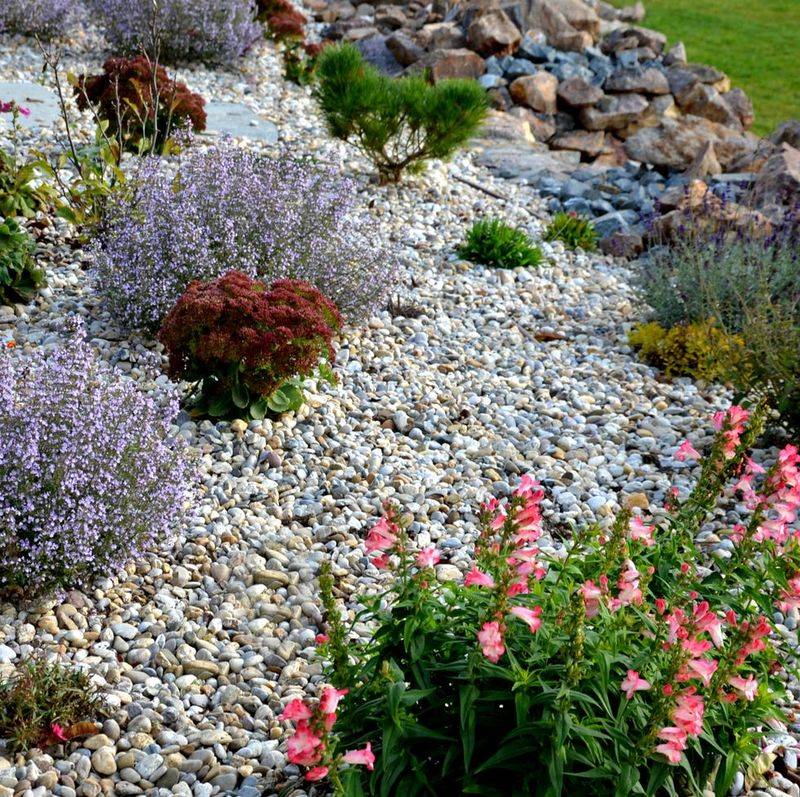
Gravel mulch is a gardener’s ally in the alpine world. A layer of gravel around the base of plants reduces splashback, keeps leaves dry, and suppresses weeds. Picture a pristine garden bed, where gravel glistens under the sun, providing a tidy appearance. This mineral mulch mirrors the stone-strewn landscapes alpines call home, offering both practicality and aesthetic appeal. Fun fact: Gravel mulch can also help maintain soil temperature.
6. Feed Lightly
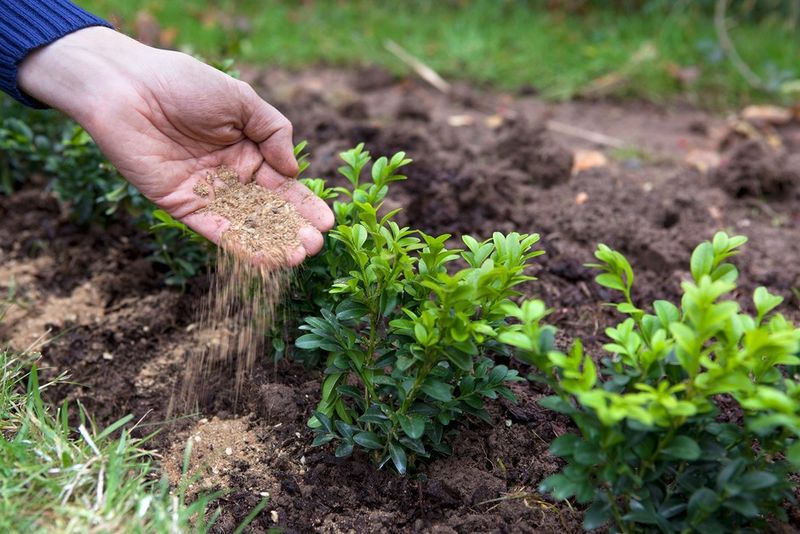
Alpines are minimalists when it comes to nutrition. They thrive with light feeding, requiring only a sprinkle of low-nitrogen fertilizer during the growing season. Envision a careful gardener, gently scattering fertilizer with precision. This restrained approach mirrors their natural environment, where nutrients are scarce. Interesting insight: Over-fertilizing can lead to lush, weak growth, making plants susceptible to pests and diseases.
7. Protect from Winter Wet
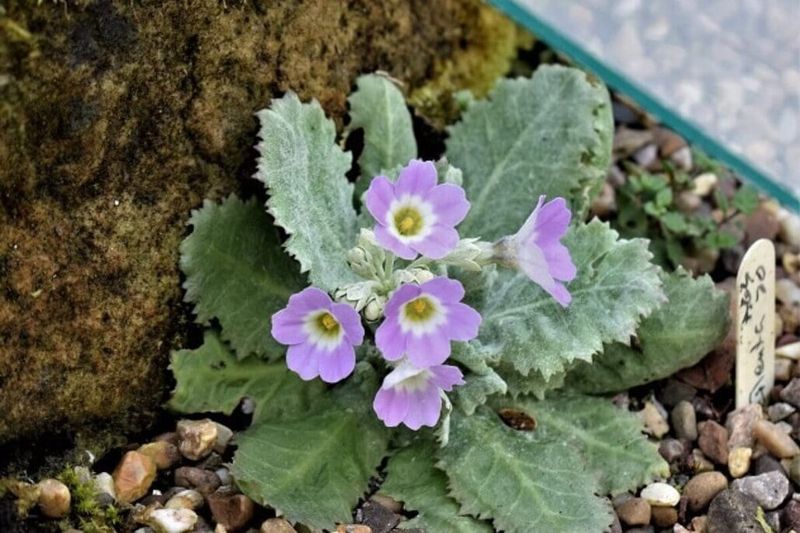
Winter wetness poses a challenge for alpines. While they tolerate cold, excessive moisture can be detrimental. Picture a gardener taking steps to shield these plants with cloches or alpine houses during rainy winters. This protective measure ensures excellent drainage and preserves plant health. Did you know? Some alpines are adapted to endure freezing temperatures but struggle with soggy conditions, highlighting the importance of proper protection.
8. Deadhead Regularly
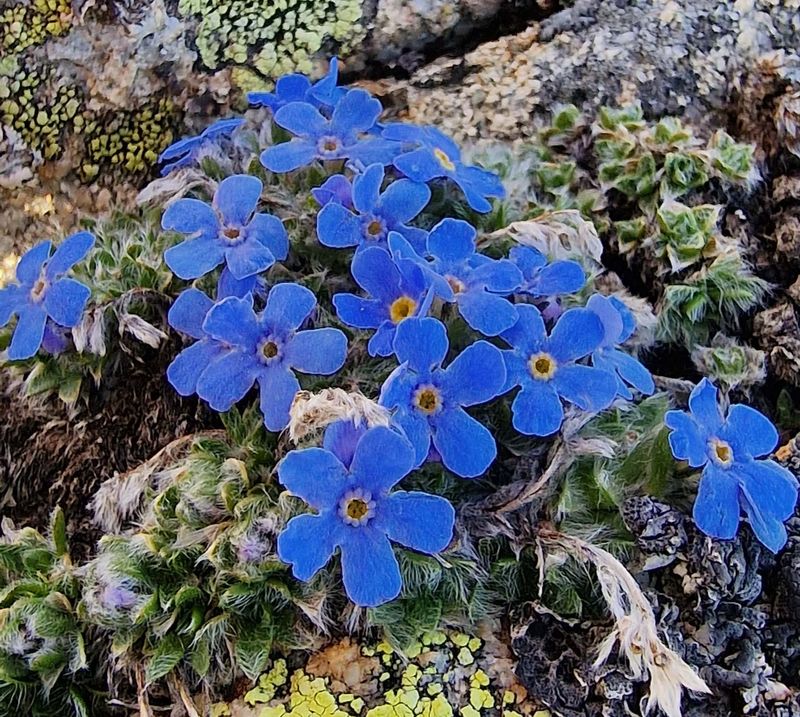
Embrace the art of deadheading to keep your alpine garden flourishing. Removing spent flowers encourages longer blooming and maintains a tidy appearance. Picture a diligent gardener, snipping away faded blossoms to reveal new buds beneath. This practice promotes continuous flowering and mirrors the natural cycle of alpine meadows. Fun fact: Deadheading can extend the blooming period, allowing you to enjoy vibrant colors for longer.
9. Mimic Mountain Conditions
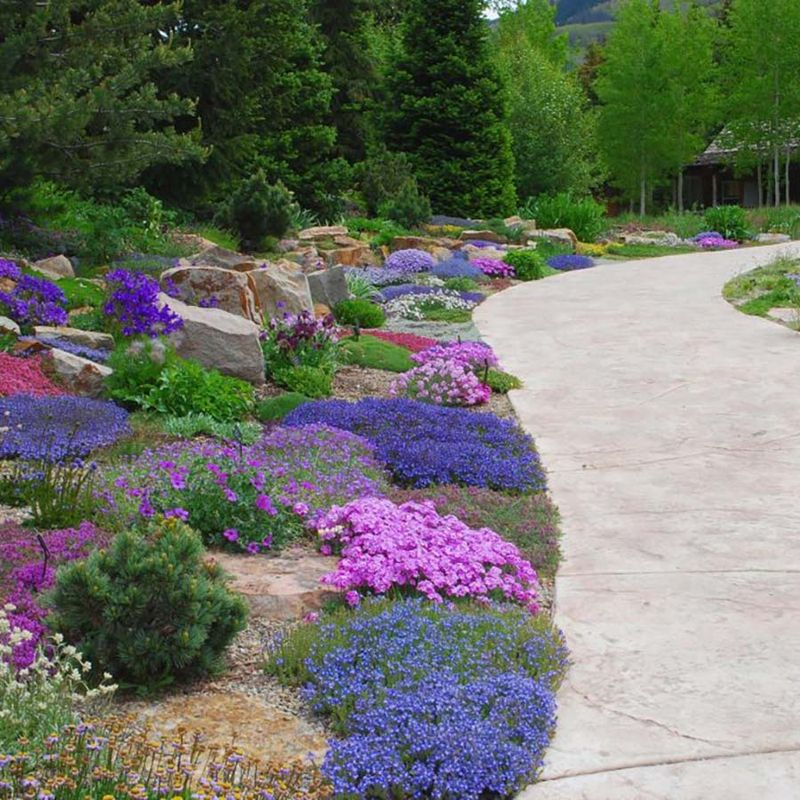
Alpines thrive when their natural mountain conditions are replicated. Grouping plants by native environments, such as dry scree or moist meadows, ensures their needs are met. Visualize a garden bed that mirrors a high-altitude landscape, where each plant finds its niche. This thoughtful arrangement enhances plant health and growth. Did you know? Mimicking mountain conditions can lead to stunning displays of color and texture.
10. Use Alpine Scree Beds
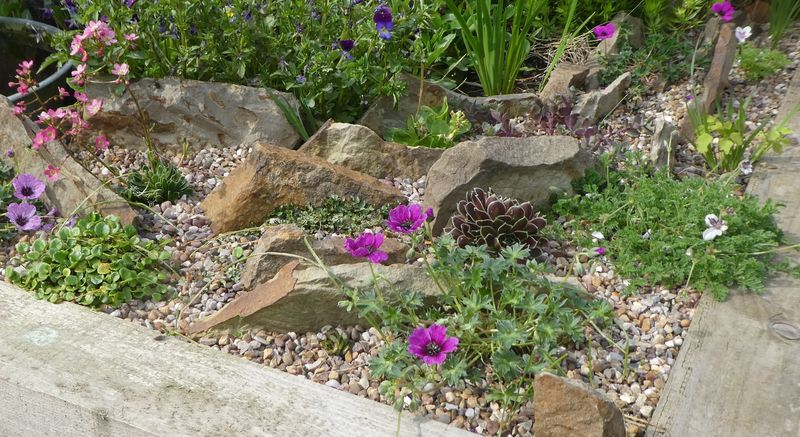
Scree beds are a hidden gem in alpine gardening. By creating a deep, gritty soil mix topped with gravel, you enhance drainage and support even the trickiest alpine species. Picture a scree bed, where gravel forms a mosaic of textures, echoing mountain slopes. This technique fosters robust growth and creativity. Fun fact: Scree beds can host a wider range of alpines, making them a favorite among enthusiasts.
11. Avoid Organic Mulch
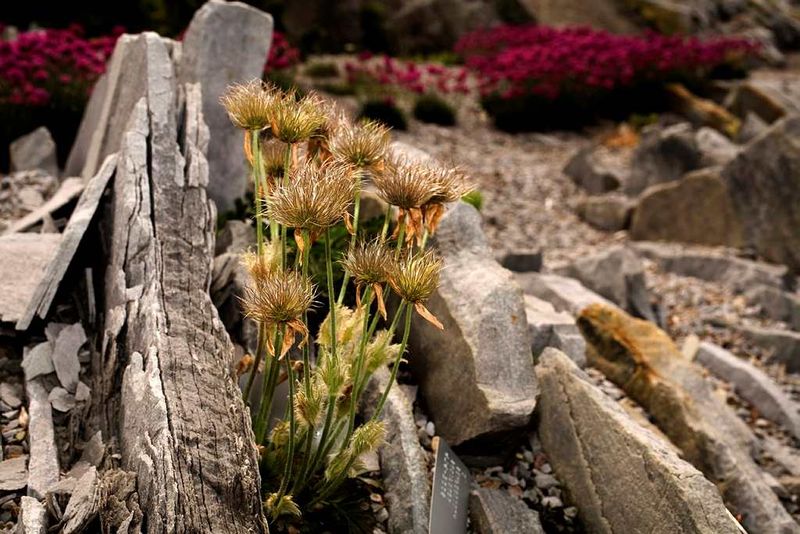
Organic mulch is a no-go for alpines. Compost or bark retains moisture, which can lead to root rot. Instead, mineral mulch like gravel or crushed stone is ideal. Imagine an alpine garden with clean lines, where mineral mulch maintains dryness and enhances the landscape’s natural beauty. This choice mirrors the stone-strewn environments alpines thrive in. Did you know? Mineral mulch also helps regulate soil temperature.
12. Support with Rock Placement
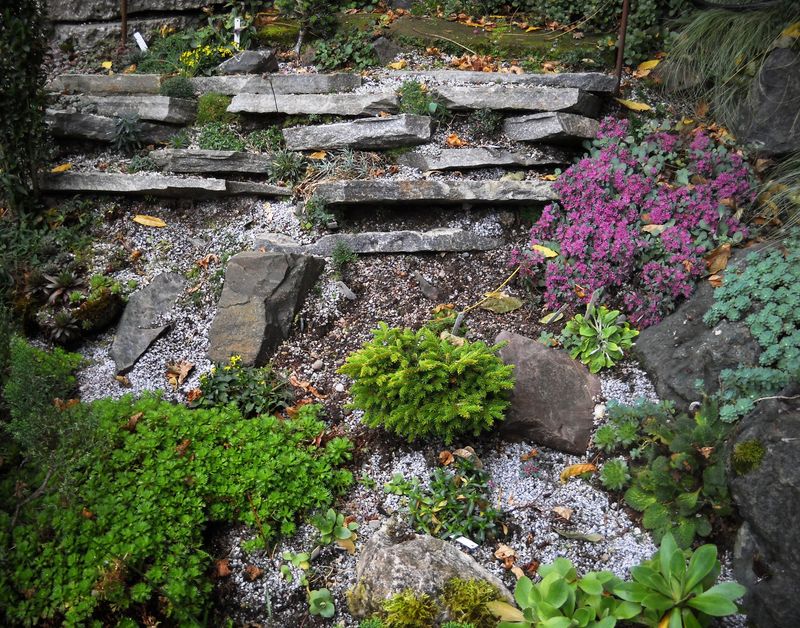
Rocks are more than decorative elements—they’re structural allies in alpine gardening. Place them to shade roots, retain heat, and create natural crevices for planting. Picture alpines nestled among rocks, where each stone serves a purpose. This arrangement mimics their natural habitat, providing both aesthetics and practicality. Fun fact: Rocks can act as heat sinks, helping maintain temperature stability for your plants.
13. Practice Careful Division
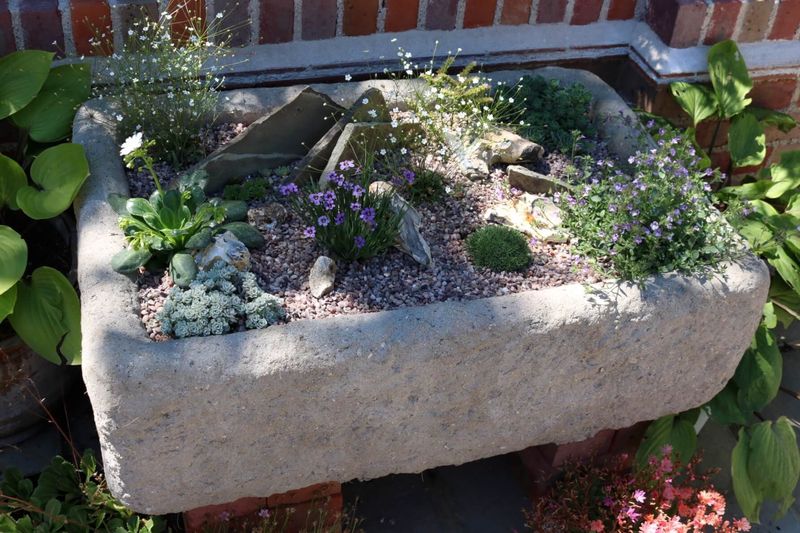
Dividing alpines requires a gentle touch. These slow-growing plants benefit from careful division, done in spring or fall. Picture a gardener meticulously separating roots, ensuring minimal disruption. This practice supports healthy growth and recovery. Interesting tidbit: Alpines’ slow growth means they don’t require frequent division, but when done right, it invigorates the garden with renewed vitality.
14. Watch for Pests like Vine Weevils
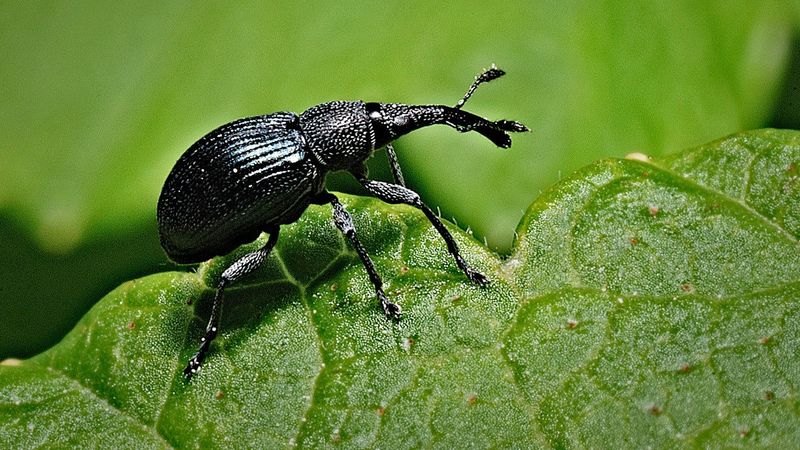
Vigilance is key in guarding alpines from vine weevils, notorious root predators. Use beneficial nematodes or check pots regularly to prevent infestations. Picture a dedicated gardener, carefully examining each pot for signs of trouble. This diligence ensures robust plant health. Did you know? Vine weevils are nocturnal, making nighttime inspections particularly effective in spotting them.
15. Label Your Plants
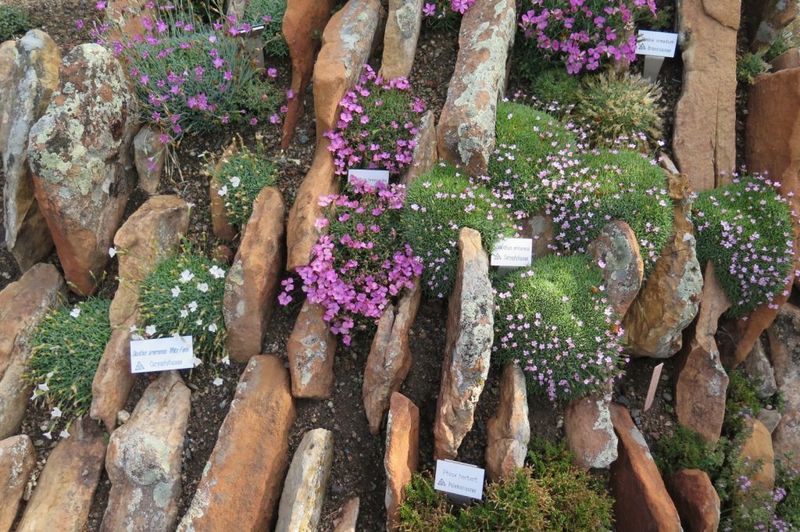
In an alpine garden, labels are more than identifiers—they’re guides. Due to their small size and similar foliage, labeling helps track care needs and performance. Picture a well-organized garden, where each plant bears a label, ensuring informed care decisions. This practice supports both novice and seasoned gardeners in managing diverse collections. Fun fact: Labeling can also enhance learning, as you discover each plant’s unique traits.
16. Use Cold Frames or Alpine Houses
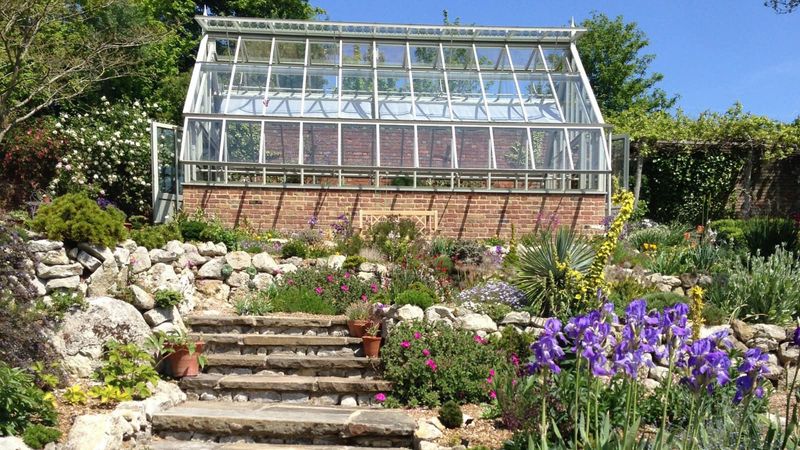
Cold frames and alpine houses create microclimates for rare or fussy alpine species. These structures offer protection and enhance growth. Imagine a collector’s paradise, where delicate plants thrive under glass. This controlled environment mirrors their natural conditions, promoting robust health. Did you know? Alpine houses enable year-round cultivation, allowing enthusiasts to explore a wider range of species.
17. Plan for Year-Round Interest
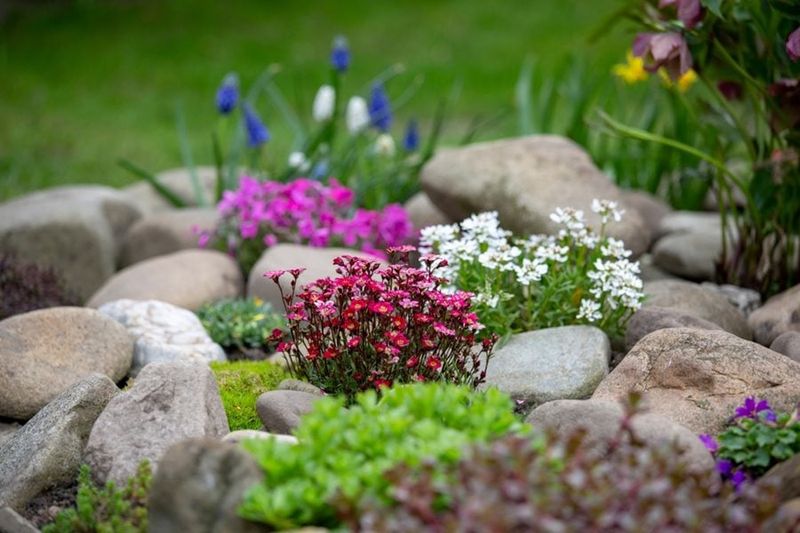
Create a garden that captivates throughout the seasons by combining early spring bloomers with structural evergreens like Sempervivum. Late-flowering types add to the seasonal beauty. Picture a garden that evolves month by month, offering new delights at every turn. This thoughtful planning ensures ongoing visual interest. Fun fact: A well-planned alpine garden can showcase a stunning array of colors even in the depths of winter.
18. Join an Alpine Garden Society
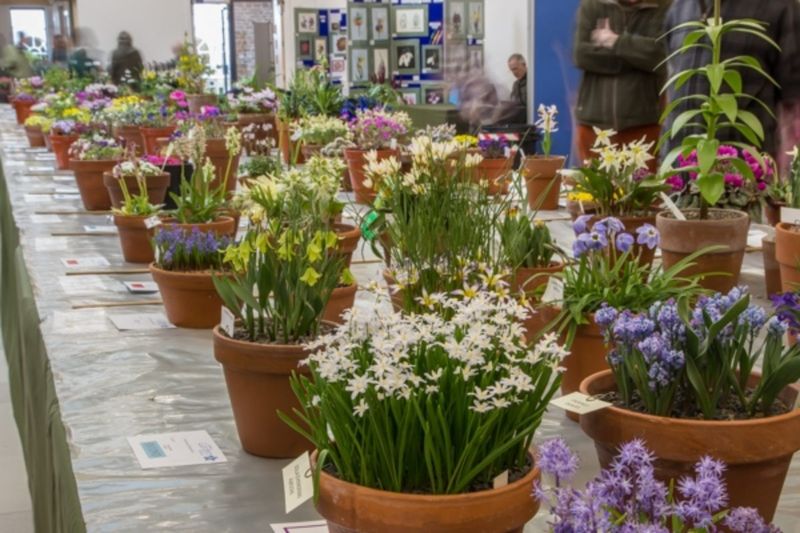
Alpine garden societies are treasure troves of knowledge. By joining, you gain access to expert advice, plant swaps, and seed exchanges. Imagine a community of passionate gardeners, eager to share insights and discoveries. This camaraderie deepens your expertise and opens doors to rare plant varieties. Did you know? Many societies host regular events, offering opportunities to learn from seasoned experts and fellow enthusiasts.