
Transforming a garden into a natural paradise doesn’t require exotic plants or expensive architecture. Instead, the humble wildflower holds endless secrets to creating a vibrant and sustainable habitat. These wildflower secrets are nature’s own blueprints to fostering diverse ecosystems. Whether you are just starting your gardening journey or looking to enrich your existing space, these 23 secrets will reveal how wildflowers can be the key to a thriving garden.
1. Borage Bliss
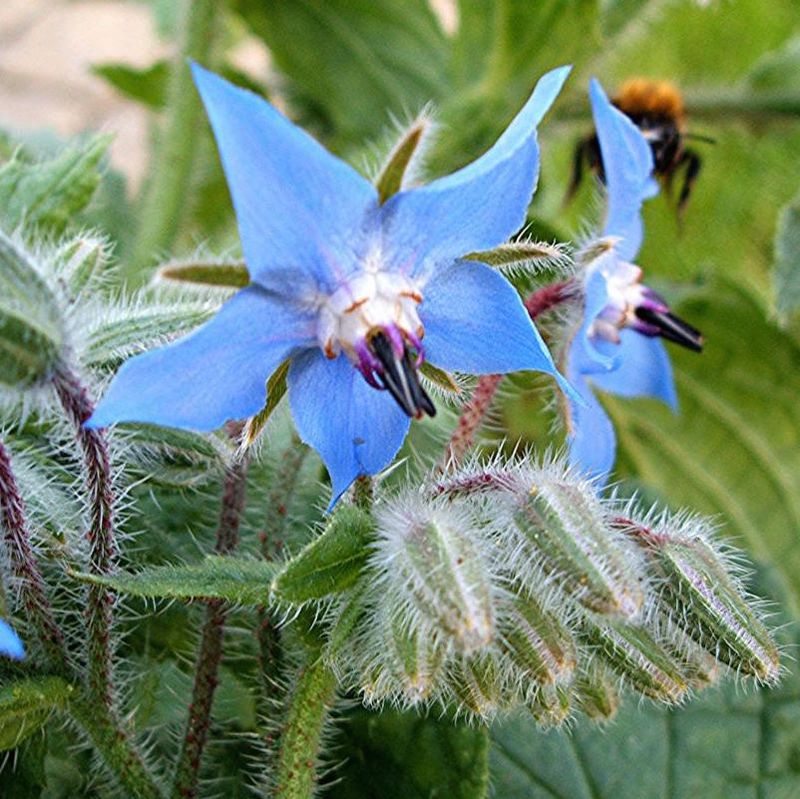
Borage, an ancient plant known for its striking blue flowers, offers much more than its beauty. The star-shaped blossoms are a magnet for bees, creating a pollinator’s paradise. This plant’s hardy nature makes it an ideal companion in any garden, as it thrives in poor soil conditions.
Beyond aesthetics, borage’s leaves and flowers are edible. They offer a cucumber-like flavor that enhances salads or homemade beverages. Historically, borage was believed to bring courage, an attribute that gardeners might find inspiring.
Did you know? Borage self-seeds annually, ensuring a continuous presence in your garden.
2. Coneflower Charm
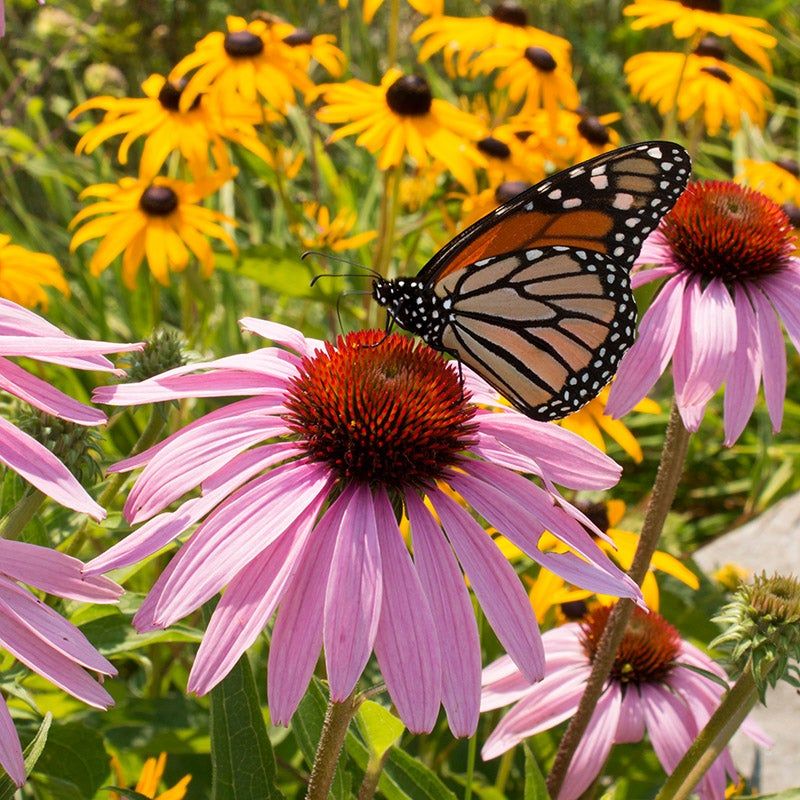
With its vibrant purple petals and spiky cone center, the coneflower is a garden classic. Known for its resilience, this wildflower endures drought and poor soil, yet still flourishes. Coneflowers are beloved by butterflies, drawing these fluttering wonders into your garden.
In addition to its visual appeal, the coneflower has medicinal properties. Often used in herbal remedies, it supports immune health. Their long-lasting blooms make them a gardener’s favorite for summer floral arrangements.
Garden tip: Leave the seed heads for winter interest and to feed songbirds.
3. Yarrow’s Yield
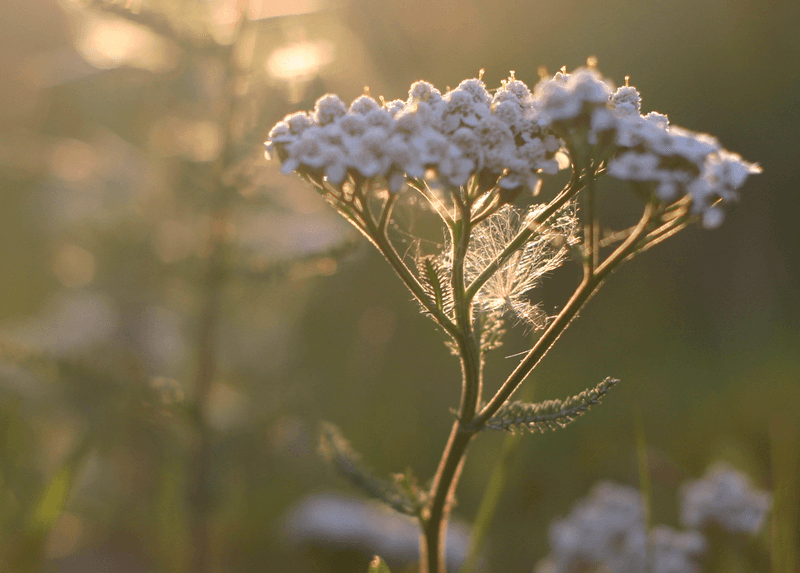
Yarrow’s delicate clusters of small white flowers might seem unassuming, yet this plant is a powerhouse in the wild garden. Known for its drought tolerance, yarrow effortlessly adapts to varied conditions, making it a robust choice.
Yarrow is valued for its ability to attract beneficial insects like ladybugs and predatory wasps. Its leaves, historically used in traditional medicine, were believed to help heal wounds.
A garden secret: Plant yarrow near vegetable gardens to improve fertility, as it enhances soil quality by breaking down compacted dirt.
4. Lupine’s Legacy
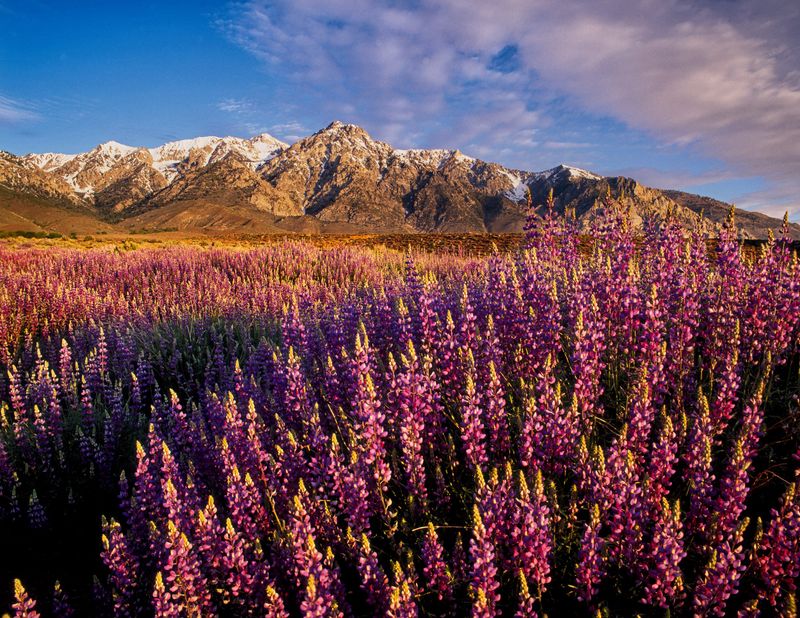
Lupines, with their towering spikes and ornate colors, are a gardener’s delight. Their vibrant blooms not only add a vertical element but also improve soil health through nitrogen fixation. This makes them a perfect addition for those seeking sustainability.
While lupines’ beauty is captivating, they also serve as a source of nectar for bees and other pollinators. Their historical significance is notable; Native Americans used lupines as a food source.
Fun fact: Lupines were once mistaken as harmful weeds before their benefits were fully understood and appreciated.
5. Milkweed Magic
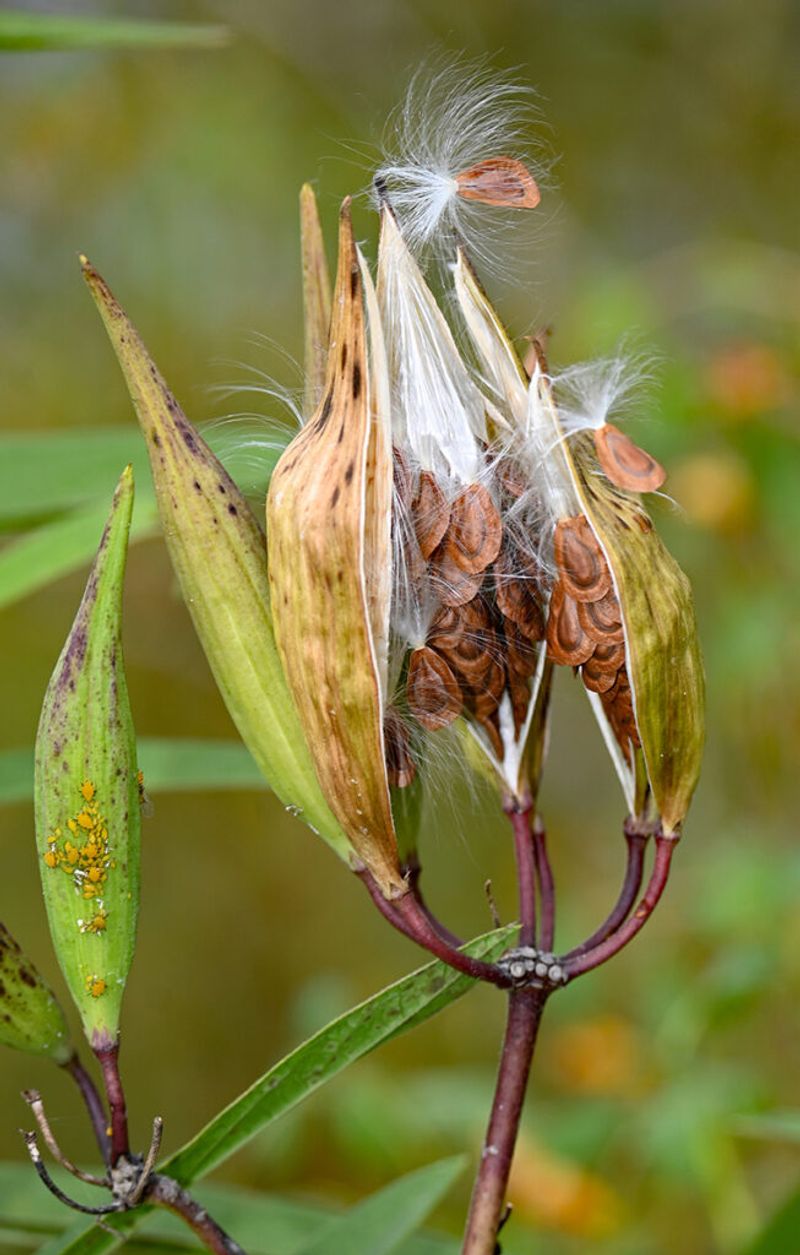
Milkweed is more than a plant; it’s a lifeline for monarch butterflies. These flowers provide essential sustenance for larvae, making gardens a critical refuge for these insects. The plant is easily recognizable by its unique seed pods.
Let milkweed thrive in your garden, and you’ll be rewarded with a parade of monarchs. Milkweed’s resilience ensures it returns year after year without much intervention.
Did you know? Milkweed fibers were historically used to fill life jackets during World War II due to their buoyant properties.
6. Poppy’s Palette
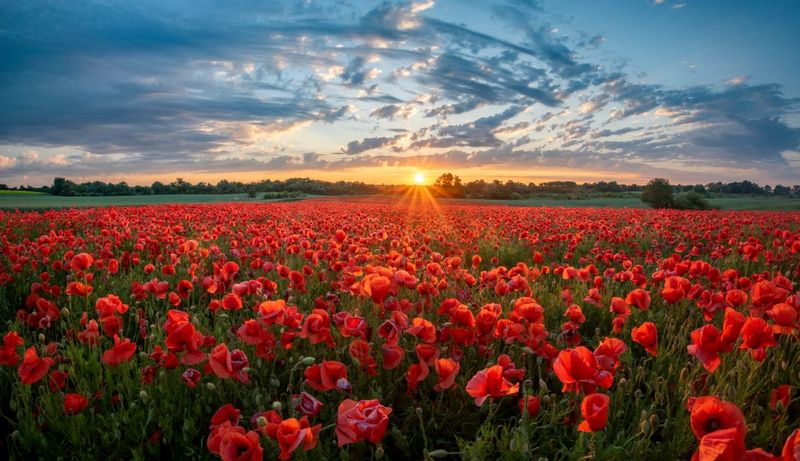
Poppies, with their fiery red blooms, bring an explosion of color to any garden. These flowers are symbols of remembrance, yet they also offer ecological benefits by attracting pollinators like bees and butterflies.
The fleeting beauty of poppies is matched by their ability to self-seed, ensuring they return each year. Their petals and seeds have been used in culinary dishes across cultures.
A historical note: Poppies gained prominence after World War I, symbolizing the resilience and hope found amidst adversity.
7. Black-eyed Susan’s Smile
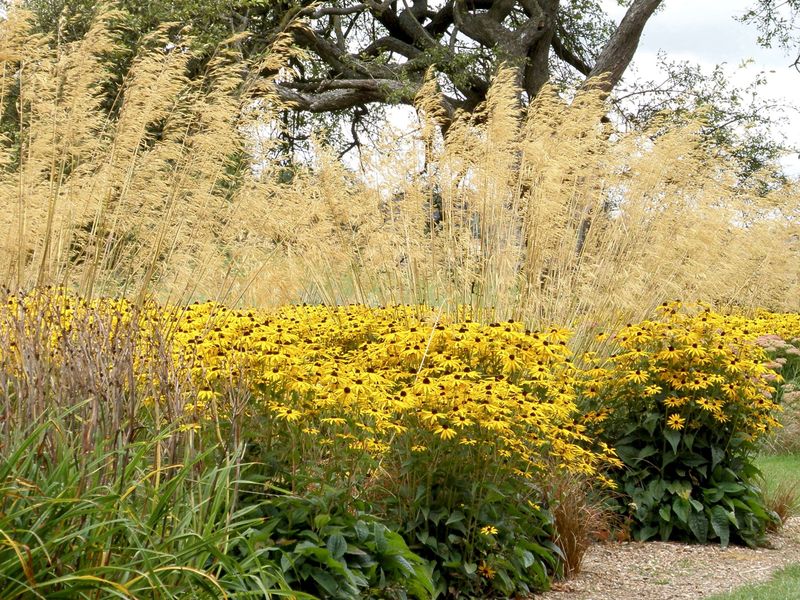
Black-eyed Susans are the sunshine of the garden, with golden petals that radiate warmth. These hardy flowers thrive in various climates, making them a gardener’s reliable choice. Their long blooming season ensures continuous joy.
These flowers are particularly attractive to bees and butterflies. Black-eyed Susans are also traditionally used in Native American medicine for their healing properties.
Garden tip: Pair with grasses for a prairie-inspired landscape that sways and dances with the wind.
8. Columbine’s Dance
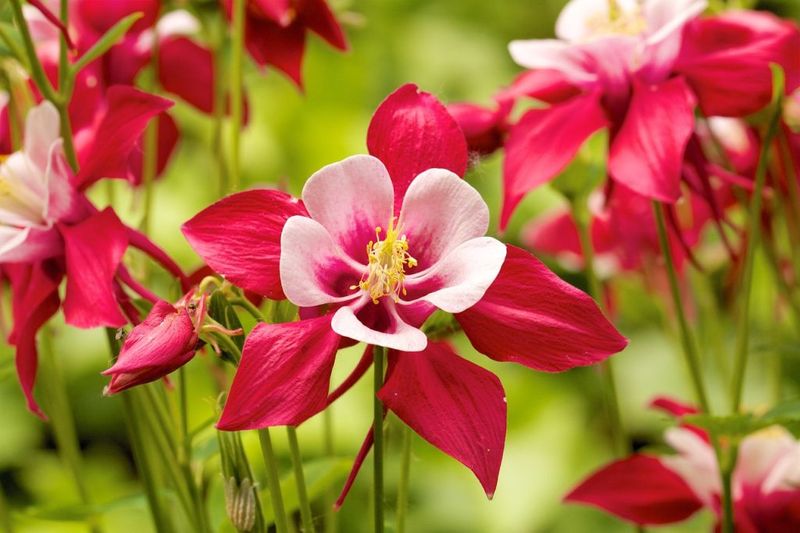
Columbines, with their graceful spurred petals, add an enchanting touch to shaded garden areas. These flowers come in a myriad of colors, each more mesmerizing than the last.
Known for their adaptability, columbines thrive in both sun and shade, creating opportunities for diverse planting schemes. Their nectar-rich blossoms are a favorite of hummingbirds.
Fun fact: In folklore, columbines were believed to attract fairies, adding a magical element to gardens.
9. Aster’s Allure
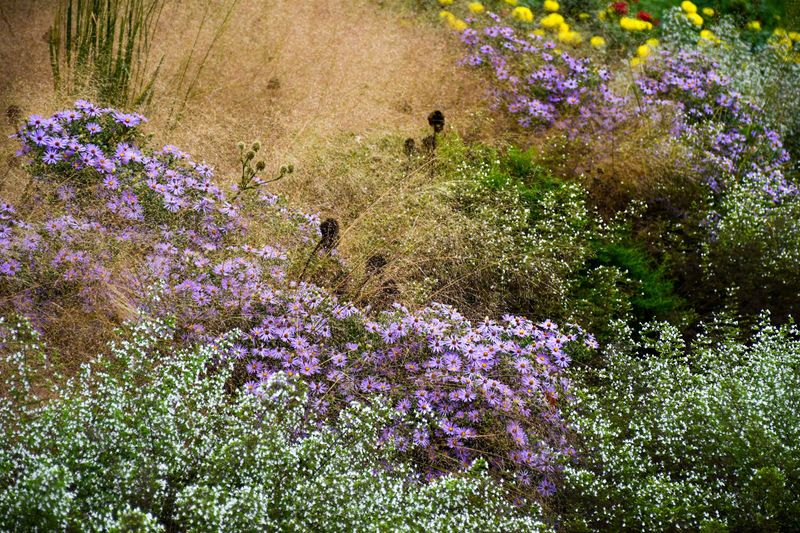
Asters, with their star-shaped blooms, grace the late summer garden with a burst of color. These versatile flowers bring life to borders and meadows. Their ability to attract butterflies makes them a garden treasure.
Asters are perennials that return each year with minimal care, offering an enduring show of blossoms. Their name, derived from the Greek word for star, reflects their celestial appearance.
Garden secret: Plant asters alongside goldenrod for a stunning autumnal contrast.
10. Butterfly Weed Wonder
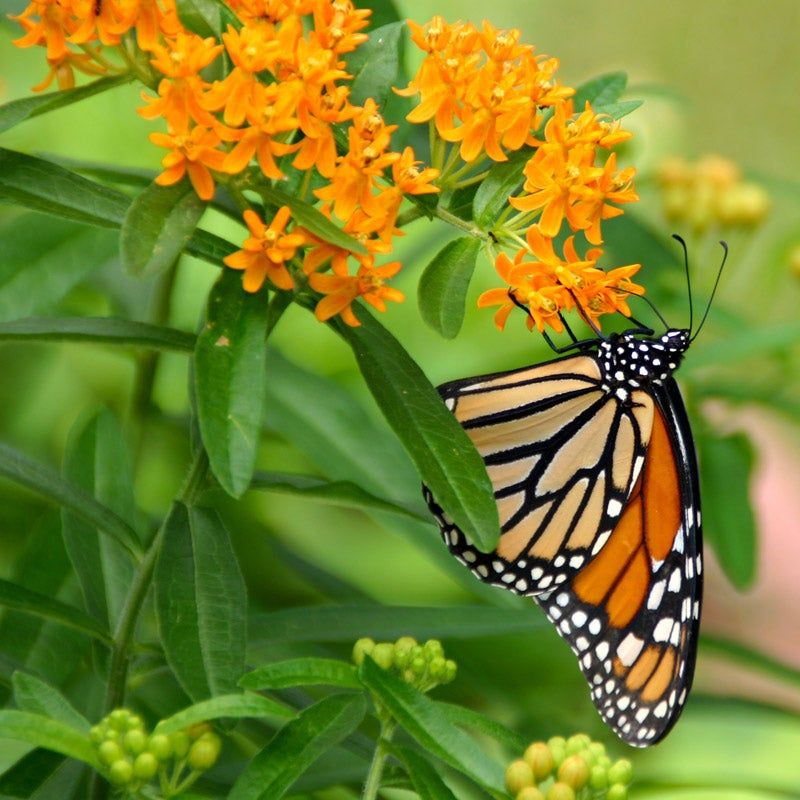
Butterfly weed, with its fiery orange blooms, is an essential plant for attracting butterflies. Its vibrant hue and sweet nectar make it irresistible to these winged wonders.
This perennial requires minimal care, thriving in poor soil and full sun. Butterfly weed’s deep roots stabilize soil and prevent erosion, offering environmental benefits alongside beauty.
Did you know? Despite its name, butterfly weed is not a weed but rather a native wildflower that plays an important role in the ecosystem.
11. Wild Bergamot’s Breeze
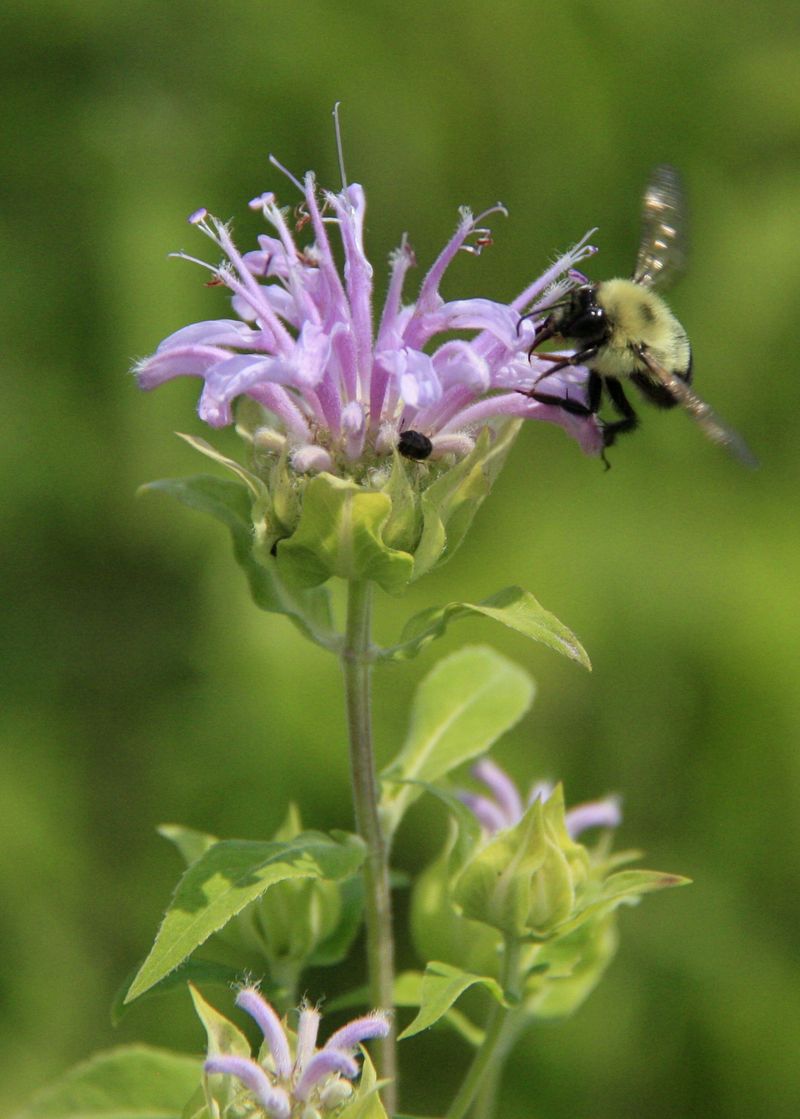
Wild bergamot, often known as bee balm, fills gardens with aromatic foliage and lively purple blooms. This plant is a haven for bees and hummingbirds, making it a pollinator powerhouse.
The leaves, known for their minty scent, can be used in teas and potpourris. Wild bergamot’s historical use by Native Americans for medicinal purposes adds to its allure.
Garden hint: It thrives in sunny, well-drained areas and pairs beautifully with other prairie plants for a natural, wild look.
12. Coreopsis Cheer
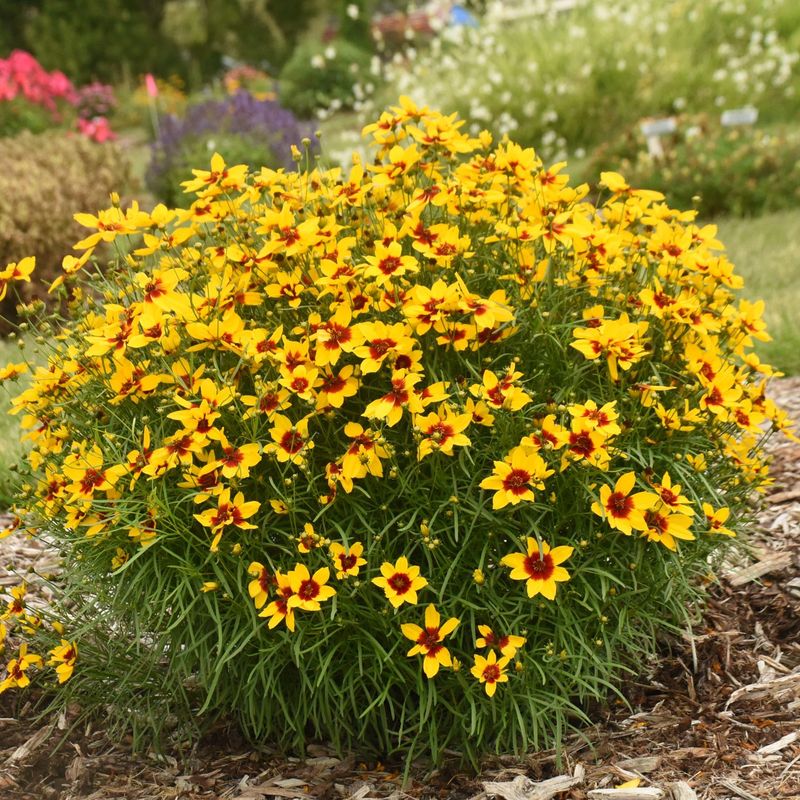
Coreopsis, or tickseed, is a sun-loving wildflower that exudes cheer with its bright yellow blooms. These flowers are beloved for their ability to bloom all summer long, bringing constant vitality.
Coreopsis thrives in well-drained soil and is drought-tolerant, making it ideal for easy-care gardens. Its long-lasting flowers are perfect for bouquets and floral arrangements.
Fun fact: Coreopsis was named the state wildflower of Florida, celebrated for its sunny disposition and adaptability.
13. Penstemon Play
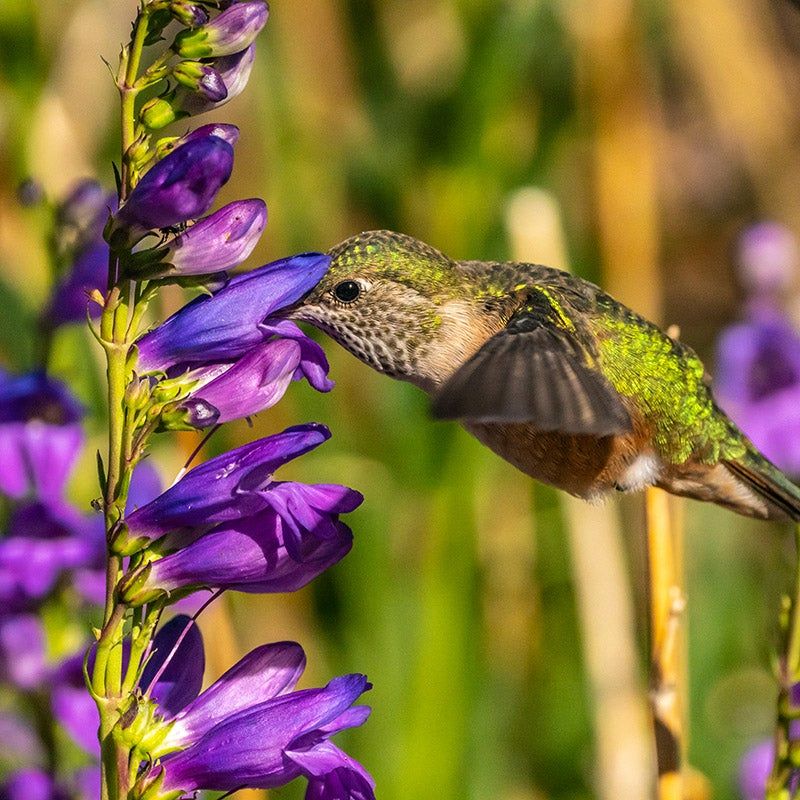
Penstemon, with its tubular blossoms and vibrant colors, brings a playful energy to any garden. Known as beardtongue, its unique shape is a favorite among hummingbirds.
These flowers thrive in rocky, well-drained soil, making them perfect for challenging garden spots. Penstemon’s long bloom time ensures an extended display of color.
Garden secret: Deadhead spent flowers to encourage reblooming and prolong the flowering season. Penstemons add vertical interest and are excellent for mixed borders.
14. Forget-me-not’s Fondness
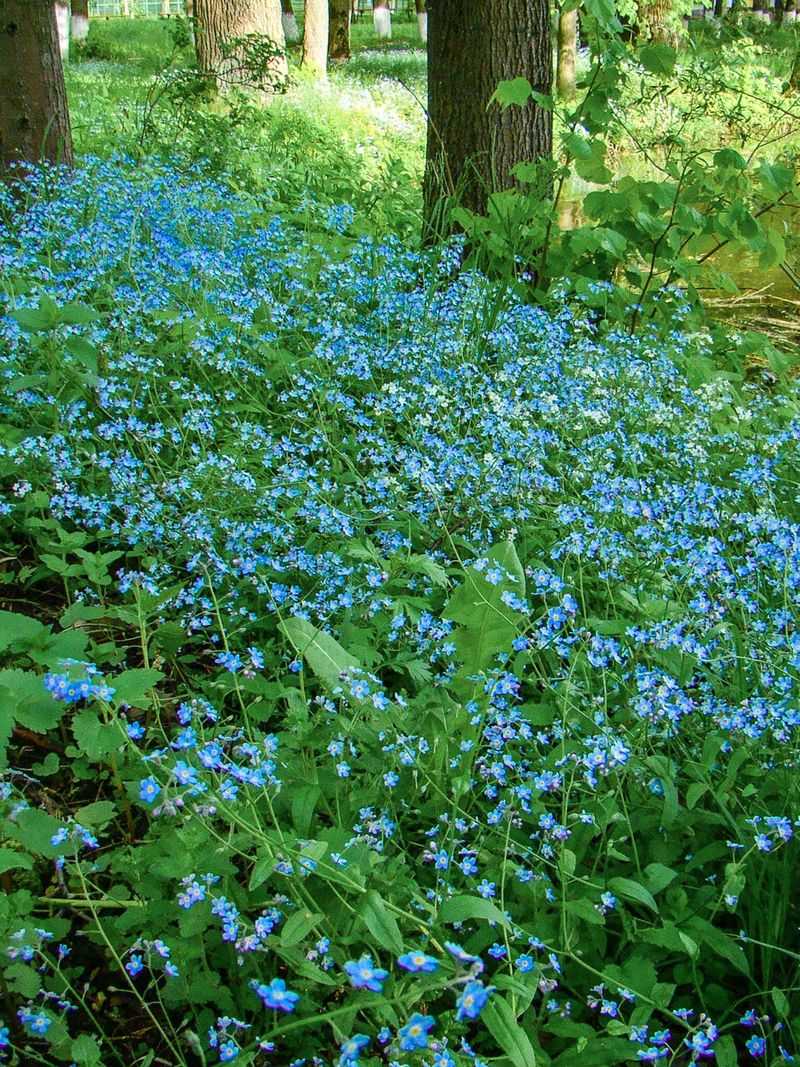
Forget-me-nots, with their delicate blue petals, are symbols of enduring love and fidelity. These flowers thrive in moist, shady areas, adding a touch of nostalgia to woodland gardens.
Their sweet simplicity is matched by their ability to self-seed, allowing them to return each spring. Forget-me-nots are often planted in memory gardens, celebrating cherished memories.
Did you know? Forget-me-nots were once believed to protect against witches, adding a mystical element to their charm.
15. Goldenrod’s Glow
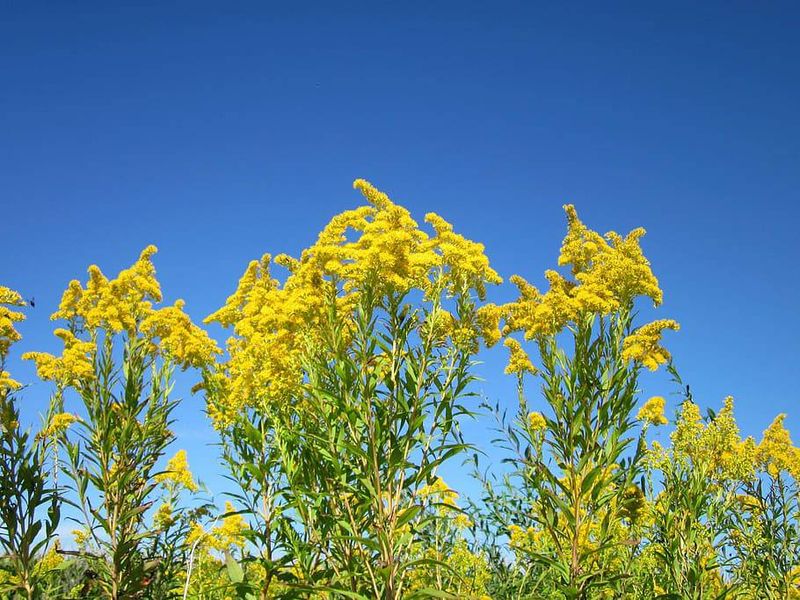
Goldenrod, with its bright yellow plumes, adds a touch of sunshine to late summer gardens. Often mistaken for causing allergies, goldenrod is actually a crucial pollinator plant.
This hardy wildflower thrives in poor soil and requires little maintenance. Goldenrod’s blooms attract a multitude of insects, supporting biodiversity.
Garden tip: Pair goldenrod with asters for a harmonious fall display that attracts bees and butterflies.
16. Chicory’s Charm
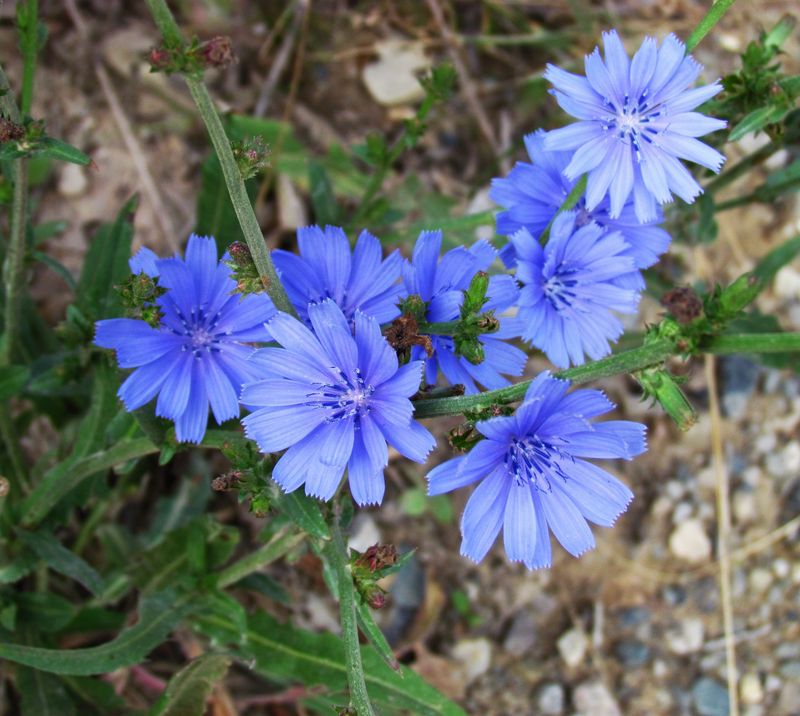
Chicory, with its bright blue flowers, is often seen gracing roadsides and open fields. This resilient plant blooms from summer to fall, providing a reliable splash of color.
Chicory’s roots have been used as a coffee substitute, offering a caffeine-free alternative with a rich, nutty flavor. Its ability to thrive in poor soil makes it an excellent choice for low-maintenance gardens.
Fun fact: Chicory was cultivated by ancient Egyptians for its medicinal properties and continues to be valued for its versatility.
17. Oxeye Daisy Delight
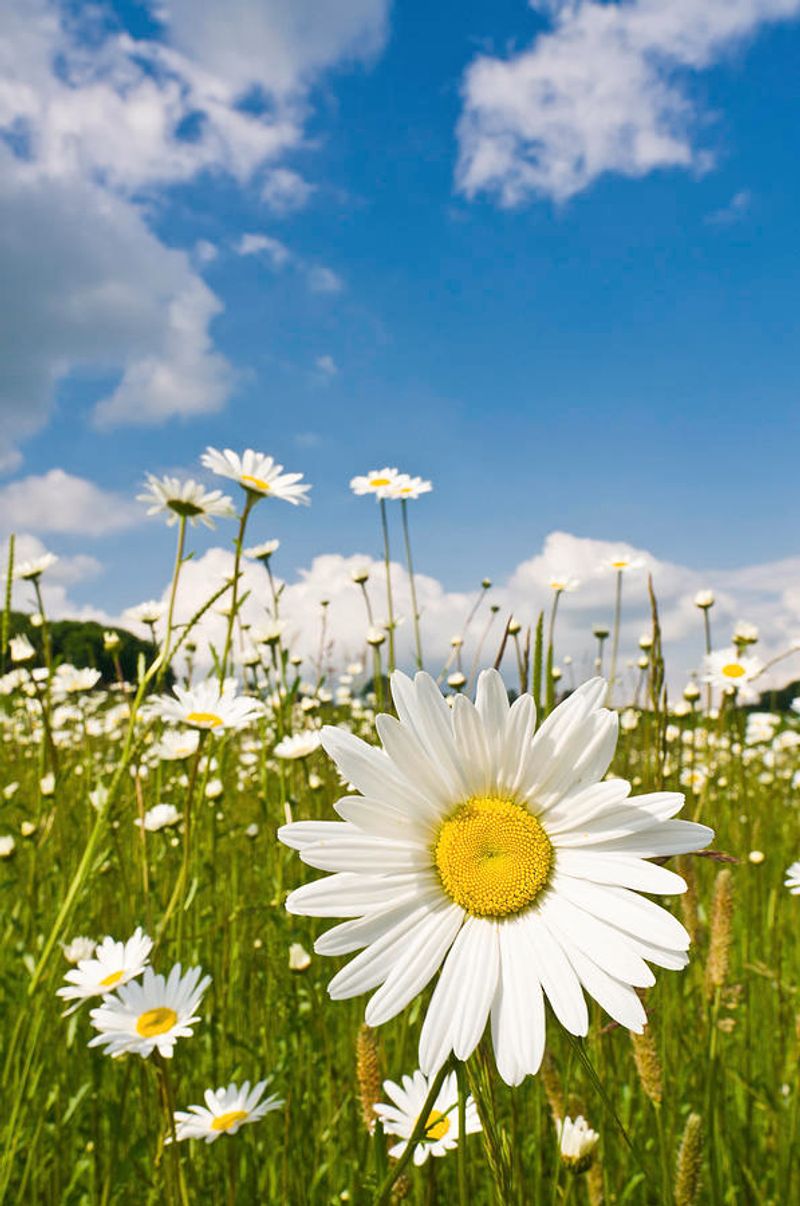
Oxeye daisies, with their classic white petals and cheerful yellow centers, bring a wild grace to any garden. These hardy perennials thrive in various conditions, offering an easy-care option.
Their long-lasting blooms make them a favorite for naturalistic planting schemes. Oxeye daisies attract pollinators and add a touch of simplicity to floral arrangements.
Garden secret: Allow oxeye daisies to naturalize in meadows or informal borders for a carefree, cottage garden style.
18. Queen Anne’s Lace Elegance
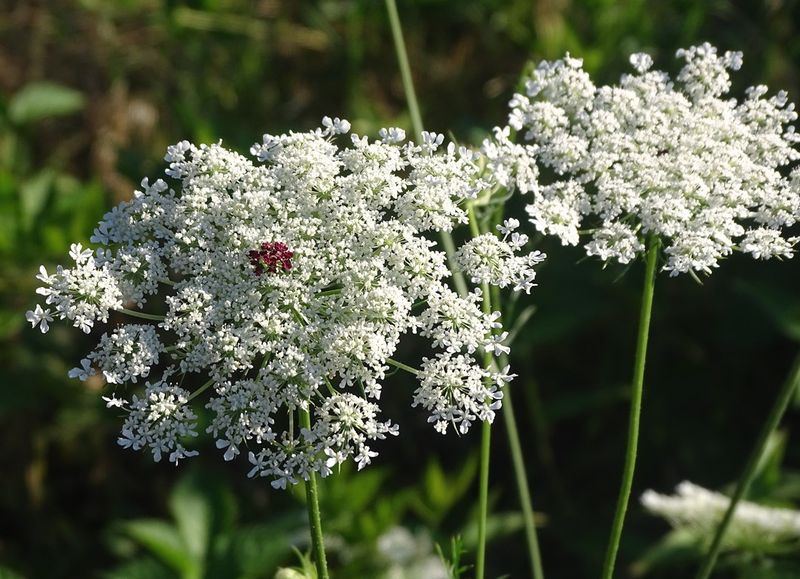
Queen Anne’s lace, with its intricate white umbels, adds an air of elegance to any garden. This wildflower is known for its ability to thrive in poor soil, making it a low-maintenance beauty.
Often mistaken for weeds, Queen Anne’s lace attracts beneficial insects like lacewings and parasitic wasps. Its delicate appearance belies its toughness and adaptability.
Did you know? This plant was named after Queen Anne of England, who was an accomplished lace maker.
19. Foxglove’s Fantasy
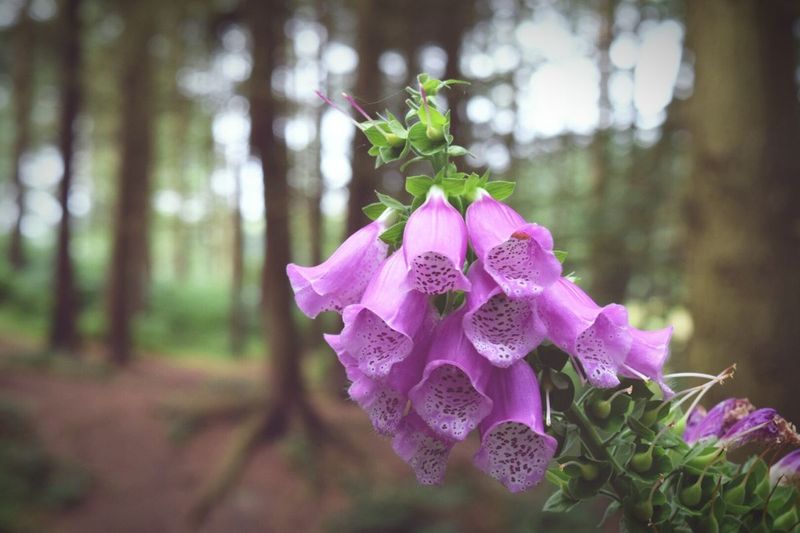
Foxgloves, with their tall spires and bell-shaped flowers, bring an element of fantasy to gardens. These biennials thrive in dappled shade, offering a striking vertical accent.
The foxglove’s beauty is matched by its historical significance in medicine, where its leaves were used to treat heart conditions. However, caution is needed, as all parts are toxic if ingested.
Fun fact: In folklore, foxgloves were believed to be the gloves of fairies, adding a magical story to their allure.
20. Fireweed’s Flourish
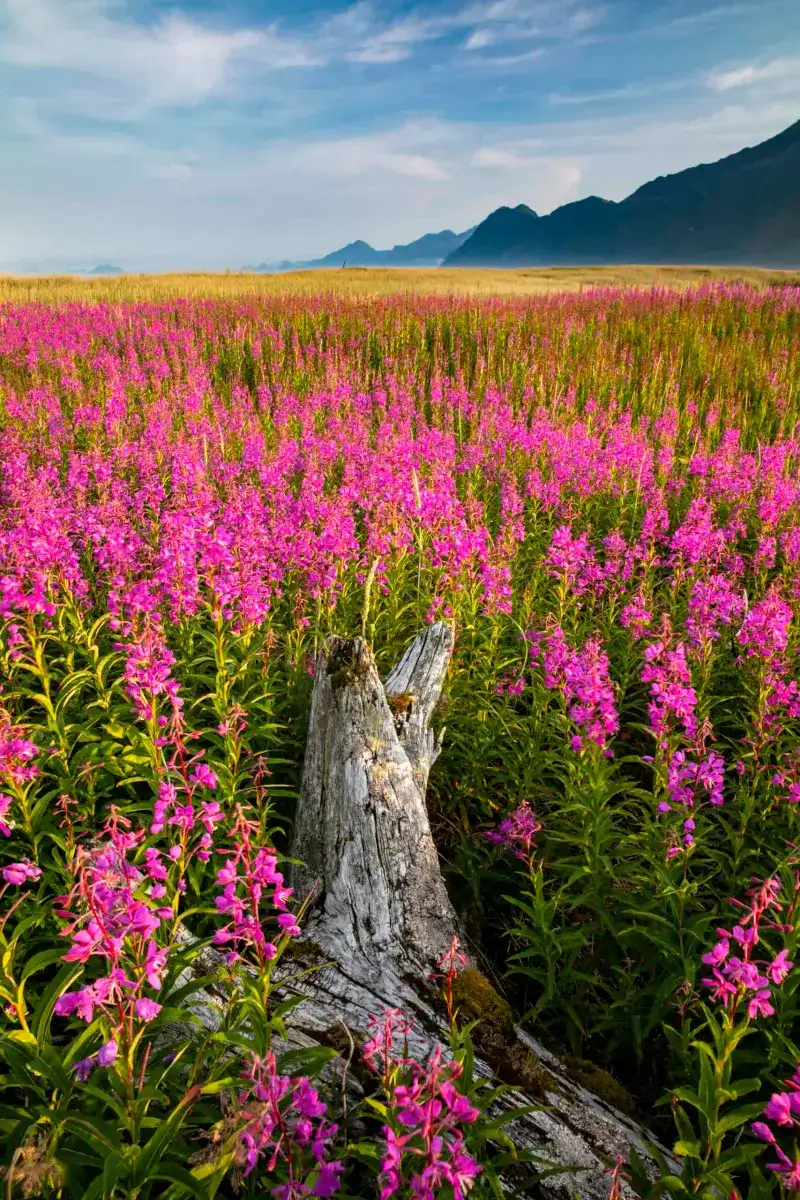
Fireweed, with its striking pink spikes, is often one of the first plants to colonize burned areas, symbolizing renewal and resilience. This dynamic wildflower thrives in open, sunny locations.
Its rapid growth and ability to spread make it ideal for naturalizing large spaces. Fireweed attracts a host of pollinators, supporting biodiversity.
Garden secret: Use fireweed to reclaim and rejuvenate garden areas that have been disturbed or depleted.
21. Gentian’s Grace
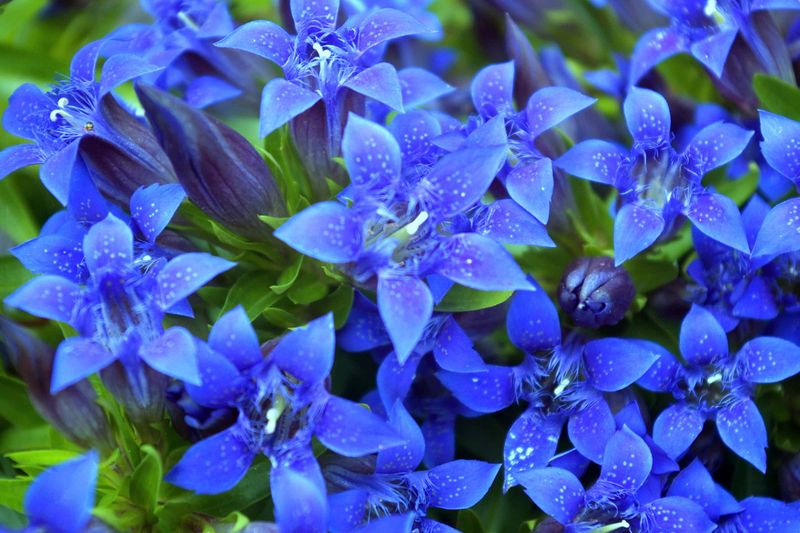
Gentian, with its deep blue trumpet-shaped flowers, brings a touch of the alpine to gardens. This striking wildflower thrives in cooler climates and rocky soils, offering a unique beauty.
Gentians are known for their medicinal properties, often used in herbal tonics to aid digestion. Their distinct color adds a bold contrast to garden landscapes.
Did you know? Gentians have been a symbol of love and devotion in various cultures, celebrated for their rare and captivating beauty.
22. Celandine’s Charm
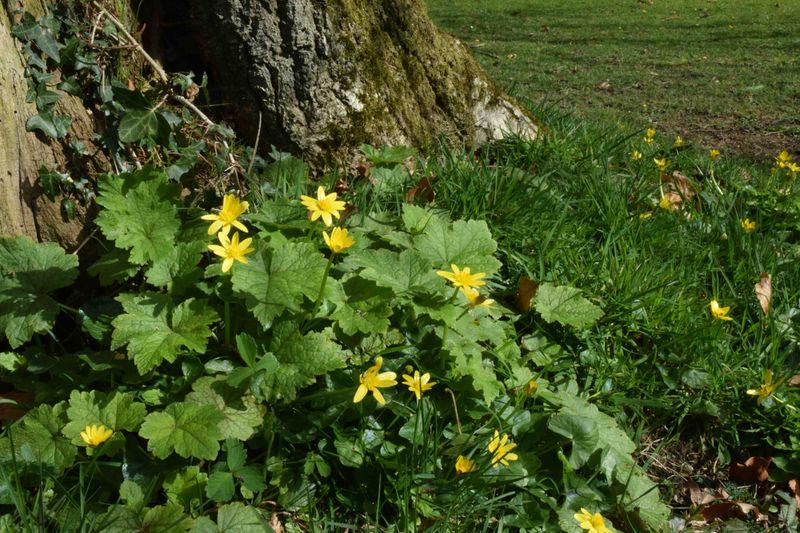
Celandine flowers bring a splash of sunshine to any garden with their radiant yellow petals. These blossoms are not just visually appealing but also attract an array of butterflies, adding movement and life to your garden.
Ideal for shady areas, Celandine thrives in woodland settings, bringing color to otherwise dull spots. Its resilience makes it a favorite among gardeners seeking low-maintenance beauty.
Did you know? Celandine was once believed to have the power to restore sight, earning it the nickname ‘Eyesight Bright’.
23. Trillium’s Triumph
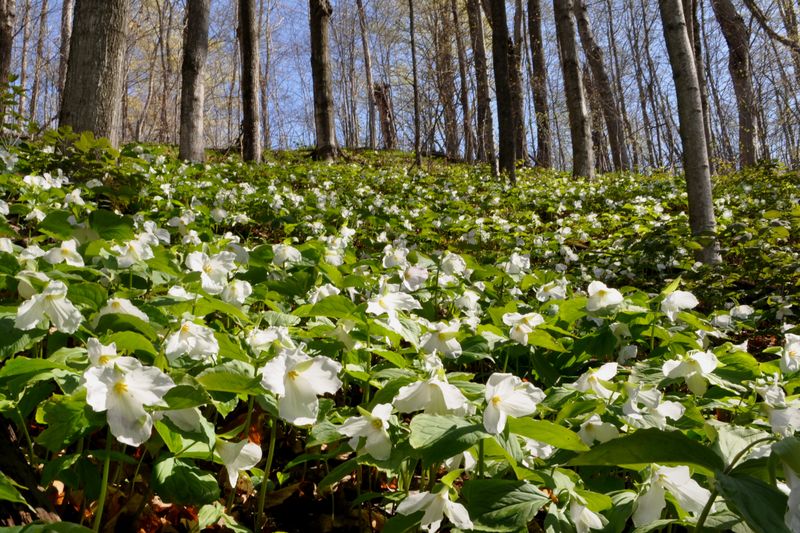
The elegant Trillium flower stands as a symbol of grace and purity in the wild. With its trio of white petals, it captures the essence of simplicity and natural beauty.
Trilliums prefer the quietude of forested areas, thriving in the rich, moist soil found there. They’re perfect for gardeners looking to recreate a woodland paradise.
Fun Fact: Trilliums are often seen as a harbinger of spring, marking the renewal of life after the cold winter months.