 Complete Gardening
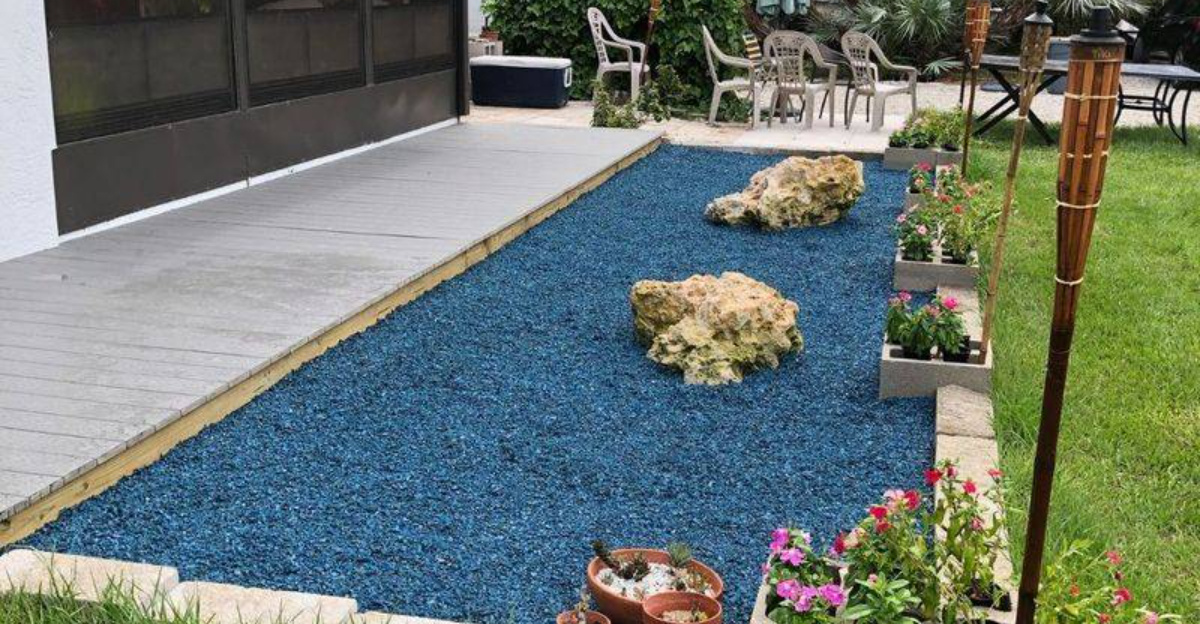
As environmental concerns and community standards evolve, certain yard features that were once popular may soon face bans or restrictions in various U.S. neighborhoods. Homeowners and landscapers must stay informed about these potential changes to ensure compliance with emerging regulations and to contribute to sustainable practices.
1. Grass Lawns (in Drought-Prone Areas)
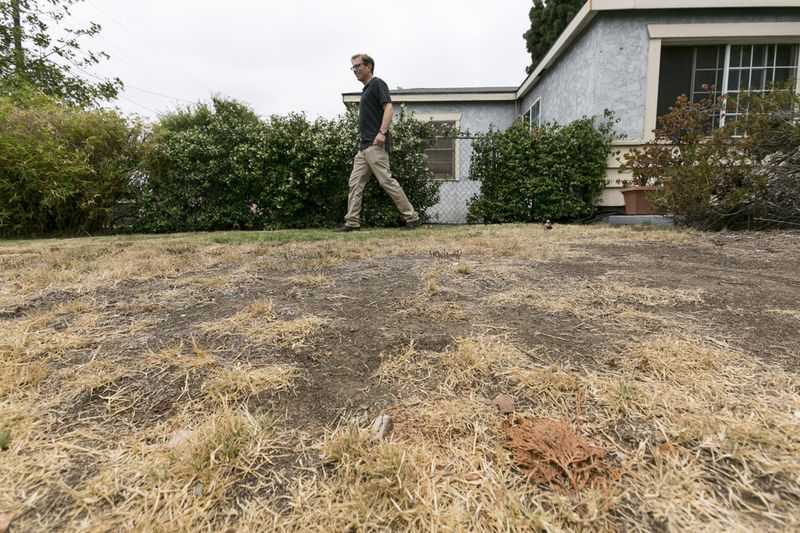
In the sun-scorched areas of the Southwest, traditional grass lawns are becoming a contentious issue. With water resources dwindling, communities are encouraging xeriscaping—a landscaping style that reduces or eliminates the need for irrigation.
Drought-resistant plants, gravel, and mulch are becoming the go-to options for eco-conscious homeowners. Not only do these alternatives save water, but they also offer a unique aesthetic appeal.
The lush green of Kentucky bluegrass may soon be a thing of the past in these parched regions, where every drop of water counts.
2. Invasive Plant Species
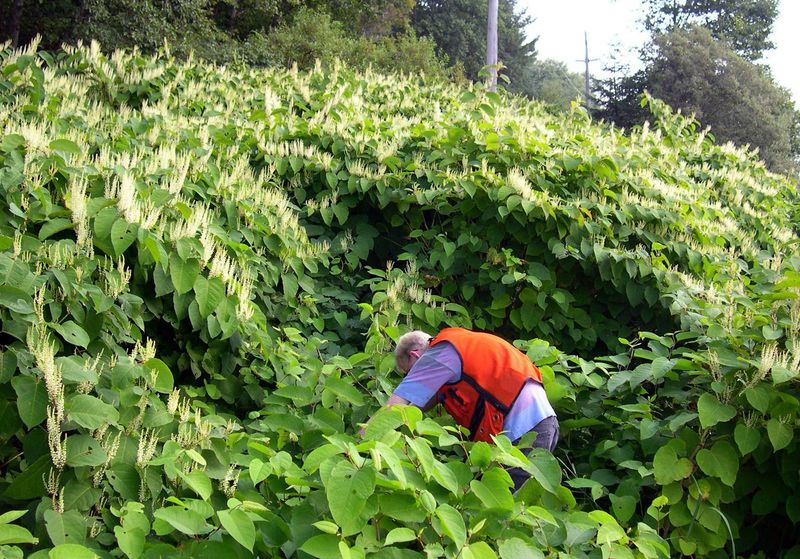
Imagine a garden where the verdant growth isn’t as innocuous as it seems. Invasive species like English ivy and kudzu can wreak havoc on local ecosystems. These plants often outcompete native flora, leading to reduced biodiversity.
Such aggressive species can quickly take over gardens and natural areas, damaging local wildlife habitats.
Communities are now considering bans on these botanical bullies to preserve the ecological balance. By promoting native plants, neighborhoods aim to uphold the natural beauty and health of the local environment.
3. Artificial Turf (in Some Areas)
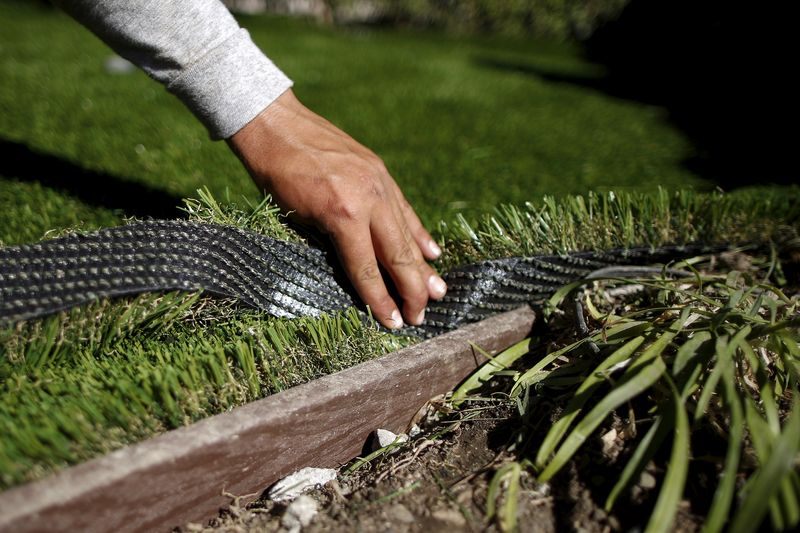
Synthetic turf might look pristine, but its environmental impacts are concerning. Unlike natural grass, it doesn’t cool the surrounding air, contributing to urban heat islands.
Moreover, artificial turf can release microplastics into the ecosystem and lacks the ecological benefits that real grass provides, such as oxygen production.
Cities are beginning to ban this artificial alternative in favor of more sustainable landscaping options. Homeowners are encouraged to consider natural ground covers that offer both aesthetic appeal and environmental benefits.
4. Excessive Hardscaping
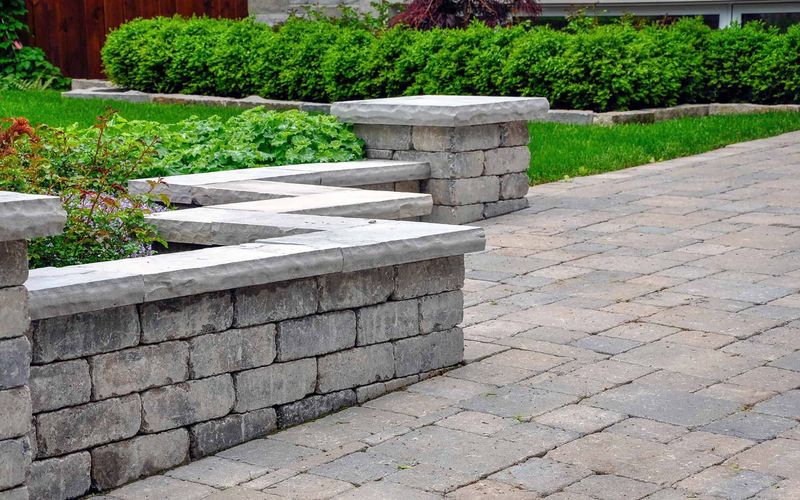
In urban areas, the extensive use of concrete and asphalt can exacerbate drainage issues. Rainwater runoff is less effectively absorbed, leading to potential flooding and erosion.
This has prompted many municipalities to reconsider the amount of hardscaping allowed in residential zones.
Homeowners are encouraged to integrate permeable surfaces and green spaces to improve water absorption and reduce runoff. By balancing hardscapes with nature, neighborhoods can mitigate environmental impacts and create more sustainable outdoor spaces.
5. Gas-Powered Lawn Equipment
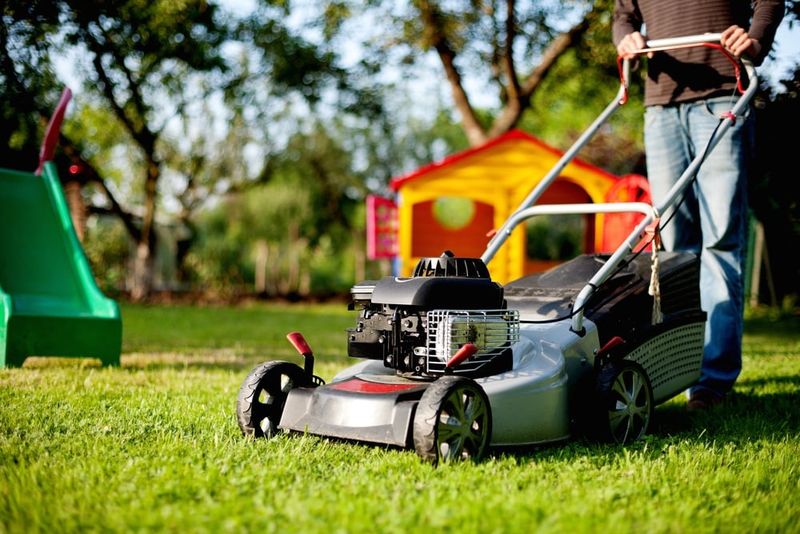
The familiar roar of a gas-powered lawn mower may soon become a relic of the past. Cities like Los Angeles are phasing out these machines due to their environmental impact.
Emissions from gas mowers and leaf blowers contribute significantly to air pollution, urging communities to embrace electric or manual alternatives.
These newer options offer quieter operation and a reduced carbon footprint. Transitioning away from gas-powered equipment aligns with broader efforts to promote cleaner air and healthier communities.
6. Outdoor Lighting That Disrupts Wildlife
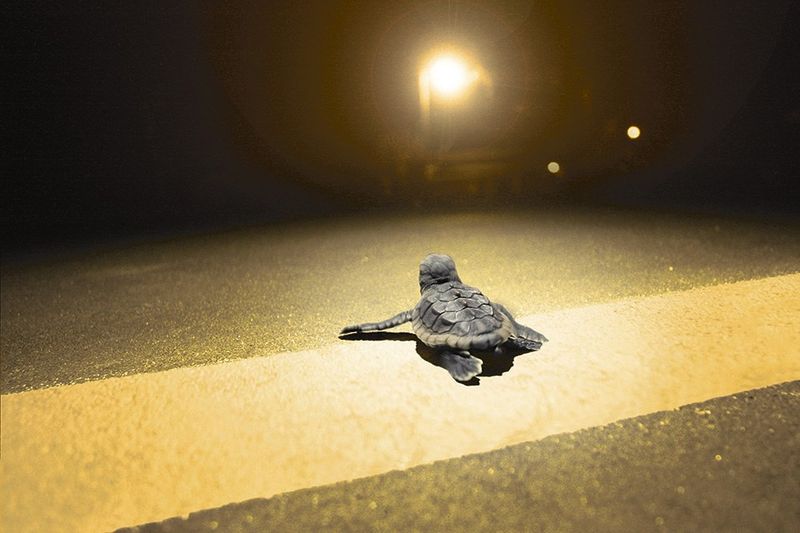
Not all that glitters is good for the environment. Bright, unshielded outdoor lighting can disrupt the natural behaviors of nocturnal animals.
Light pollution affects navigation and feeding patterns of wildlife, leading some areas to implement restrictions. Shielded fixtures and motion sensors are becoming popular alternatives.
By reducing unnecessary lighting, communities aim to protect wildlife while maintaining safety and security. Homeowners can participate in these efforts by choosing eco-friendly lighting solutions that minimize impacts on local fauna.
7. Bird-Unfriendly Glass Features
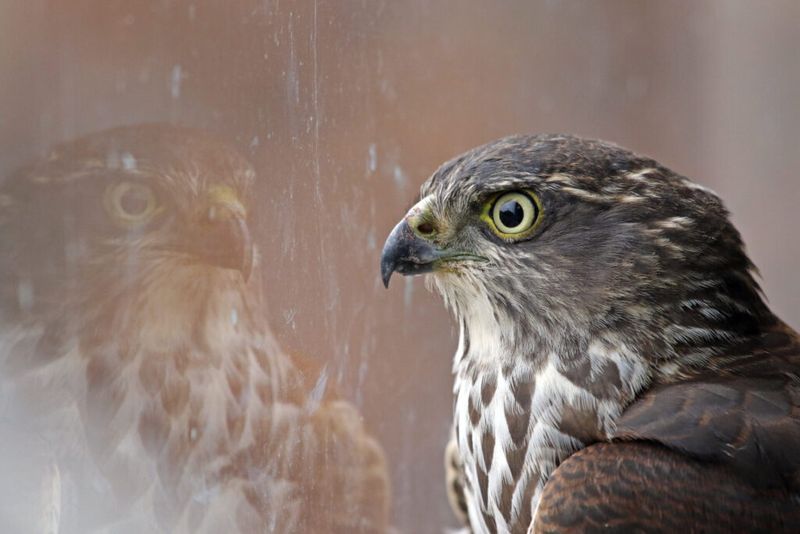
Reflective glass windows may offer stunning aesthetic appeal, but they can pose a lethal threat to birds. Many birds cannot distinguish reflections from reality, leading to fatal collisions.
Some regions are advocating for bird-safe building designs, incorporating visible patterns on glass or using less reflective materials.
These measures help minimize bird fatalities and promote biodiversity. The move towards bird-friendly architecture highlights the balance between human needs and wildlife conservation.
8. Non-Native Monoculture Lawns
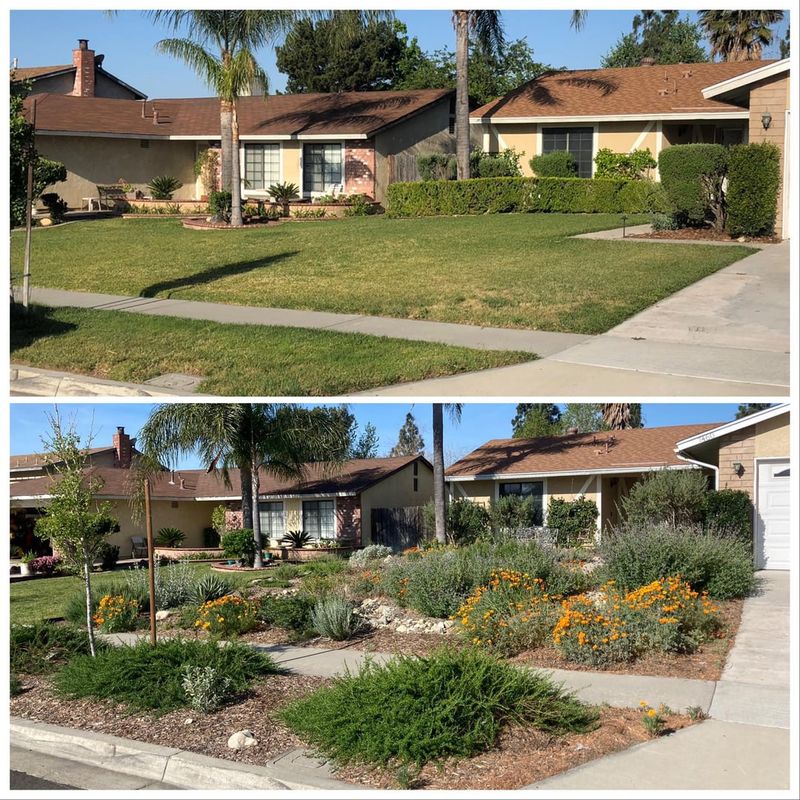
The allure of a perfectly manicured, single-species lawn is waning. Non-native grass lawns can require excessive water and chemicals to maintain.
In an effort to promote biodiversity, communities are encouraging homeowners to replace monoculture lawns with native plant gardens.
These gardens not only conserve resources but also provide habitat for local wildlife. By embracing diverse, eco-friendly landscaping, neighborhoods can enhance their natural beauty and sustainability.
9. Decorative Fountains (in Drought Zones)
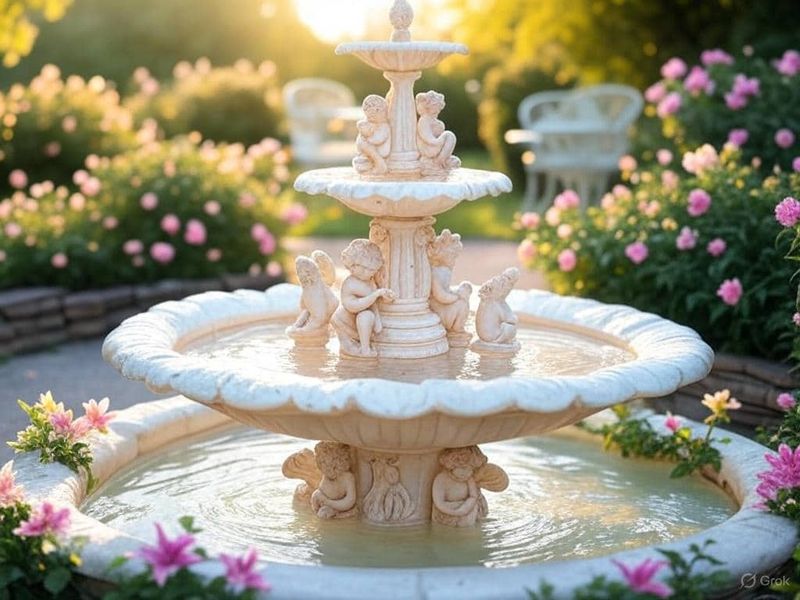
In regions where water is scarce, decorative fountains are falling out of favor. These water features, while visually appealing, can waste significant resources.
Communities in arid zones are progressively restricting their use, encouraging water conservation.
Alternatives like dry riverbeds or rock gardens are being promoted for their aesthetic appeal without the need for water. Homeowners can contribute to sustainability by choosing landscape features that align with their environmental conditions.
10. Certain Mulches (Rubber or Dyed)
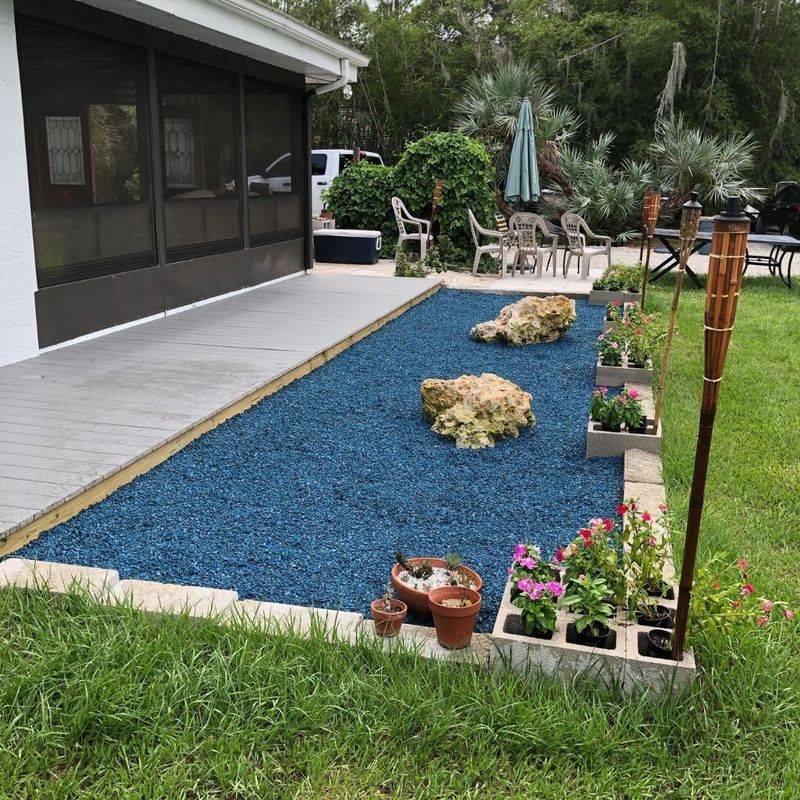
Not all mulches are created equal. Rubber mulch, often made from recycled tires, and chemically-treated dyed mulches may leach toxins into the soil.
Eco-conscious communities are advocating for organic alternatives, like wood chips or bark, which enrich the soil and support plant health.
By opting for natural mulches, homeowners can enhance their garden’s vitality and contribute to environmental well-being. These choices reflect a growing awareness of the impact of landscaping materials on local ecosystems.
11. Front Yard Parking (in Residential Zones)
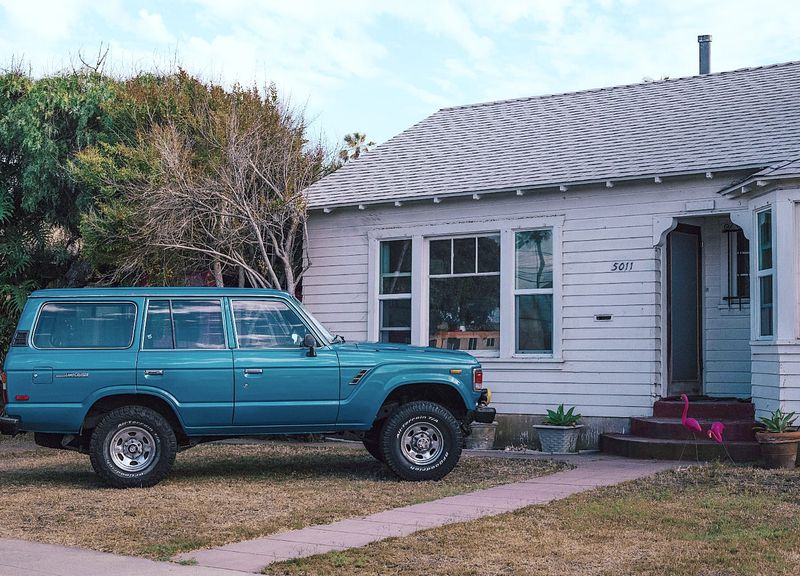
Transforming front yards into parking spaces is a trend facing scrutiny. Such modifications can disrupt the visual harmony of neighborhoods and contribute to drainage challenges.
Some cities are setting restrictions on this practice, encouraging residents to preserve green spaces.
By maintaining front lawns or gardens, homeowners can enhance curb appeal and support urban biodiversity. These efforts reflect a collective desire to balance personal convenience with community aesthetics and environmental considerations.
12. Short Fences (for Wildlife Safety)
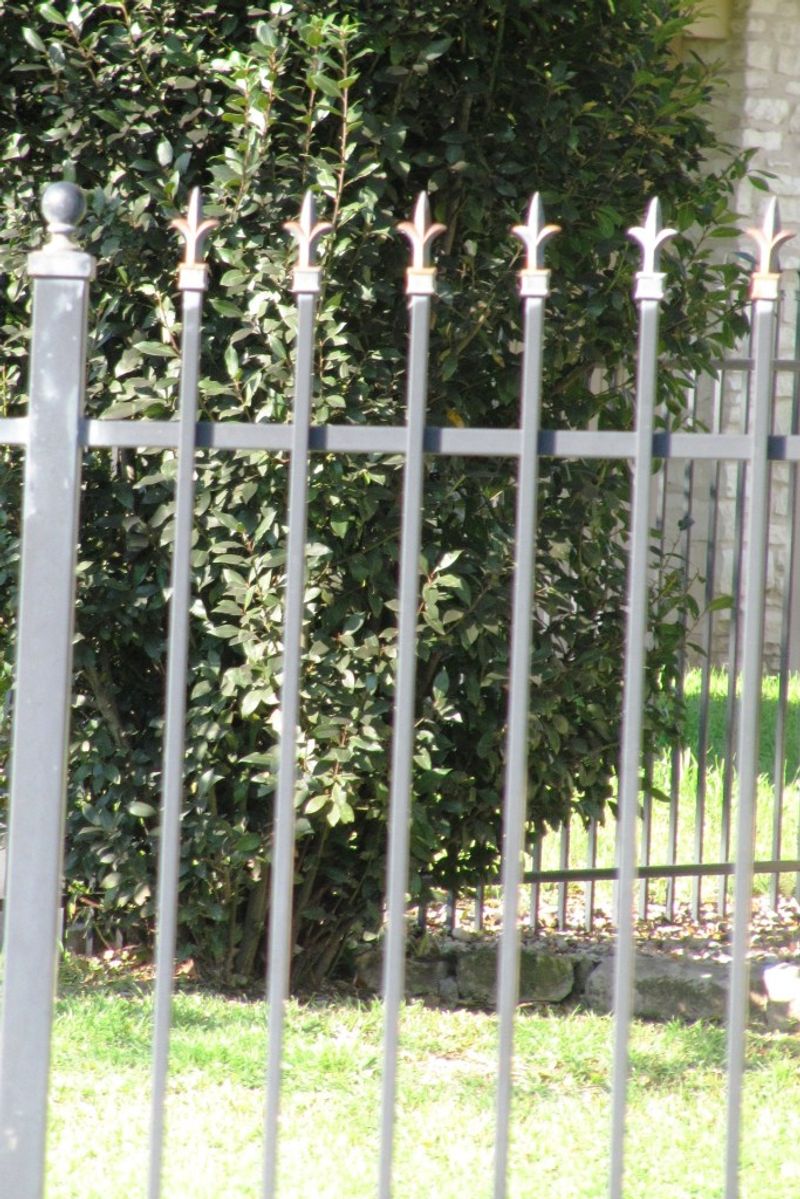
Short fences might offer a quaint charm, but they can pose risks to local wildlife. In areas where deer or similar animals are prevalent, taller fences are recommended to prevent accidents.
Increased wildlife traffic can lead to road hazards, prompting communities to reassess fence height regulations.
By installing taller barriers, homeowners can help protect both wildlife and human safety. These measures align with broader initiatives to coexist peacefully with nature.
13. Excessive Holiday Decorations (HOA Rules)
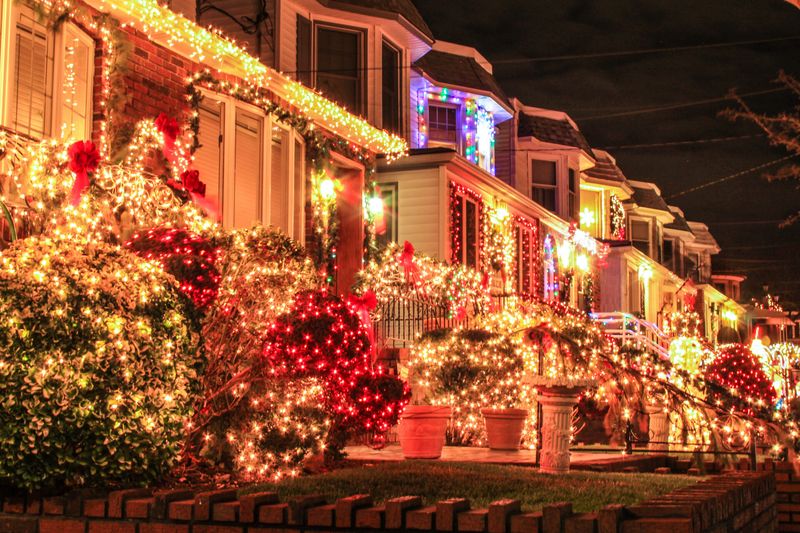
The festive spirit can sometimes clash with neighborhood regulations. Homeowners associations often impose limits on holiday decorations to avoid visual clutter and maintain community standards.
Restrictions may include the size, number, and duration of displays. Residents are encouraged to embrace moderation, ensuring that decorations enhance rather than overwhelm their surroundings.
These guidelines foster a sense of harmony and respect for shared spaces, balancing personal expression with communal aesthetics.
14. Pesticides & Herbicides (in Eco-Friendly Towns)
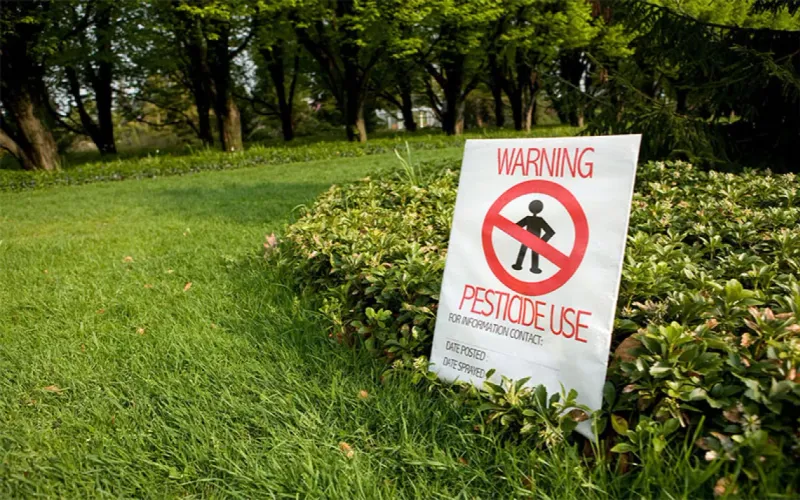
The use of synthetic lawn chemicals is under scrutiny in eco-conscious towns. Pesticides and herbicides can harm beneficial insects and contaminate local water supplies.
Communities are advocating for organic gardening practices, encouraging natural pest control methods.
Homeowners are invited to explore eco-friendly alternatives, fostering a healthier environment for people and wildlife. This shift towards sustainability reflects a growing commitment to protecting natural resources and promoting ecological balance.
15. Front Yard Clotheslines (Still Banned in Some HOAs)
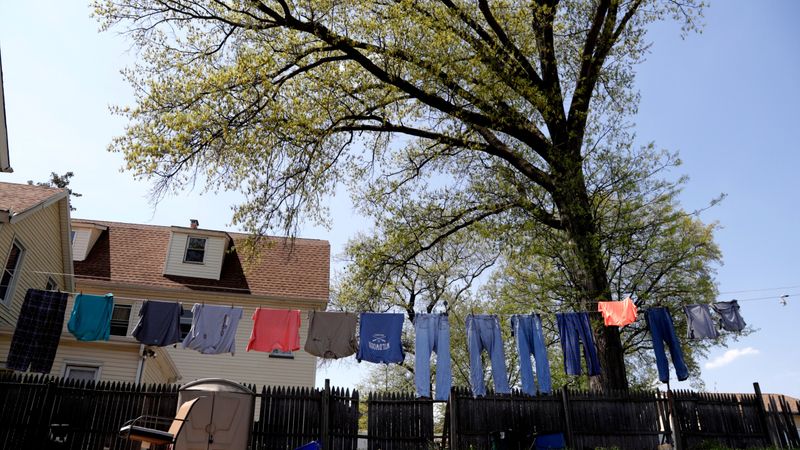
Despite their eco-friendly nature, clotheslines in front yards remain contentious in some homeowner associations. Typically banned for aesthetic reasons, they clash with the manicured look many communities desire.
Yet, these simple structures symbolize sustainable living, reducing energy consumption for drying clothes.
Advocates for change argue for a balance between functionality and visual appeal, promoting shared understanding of eco-conscious practices. This ongoing debate highlights the tension between tradition and innovation in neighborhood regulations.