
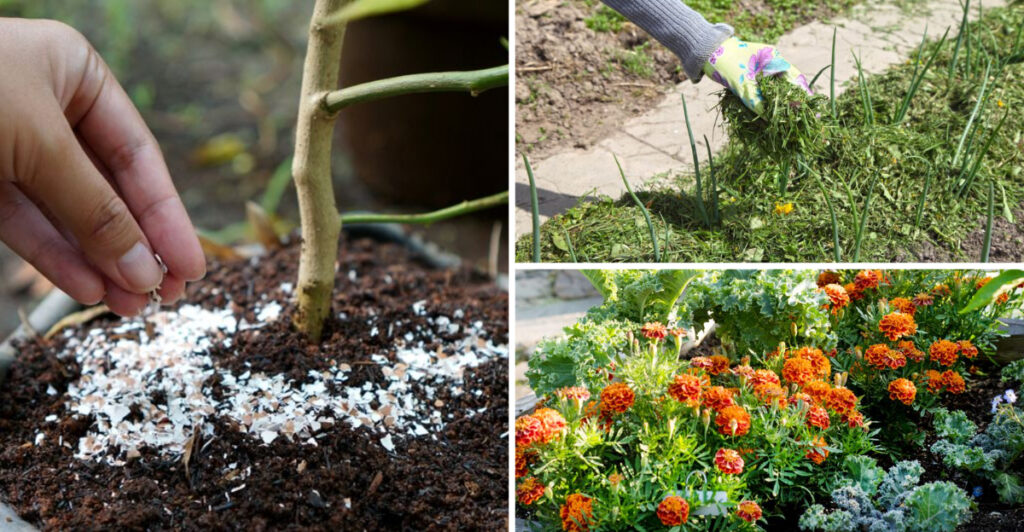
Gardening doesn’t have to be an expensive hobby. Sometimes, the best solutions are right at your fingertips and cost absolutely nothing. Here are 15 brilliant garden fixes that are not only free but also incredibly effective in maintaining a lush and thriving garden. From clever pest control methods to enriching your soil without spending a dime, these tips will transform your gardening experience. Embrace these ingenious ideas and watch your garden flourish.
1. Eggshell Fertilizer
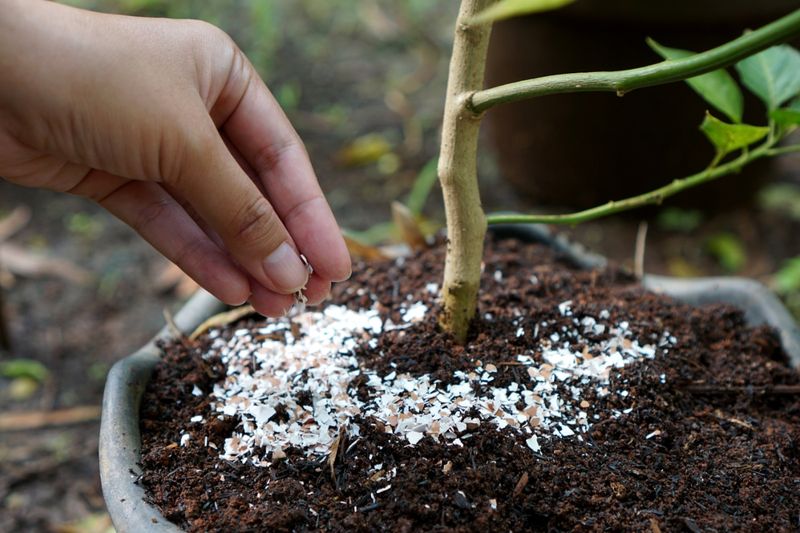
Who knew breakfast leftovers could invigorate your garden? Crushed eggshells are a fantastic source of calcium for your soil. This natural amendment helps strengthen plant cell walls, fostering robust growth. Simply rinse and dry your eggshells, crush them into small pieces, and sprinkle them around your plants. Not only do they nourish your plants, but they also deter slugs and snails from making a meal of your greens. The eggshells’ sharp edges make it difficult for these pests to crawl over, offering a simple yet effective defense mechanism. Enjoy healthier plants and fewer pesky intruders.
2. Banana Peel Boost
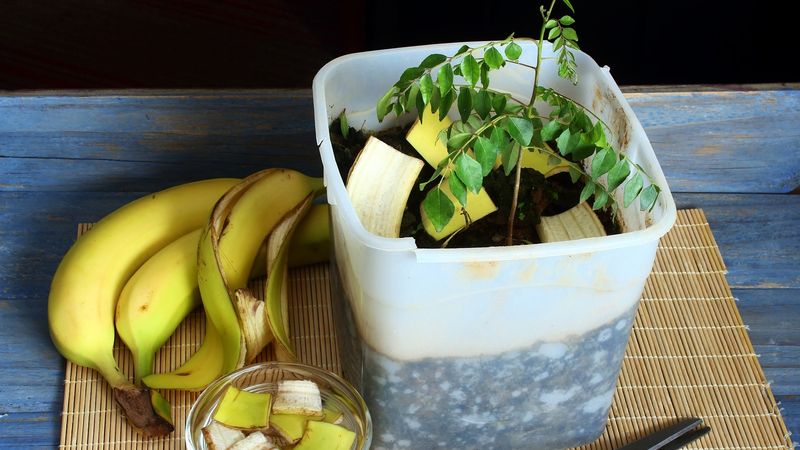
Banana peels aren’t just for slipping; they’re a powerhouse of nutrients for your garden. Rich in potassium, they promote healthy flowering and fruiting. Bury banana peels near the base of your plants to gradually release nutrients as they decompose. This slow-release method ensures your plants receive a steady supply of beneficial minerals. Plus, banana peels increase microbial activity in the soil, enhancing its overall health. This zero-cost solution not only supports plant growth but also reduces waste, making your garden more sustainable. Watch your blossoms thrive with this natural booster.
3. Coffee Grounds Enrichment
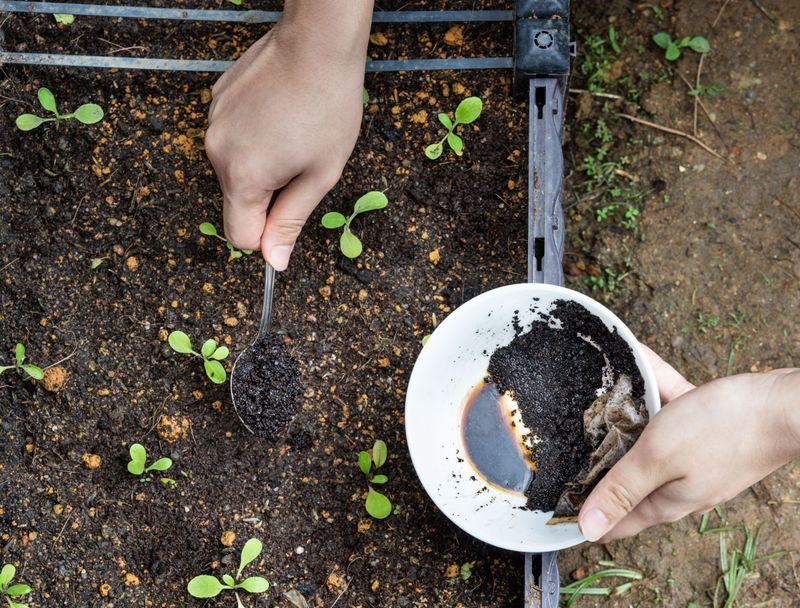
Don’t toss those coffee grounds just yet! They are an excellent addition to your compost or directly into the soil. Coffee grounds add organic matter, improving soil structure and drainage. They’re mildly acidic, which is perfect for acid-loving plants such as roses and blueberries. Spread them thinly to avoid clumping, and watch as your soil becomes a richer environment for your plants. Additionally, coffee grounds attract earthworms, which are beneficial for aerating your garden beds. This eco-friendly practice not only enriches your soil but also boosts plant vitality.
4. Vinegar Weed Eradicator
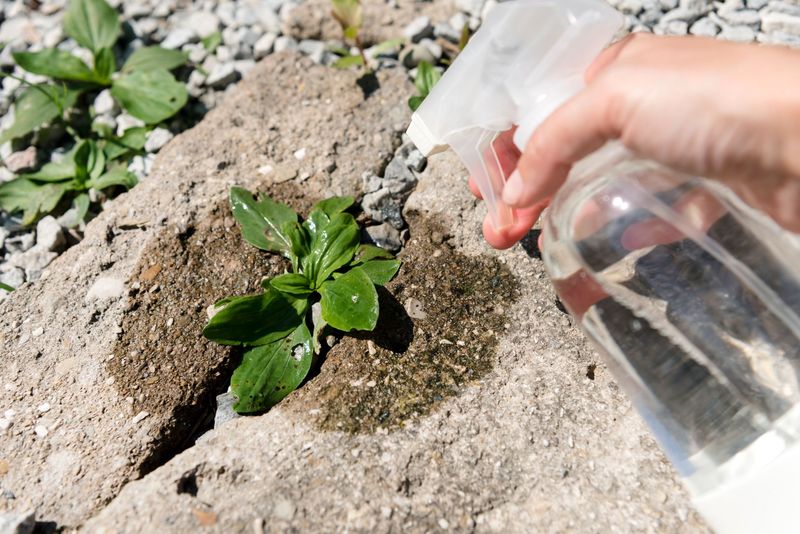
Vinegar isn’t just for salads—it’s a potent weed killer. The acetic acid in vinegar draws moisture out of weeds, effectively dehydrating them. For best results, use it on sunny days and apply directly onto the leaves. It works particularly well on young weeds that have yet to establish a strong root system. While it’s a powerful solution, be cautious in its application to prevent harming desirable plants. This method is a cost-effective, non-toxic alternative to commercial weed killers, making it a gardener’s secret weapon against uninvited guests.
5. Epsom Salt Revitalization
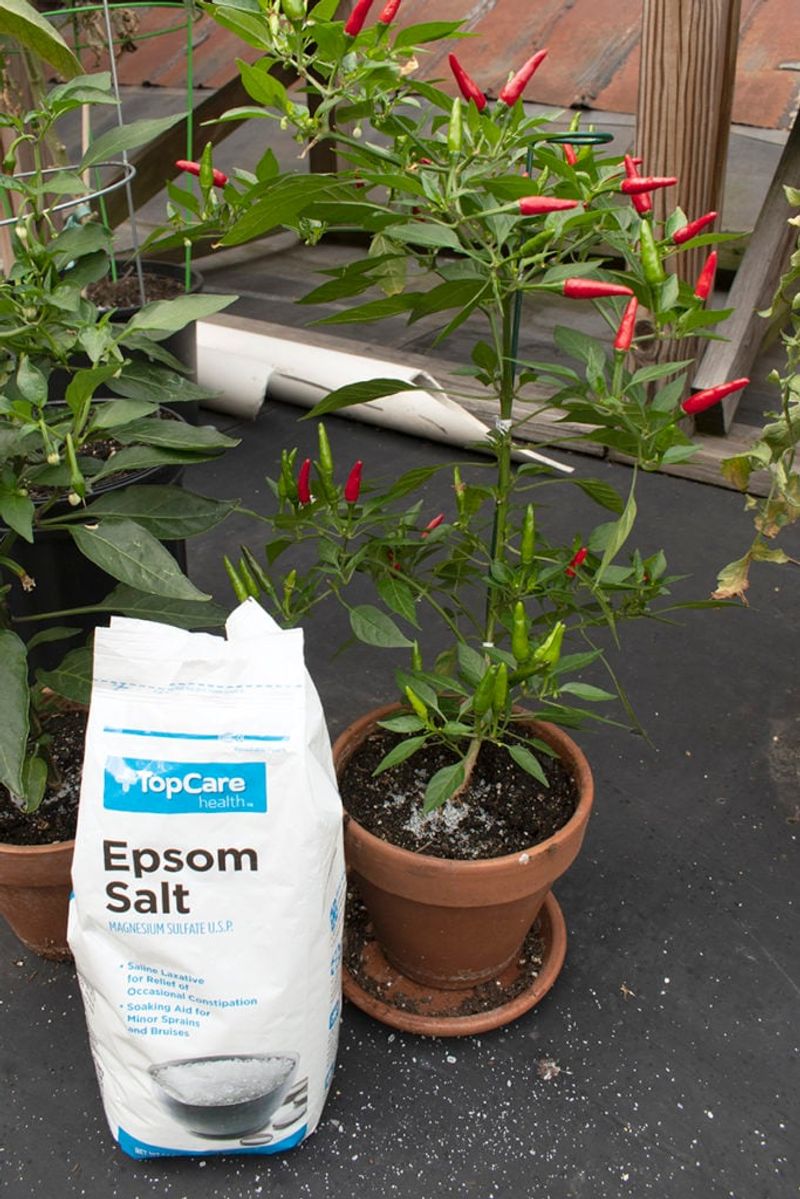
Epsom salt, a household staple, can work wonders in your garden. Its magnesium content is vital for photosynthesis, helping plants produce chlorophyll. Dissolve some Epsom salt in water and use it as a foliar spray or soil drench to give your plants a quick nutrient boost. Tomatoes and peppers, in particular, thrive with the addition of magnesium. This simple treatment can enhance plant color and yield, turning your garden into a vibrant oasis. Whether you’re an experienced gardener or a novice, Epsom salt is an easy, cost-free way to improve plant health.
6. Compost Tea Infusion
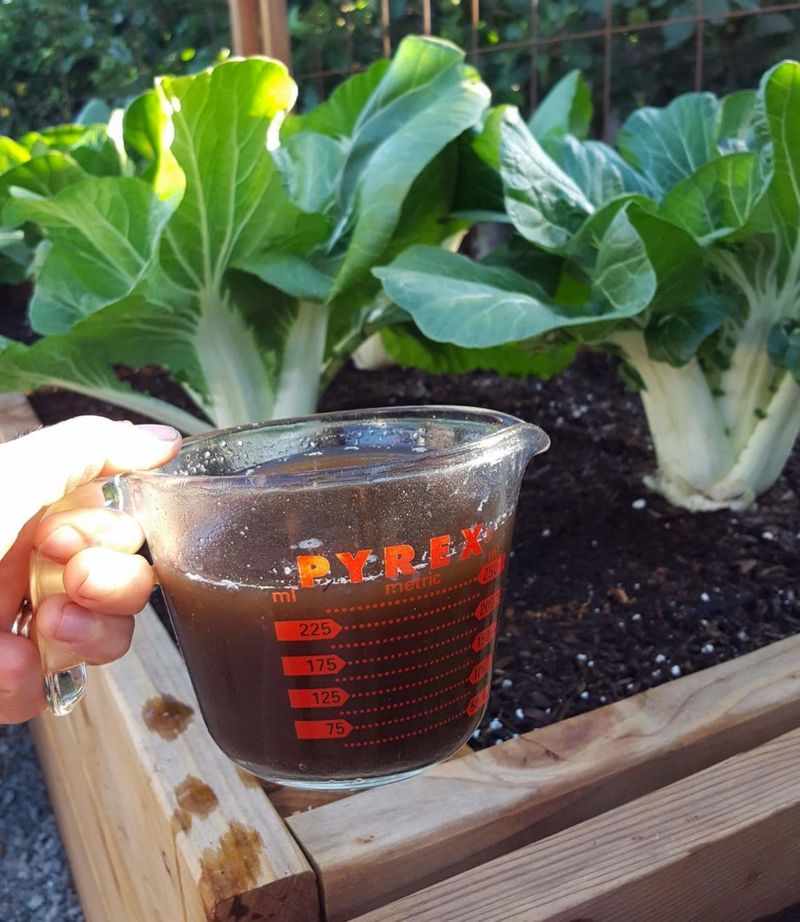
Brew a nutrient-rich compost tea to nourish your plants. Compost tea is made by steeping a small bag of compost in water, allowing beneficial microbes and nutrients to infuse into the liquid. Use this solution to water your plants, giving them a natural, powerful boost. Not only does it enhance plant growth, but it also improves soil health by introducing beneficial bacteria and fungi. This method is an excellent way to utilize homemade compost, ensuring nothing goes to waste. Create a thriving garden ecosystem with this sustainable and cost-free technique.
7. Grass Clippings Mulch
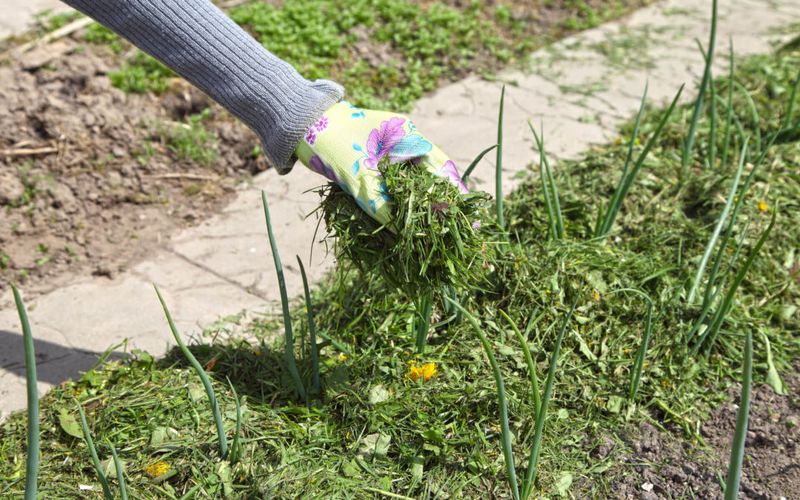
Transform your lawn waste into valuable mulch for your garden. Grass clippings are rich in nitrogen, making them an excellent addition to your garden beds. Use them as a mulch to retain soil moisture, suppress weeds, and provide nutrients as they decompose. Be sure to spread them thinly to prevent matting, which can hinder water penetration. This zero-cost mulch not only feeds your plants but also reduces garden waste. It’s a simple, effective way to recycle lawn clippings and enhance your garden’s growth and resilience.
8. Newspaper Seed Starters
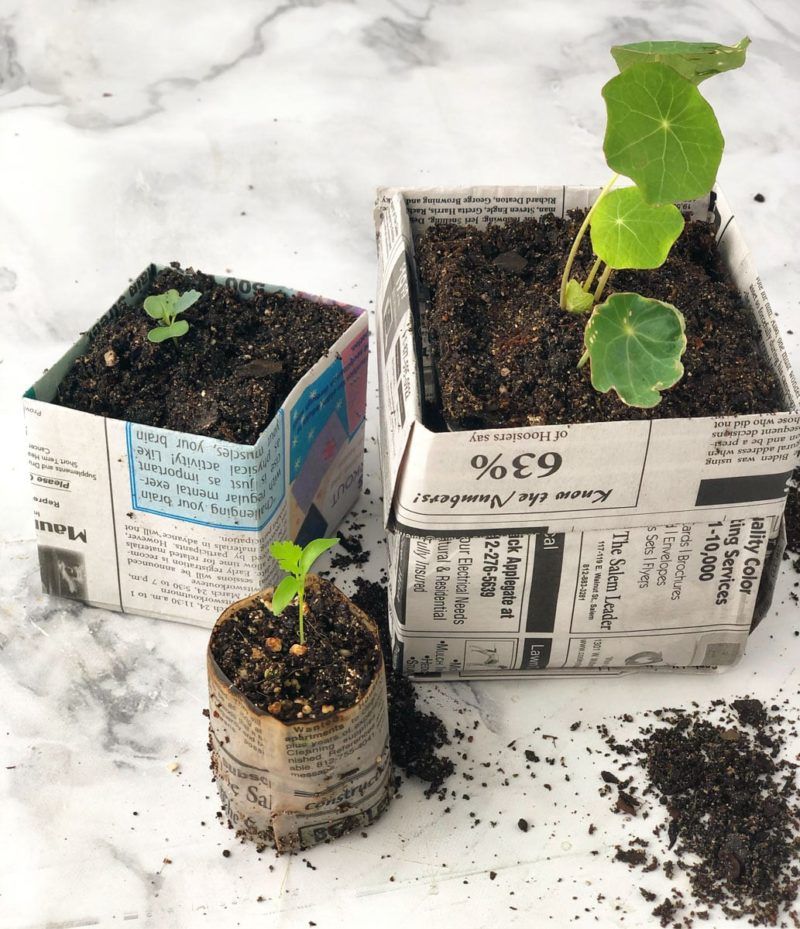
Repurpose old newspapers into biodegradable seed pots. Simply roll sheets of newspaper into small pots, fill them with soil, and plant your seeds. As your seedlings grow, these pots can be planted directly into the garden, where they will decompose. This method eliminates the need for plastic pots and reduces waste. It’s an eco-friendly start for your plants, providing them with a biodegradable home. Plus, the newspaper adds a touch of whimsy and creativity to your gardening routine. Embrace this sustainable approach and enjoy watching your garden flourish from the ground up.
9. Dried Leaves Insulation
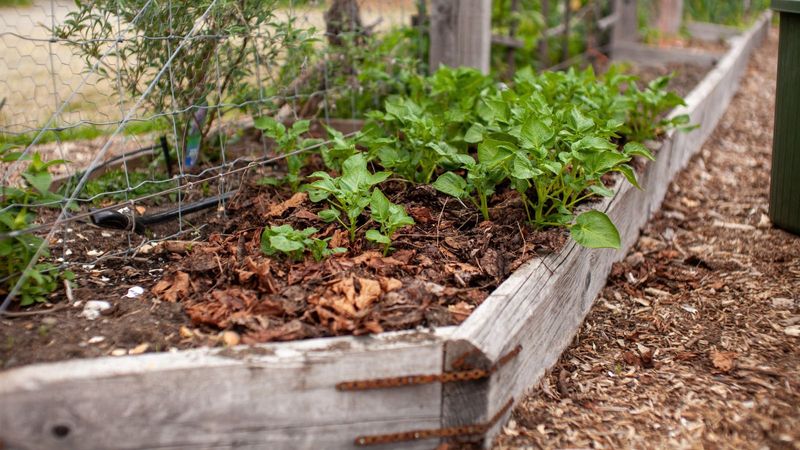
Autumn leaves can insulate your garden beds through the colder months. Gather dried leaves and spread them over your soil as a protective layer. This natural blanket helps maintain soil temperature and moisture, supporting plant roots during winter. As they break down, the leaves enrich the soil, enhancing its fertility. This technique not only utilizes garden waste but also reduces the need for commercial mulches. It’s a cost-free, environmentally friendly way to prepare your garden for the changing seasons. Enhance soil health and plant resilience with this clever use of leaves.
10. Rainwater Harvesting
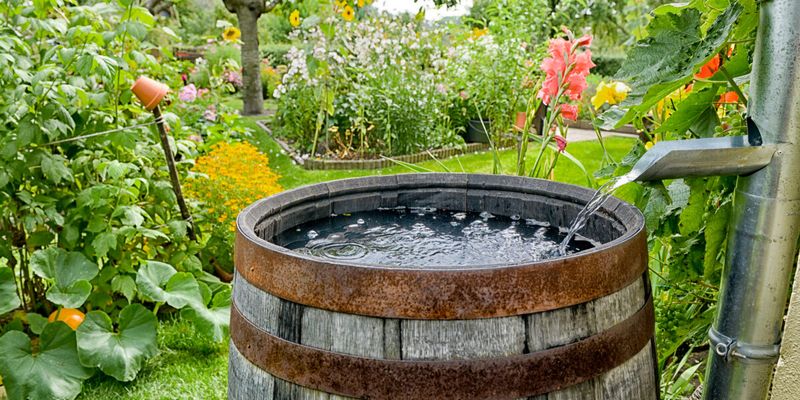
Make the most of nature’s bounty with rainwater harvesting. Collecting rainwater reduces your reliance on municipal water supplies and lowers your water bills. Use a rain barrel to capture runoff from your roof, storing it for future use in your garden. This precious resource is free of chemicals found in tap water, making it ideal for plants. Not only is it environmentally sustainable, but it also ensures your garden remains hydrated during dry spells. Embrace this method to conserve water and nurture your garden with pure, natural rainfall.
11. Natural Pest Control
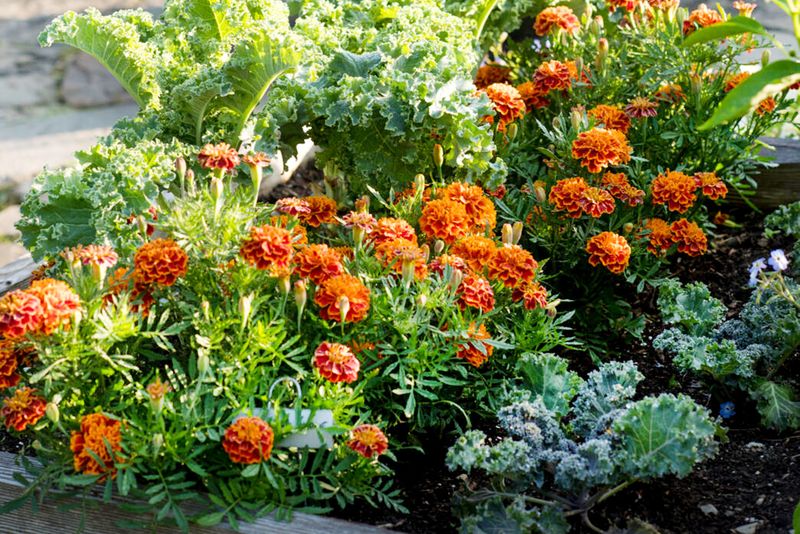
Harness the power of companion planting to deter pests naturally. Certain plants, like marigolds, repel unwanted insects with their strong scent. Plant them alongside your vegetables to create a fragrant barrier that bugs avoid. This method reduces the need for chemical pesticides, promoting a healthier garden ecosystem. Additionally, companion planting can encourage beneficial insects, like ladybugs, to patrol your garden. It’s a simple, free strategy that enhances biodiversity and protects your crops. Enjoy a thriving, chemical-free garden by strategically pairing plants for natural pest control.
12. Homemade Plant Stakes
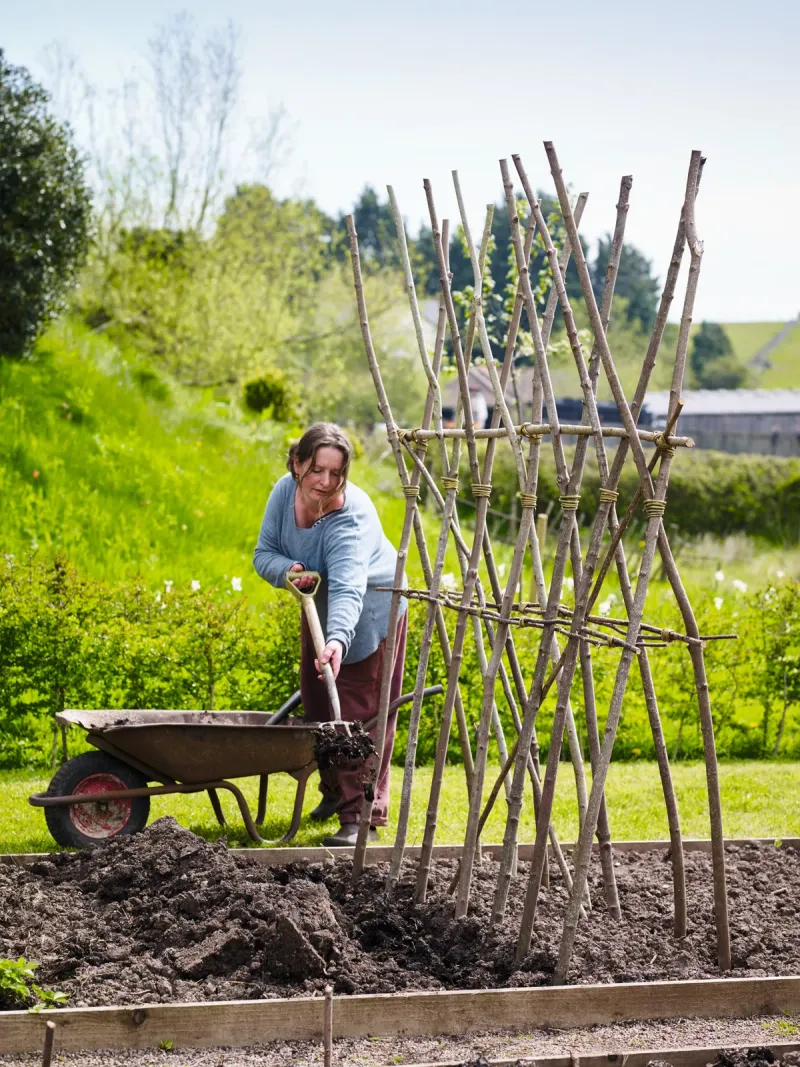
Forget buying expensive garden stakes; nature provides all you need. Use fallen tree branches to support your plants as they grow. These natural stakes blend seamlessly into your garden while offering the strength your plants require. Trim the branches to the desired length and insert them into the soil next to your plants. This method not only saves money but also gives your garden a rustic, natural look. It’s a sustainable solution that repurposes garden waste into valuable tools, ensuring your plants stand tall and flourish without added expense.
13. DIY Insect Traps
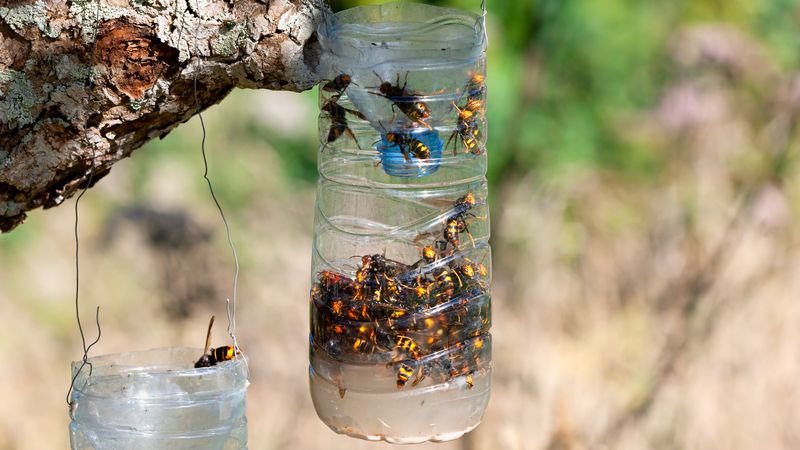
Combat garden pests with simple DIY traps. Use an empty jar or container, fill it with a sugary liquid, and hang it around your plants. This trap attracts and captures flying insects, reducing their population. It’s an inexpensive, chemical-free way to protect your garden. For slugs, place a shallow dish filled with beer at soil level; the scent lures them in. These homemade traps are effective, easy to make, and significantly reduce the need for harmful pesticides. Keep your garden flourishing with these cost-free, environmentally friendly pest control solutions.
14. Cardboard Weed Barrier
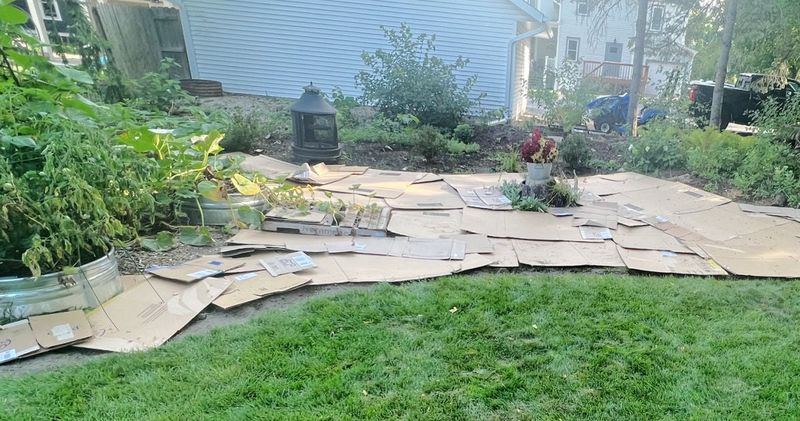
Old cardboard boxes can become a gardener’s best friend. Lay down cardboard in your garden beds to suppress weeds naturally. This method blocks sunlight and smothers weeds, preventing them from sprouting. Over time, the cardboard breaks down, enriching the soil with organic matter. Cover it with mulch for added aesthetics and protection. This zero-cost solution not only controls weeds but also recycles cardboard, reducing waste. It’s an innovative way to maintain a tidy, weed-free garden while improving soil health. Keep your garden looking pristine with this clever, sustainable hack.
15. Aromatic Herb Borders
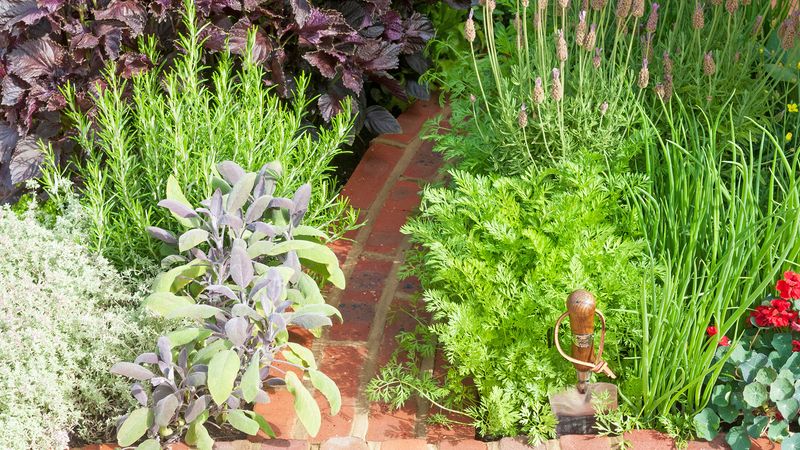
Enhance your garden’s beauty and functionality with aromatic herb borders. Plant fragrant herbs like lavender, rosemary, or basil around your garden edges. These herbs not only offer delightful scents but also deter pests naturally. Their strong aromas confuse insects, keeping them away from your precious crops. Additionally, herbs attract beneficial pollinators, enriching your garden’s biodiversity. As a bonus, you’ll have fresh herbs at your fingertips for culinary uses. This cost-free, dual-purpose strategy elevates your garden’s appeal while providing natural pest control and a feast of flavors.