
Gardening enthusiasts often rely on store-bought tools to tend their plants, but sometimes the best tools are unexpected, everyday items found around the house. These common objects can often outperform specialized garden tools, offering unique benefits and convenience. Let’s explore nine of these surprising household heroes that can transform your gardening experience.
1. Kitchen Fork
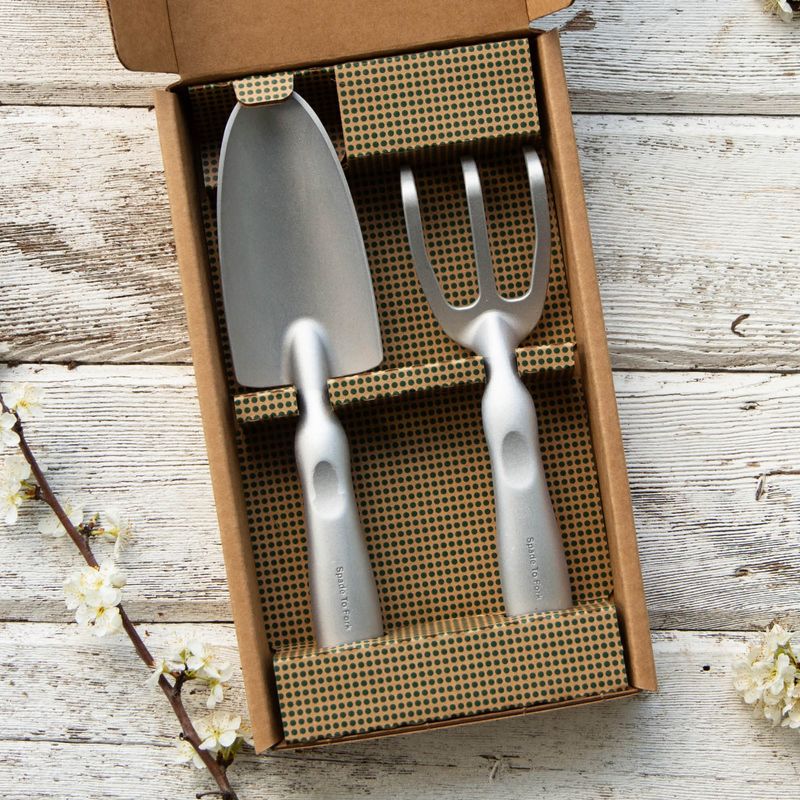
Discover the humble kitchen fork, a surprising ally in your gardening toolkit. This everyday utensil excels at breaking up compacted soil, with its prongs perfectly designed for aerating the earth and promoting healthy root growth.
Many gardeners find the fork’s compact size ideal for working in tight spaces, allowing for precision and control. Its sturdy design withstands the demands of outdoor use, making it a reliable choice for various gardening tasks.
Whether you’re cultivating a small herb garden or maintaining elaborate flower beds, the kitchen fork proves its worth as a versatile, cost-effective tool.
2. Old Spoons
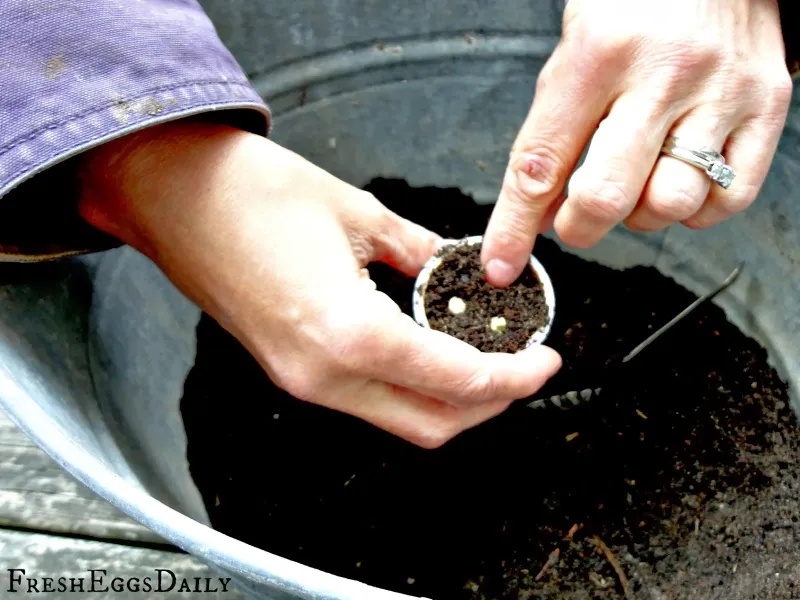
Repurpose old spoons for planting seeds and seedlings, offering a gentle touch to young plants. These spoons excel at scooping soil and creating small holes, perfect for precise planting.
Their curved design mimics natural movements, allowing for smooth soil transfer without disturbing delicate roots. In addition to planting, spoons are great for serving compost or fertilizer to specific areas, ensuring targeted nourishment.
With a collection of mismatched spoons, you can easily tackle various gardening projects, proving that these kitchen staples are more than mere eating utensils.
3. Bucket
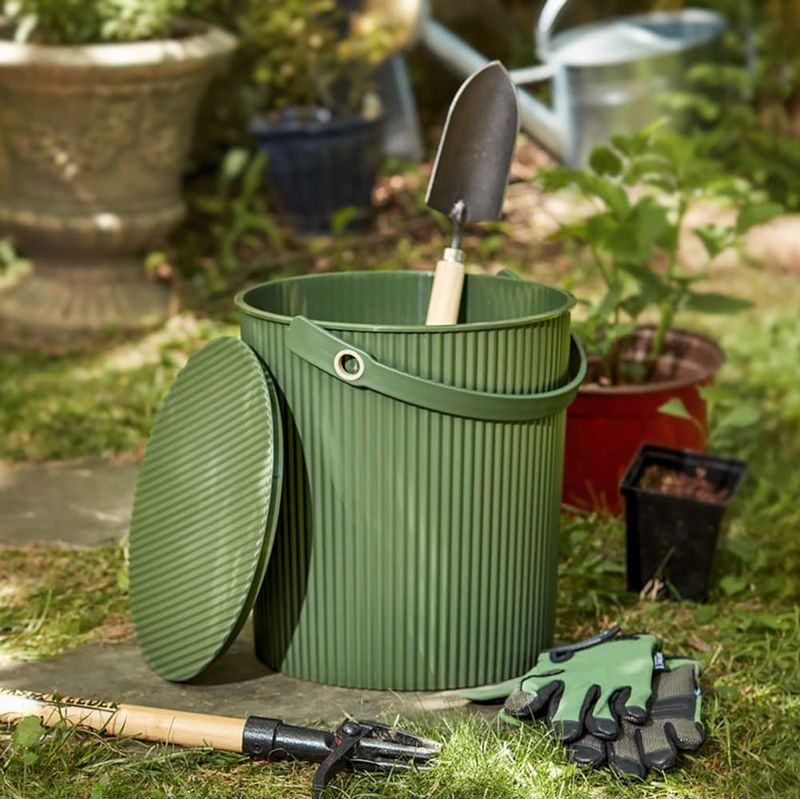
The ever-practical bucket finds new life in gardening, serving as a versatile tool for transporting soil, water, and plants. Its sturdy construction makes it perfect for carrying heavy loads, while the handle provides easy maneuverability.
Beyond transportation, buckets can become makeshift planters, providing ample space for root growth. Drill a few drainage holes, and you have a portable garden ready for any spot that needs a splash of green.
Whether you’re a novice or seasoned gardener, the bucket remains an indispensable companion for a myriad of tasks, proving its enduring value.
4. Wine Corks
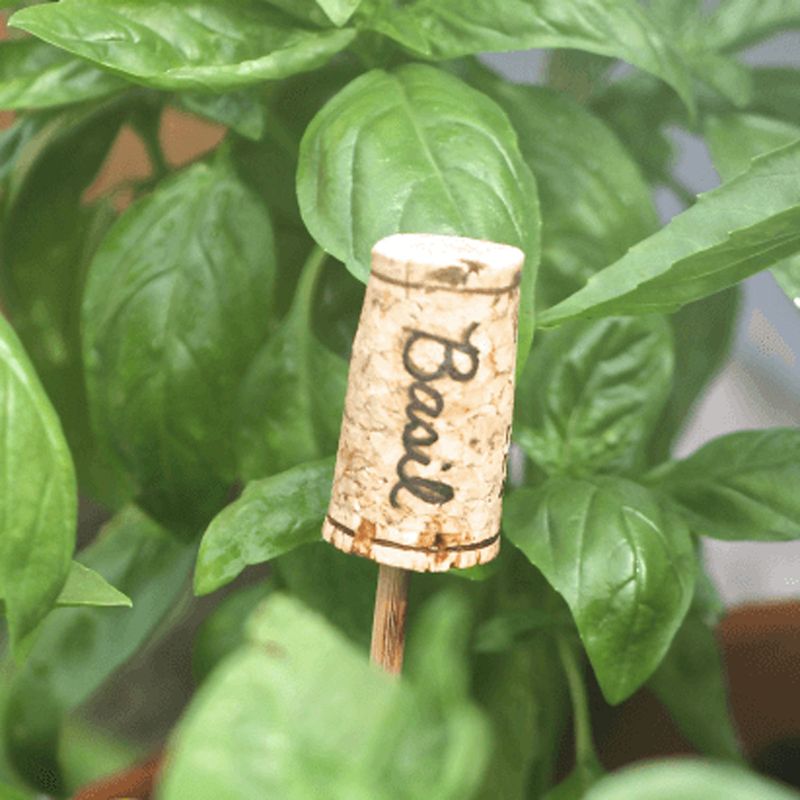
Give your garden a touch of whimsy with wine corks as plant markers. These corks, with their buoyant nature, withstand the elements, making them durable and charming additions to any garden.
Simply write the plant names on the corks and attach them to sticks, creating personalized markers that blend functionality with style. They are particularly beneficial for labeling herbs and flowers, ensuring an organized and aesthetically pleasing garden.
Transform your leftover corks into garden art, showcasing creativity while keeping your plants perfectly labeled and identifiable.
5. Old Rake
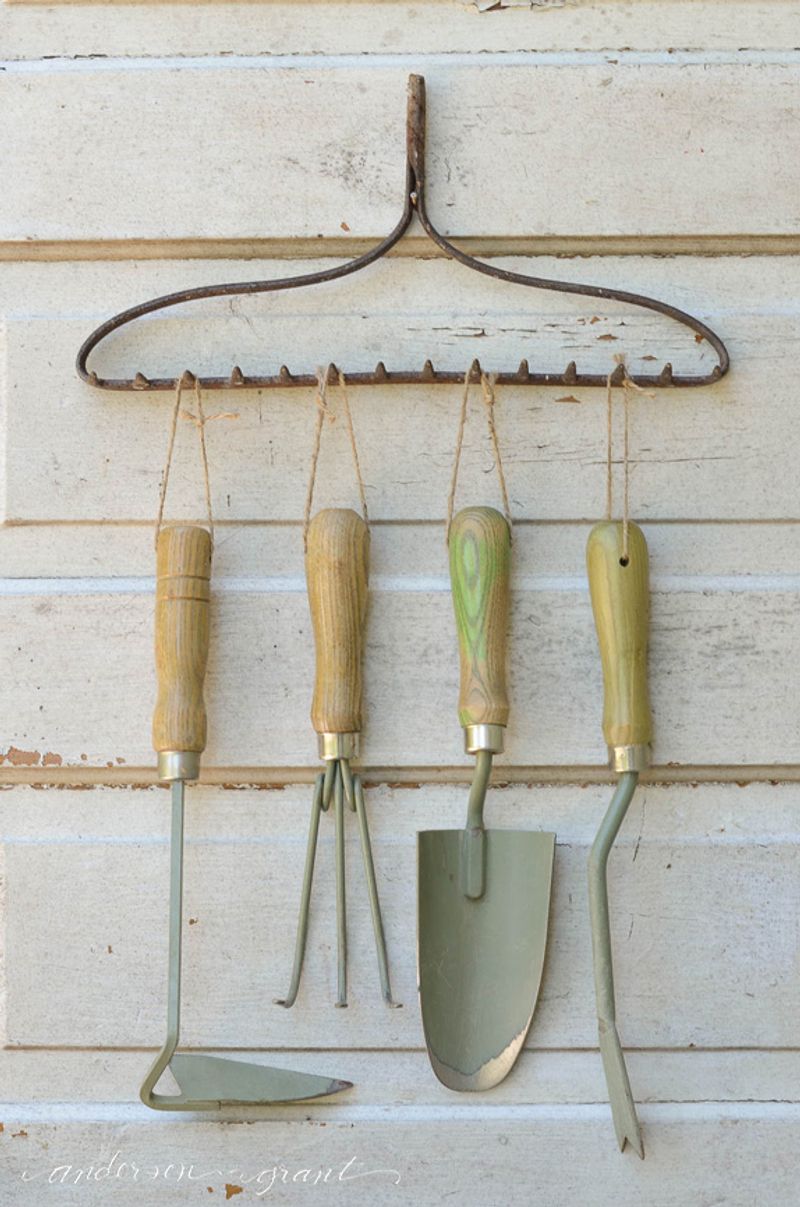
Breathe new life into a worn-out rake by turning it into a practical tool organizer. Hang it on a wall, and its sturdy tines become hooks for holding garden gloves, trowels, and other essentials.
The old rake offers a rustic charm that adds character to your garden space while keeping tools within arm’s reach. It’s an innovative way to recycle and organize simultaneously.
This creative repurposing not only saves space but also provides easy accessibility, making your gardening tasks smoother and more enjoyable.
6. Milk Jug
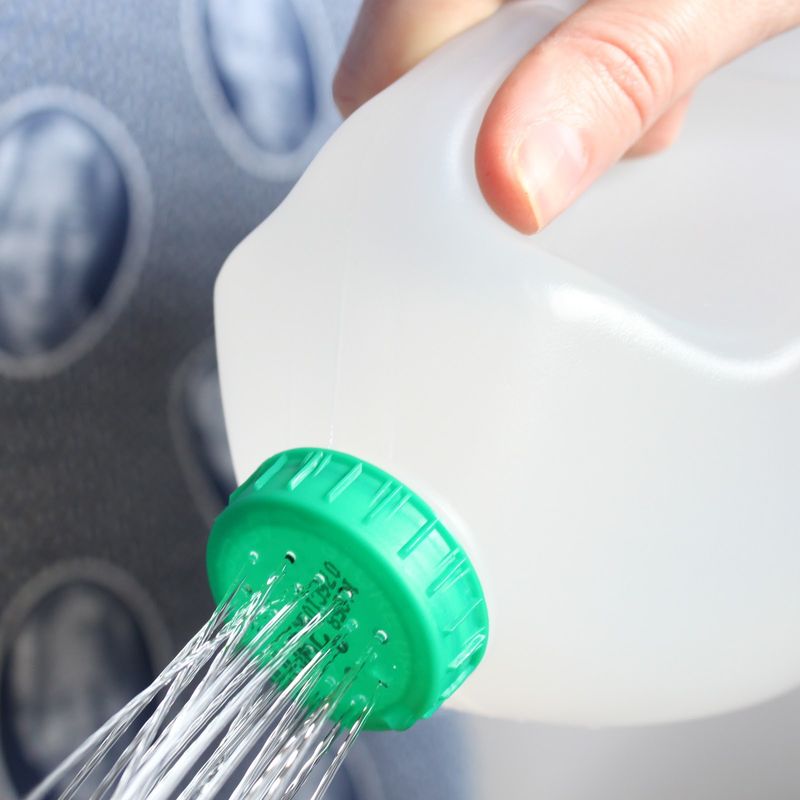
Transform an ordinary milk jug into a handy watering can by poking small holes in its cap. This simple modification creates a gentle shower that’s perfect for young plants and delicate seedlings.
The jug’s lightweight design makes it easy to carry around the garden, providing quick hydration for thirsty plants. Additionally, the large capacity reduces the need for constant refilling, making watering a more efficient task.
From recycling to practicality, the milk jug exemplifies how everyday items can be cleverly adapted to meet gardening needs, offering an eco-friendly watering solution.
7. Old Jeans
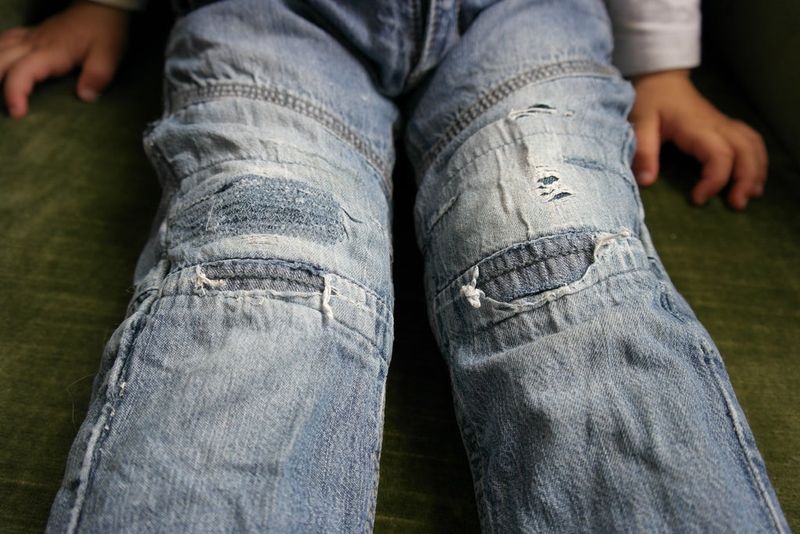
Breathe new life into old jeans by converting them into protective knee pads for gardening. Simply cut and sew them into comfortable pads that cushion your knees during long hours of work.
These denim pads provide durable protection against dirt and rough surfaces, ensuring a more pleasant gardening experience. They are easy to slip on and off, offering convenience for quick garden tasks.
With this innovative reuse, you’re not only reducing waste but also adding comfort and functionality to your gardening routine, proving old jeans still have plenty of life left.
8. Egg Cartons
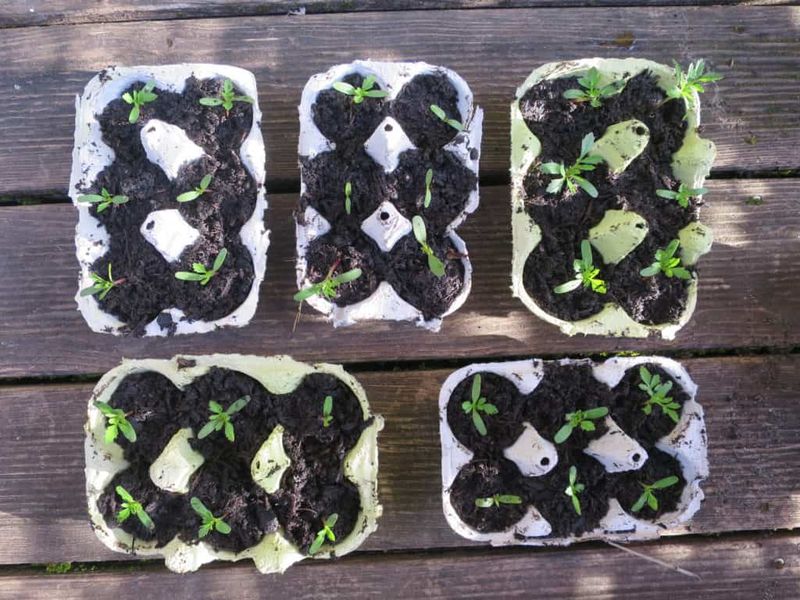
Egg cartons find a new purpose in gardening as perfect seed starters. Their individual compartments offer an ideal environment for nurturing seedlings, providing just enough space and protection.
Simply fill each section with soil and plant seeds, watching them sprout into healthy young plants ready for transplanting. The carton material is biodegradable, allowing for a seamless transition into the soil.
This eco-friendly approach not only recycles waste but also simplifies the process of starting a garden from scratch, showing how everyday packaging can be repurposed for growth and sustainability.
9. CDs

Repurpose old CDs to protect your garden from feathered intruders. Hanging them from trees or stakes creates reflections that scare away birds, safeguarding your precious plants.
The CDs’ reflective surfaces catch sunlight, producing flashes that deter unwanted visitors. This low-cost, creative solution ensures your fruits and vegetables remain undisturbed.
Beyond their protective role, hanging CDs add a touch of sparkle to your garden, blending functionality with a unique aesthetic. It’s a testament to how obsolete items can find new purpose in unexpected ways.
10. Old Toothbrush
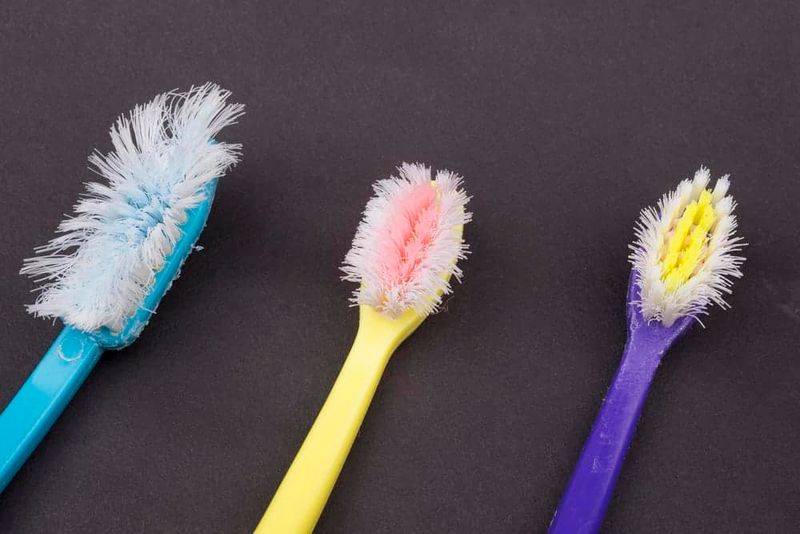
An old toothbrush, forgotten in a drawer, finds new purpose in the garden. Its soft bristles are perfect for gently cleaning delicate plant leaves and coaxing dirt from tight corners. This humble tool excels in precision, allowing you to target specific areas without damaging the plant.
The toothbrush’s ergonomic handle provides a comfortable grip, making it easy to navigate through intricate foliage. Its compact size ensures it reaches spots that larger tools can’t.
Who knew that something as simple as a toothbrush could become a gardener’s secret weapon? Embrace this innovative approach and see the difference it makes.
11. Coffee Filters
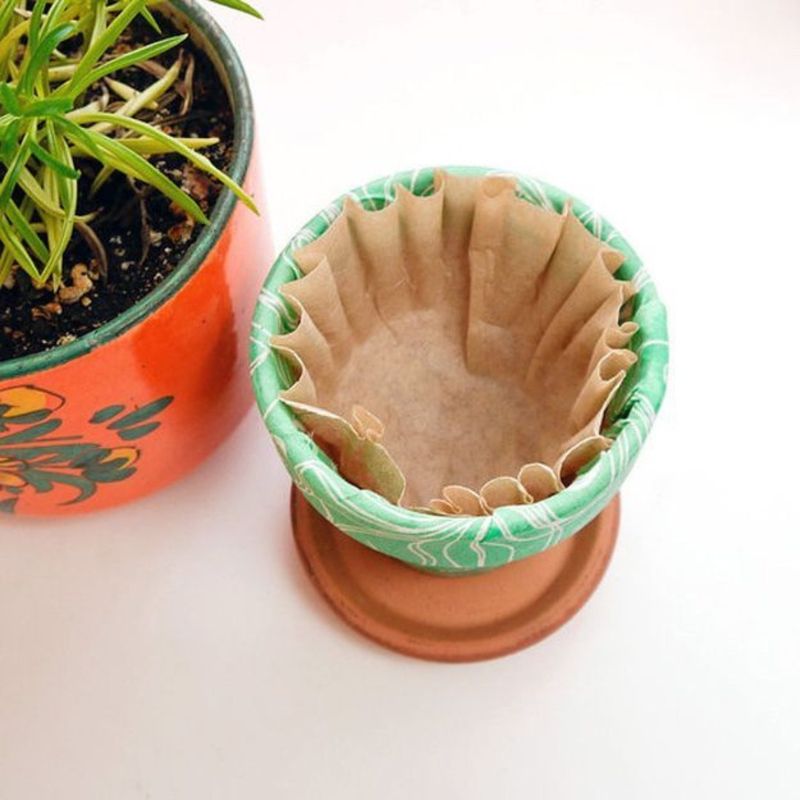
Coffee filters, typically used to brew your morning cup, have a dual life in the garden. They are an excellent choice for lining the bottom of plant pots, allowing water to drain while preventing soil from escaping.
This simple hack improves root health and keeps your garden tidy. Made from biodegradable material, coffee filters are an eco-friendly option that breaks down naturally over time.
Their flexibility means they fit in pots of all sizes, providing a seamless solution to a common challenge. Transform your gardening approach with this sustainable alternative and enjoy flourishing plants.
12. Pantyhose
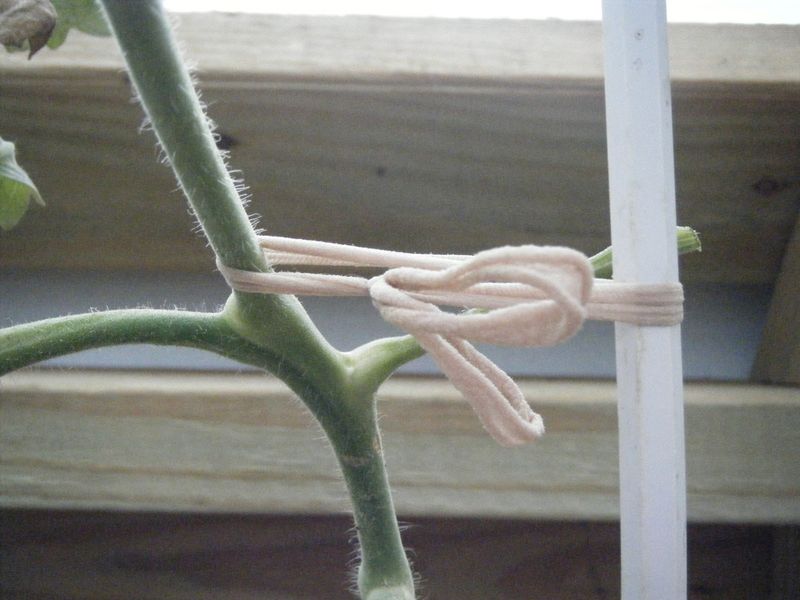
Pantyhose, often relegated to the back of the wardrobe, can be a gardener’s best friend. Their stretchy nature makes them ideal for tying plants to stakes without causing damage. The material gently supports plant stems, preventing breakage and promoting healthy growth.
These versatile ties are durable and weather-resistant, enduring the elements without losing elasticity. Reuse old pantyhose to give them new life in your garden.
By using pantyhose, you ensure your plants receive the support they need while contributing to a sustainable gardening practice. A creative twist on a household staple.
13. Mason Jars
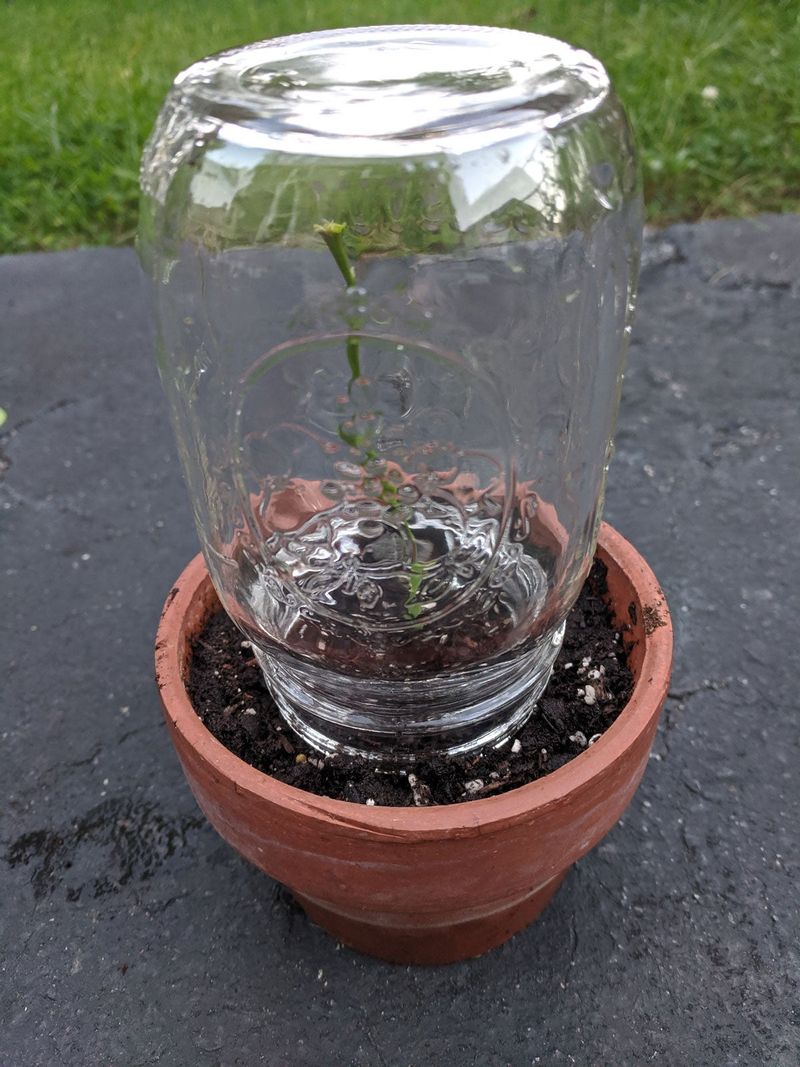
Mason jars, known for their use in canning and storage, serve a surprising role in the garden. When inverted over seedlings, they act as mini greenhouses, protecting young plants from frost during chilly nights.
These jars trap warmth and moisture, creating a nurturing environment that supports seedling growth. Their transparent nature lets sunlight in while shielding from harsh winds.
By repurposing mason jars, you can extend your growing season and ensure your garden thrives. This inventive use showcases how everyday items can offer unique solutions to gardening challenges.
14. Binder Clips
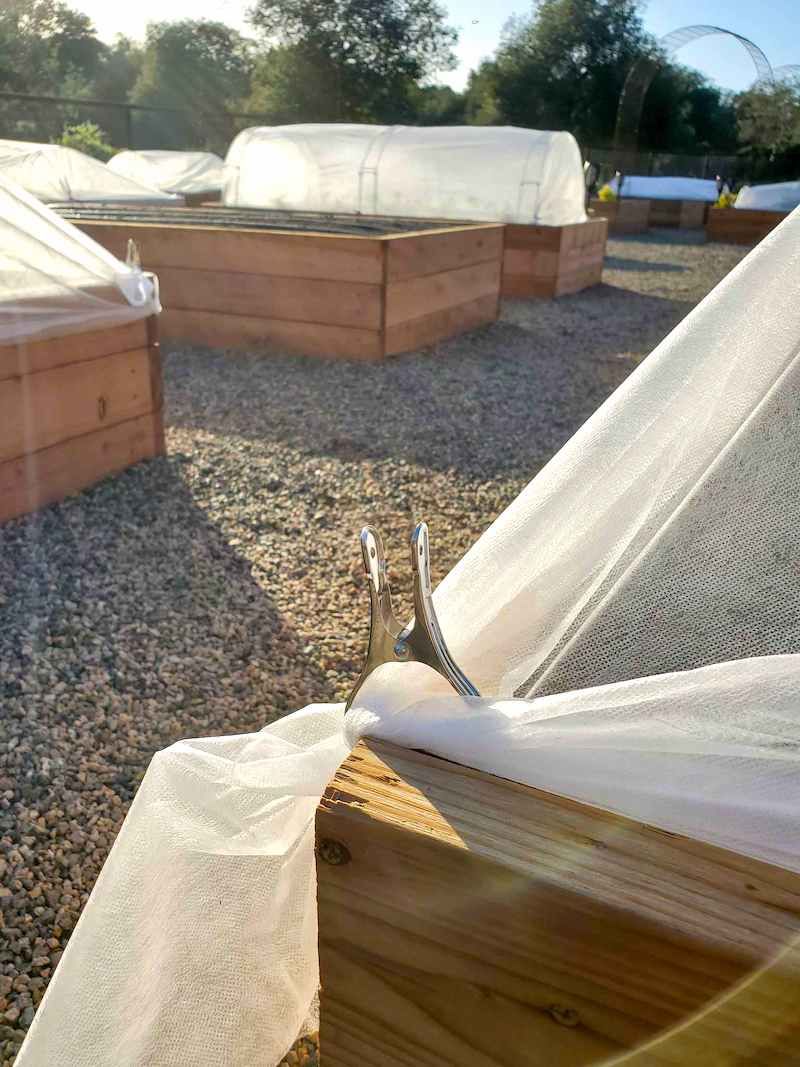
Binder clips, typically found in office settings, find a new home in the garden. Their strong grip makes them perfect for securing gardening fabric, keeping weeds at bay while allowing air and water through.
These clips are easy to reposition, offering a flexible solution for various gardening needs. They hold tightly without damaging the materials they clasp, providing a reliable alternative to traditional fasteners.
Integrating binder clips into your gardening toolkit demonstrates creative reuse and practicality. This unexpected application highlights their versatility beyond the office.
15. Paper Towel Rolls
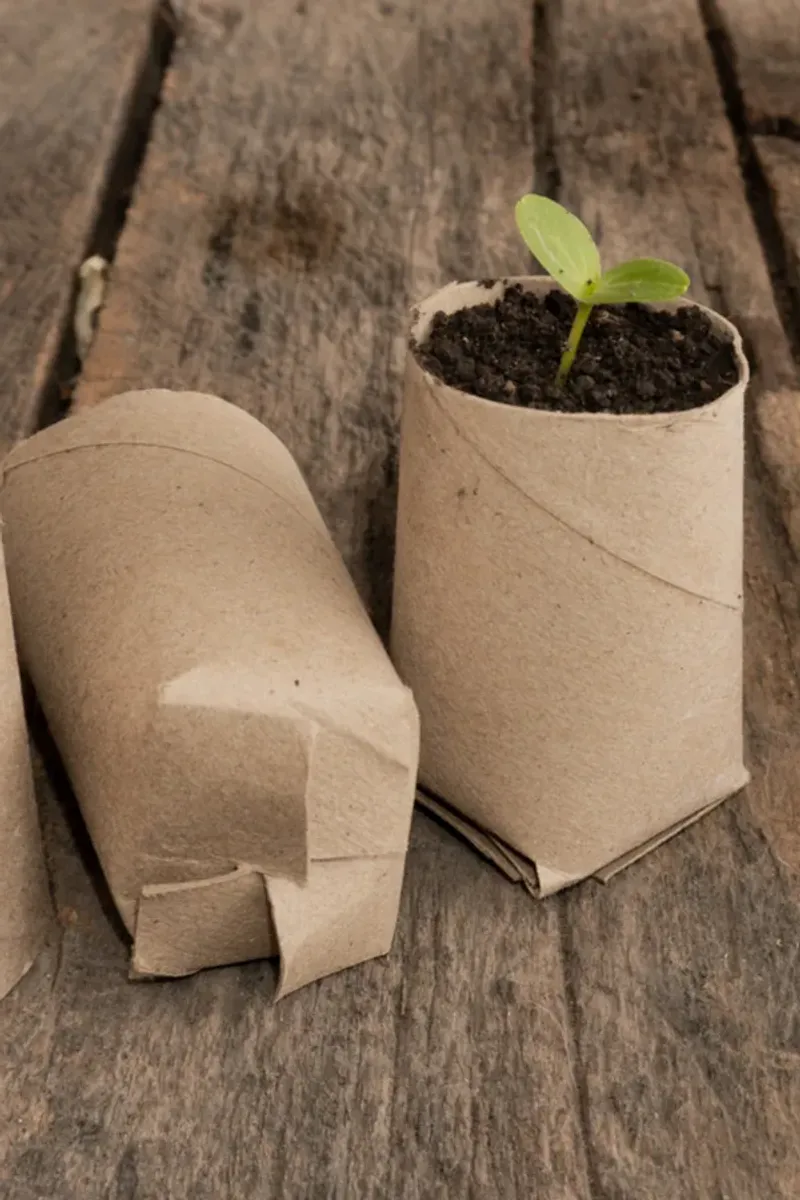
Paper towel rolls, often discarded, can be transformed into perfect seed starters. Cut into smaller sections, they create biodegradable containers for your seedlings. Simply fill with soil and plant your seeds, then transplant directly into the ground.
This approach minimizes root disturbance, promoting healthy growth. The cardboard breaks down naturally, enriching the soil as it decomposes.
Using paper towel rolls not only recycles waste but also provides a cost-effective solution for starting plants indoors. This inventive method turns trash into treasure, enhancing your gardening experience.
16. Shower Caddy
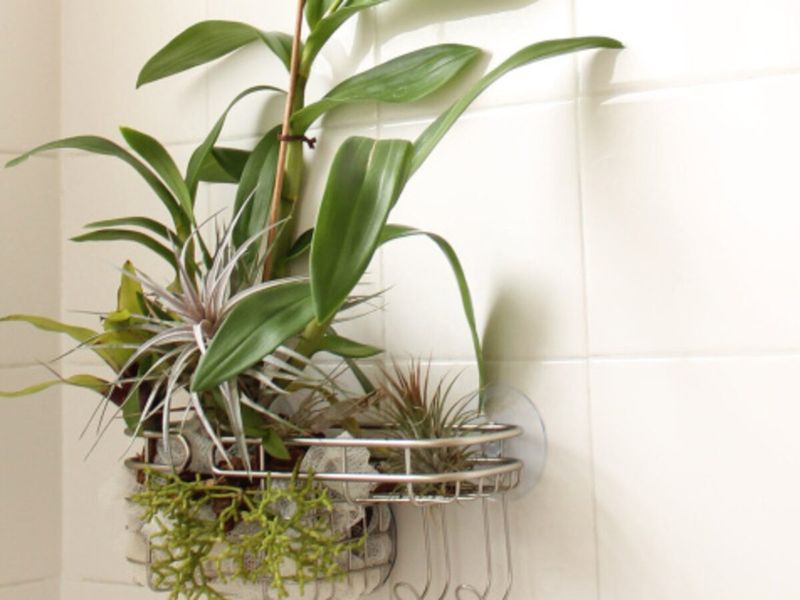
A shower caddy, typically found hanging in the bathroom, can be repurposed into a vertical garden. Its multiple tiers provide a compact and organized way to display herbs and flowers, perfect for small spaces.
This transformation breathes new life into an old object, offering practicality and aesthetic appeal. The caddy’s robust construction supports the weight of soil and plants, while its open design ensures good drainage and airflow.
Utilizing a shower caddy in your gardening setup promotes creativity and space efficiency, making it a favorite for urban gardeners.
17. Old T-Shirts
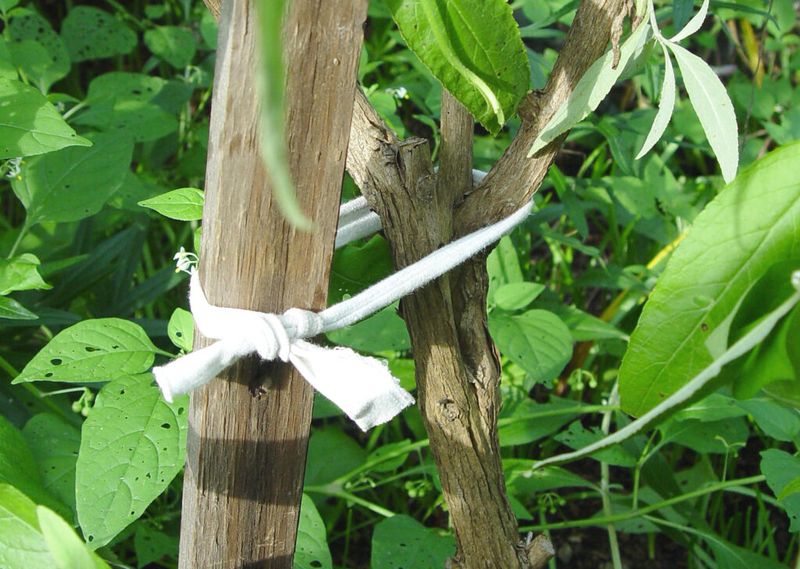
Old t-shirts, once beloved but now forgotten, can be reborn as plant ties. Cut into strips, they offer a gentle and colorful way to support growing plants. The soft fabric is easy on stems, preventing damage while securing them to stakes.
These fabric ties are both strong and flexible, adapting to the plant’s growth without constricting it. Reusing t-shirts not only helps the environment but also adds a splash of color to your garden.
This creative solution turns waste into a resource, illustrating the endless possibilities of everyday objects.
18. Plastic Forks
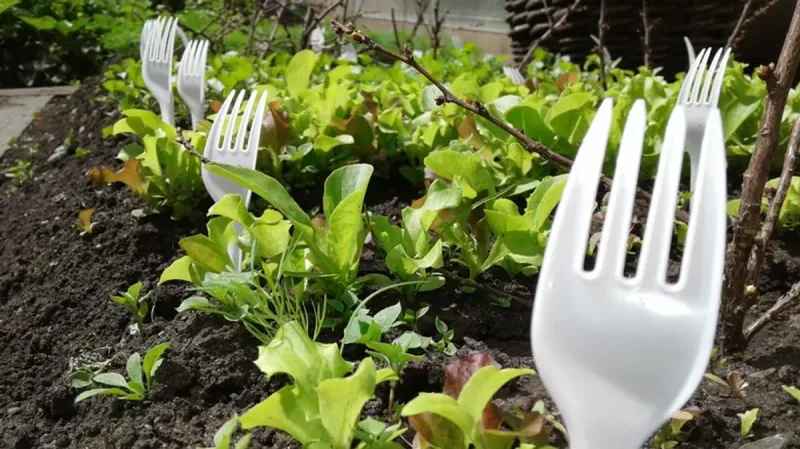
Plastic forks, often seen at picnics, serve a dual purpose in the garden. Placed around seedlings, they act as a deterrent to pests like rabbits and birds. Their unexpected presence keeps unwanted visitors at bay, protecting young plants from harm.
This simple yet effective method is a cost-efficient alternative to chemical repellents. The forks are easily repositionable, allowing you to adapt to changing garden layouts.
By repurposing plastic forks, you contribute to a more sustainable gardening practice, utilizing creativity to solve common challenges.
19. Broken Clay Pots
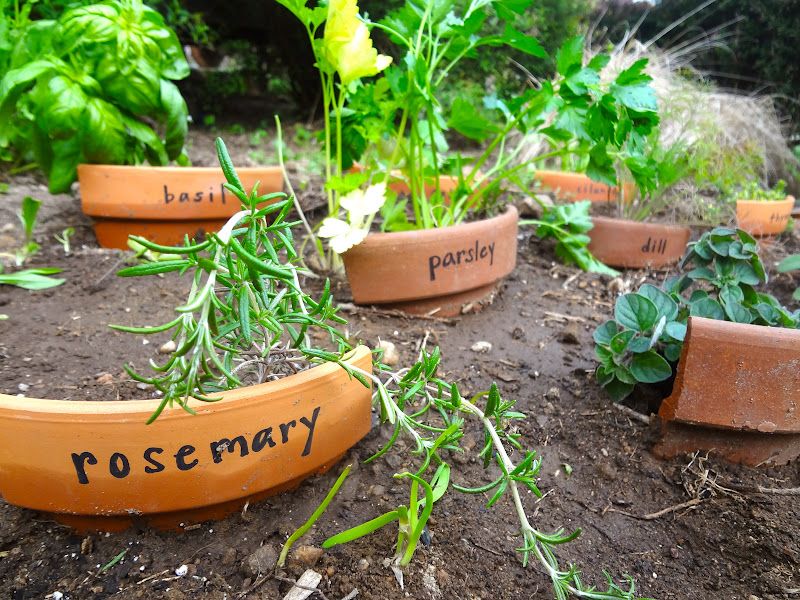
Broken clay pots, often discarded, can be repurposed into charming plant markers. Their rugged texture provides a rustic touch to any garden, while the surface is perfect for writing labels.
These markers are durable and weather-resistant, standing up to the elements without fading. Each piece can be uniquely shaped, adding personality to your garden’s appearance.
Using broken clay pots for labeling plants not only recycles waste but also enhances the garden’s charm. This innovative approach highlights the beauty in imperfection.