
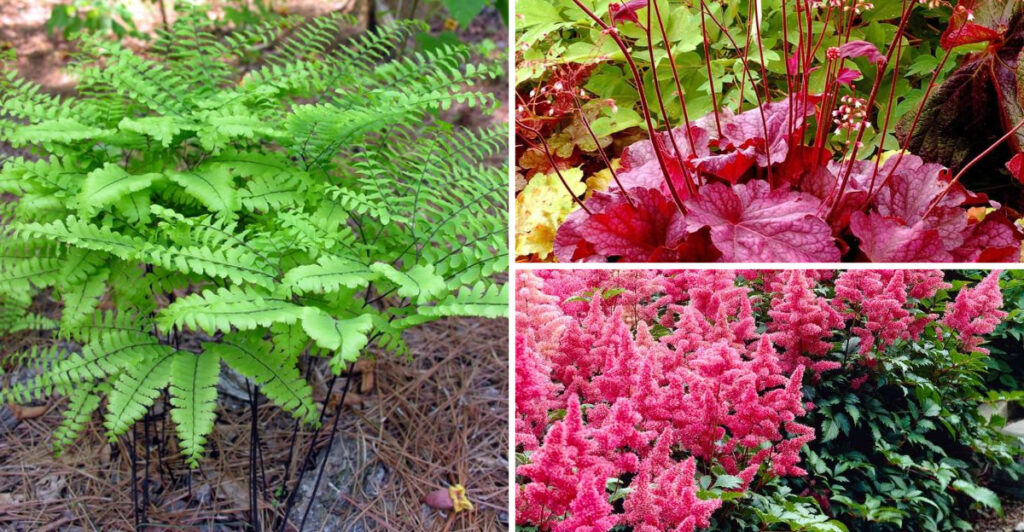
Gardening enthusiasts often find themselves striving to attract hummingbirds to their gardens. While some plants are known for their vibrant colors and nectar-rich flowers, not all are suitable for these delightful creatures. This blog post explores seven shade plants that should be avoided if you’re aiming to entice hummingbirds. Instead, discover 23 fabulous plant alternatives that are sure to invite these feathered friends into your garden. Each plant description is crafted to pique your interest with engaging hooks, unique tones, and varying structures to maintain a lively and informative read.
1. Hosta
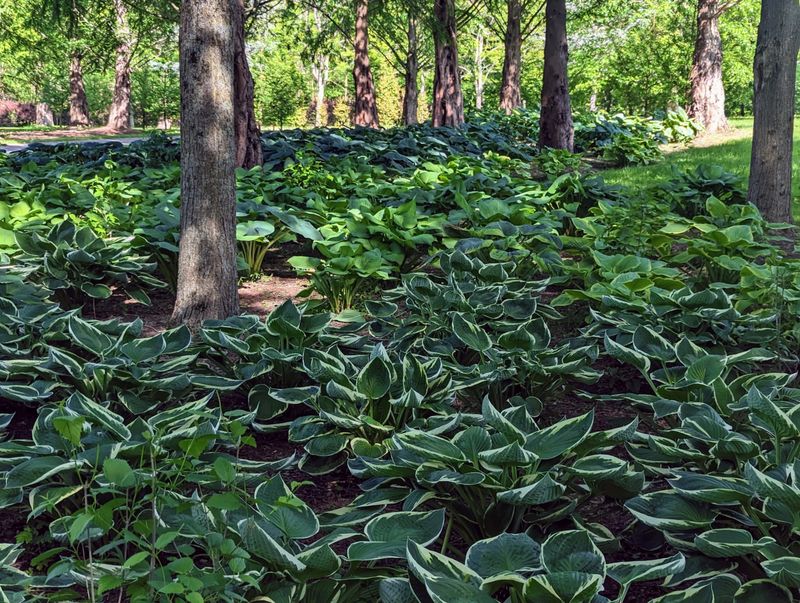
Hostas are beloved for their lush foliage but are not ideal for those looking to attract hummingbirds. Their large, broad leaves create deep shade, which is not conducive to flowering in a way that’s appealing to these birds. While they add texture to a garden, their lack of vibrant blooms makes them unsuitable for a hummingbird haven. Instead of relying on hostas, consider plants with colorful, tubular flowers that are sure to draw in your feathered friends.
2. Fern
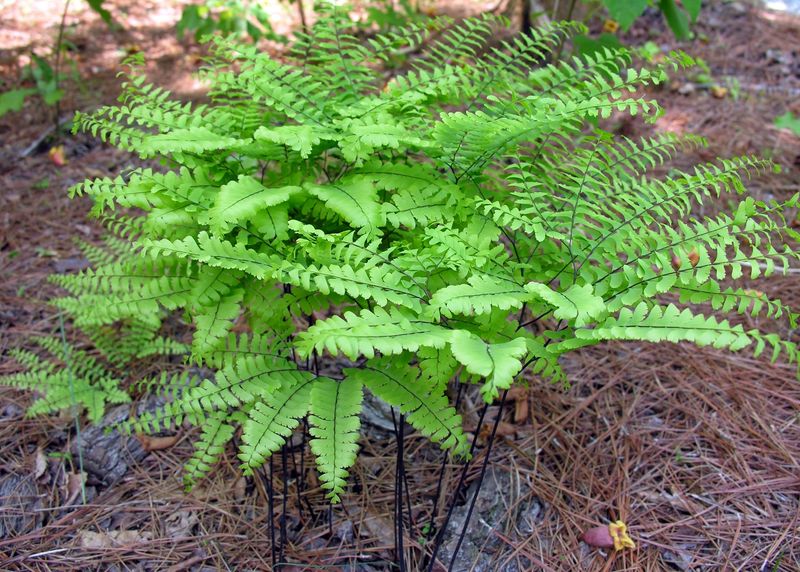
Ferns offer a serene, woodland vibe to any garden, but they’re not on a hummingbird’s favorite list. These ancient plants are admired for their feathery fronds and ability to thrive in dark, moist areas. However, they lack the nectar-rich blossoms that hummingbirds crave. If your goal is to see more of these birds, you might want to skip planting ferns and opt for more colorful flowering plants that can thrive in partial sunlight.
3. Astilbe
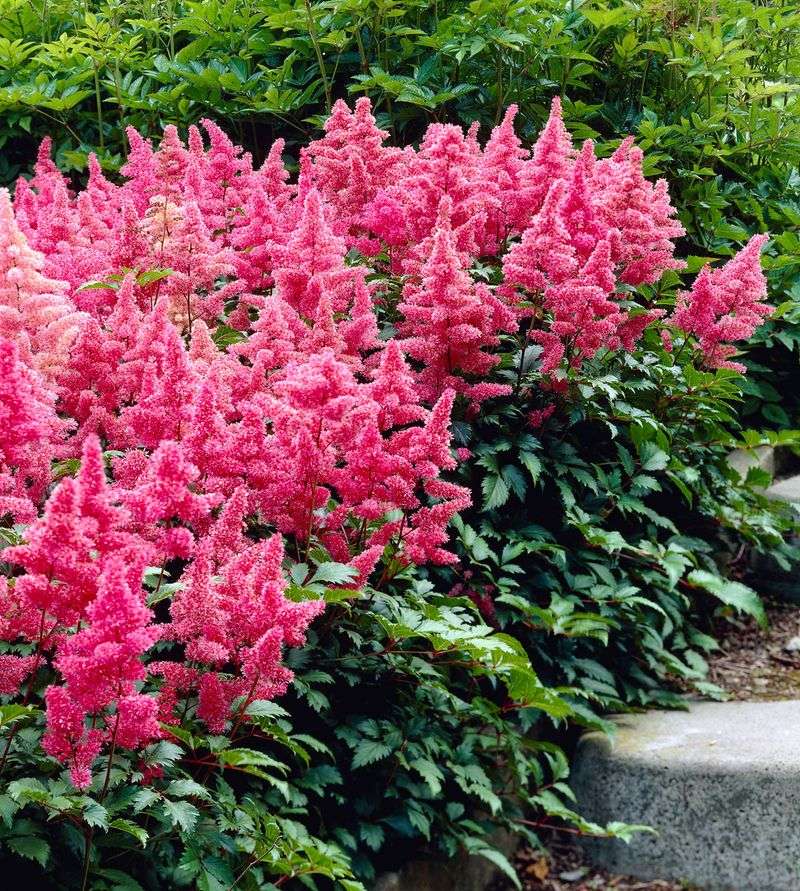
Astilbes are known for their feathery plumes and shade tolerance. These blooms might look appealing, but they don’t entice hummingbirds. The densely packed flowers don’t offer the necessary nectar these birds need. While astilbes can add a pop of color to a shady spot, they won’t help to invite hummingbirds. Consider planting species that provide the right mix of color and nectar to catch the eye and appetite of these tiny birds.
4. Bleeding Heart
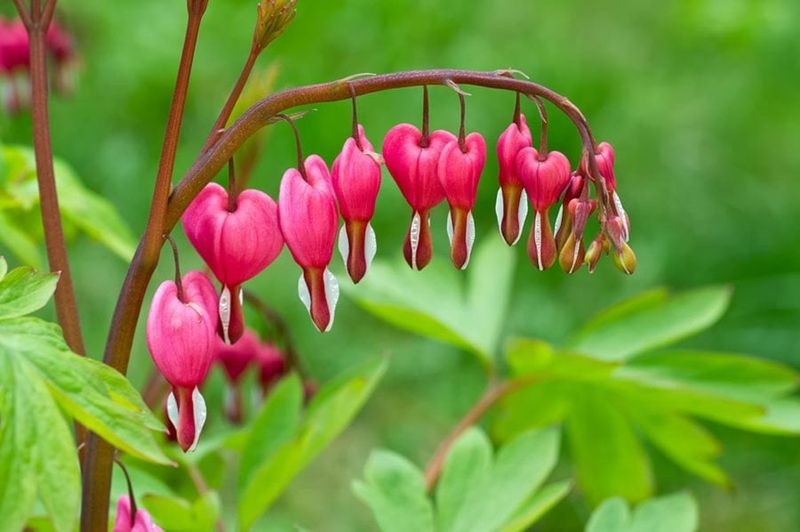
Bleeding hearts bring a romantic touch with their unique heart-shaped flowers, but they’re not the best choice for attracting hummingbirds. These shade-loving plants offer visual interest but lack the open, tubular flower shape that makes nectar accessible to hummingbirds. If you’re aiming to create a hummingbird-friendly garden, it’s better to plant species that cater to their specific feeding needs with open blooms.
5. Heuchera
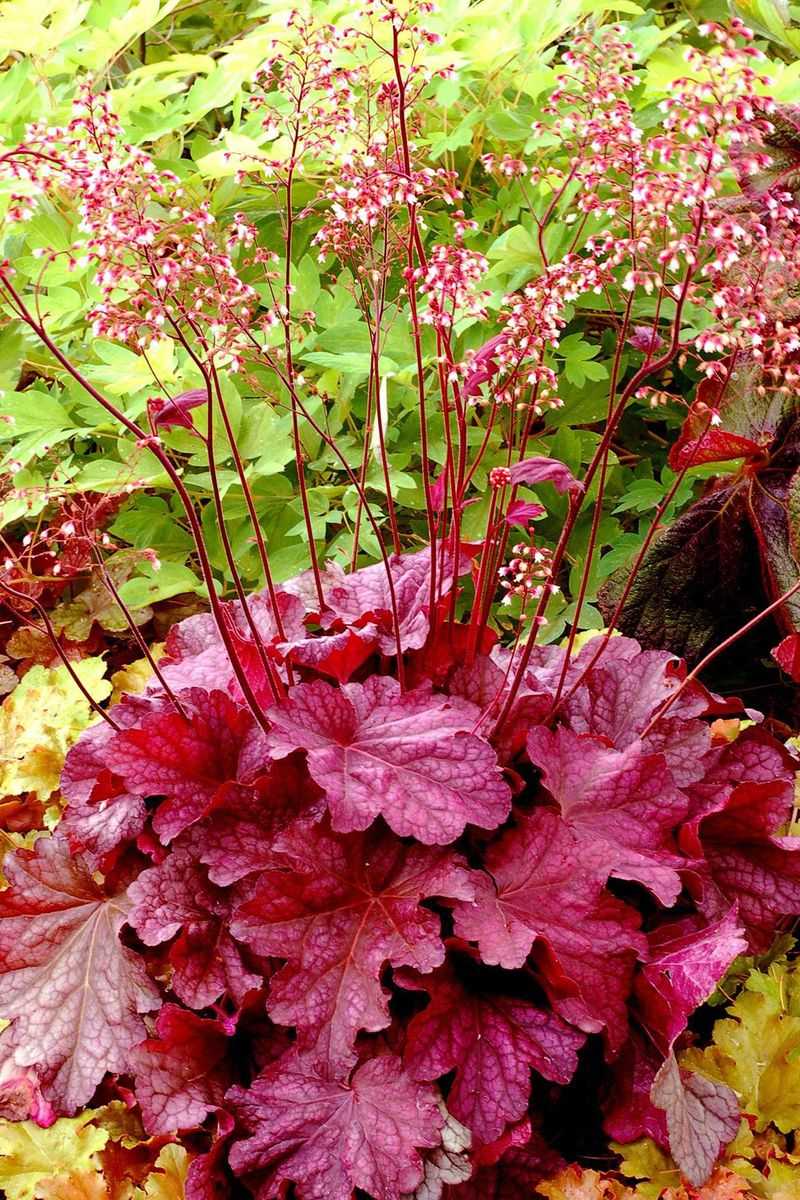
Heucheras, or coral bells, boast a beautiful array of foliage colors but are often overlooked by hummingbirds. These plants are prized for their ornamental leaves and understated floral spikes, which don’t produce the ample nectar hummingbirds seek. While they bring color to shady spots, they won’t fulfill the dietary needs of these vibrant birds. Opt for flowering plants with prominent blooms to better support hummingbird visits.
6. Hydrangea
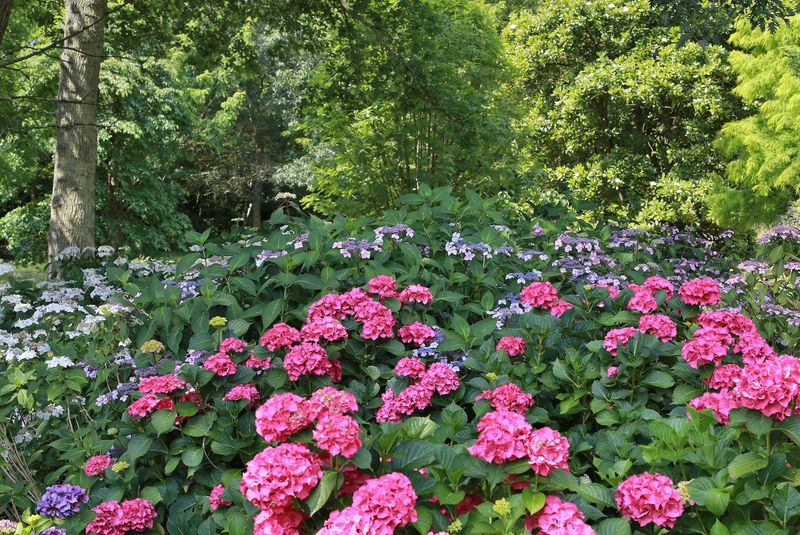
Hydrangeas are garden favorites with their large, showy blooms, but they don’t usually attract hummingbirds. While visually stunning, their flowers aren’t shaped to provide easy access to nectar. These plants thrive in partial shade and can dominate the space, overshadowing other plants that might be more inviting to hummingbirds. For a garden designed to charm these birds, choose plants with the right flower shapes and nectar availability.
7. Liriope
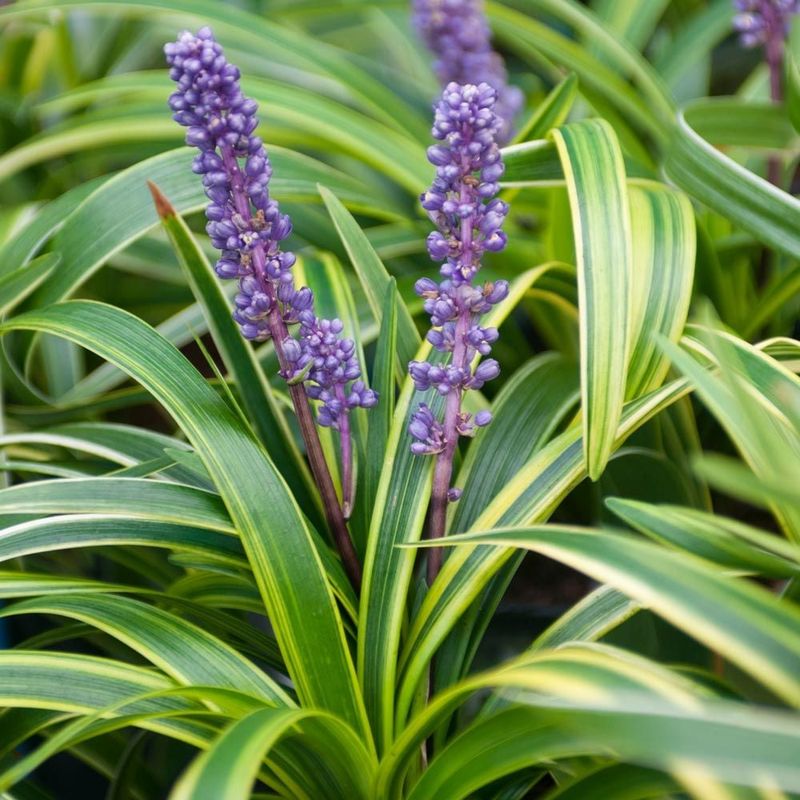
Liriope, often used as ground cover, is known for its grassy foliage and small purple blooms. While they are hardy and low-maintenance, liriope’s flowers are not particularly attractive to hummingbirds. These birds look for plants that offer both vibrant colors and nectar-rich flowers, which liriope lacks. To create a more inviting environment for hummingbirds, consider plants that provide both visual appeal and sustenance.
8. Bee Balm
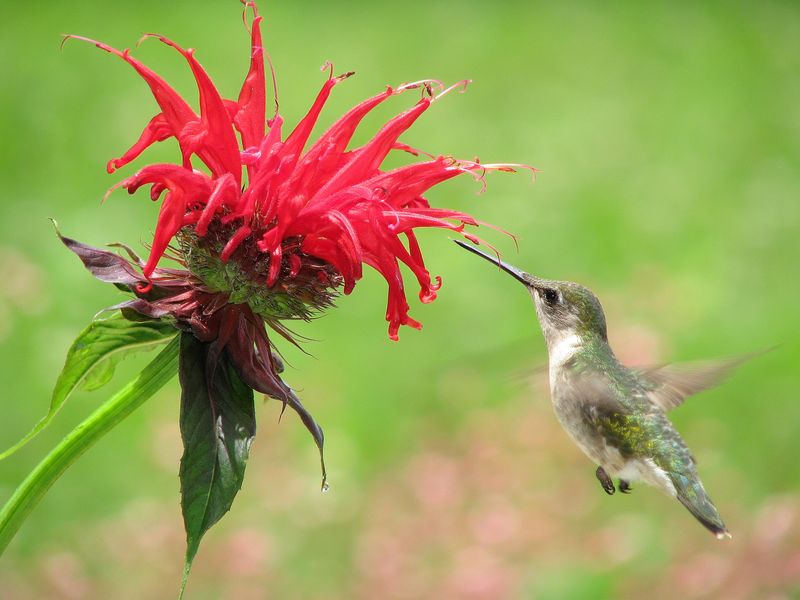
Bee balm is a magnet for hummingbirds with its bright red, tubular flowers that are rich in nectar. Unlike many shade plants, bee balm thrives in sunlight, offering the vibrant color and energy these birds seek during migration. Known scientifically as Monarda, bee balm’s aromatic foliage adds to its charm, making it a delightful addition to any hummingbird-friendly garden.
9. Salvia
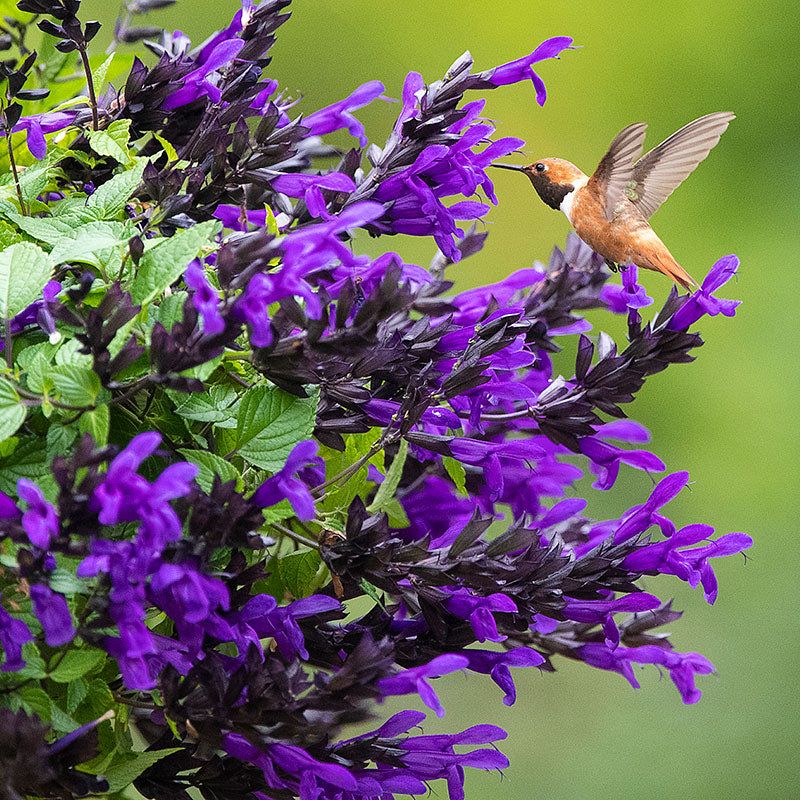
Salvia provides an irresistible allure for hummingbirds with its tubular blossoms and rich nectar. These plants come in various shades, including blue, purple, and red, and thrive in sunny spots. Salvias’ long blooming season ensures a continuous food source for hummingbirds, making them an excellent choice for attracting these delightful creatures.
10. Fuchsia
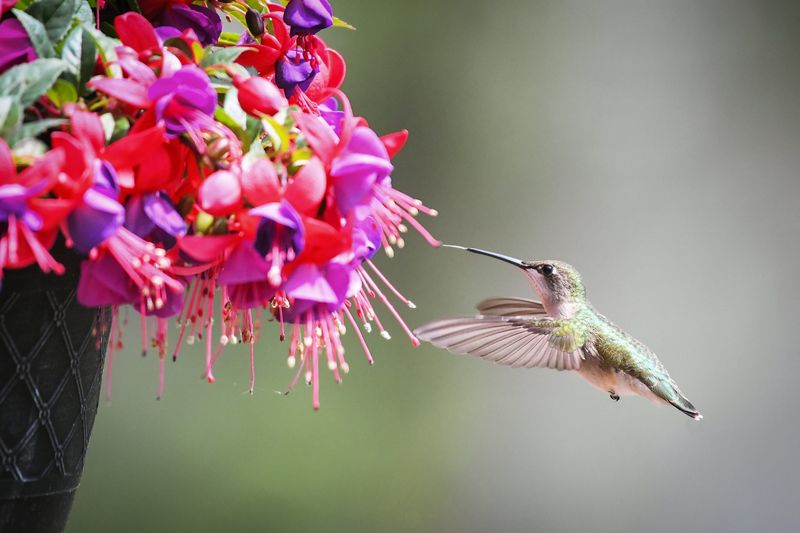
Fuchsias are a delightful sight with their pendulous blooms, attracting hummingbirds with their abundant nectar. These plants thrive in partial shade, offering a burst of color that brightens any garden. Their unique flower shape and vibrant hues make them a favorite among hummingbirds, providing both beauty and sustenance throughout the growing season.
11. Columbine
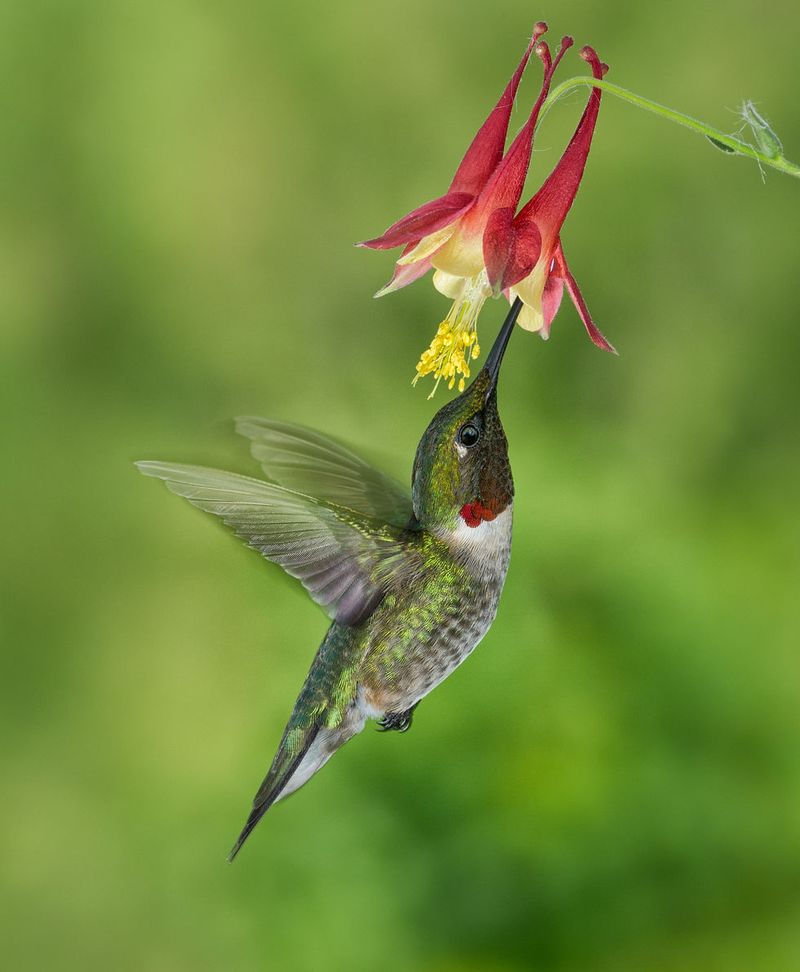
Columbines captivate with their nodding, spurred blossoms and wide array of colors. They are shade-tolerant and offer a rich nectar source, making them a hummingbird favorite. Their unique flower structure and gentle sway in the breeze add a whimsical touch to gardens, attracting not only hummingbirds but also a sense of enchantment.
12. Trumpet Vine
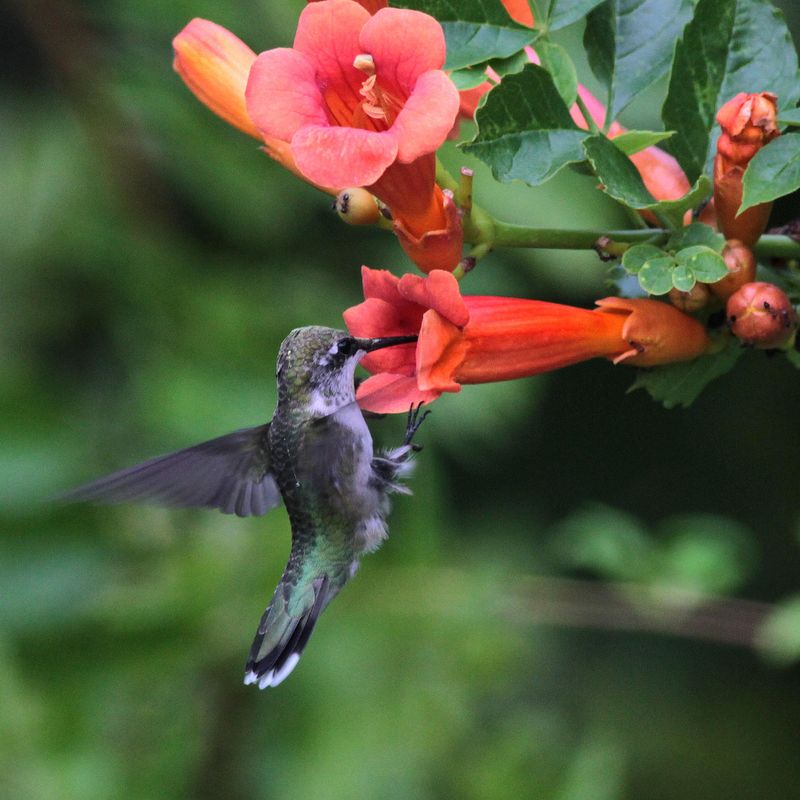
Trumpet vines are famous for their ability to draw hummingbirds with large, trumpet-shaped blooms that overflow with nectar. These vigorous climbers thrive in sunny spots and can quickly cover structures, providing a spectacular display. Their brilliant orange flowers create a lively backdrop, making them a top choice for any hummingbird garden.
13. Cardinal Flower
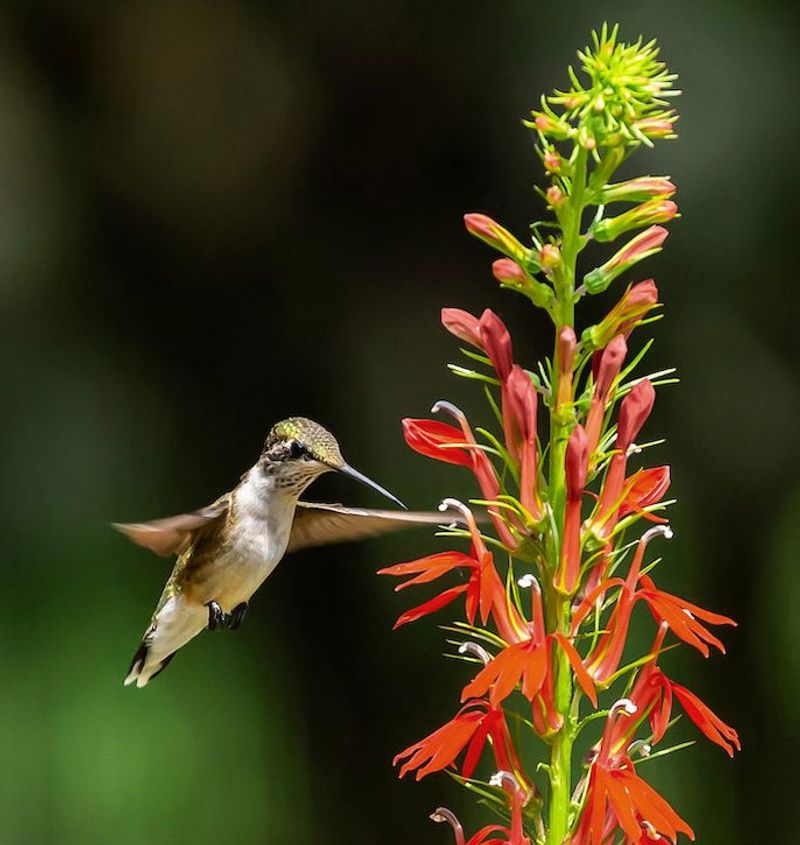
Cardinal flowers boast vivid red blooms that are a beacon for hummingbirds. Preferring moist conditions, these flowers provide essential nectar with their tubular shape. Their striking color and affinity for wet areas make them ideal for garden spaces aiming to attract hummingbirds, while adding a splash of vivid color to the landscape.
14. Lantana
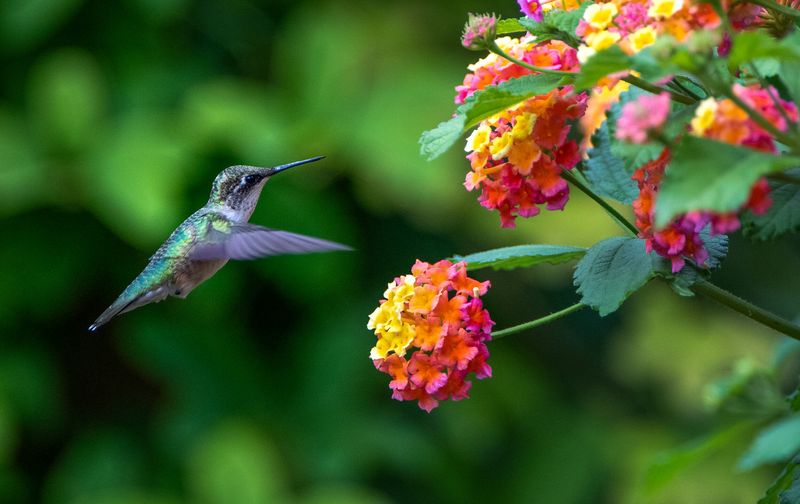
Lantanas offer a kaleidoscope of colors that captivate both hummingbirds and gardeners alike. With their small, nectar-rich blooms, lantanas flourish in sunny conditions, providing both visual appeal and a food source for hummingbirds. Their ability to bloom profusely and resist heat makes them an excellent choice for vibrant, hummingbird-friendly gardens.
15. Honeysuckle
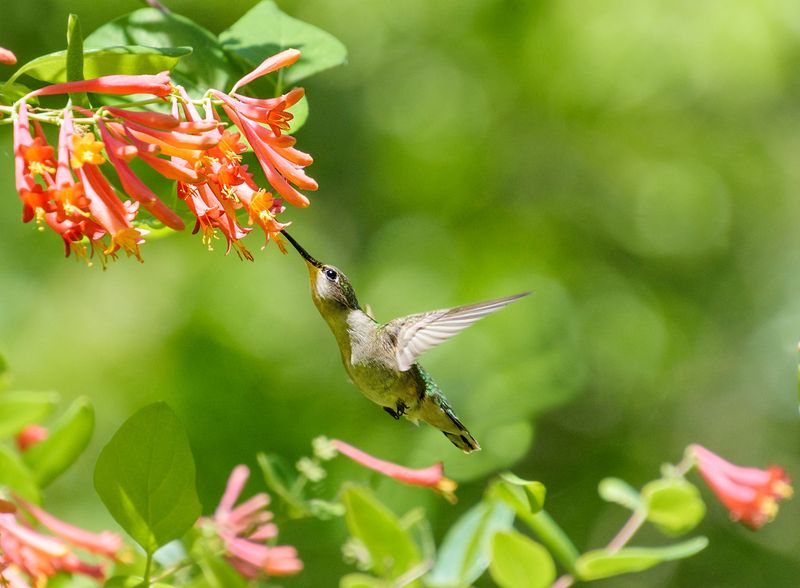
Honeysuckle’s sweet fragrance and tubular flowers make it irresistible to hummingbirds. These climbers thrive in full sun, offering an abundant nectar source throughout the growing season. The combination of scent and color creates a sensory delight, making honeysuckle a must-have for anyone looking to attract hummingbirds to their garden.
16. Penstemon
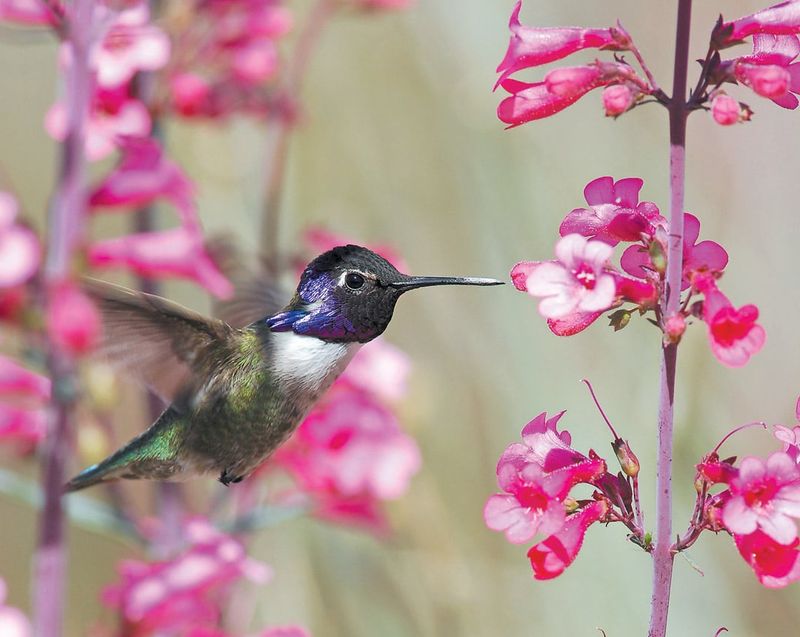
Penstemons are perfect for adding structure and color with their tubular, nectar-rich flowers. These hardy perennials thrive in sunny, well-drained areas, offering a reliable food source for hummingbirds. Their diverse color palette and resilience make them an attractive option for gardens aiming to attract these little birds.
17. Petunia
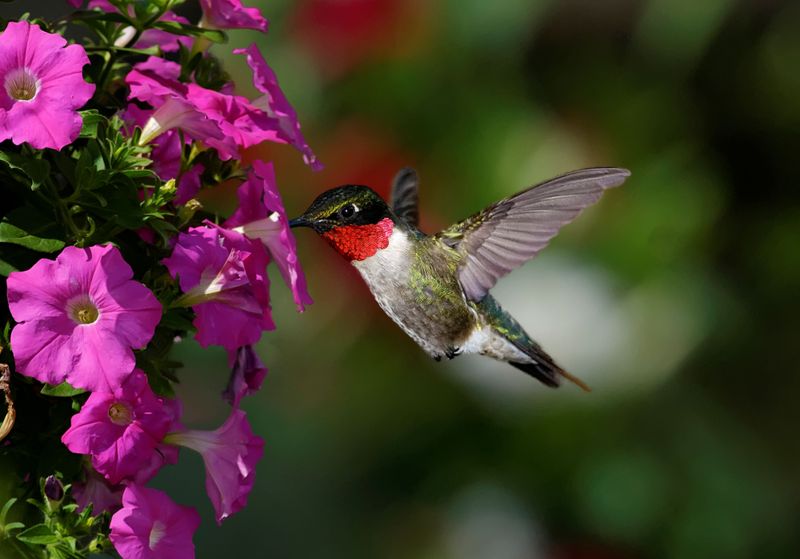
Petunias bring a splash of color with their bold blooms, attracting hummingbirds with ease. These annuals thrive in sunny spots, providing both aesthetic appeal and necessary nectar for hummingbird visits. Their wide variety of colors and patterns make petunias a versatile choice for enhancing garden vibrancy and hummingbird activity.
18. Zinnia
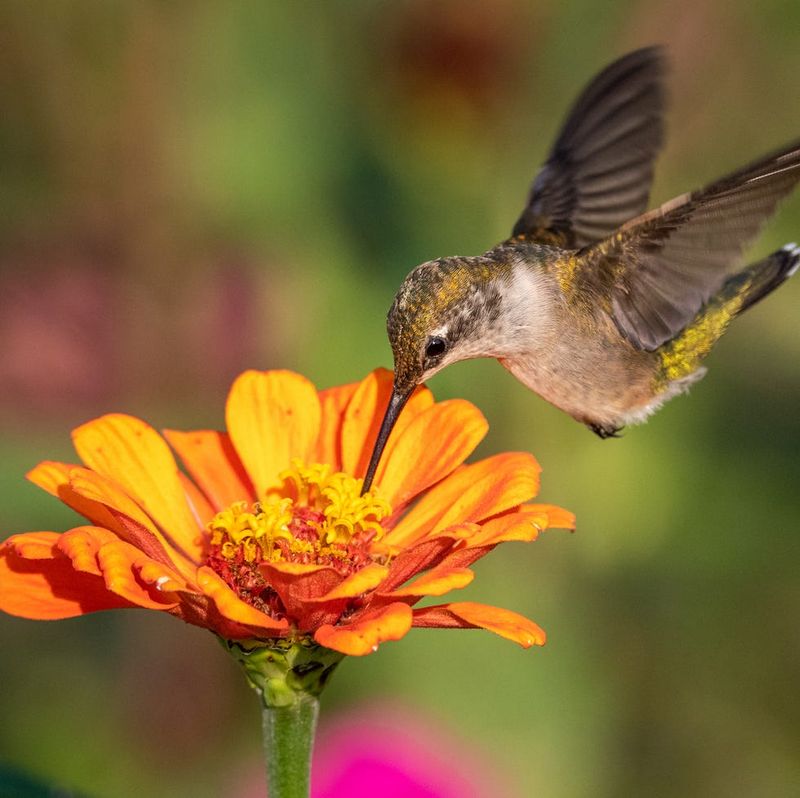
Zinnias are a gardener’s delight, offering vibrant blooms that hummingbirds find irresistible. These sun-loving annuals provide continuous color and nectar-rich flowers that support hummingbird feeding. Their easy cultivation and bright hues make zinnias a fantastic choice for anyone looking to enhance their garden’s appeal to hummingbirds.
19. Agastache
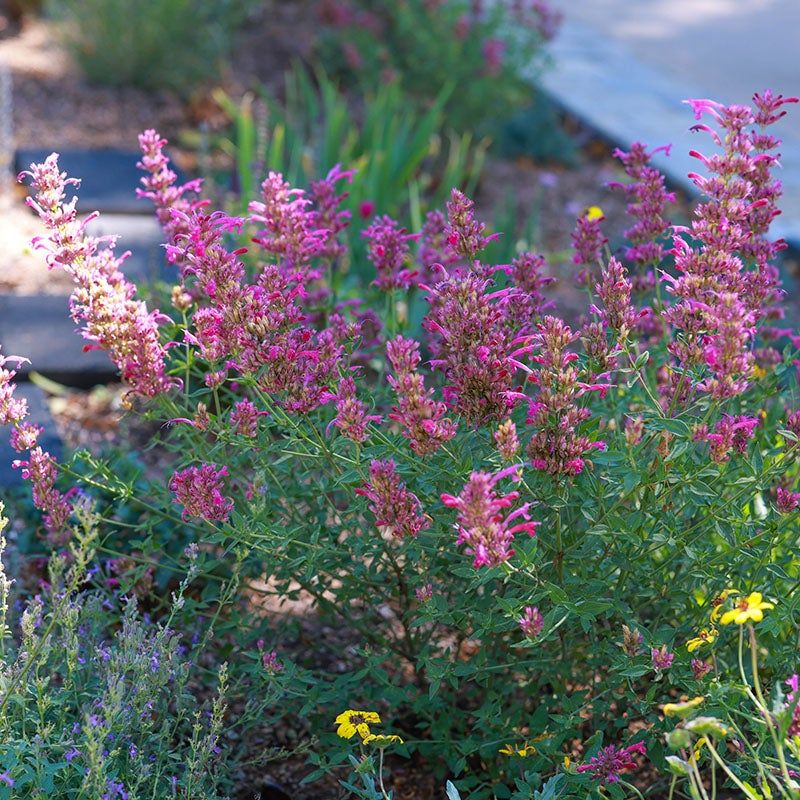
Agastache, or hummingbird mint, lives up to its name with spiky blooms and aromatic foliage. These plants thrive in sunny, dry conditions, offering a consistent nectar source for hummingbirds. Their drought tolerance and vibrant colors make agastache a valuable addition to any garden focused on attracting these lively birds.
20. Crocosmia
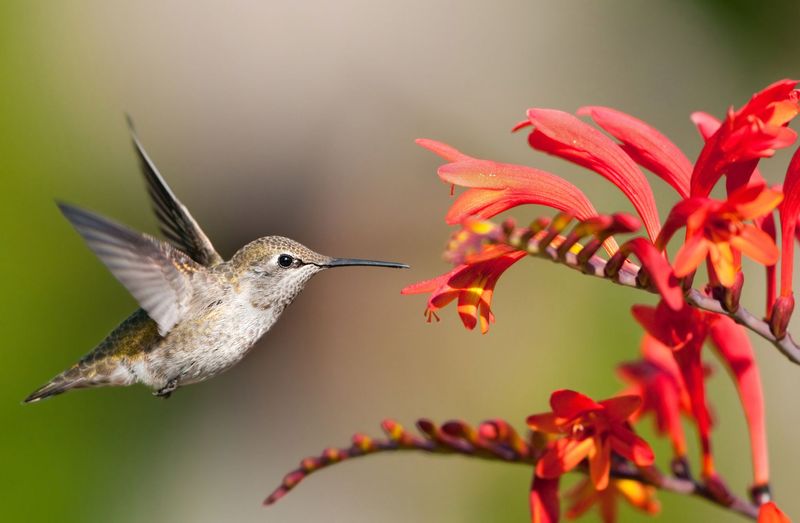
Crocosmias captivate with their fiery blooms, inviting hummingbirds with their striking colors and nectar-rich flowers. These perennials thrive in sunny locations, providing an eye-catching display that supports hummingbird visits. Their graceful arching stems and brilliant hues bring life and movement to any garden setting.
21. Foxglove
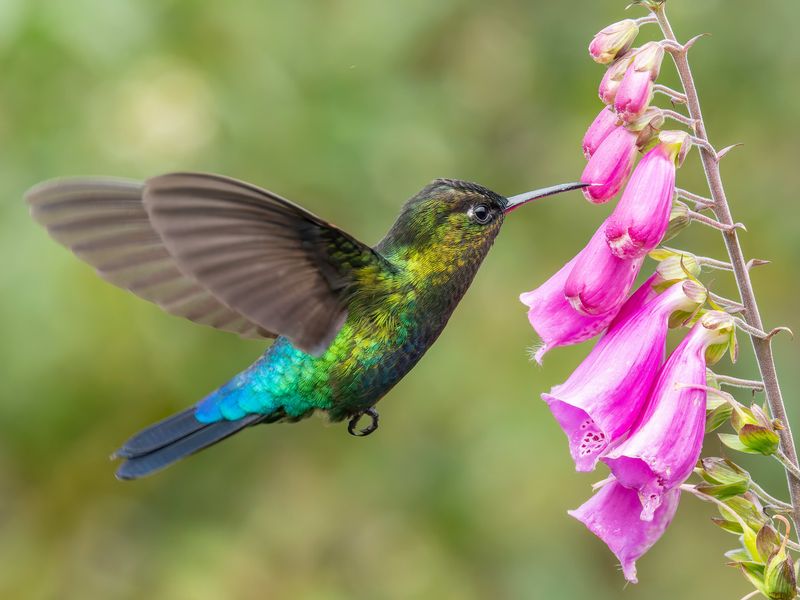
Foxgloves, with their elegant, tubular flowers, are a magnet for hummingbirds. These biennials and perennials thrive in partial shade or full sun, offering plenty of nectar. Their tall spikes create architectural interest, while their vivid colors provide visual appeal, making them a perfect choice for any hummingbird-friendly garden.
22. Verbena
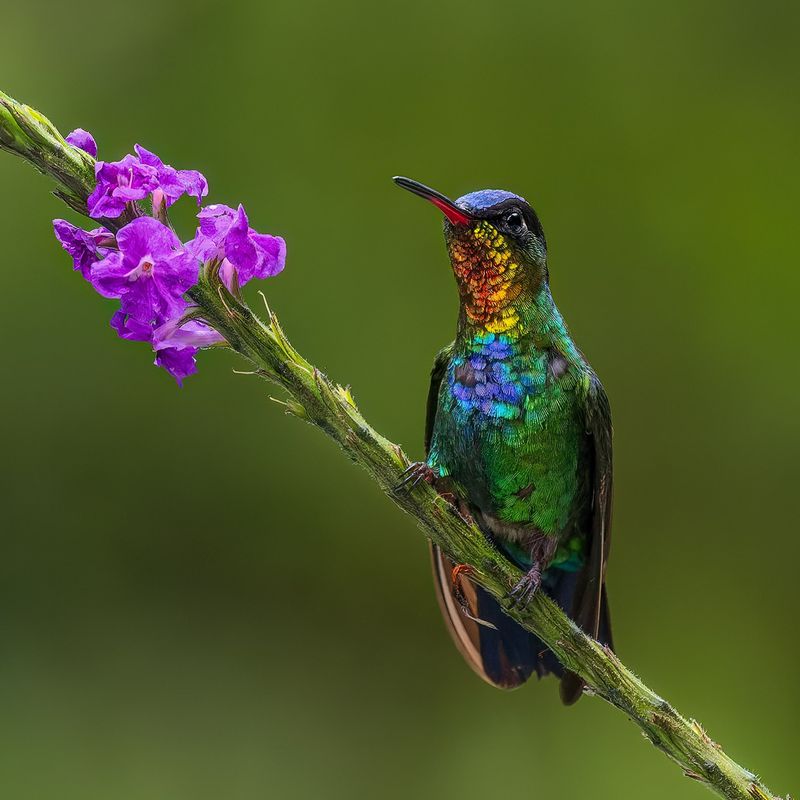
Verbenas are a delightful addition to any garden, with clusters of tiny blooms that hummingbirds adore. These sun-loving perennials provide a rich source of nectar, ensuring frequent hummingbird visits. Their sprawling habit and vibrant colors make verbenas an excellent choice for adding both beauty and functionality to a garden.
23. Rhododendron
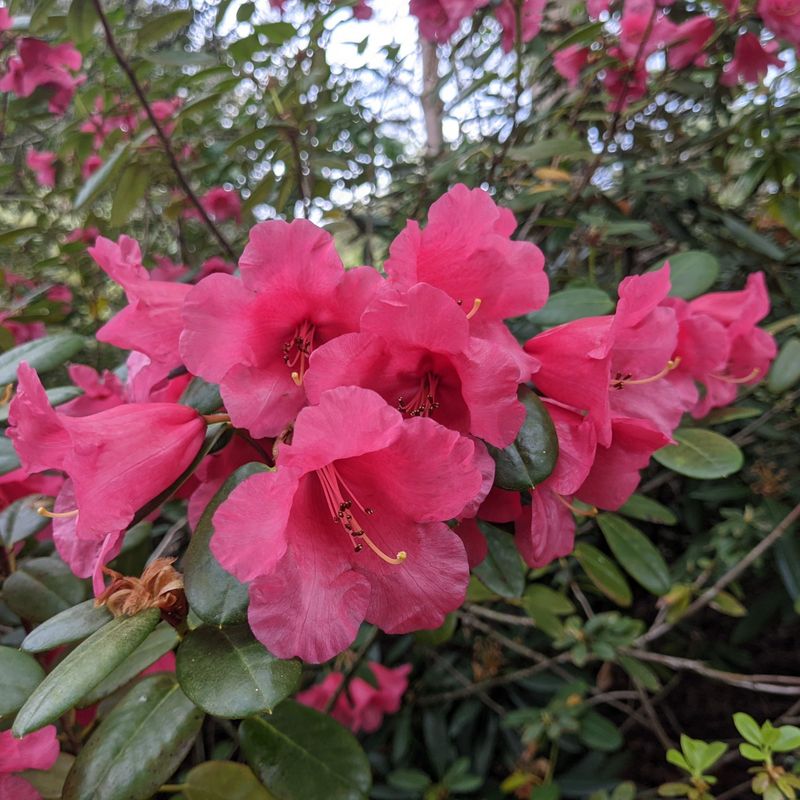
Rhododendrons are shade-tolerant, yet they offer blooms that can attract hummingbirds in the right conditions. Their large, vibrant flowers provide visual interest and occasional nectar, making them a curious choice for hummingbird gardens. With proper care, rhododendrons can add both beauty and bird activity to shady garden areas.
24. Lupine
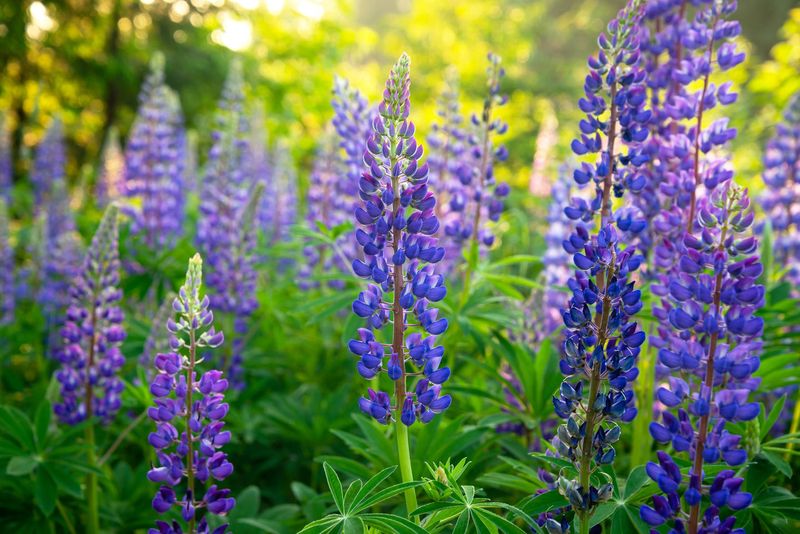
Lupines, with their tall, colorful spikes, are a feast for hummingbirds’ eyes. These perennials thrive in sunny locations, providing nectar-rich blooms that attract hummingbirds. Their dramatic vertical presence and wide range of colors make lupines a standout choice for gardeners looking to enhance their garden’s visual and ecological appeal.
25. Butterfly Bush
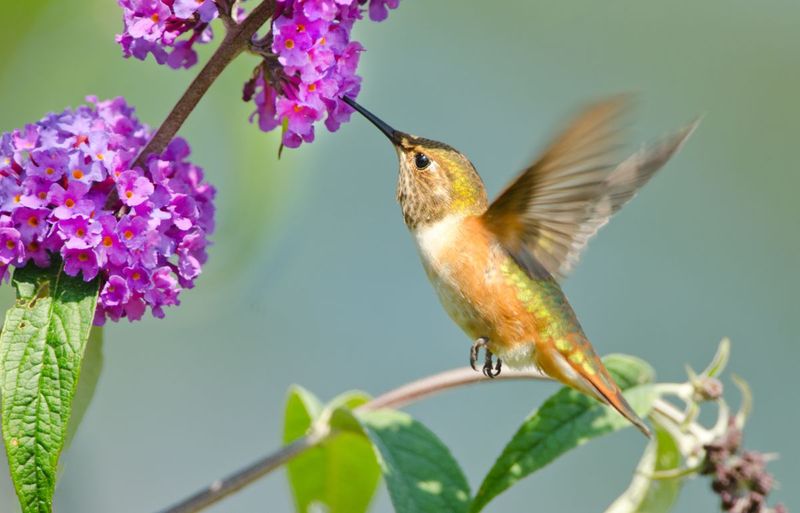
Butterfly bushes, known for their fragrant blooms, offer abundant nectar that hummingbirds can’t resist. These shrubs thrive in sunny conditions, flowering prolifically to support hummingbirds throughout their migratory journey. Their vibrant display and sweet scent make them indispensable in gardens designed to attract and sustain hummingbird populations.
26. Red Hot Poker
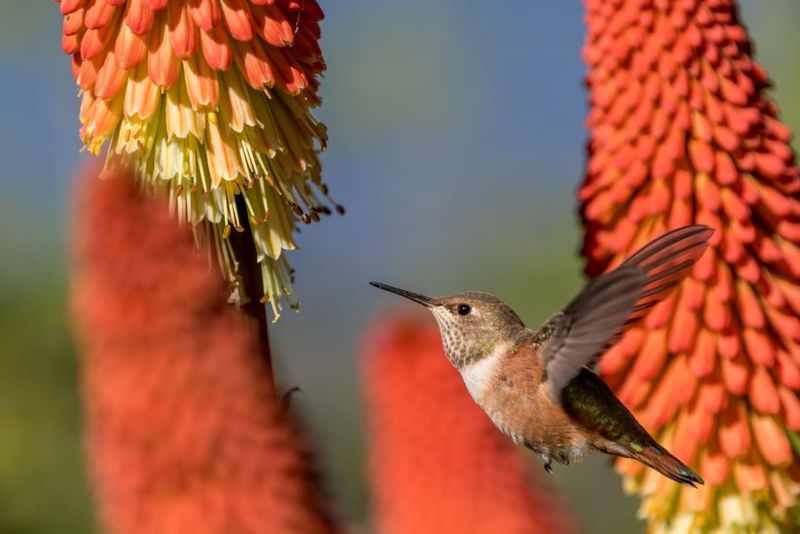
Red hot pokers ignite the garden with their fiery spikes, attracting hummingbirds with both color and nectar. These perennials thrive in sunny conditions, providing a bold focal point while supporting hummingbird activity. Their unique flower shape and vibrant hues add a dramatic touch to any garden landscape.
27. Torch Lily
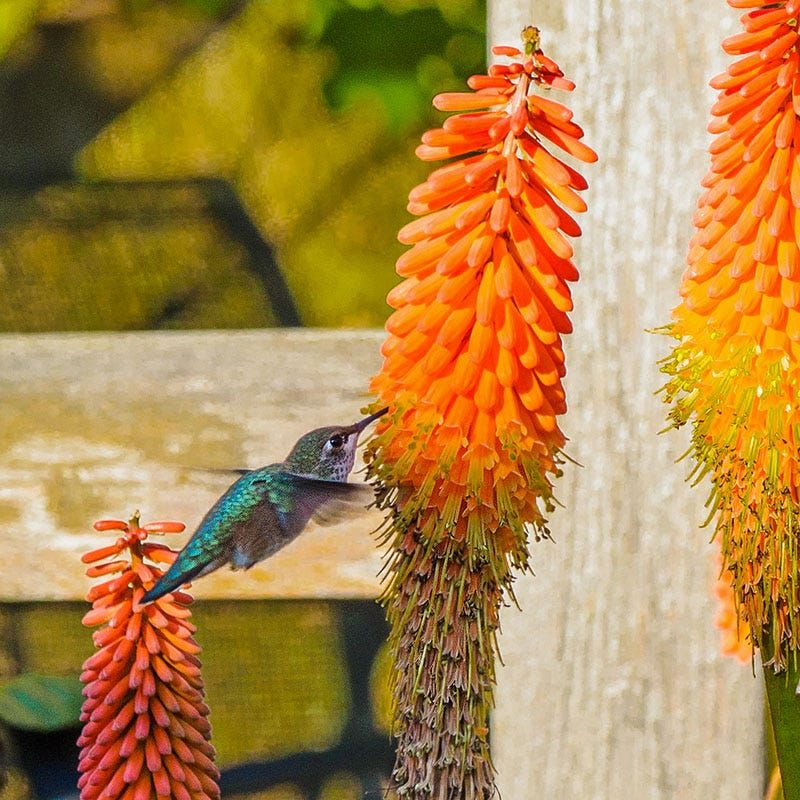
Torch lilies, or Kniphofia, bring an exotic flair with their torch-like blooms. These sun-loving perennials offer plenty of nectar, making them a favorite among hummingbirds. Their striking appearance and resilience in various growing conditions make torch lilies a captivating choice for creating a hummingbird-friendly garden.
28. Borage
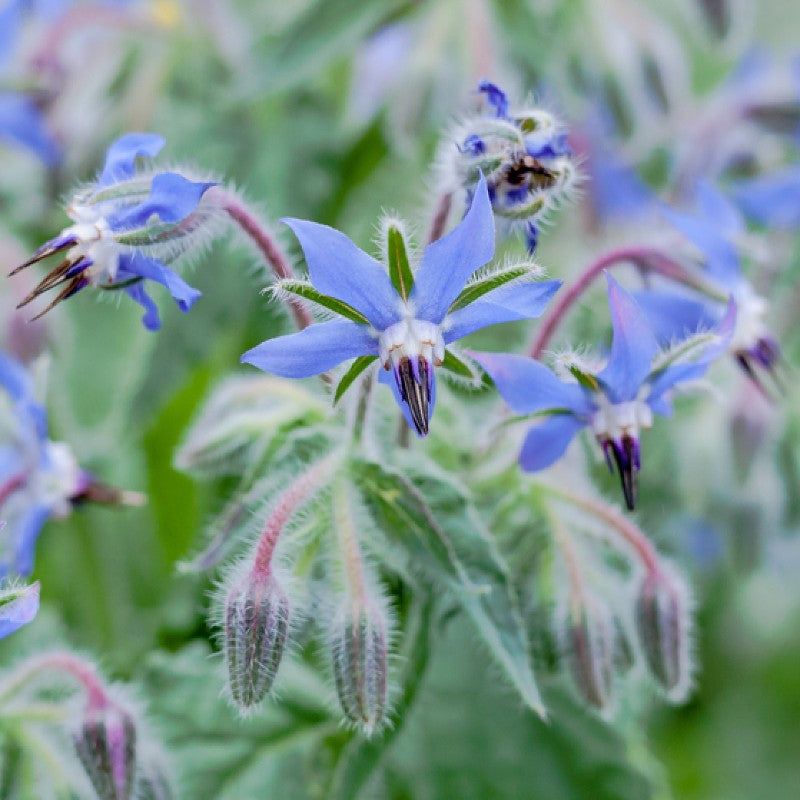
Borage, with its star-shaped blue flowers, is a hidden gem for attracting hummingbirds. These annuals thrive in sunny spots, offering nectar-rich blooms that support hummingbird visits. Their edible flowers and ability to attract various pollinators make borage a versatile and beneficial addition to any hummingbird garden.
29. Coral Bells (Heuchera)
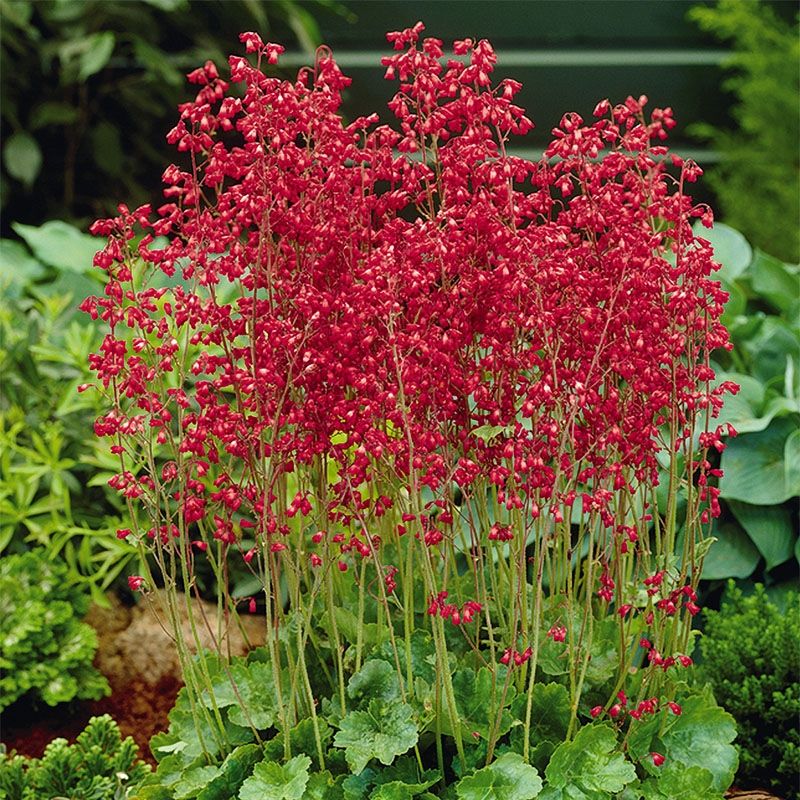
Coral Bells, known for their striking foliage, add a splash of color to any shaded garden area. These plants are not just visually appealing; they are also a favorite among hummingbirds. Their tubular flowers are perfectly shaped for hummingbird beaks.
Blooming in shades of pink, red, and coral, Coral Bells offer a long-lasting nectar source, from spring through summer. As the sun casts dappled light, hummingbirds find these flowers irresistible, flitting joyfully from bloom to bloom.
Coral Bells are easy to maintain, making them a gardener’s delight. Their presence ensures a lively, buzzing garden environment.
30. Indian Pink (Spigelia marilandica)
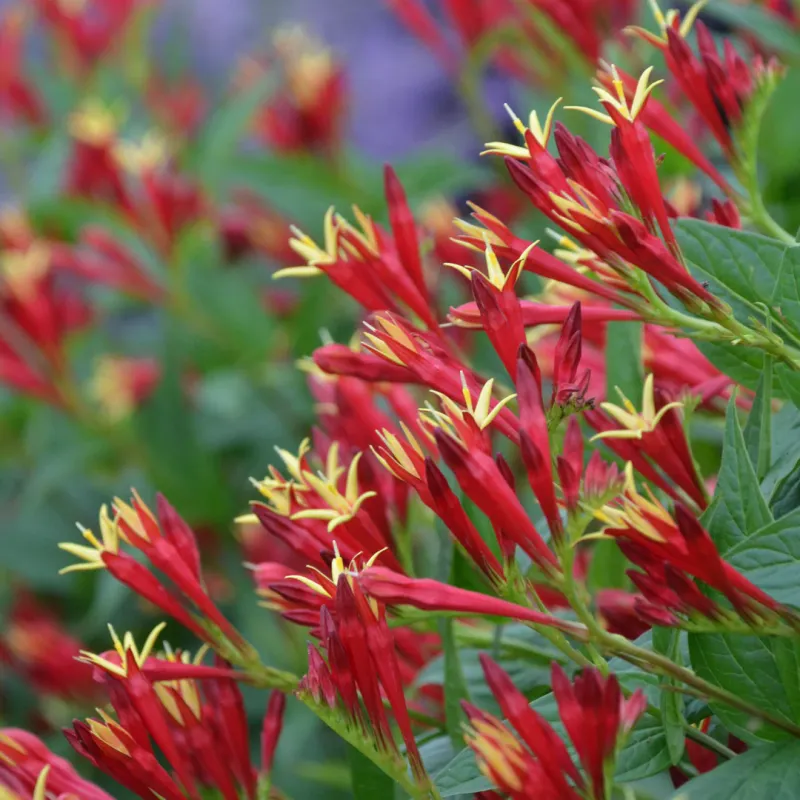
Indian Pink, with its eye-catching red tubular flowers and yellow throats, is a shade-loving plant that hummingbirds can’t resist. These vibrant blossoms stand out against the plant’s glossy green leaves, creating a striking contrast.
Blooming in late spring to early summer, Indian Pink provides a crucial nectar source during periods when other flowers may not yet be blooming. Hummingbirds are drawn to their vivid colors and plentiful nectar supply.
This plant thrives in woodland gardens, offering both beauty and sustenance to hummingbird visitors, making it a must-have for bird enthusiasts.