
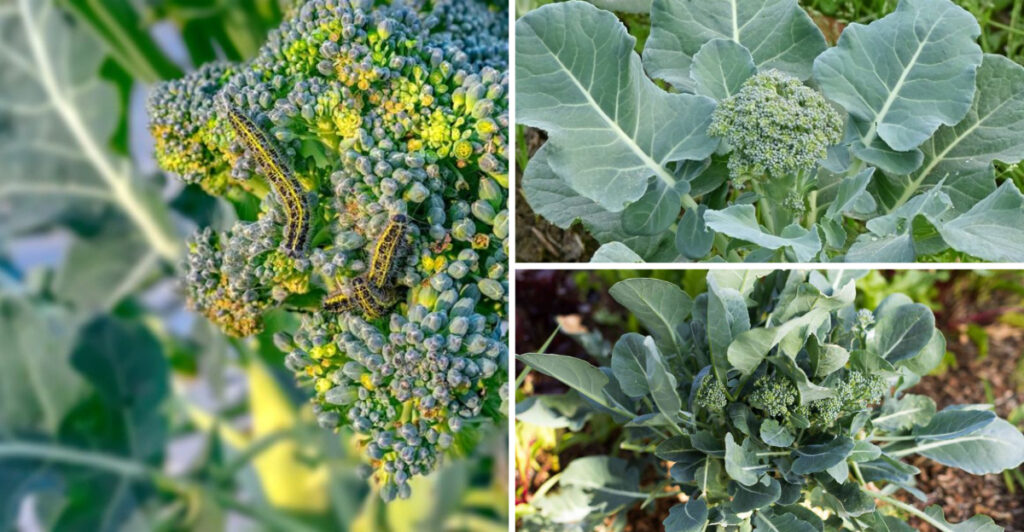
Growing broccoli can be a rewarding endeavor, yet many gardeners struggle with achieving the perfect harvest. This guide will explore 17 common mistakes that can hinder your broccoli yield, as well as 9 essential secrets to cultivating perfect heads. Whether you’re a novice gardener or an experienced enthusiast, understanding these crucial aspects will elevate your broccoli-growing skills and ensure bountiful success.
1. Mistake 1: Planting at the Wrong Time
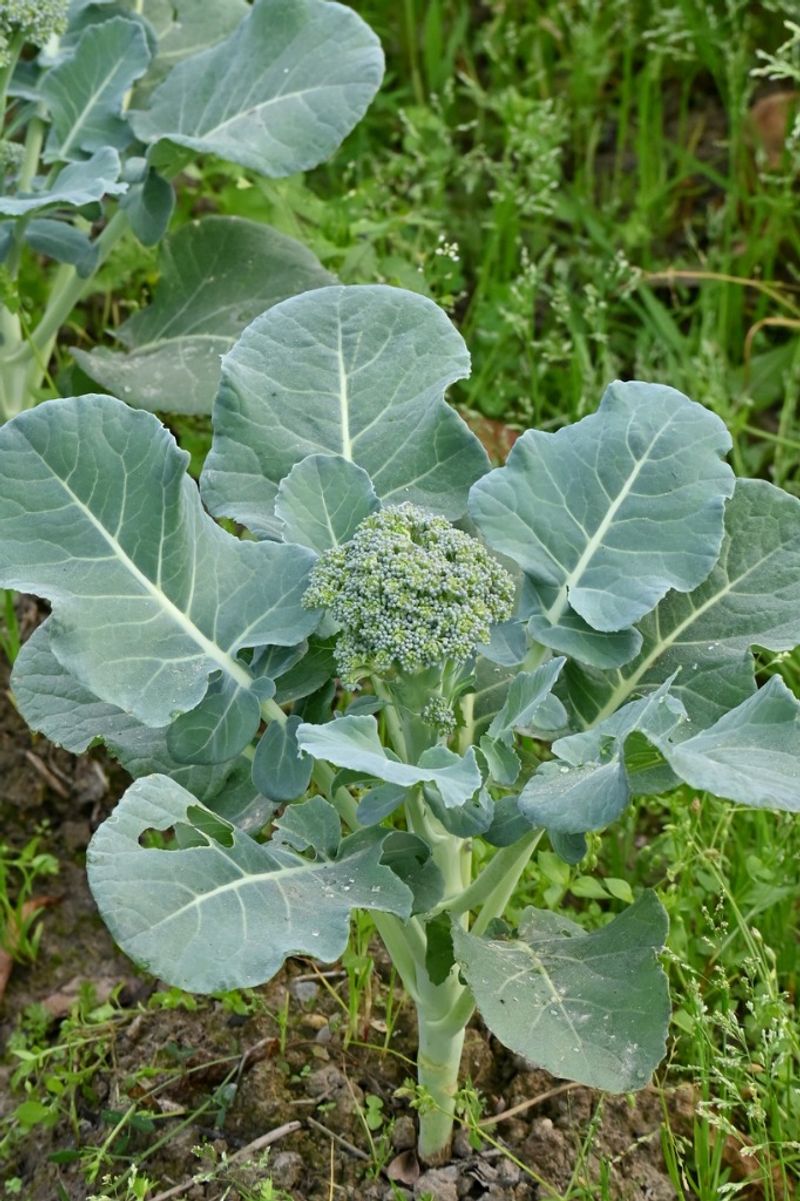
Choosing the right time to plant broccoli can significantly impact your harvest. Planting too early or late can lead to poor growth and development. Ensure that you plant your broccoli during the cool seasons, as broccoli thrives in temperatures between 60 and 70 degrees Fahrenheit. Failure to do so may result in bolting or stunted growth. Consider the local climate and frost dates in your area. Adjust planting times accordingly to give your broccoli the best chance to grow into healthy, robust heads. Timing is crucial for a successful broccoli harvest.
2. Mistake 2: Poor Soil Quality
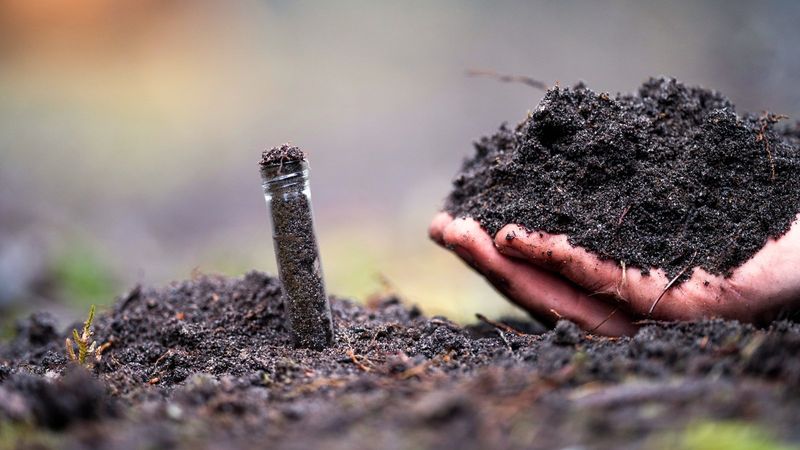
The quality of the soil plays a pivotal role in broccoli production. Broccoli requires well-draining, fertile soil with a pH of 6.0 to 7.0. Poor soil quality can lead to nutrient deficiencies and weak plants. Conduct a soil test to determine the pH and nutrient levels. Amend the soil with organic compost and fertilizers rich in nitrogen, phosphorus, and potassium. Proper soil preparation ensures that your broccoli plants receive the essential nutrients they need. Neglecting soil quality can result in a disappointing harvest with small, underdeveloped heads.
3. Mistake 3: Inadequate Watering Practices
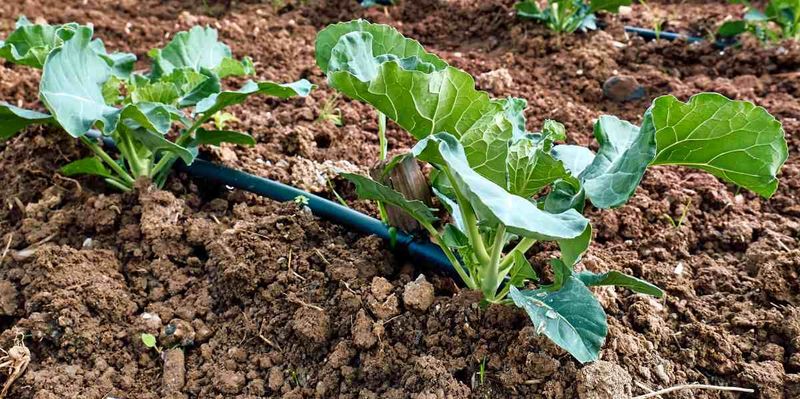
Watering is a delicate balance that must be maintained for broccoli plants to thrive. Both over-watering and under-watering can cause stress to the plants. Broccoli requires about 1.5 inches of water per week, distributed evenly. Too much water can lead to root rot, while too little can cause wilting and poor head formation. Use mulch to retain soil moisture and reduce evaporation. Monitor weather conditions and adjust watering practices as necessary. Proper watering ensures steady growth and a healthy broccoli crop.
4. Mistake 4: Ignoring Pest Control
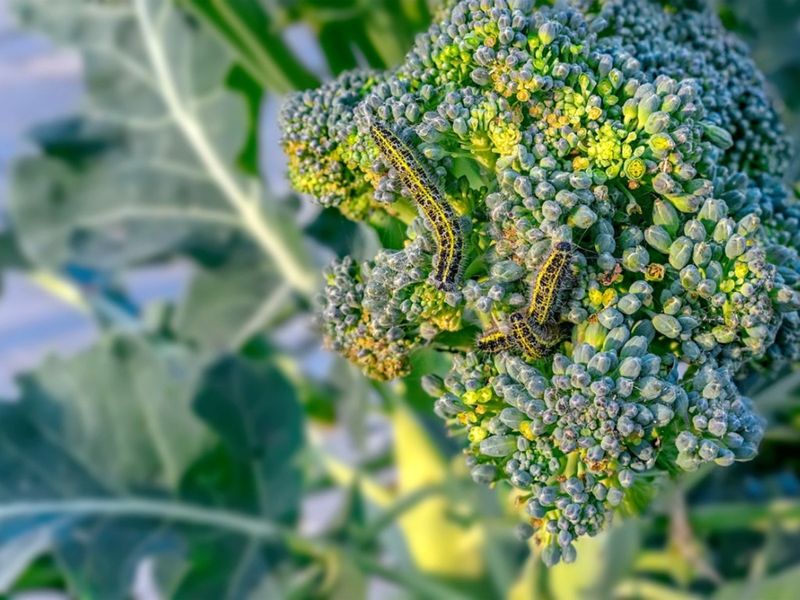
Pests can be a significant threat to broccoli plants, with caterpillars and aphids being common culprits. Ignoring pest control can lead to damaged leaves and stunted growth. Regularly inspect your plants for signs of infestation. Using organic pest control methods, such as neem oil or introducing beneficial insects like ladybugs, can effectively manage pests. Keeping your garden clean and free of debris also helps reduce pest populations. Ignoring pest control can severely impact your broccoli yield, so proactive measures are essential.
5. Mistake 5: Not Providing Enough Sunlight
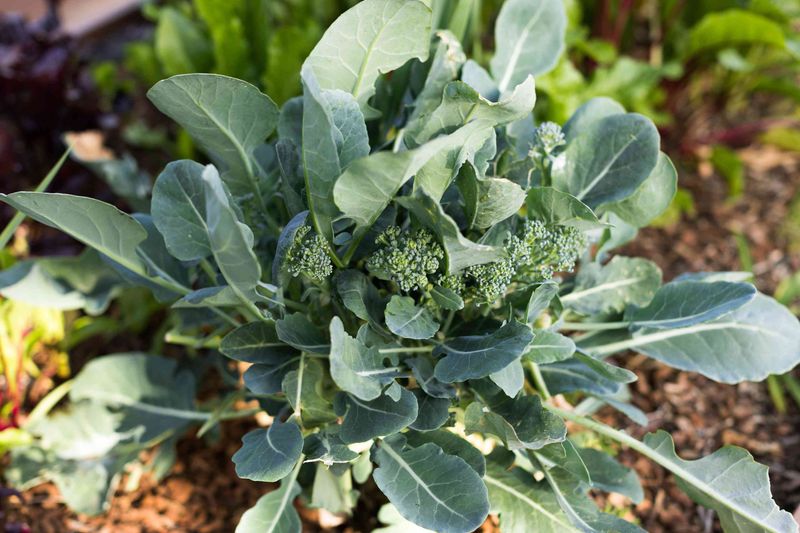
Sunlight is vital for the growth and development of broccoli plants. Without adequate sunlight, broccoli will struggle to form healthy heads. Ensure your plants receive at least 6 to 8 hours of full sun daily. Planting in a shaded area or near taller plants that block sunlight can hinder growth. Evaluate the sun exposure in your garden and make necessary adjustments. Providing sufficient sunlight is one of the keys to a successful broccoli harvest, as it influences photosynthesis and overall plant health.
6. Mistake 6: Overcrowding Plants
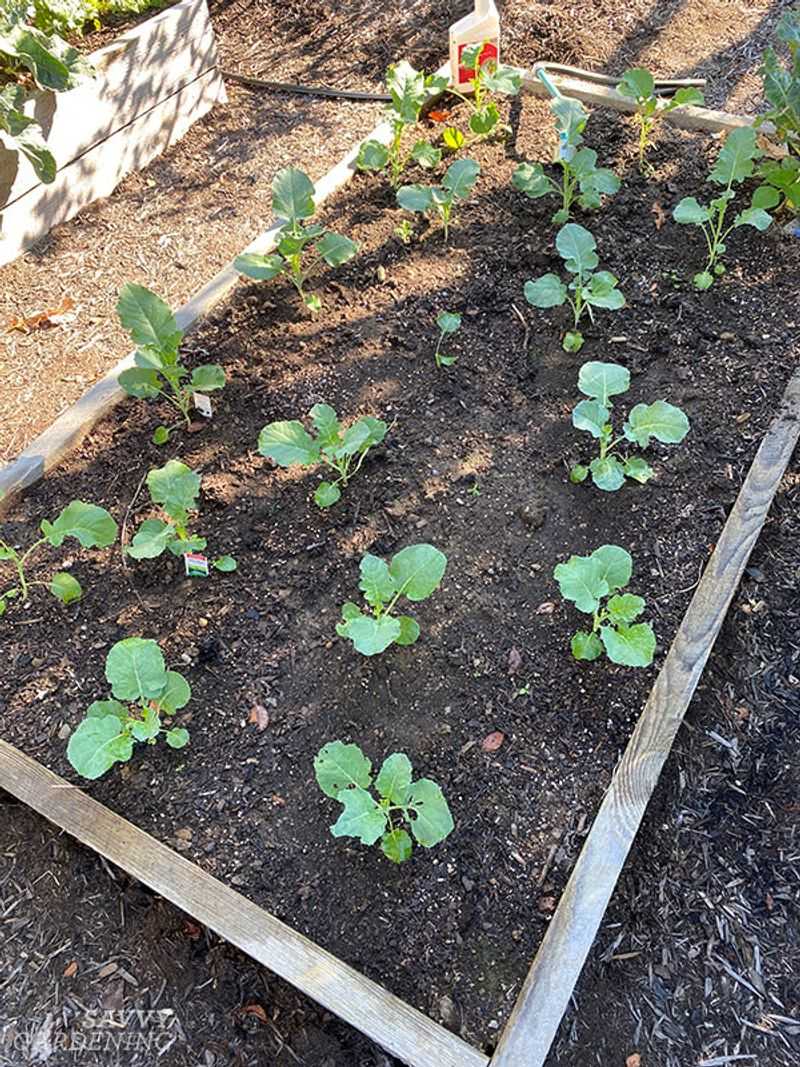
Overcrowding is a common mistake that many gardeners make. When broccoli plants are planted too closely together, they compete for nutrients, water, and sunlight. This can lead to stunted growth and poor head formation. Space your plants 18 to 24 inches apart to ensure they have enough room to develop. Proper spacing also allows for good air circulation, reducing the risk of diseases. Avoid the temptation to plant too many in a small space, as overcrowding can compromise the quality and quantity of your harvest.
7. Mistake 7: Neglecting Fertilization
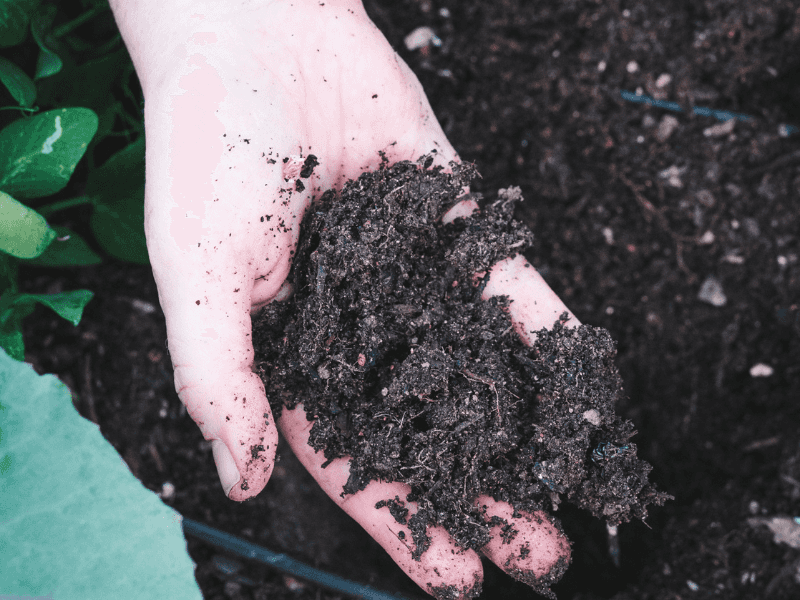
Fertilization is essential for healthy broccoli growth. Neglecting this can result in weak plants and small heads. Broccoli is a heavy feeder and requires nutrients to thrive. Use a balanced fertilizer with a good mix of nitrogen, phosphorus, and potassium throughout the growing season. Organic options like compost or well-rotted manure are also beneficial. Regularly feed your broccoli to support robust growth and abundant yields. Neglecting fertilization can lead to nutrient deficiencies and an unsatisfactory harvest.
8. Mistake 8: Planting in Poor Drainage Areas
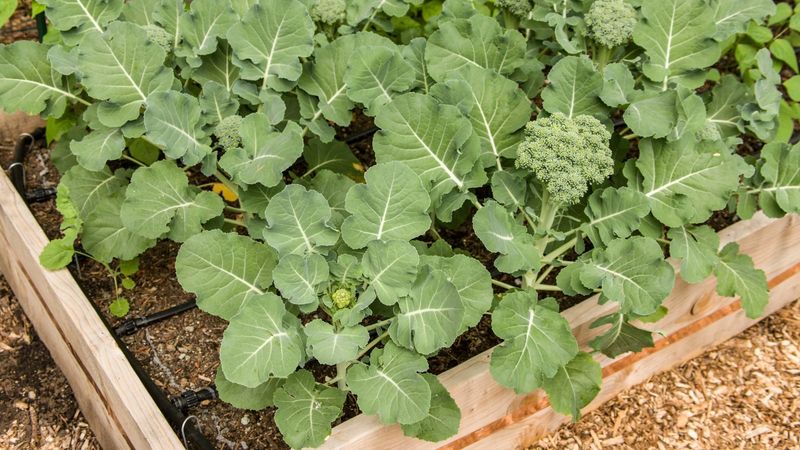
Good drainage is crucial for broccoli, as waterlogged soil can lead to root rot and other issues. Planting in areas with poor drainage can stress the plants and stunt growth. Choose a location with well-draining soil, or consider raised beds to improve drainage. Adding organic matter can also enhance soil structure and drainage. Monitor your garden after heavy rains and make necessary adjustments to prevent water accumulation. Ensuring proper drainage is vital for maintaining healthy and thriving broccoli plants.
9. Mistake 9: Skipping Crop Rotation
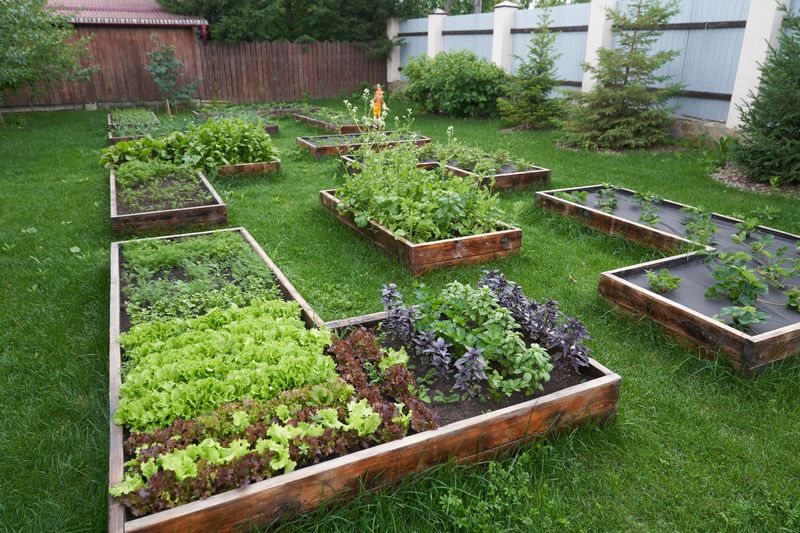
Crop rotation is an important practice in preventing soil-borne diseases and nutrient depletion. Skipping crop rotation with broccoli can lead to recurring pest and disease issues. Avoid planting broccoli in the same location year after year. Rotate with other vegetable families, such as legumes or root crops, to maintain soil health. Crop rotation disrupts pest life cycles and helps manage soil fertility. Adopting this practice ensures a sustainable and productive garden. The failure to rotate crops can result in diminished yields and increased plant stress.
10. Mistake 10: Failing to Mulch
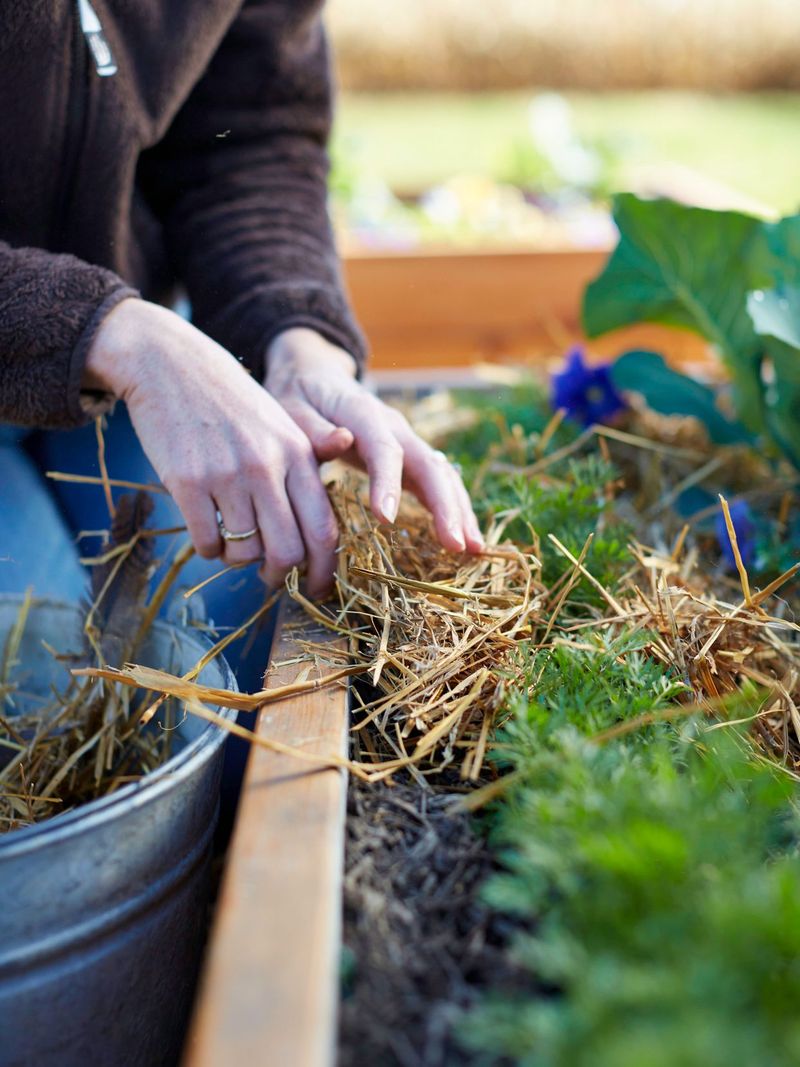
Mulching is a simple yet effective method to support broccoli growth. Failing to mulch can lead to moisture loss, increased weeds, and temperature fluctuations. Apply organic mulch, such as straw or shredded leaves, around your broccoli plants. Mulch helps retain soil moisture, suppresses weeds, and regulates soil temperature. It also adds organic matter as it breaks down. Incorporating mulch into your gardening routine can significantly improve broccoli health and yield. Neglecting this practice may hinder your chances of a bountiful harvest.
11. Mistake 11: Not Monitoring Temperature
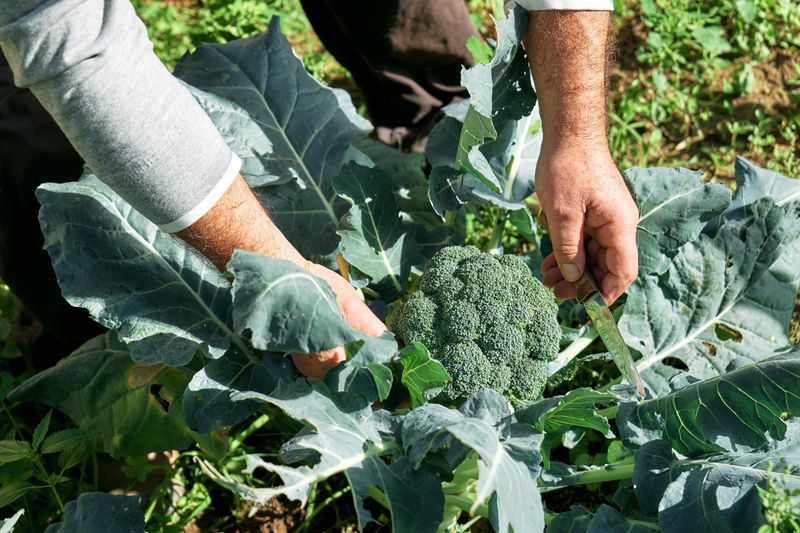
Temperature plays a critical role in the success of broccoli cultivation. Not monitoring temperature can lead to bolting or poor head formation. Broccoli grows best in cool temperatures, between 60 and 70 degrees Fahrenheit. Excessive heat can cause the plant to flower prematurely, while freezing temperatures can damage young plants. Keep track of your local weather and use row covers or shades to protect plants during temperature extremes. Being vigilant about temperature control ensures healthy growth and a successful harvest.
12. Mistake 12: Ignoring Signs of Nutrient Deficiency
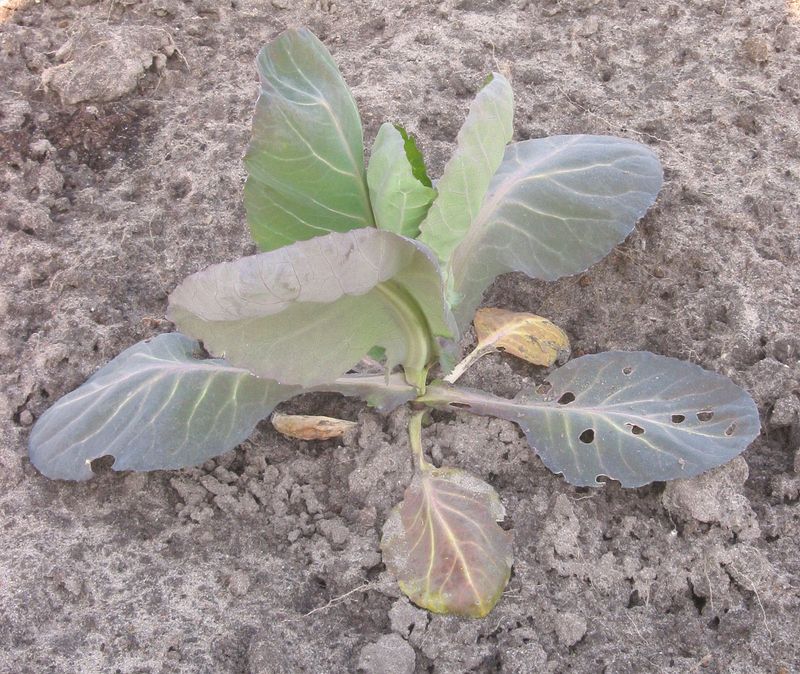
Recognizing and addressing nutrient deficiencies is key to broccoli health. Ignoring these signs can lead to weak plants and subpar harvests. Common symptoms include yellowing leaves or stunted growth. Conduct soil tests and apply necessary amendments like compost or specialized fertilizers to correct deficiencies. Pay attention to the specific nutrient needs of broccoli, such as nitrogen, phosphorus, and potassium. Timely intervention can revive struggling plants and enhance growth. Overlooking nutrient deficiencies can compromise your broccoli’s productivity and quality.
13. Mistake 13: Overlooking Companion Planting
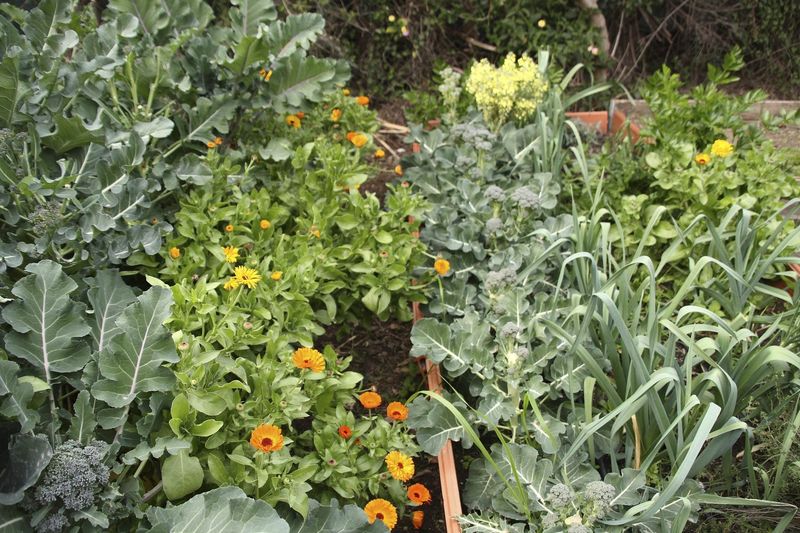
Companion planting is a strategy many gardeners use to enhance growth and deter pests. Overlooking this practice can lead to missed opportunities for a healthier garden. Planting broccoli alongside beneficial companions like onions, herbs, or other Brassicas can improve growth and pest resistance. These plants can deter harmful insects or enhance soil fertility. Consider the benefits of companion planting in your garden plan. Ignoring this method may result in a less effective pest control strategy and reduced yields.
14. Mistake 14: Harvesting Too Late
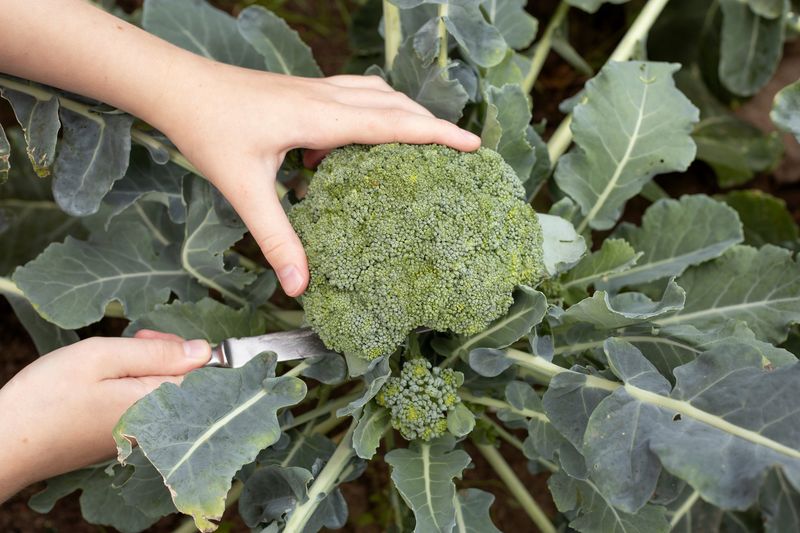
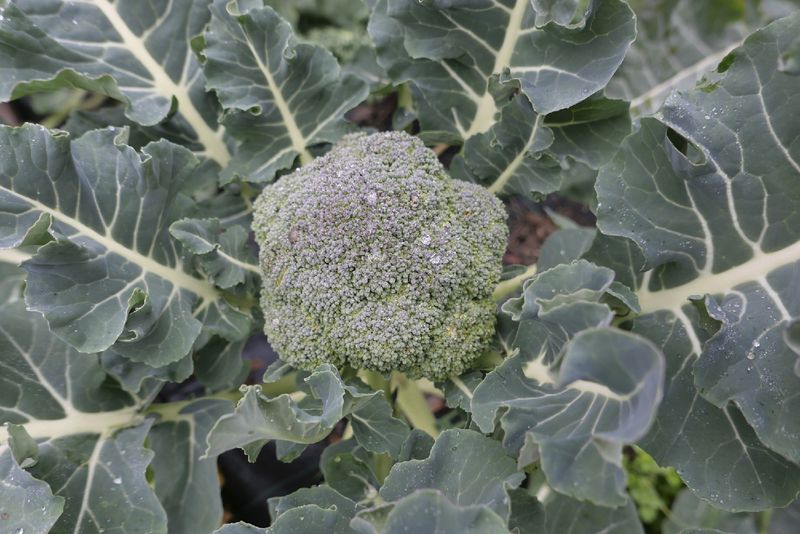
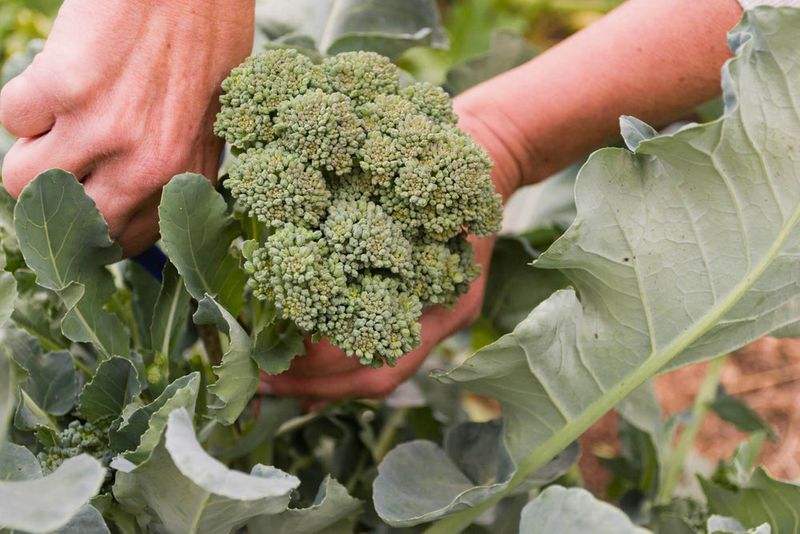
Timing is crucial when it comes to harvesting broccoli. Picking too late can lead to flowering and bitter tastes. Harvest when the heads are firm and tight, typically 4 to 6 inches in diameter. Check the color and avoid waiting until yellow flowers appear. Regularly monitor your plants to determine the perfect harvesting time. Properly timed harvests ensure flavorful and tender broccoli heads. Delaying this process can diminish quality and appeal, affecting both taste and texture.
15. Mistake 15: Not Pruning Properly
Pruning is an often overlooked aspect of growing broccoli. Proper pruning can encourage larger heads and prevent disease. Remove yellowing leaves or damaged sections to promote airflow and sunlight penetration. Clean gardening tools between uses to prevent disease spread. Regularly inspect your plants and make precise cuts to maintain health. Incorporating pruning into your routine supports robust growth and enhances yield. Failing to prune properly can result in crowded foliage and reduced head size.
16. Mistake 16: Overlooking Weather Protection
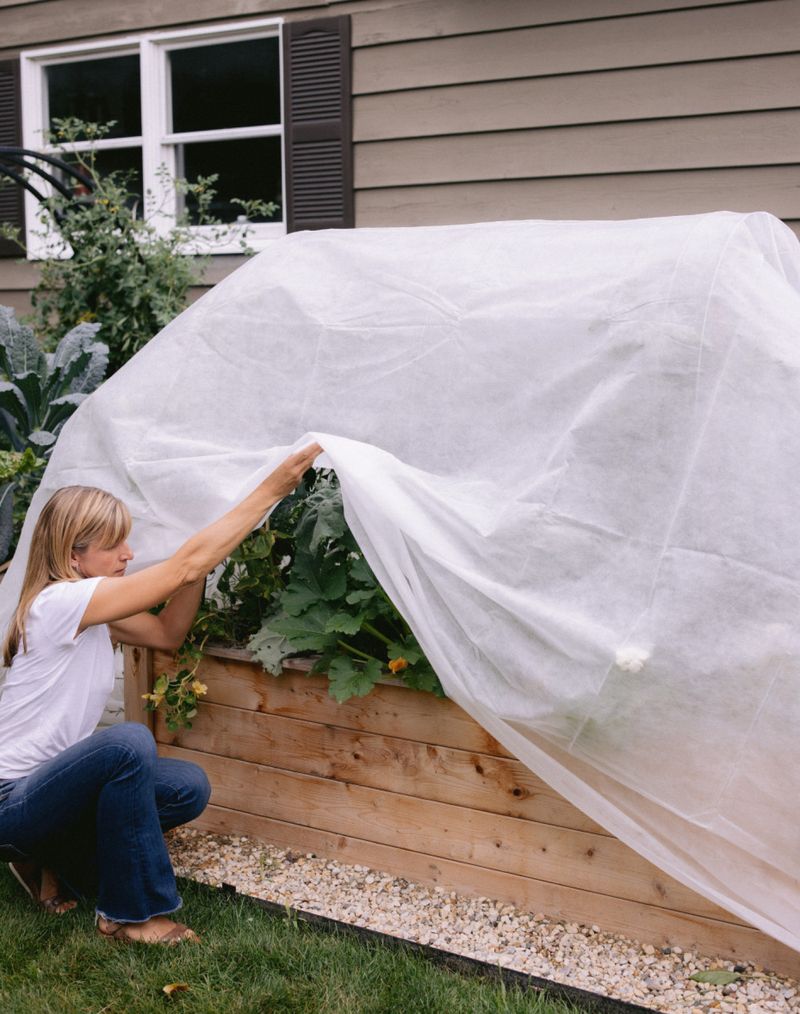
Weather can be unpredictable, and overlooking protection measures can harm broccoli plants. Use row covers or cloches to shield plants from frost or extreme heat. These protections help maintain optimal growing conditions and extend the growing season. Evaluate your local climate and prepare for potential weather challenges. Taking proactive steps to protect your broccoli from harsh conditions ensures resilience and productivity. Neglecting weather protection can lead to crop failure and disappointment.
17. Mistake 17: Failing to Plan for Successive Planting
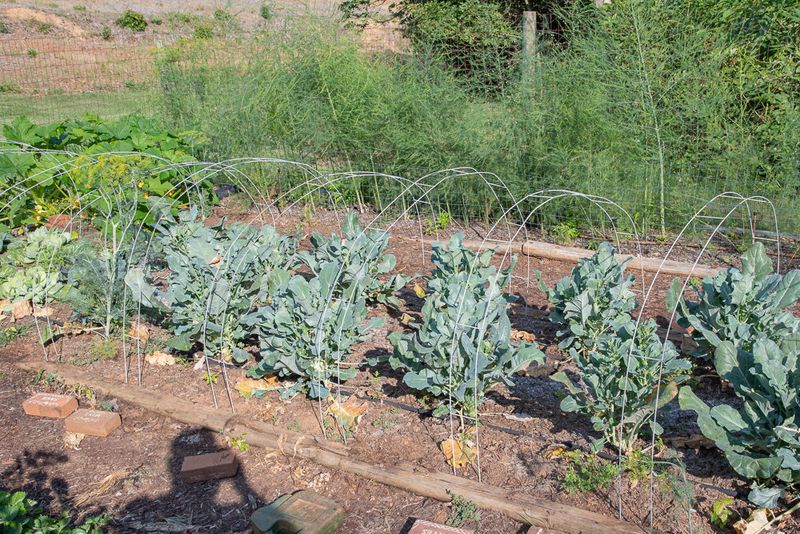
Successive planting allows for a continuous broccoli harvest, yet many gardeners fail to plan for it. By staggering planting times every few weeks, you can enjoy fresh broccoli throughout the growing season. This practice also reduces the risk of a single crop failure. Plan your garden layout and planting schedule to incorporate successive planting. This strategy not only extends your harvest period but also maximizes your garden’s productivity. Overlooking this opportunity may limit your broccoli enjoyment and abundance.
18. Secret 1: Choose the Right Variety
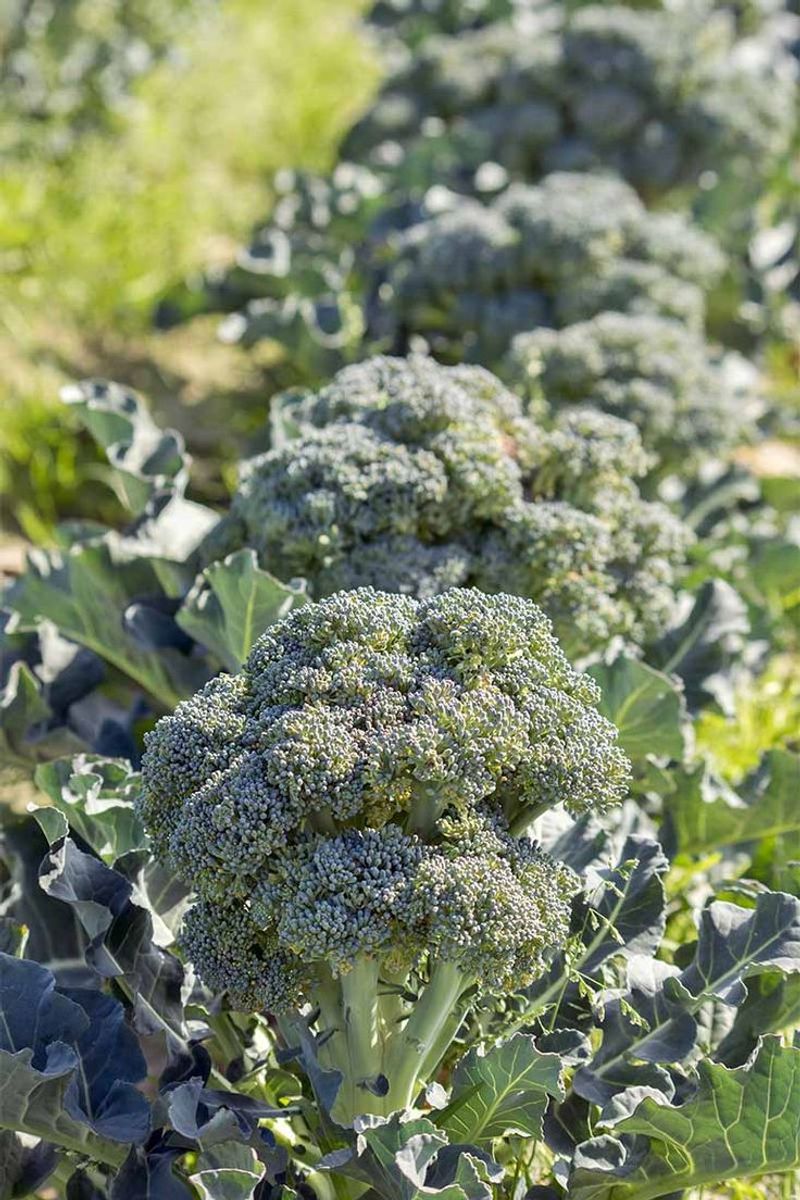
Selecting the right broccoli variety can make a difference in your gardening success. Different varieties have unique characteristics and growing requirements. Consider factors such as climate adaptability, resistance to pests, and desired harvest time. Popular varieties include Calabrese, Waltham 29, and Purple Sprouting. Research and choose the variety that aligns with your goals and local conditions. Tailoring your choice ensures a more rewarding and tailored growing experience. The right variety sets the foundation for thriving broccoli plants and bountiful yields.
19. Secret 2: Use Organic Matter Wisely
Organic matter can transform your broccoli garden. Incorporate compost or well-rotted manure to enrich the soil and improve structure. These amendments provide essential nutrients and enhance water retention. Apply organic matter before planting and throughout the growing season as needed. This practice nurtures the soil and supports healthy root development. Organic matter not only strengthens your broccoli plants but also contributes to a sustainable gardening approach. Thoughtful use of organic matter leads to vibrant and productive crops.
20. Secret 3: Employ Companion Planting
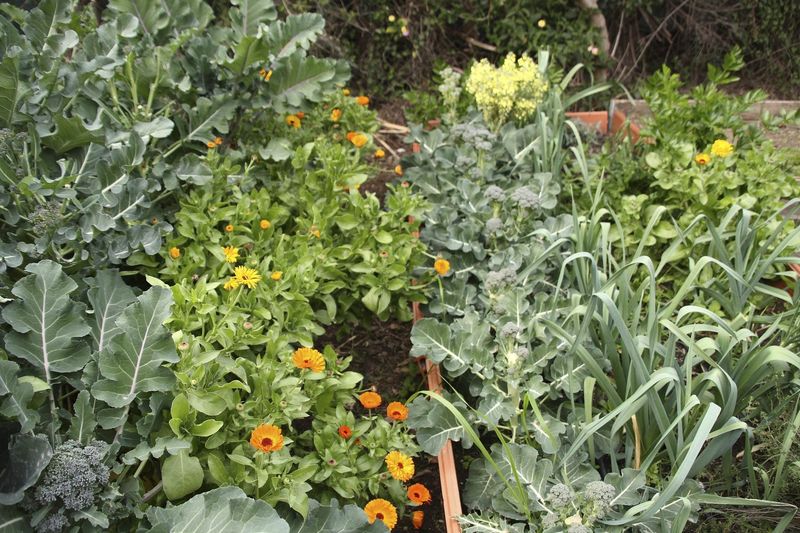
Companion planting can enhance broccoli’s growth and protect against pests. Pairing broccoli with plants like carrots, marigolds, or dill can improve soil health and deter harmful insects. These companions offer mutual benefits, such as attracting beneficial insects or providing shade. Plan your garden layout to incorporate these advantageous partnerships. Companion planting fosters a balanced ecosystem and supports robust broccoli growth. This technique not only enhances productivity but also adds diversity to your garden, creating a thriving and harmonious environment.
21. Secret 4: Implement Mulching Strategies
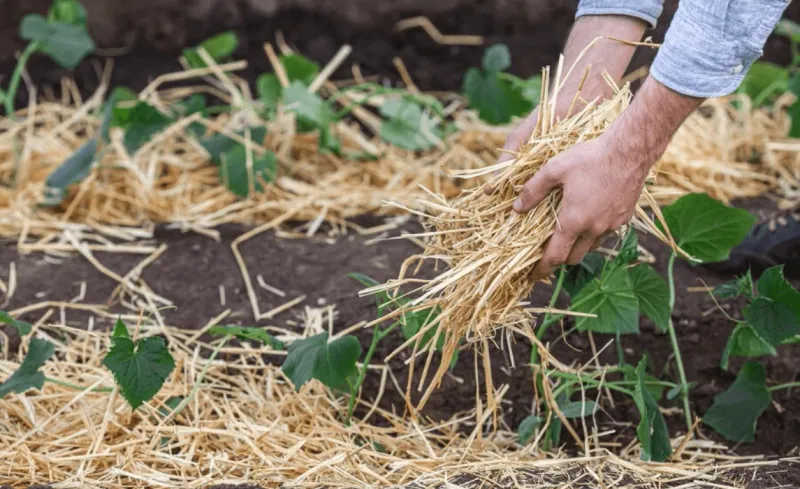
Mulching is a simple yet powerful technique to enhance broccoli growth. Apply mulch materials like straw, grass clippings, or shredded leaves around your plants. Mulching helps retain soil moisture, suppress weeds, and regulate temperature. It also adds organic matter to the soil as it decomposes. Mulching supports a healthy root system and promotes vigorous growth. By incorporating mulching into your gardening routine, you create a more resilient environment for your broccoli plants. This approach increases your chances of a successful and abundant harvest.
22. Secret 5: Monitor Soil PH Regularly
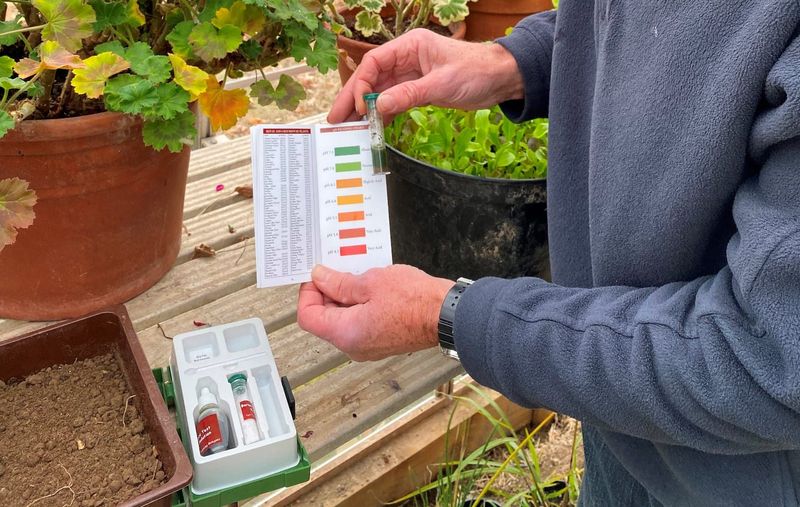
Soil pH is a crucial factor in broccoli’s growth. Regular monitoring ensures optimal conditions for nutrient absorption. Broccoli prefers a slightly acidic to neutral pH range of 6.0 to 7.0. Use a pH meter or soil test kit to assess and adjust pH levels as needed. Amend the soil with lime or sulfur to correct imbalances. Maintaining the right pH supports healthy root development and maximizes nutrient uptake. Regular pH checks prevent deficiencies and enhance overall plant health, contributing to a thriving broccoli crop.
23. Secret 6: Implement Drip Irrigation
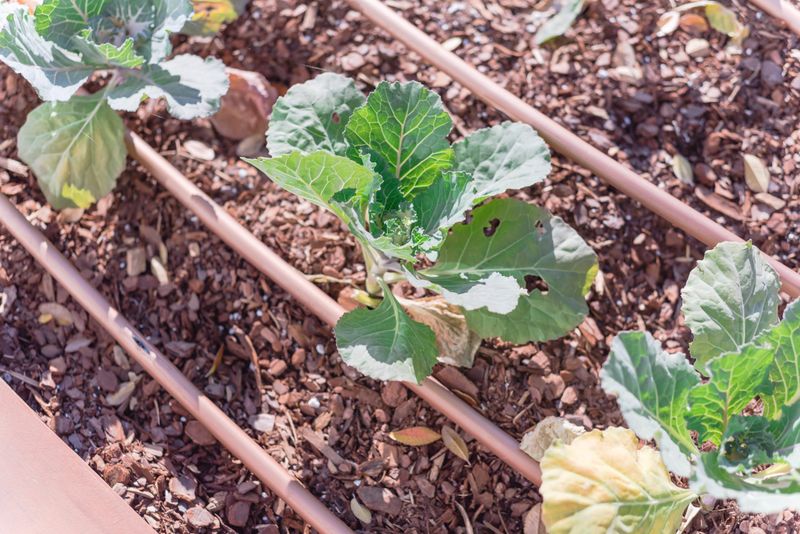
Drip irrigation offers precise water management for broccoli plants. This system delivers water directly to the roots, minimizing waste and reducing the risk of diseases. Drip irrigation supports consistent moisture levels, essential for broccoli’s growth. Set up the system to target each plant, providing uniform hydration. Drip irrigation conserves water and promotes healthier plants by avoiding waterlogged soil. This method ensures reliable watering, even during dry spells. Implementing drip irrigation enhances your garden’s efficiency and supports a bountiful broccoli harvest.
24. Secret 7: Practice Consistent Weeding
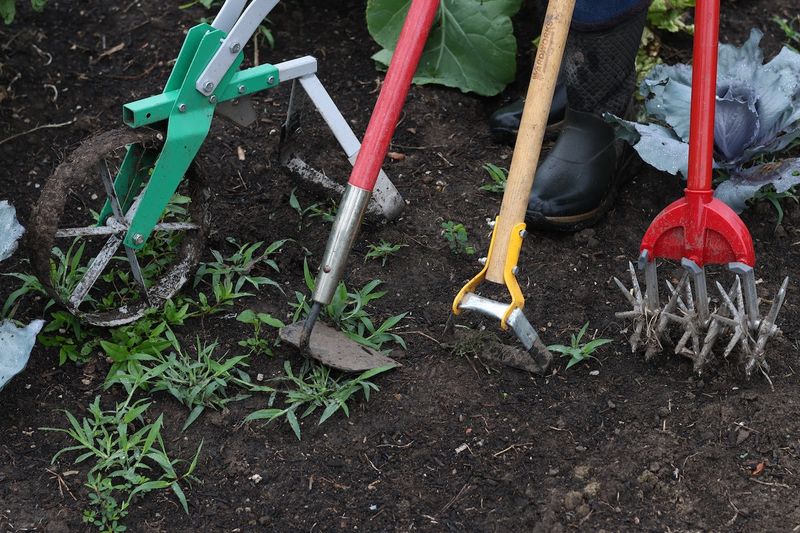
Weeding is a crucial aspect of maintaining a healthy broccoli garden. Regular weeding prevents competition for nutrients and water. Remove weeds by hand or use tools to clear the area around your plants. Consistent weeding reduces the risk of pests and diseases, as weeds can harbor unwanted insects. By keeping your garden weed-free, you support robust broccoli growth and enhance yields. This practice requires diligence and effort but pays off in the form of thriving plants and a successful harvest.
25. Secret 8: Use Beneficial Microbes
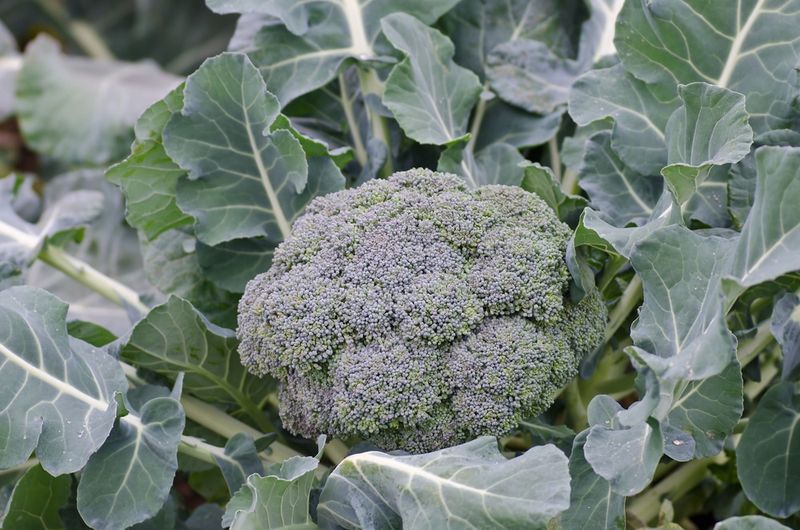
Beneficial microbes can revolutionize your broccoli cultivation. These microorganisms enhance nutrient uptake and promote soil health. Apply microbial inoculants to your soil to boost plant resilience and growth. Beneficial bacteria and fungi work symbiotically with broccoli roots, improving nutrient absorption and disease resistance. Regular application fosters a thriving soil ecosystem. Incorporating beneficial microbes into your gardening routine strengthens your plants and supports a productive harvest. This approach enriches your soil and maximizes broccoli’s potential.
26. Secret 9: Plan for Succession Planting
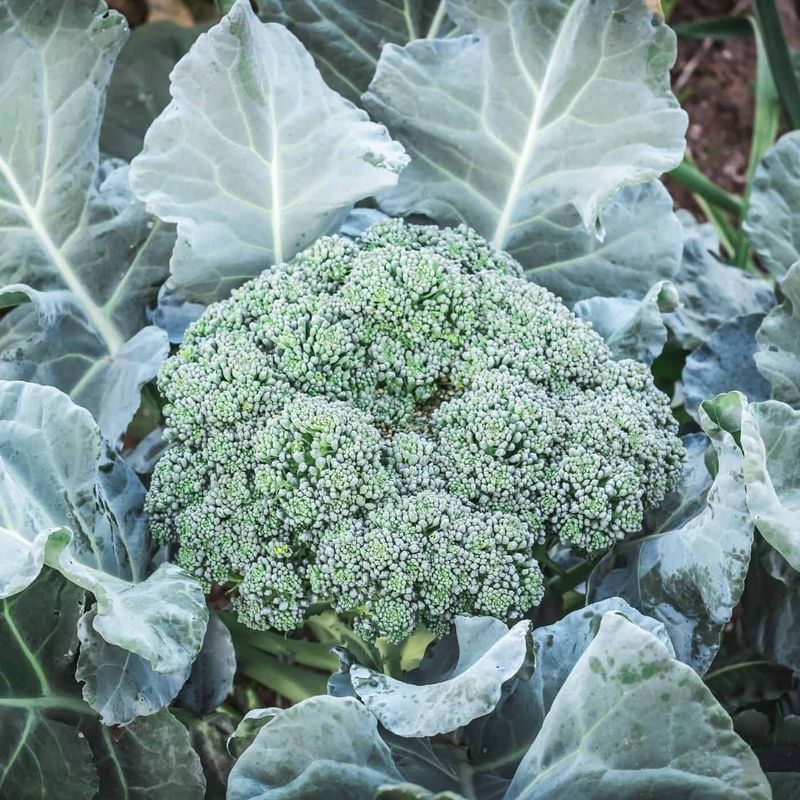
Succession planting ensures a continuous supply of fresh broccoli. Plan your garden layout to stagger planting times, creating overlapping harvest periods. This strategy mitigates the risk of a single crop failure and maximizes productivity. Use calendar tools or garden planners to organize planting schedules. Succession planting keeps your garden dynamic and efficient, providing a steady stream of broccoli throughout the season. By adopting this approach, you enjoy ongoing harvests and a more rewarding gardening experience.