
When planning your garden, choosing the right root vegetables can make all the difference. While some traditional favorites may not be the best fit for every garden, there are plenty of exciting alternatives that can offer enhanced flavor, better nutrition, and more vibrant growth. In this guide, we will explore seven root vegetables you might want to skip and introduce you to thirteen game-changing options that could transform your gardening experience. Whether you’re a seasoned gardener or a beginner, these options will inspire you to make thoughtful choices that bring your garden to life.
1. Skip: Turnips
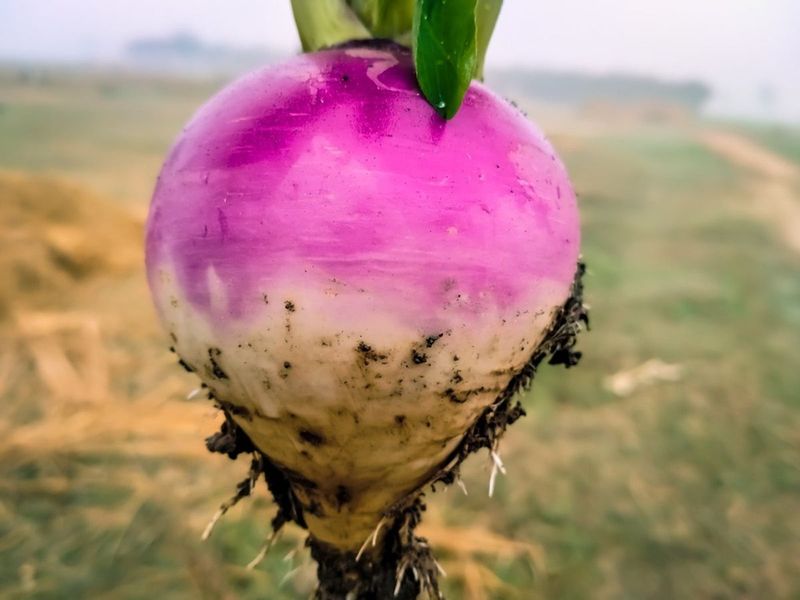
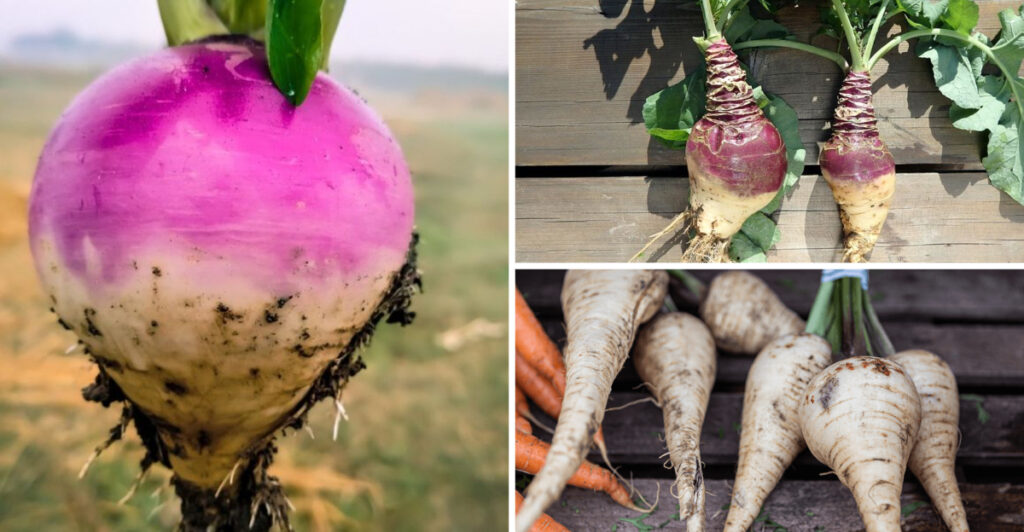
Turnips have long been a staple in many gardens, prized for their ability to thrive in poor soil conditions. However, they may leave gardeners wanting more in terms of flavor and versatility. While they grow quickly, the taste can be somewhat bland and lacking in excitement. Some varieties are prone to pests, demanding more care and attention. Opting for a more vibrant choice could lead to a more rewarding gardening experience. Consider alternatives that offer more dynamic flavors and are easier to grow. Turnips may not always be the game-changer you want in your garden.
2. Skip: Radishes
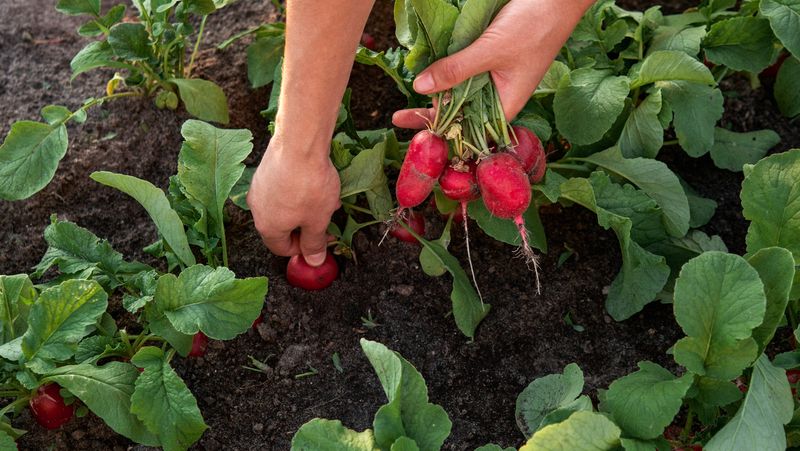
Radishes, known for their quick growing time, often disappoint with their peppery taste and tendency to bolt in warm weather. They may thrive in cool climates, but can become woody and unpalatable if not harvested promptly. Unlike some root vegetables, radishes lack depth in culinary applications, limiting their appeal. For those seeking more flavorful and adaptable options, exploring other root vegetables will yield better results. Gardeners might find that there are more satisfying choices to plant instead of radishes, which can easily fall flat in terms of culinary impact.
3. Skip: Celery Root
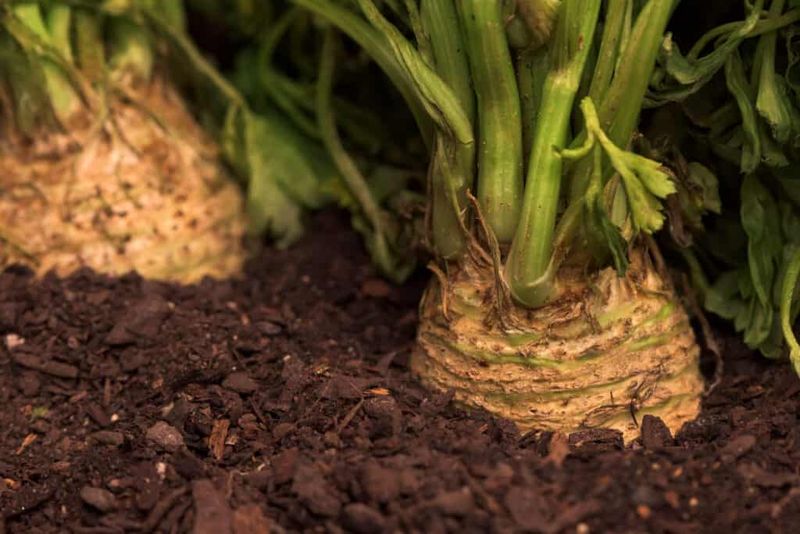
Celery root, or celeriac, is often overlooked due to its tricky growth requirements and underwhelming taste. It demands rich, well-drained soil and consistent moisture, making it a diva among root vegetables. While it offers a unique flavor, the spindly, gnarled appearance can be off-putting. Many gardeners find that the effort required isn’t justified by the yield. By choosing a more robust and flavorful alternative, you can ensure a more productive and enjoyable harvest. Celery root might not be the star performer for those seeking ease and flavor.
4. Skip: Parsnips
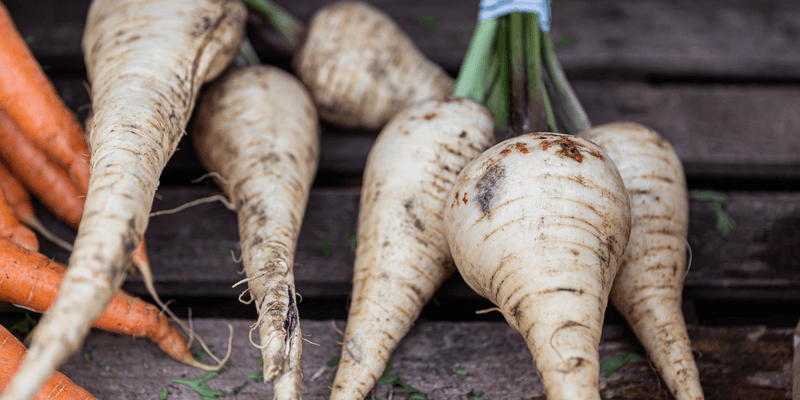
Parsnips, though offering a sweet taste, often require a lengthy growing season and are notorious for their susceptibility to pests. Their delicate nature means they can be quickly overshadowed by more robust plants. The need for deep soil and cool temperatures can limit where and when they can be grown. Gardeners may find that other options provide more reliable results and a broader range of culinary uses. While parsnips have their place, they may not always align with every gardener’s goals, especially those looking for simplicity and resilience.
5. Skip: Rutabagas
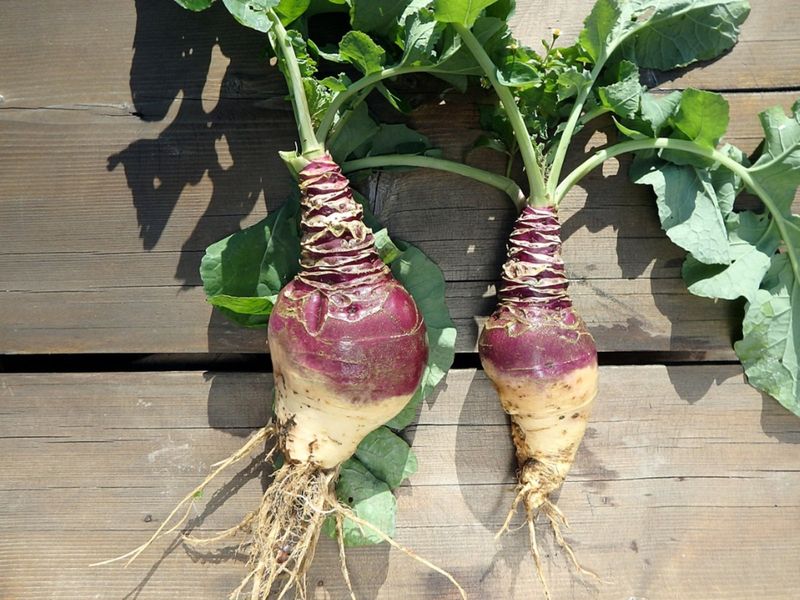
Rutabagas, often confused with turnips, can be a challenging crop for many gardeners. They demand patience and specific growing conditions, including cool temperatures and well-drained soil. The flavor might not appeal to everyone, being somewhat bitter and less versatile in cooking. Gardeners seeking a more rewarding and straightforward experience might prefer other root vegetables that offer a broader taste profile. Consider planting something that excites the palate and requires less fuss. Rutabagas might not deliver the gardening satisfaction you desire.
6. Skip: Salsify
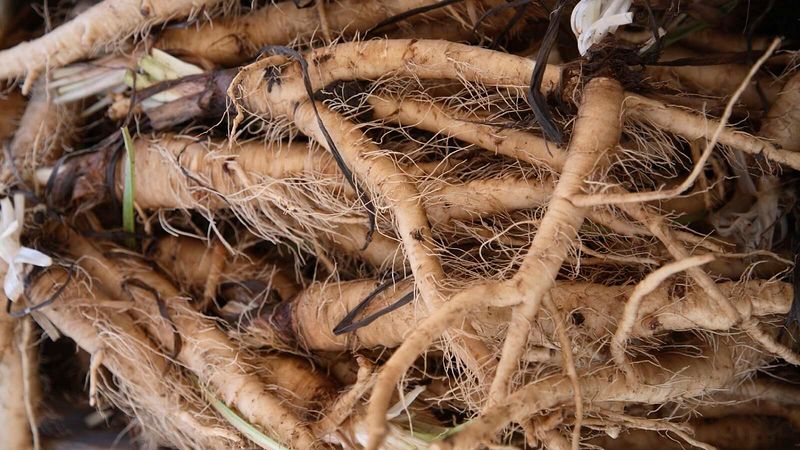
Salsify, known for its unique oyster-like flavor, can be a difficult crop to cultivate. It often requires a long growing season and can be prone to diseases if not properly managed. The thin roots can make harvesting a challenge, and the unfamiliar taste may not suit every palate. For those looking to experiment with new flavors, there are easier and more rewarding options to explore. Salsify might intrigue adventurous gardeners, but it often fails to deliver consistent results, leaving many searching for alternative root vegetable choices.
7. Skip: Horseradish
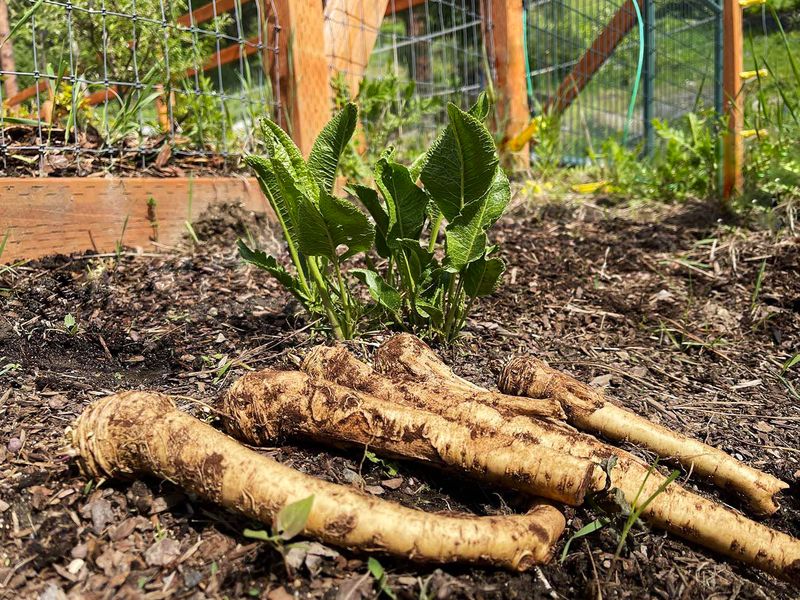
Horseradish, while loved for its fiery kick, can be a gardening headache due to its invasive nature. Left unchecked, it can quickly take over a garden, spreading its roots far and wide. The pungent flavor isn’t for everyone, and harvesting can be labor-intensive. Many find that the risks outweigh the rewards, especially if space is limited. Opting for a more manageable and less aggressive alternative can provide a more harmonious gardening experience. For those preferring a milder taste and easier growth, horseradish might be best avoided.
8. Plant: Sweet Potatoes
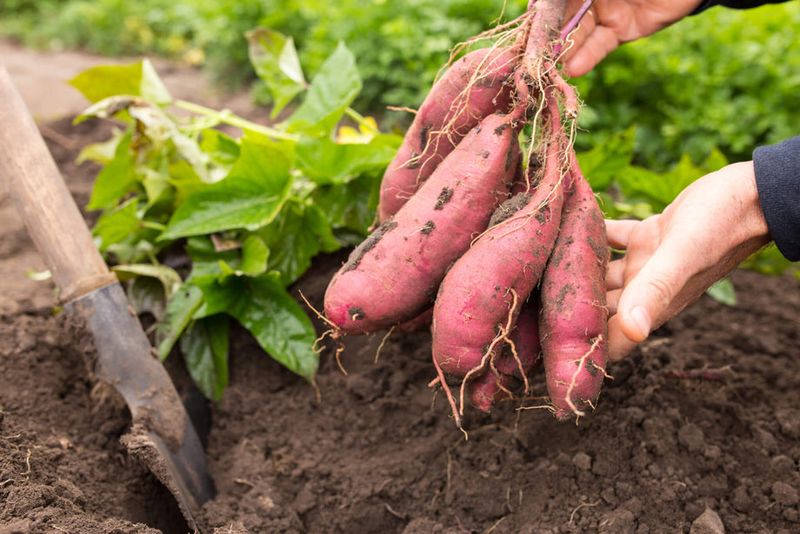
Sweet potatoes, with their vibrant orange flesh, are a nutritional powerhouse and a joy to grow. Unlike other root vegetables, they are forgiving and adaptable, thriving in various soil types and conditions. Their sweet, rich flavor makes them a versatile ingredient in many dishes, from savory to sweet. Gardeners will appreciate their resilience and the minimal care required to achieve a bountiful harvest. Sweet potatoes are a true game-changer, offering both taste and nutrition. Embrace the ease and satisfaction of growing sweet potatoes in your garden.
9. Plant: Carrots
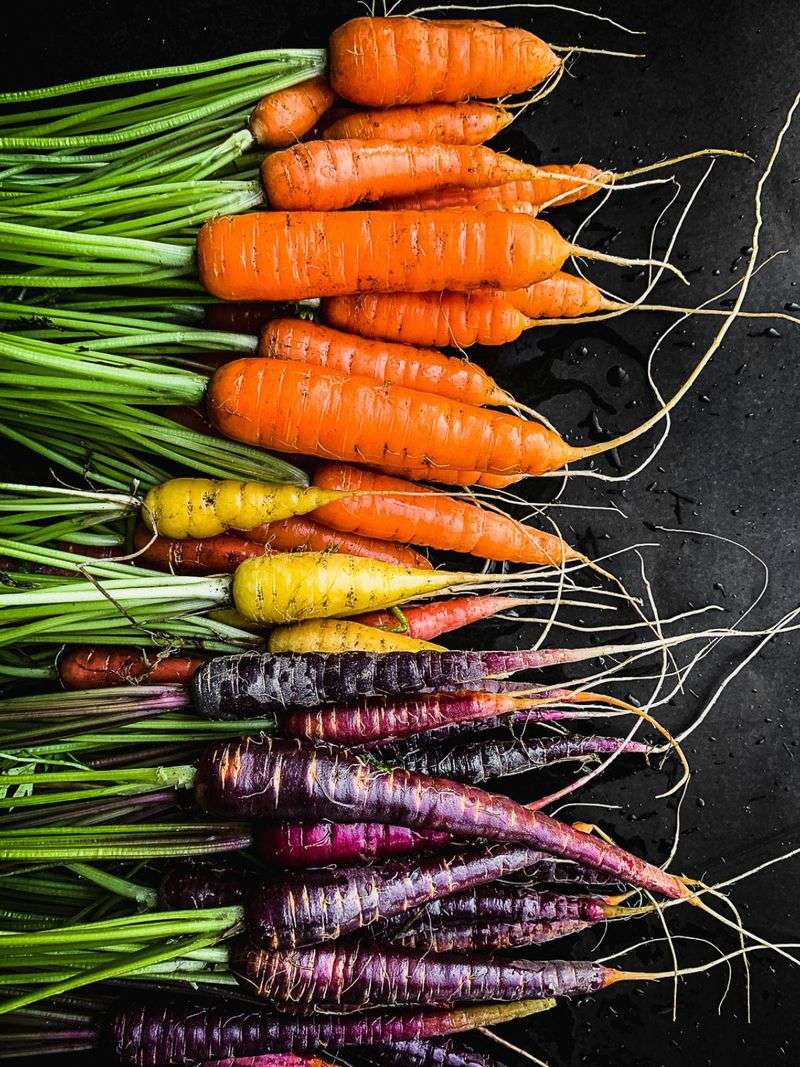
Carrots offer a burst of sweetness and nutrition, making them a top choice for gardeners. Their vibrant color and crunchy texture appeal to both young and old. Carrots thrive in well-drained soil and enjoy full sun, making them versatile and easy to cultivate. These root vegetables are perfect for snacks, salads, and cooked dishes, offering both flavor and health benefits. With numerous varieties available, you can experiment with colors such as purple, yellow, and red. Carrots are a must-have, providing endless culinary possibilities and garden satisfaction.
10. Plant: Beetroots
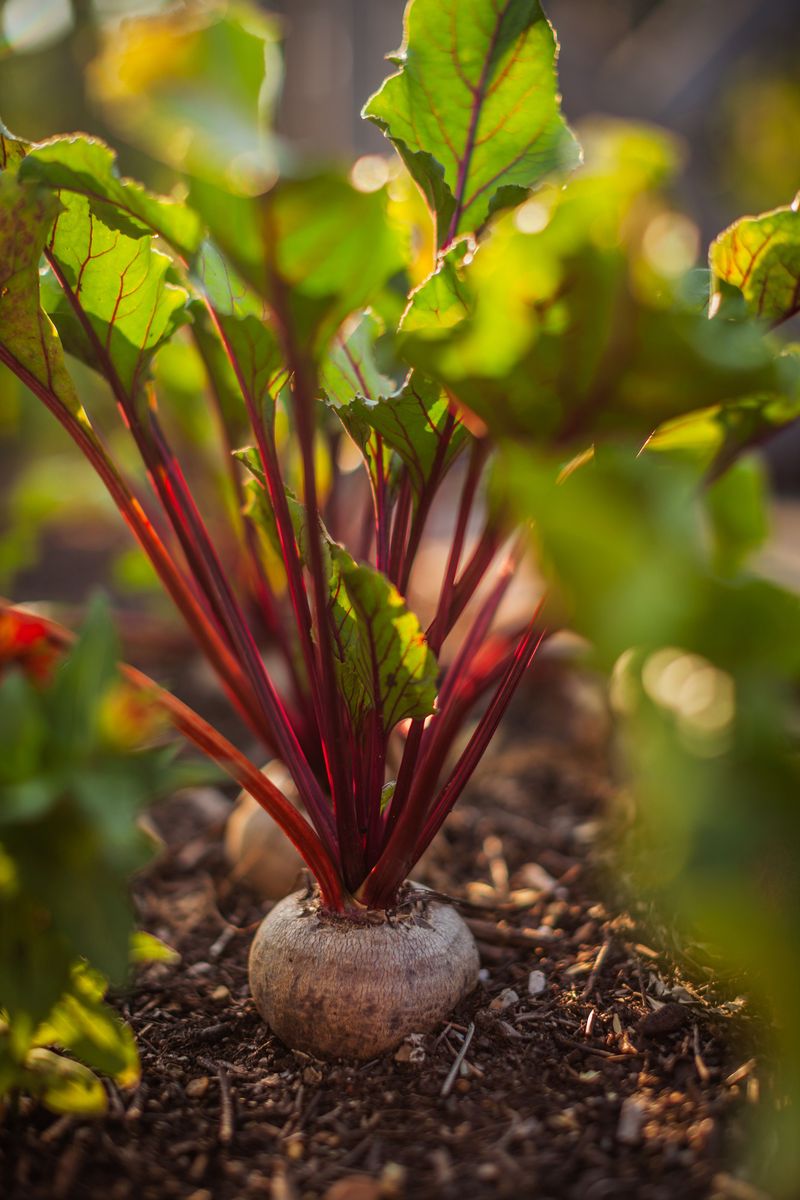
Beetroots, with their deep red color and earthy sweetness, are a versatile addition to any garden. They thrive in cooler climates and are relatively easy to grow. Beetroots can be roasted, pickled, or juiced, offering diverse culinary options. The leaves are also edible, providing an added bonus. Their rich nutritional profile makes them a health-conscious choice, packed with vitamins and minerals. Gardeners will find that beetroots offer both beauty and functionality, enhancing the garden with their striking appearance and hearty growth. Embrace the benefits of growing beetroots!
11. Plant: Jerusalem Artichokes
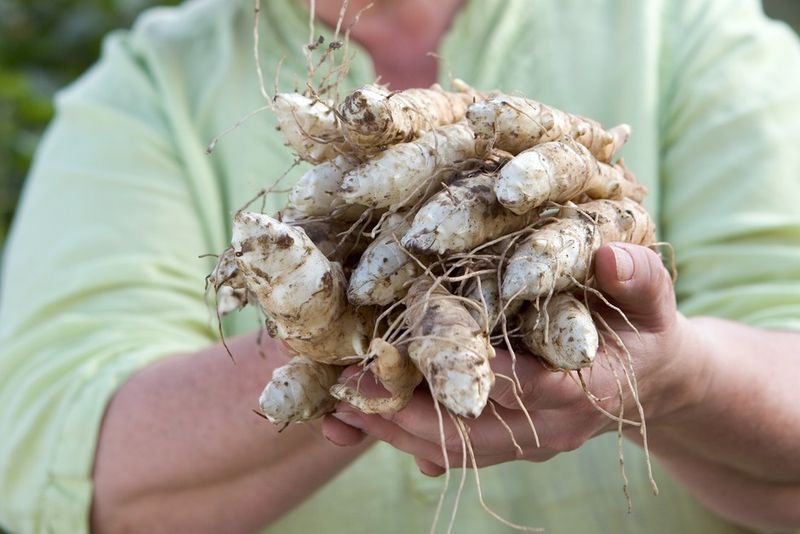
Jerusalem artichokes, also known as sunchokes, are a unique and rewarding root vegetable to plant. With their sunflower-like blooms, they add visual interest to any garden. These tubers are rich in inulin, a fiber that supports digestive health. Jerusalem artichokes thrive in various conditions, making them a resilient choice. Their nutty, slightly sweet flavor is a delightful addition to soups and salads. For those seeking an easy-to-grow, nutritious option, Jerusalem artichokes are a perfect choice. Enjoy both the beauty and benefits they bring to your gardening endeavors.
12. Plant: Daikon Radishes
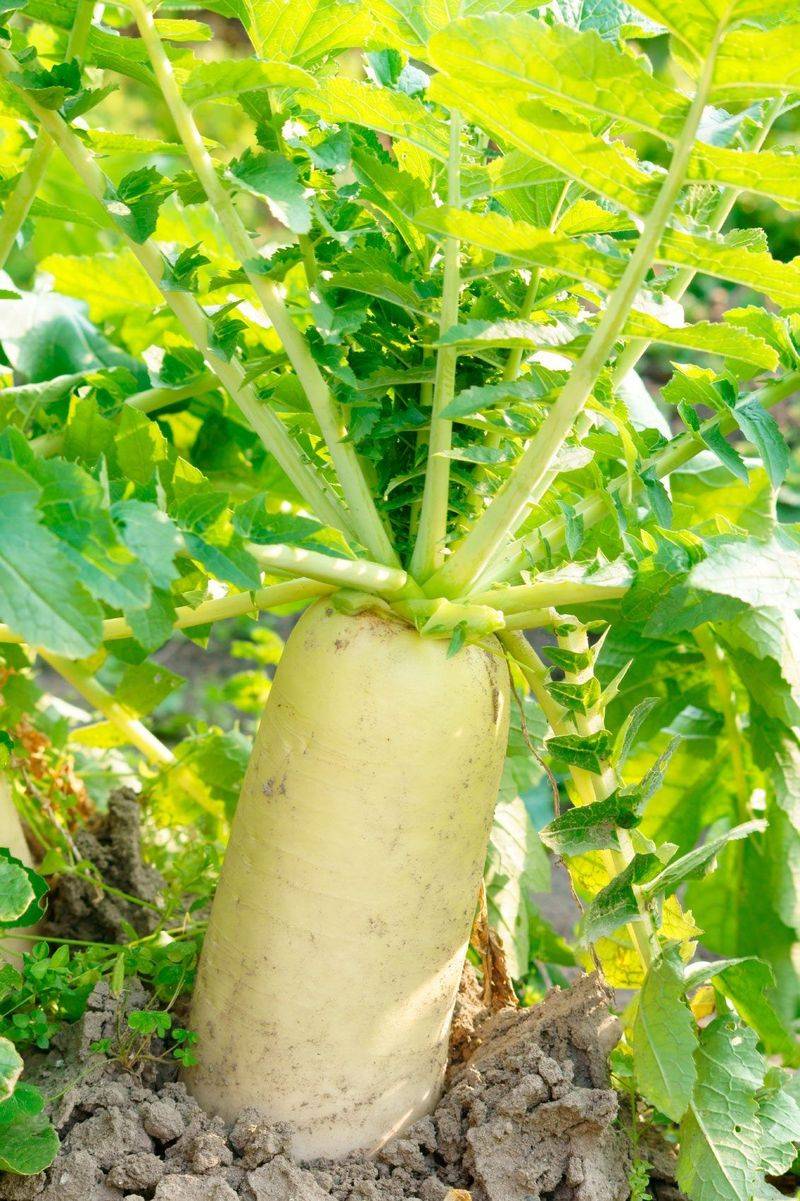
Daikon radishes are a refreshing twist on the traditional radish, offering a milder, crisp flavor. Unlike their smaller counterparts, daikons are larger and more substantial, providing a satisfying crunch. They grow well in cool climates and can be used in salads, soups, and stir-fries. Daikons are known for their detoxifying properties, supporting liver health and digestion. For gardeners seeking a reliable and nutritious root vegetable, daikon radishes are an excellent choice. Their unique taste and health benefits make them a valuable addition to any garden.
13. Plant: Kohlrabi
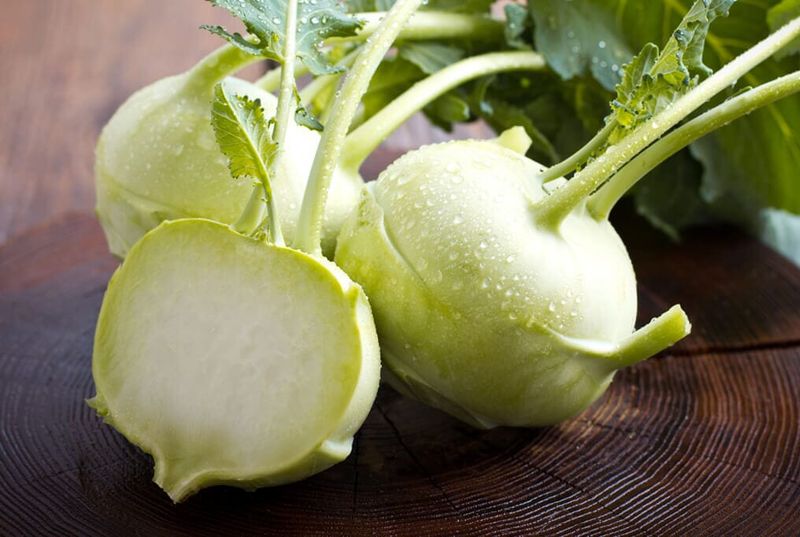
Kohlrabi, with its alien-like appearance, is a fascinating addition to the garden. Its crisp, juicy texture and mild, cabbage-like flavor make it a versatile vegetable in the kitchen. Kohlrabi is easy to grow, thriving in cool weather and resistant to many pests. This makes it an attractive option for gardeners seeking low-maintenance crops. Whether eaten raw or cooked, kohlrabi adds both taste and nutrition to meals. Its unique appearance and ease of cultivation make kohlrabi a standout choice for those looking to diversify their gardening repertoire.
14. Plant: Swedes
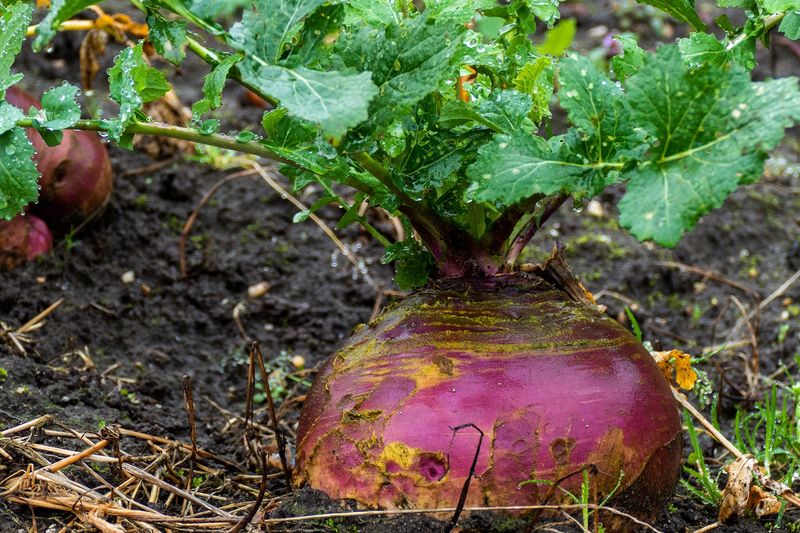
Swedes, also known as rutabagas in some regions, are a robust and flavorful addition to the garden. They thrive in cool climates and require minimal care, making them ideal for beginners. Swedes have a sweet, slightly nutty flavor that enhances stews, mashes, and soups. Their adaptability in the kitchen makes them a beloved choice for many chefs. With their vibrant color and hearty growth, swedes can transform your garden into a bountiful landscape. Embrace the joy of growing swedes and enjoy the culinary delights they bring to your table.
15. Plant: Jicama
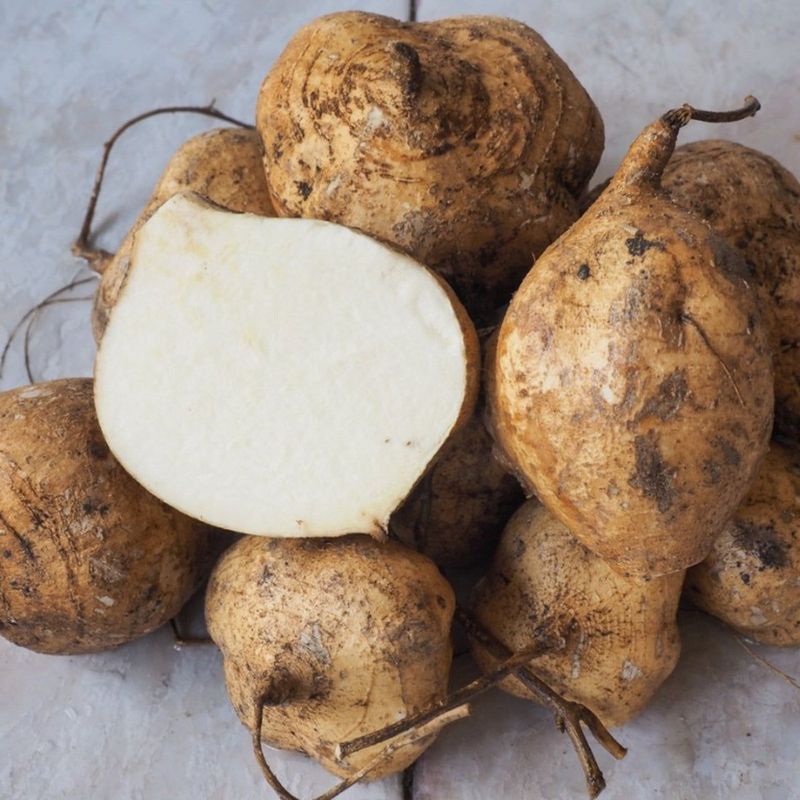
Jicama, with its crisp texture and sweet, refreshing taste, is a delightful root vegetable to grow. Originating from Mexico, it thrives in warm climates and can be enjoyed raw or cooked. Jicama is perfect for salads, salsas, and stir-fries, offering a unique twist to traditional dishes. Its high water content and low-calorie profile make it a health-conscious choice. Gardeners seeking a new and exciting addition will find jicama an excellent option. Embrace its versatility and enjoy the fresh, crunchy flavor it brings to your culinary creations.
16. Plant: Celeriac
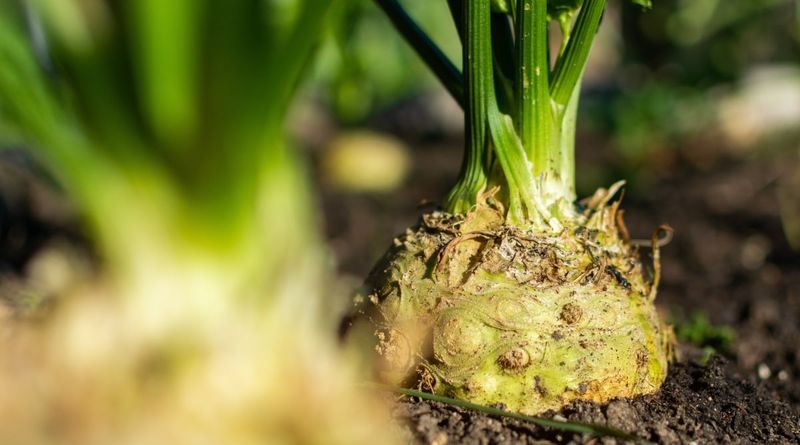
Celeriac, or celery root, offers a subtle flavor reminiscent of celery with a nutty undertone. Despite its gnarled appearance, it is a rewarding plant to grow, thriving in rich, well-drained soil. Celeriac is versatile in the kitchen, perfect for soups, mashes, and salads. It provides a unique texture and taste, enhancing various dishes. Gardeners will appreciate its resilience and the satisfaction of harvesting this unique root vegetable. For those seeking an intriguing and delicious option, celeriac is an excellent choice, adding both flavor and interest to your garden.
17. Plant: Parsley Root
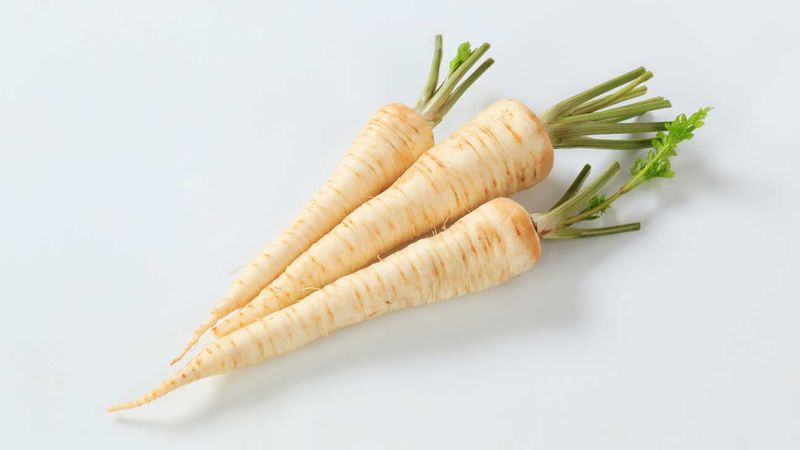
Parsley root, less known than its leafy counterpart, offers both flavor and nutrition. Resembling a parsnip, it provides a robust taste with hints of parsley and carrot. This root vegetable thrives in temperate climates and is easy to grow, making it accessible to many gardeners. Parsley root is a versatile addition to soups, stews, and roasts, offering both texture and flavor. Its unique taste profile can elevate everyday dishes. For those looking to explore new culinary horizons, parsley root is an exciting and rewarding choice for the garden.
18. Plant: Cassava
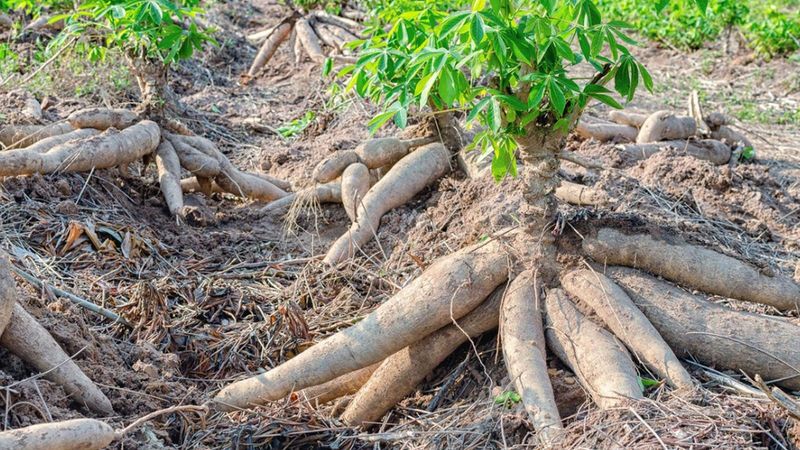
Cassava, a staple in many tropical regions, is valued for its starchy roots and versatility. It thrives in warm climates and is drought-resistant, making it a reliable crop. Cassava can be used in a variety of dishes, from fries to tapioca. Gardeners will appreciate its ability to adapt to different conditions and its high yield. While it requires careful preparation to remove toxins, cassava offers a unique and satisfying addition to the garden. For those in suitable climates, cassava presents an opportunity to explore diverse culinary creations.
19. Plant: Taro
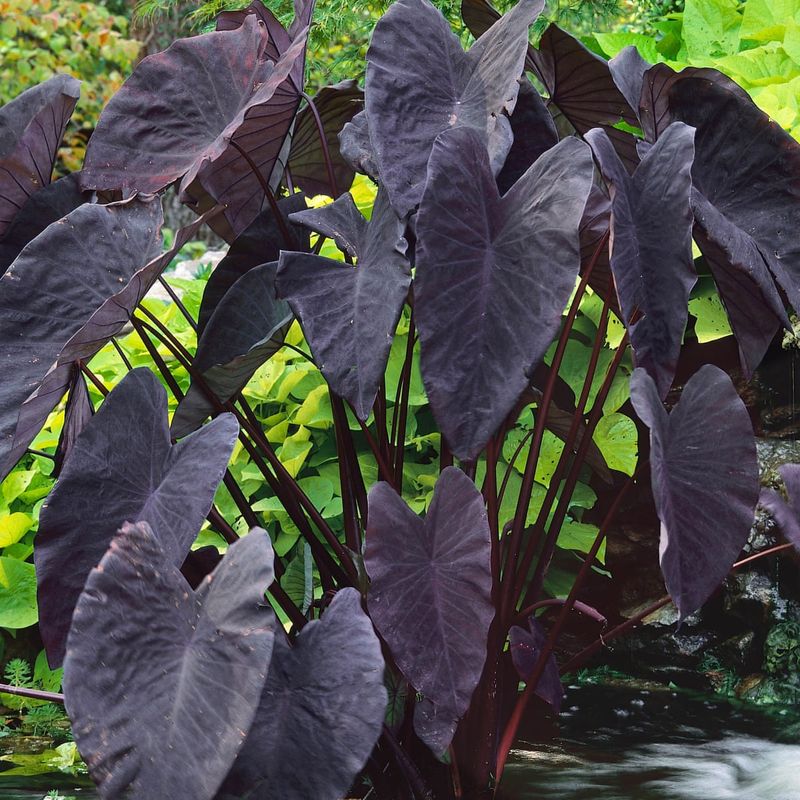
Taro, with its large, heart-shaped leaves, is a staple in many cultures for its starchy roots and distinctive flavor. Thriving in wet, tropical environments, taro is both beautiful and functional. Its roots can be used in various dishes, offering a unique texture and taste. Taro requires consistent moisture and rich soil, but rewards gardeners with a bountiful harvest. Its cultural significance and versatility make it a desirable addition to the garden. For those in suitable climates, taro offers both culinary and aesthetic benefits, enriching the gardening experience.
20. Oca
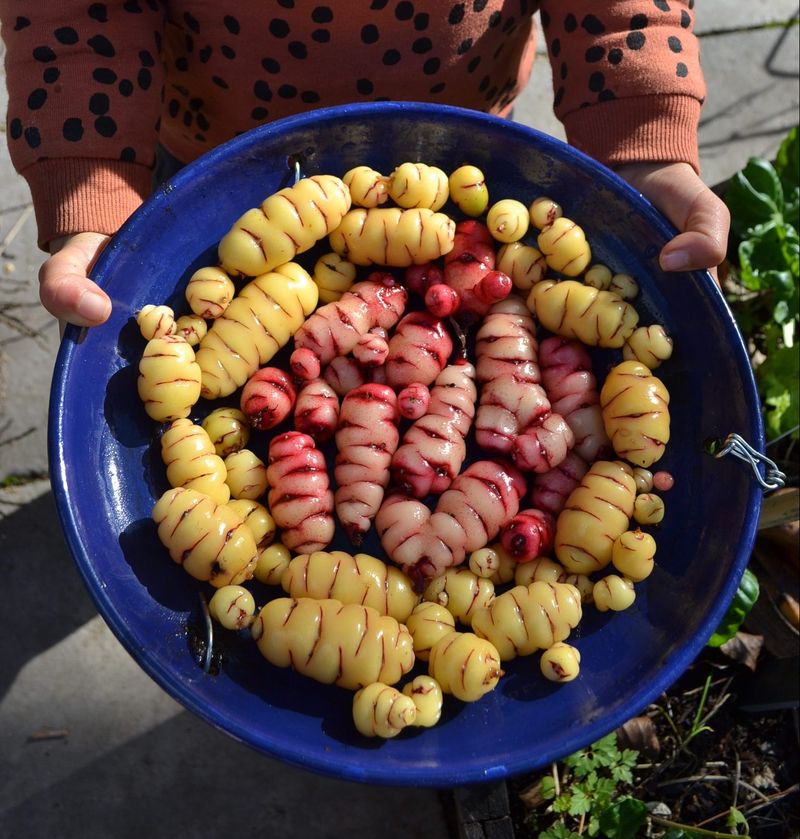
Oca, with its rainbow-hued tubers, is a feast both for the eyes and the palate. Originating from the Andes, this crop is often overshadowed by its more famous cousin, the potato. Yet, its tangy flavor and crisp texture make it a delightful addition to salads and stir-fries. Oca thrives in cooler climates, rewarding gardeners with a bountiful harvest come late autumn.
Unlike other root vegetables, Oca’s tubers turn sweeter after exposure to sunlight, a unique trait that enhances its culinary appeal. Embrace this colorful tuber for a touch of exotic flair in your garden and kitchen.