
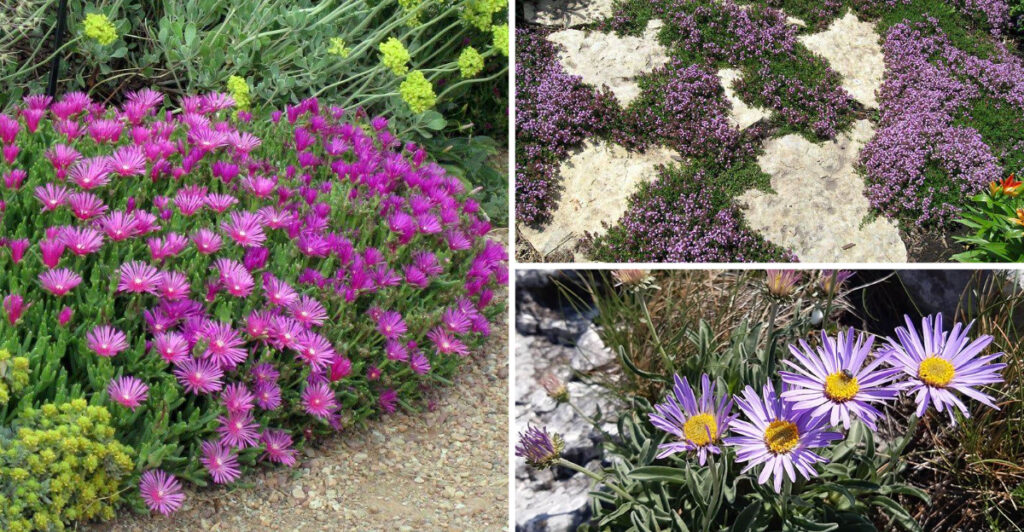
Rock gardens are a fantastic way to add texture and color to otherwise dull landscapes. These unique plants thrive in rocky, well-drained environments and often require minimal care. In this article, we’ll explore 23 exquisite plant varieties that bring vibrancy and charm to any rock garden.
1. Sedum
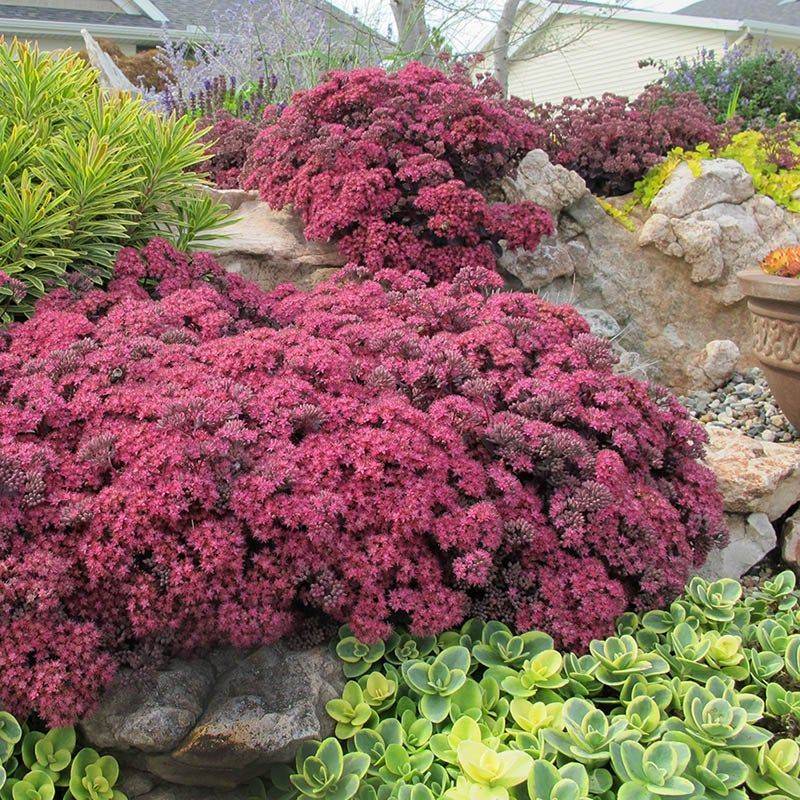
Sedums, or stonecrops, are resilient, low-growing succulents perfect for rock gardens. They come in a range of colors and sizes, fitting into any aesthetic. Sedum’s thick leaves store water, making them drought-tolerant and easy to maintain. Their star-shaped flowers attract pollinators, adding life to your garden.
These plants spread quickly, covering rocks with a carpet of color. Whether you choose the vibrant reds of Sedum spurium or the golden hues of Sedum acre, these plants transform rocky spaces into vibrant displays. With minimal care, sedums flourish, offering both beauty and resilience.
2. Thyme
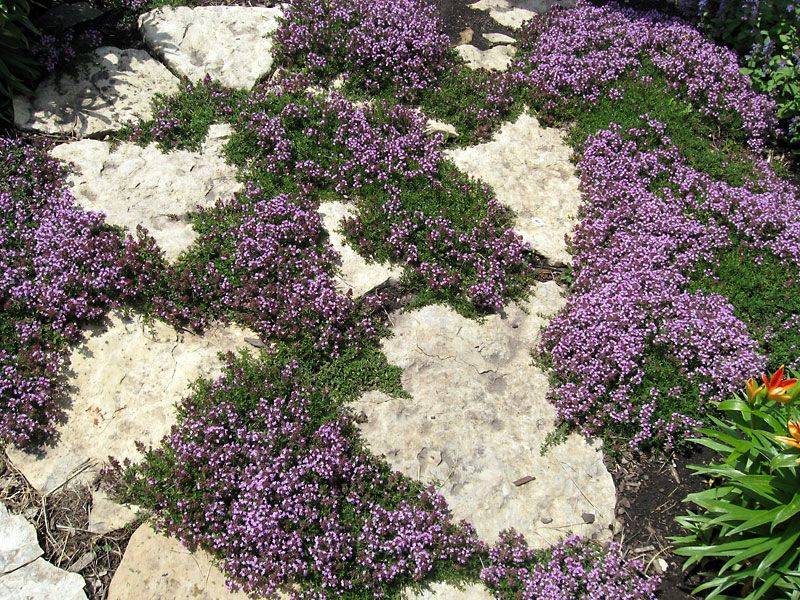
Thyme, a fragrant herb, is more than just a culinary delight. In rock gardens, it serves as a delightful ground cover, weaving between stones with its tiny aromatic leaves. Thyme’s delicate pink or purple flowers bloom in summer, creating a picturesque scene.
Hardy and drought-resistant, thyme thrives in well-drained soil and full sun. Its low-growing nature makes it perfect for filling gaps in rock gardens, adding both color and fragrance. Varieties like creeping thyme form lush mats, inviting you to enjoy their scent as you walk by. Perfect for adding sensory appeal to your garden.
3. Alpine Aster
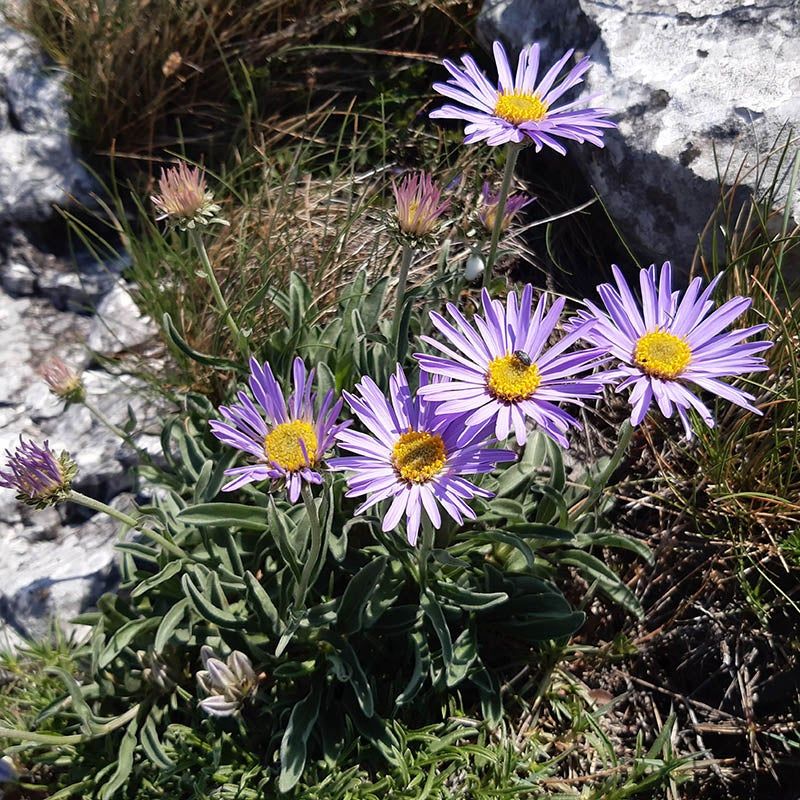
Alpine Aster brings a burst of color to rock gardens with its striking purple petals and sunny yellow centers. This hardy perennial thrives in rocky, well-drained soils, making it an ideal choice for high-altitude gardens. The plant’s compact size and sturdy nature allow it to withstand harsh conditions.
Blooming in late spring to early summer, Alpine Aster attracts butterflies, enhancing the garden’s allure. Its vibrant flowers create a cheerful display, contrasting beautifully with rugged stones. Whether in clusters or solitary, Alpine Asters add charm and elegance, turning rocky landscapes into vibrant spectacles.
4. Ice Plant
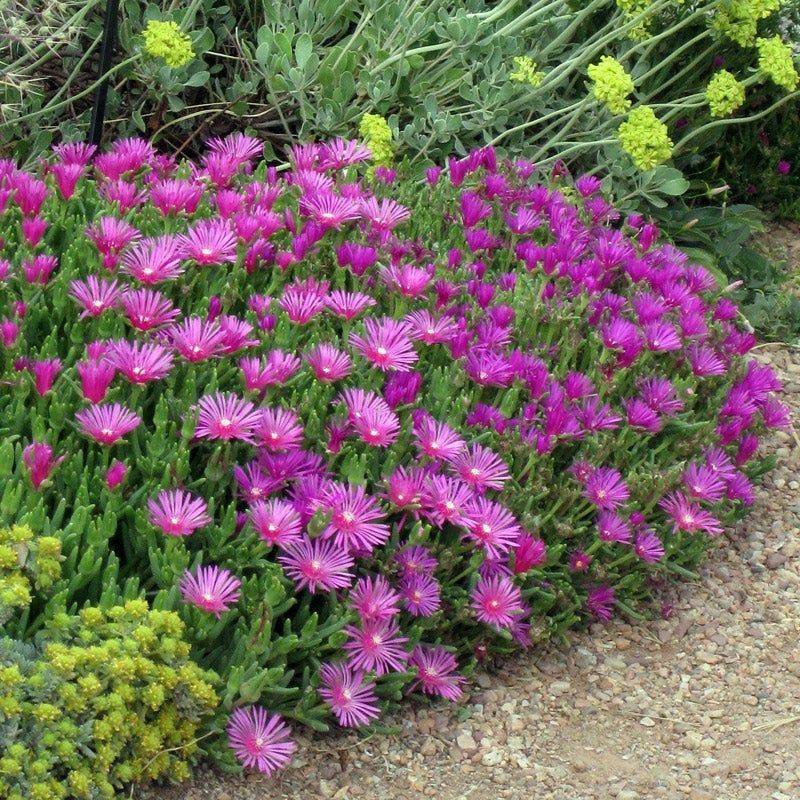
Ice Plant, known for its dazzling magenta blooms, is a standout in rock gardens. Its succulent leaves glisten as though coated with ice, a feature that gives the plant its name. This ground-covering perennial thrives in sunny, well-drained sites, requiring minimal water.
Its bright flowers open in the sunlight, creating a carpet of color across rocky surfaces. The Ice Plant’s ability to withstand drought makes it perfect for low-water gardens. As a perennial, it returns year after year, bringing consistent beauty and charm, making your rock garden an ever-blooming masterpiece.
5. Creeping Phlox
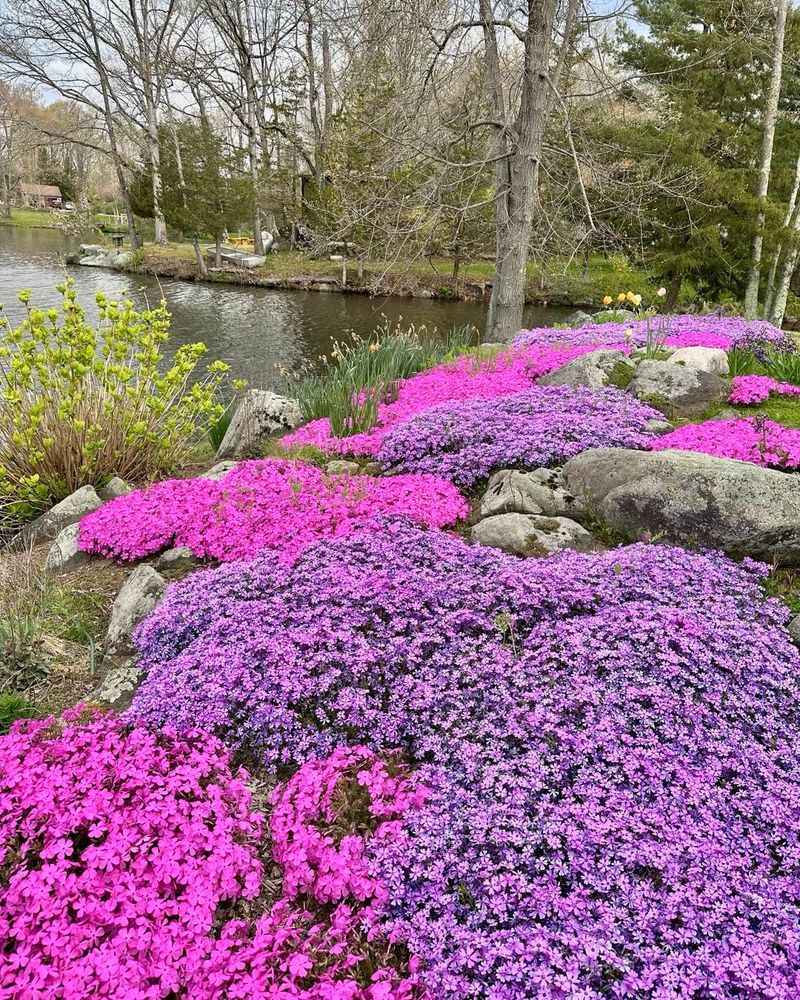
Creeping Phlox transforms rock gardens with its vibrant, dense mats of color. This perennial forms a lush carpet of purple, pink, or white flowers, cascading over rocks in early spring. Its evergreen foliage provides year-round interest, making it a garden favorite.
Thriving in full sun and well-drained soil, Creeping Phlox is both hardy and versatile. It’s perfect for filling crevices and softening the edges of rocks. As it spreads, it creates a continuous blanket of color, offering a delightful spectacle. Creeping Phlox is a show-stopper, bringing dynamic beauty to any rocky landscape.
6. Hens and Chicks
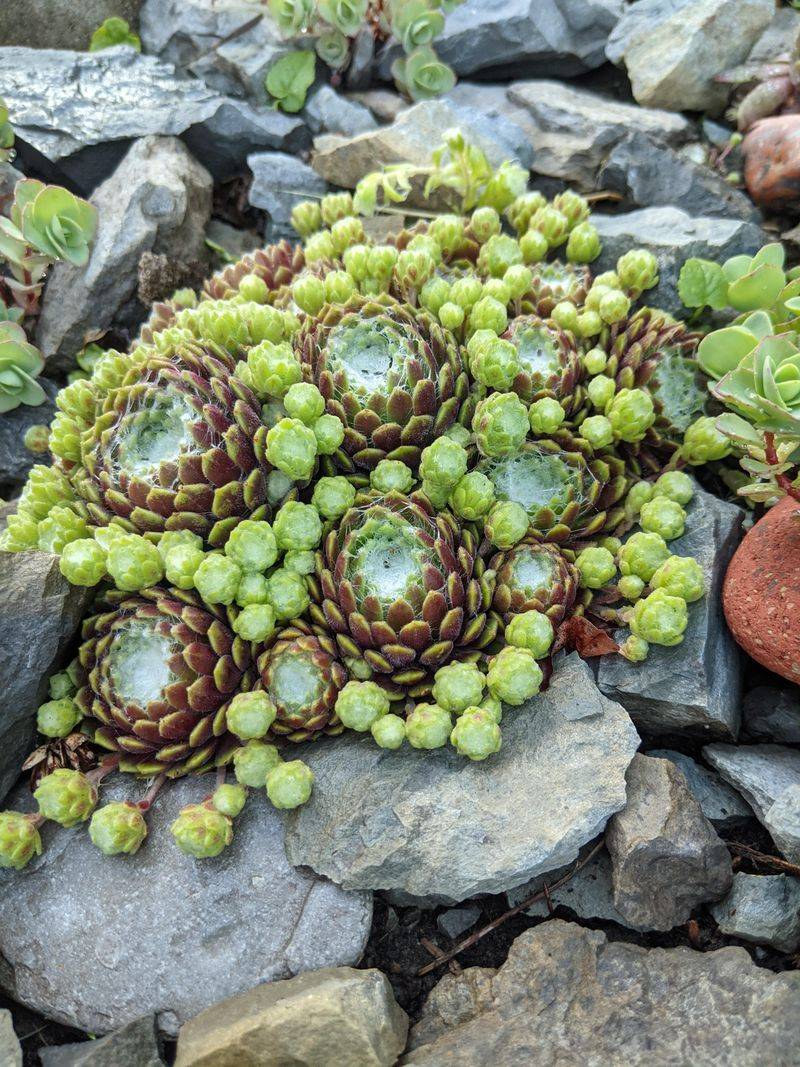
Hens and Chicks, with their charming rosette shapes, add intrigue to rock gardens. These succulents come in various colors, from green to deep red, often with pink tips. Their name comes from the “hen” parent plant and its “chicks” offsets that cluster around it.
Ideal for rock crevices, they require minimal care and thrive in well-drained soil. Their ability to survive in harsh conditions makes them perfect for beginners. As they multiply, they create a captivating display, offering texture and color. Hens and Chicks are both fascinating and resilient, perfect for enhancing rocky terrains.
7. Rock Cress
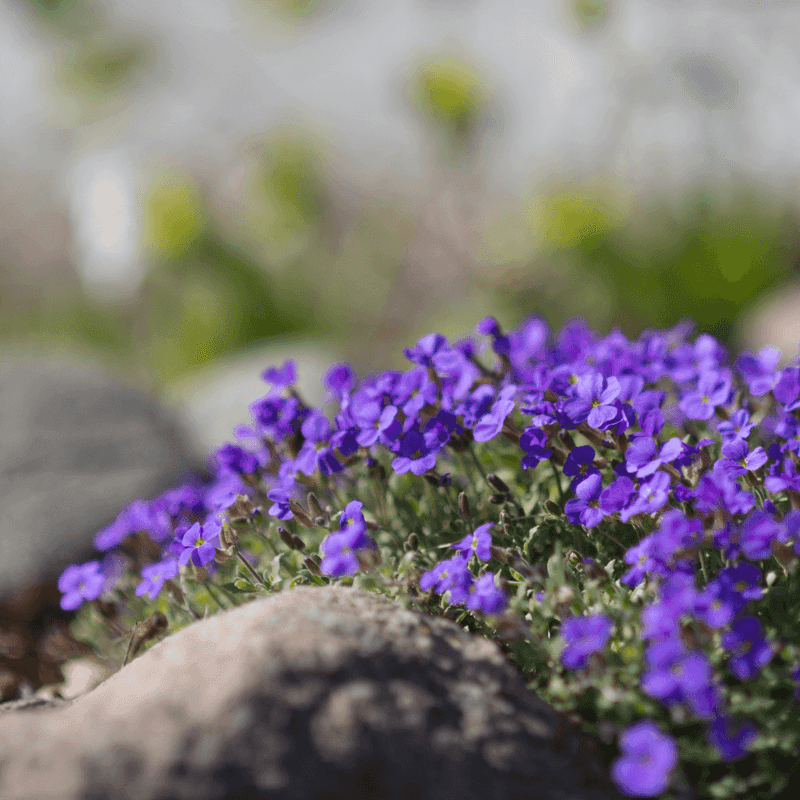
Rock Cress, known for its vibrant clusters of purple flowers, is a delightful addition to any rock garden. This evergreen perennial forms lush mounds that cascade over rocks, softening harsh edges. Its low-growing nature makes it ideal for filling gaps and crevices.
Thriving in well-drained soil, Rock Cress blooms in early spring, creating a carpet of color. Its hardiness allows it to withstand variable conditions, making it a reliable choice. As the flowers fade, the evergreen foliage maintains garden interest. Rock Cress is a perfect plant for adding color and texture to rocky landscapes.
8. Saxifrage
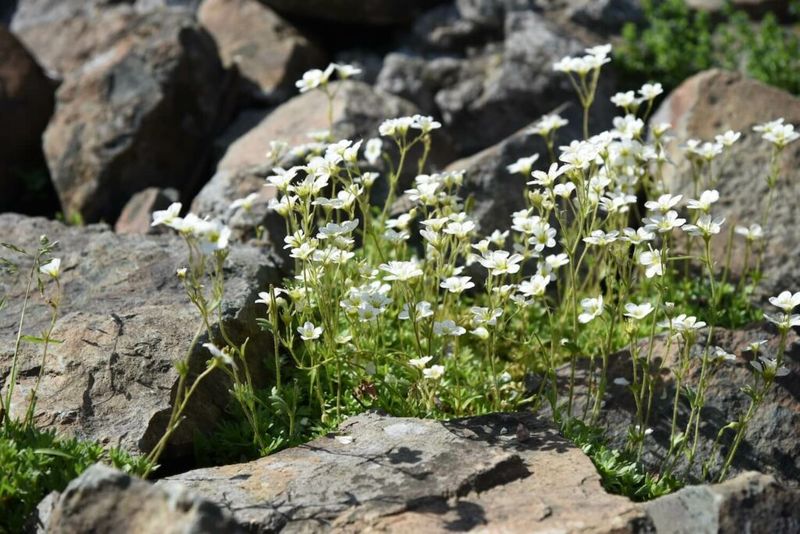
Saxifrage, with its delicate white flowers, brings elegance to rock gardens. Known for thriving in rocky environments, it clings to stones with ease. The plant’s lush green leaves provide a striking contrast to its petite blooms.
Saxifrage’s robust nature allows it to endure harsh conditions, making it a favorite for high-altitude gardens. Blooming in spring, it attracts pollinators, adding life to your garden. Its ability to thrive in crevices makes it ideal for rock gardens, offering both beauty and resilience. Saxifrage transforms rocky spaces into floral displays, creating a serene atmosphere.
9. Yarrow
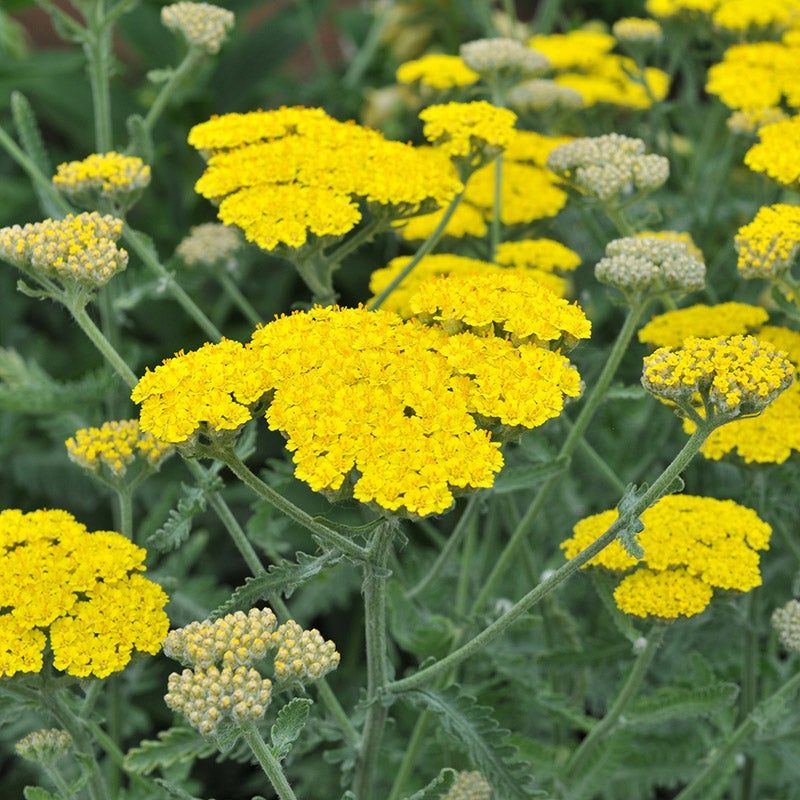
Yarrow, with its flat-topped clusters of bright yellow flowers, is a striking addition to rock gardens. This hardy perennial thrives in well-drained, rocky soils and full sun. Its feathery foliage adds texture, contrasting with its bold blooms.
Yarrow blooms from late spring to early fall, attracting bees and butterflies. Its drought tolerance makes it ideal for low-maintenance gardens. As it matures, it creates a sea of yellow, brightening up rocky landscapes. Yarrow’s medicinal history adds intrigue, as it has been used for centuries for its healing properties. It’s both beautiful and functional.
10. Ajuga
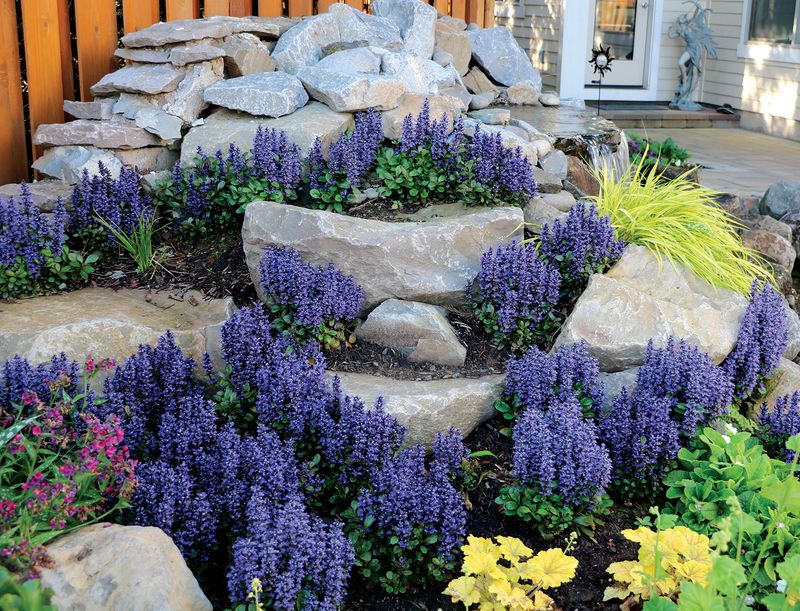
Ajuga, or Bugleweed, is a vibrant ground cover perfect for rock gardens. Known for its deep blue flower spikes, it adds a splash of color in late spring. The plant’s glossy, dark green leaves provide contrast, creating a visually appealing display.
Ajuga thrives in partial shade and well-drained soil, spreading quickly to fill gaps. Its low-growing nature makes it ideal for edging rocks and pathways. Aside from its beauty, Ajuga is also deer-resistant, making it an excellent choice for rural gardens. With its striking appearance and easy care, Ajuga transforms ordinary spaces into colorful retreats.
11. Sea Thrift
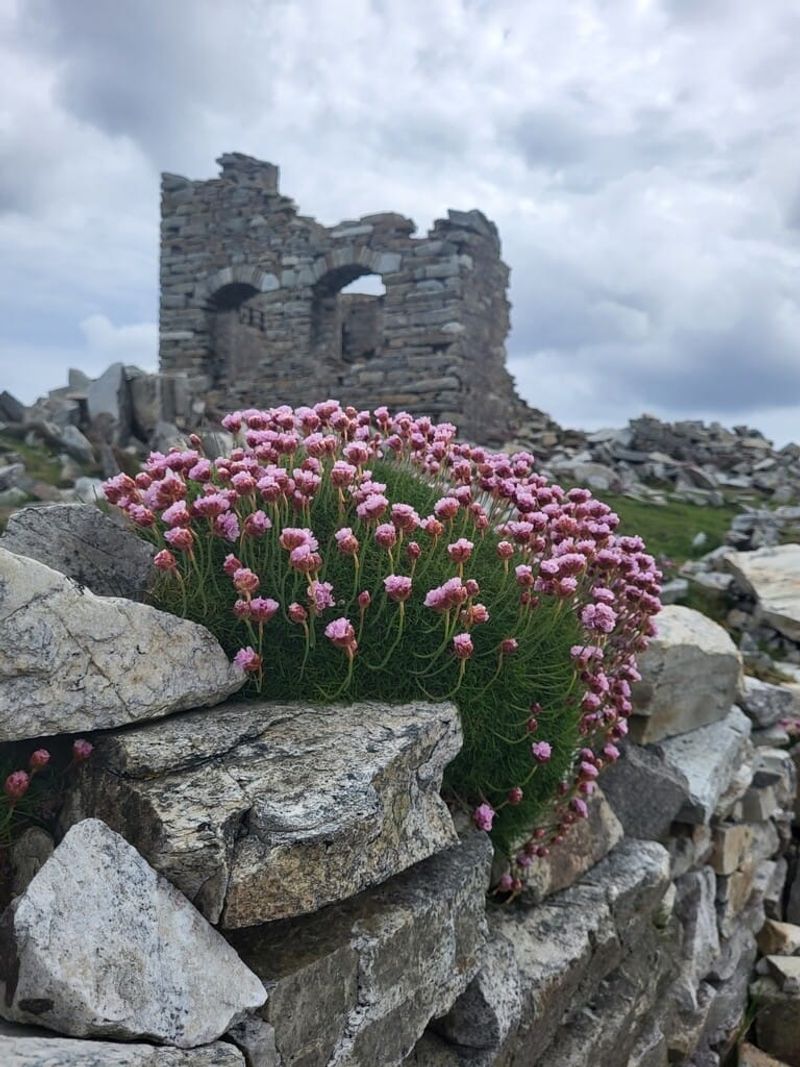
Sea Thrift, with its charming pink pom-pom flowers, adds whimsy to rock gardens. This coastal perennial thrives in rocky, well-drained soils, making it a natural fit for such environments. Its grass-like foliage forms neat clumps, adding texture and interest.
Blooming in late spring, Sea Thrift attracts pollinators, enhancing the garden’s vibrancy. Its salt tolerance makes it perfect for coastal gardens, yet it adapts well to inland conditions. As it thrives, it creates a sea of color, brightening up rocky landscapes. Sea Thrift is both delightful and versatile, bringing coastal charm to any garden.
12. Lavender
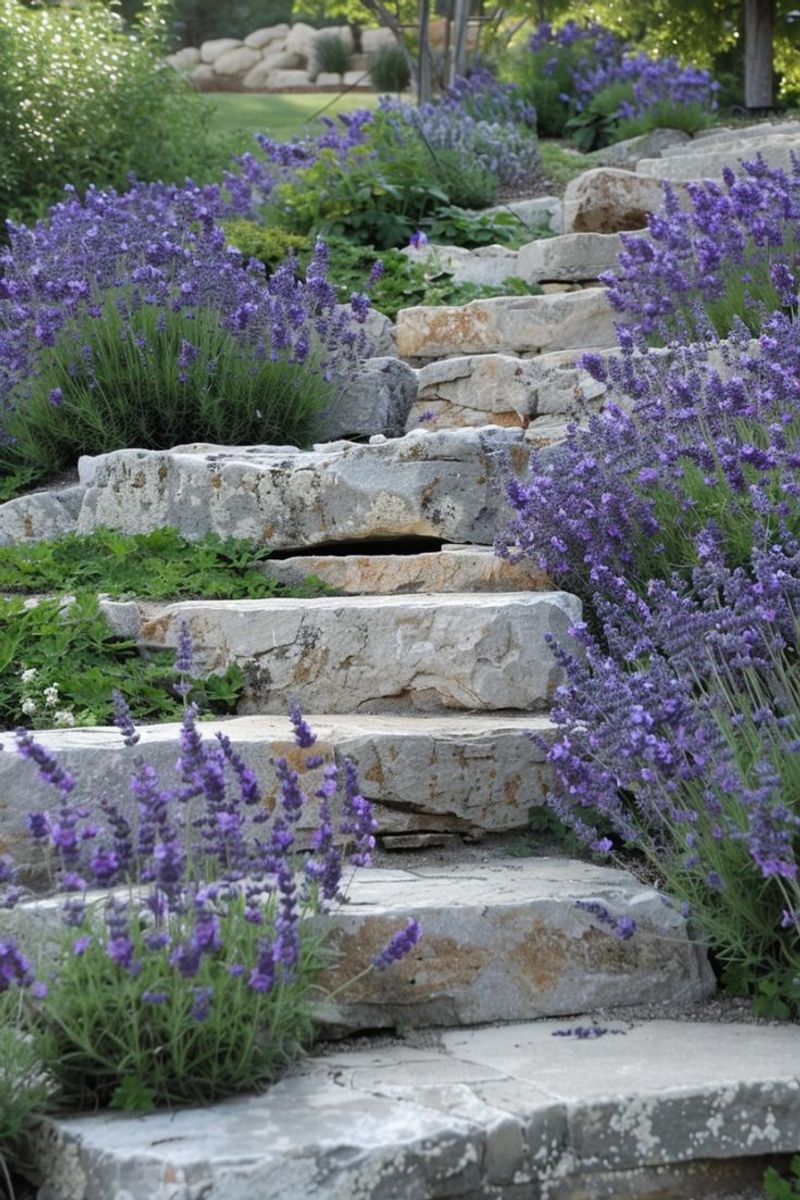
Lavender, with its fragrant purple spikes, brings a touch of elegance to rock gardens. Known for its calming scent, it thrives in sunny, well-drained areas, making it perfect for rocky settings. The plant’s silvery-green foliage adds a soft contrast to its vibrant blooms.
Blooming from late spring to summer, Lavender attracts bees and butterflies, promoting biodiversity. Its drought tolerance and low maintenance make it ideal for xeriscaping. Lavender’s versatility extends beyond beauty; its aromatic flowers can be harvested for oils and sachets. It’s a timeless choice for adding color, fragrance, and texture to rock gardens.
13. Snow-in-Summer
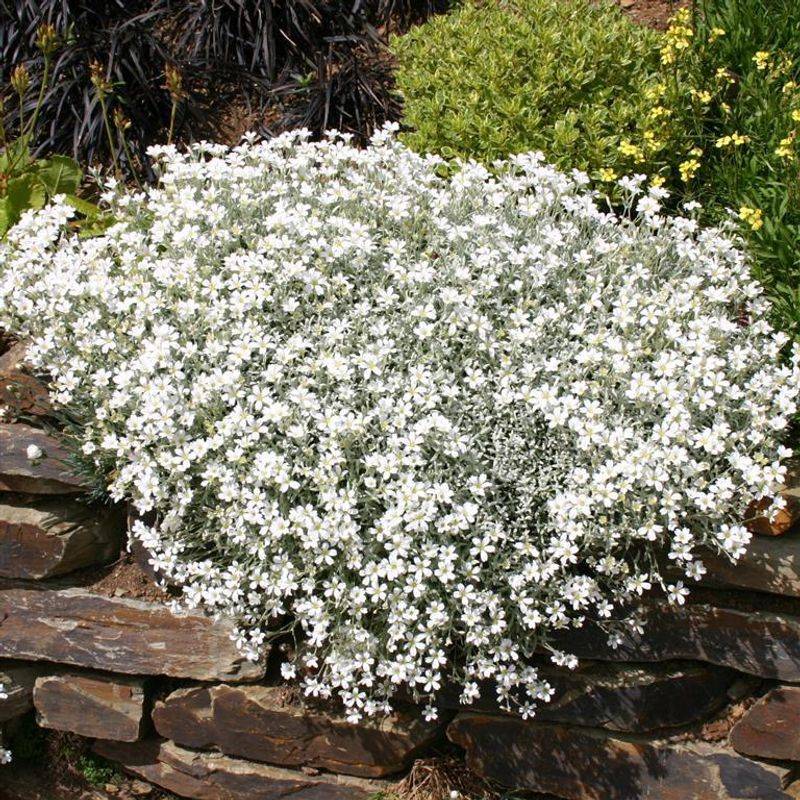
Snow-in-Summer, with its silvery foliage and white blooms, creates a frosted effect in rock gardens. This perennial is named for its profusion of flowers that bloom in early summer, covering the plant like a blanket of snow.
Thriving in well-drained, rocky soils, it forms a dense mat that spreads quickly. Its drought resistance and low-growing nature make it perfect for edging and filling gaps. Snow-in-Summer’s striking appearance provides contrast against darker stones, creating visual interest. It’s an excellent choice for brightening up rocky landscapes, offering both beauty and resilience.
14. Blue Fescue
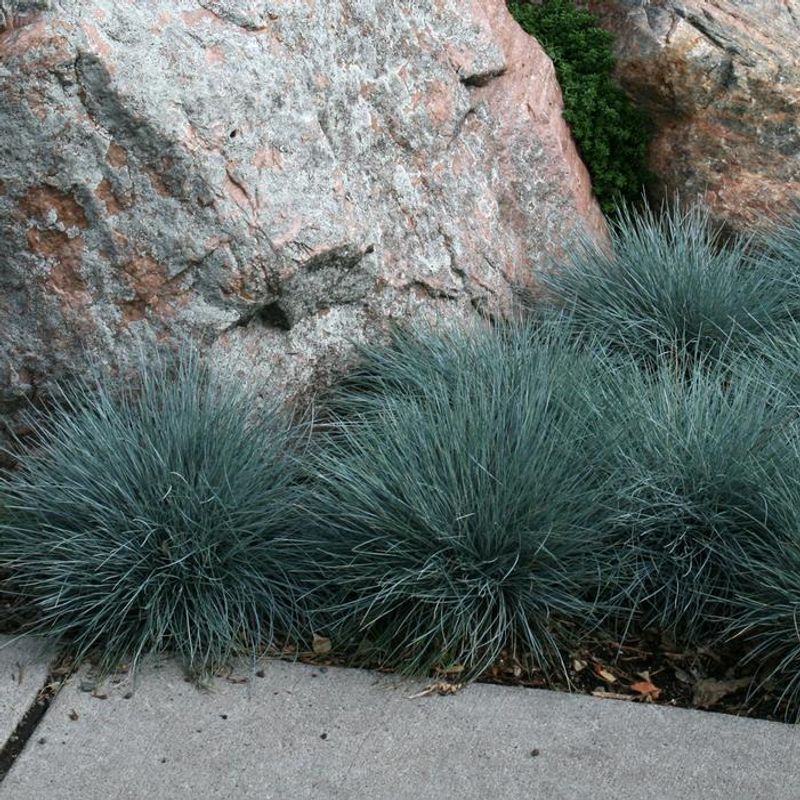
Blue Fescue, with its spiky blue-green foliage, adds texture and color to rock gardens. This ornamental grass forms neat clumps, providing structure and contrast to the softer lines of rocks and flowers.
Thriving in well-drained soils and full sun, Blue Fescue is both hardy and low-maintenance. Its striking color and unique form make it a standout feature. Blooming in early summer, its flower spikes add height and movement. Blue Fescue is perfect for adding architectural interest to gardens, offering a modern touch while blending seamlessly with natural elements.
15. Dianthus
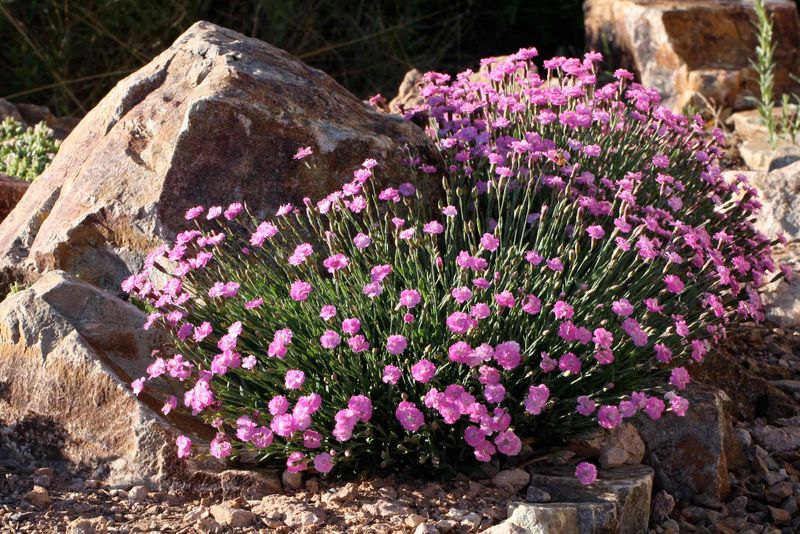
Dianthus, known for its fringed petals and spicy fragrance, adds a splash of color to rock gardens. This perennial blooms in shades of pink, red, and white, with grey-green foliage that complements rocky settings.
Thriving in well-drained soil and full sun, Dianthus is both hardy and low-maintenance. Its compact size makes it ideal for edging or filling crevices. Blooming from late spring to summer, it attracts pollinators, enhancing garden diversity. With its charming appearance and sweet scent, Dianthus is perfect for adding a cottage-garden feel to rocky landscapes.
16. Edelweiss
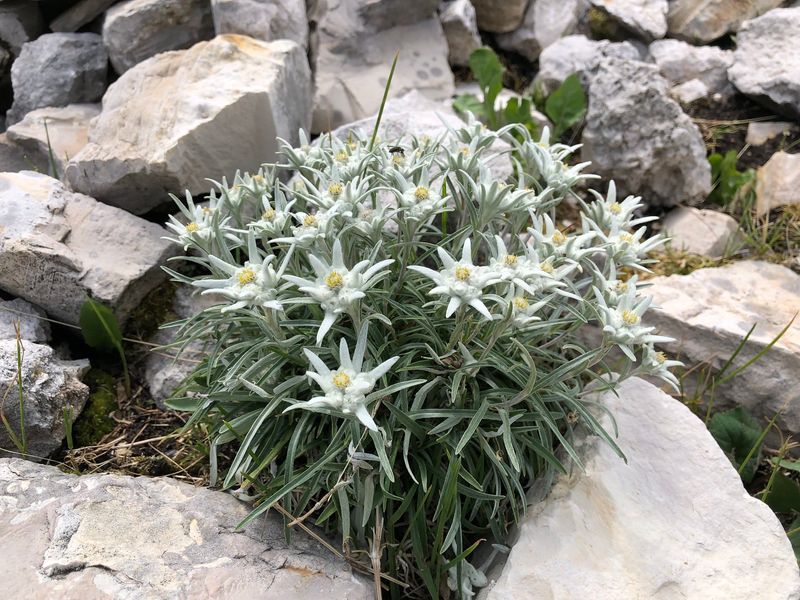
Edelweiss, famous for its star-shaped white flowers, brings alpine charm to rock gardens. Native to mountainous regions, it thrives in rocky, well-drained soils, making it an ideal choice for such settings.
The plant’s woolly leaves and unique blooms create a striking visual contrast. Blooming in late spring to early summer, Edelweiss adds a touch of the Alps to your garden. Its cultural symbolism and rarity make it a conversation piece. Edelweiss is not only visually captivating but also hardy, offering both aesthetic appeal and resilience in rocky landscapes.
17. Campanula
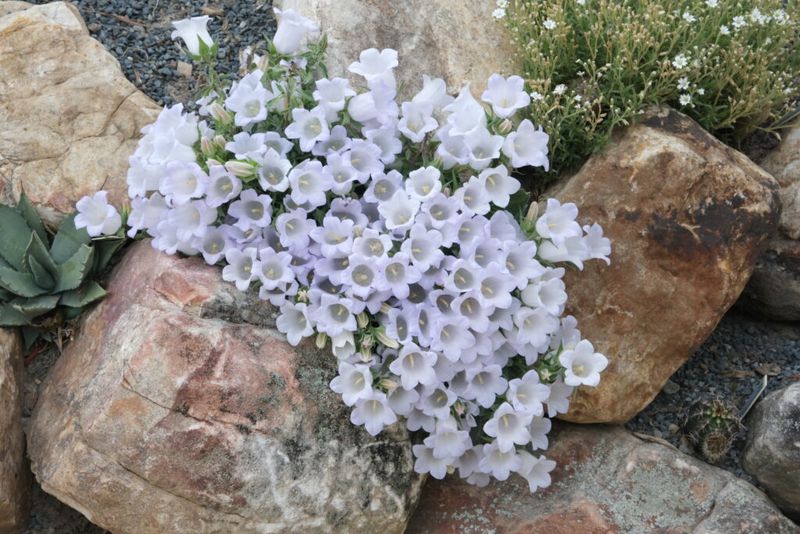
Campanula, or Bellflower, brings whimsical beauty to rock gardens with its bell-shaped blooms. These flowers come in shades of blue, purple, and white, cascading gracefully over rocks.
Thriving in well-drained soils and partial shade, Campanula is both charming and versatile. Blooming from late spring to summer, it attracts bees and butterflies, enhancing garden biodiversity. Its compact growth makes it ideal for filling gaps and softening edges. Campanula’s enchanting appearance and gentle allure make it a delightful addition, turning rocky spaces into floral havens.
18. Armeria
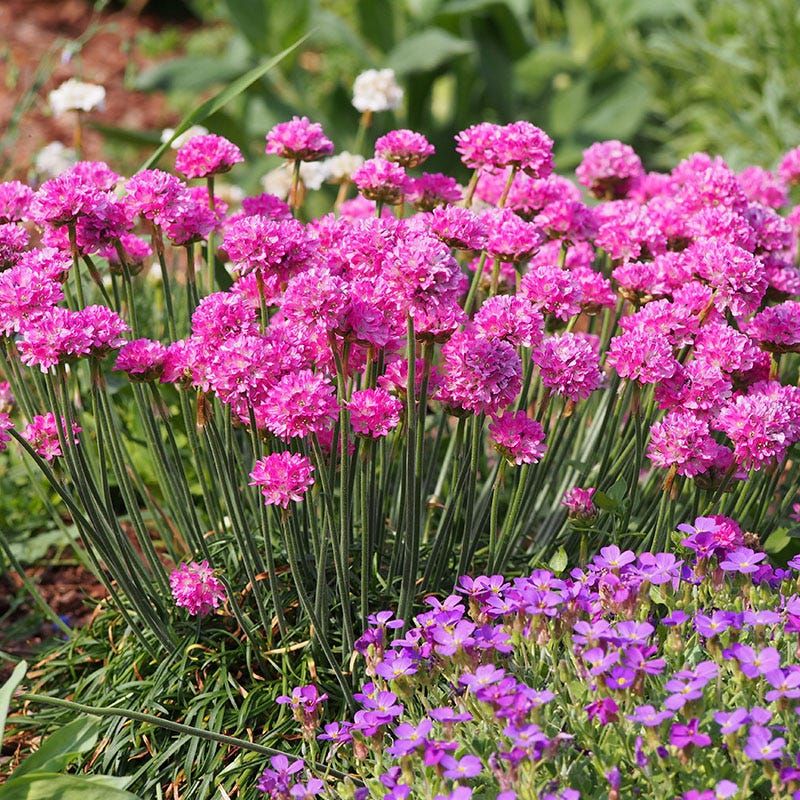
Armeria, also known as Sea Pink, adds a splash of color to rock gardens with its tufted foliage and pink flower clusters. This perennial thrives in well-drained, rocky soils, making it a natural choice for such environments.
Blooming in late spring, Armeria’s flowers rise on slender stems, creating an airy effect. Its salt tolerance suits coastal gardens, yet it adapts well inland. Armeria’s neat, clumping growth makes it ideal for edging paths or filling gaps. With its cheerful blooms and resilient nature, Armeria brightens up rocky landscapes, offering both beauty and versatility.
19. Golden Alyssum
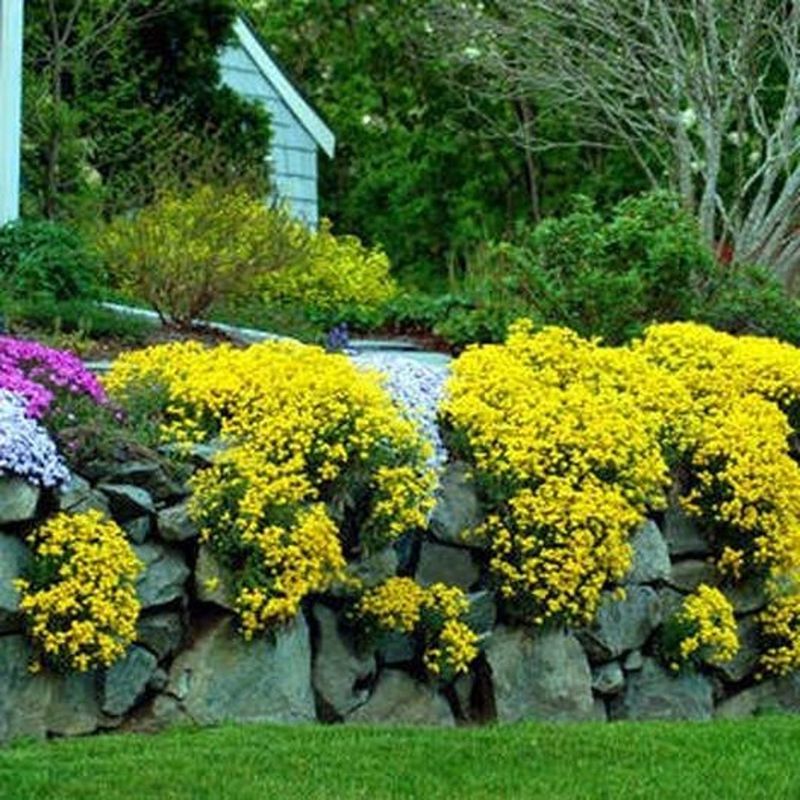
Golden Alyssum, with its clusters of bright yellow flowers, adds a sunny touch to rock gardens. This perennial blooms early in spring, creating a vibrant display that contrasts beautifully with grey stones.
Thriving in well-drained soils and full sun, Golden Alyssum is both hardy and low-maintenance. Its cascading habit makes it perfect for softening rocky edges. As it spreads, it forms a carpet of color, attracting pollinators and enhancing garden diversity. Golden Alyssum’s cheerful appearance and resilience make it a delightful choice for brightening up rocky landscapes.
20. Lewisias
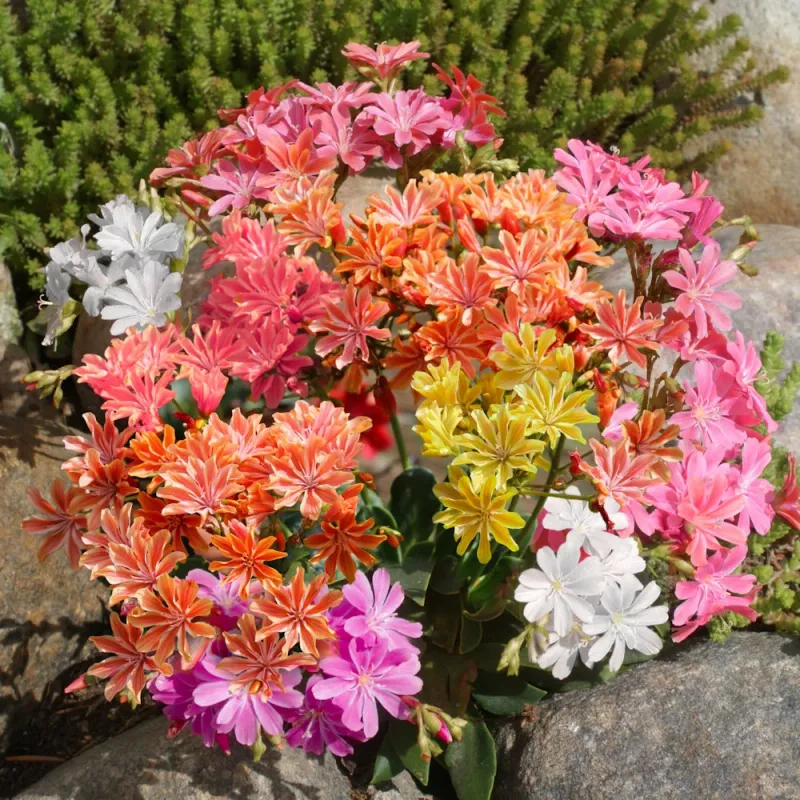
Lewisias, with their vibrant star-shaped flowers, bring charm to rock gardens. Known for their colorful blooms, these perennials are native to rocky environments, making them a perfect match for such settings.
Lewisias thrive in well-drained soils and full sun to partial shade. Blooming in spring, their flowers come in shades of pink, orange, and white, adding a splash of color. Their fleshy leaves store water, enhancing drought tolerance. Lewisias’ unique appearance and robust nature make them a standout feature, transforming rocky spaces into vibrant displays of floral beauty.
21. Aubrieta
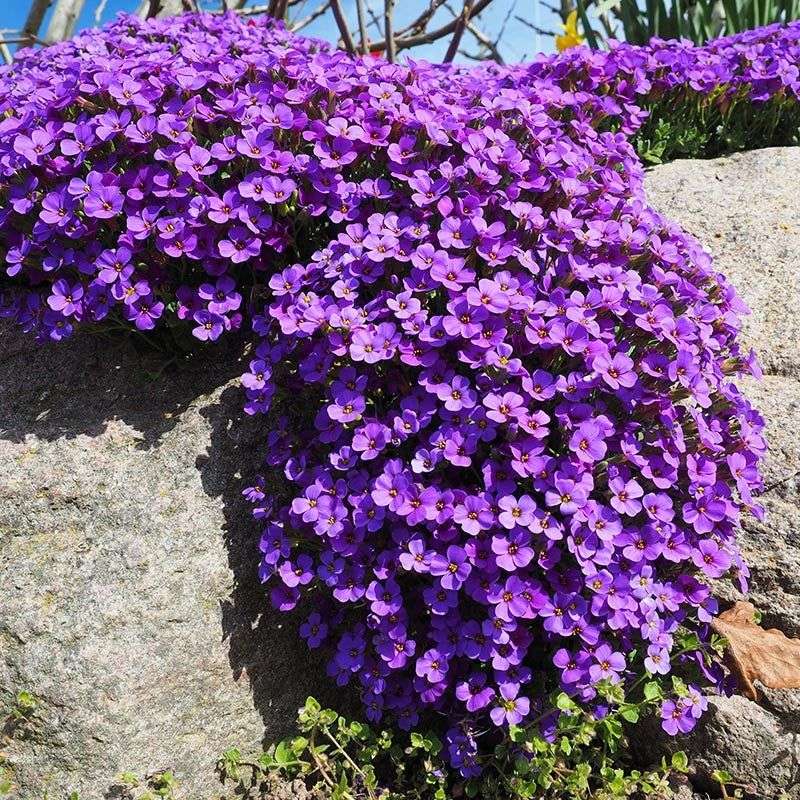
Aubrieta, with its cheerful purple blooms, is a favorite for rock gardens. Blooming in early spring, it creates a carpet of color that cascades over stones, enhancing the garden’s visual interest.
This perennial thrives in well-drained soils and full sun, offering both beauty and resilience. Its low-growing nature makes it ideal for filling gaps or edging paths. As Aubrieta spreads, it forms a lush mat, adding texture and vibrancy. Its striking appearance and easy care make it a perfect choice for brightening up rocky landscapes, providing continuous charm year after year.
22. Lewisia Cotyledon
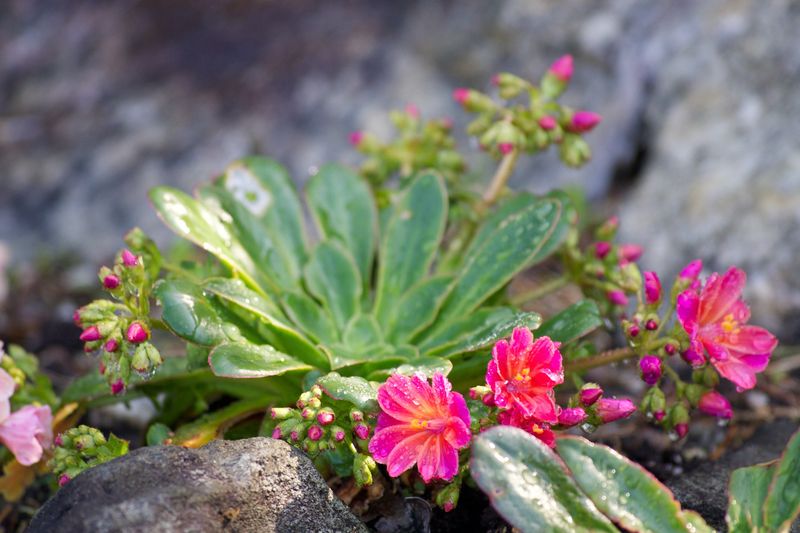
Lewisia Cotyledon, a jewel of the rock garden world, showcases a vibrant array of flowers amid its succulent leaves. Known for its dazzling colors, this plant thrives in rocky terrains, offering a visual feast. Its blossoms, in hues of pink, orange, and yellow, create a spectacle that captivates all who pass by.
These hardy plants require minimal care, making them perfect for both novice and experienced gardeners. Lewisia’s ability to withstand drought adds to its allure, ensuring its place in any garden. A true masterpiece, it effortlessly transforms spaces into enchanting retreats.
23. Dwarf Iris
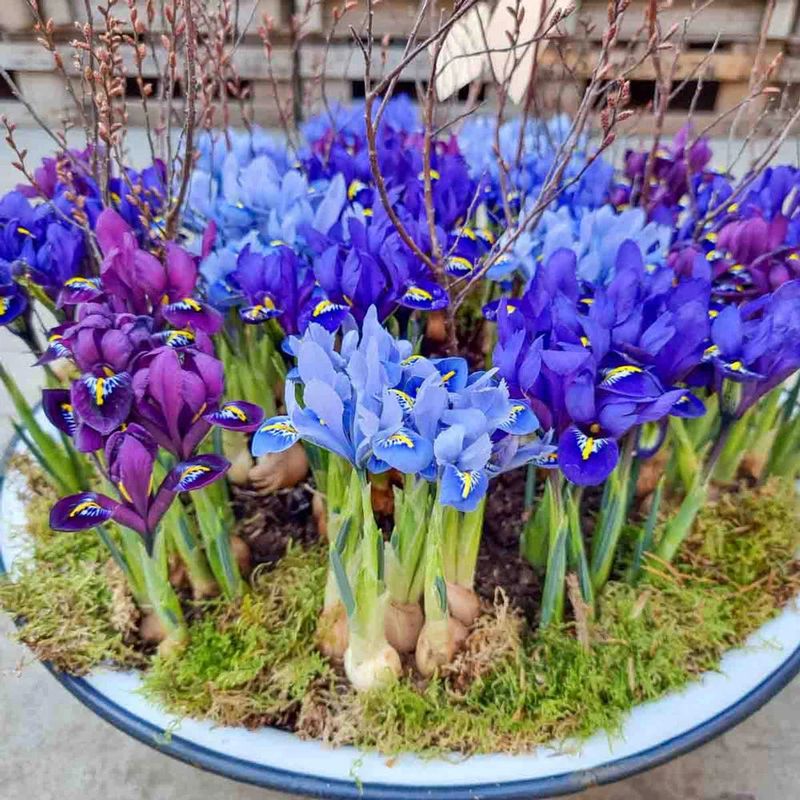
The Dwarf Iris, a petite yet striking addition to rock gardens, enchants with its rich hues. Blooming in shades of purple and blue, it adds a splash of color to rocky landscapes, catching the eye with its elegance.
Thriving in well-drained soil, this iris variety is both resilient and beautiful. Its slender leaves and intricate flowers make it a favorite among gardeners seeking to add depth and character. Ideal for compact spaces, the Dwarf Iris is a testament to nature’s artistry, transforming ordinary gardens into spectacular showcases.
A must-have for any rock garden enthusiast.