
Starting a vegetable garden can be both exciting and daunting for beginners. With so much to learn and consider, even the greenest thumb can feel overwhelmed. This blog post reveals 16 essential secrets that can make a world of difference for newbies, helping them cultivate a thriving garden from the ground up. From understanding soil composition to recognizing the importance of sunlight, these tips are designed to set up every beginner for success. Here’s what you need to know before planting your first seed.
1. Secret 1: Soil Composition
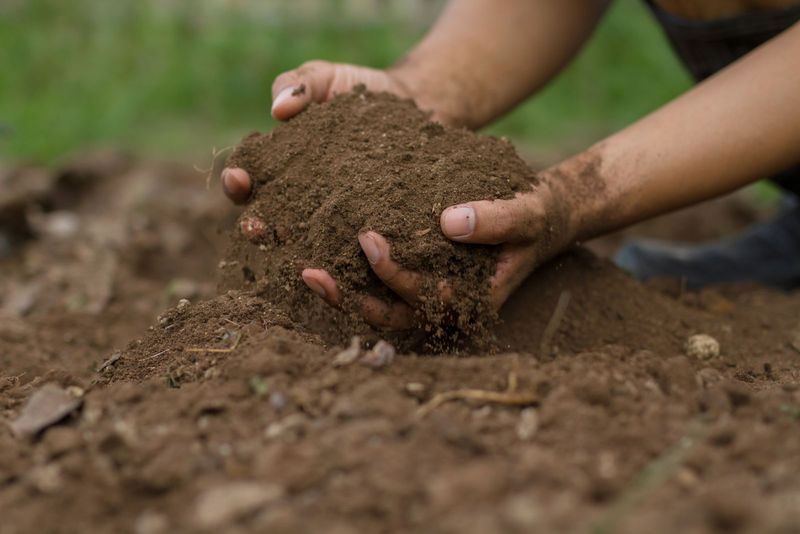
Did you know the foundation of a successful garden lies beneath your feet? Soil composition is crucial for plant health. Rich in organic matter, your soil should be teeming with life. A good balance of clay, silt, and sand helps retain moisture while ensuring proper drainage. Testing your soil pH can guide amendments to achieve the best nutrient availability. Consider adding compost or well-rotted manure to enrich the soil further. Many gardeners find joy in nurturing the earth, knowing it’s the secret to vibrant vegetables. Remember, healthy soil equals healthy plants. Invest in your soil for bountiful harvests.
2. Secret 2: Sunlight Needs
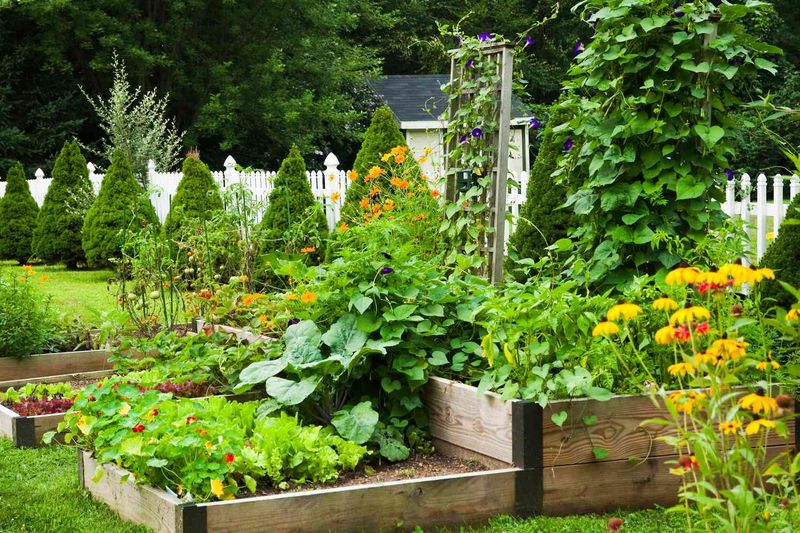
Not all vegetables bask in the sun, but many thrive in bright, direct light. Understanding your garden’s sunlight exposure is vital. Most vegetables need six to eight hours of full sunlight daily for optimal growth. Observing the sun’s path can help you position plants correctly. Some shade-tolerant veggies, like lettuce and spinach, prefer less intense light and can be planted in partially shaded areas. Balancing sun and shade ensures each plant gets its preferred environment. Harnessing sunlight effectively can be the difference between a thriving garden and a lackluster one.
3. Secret 3: Watering Techniques
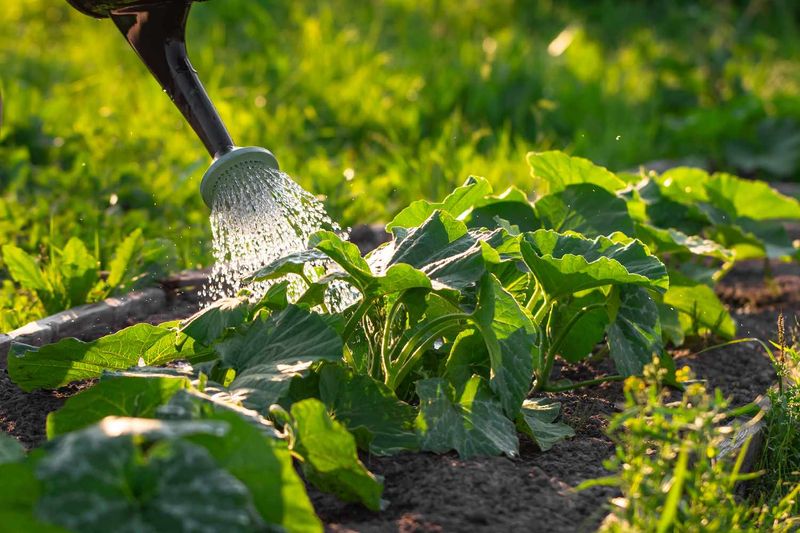
Watering is a dance of balance and timing. Overwatering can drown roots, while under-watering stresses plants. Learn the art of watering deeply and infrequently to encourage root growth. Early mornings are best for watering, reducing evaporation and allowing foliage to dry, preventing disease. Drip irrigation systems offer consistency and conserve water. Mulching around plants helps retain moisture and reduce weeds. Consider the weather; rainy days may require skipping watering. Observing plants for wilting or dry soil guides your watering schedule. Remember, mastering watering techniques fosters robust, resilient plants.
4. Secret 4: Companion Planting
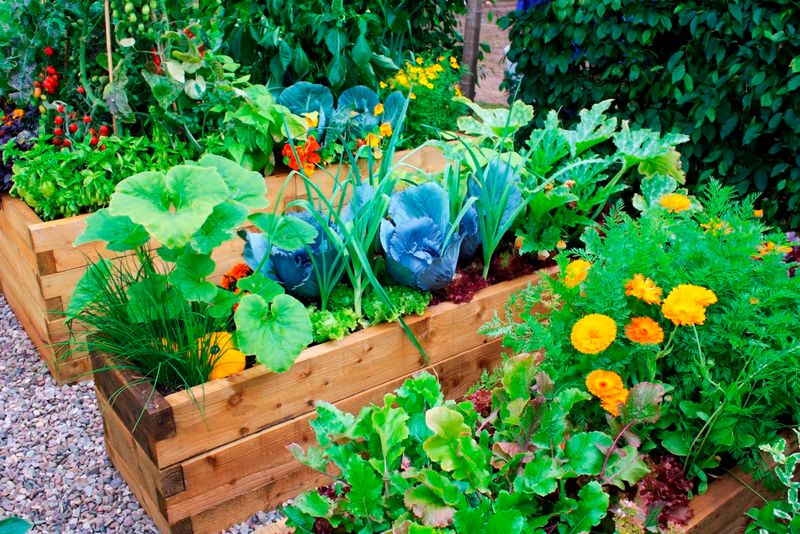
Companion planting is nature’s matchmaking. Certain plants thrive together, supporting each other’s growth. Marigolds deter pests, while beans fix nitrogen benefiting leafy greens. Basil enhances tomatoes’ flavor, and carrots and onions repel each other’s pests. Planning your garden layout with companion planting in mind can increase yields and reduce pest issues. Observing plant relationships and experimenting with combinations can reveal surprising benefits. This ancient practice transforms your garden into a harmonious ecosystem, where plants protect, nurture, and complement each other naturally.
5. Secret 5: Pest Management
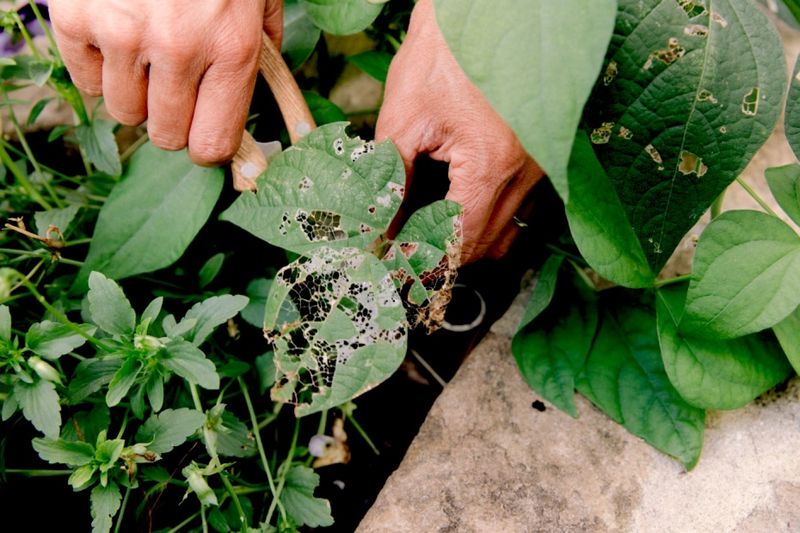
Every gardener’s nemesis is pests. Managing them naturally protects your garden and the environment. Begin with identifying common invaders like aphids or caterpillars. Use barriers, like row covers, to shield plants. Encourage beneficial insects, such as ladybugs and lacewings, for natural pest control. Homemade sprays, like neem oil or garlic, deter many pests. Regularly inspect leaves for signs of trouble and act promptly. Fostering biodiversity in the garden can balance pest populations. Embracing eco-friendly methods keeps your garden healthy and thriving.
6. Secret 6: Crop Rotation
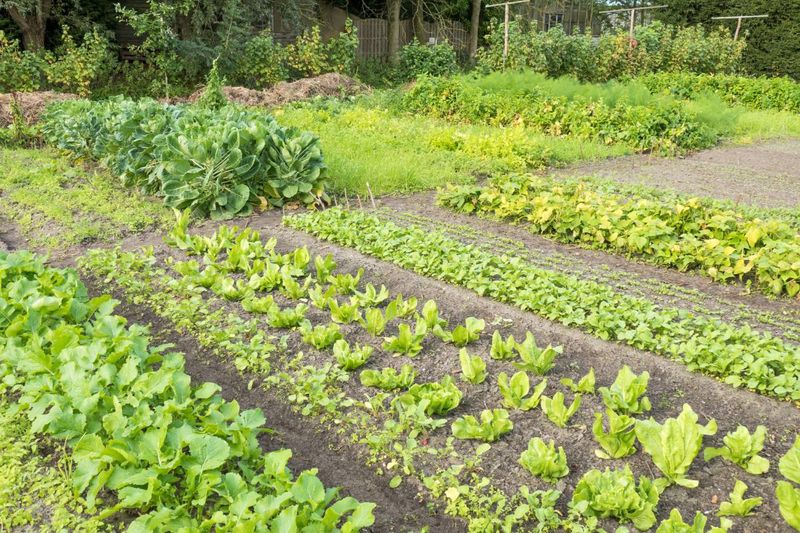
Crop rotation is the unsung hero of sustainable gardening. By changing plant locations yearly, you prevent disease build-up and nutrient depletion. Different families have varied nutrient needs and pest threats. Rotating them disrupts pest cycles and maintains soil health. Start by grouping plants into families, like nightshades or legumes, then plan yearly plots. This practice requires foresight but yields significant rewards. Healthy soil and vibrant crops result from thoughtful rotation. It also promotes biodiversity and reduces reliance on chemical aids. Commit to this age-old strategy for long-term garden success.
7. Secret 7: Mulching Benefits
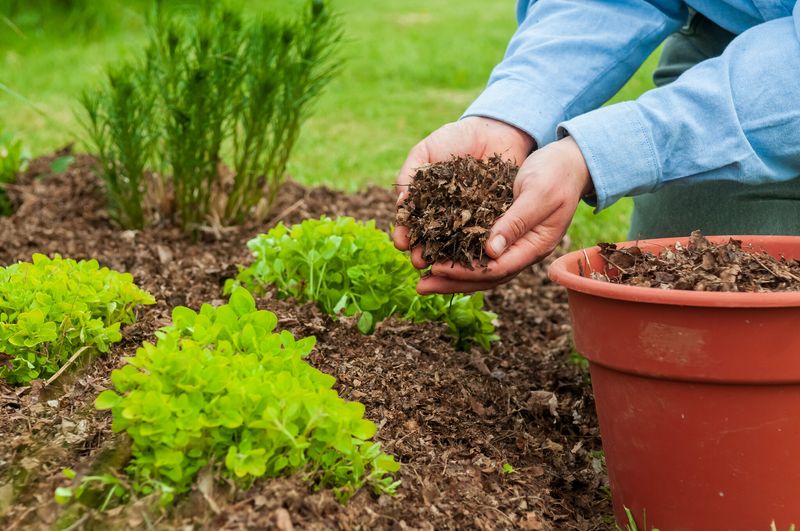
Mulching is a gardener’s best friend. A layer of organic material, like straw or wood chips, covers the soil, conserving moisture and suppressing weeds. It moderates soil temperature, preventing extremes that stress plants. As mulch breaks down, it enriches soil fertility. This simple practice reduces maintenance and enhances garden health. Mulching also deters soil-borne diseases by preventing splash-up during rain. Choose mulch wisely—organic options improve soil, while synthetic ones offer longer-lasting weed control. Every seasoned gardener swears by the transformative power of mulch for a reason.
8. Secret 8: Seed Selection
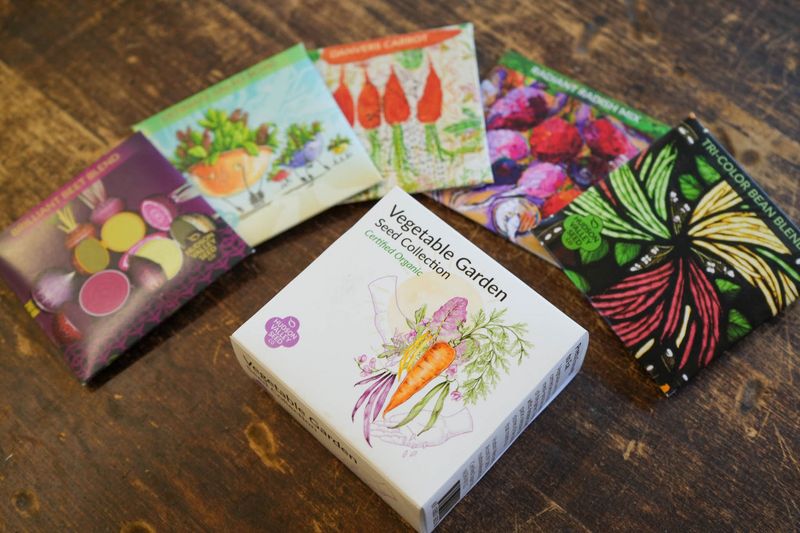
Choosing seeds is where your gardening journey begins. The debate between heirloom and hybrid seeds is common. Heirlooms offer rich history and flavor, while hybrids promise disease resistance and uniformity. Consider your climate and soil conditions when selecting varieties. Seed catalogs and local nurseries offer invaluable advice. Starting with high-quality seeds sets the stage for success. Experimenting with different types can lead to discovering new favorites. Each seed holds potential, waiting to unfold with your care. Sense of wonder accompanies the germination of seeds, marking the start of life in your garden.
9. Secret 9: Pruning Practices
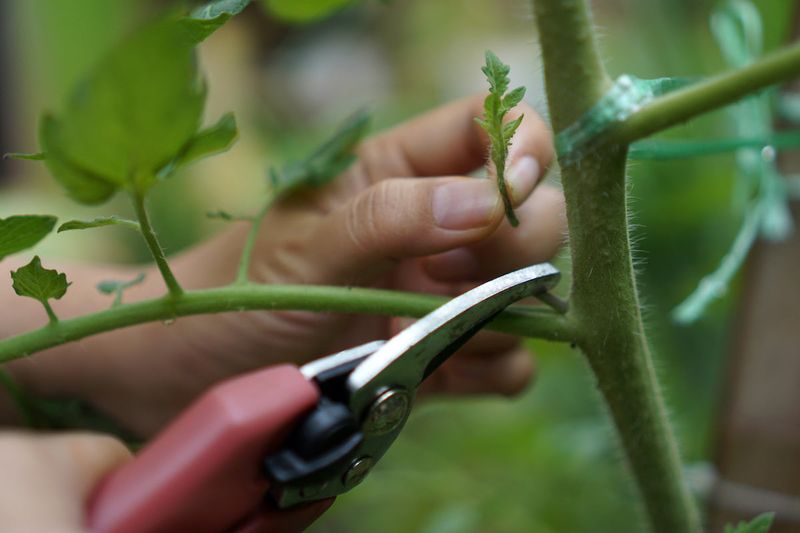
Pruning is an art that enhances plant vitality. Removing dead or overcrowded growth improves air circulation and sunlight penetration. Regular pruning encourages fruit production and prevents disease. Learn the specific needs of each plant; tomatoes benefit from sucker removal, while herbs thrive when pinched back. Pruning also shapes plants aesthetically. The right tools, like sharp shears, ensure clean cuts. Observing plant responses guides future pruning decisions. This practice fosters a healthy, productive garden, sculpted by your hands. Mastering pruning techniques elevates your gardening skills and yields more abundant harvests.
10. Secret 10: Harvest Timing
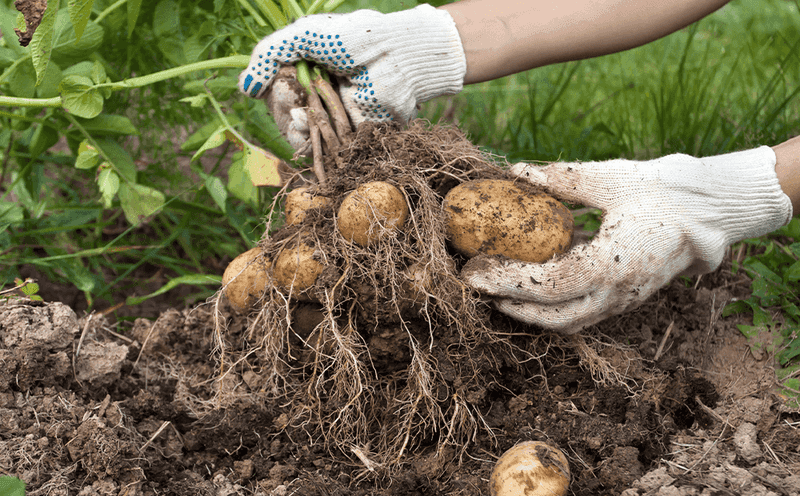
Timing is everything in gardening, especially during harvest. Picking vegetables at their peak ensures maximum flavor and nutrition. Each crop has telltale signs of readiness, like color changes or size benchmarks. Regularly checking plants prevents overripeness, which can attract pests. Some vegetables, like peas and beans, benefit from frequent picking, encouraging continuous production. Others, like tomatoes, ripen off the vine. Experience teaches the subtle cues of perfect harvest timing. Joy of harvesting your hard-earned produce is unparalleled, a testament to your patience and care. Celebrate each harvest as a garden victory.
11. Secret 11: Frost Protection
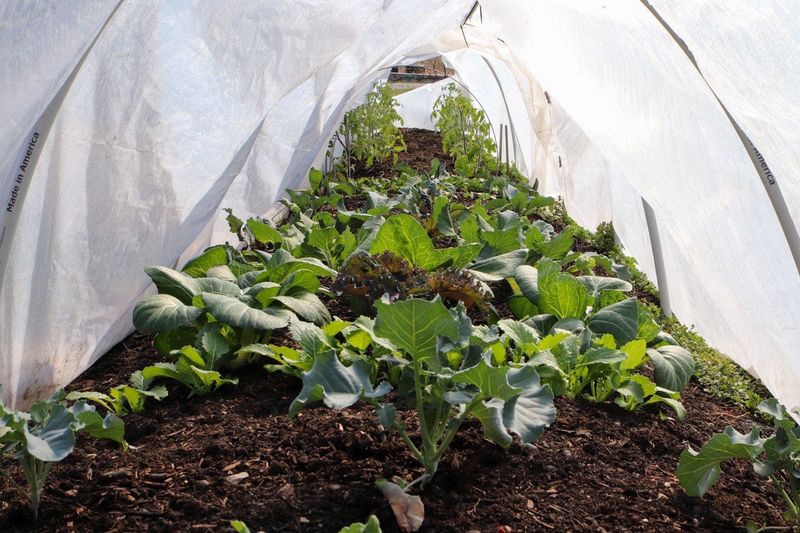
Frost can spell disaster for tender plants. Protecting them extends the growing season and saves crops. Frost blankets or row covers insulate plants, trapping warmth. Even makeshift solutions, like old sheets, can shield on chilly nights. Monitor weather forecasts to anticipate frost threats. Moving container plants indoors or using cloches offers additional protection. Frost-tolerant veggies, like kale, withstand colder conditions. Preparing your garden for frost shows foresight and adaptability. Transitioning plants safely through seasons ensures continuous gardening success. Prevent frost from nipping at your garden with simple, effective measures.
12. Secret 12: Pollinator Attraction
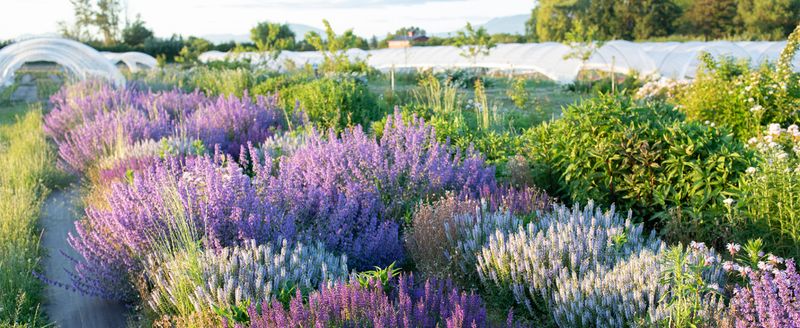
Pollinators are vital for bountiful harvests. Attracting them enhances fruit set and variety. Plant diverse flowers and herbs, like lavender and mint, to lure bees and butterflies. Avoid pesticides that harm beneficial insects. Providing water sources and habitats, such as bee hotels, encourages pollinator visits. Recognizing the link between flowers and vegetables enriches your garden experience. Observing pollinators at work is both educational and rewarding. A garden teeming with life signals a thriving ecosystem. Prioritizing pollinator-friendly practices fosters biodiversity and sustainable gardening. Embrace these tiny helpers for fruitful results.
13. Secret 13: Vertical Gardening
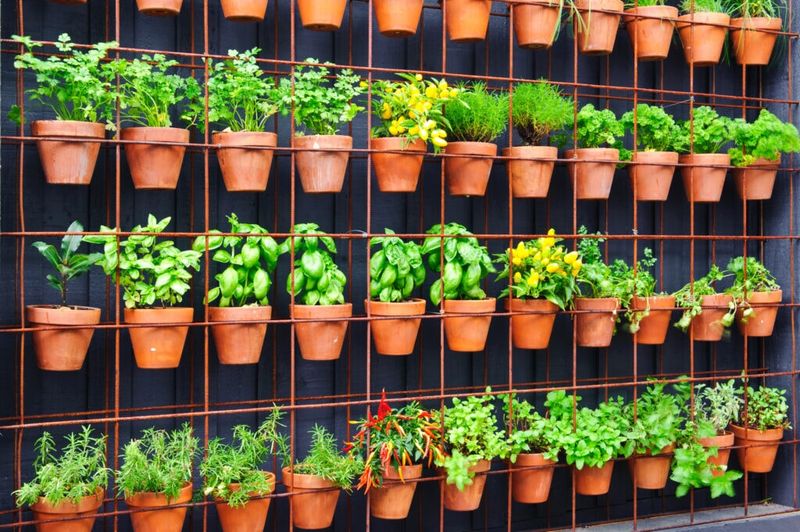
When space is limited, think vertically. Vertical gardening utilizes upward growth, optimizing small areas. Trellises and cages support climbing plants like cucumbers and beans, freeing up ground space. This method improves air circulation and access to sunlight. It’s ideal for urban gardeners with limited plots. Vertical setups can be creative, using walls or hanging containers. Experimenting with vertical growth expands your gardening possibilities. With vertical gardening, maximize yields in minimal space. The vertical approach is an inventive solution for space constraints, offering bountiful harvests and unique garden aesthetics.
14. Secret 14: Garden Planning
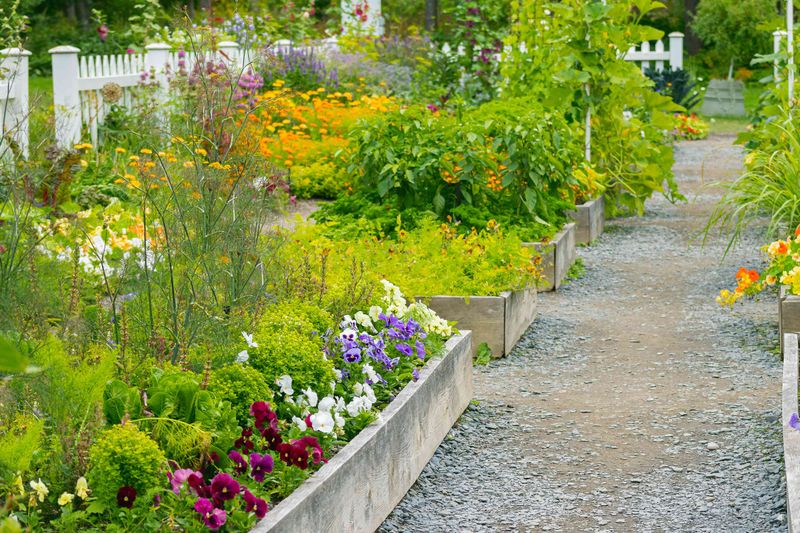
A well-laid plan is key to gardening success. Organizing your garden layout considers plant size, sunlight needs, and watering zones. Sketching a diagram guides planting choices and spacing. Thoughtful planning accommodates crop rotation and succession planting. This foresight reduces overcrowding and competition for resources. Adapting plans to seasonal changes and unexpected challenges showcases flexibility. A planned garden reflects vision and preparation. Investing time in planning pays off with a harmonious, efficient garden. Enjoy the benefits of a meticulously planned space that caters to each plant’s needs.
15. Secret 15: Succession Planting
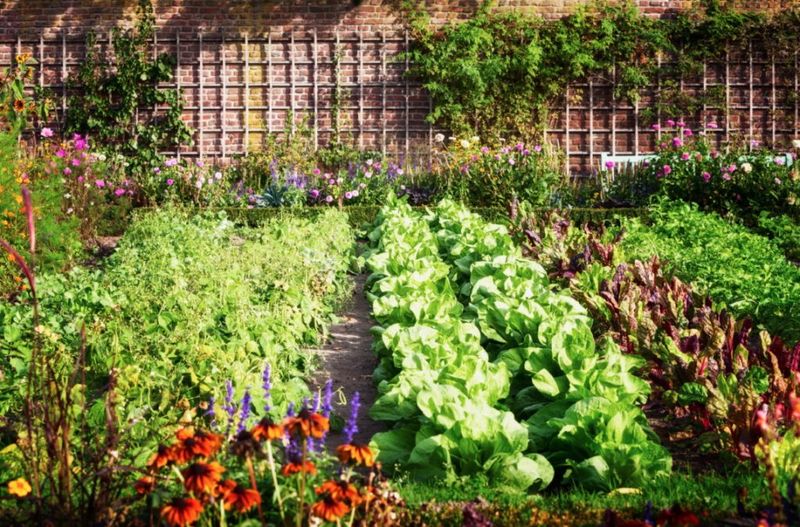
Succession planting ensures constant garden productivity. By staggering plantings, you enjoy fresh produce longer. Replacing harvested crops with new ones maximizes space and resources. This strategy works well with fast-growing vegetables like radishes and lettuce. Planning for succession planting requires timing and variety selection. It keeps the garden dynamic, with different crops always maturing. Trying new combinations and schedules can yield delightful surprises. Experience the satisfaction of an ever-producing garden, offering more than just seasonal bounty. Succession planting turns your garden into a perpetual source of nourishment.
16. Secret 16: Composting Basics
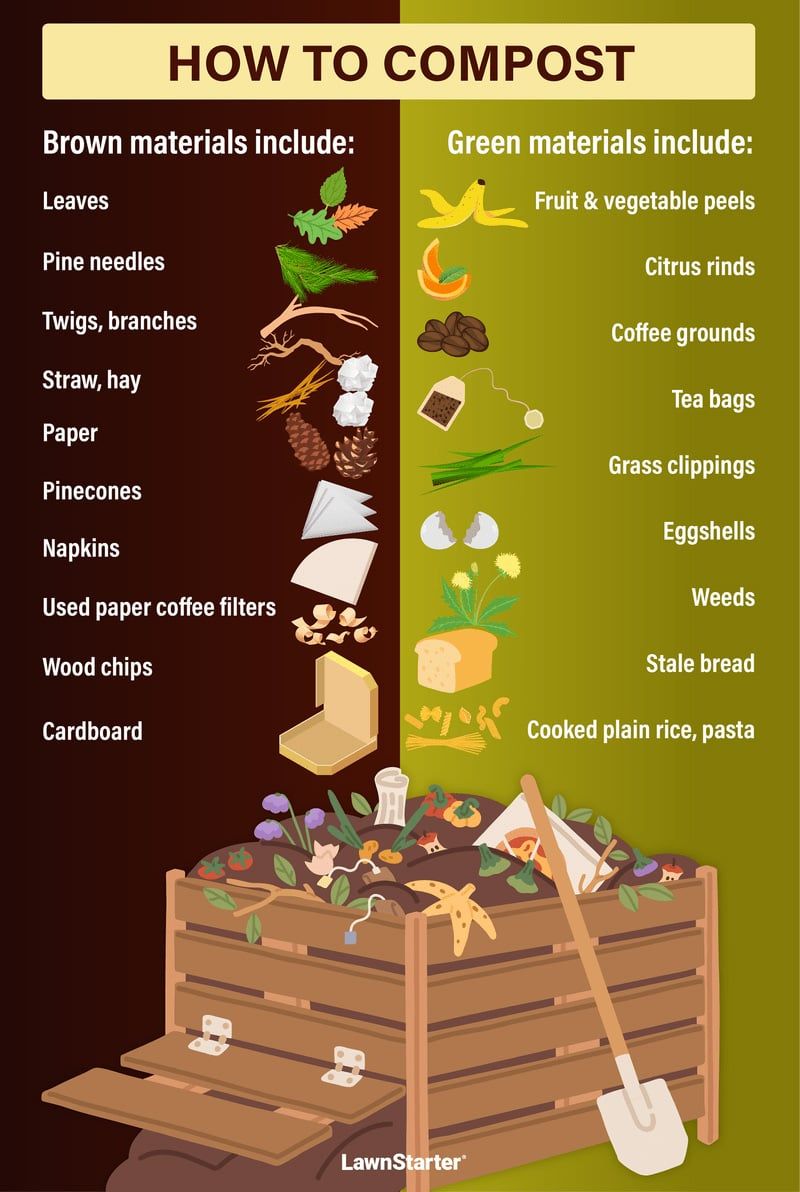
Composting is nature’s recycling process. Transforming kitchen scraps and garden waste into rich compost enhances soil fertility. Balancing green materials, like fruit peels, with brown ones, like leaves, creates effective compost. Regular turning aerates the pile, accelerating decomposition. Patience rewards you with dark, crumbly compost, ready to enrich your garden. Starting a compost pile requires minimal space and effort. It’s an eco-friendly practice that reduces waste and boosts plant health. Discover the joy of watching waste transform into a valuable garden resource. Composting embodies the cycle of life and renewal.