 Complete Gardening
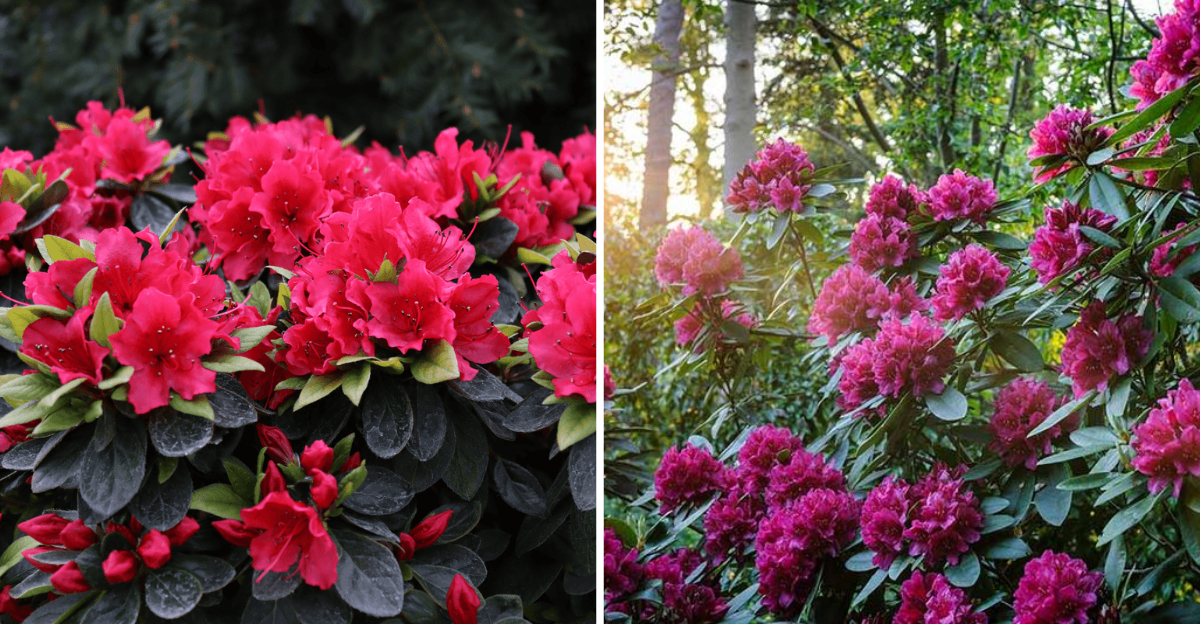
Transform your garden with these captivating blooming shrubs. While most of them bring beauty and life to your yard, beware of a few that might secretly damage the soil. Explore the variety and charm they offer, but choose wisely to ensure a thriving garden.
1. Hydrangea
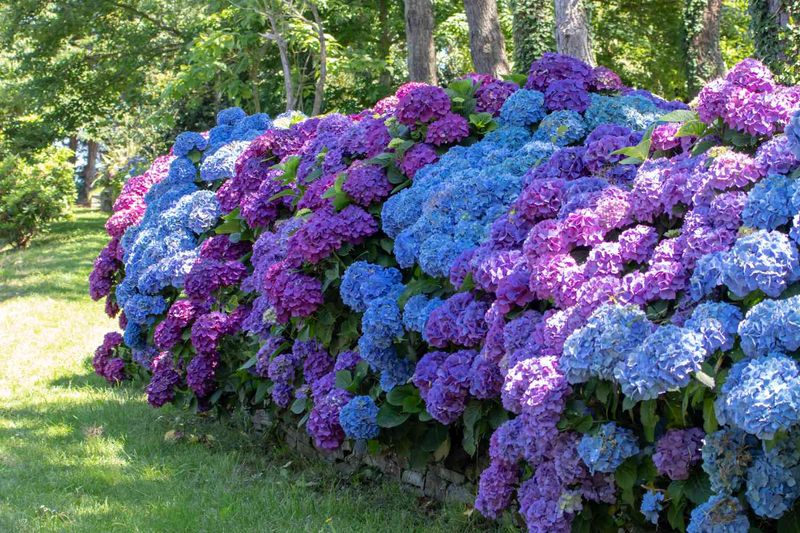
Hydrangeas, with their expansive blooms, bring an aura of elegance to any garden. Their ability to change color based on soil pH adds a touch of magic, making them a gardener’s delight. Imagine a border lined with these beauties, transitioning from a soft blue to a vivid pink.
Plant them in well-draining soil for the best results. However, be cautious with the water; too much can lead to root rot. Did you know? Hydrangeas were first cultivated in Japan and have been adored globally for centuries. These shrubs symbolize gratitude and heartfelt emotions.
2. Lilac
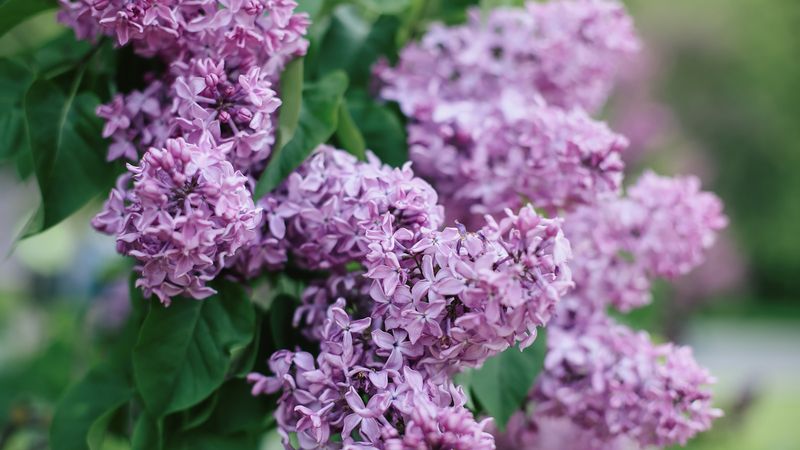
Lilacs, heralds of spring, fill the air with their sweet perfume and provide a nostalgic charm. Their beautiful clusters of purple flowers make them the centerpiece of any garden. Standing tall and proud, they invite you to take a moment and inhale their delightful scent.
These shrubs thrive in well-drained soil and full sunlight. They can grow quite large, so ensure they have room to spread. Historically, lilacs have been celebrated in poems and paintings, symbolizing love and renewal. With minimal care, they offer years of joy and beauty.
3. Forsythia
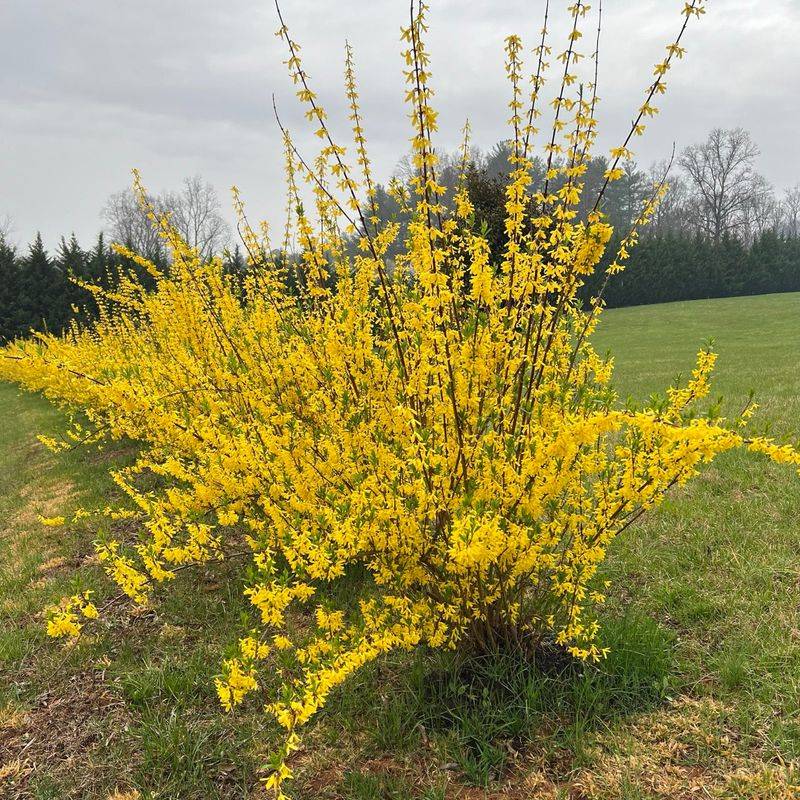
Forsythia bursts into golden bloom, signaling the arrival of warmer days. Its cheerful yellow flowers appear before the leaves, offering a dramatic display. Often used for hedging, they create a visual spectacle when in full bloom.
Plant them in well-drained soil with ample sunlight for a stunning effect. Forsythia is fast-growing and easy to maintain, making it a favorite among gardeners. Originating from Asia, these shrubs are a testament to resilience and hope. Their vibrant color is a perfect antidote to the winter blues.
4. Azalea
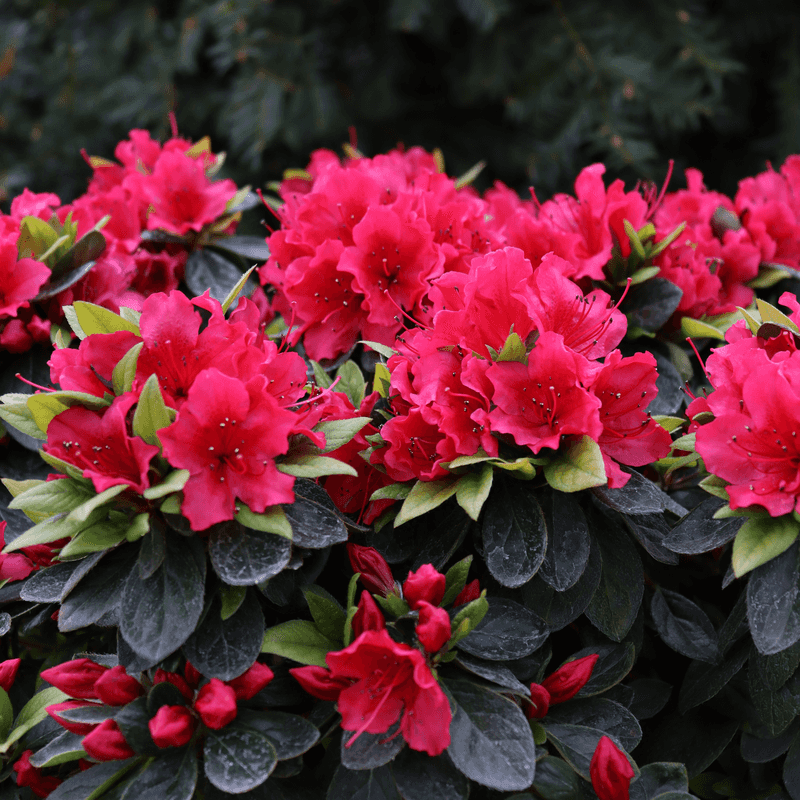
Azaleas, with their stunning blooms, are a garden favorite, painting landscapes with vibrant colors. Their blossoms range from soft pinks to fiery reds, creating a mesmerizing contrast against their dark green leaves.
These shrubs prefer acidic, well-draining soil and a partly shaded environment. Regular pruning ensures they keep a tidy shape. Azaleas have a rich history in Japanese culture, often featured in traditional gardens. Their beauty is celebrated every spring in festivals worldwide, symbolizing passion and abundance.
5. Rhododendron
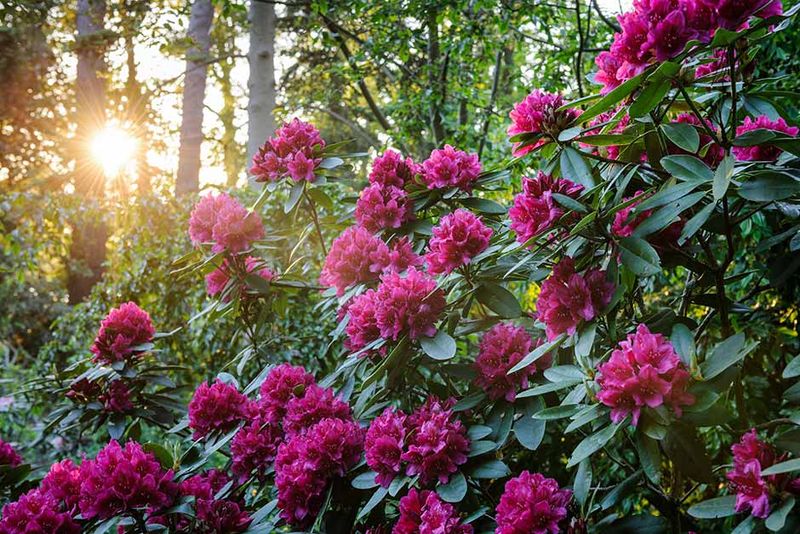
Rhododendrons are majestic shrubs that turn any landscape into a floral paradise. Their large clusters of blooms range from white to deep purple, adding layers of color to gardens. Known for their glossy foliage, they are perfect for creating a lush, green backdrop.
They thrive in acidic, well-drained soils and benefit from dappled sunlight. These shrubs are a staple in temperate regions, beloved for their hardiness and beauty. Rhododendrons were first discovered in the Himalayas, where they grow in abundance, representing strength and adaptability.
6. Camellia
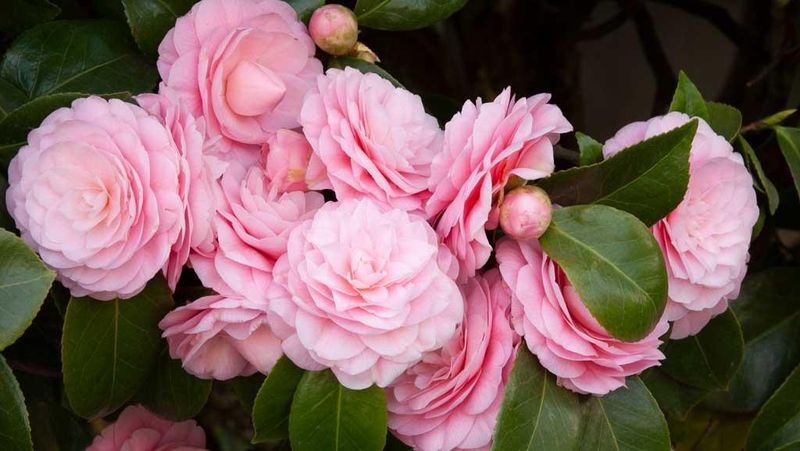
Camellias are the epitome of elegance, gracing gardens with their glossy leaves and rose-like flowers. Their blooms, in shades of pink and white, are a sight to behold in the cooler months. These shrubs offer year-round interest with their evergreen foliage.
They prefer acidic, well-drained soils and a partially shaded spot. Camellias have a rich history in Asian cultures, symbolizing love and admiration. With proper care, they can live for decades, becoming a garden heirloom. Their beauty and grace continue to inspire poets and artists alike.
7. Gardenia
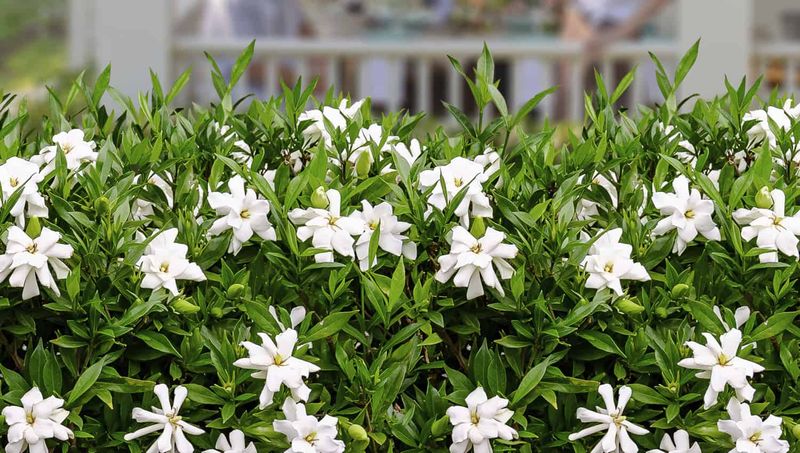
Gardenias are renowned for their intoxicating fragrance and pristine white blooms. These shrubs are a symbol of purity and sweetness, often used in weddings and celebrations. Their glossy, dark green leaves provide a striking contrast to the delicate flowers.
They thrive in rich, well-drained soils and require a sunny, sheltered position. Gardenias have a storied past, cherished in perfumery and as ornamental plants. While they require some care, their heavenly scent and beauty are worth the effort. Gardenias bring a touch of luxury and romance to any garden.
8. Rose of Sharon
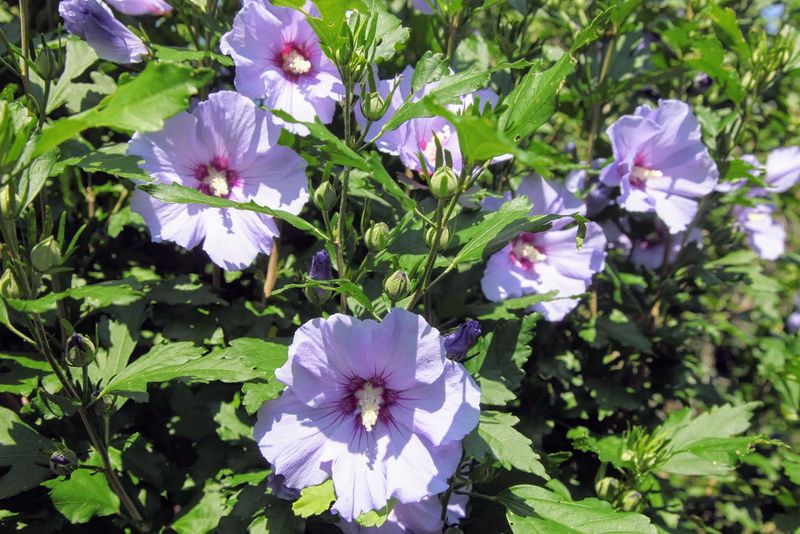
The Rose of Sharon, with its large, showy blooms, brings a touch of the tropics to temperate gardens. Its flowers, in shades of purple and white, attract pollinators like bees and butterflies. These shrubs are adaptable, thriving in a variety of soil types.
They prefer full sun and can tolerate drought once established. The Rose of Sharon is not only beautiful but also symbolizes healing and protection. Its hardy nature makes it a wonderful addition to any garden, providing color and life through the summer months.
9. Hibiscus
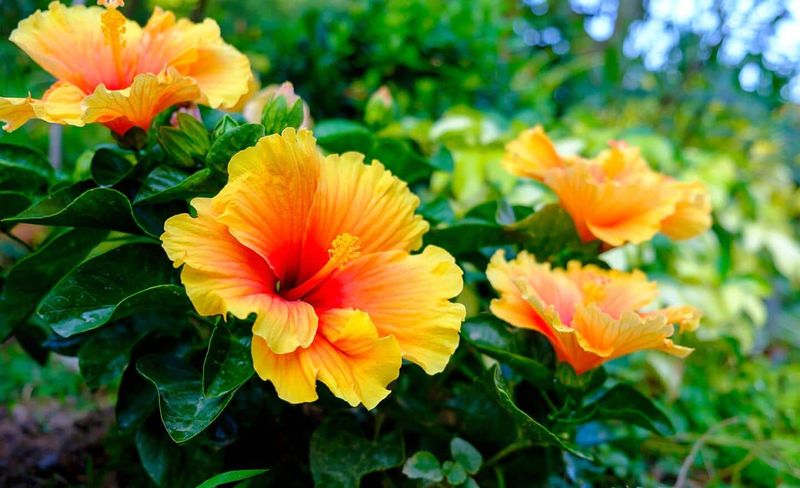
Hibiscus plants are tropical beauties that infuse gardens with vibrant colors and exotic vibes. Their large, trumpet-shaped flowers come in fiery reds and sunny yellows, perfect for a tropical-themed garden. These shrubs are pollinator-friendly, inviting butterflies and hummingbirds.
They thrive in moist, well-drained soils and full sun. Originating from warm climates, hibiscus symbolizes delicate beauty and charm. While they may need protection in cooler regions, their stunning flowers are worth the extra care. Hibiscus adds a splash of paradise to any garden setting.
10. Spirea
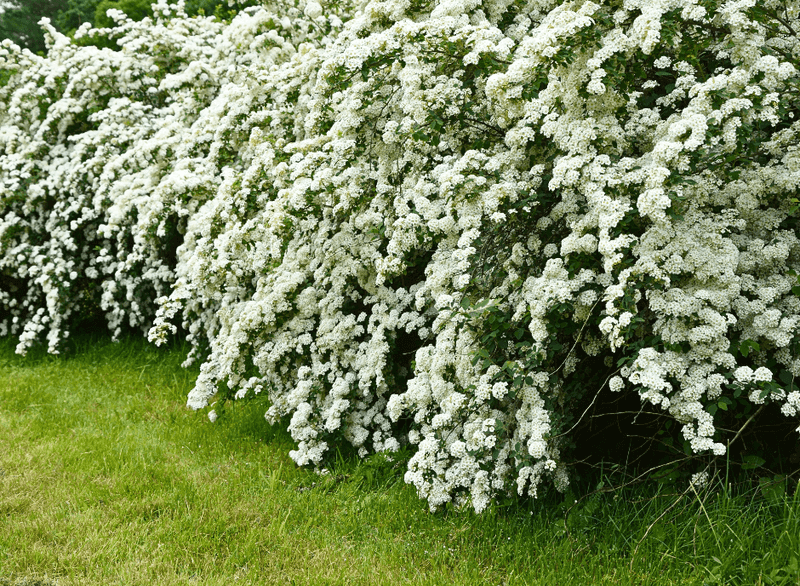
Spirea shrubs are known for their cascading clusters of delicate white blooms. They grace gardens with a light, airy feel, often used in borders and as ground cover. The flowers attract butterflies, adding to the garden’s lively atmosphere.
These shrubs are hardy and require minimal care, thriving in well-drained soil and full sun. Spireas symbolize victory and triumph, making them a popular choice for celebratory gardens. Their historical use in bridal bouquets adds to their romantic appeal. Spirea offers timeless beauty with little effort.
11. Butterfly Bush
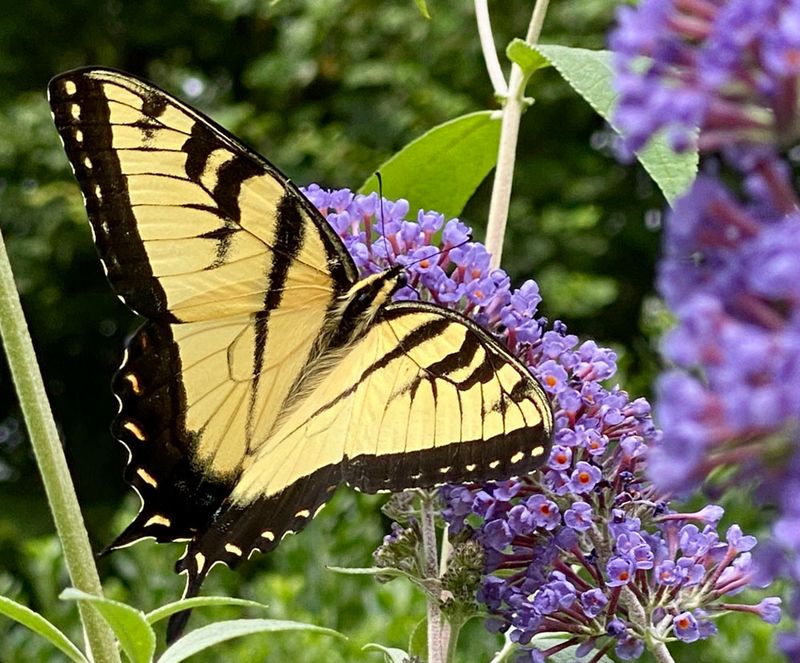
The Butterfly Bush, true to its name, is a magnet for butterflies. Its fragrant, purple flowers create an enchanting garden display, attracting pollinators in droves. These shrubs are perfect for borders, providing a cascade of color and movement.
They thrive in well-drained soil and full sun, requiring little maintenance. Native to China, Butterfly Bushes symbolize rebirth and transformation. While they bring life and vibrancy to gardens, be cautious; in some areas, they are invasive and may harm local ecosystems. Loved by butterflies, they offer a lively garden experience.
12. Wisteria
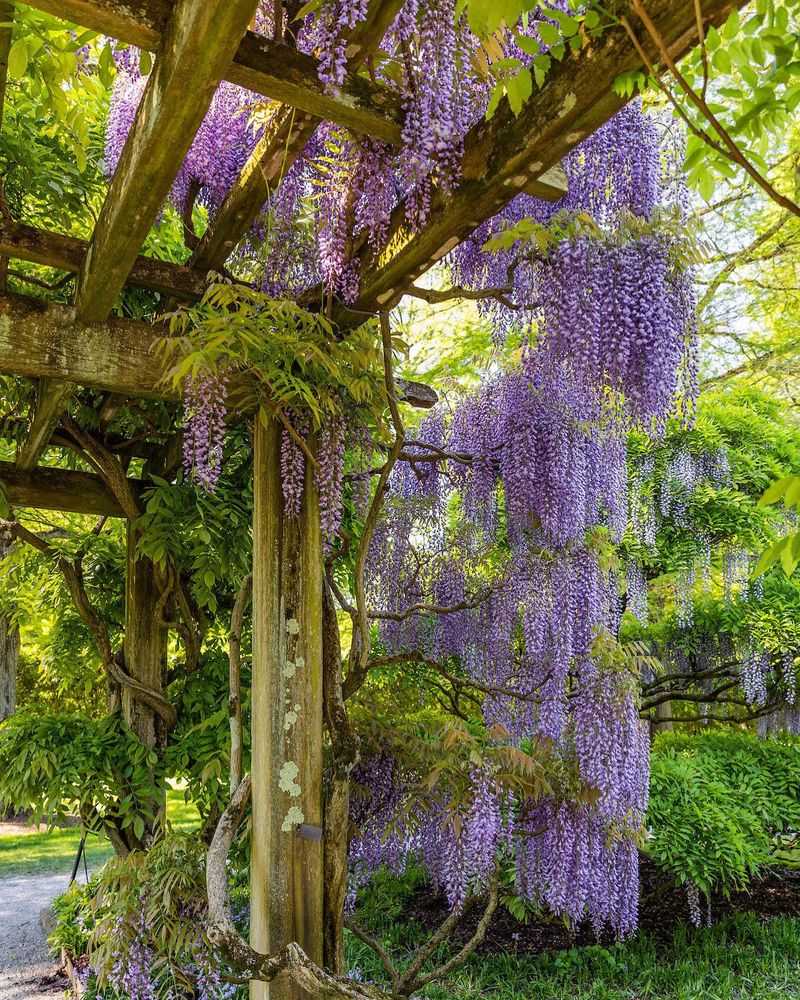
Wisteria vines drape gardens in old-world charm with their cascading clusters of purple flowers. These vines, though not shrubs, often create shrub-like thickets, offering a whimsical touch. Wisteria is perfect for training over pergolas and arches, creating a stunning display.
They thrive in well-drained soil and full sun but require regular pruning to keep in check. Wisteria is native to Asia, symbolizing devotion and longevity. While their beauty is unmatched, be aware of their aggressive growth, which can be harmful to structures and soil if left unchecked.
13. Butterfly Weed
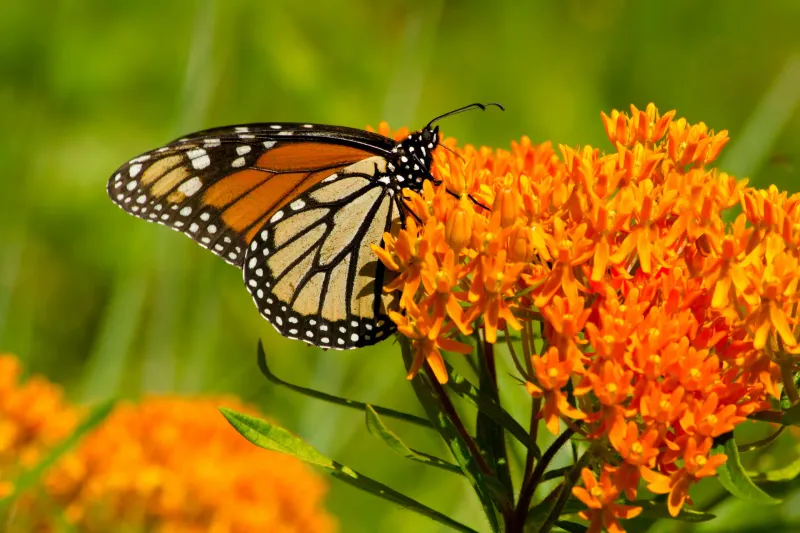
Butterfly Weed, a native wildflower, is a boon for pollinators, especially monarch butterflies. Its bright orange flowers are a vibrant addition to any garden, providing food for caterpillars and nectar for butterflies. These hardy plants are perfect for wildflower gardens and meadows.
They thrive in well-drained soil and full sun, requiring little maintenance once established. Butterfly Weed symbolizes endurance and transformation, aligning with the life cycle of butterflies. While beneficial for wildlife, ensure it does not overtake more delicate plants. Its lively color and ecological value make it a garden favorite.
14. Privet
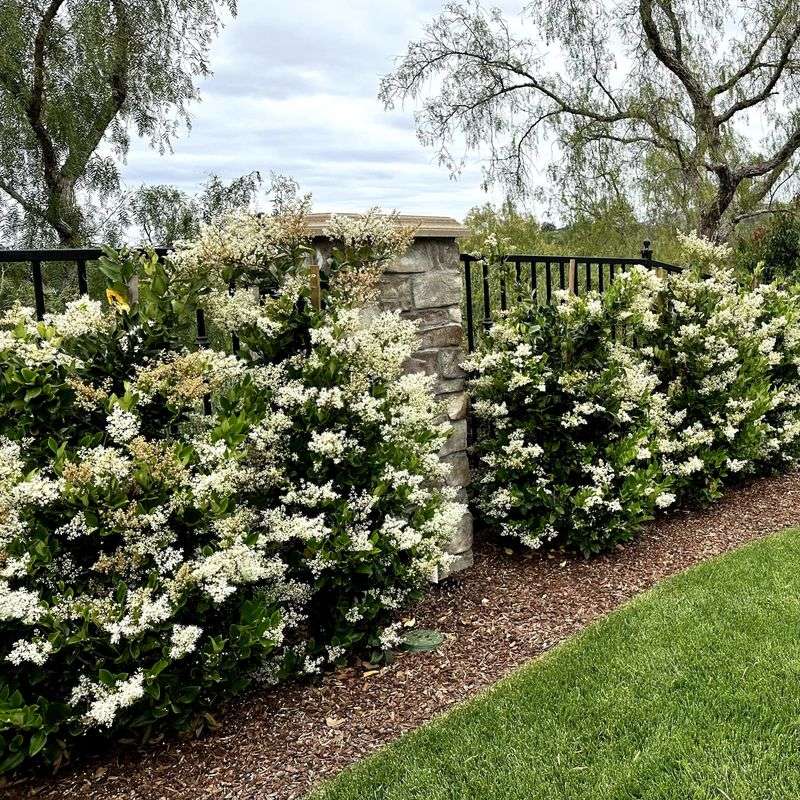
Privet, often used as hedging, provides structure and formality to gardens. Its dense foliage can be sculpted into various shapes, adding a touch of elegance. While not known for its flowers, privet produces small, fragrant blooms that attract bees.
These shrubs are hardy and adaptable to different soil conditions, thriving in both sun and shade. However, be cautious; privet can become invasive, spreading rapidly and potentially harming native plants. Historically, privet has been used in traditional medicine and for crafting walking sticks. Its versatility and resilience make it a popular choice.
15. Japanese Barberry
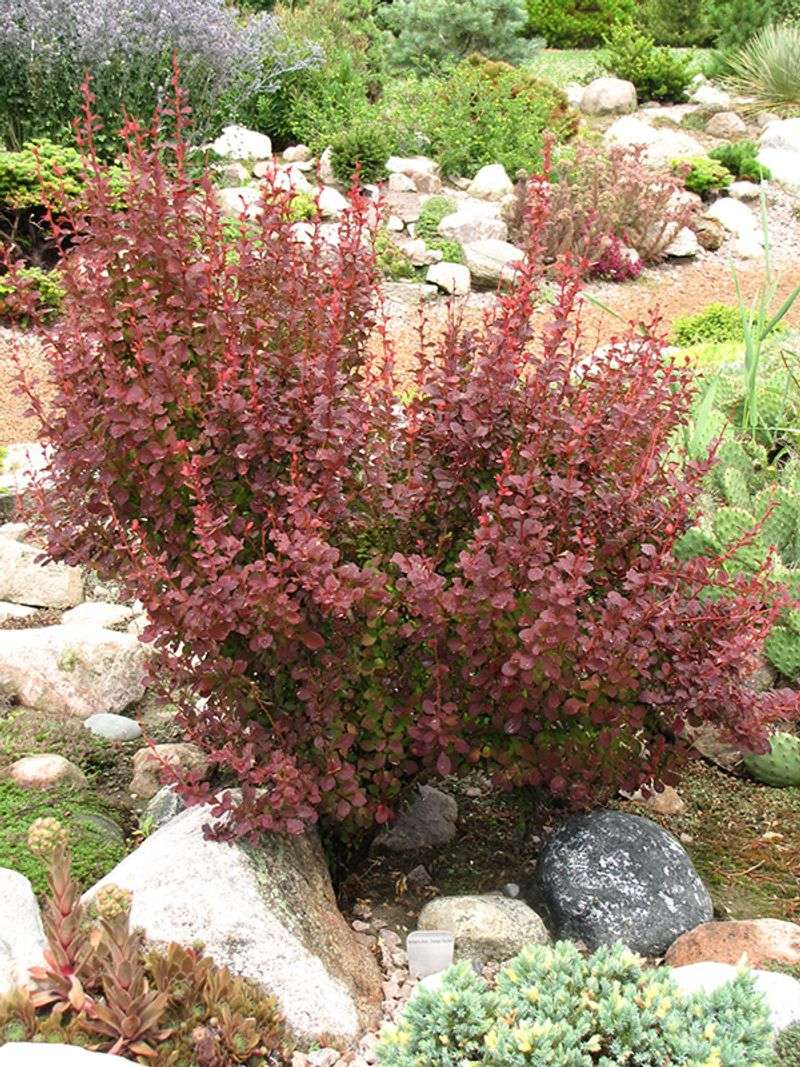
Japanese Barberry adds year-round interest with its colorful foliage and bright red berries. These shrubs are admired for their hardiness and ability to thrive in various conditions. The sharp thorns make them a good choice for barriers.
They prefer well-drained soil and full sun, requiring little care once established. However, Japanese Barberry can become invasive, altering local ecosystems and soil composition. Originally from Japan, they symbolize survival and protection. While they add beauty and texture, consider native alternatives to prevent ecological harm. Their vibrant appeal comes with responsibilities.