
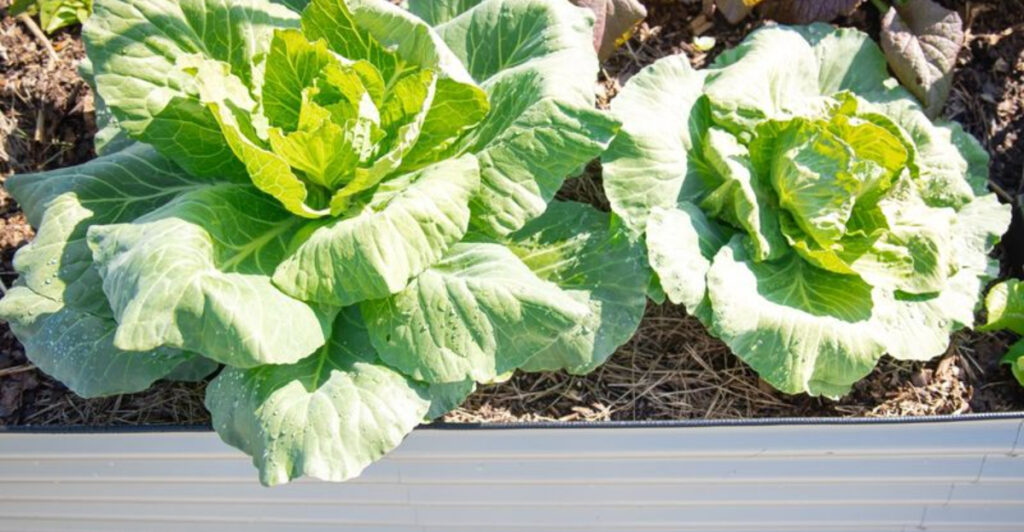
In gardening, the dance between lettuce and cabbage is delicate. While both are members of the brassica family, their growth habits differ profoundly. Lettuce boasts shallow roots and a swift growth cycle, while cabbage roots delve deep, supporting expansive, dense heads.
Missteps in their arrangement can lead to one overshadowing the other, creating a shadowy, moist environment perfect for disease. Discover common errors made in their spacing and innovative planting patterns ensuring a harmonious garden.
1. Planting Too Close Together
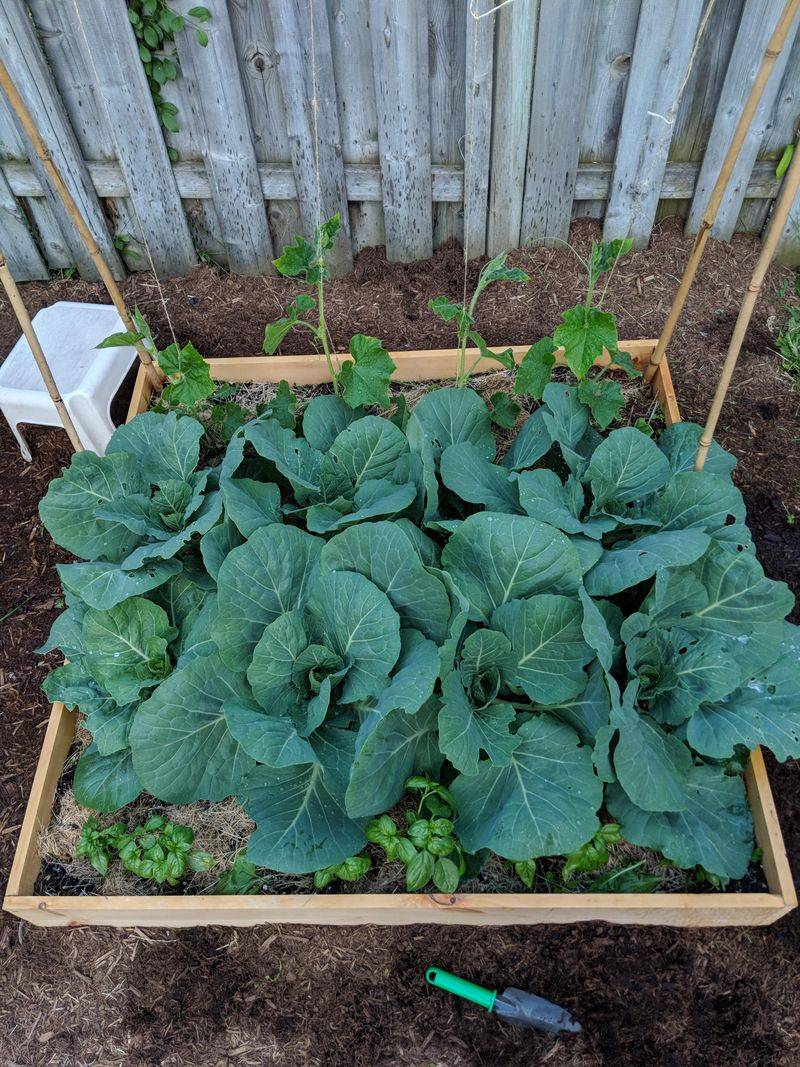
Nestled too closely, cabbage and lettuce tussle for supremacy. Cabbage’s sprawling leaves quickly eclipse the smaller lettuce plants, depriving them of the crucial sunlight they crave. This lack of light and airflow creates a breeding ground for fungal diseases.
Planting them in such proximity can lead to a stunted lettuce crop, struggling beneath its larger neighbor’s shadow. The solution is simple yet vital: maintain a distance of 18–24 inches for cabbage, and 8–12 inches for lettuce. This allows each to thrive without impeding the other’s growth.
2. Overcrowding in Small Beds
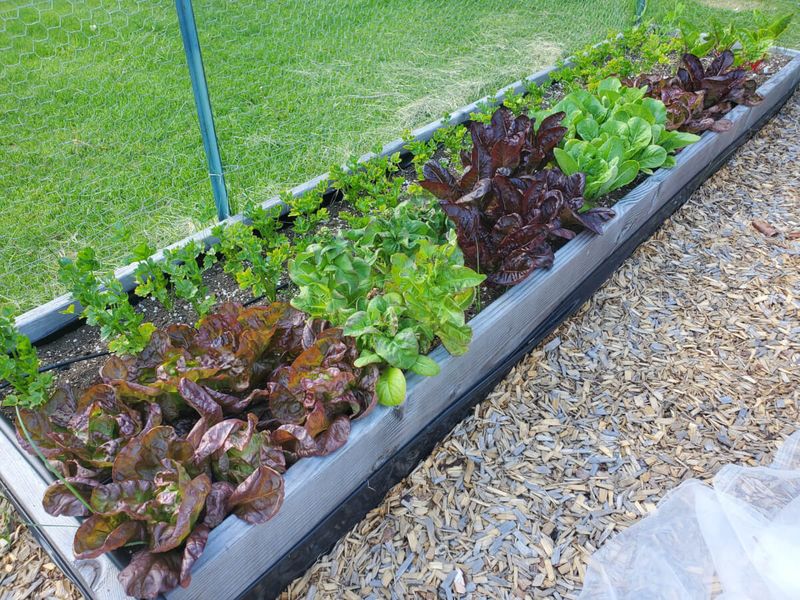
A tiny garden bed bursting with plants may seem lush but spells trouble. Lettuce and cabbage, when packed tightly, create a damp, airless environment. This microclimate invites unwelcome guests: powdery mildew, root rot, and other fungal foes.
Overcrowding stresses the plants, leading to stunted growth and increased susceptibility to disease. A structured approach, like grid planting or square foot gardening, provides organization. This ensures each plant has its own space to flourish, bringing balance to your garden.
3. Ignoring Mature Size Differences
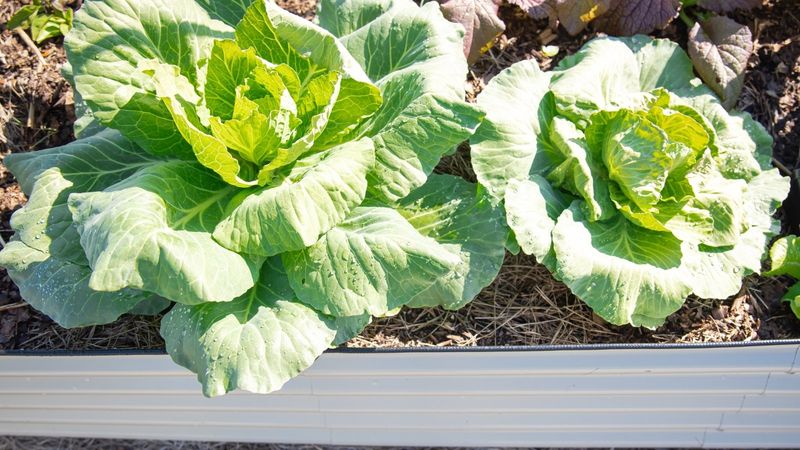
In a world where size matters, cabbage takes the crown. Its heads can stretch nearly two feet across, while lettuce remains petite. When planted with equal spacing, lettuce is overshadowed, struggling beneath cabbage’s broad canopy.
This can lead to lettuce becoming smothered and deprived of sunlight, crucial for its growth. The solution? Intercropping with foresight: harvest lettuce early, before cabbage fully matures, ensuring both thrive without hindrance.
4. Poor Sunlight Orientation
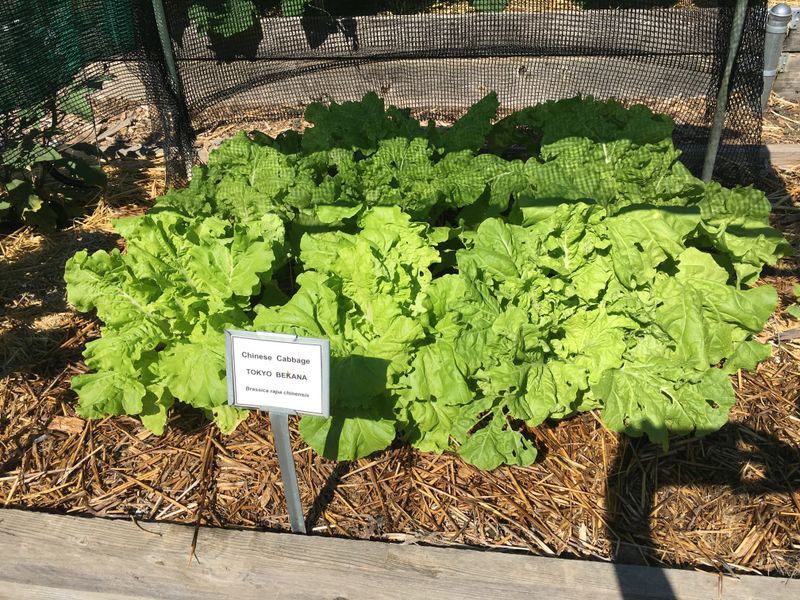
In the symphony of sunlight, positioning is key. Placing towering cabbage on the southern side of a bed casts a shadow over lettuce, robbing it of the light it needs. This oversight can diminish lettuce’s potential, inhibiting its growth.
By positioning lettuce on the south or front side, you maximize exposure. This strategic placement allows both plants to bask in sunlight, promoting healthy growth. A simple adjustment can lead to a thriving, sunlit garden.
5. Combining Incompatible Varieties
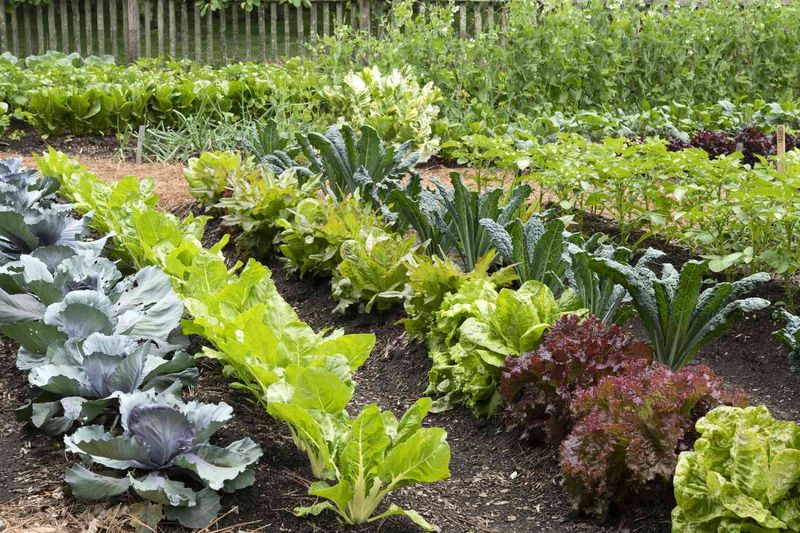
In the world of vegetables, not all are compatible roommates. Pairing a swift-growing butterhead lettuce with a slowpoke like ‘Late Flat Dutch’ cabbage can lead to conflict. The cabbage’s leisurely pace means it hogs nutrients and casts shadows over quick maturing lettuce.
Choosing varieties that sync in growth rate is essential. Pairing fast-maturing lettuce with compact cabbage types, such as ‘Gonzales’ or ‘Caraflex,’ ensures harmony, letting both thrive without one overshadowing the other.
6. Checkerboard Interplanting
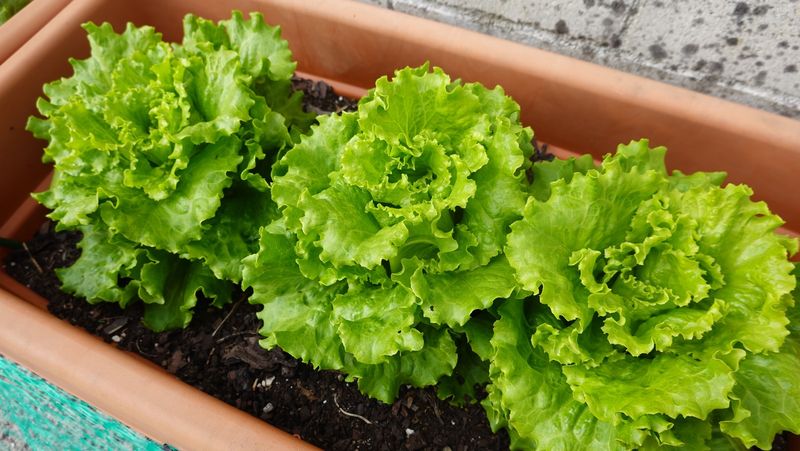
A checkerboard garden offers a visual treat and a practical solution. Alternating cabbage and lettuce in this pattern ensures each plant’s needs are met. Proper spacing allows cabbages to expand while lettuces grow swiftly, ready for early harvest.
This method combines aesthetics with functionality, preventing overcrowding and maximizing light and air circulation. As cabbages mature, the early-harvested lettuces provide the space needed, ensuring a harmonious coexistence.
7. Staggered Rows
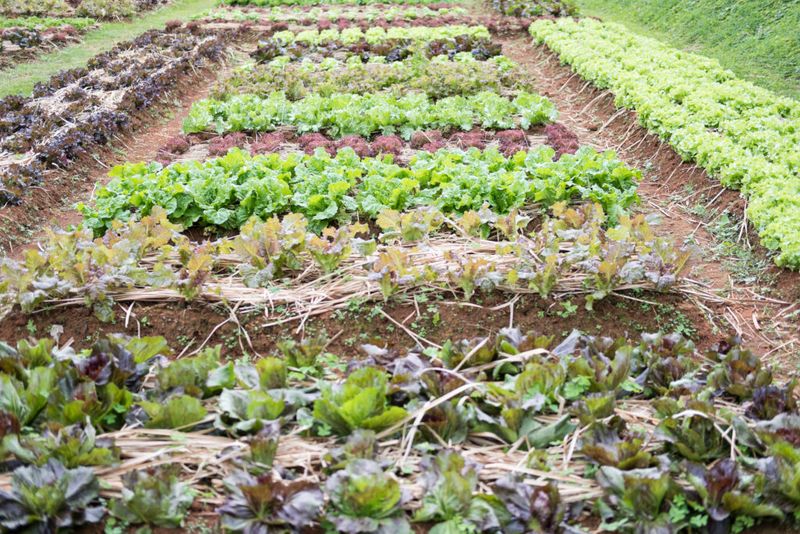
Staggered rows breathe life into a garden, optimizing space and airflow. By planting lettuce and cabbage in a 2-row pattern, gardeners prevent shading and bolster circulation.
A row of lettuce, followed by cabbage 12–18 inches behind, creates an environment where each can flourish. This pattern maximizes sunlight, ensuring both crops grow healthily, free from competition and disease.
8. Outer-Lettuce Ring
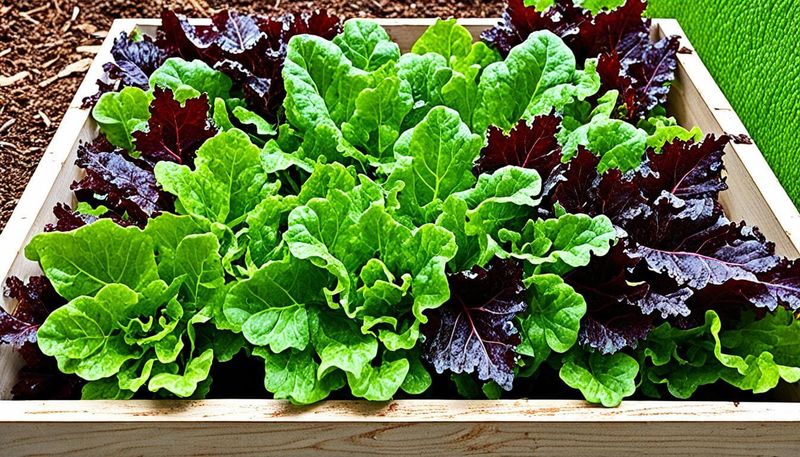
Circling cabbages with lettuce creates both beauty and function. The lettuce acts as a living mulch, aiding moisture retention and weed prevention, while being harvested early leaves room for the growing cabbage.
This pattern not only maximizes space but also offers a unique aesthetic. The outer lettuce ring ensures cabbage has the spotlight, thriving without obstruction.
9. Succession Sandwich
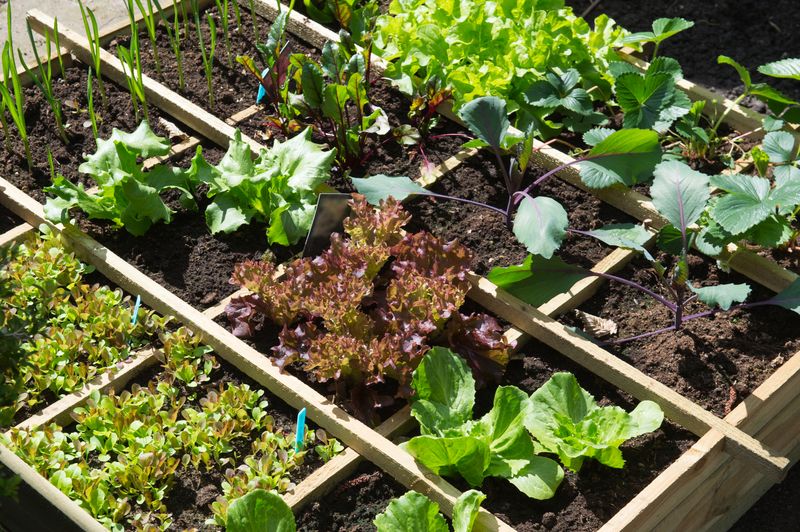
The succession sandwich greets gardeners with a clever rhythm of planting and harvesting. Nestled between rows of cabbages, lettuce grows swiftly, ready for harvest before the cabbage expands.
This method, repeated as cabbages near maturity, ensures continuous garden production. It optimizes space and time, allowing gardeners to reap multiple harvests from the same plot.
10. Raised Bed Zoning
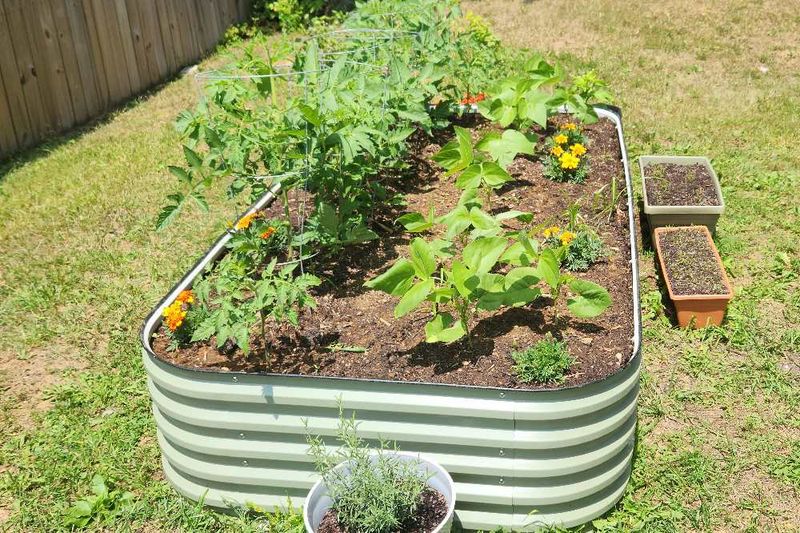
In a raised bed, zoning reigns supreme. Dividing the bed into thirds—dedicating the front to lettuce, the middle to mid-sized brassicas, and the back to cabbage—leverages plant heights to your advantage.
This layout maximizes space and sunlight exposure. Each section thrives, contributing to a balanced and productive garden bed that showcases strategic planning.
11. Square Foot Method

The square foot method brings order to chaos, allotting one cabbage per square foot, surrounded by four lettuces. This strategic placement ensures every plant has its space while maximizing garden output.
Lettuces thrive around their cabbage neighbors, benefiting from shared resources. This method minimizes waste and boosts productivity, making it a gardener’s ally.
12. Diagonal Drift
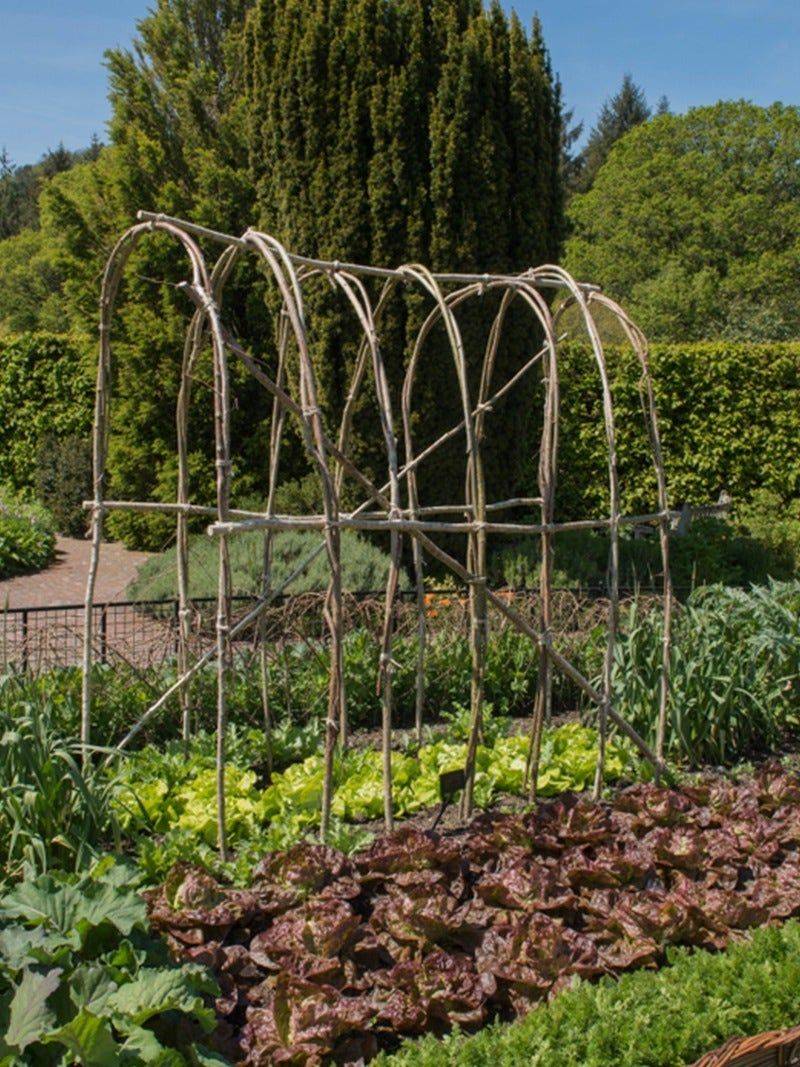
A diagonal drift transforms gardens into eye-catching landscapes. Lettuce zigzags tightly across the bed, with cabbages strategically offset. This alignment maximizes airflow and adds aesthetic appeal to the garden.
The diagonal design ensures both crops receive adequate sunlight and space, fostering healthy growth and a visually pleasing arrangement.
13. Trio Clusters
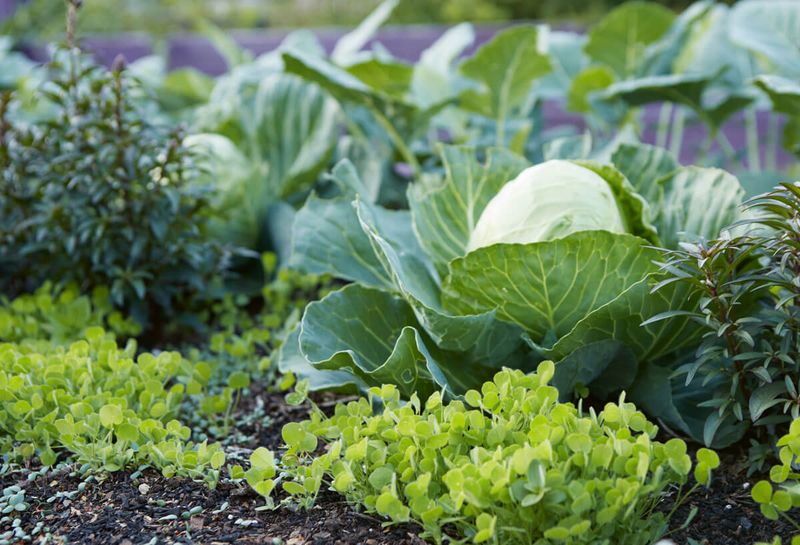
Trio clusters bring simplicity and efficiency. Grouping one cabbage with three to four lettuces on the sunny side ensures early lettuce harvest, freeing space for the cabbage’s growth.
This pattern leverages sunlight and space, maximizing yield while maintaining an orderly garden. It embodies a symbiotic relationship between the plants, enhancing overall productivity.
14. Alternating Border Rows
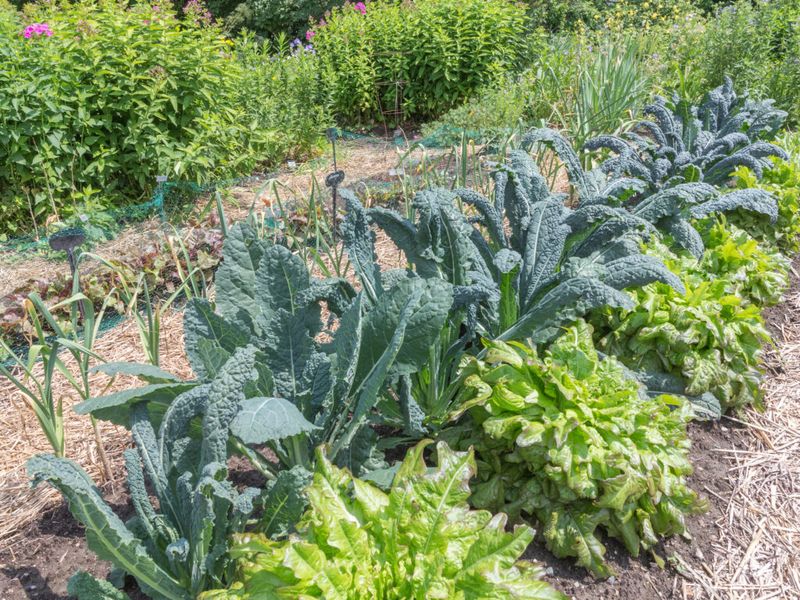
Alternating border rows bring structure to gardens. Lettuce rows flank cabbage, creating a harmonious border. As lettuce is harvested first, space opens for cabbage roots to stretch and thrive.
This method ensures each plant receives ample light and nutrients, fostering a balanced garden environment. It’s a strategic approach to optimizing garden space and health.
15. Lettuce as a Cover Crop
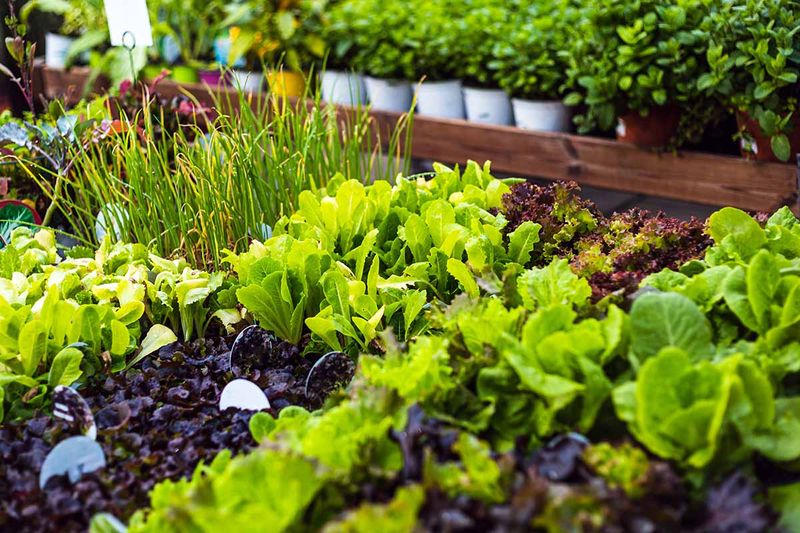
Lettuce takes on a new role as a temporary cover crop, offering protection and nutrient enrichment while cabbage is young. Once cabbages demand more space and resources, lettuces are removed, leaving behind a healthier soil.
This practice enhances soil quality, providing a symbiotic relationship where both plants benefit, leading to a more fruitful vegetable garden.
16. Vertical Companion Layers
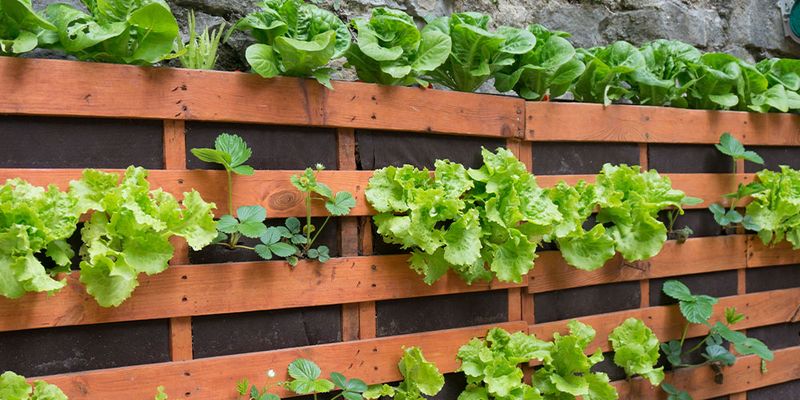
In a vertical symphony, gardens come alive. Loose-leaf lettuce surrounds trellised companions like pole beans, while cabbage sits behind. This multi-tiered approach maximizes sunlight and space, creating a layered garden of productivity.
With each plant contributing uniquely, this setup fosters a dynamic and efficient garden, leveraging verticality for growth and beauty.