
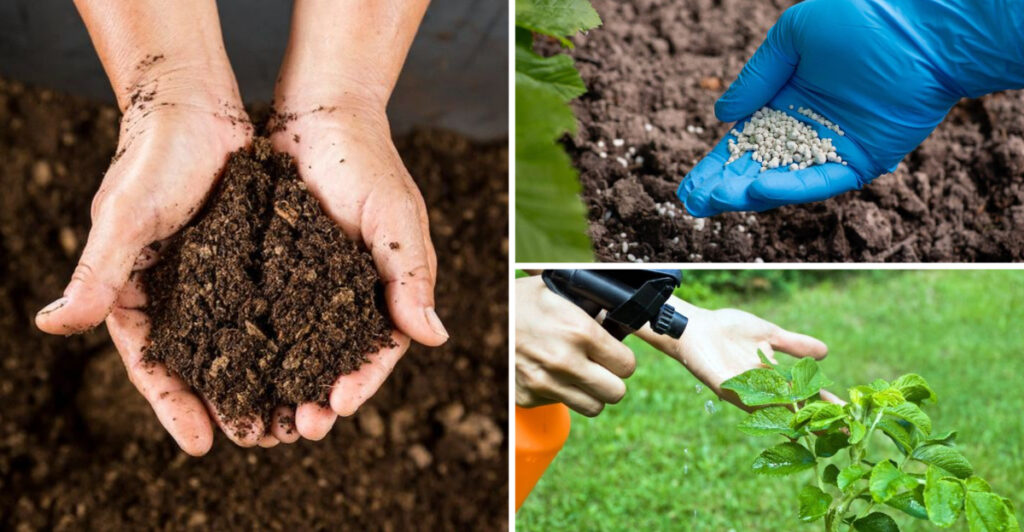
Gardening is a cherished pastime that evolves continually, influenced by new trends and age-old wisdom. While some trends capture fleeting interest, others stand the test of time with their proven effectiveness. In this blog post, we explore 11 popular gardening trends you might want to skip, and introduce you to 13 time-honored, Grandpa-approved gardening methods that have been staples for generations. Whether you’re a seasoned gardener or just starting out, these insights can help you cultivate a garden that’s both beautiful and bountiful, grounded in practices that have nurtured plants for decades.
1. Vertical Gardens

Vertical gardens seem like a space-saving marvel, especially in urban settings. Yet, they often require precise watering and maintenance schedules. The allure of lush, cascading greenery can quickly wither without constant attention. Before investing your time and effort into a vertical setup, consider the complexity. Is it genuinely practical for your lifestyle? Many find that traditional ground plots are more forgiving and productive. While these gardens boast aesthetic appeal, sustainability can be questionable. Moving beyond appearances, consider whether the benefits outweigh the challenges inherent in vertical gardening.
2. Raised Bed Gardening
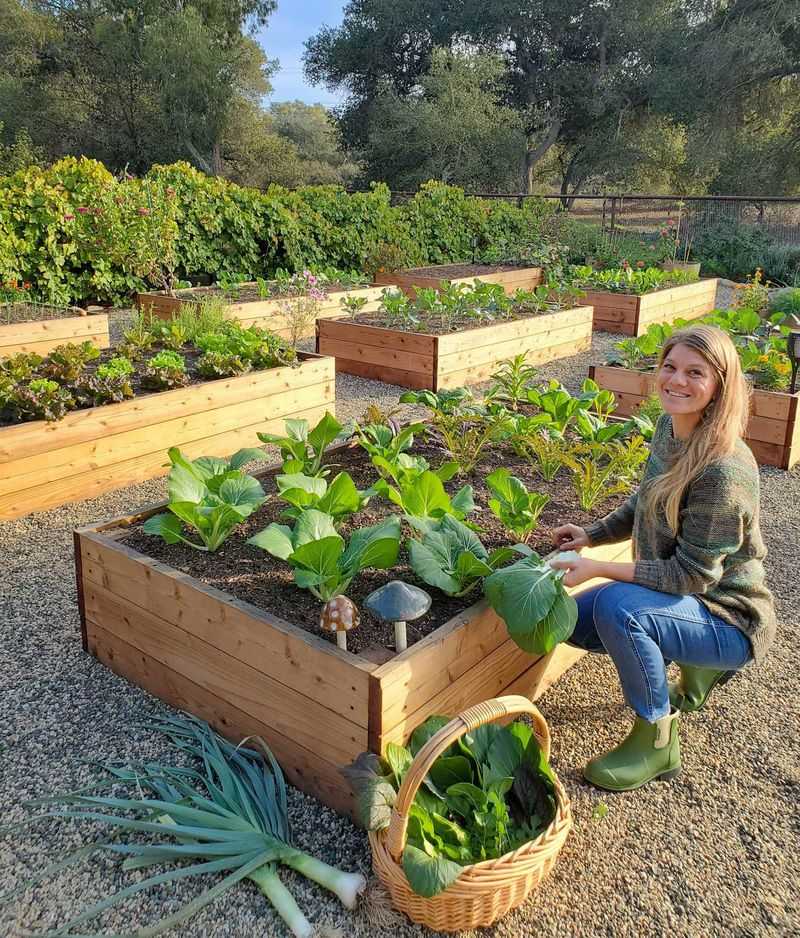
Raised beds have become synonymous with modern gardening ease. However, they can be costly to construct and fill. Also, depending on materials used, there might be drainage issues over time. What’s the real appeal here? Easy access and defined spaces, yes, but not without drawbacks. Grandpa likely preferred traditional rows for their simplicity and effectiveness. Over time, raised beds may shift or settle, requiring further investment or adjustment. Perhaps simplicity should triumph over structured elevation in your garden.
3. Exotic Plant Collections
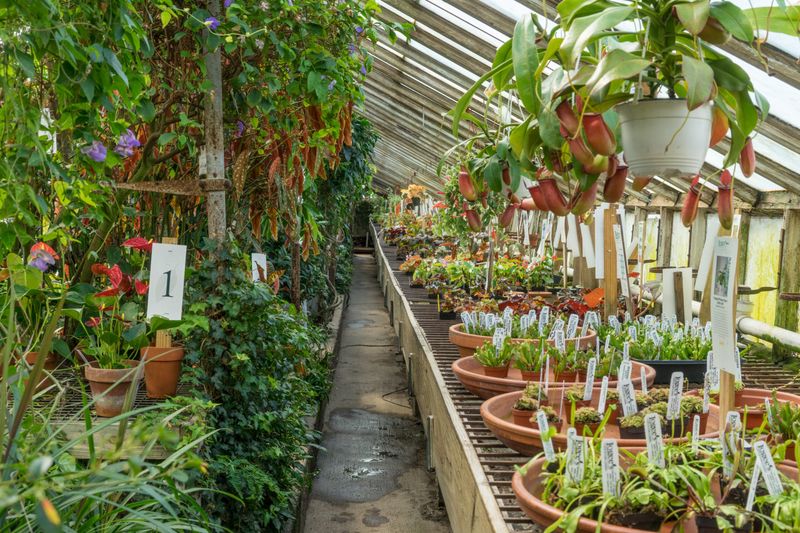
Chasing exotic plants can be thrilling. Enthusiasts often hunt down rare species to add uniqueness to their gardens. However, these plants can demand specific conditions not easily recreated outside their native habitat. They may also become invasive, disrupting local ecosystems. Was it truly the thrill of the hunt or the love for gardening that drew you in? Instead, consider native plants which are adapted to thrive in your climate, requiring less intervention. Their beauty is often underappreciated in favor of the exotic.
4. Synthetic Fertilizers
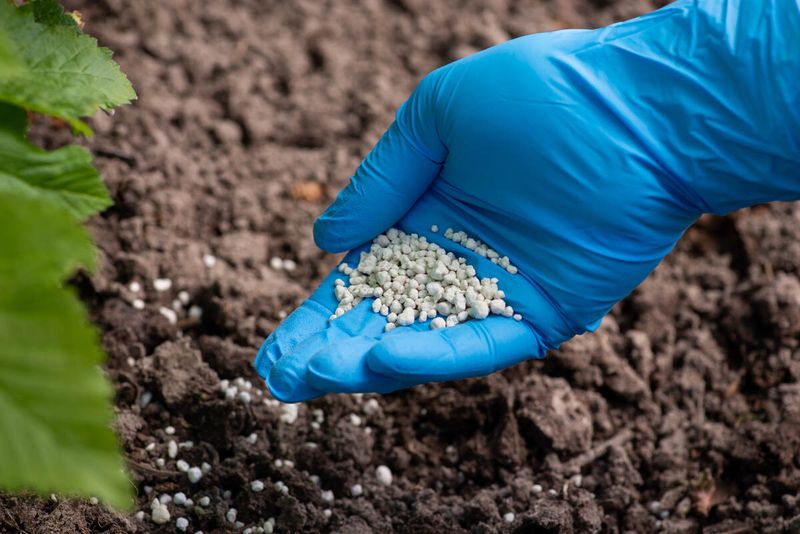
Synthetic fertilizers promise rapid growth, yet they can lead to long-term soil health issues. Over-reliance on such products can destroy beneficial organisms, leading to a dependency cycle. What’s the trade-off for quick results? Grandpa’s compost pile might have lacked the sheen of store-bought bags but nurtured the earth gently. Embracing natural fertilization, like composting, supports sustainable gardening. It promotes a balanced ecosystem rather than quick fixes. The true reward comes from a thriving garden with robust soil health.
5. Chemical Pesticides
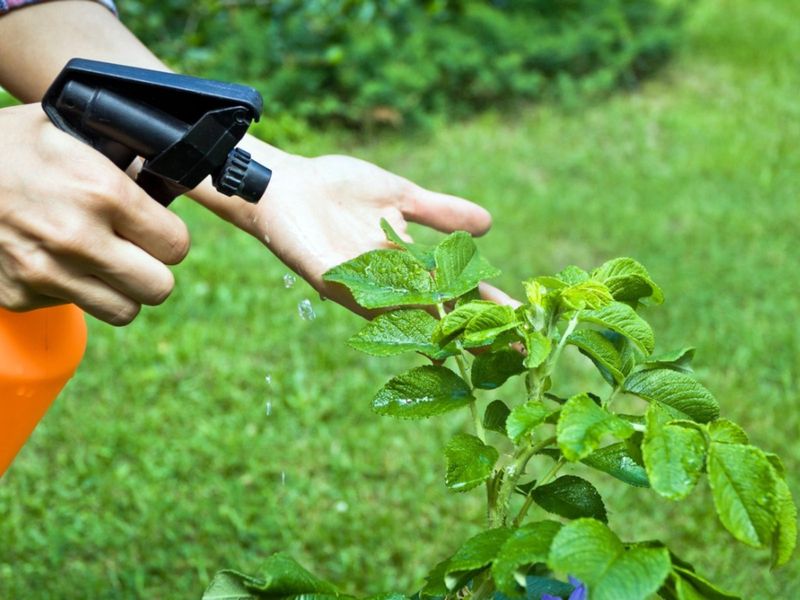
Chemical pesticides offer a quick solution to pests but at a cost. They can harm beneficial insects and disturb the balance of your garden’s ecosystem. Have you considered the unseen impacts? Grandpa relied on companion planting and natural deterrents, fostering harmony with nature. The garden’s delicate balance was preserved, and the rewards were healthier plants and unexpected allies like ladybugs. Looking beyond the immediate battle, it’s about cultivating resilience and biodiversity rather than resorting to harmful chemicals.
6. Plastic Mulch
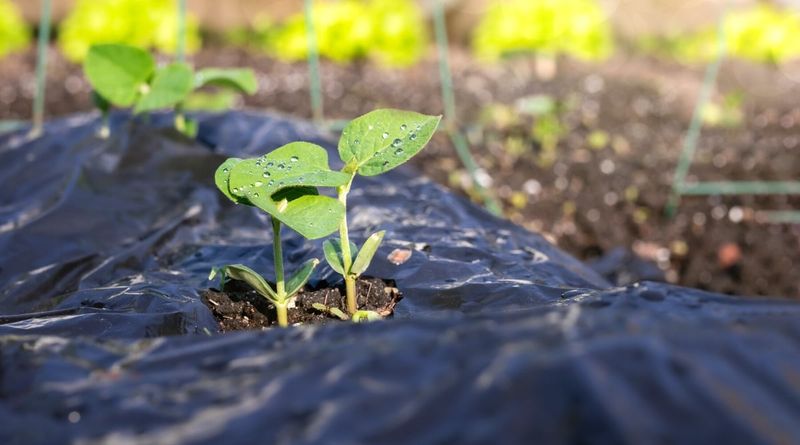
Plastic mulch is touted for its weed control and moisture retention capabilities. But over time, it can degrade, contributing to microplastic pollution. Is the convenience worth the environmental cost? Grandpa might have mulched with straw or leaves, materials readily returned to the earth. These natural alternatives enrich the soil as they decompose. The decision isn’t just about immediate results but long-term sustainability. A garden should be a haven of growth, not a contributor to the planet’s decline.
7. Hydroponics
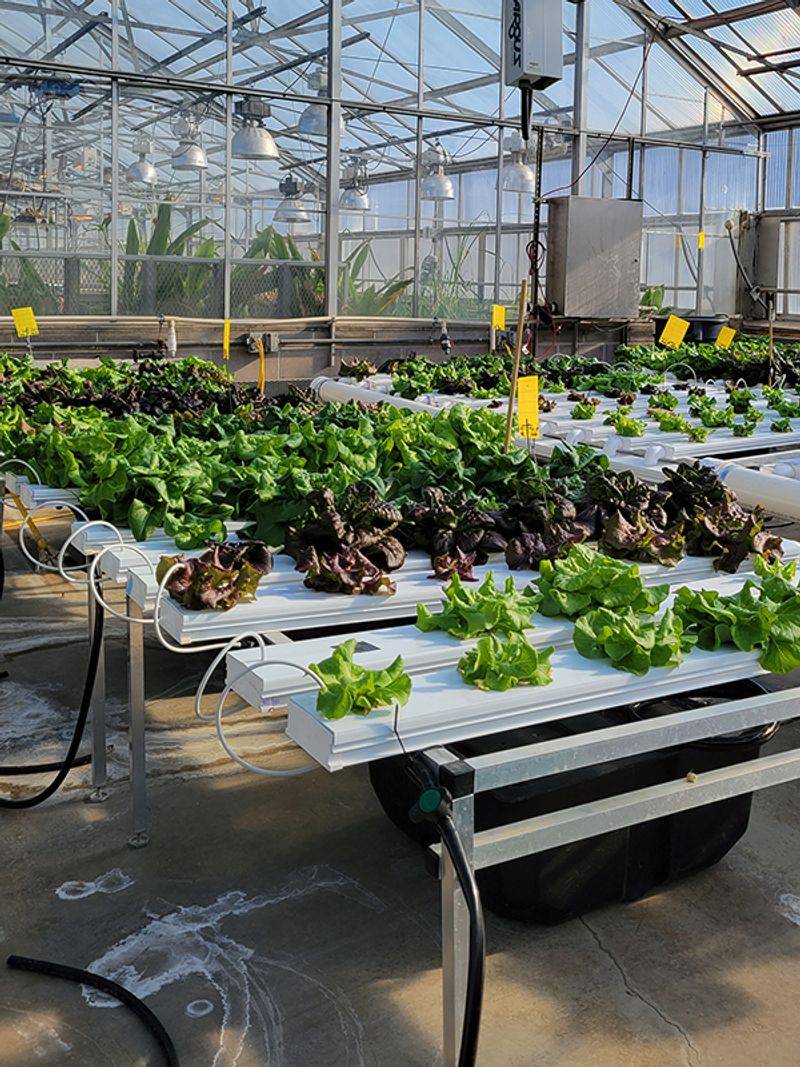
Hydroponics presents a futuristic vision of gardening, growing plants without soil. While efficient, it requires precise management and can be energy-intensive. Is this technology-driven approach replacing the joy of traditional gardening? Grandpa’s methods connected him to the soil, seasons, and cycles of nature. Hydroponics might yield impressive harvests but often lacks the sensory experience of earth between fingers. Consider the broader gardening experience you seek. Is it about high-tech yields or embracing nature’s touch?
8. Peat-Based Soils
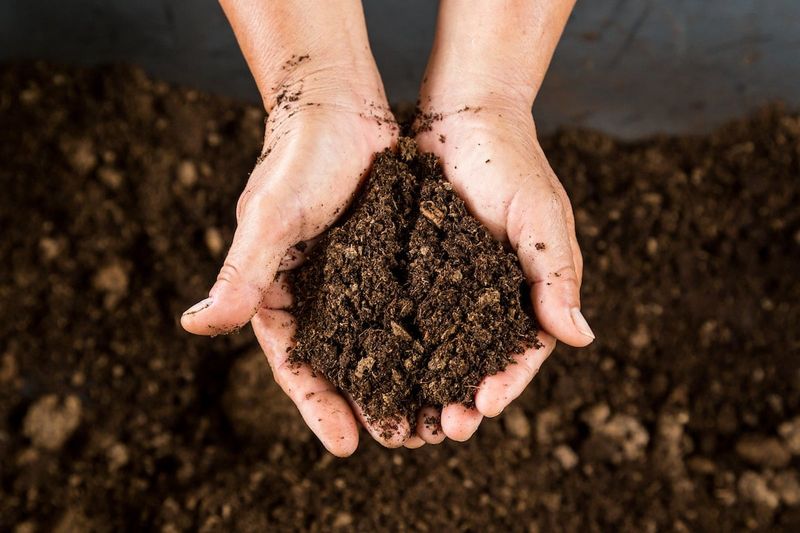
Peat-based soils boast water retention and aeration, yet their extraction harms peatlands, valuable carbon sinks. Is the convenience justifiable against environmental costs? Returns to nature can be slow. Grandpa’s soil was enriched with homemade compost, sustaining the earth without compromising it. Consider sustainable alternatives like coconut coir or compost-based soils. These not only support your plants but also conserve vital ecosystems. Your gardening choice impacts beyond your plot, affecting broader environmental health. Choose wisely.
9. Chemical Lawn Treatments
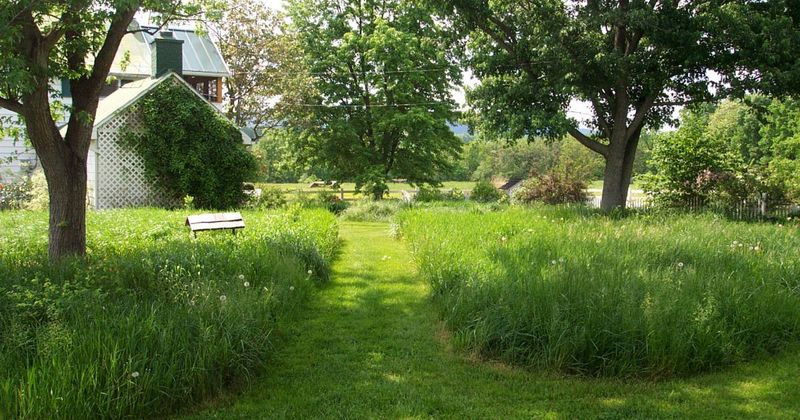
Chemical lawn treatments promise lush, green carpets but at an ecological cost. These treatments often leach into waterways, affecting wildlife. Is the perfect lawn worth the environmental price? Grandpa’s lawn welcomed clover and dandelions, embracing diversity. Natural treatments promote healthy soil and resilient growth. The goal should be a living, breathing landscape, not a sterile green expanse. The beauty in variety and imperfections is where true ecological harmony lies. Consider a shift towards organic practices for lawns.
10. Garden Gadgets
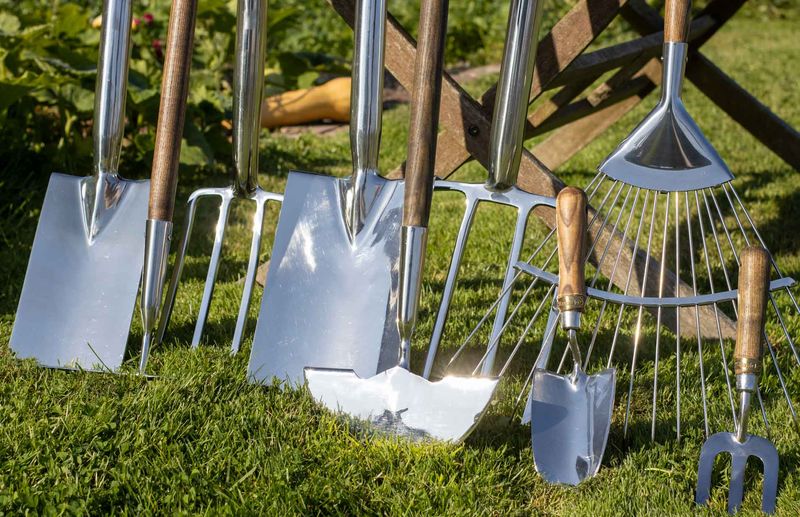
Garden gadgets promise convenience and precision. Yet, they can disconnect gardeners from their intuitive relationship with the land. Are screens and sensors replacing the gardener’s touch? Grandpa’s tools were basic yet effective, fostering a hands-on connection. The act of gardening is about patience and understanding the subtle cues of nature. Embrace simplicity, and you might find more joy and fulfillment than any gadget can offer. Reflect on what truly enriches your gardening experience.
11. Artificial Turf
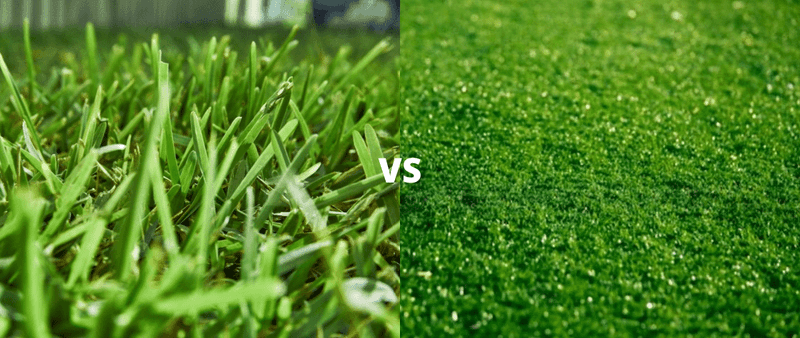
Artificial turf offers a maintenance-free lawn, but it sacrifices ecological benefits. It doesn’t support biodiversity or improve soil health. Is a perfect, albeit synthetic, lawn truly fulfilling? Grandpa’s lawn, albeit imperfect, was alive. It hosted insects, birds, and an ecosystem at large. Instead, consider native ground covers that require less upkeep but offer more environmental benefits. A garden should reflect life and growth, not just aesthetics. Reconsider the value of authenticity in your outdoor space.
12. Composting
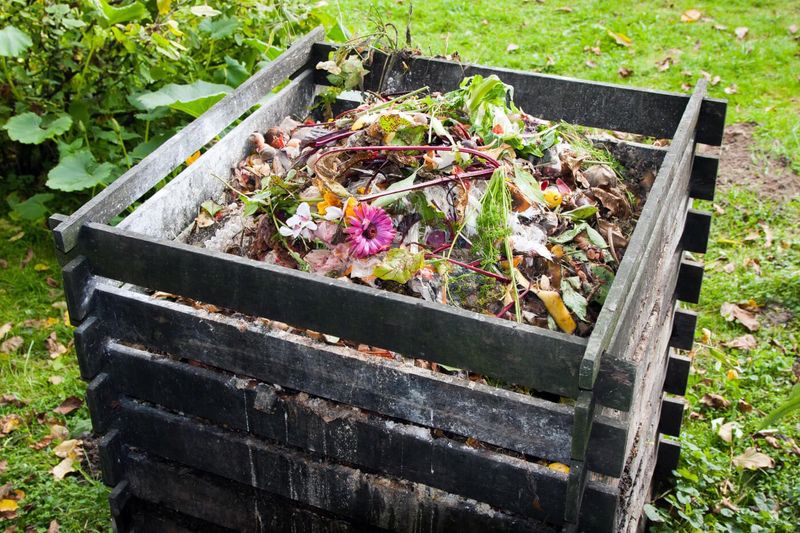
Grandpa’s secret to vibrant plants was a humble compost heap. Layers of kitchen scraps, leaves, and garden waste transform over time into nutrient-rich soil.
This natural fertilizer boosts plant health and minimizes waste in landfills. With each turn of the pile, you contribute to a cycle of growth and renewal.
Did you know? Ancient civilizations like the Greeks practiced composting to enrich their lands. Embrace this age-old technique and watch your garden thrive!
13. Crop Rotation
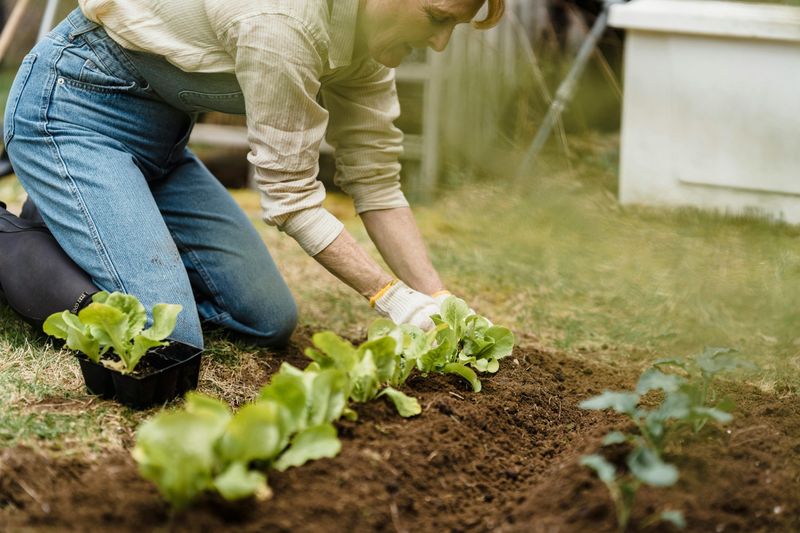
Switching crops annually keeps the soil healthy and prevents disease. Grandpa knew the secret of diverse harvest!
By alternating crops, you disrupt pest cycles and help maintain nutrient balance. This practice, rooted in history, promotes a sustainable garden environment.
Fun fact: The ancient Romans rotated crops to improve yields. Embrace this wisdom, and your garden will thank you season after season.
14. Companion Planting
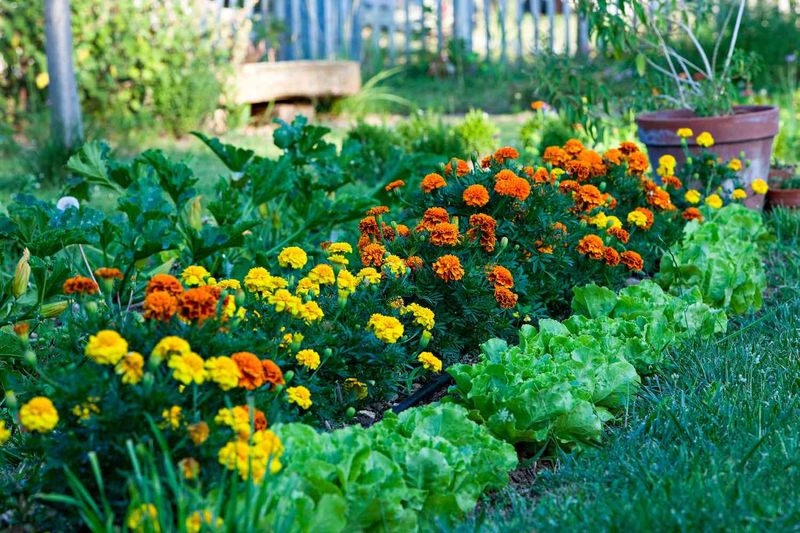
Grandpa swore by the power of plant partnerships. Marigolds with tomatoes, beans with corn—they help each other grow! This symbiotic relationship not only enhances growth but also naturally repels pests.
These thoughtful pairings maximize garden space and increase yield. This technique, passed down through generations, enriches your gardening experience.
Wondering why it works? Plants like marigolds release chemicals that deter harmful insects, making them perfect companions!
15. Heirloom Seeds

In Grandpa’s garden, each seed carried a story. Heirloom seeds preserve diversity and flavor, passed down through generations.
These seeds offer unique colors and tastes, unlike commercial varieties. Planting them supports biodiversity and connects us to gardening heritage.
Did you know? Heirloom seeds have been kept and cherished by families for over 50 years. Plant them and partake in an age-old tradition!
16. Mulching
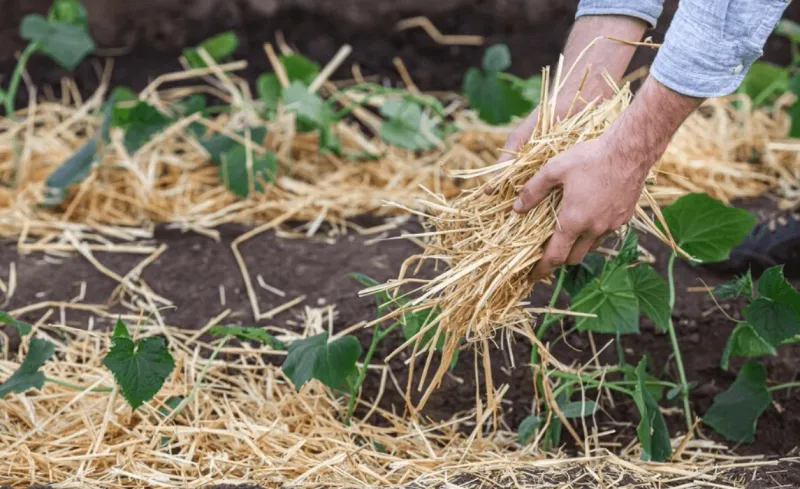
For Grandpa, mulching was magic. A layer of straw or leaves keeps soil moist and suppresses weeds. This simple cover protects plant roots from extreme temperatures.
Mulching enriches the soil as it breaks down, feeding your plants naturally. It’s an effortless way to improve your garden’s health.
Did you know? Mulching also reduces the need for frequent watering, conserving precious resources. Give it a try and see the difference!
17. Rainwater Harvesting
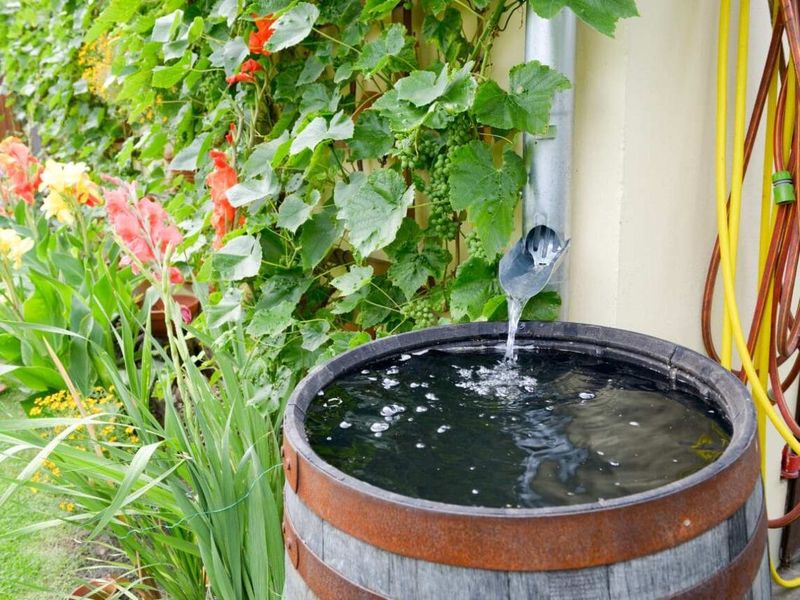
Grandpa knew the value of every drop. Collecting rainwater reduces reliance on municipal sources and nurtures plants with natural water.
Rain barrels or cisterns are simple to set up and offer a sustainable water solution. This eco-friendly practice is as relevant today as it was in the past.
Fun fact: Ancient civilizations like the Romans collected rainwater for their aqueducts. Join this timeless tradition and watch your garden flourish!
18. Hand Weeding
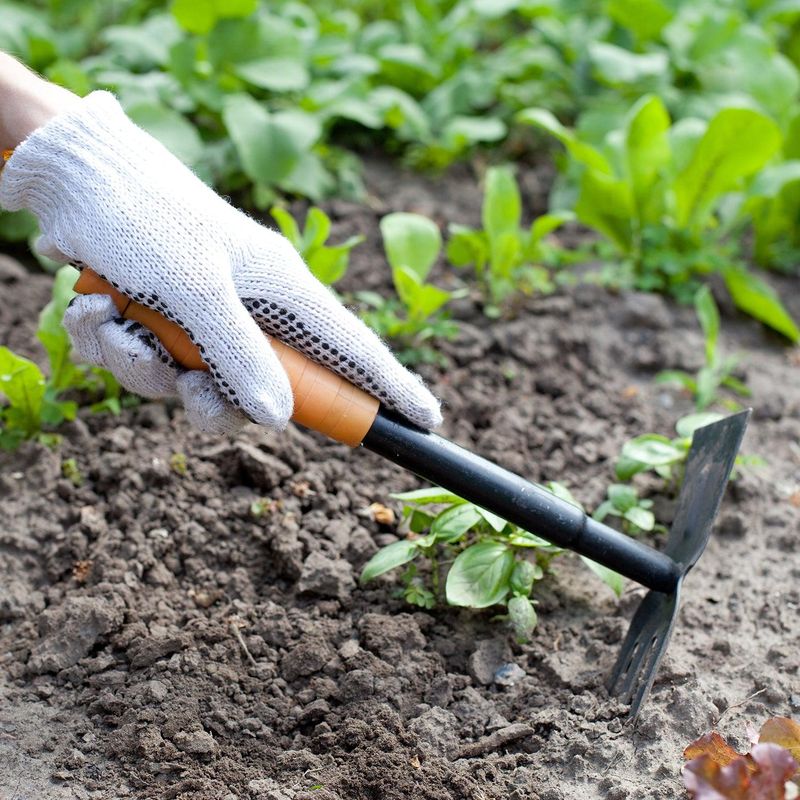
Grandpa’s garden saw no chemicals, just his hands nurturing every plant. Hand weeding allows precise care without harming beneficial insects.
This method ensures plant health and encourages a closer bond with nature. Kneeling down and getting your hands dirty connects you with the earth.
Did you know? Hand weeding can be therapeutic, offering a moment of peace and reflection amidst the hustle and bustle of life. Try it and feel the tranquility!
19. Natural Pest Control
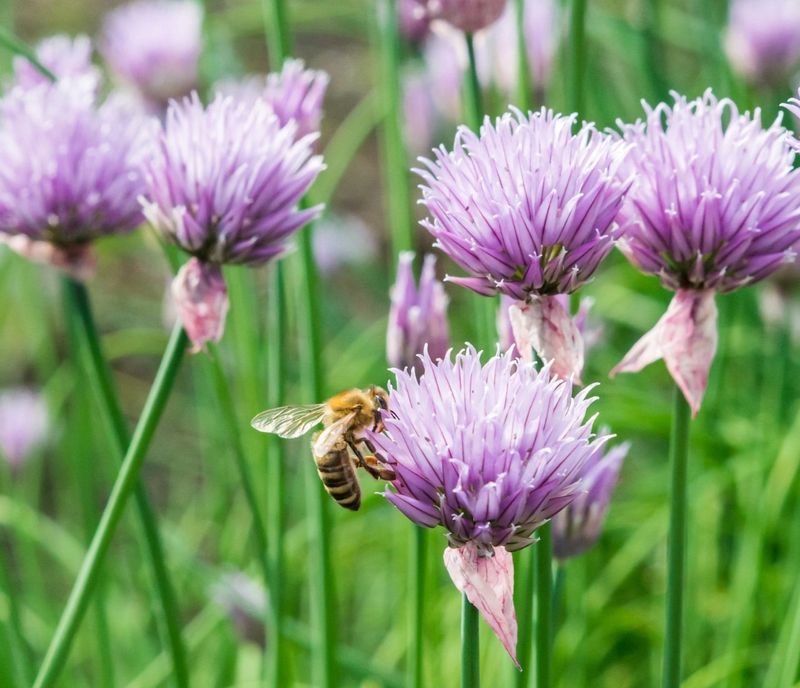
Grandpa’s allies were ladybugs and birds, not chemicals. Encouraging these natural predators keeps harmful pests in check.
This method promotes a balanced ecosystem, safeguarding your garden’s health. Building birdhouses or planting nectar-rich flowers attracts nature’s helpers.
Did you know? A single ladybug can eat up to 50 aphids a day. Embrace these natural solutions for a thriving, harmonious garden.
20. Cold Frames
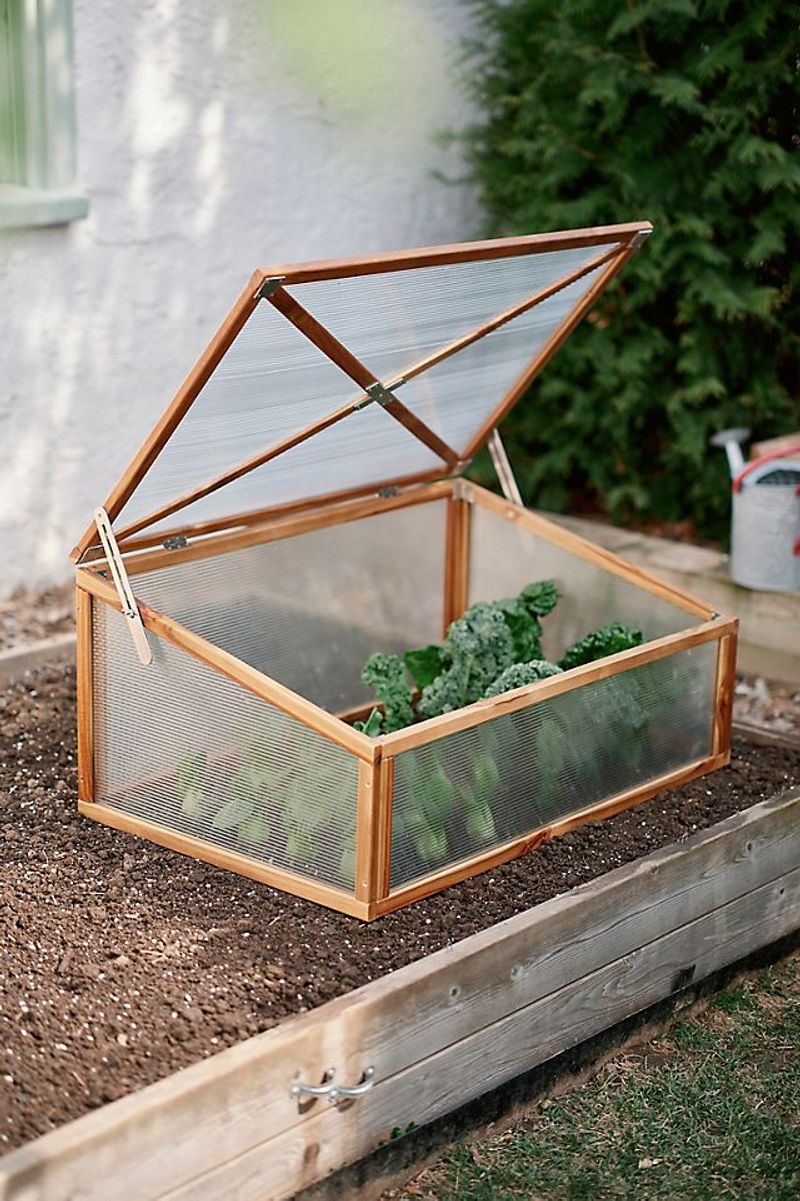
Extending the growing season was Grandpa’s secret weapon. Cold frames protect plants from frost and harsh weather, enabling year-round gardening.
These simple structures capture solar warmth, creating a microclimate for tender seedlings. Build one with recycled materials for an eco-friendly touch.
Fun fact: The concept of cold frames dates back to Roman times, when they used ‘specularia’ to grow plants. Craft your own and enjoy fresh produce longer!
21. Saving Seeds

Grandpa’s wisdom lay in saving seeds for next season. It’s an act of sustainability and self-reliance.
By storing seeds, you preserve plant traits suited to your environment. It’s a cycle of growth and renewal, connecting you to nature’s rhythms.
Did you know? Seed saving fosters a deeper understanding of plant life cycles and genetic diversity. Join the ranks of generations who have kept this practice alive!
22. Manure Fertilization
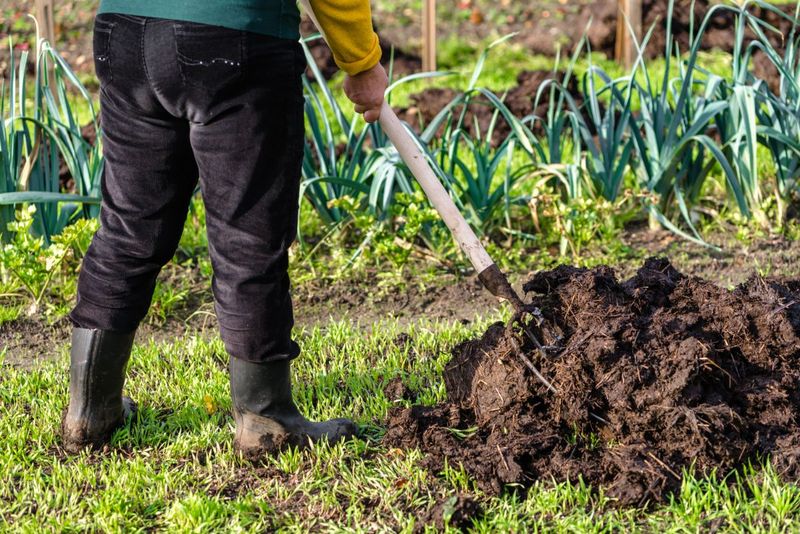
Grandpa’s secret sauce for bountiful harvests was manure. This natural fertilizer enriches the soil with essential nutrients, fostering robust growth.
Applying manure improves soil structure and fertility, creating an optimal environment for plants. It’s an organic way to give back to the earth.
Did you know? Using manure dates back to ancient farming practices, ensuring prosperous yields. Embrace this practical wisdom for a thriving garden.
23. Sun Mapping
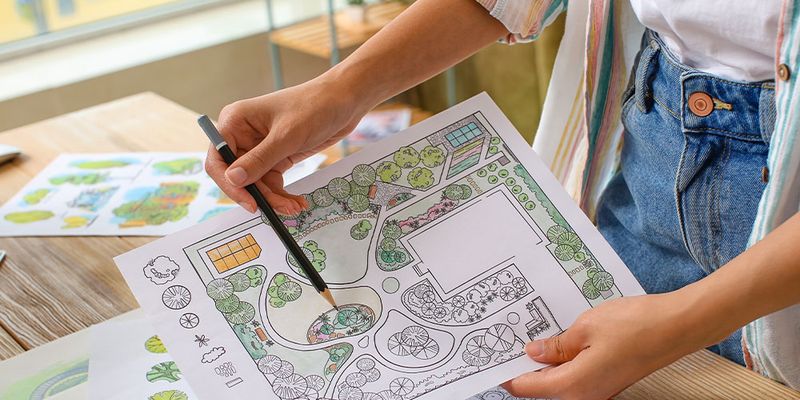
Understanding sunlight patterns was Grandpa’s guide to planting. Sun mapping ensures each plant receives the optimal light it needs.
By observing your garden’s sun exposure, you place plants where they thrive best. This thoughtful planning maximizes growth and yield.
Did you know? Sun mapping aids in water conservation by placing thirsty plants in shadier areas. Discover this insightful technique and optimize your garden layout.
24. Soil Testing
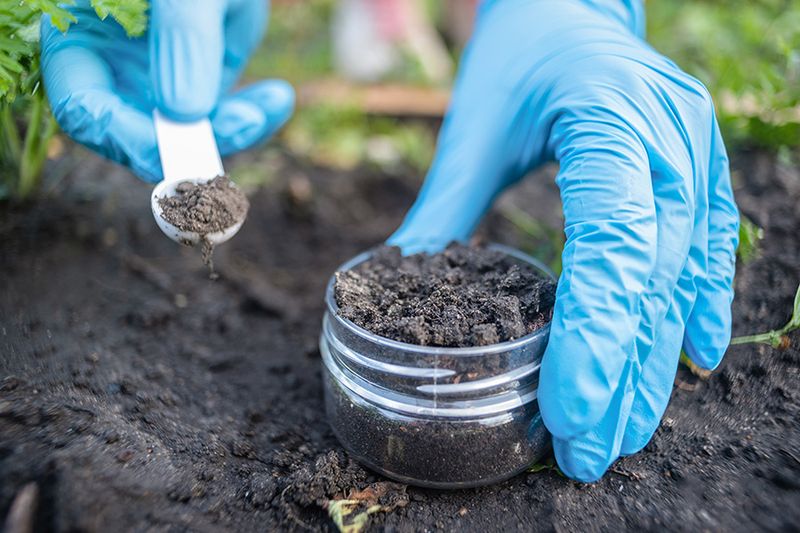
Grandpa’s green thumb wasn’t luck—it was science. Testing soil informs you of its needs, enabling precise amendments.
This practice ensures nutrient balance, paving the way for healthy plants. A simple test kit reveals pH and nutrient levels.
Did you know? Soil testing helps prevent over-fertilization, protecting the environment. Equip yourself with this knowledge and nurture your garden wisely.