 Complete Gardening
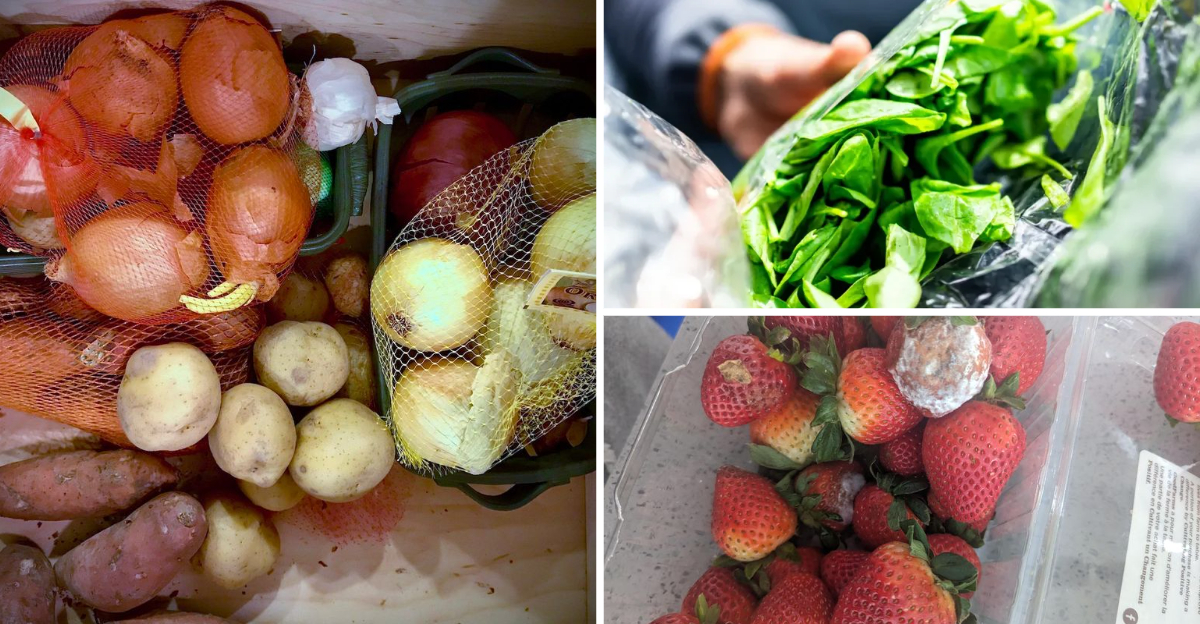
In the world of fresh produce, certain crops can quickly transition from nutritious to hazardous if not stored properly.
This article delves into 19 such crops that require careful handling and storage to maintain their quality and prevent them from becoming health hazards.
1. Lettuce
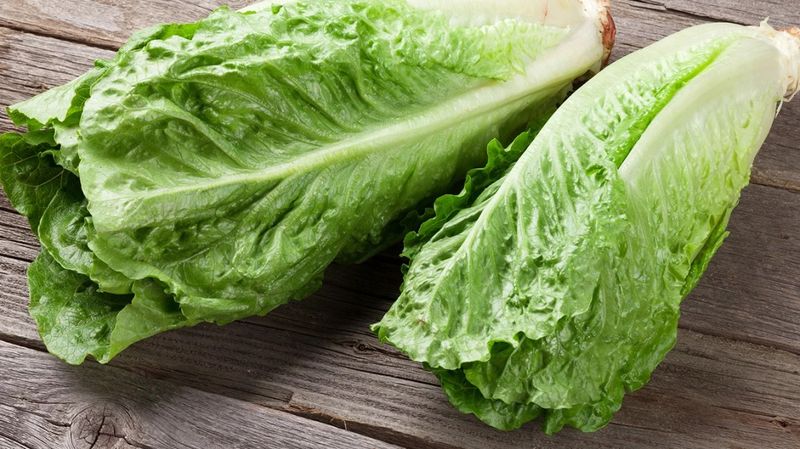
Lettuce, loved for its crunchy texture, wilts astonishingly fast once harvested. Ethylene gas, emitted by certain fruits, accelerates this process, leaving the once-vibrant greens brown and lifeless. Storing lettuce near ethylene-producing items like apples or bananas can ruin it in no time.
To enjoy lettuce at its freshest, consume it within a few days of purchase. Refrigerate it in a crisper drawer where temperatures are consistent. The fragile nature of lettuce requires careful attention to temperature and humidity to maintain its crispness and vibrant color.
2. Spinach
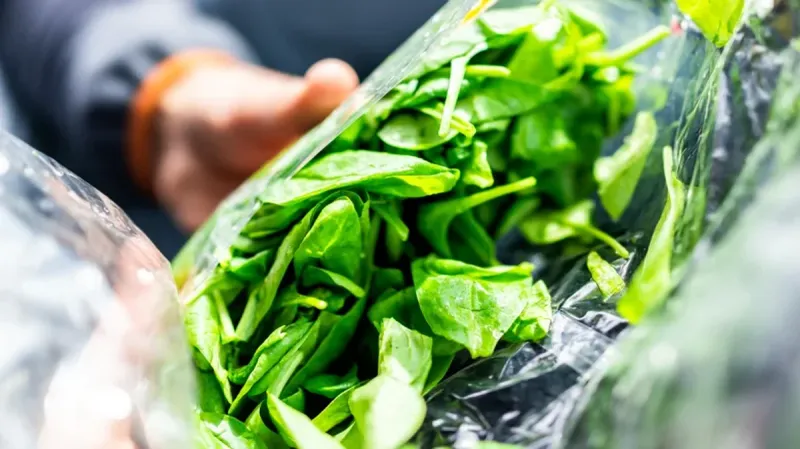
Spinach, rich in iron and vitamins, spoils rapidly if not handled properly. Its delicate leaves are best enjoyed fresh, as they lose their bright green hue and nutrients swiftly. Even in refrigeration, spinach’s shelf life is limited to just a few days.
To extend its freshness, store spinach in a loose, perforated bag in the refrigerator’s crisper section. This allows it to breathe while retaining moisture. Avoid washing until ready to use, as excess moisture accelerates spoilage, turning the leaves slimy and unappealing.
3. Strawberries
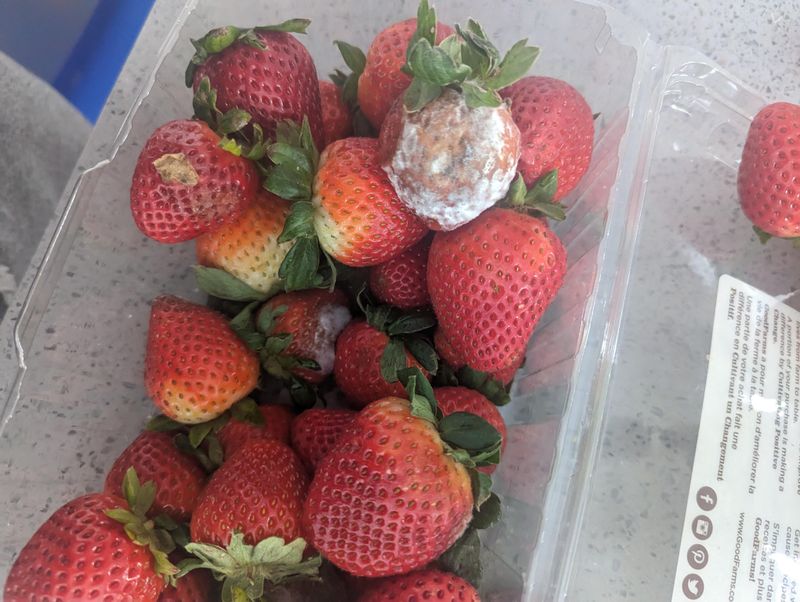
Strawberries, with their sweet aroma and vibrant color, are extremely perishable. Once harvested, they start to degrade rapidly, often becoming mushy and moldy within days. Their high moisture content and delicate skin make them susceptible to quick spoilage.
To enjoy strawberries at their peak, consume them shortly after purchase. Store them unwashed in a single layer on a paper towel-lined tray within the fridge. This method helps to absorb excess moisture, maintaining their freshness and delaying the onset of mold.
4. Tomatoes
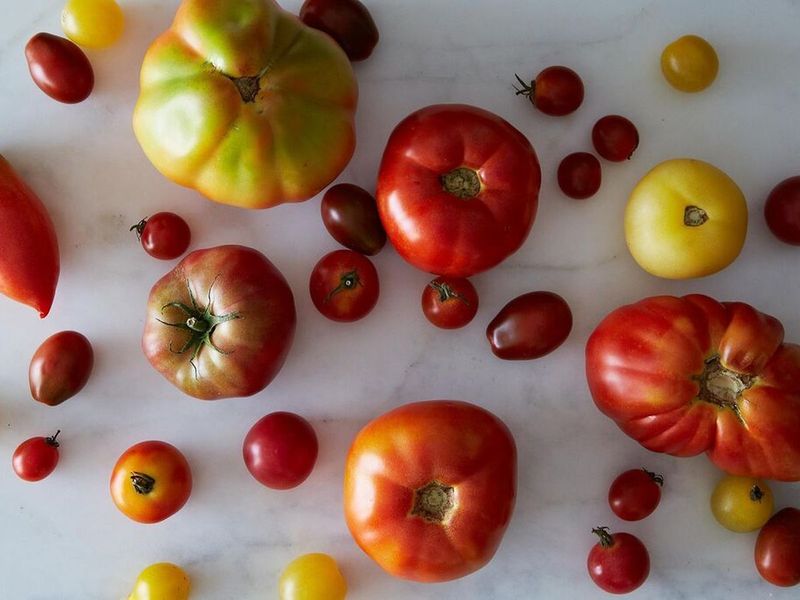
Tomatoes, known for their robust flavor, continue to ripen even after being picked. Refrigeration halts this ripening process, compromising their taste and texture. A cold environment makes tomatoes mealy and bland.
For the best flavor, store tomatoes at room temperature and away from direct sunlight. This allows them to develop their full flavor profile naturally. Once fully ripe, consume promptly to avoid over-ripening, which leads to an unappealing mushy texture.
5. Bananas
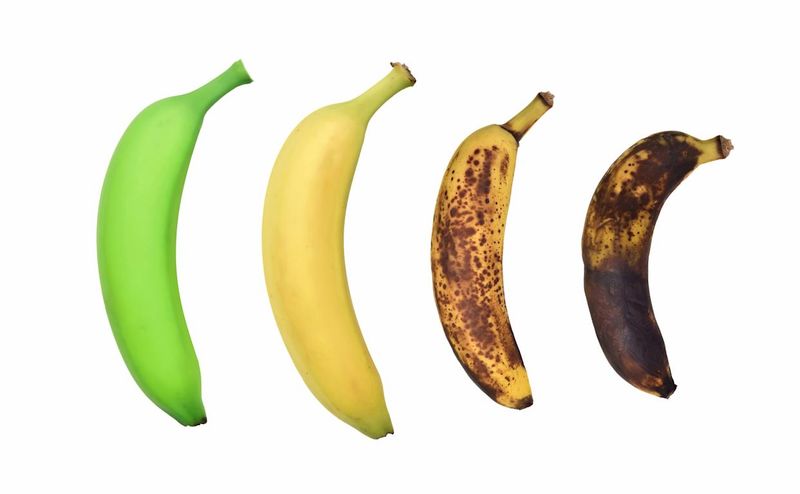
Bananas, a staple in many households, are notorious for their quick ripening. This fruit emits significant amounts of ethylene gas, which accelerates the ripening of other nearby produce. As bananas turn from green to yellow, and eventually brown, their texture and taste change dramatically.
To slow down ripening, separate each banana and store them apart from other fruits. If overripe, bananas can be used in baking or smoothies, minimizing waste while enjoying their natural sweetness.
6. Potatoes
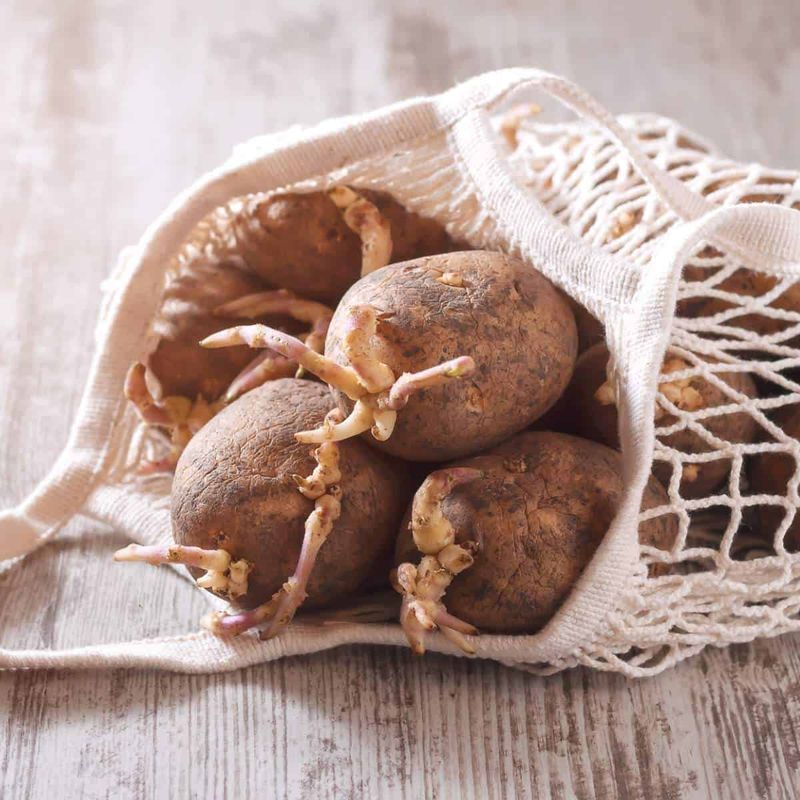
Potatoes, when stored incorrectly, can become health hazards. Storing them with onions is particularly problematic, as both release gases that cause each other to sprout and rot. This not only affects their taste but also their safety.
Store potatoes in a cool, dark place with good ventilation to extend their shelf life. A paper bag or a potato storage bin is ideal. Avoid storing them in the fridge, as cold temperatures convert their starches into sugars, altering their flavor.
7. Onions
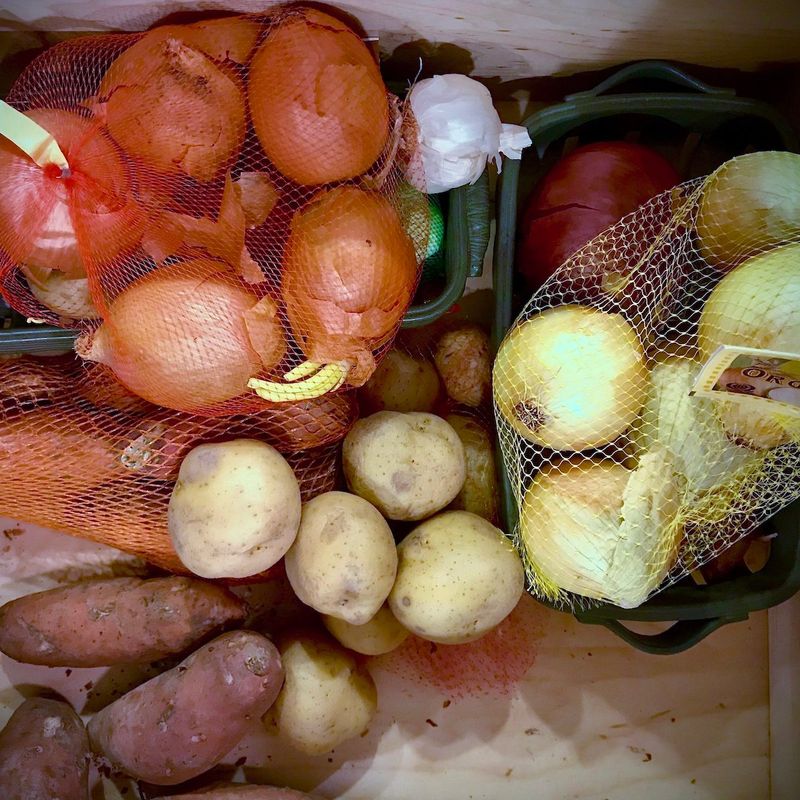
Onions, with their pungent aroma, require careful storage to prevent spoilage. When stored in a damp or overly warm environment, they can sprout or rot quickly. The proximity to potatoes can exacerbate this issue, as they encourage each other’s deterioration.
For longevity, store onions in a cool, dry place with ample ventilation. Mesh bags or baskets work well, allowing air circulation and preventing moisture buildup. Keep them away from direct sunlight and potatoes to preserve their quality.
8. Garlic
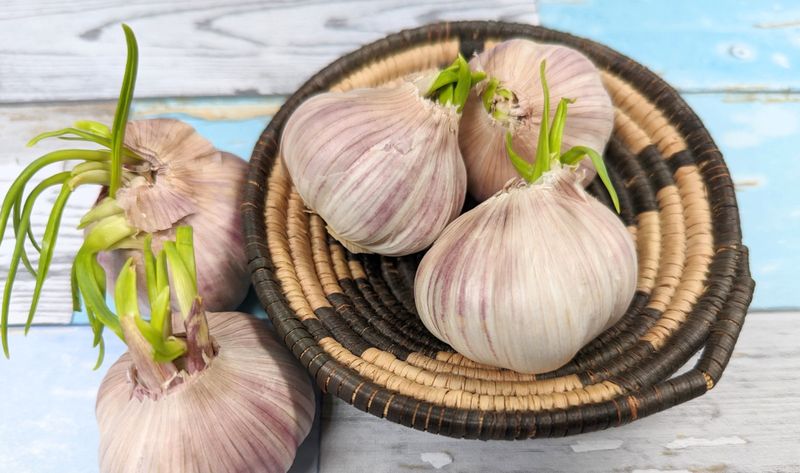
Garlic, known for its robust flavor, can easily sprout if kept in warm, humid conditions. As it sprouts, its taste becomes harsher and less appealing. This transformation not only diminishes its culinary value but can also affect its health benefits.
To maintain garlic’s flavor, store it in a cool, dry place with good air circulation. Use a mesh bag or a garlic keeper to prolong its shelf life. Avoid refrigerating, as the cold and moisture can lead to sprouting, making it less desirable for cooking.
9. Cucumbers
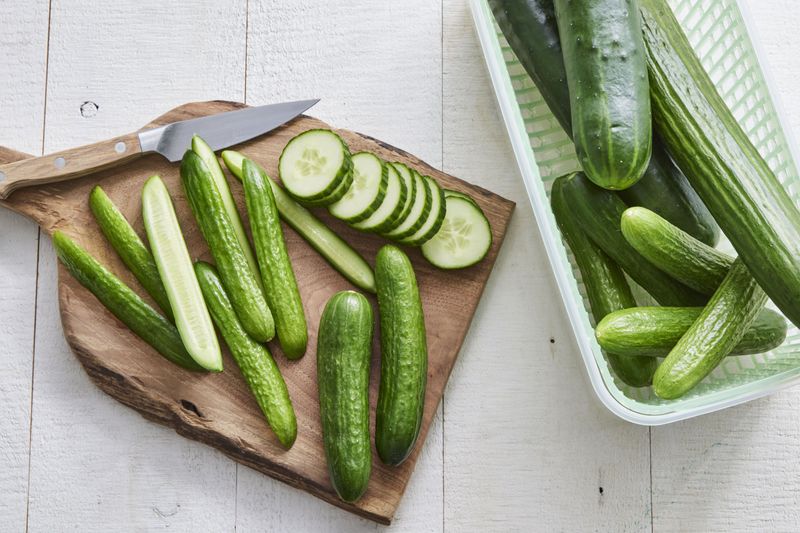
Cucumbers, often enjoyed for their crisp texture, can suffer in cold storage. When refrigerated, they become watery and slimy, losing their appealing crunch. Their high water content makes them sensitive to cold temperatures, leading to rapid quality decline.
For best results, store cucumbers at room temperature or in the refrigerator for short periods. Keep them away from ethylene-producing fruits like bananas to prevent premature ripening. This ensures they remain fresh and crunchy, ready to elevate any salad or dish.
10. Zucchini
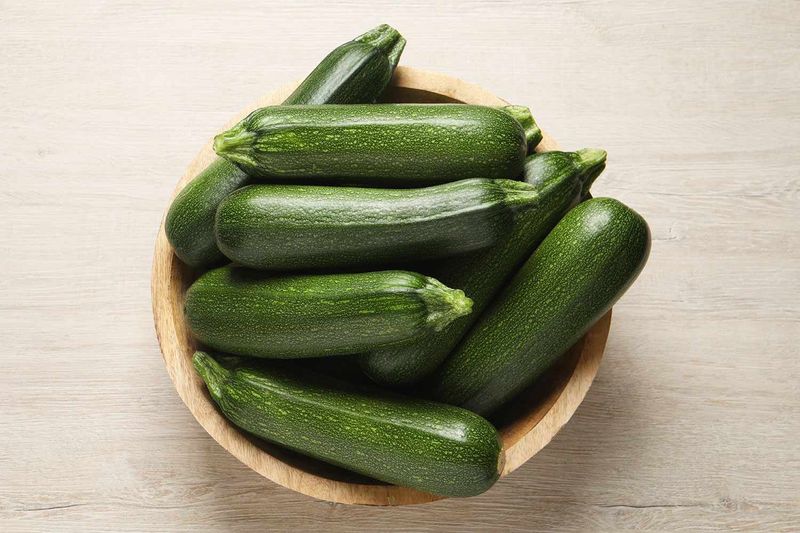
Zucchini, a versatile vegetable, demands careful storage to retain its freshness. If not refrigerated, it perishes quickly, yet can also suffer in very cold temperatures. This delicate balance makes zucchini storage a challenge.
To maintain its quality, store zucchini in a perforated plastic bag in the refrigerator’s crisper drawer. This allows for air circulation while retaining necessary moisture. Avoid storing near ethylene emitters, as this accelerates spoilage, ensuring zucchini remains vibrant and firm.
11. Peaches
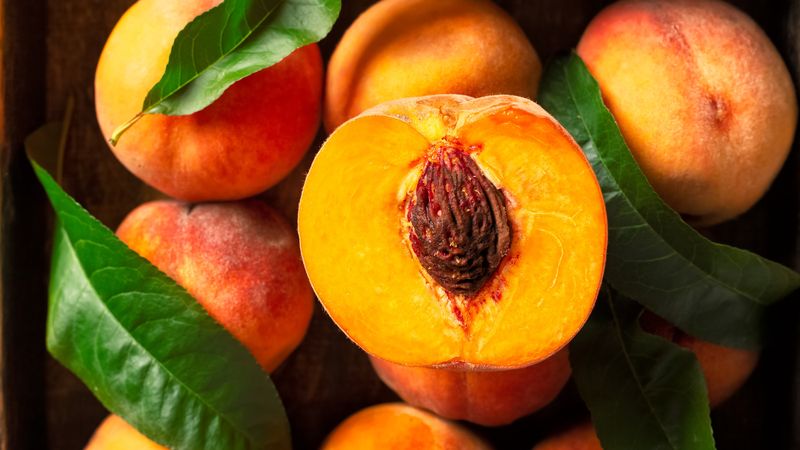
Peaches, with their juicy sweetness, ripen swiftly once picked. As they continue to emit ethylene gas, the ripening accelerates, leading to over-softening and potential spoilage. This rapid transformation requires quick consumption or proper storage.
Store peaches at room temperature until they reach desired ripeness. To slow further ripening, refrigerate them for a few days. This allows enjoyment of their succulent flavor without compromising texture. Avoid placing near other fruits to reduce risk of over-ripening.
12. Apples
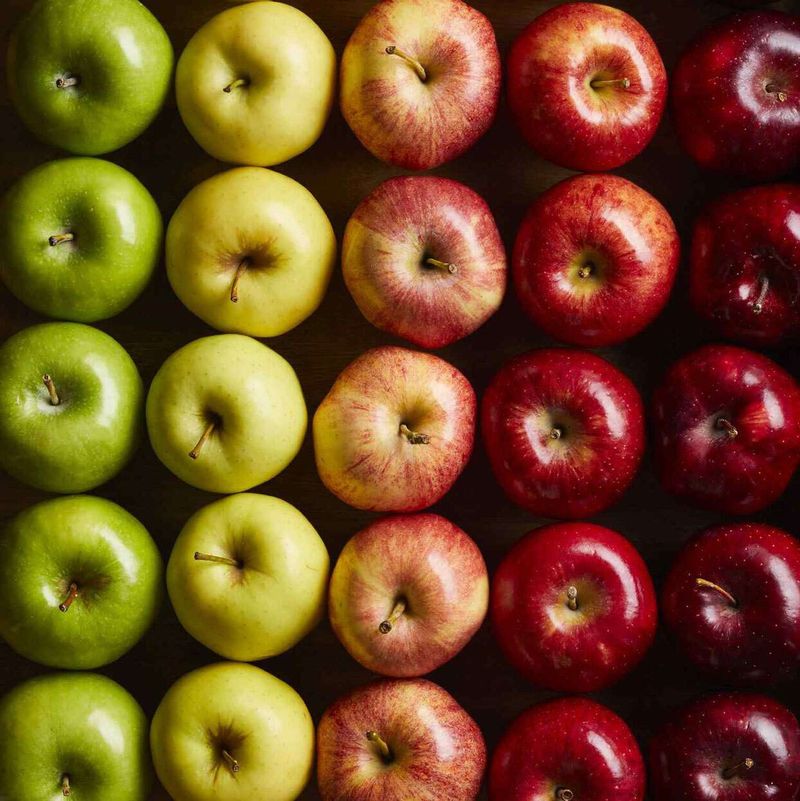
Apples, celebrated for their crispness and flavor, have a long shelf life when stored properly. However, they emit ethylene gas, which can cause leafy greens to spoil quickly if stored together. This interaction emphasizes the importance of strategic storage.
To maximize freshness, store apples in a cool, dry place or in the refrigerator. Keep them separate from vegetables and leafy greens to prevent undue ripening. This ensures apples and other produce maintain their quality and longevity.
13. Avocados
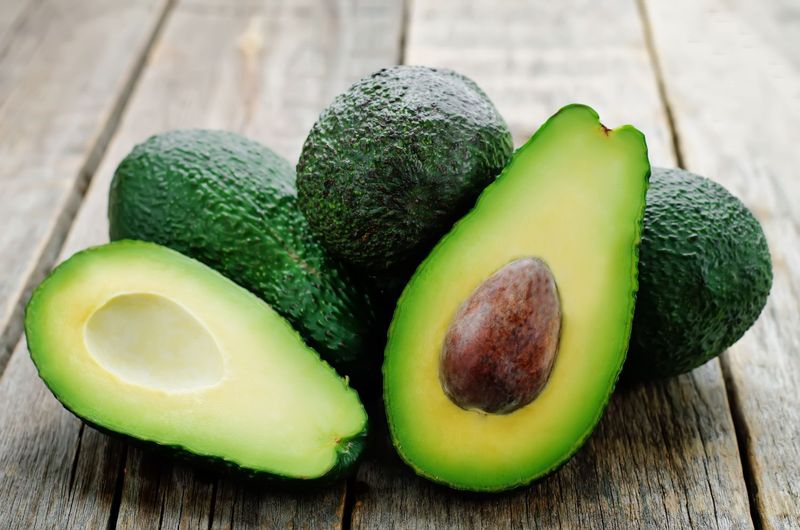
Avocados, beloved for their creamy texture, ripen rapidly and spoil soon after softening. This fast-paced ripening process requires vigilant attention to enjoy them at their peak. If left too long, they become overripe and unappealing.
To control ripening, store avocados at room temperature until they yield gently to pressure. Once ripe, refrigerate to extend freshness for a few more days. This balance allows indulgence in their buttery goodness without waste.
14. Mushrooms
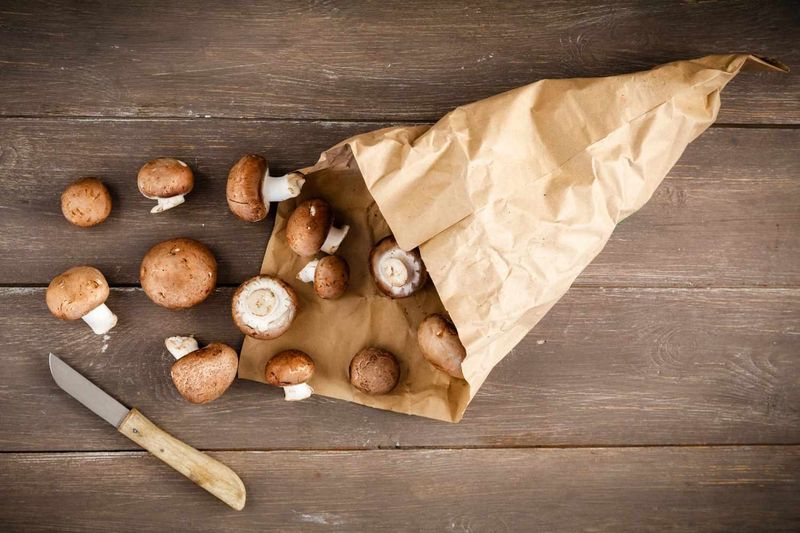
Mushrooms, with their earthy flavor, are highly absorbent and prone to spoilage. Storing them in sealed containers traps moisture, leading to rapid decay and a slimy texture. Their porous nature requires careful handling to maintain quality.
For best results, store mushrooms in a paper bag in the refrigerator. This method allows them to breathe while avoiding excess moisture buildup. This practice ensures mushrooms remain firm and flavorful, ready to enhance any culinary creation.
15. Melons (like cantaloupe)
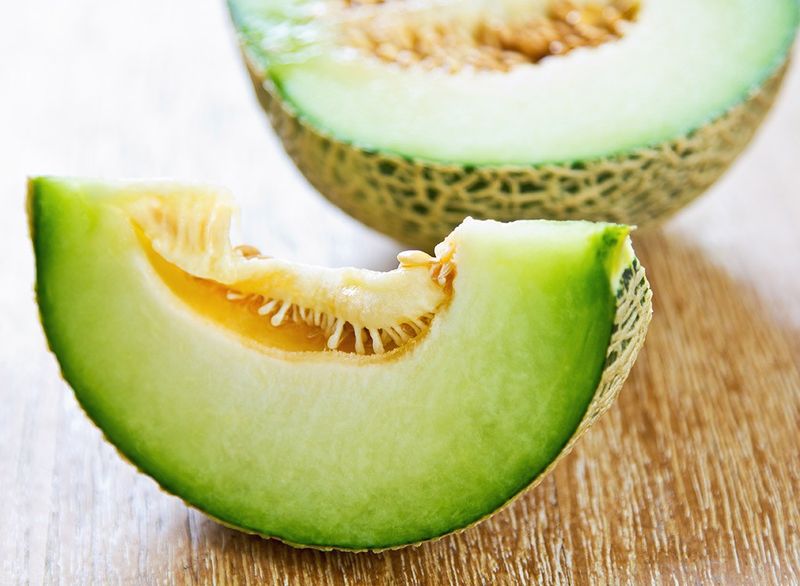
Melons, particularly cantaloupes, are ethylene emitters that can negatively affect nearby leafy greens. Their sweet aroma belies a tendency to hasten the spoilage of sensitive vegetables if stored together.
To preserve freshness, store whole melons at room temperature until ripe. Once cut, refrigerate and consume promptly to enjoy their juicy texture. Separate from greens to prevent unwanted ripening and maintain the integrity of surrounding produce.
16. Cabbage
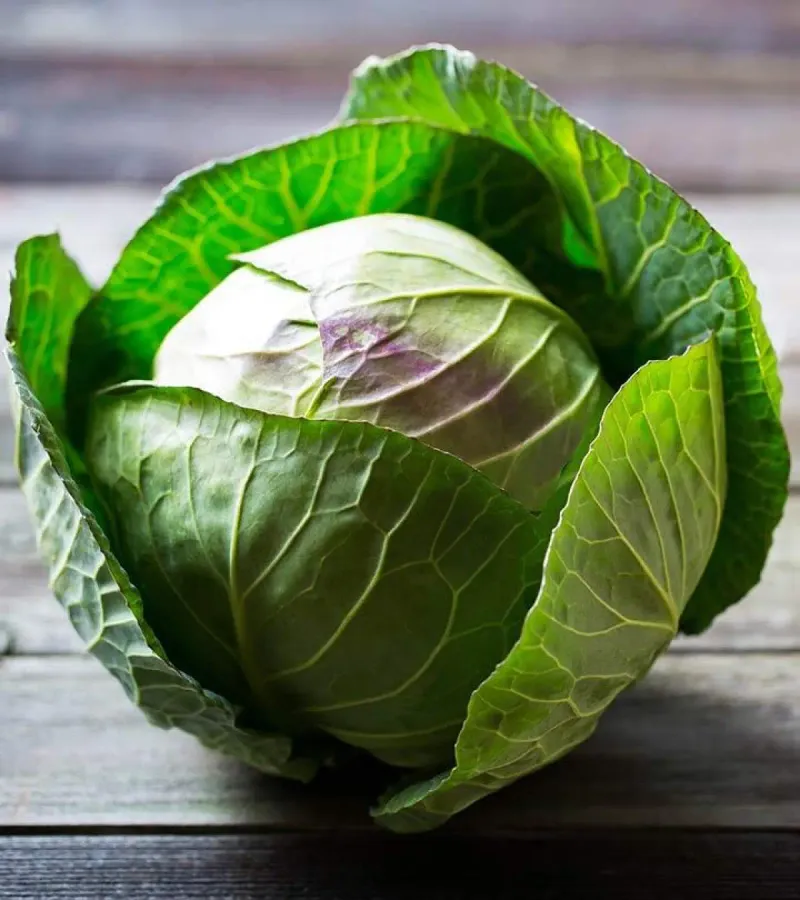
Cabbage, a staple in many diets, can release strong odors that permeate surrounding produce. These odors can alter the taste and freshness of nearby fruits if not managed correctly.
For optimal storage, keep cabbage in the refrigerator in a perforated bag. This contains its robust scent while allowing air circulation. By keeping it isolated from fruits, cabbage retains its crisp texture and flavor, contributing to hearty meals without compromising other produce.
17. Corn (fresh)
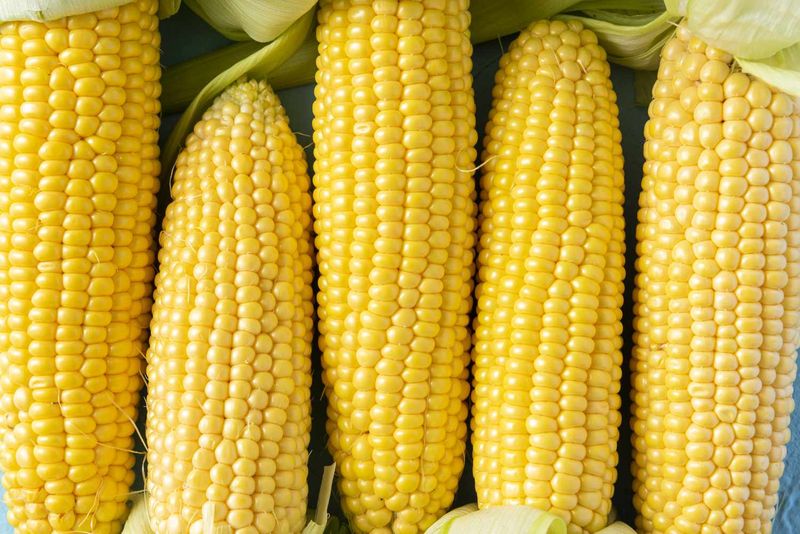
Fresh corn, prized for its sweetness, loses this characteristic swiftly after harvest. The natural sugars begin to convert to starch, diminishing its delightful flavor if not stored correctly.
To enjoy corn’s peak taste, refrigerate immediately and consume within a few days. This preserves its sweetness and ensures each kernel remains a burst of flavor. Proper storage, away from ethylene-producing fruits, helps maintain its quality until it’s time to savor.
18. Peppers
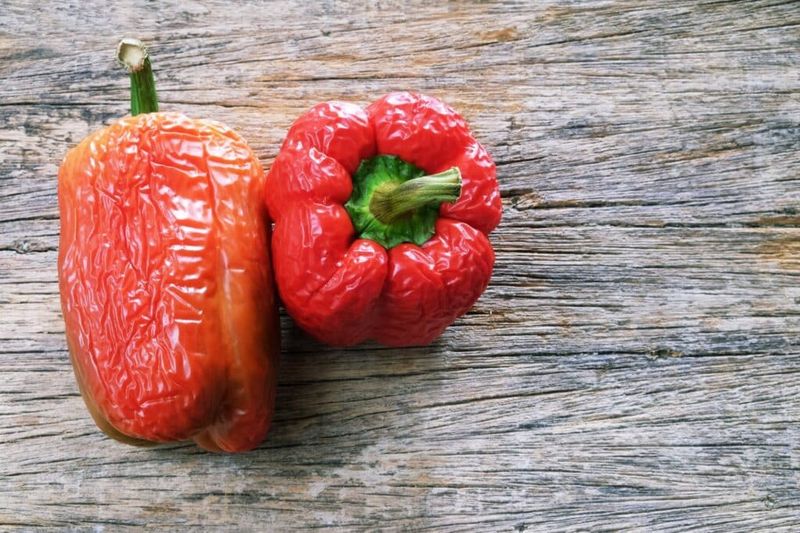
Peppers, with their vibrant colors and flavors, have a relatively short storage life, especially the soft-skinned varieties. If not stored correctly, they can shrivel and spoil quickly, losing their firm texture and taste.
To prolong freshness, store peppers in the refrigerator’s crisper drawer, where the environment is humid but not too cold. This helps maintain their integrity and allows you to enjoy their full flavor and crunch in dishes.
19. Eggplant
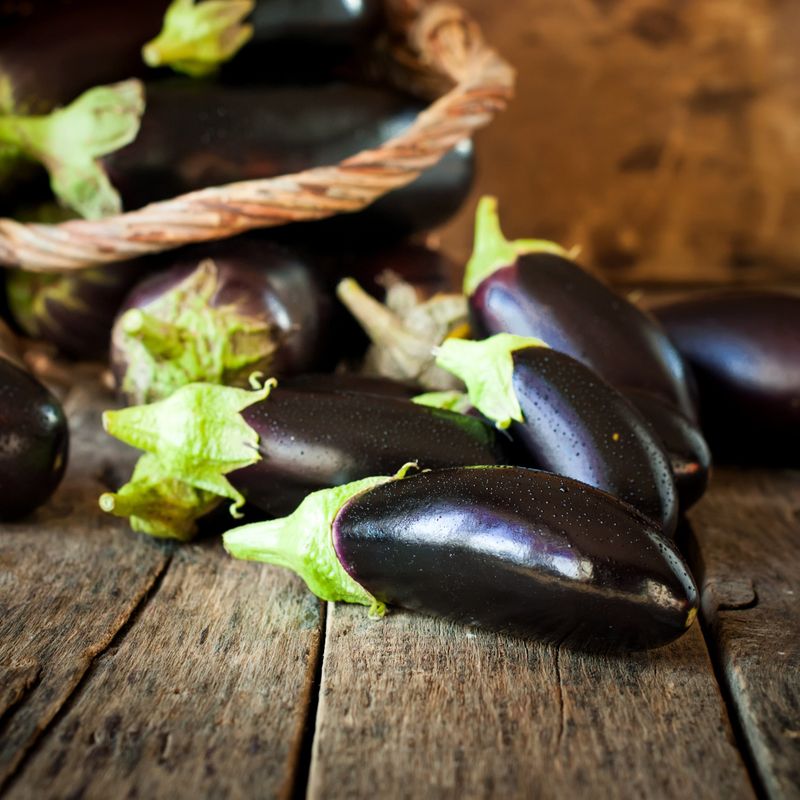
Eggplant, with its glossy skin and rich taste, is sensitive to cold and ethylene exposure. Improper storage can lead to bruising and spoilage, making it essential to handle this vegetable with care.
To keep eggplant fresh, store it in a cool, dry place rather than the refrigerator. Avoid placing near ethylene producers like apples or bananas, which accelerate decay. This ensures eggplant remains an appealing addition to any meal, retaining its unique flavor and texture.
20. Basil
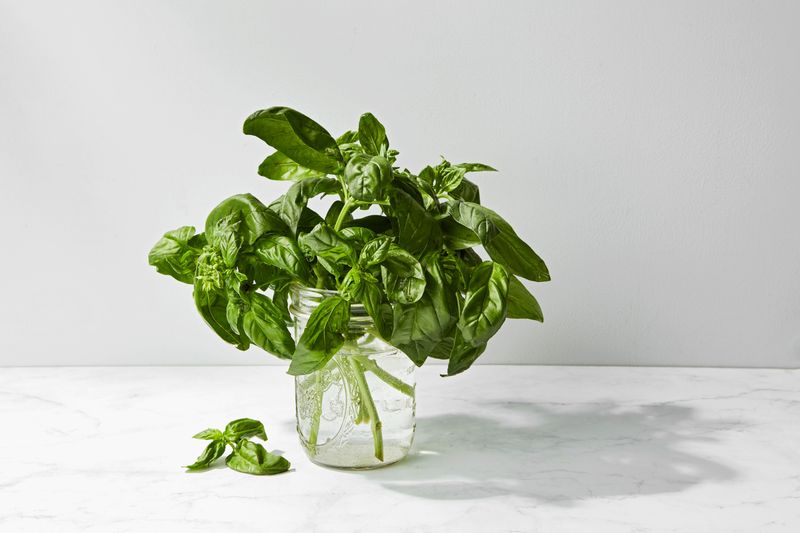
Basil, cherished for its aromatic leaves, wilts quickly in cold conditions. This herb’s sensitivity to low temperatures causes it to brown, losing its vibrant appeal and aromatic quality.
For longevity, store basil in a glass of water at room temperature, covering loosely with a plastic bag. This mimics its natural growing environment and helps preserve its fresh flavor. Refrigeration is best avoided, allowing basil to shine in culinary creations without compromise.