 Complete Gardening
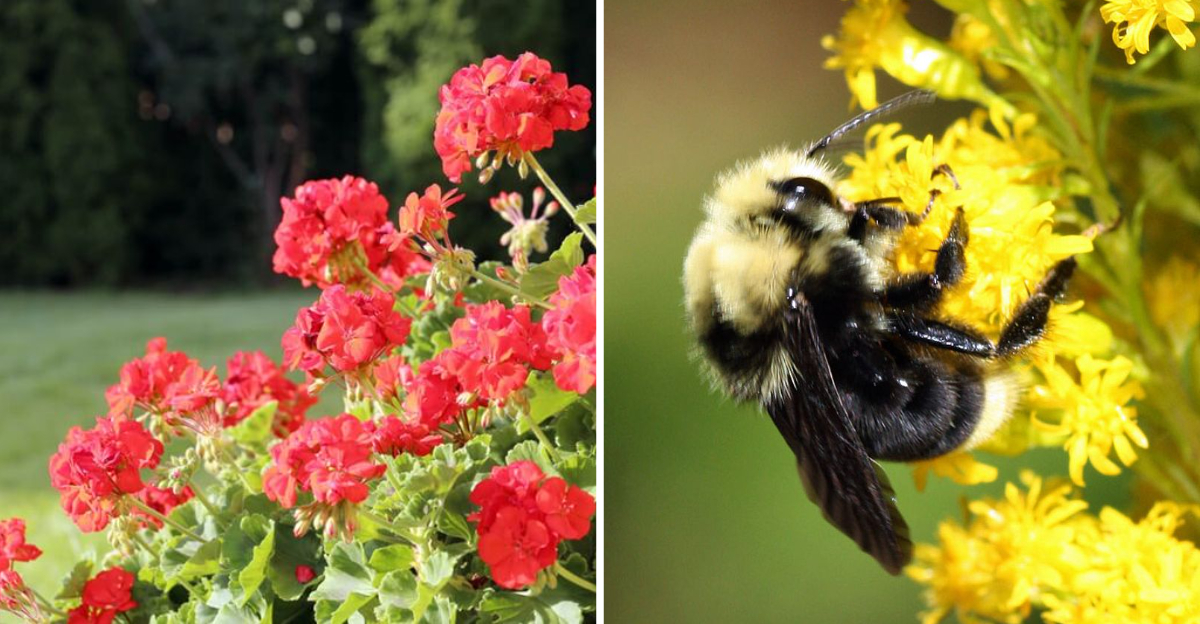
In the world of gardening, not all flowers are created equal when it comes to supporting our buzzing friends, the bees. While some flowers may appear beautiful and vibrant, they could be secretly detrimental to bee populations.
On the other hand, certain flowers provide a rich source of nectar and pollen, essential for sustaining healthy bee colonies.
This blog post uncovers five garden flowers that are inadvertently harming bees and suggests ten alternatives that will foster a thriving pollinator environment in your garden.
1. Double-Flowered Hybrids
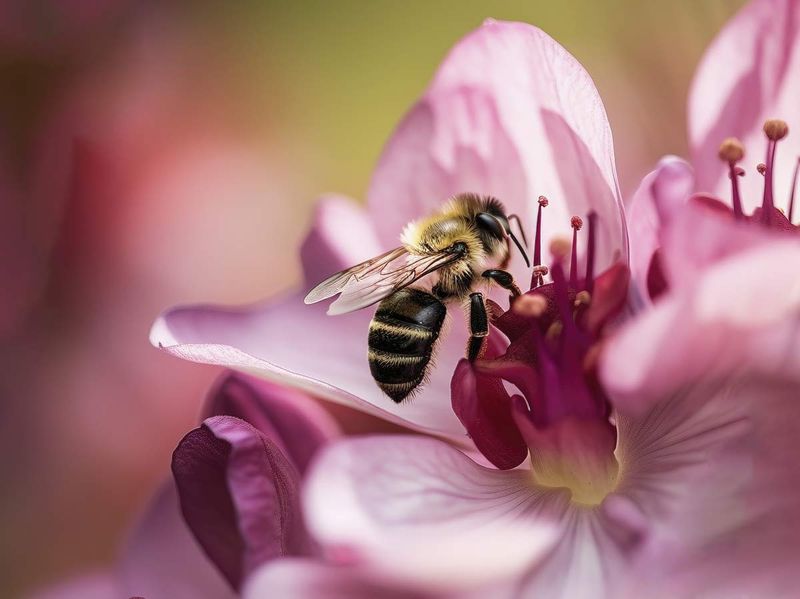
Double-flowered hybrids like Double Impatiens and Roses might steal the show in your garden with their lush petals. However, their beauty comes with a downside: they block bees from accessing their nectar and pollen. This lack of access renders them all show and no substance when it comes to supporting pollinators. These flowers waste bees’ energy as they work tirelessly with no reward, impacting their ability to collect necessary nutrients. For vibrant gardens that buzz with life, consider planting open-pollinated varieties that offer accessible nectar, ensuring bees have what they need to thrive.
2. Marigolds (Tagetes spp.) treated with pesticides
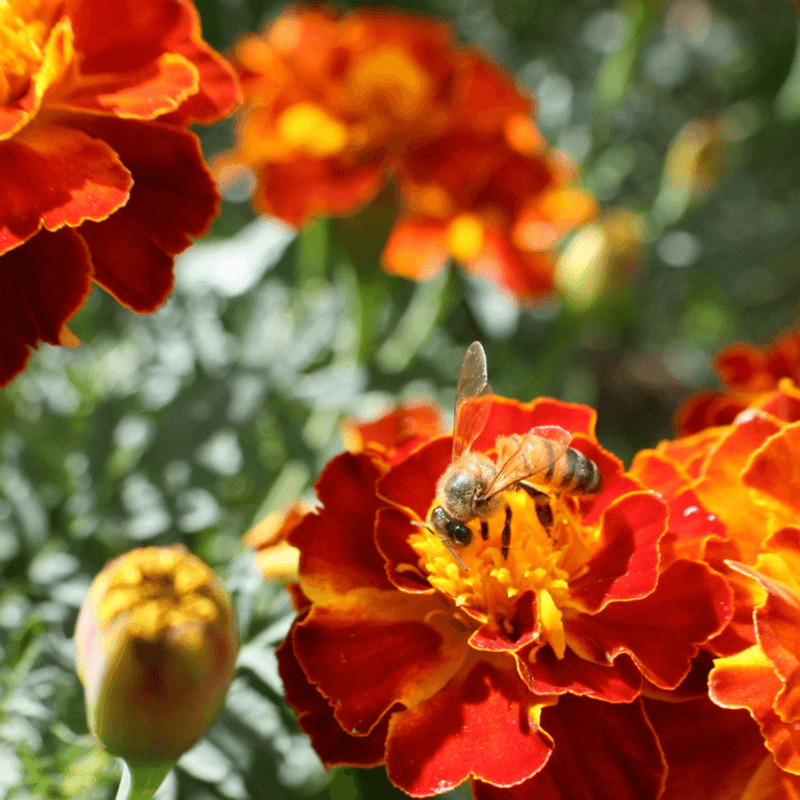
Marigolds, particularly those treated with pesticides, pose a significant threat to bees. Often pre-treated with neonicotinoids, these flowers become lethal for our buzzing friends. Even in small doses, these chemicals impair bees’ ability to navigate and reproduce, affecting colony health. Though marigolds add color to gardens, their toxicity underscores the importance of organic practices. By choosing untreated or organically grown marigolds, gardeners can maintain their vibrant flowers without endangering bees. This simple swap ensures your garden remains a haven for these crucial pollinators, contributing to a healthier ecosystem.
3. Zonal Geraniums (Pelargonium x hortorum)
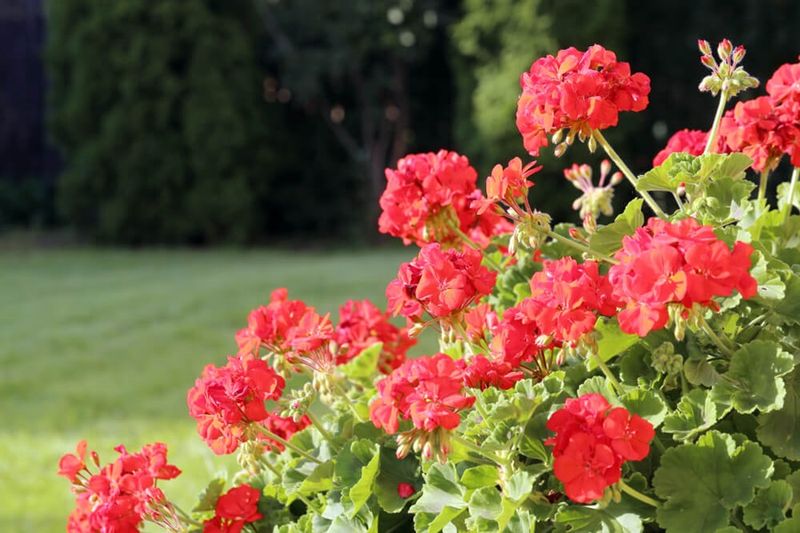
Zonal Geraniums catch the eye with their striking colors and form, yet they harbor a secret that spells trouble for bees. These plants contain low levels of natural toxins that can affect bees’ nervous systems. While they may be attractive, they contribute little to pollinators’ well-being. Instead of zonal geraniums, opt for flowers like native wildflowers that offer essential nectar without the harmful toxins. By making informed plant choices, you can nurture a garden that not only looks beautiful but also supports the intricate web of life upon which we all depend.
4. Impatiens (Impatiens walleriana)
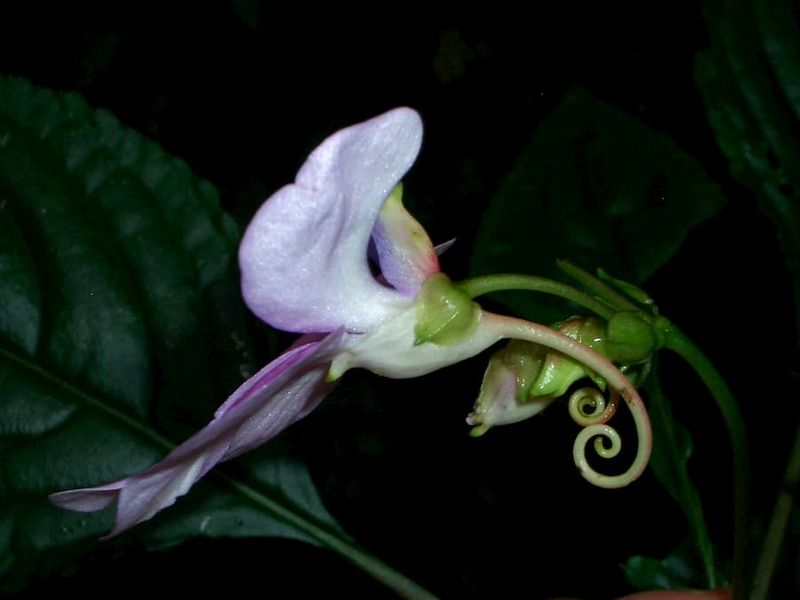
Impatiens, particularly the highly bred varieties, present a cheerful, colorful display but offer minimal nectar for bees. These flowers can waste bees’ foraging energy, offering little nutritional reward. By focusing on aesthetics, these impatiens neglect the needs of pollinators that rely on rich nectar sources. To create a garden that supports bees, select alternative flowering plants that provide abundant nectar, ensuring bees can efficiently gather the nourishment they require. This simple change fosters a garden that not only pleases the eye but also plays a vital role in supporting bee populations.
5. Ornamental Pansies and Violas
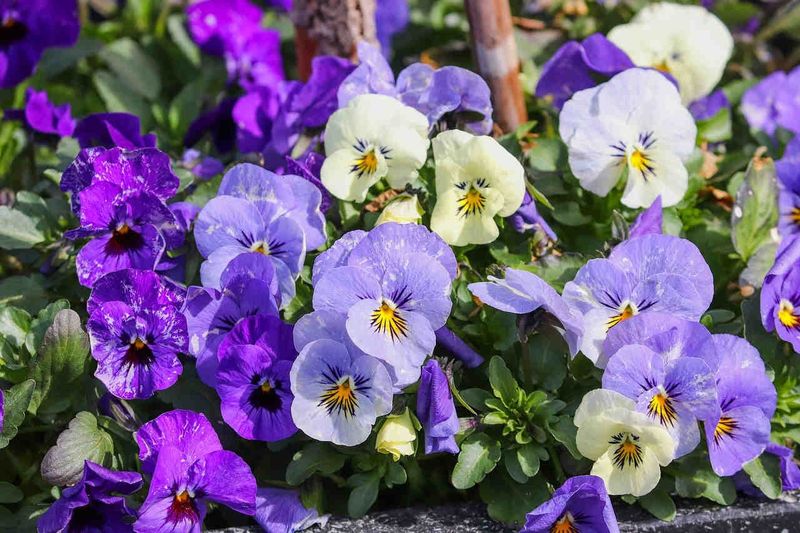
Ornamental pansies and violas bring a touch of elegance to any garden, yet their hybrid varieties often lack accessible nectar. This deficiency makes them poor choices for supporting pollinators, despite their popularity. Choosing open-pollinated or wild varieties ensures that bees can access the nutrition they need. By prioritizing these bee-friendly options, gardeners can maintain the beauty of their floral displays while contributing to the health and vitality of bee populations. Such mindful planting choices help sustain the essential ecological roles that bees play, ensuring gardens teem with life.
6. Echinacea (Coneflower)
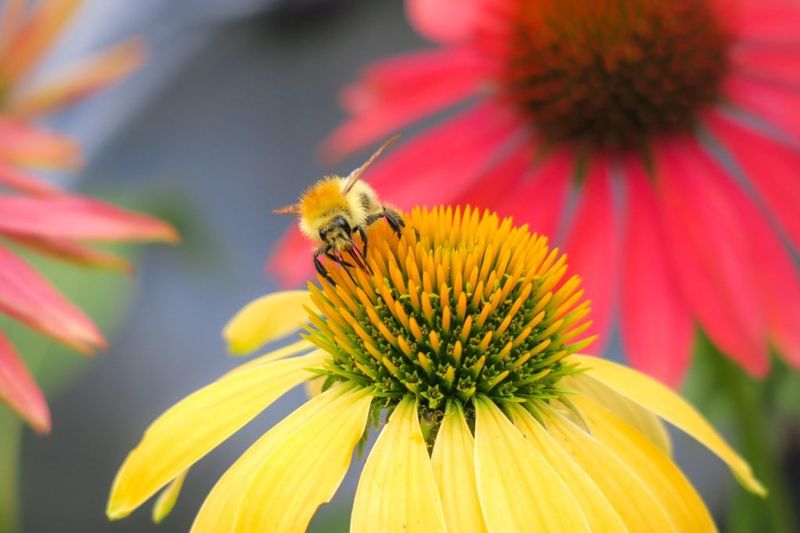
Echinacea, or Coneflower, stands tall in gardens, revered by both humans and bees. Its open shape and long blooming season offer high nectar yields, making it a favorite among pollinators. The vibrant colors of Echinacea draw bees in, providing them with essential nutrients and energy. This flower not only beautifies gardens but also plays a critical role in sustaining bee populations. By planting Echinacea, gardeners invite a flurry of activity, creating a thriving ecosystem that supports biodiversity. Its resilience and attractiveness make it an excellent choice for any pollinator-friendly garden.
7. Salvia (Sage)
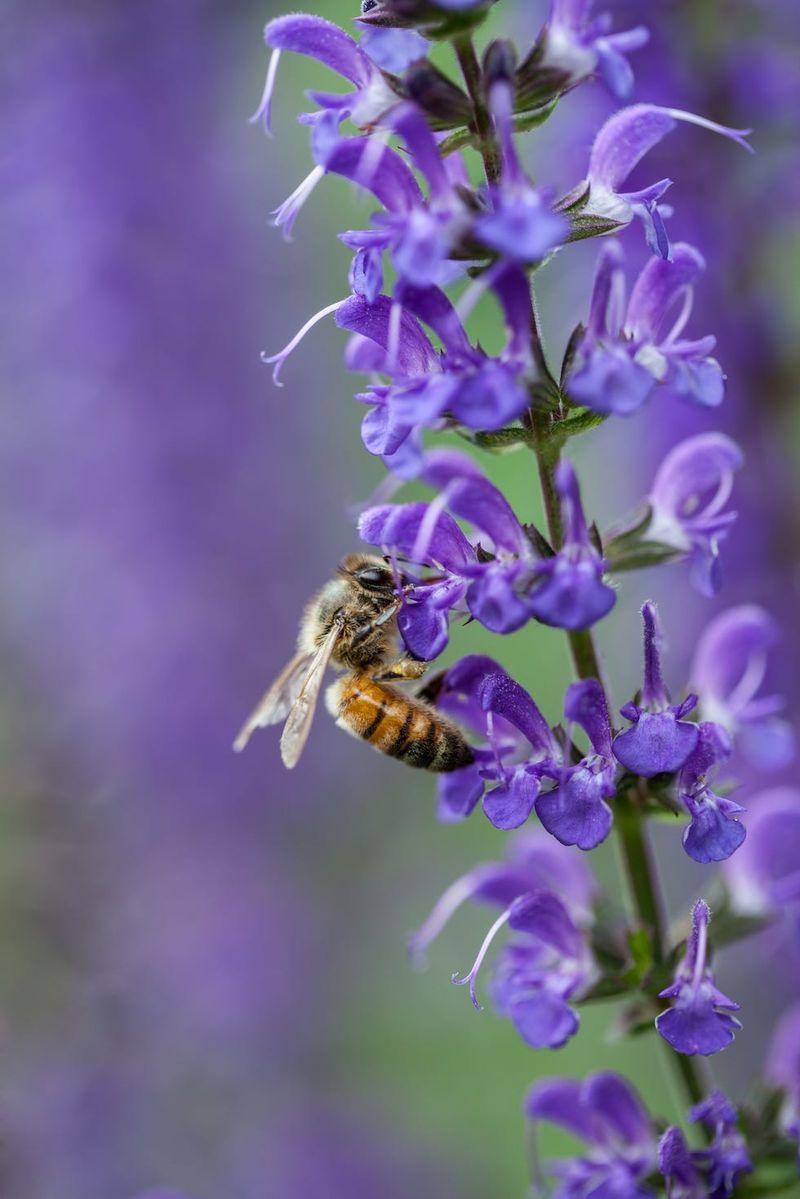
Salvia, or Sage, enchants gardeners and bees alike with its tubular flowers packed with nectar. Drought-resistant and vibrant, Salvia provides a reliable food source for bees, even in challenging conditions. Its bold colors and fragrance invite pollinators to feast, supporting their foraging needs throughout its blooming season. By incorporating Salvia into gardens, enthusiasts cultivate spaces that nurture bees and other pollinators. This plant’s hardiness and nectar-rich blooms make it an indispensable addition to any garden dedicated to sustaining a healthy, buzzing community of bees.
8. Lavender (Lavandula spp.)
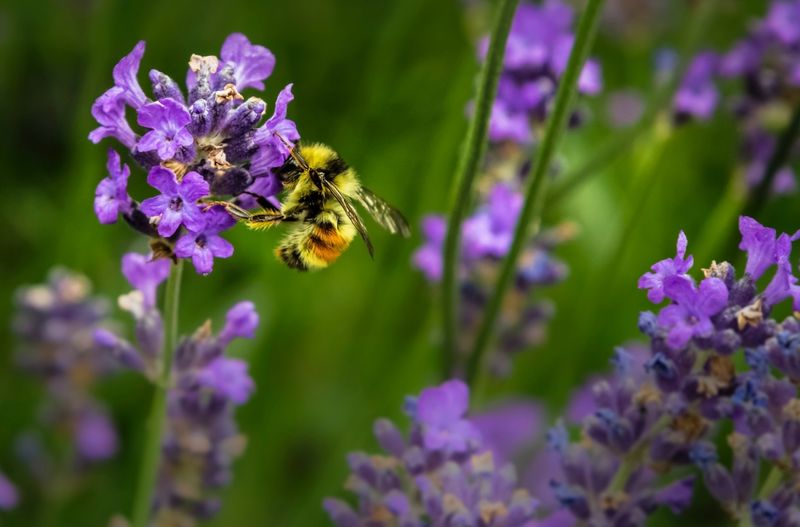
Lavender captivates with its soothing scent and long-lasting blooms, rich in nectar. Bees flock to Lavender, drawn by its enticing fragrance and abundant resources. This aromatic herb not only perfumes the air but also supports a thriving pollinator population. Its resilience and beauty make Lavender a perennial favorite in gardens, fostering a symbiotic relationship with bees. By planting Lavender, gardeners create a sensory and ecological haven that delights both humans and pollinators, ensuring that gardens remain vibrant and full of life through thoughtful plant selection.
9. Bee Balm (Monarda spp.)
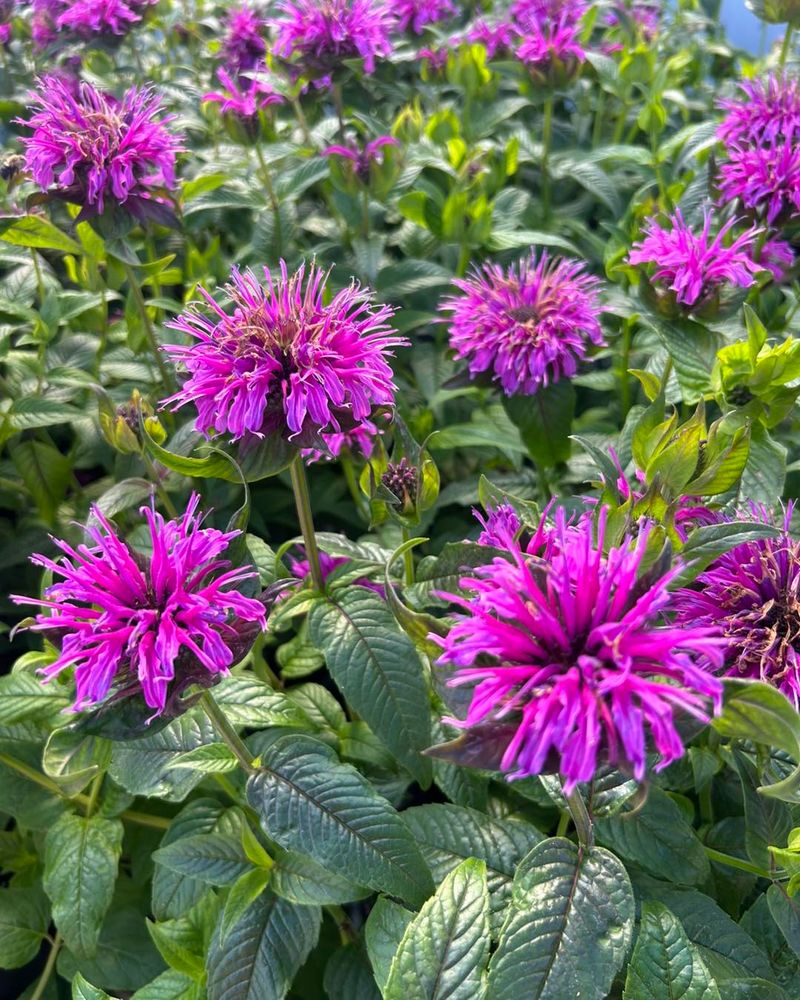
Bee Balm, with its vibrant hues and invigorating scent, serves as a true pollinator magnet. Its bold flowers and rich nectar offerings make it a favorite among bees, providing them with energy and nourishment. By planting Bee Balm, gardeners introduce a dynamic element that supports pollinator health and biodiversity. This plant’s striking appearance and aromatic presence enhance gardens, drawing in a diversity of bees and other beneficial insects. Bee Balm’s unique qualities make it a standout choice for creating a thriving, bee-friendly environment that fosters ecological balance.
10. Borage (Borago officinalis)
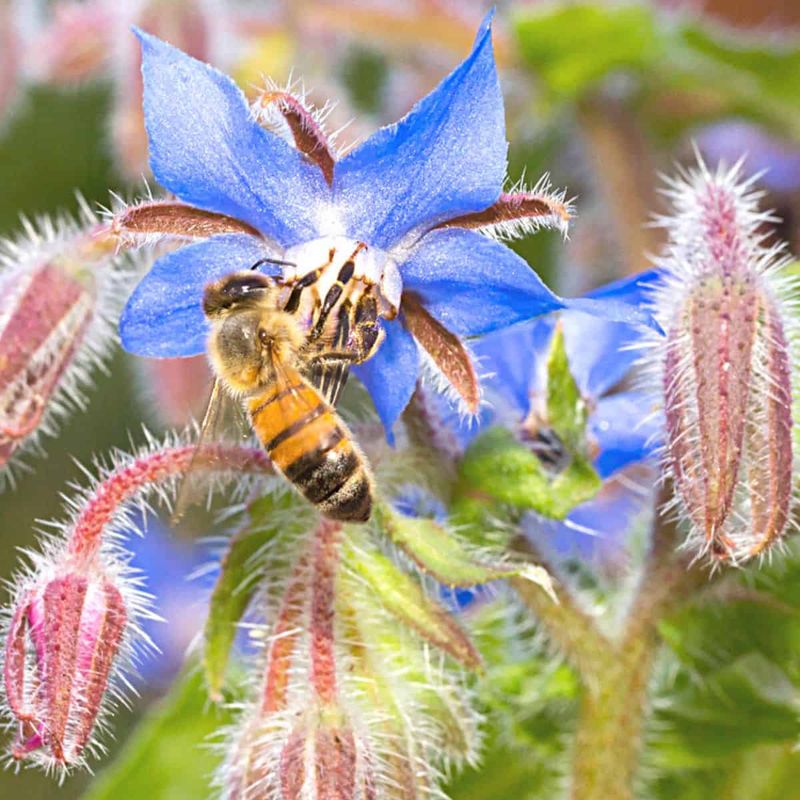
Borage, with its star-shaped blooms, quickly replenishes nectar, making it a favorite among bees. This plant’s continuous flowering provides a reliable source of nourishment, supporting bees throughout the growing season. Its blue, delicate flowers are not only visually appealing but also essential to maintaining healthy bee populations. By incorporating Borage into gardens, enthusiasts offer a constant feast for pollinators, promoting ecological balance. This steadfast plant helps create a garden where bees can thrive, ensuring that pollinators have the resources they need to flourish all season long.
11. Black-eyed Susan (Rudbeckia hirta)
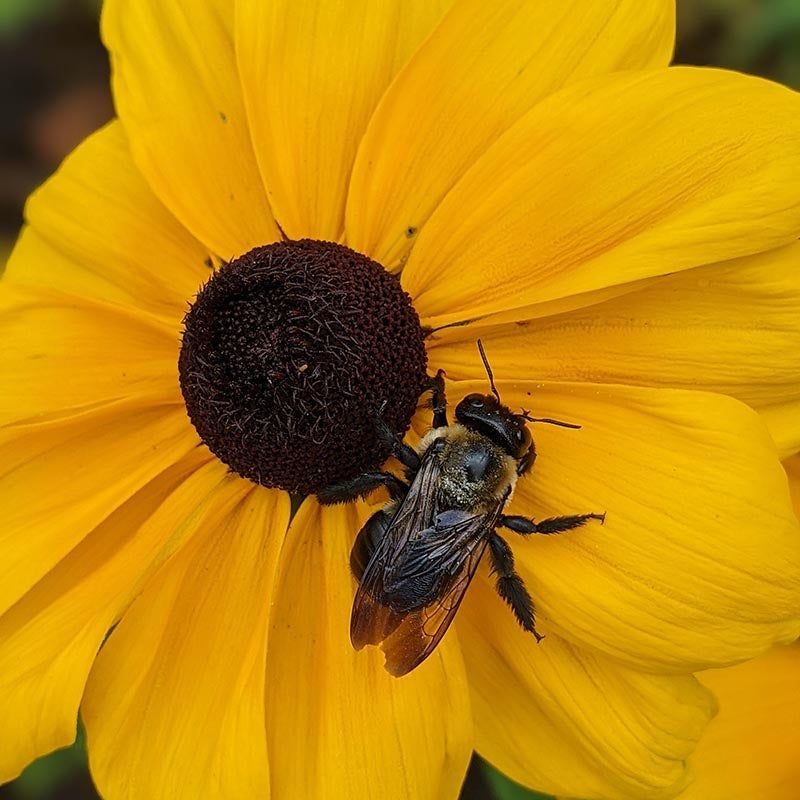
Black-eyed Susan, with its sunny disposition, captivates bees with open-pollinated, nectar-rich centers. These cheerful flowers are excellent for attracting native bees and supporting their nutritional needs. By planting Black-eyed Susans, gardeners create vibrant displays that benefit pollinators and brighten landscapes. Their hardy nature and visual appeal make them a versatile choice for any garden aiming to support bees. This beloved flower not only decorates gardens but also plays a crucial role in fostering a diverse and resilient bee population, making it an essential component of bee-friendly gardening.
12. Catmint (Nepeta spp.)
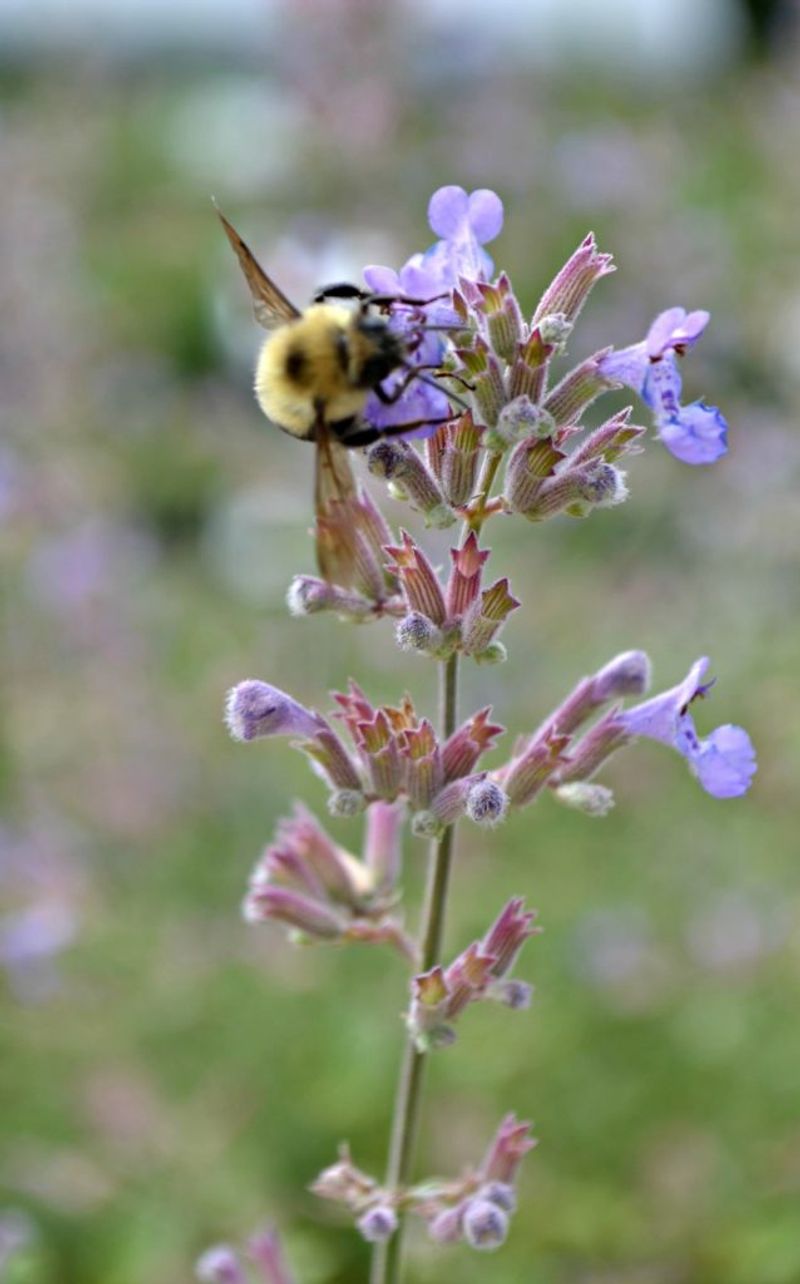
Catmint, known for its prolific blooms and soothing scent, offers a feast for bees. Drought-tolerant and long-blooming, Catmint provides consistent resources for pollinators. Its calming aroma and abundant flowers create an inviting atmosphere in gardens, encouraging bees to linger. By including Catmint in plantings, gardeners provide an essential service to bees, ensuring they have access to the nourishment they require. This adaptable plant enhances garden aesthetics while supporting a healthy pollinator population, creating a harmonious environment where nature’s workers can thrive.
13. Anise Hyssop (Agastache foeniculum)
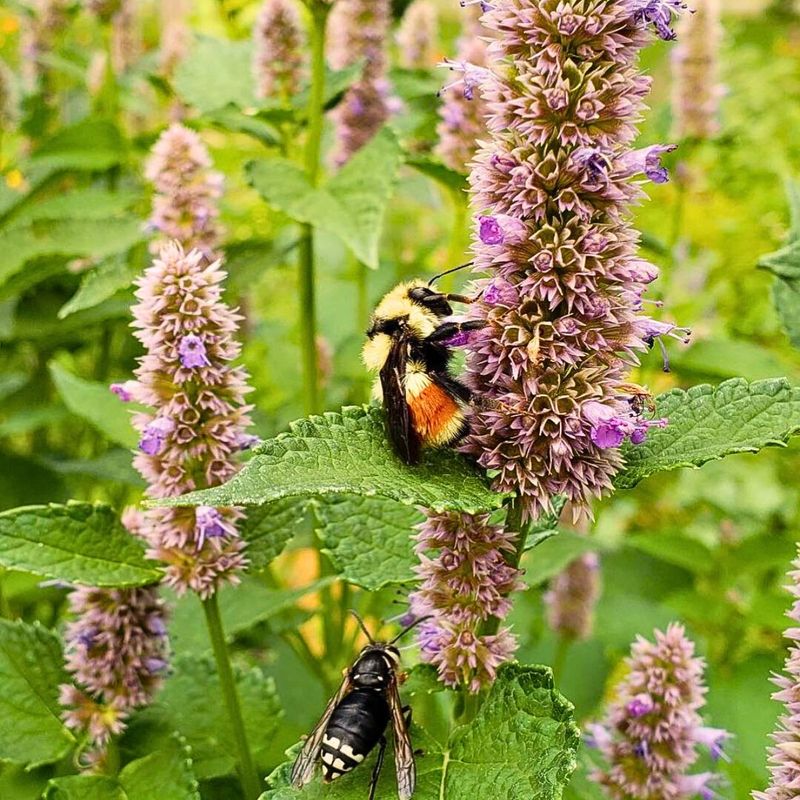
Anise Hyssop, distinguished by its strong licorice scent and tall flower spikes, attracts bees with abundant nectar. Its unique fragrance and towering blooms provide a sensory delight for gardeners and a vital resource for pollinators. By planting Anise Hyssop, garden enthusiasts create spaces buzzing with life, supporting bee populations and biodiversity. This plant’s striking appearance and aromatic presence make it a valuable addition to any pollinator-friendly garden. Anise Hyssop’s contributions to bee health and garden diversity underscore the importance of thoughtful plant selection.
14. Sunflowers (Helianthus spp.)
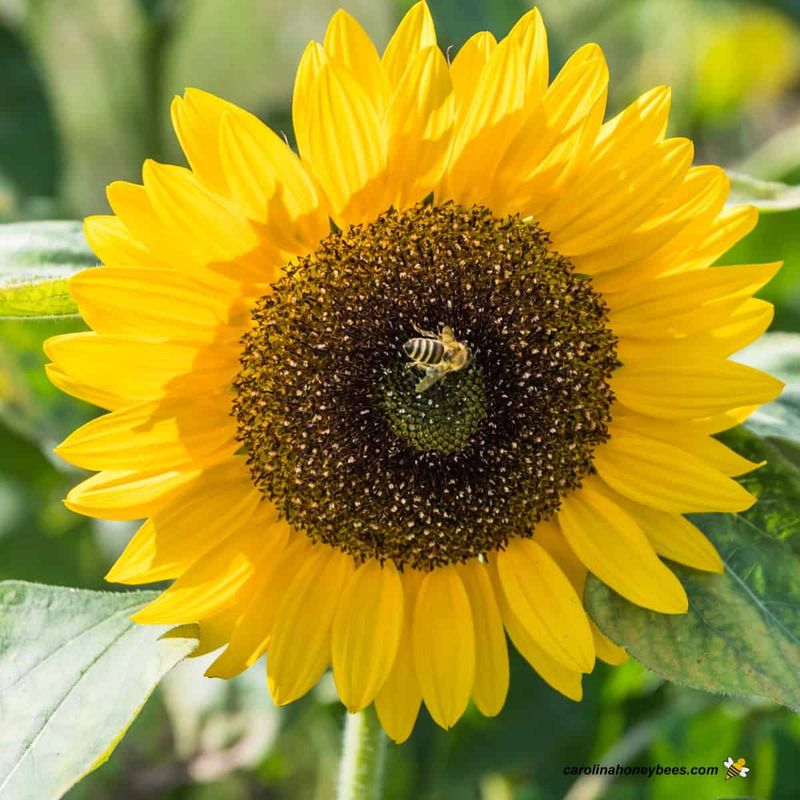
Sunflowers, with their towering stalks and bright faces, offer a dual benefit for bees. They provide ample nectar and pollen, satisfying bees’ dietary needs, and later in the season, seeds for birds. By including Sunflowers in gardens, enthusiasts create dynamic, multi-functional spaces that support diverse wildlife. These cheerful giants not only add height and vibrancy to gardens but also foster a sustainable ecosystem. Sunflowers’ ability to nourish both bees and birds makes them an indispensable choice for gardeners committed to supporting biodiversity and creating lively, thriving landscapes.
15. Goldenrod (Solidago spp.)
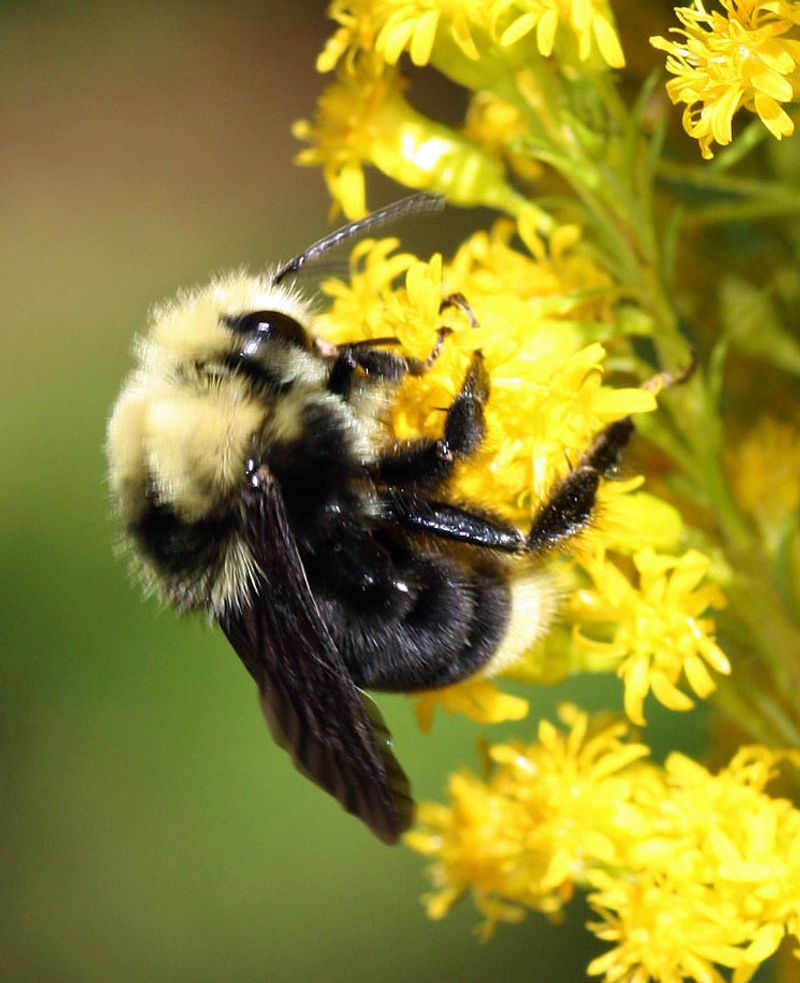
Goldenrod shines in gardens with its late-season blooms, providing vital support for bees as fall approaches. Its bright, clustered flowers offer a last-minute nectar source, helping bees prepare for the colder months. By planting Goldenrod, gardeners extend the foraging season for pollinators, ensuring they have the resources needed for survival. This plant’s vibrant presence and ecological significance make it a must-have for any garden focused on sustaining bee populations. Goldenrod’s late bloom and nourishment support help create gardens that buzz with life, even as the seasons change.