 Complete Gardening
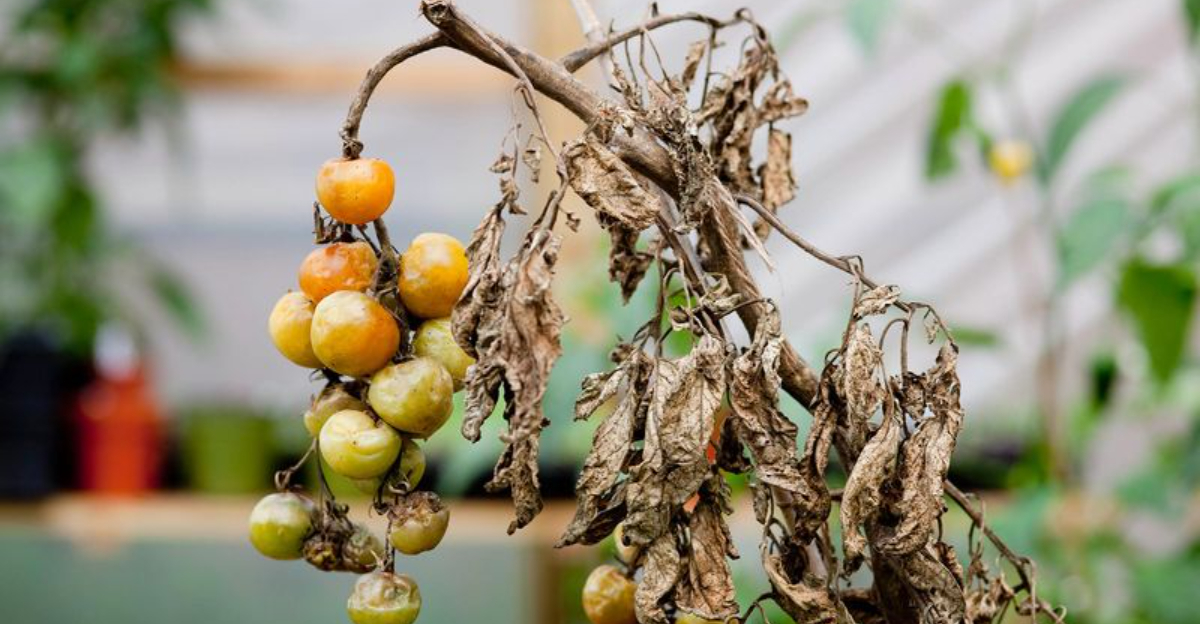
Tomatoes can be sensitive to certain garden scraps, which can either harm or benefit their growth. By understanding which scraps to avoid and which to use, gardeners can optimize their tomato yield.
This article explores three scraps that can be detrimental to tomato plants and fifteen that can enhance their growth.
1. Black Walnut Leaves or Husks
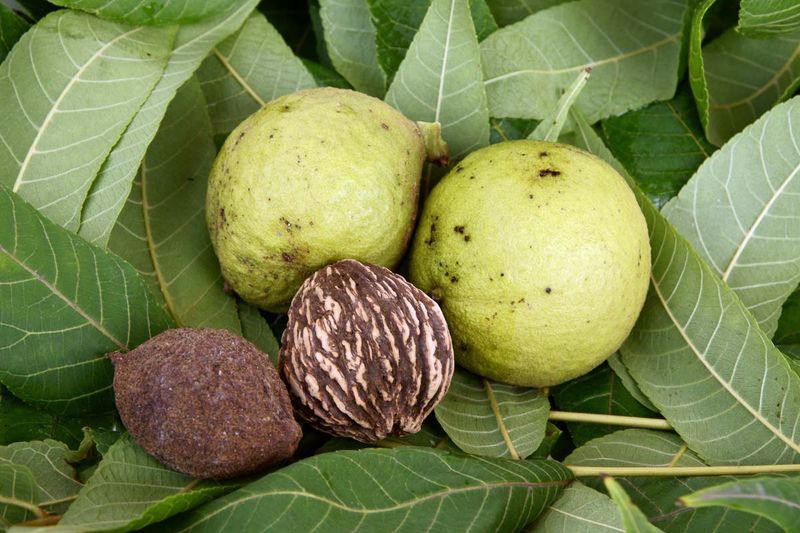
Black walnut leaves and husks are notorious for containing juglone, a compound harmful to tomatoes. When introduced to the soil, juglone can stunt tomato growth and even lead to plant death. This natural toxin is a powerful deterrent that impacts not only tomatoes but many other sensitive plants. Gardeners should be cautious with black walnut debris. Avoid planting tomatoes near these trees or using their leaves in compost to ensure healthy tomato growth.
2. Potato Peels

Potato peels might seem harmless, but they can harbor blight and fungal diseases detrimental to tomatoes. These pathogens can quickly spread, leading to devastating effects on tomato plants. It’s essential to keep potato waste away from tomato gardens. Composting them without proper care can reintroduce these harmful diseases into the soil. To safeguard tomato health, avoid using potato peels in compost or near tomato plants.
3. Diseased Tomato Plant Leftovers

Diseased tomato plant remnants can be a hidden threat in the garden. These leftovers may carry pathogens that easily transfer to healthy plants, leading to widespread damage. Removing and disposing of diseased plants properly is crucial. Composting them can inadvertently reintroduce the same diseases. Always ensure that leftover plant materials are disease-free before use. This preventive measure helps maintain a healthy tomato crop.
1. Crushed Eggshells

Crushed eggshells are a fantastic source of calcium, essential for preventing blossom end rot in tomatoes. These natural amendments break down slowly, releasing calcium over time. This helps fortify tomato plants against nutrient deficiencies. Scattering eggshells around your tomato plants not only provides a calcium boost but also deters pests like slugs. This simple yet effective method contributes to healthier, more resilient tomato plants.
2. Banana Peels

Banana peels are more than just waste; they’re a treasure trove of nutrients for tomatoes. Rich in potassium and phosphorus, they bolster plant growth and enhance fruit development. When added to compost or directly buried near the roots, these peels break down, enriching the soil. This natural boost supports robust tomato production. Using banana peels is an eco-friendly way to recycle kitchen scraps while nourishing your garden.
3. Coffee Grounds
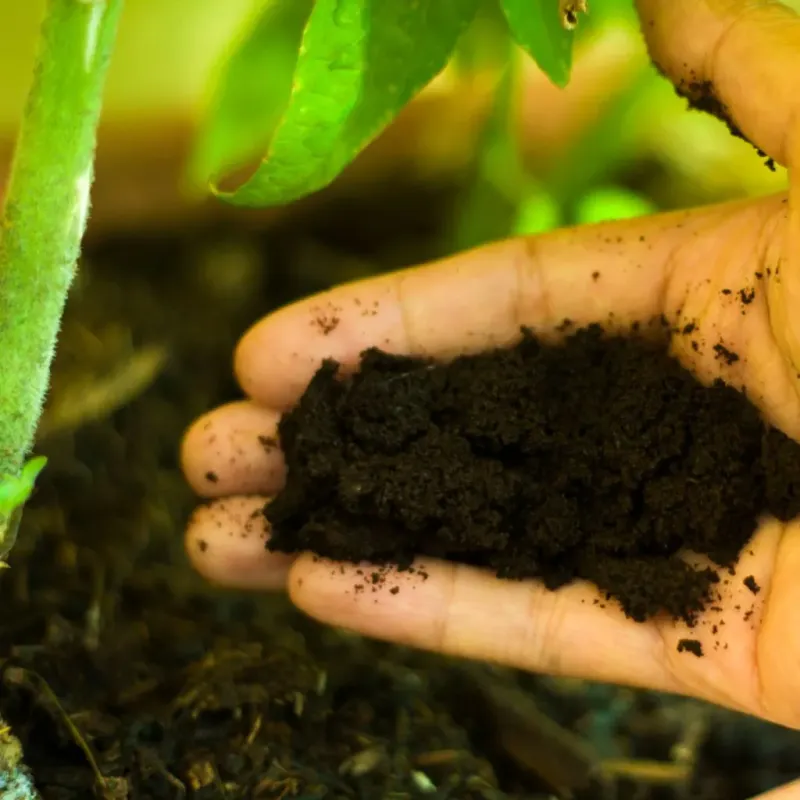
Coffee grounds are an excellent nitrogen source, vital for tomato plant growth. Incorporating these grounds into the soil enhances its texture and fertility. Their slightly acidic nature can also be beneficial in balancing alkaline soils. Used coffee grounds serve as a slow-release fertilizer, gradually improving soil quality. They’re also known to repel certain pests. By recycling coffee grounds, gardeners can provide a sustainable nutrient boost to their tomatoes.
4. Used Tea Leaves
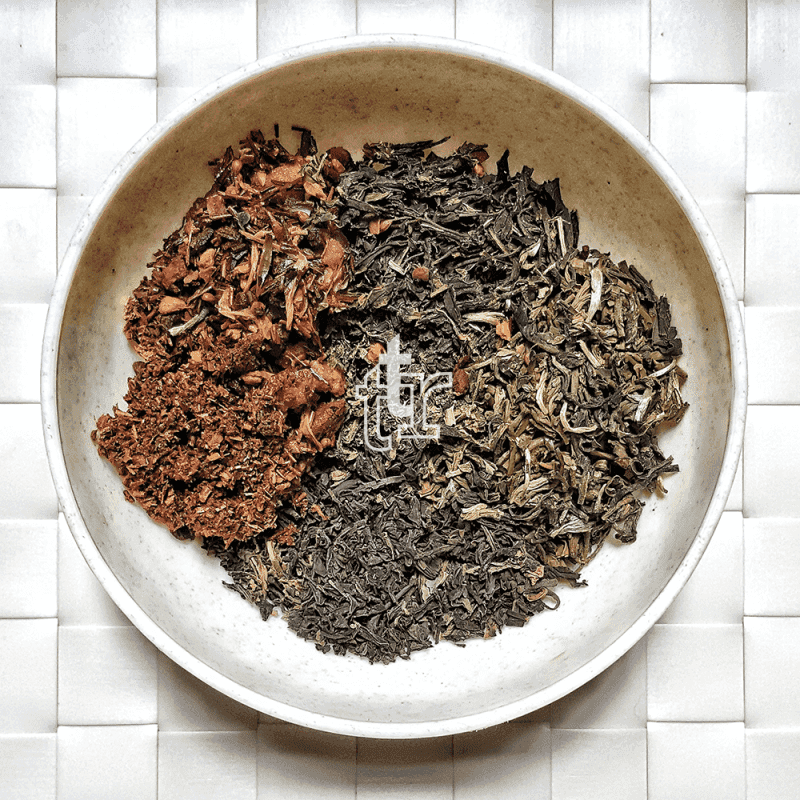
Used tea leaves offer a dual benefit to tomato gardens: they add organic matter while enhancing soil acidity. This can be particularly advantageous for tomatoes, which thrive in slightly acidic environments. Incorporating tea leaves into garden soil improves its structure and nutrient content. The tea leaves break down, providing a slow and steady nutrient release. A sustainable choice, used tea leaves contribute to the overall health and vigor of tomato plants.
5. Grass Clippings
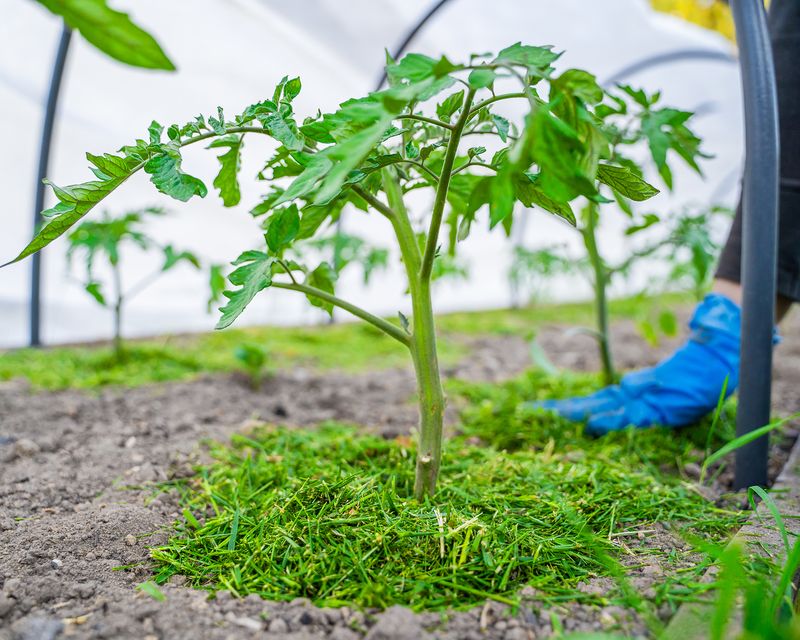
Grass clippings are a versatile addition to the tomato garden, serving as a nutrient-rich mulch. When applied around plants, they decompose, slowly releasing nitrogen—a key nutrient for robust tomato growth. This green mulch not only enriches the soil but also helps retain moisture and suppress weeds. By recycling grass clippings, gardeners can create a sustainable, self-feeding system that benefits their tomato plants throughout the growing season.
6. Chopped Comfrey Leaves

Comfrey leaves, when chopped and added to compost, make a superb natural fertilizer for tomatoes. These leaves are packed with potassium, crucial for flowering and fruiting. As they break down, they release nutrients that invigorate tomato plants. Whether used in compost or as a direct mulch, comfrey leaves enhance soil structure and fertility. Their beneficial properties make them a valuable addition to any organic gardening practice.
7. Seaweed Scraps
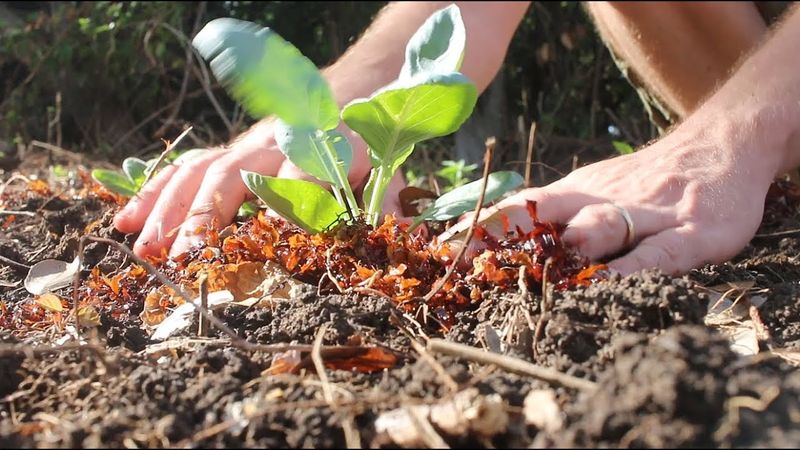
Seaweed scraps are a coastal garden’s secret weapon, brimming with micronutrients and growth hormones beneficial to tomatoes. When used in compost or directly applied as mulch, seaweed enriches the soil with essential minerals. Its natural hormones promote robust growth and increase resistance to stress. Seaweed’s rapid decomposition provides a quick nutrient boost, making it an excellent organic amendment for tomato cultivation.
8. Fish Scraps
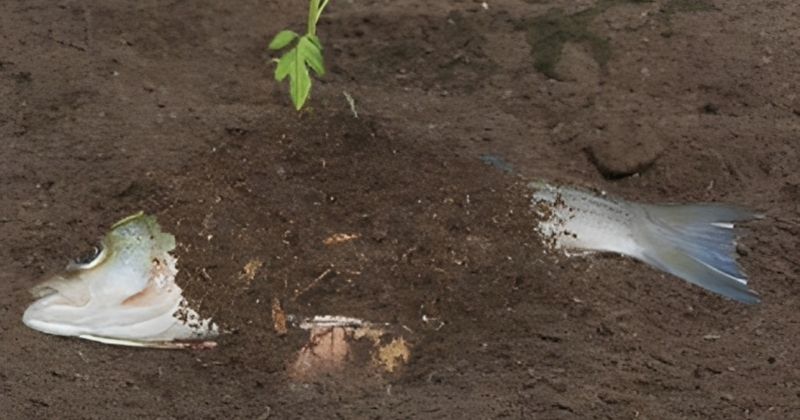
Fish scraps are a powerhouse of nutrients, providing phosphorus and nitrogen essential for tomato growth. When buried in garden soil, they decompose, releasing these vital elements gradually. This nutrient boost supports strong root development and vigorous plant growth. While it might seem unconventional, using fish scraps is an ancient technique that enriches the garden naturally. It’s a sustainable way to recycle waste while feeding your tomatoes.
9. Epsom Salt Rinse Water
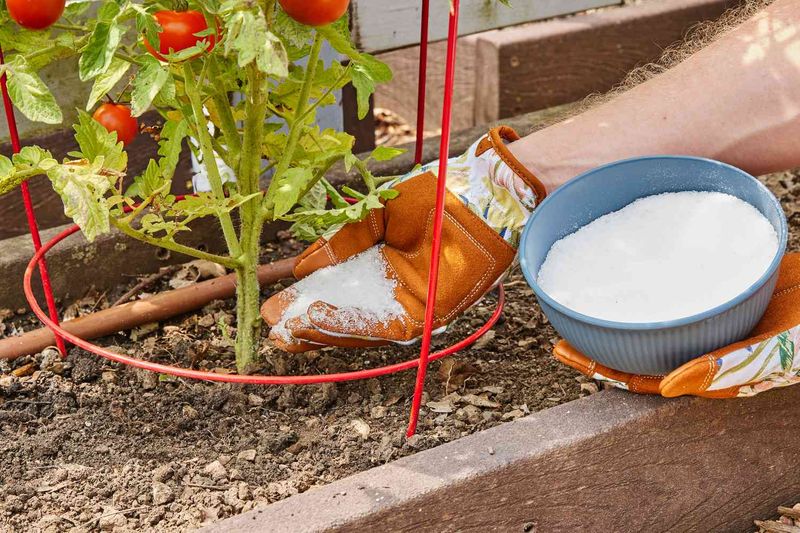
Epsom salt rinse water is a gardener’s trick for supplying magnesium, crucial for photosynthesis and plant health. When applied to the soil or as a foliar spray, it enhances nutrient uptake and promotes vibrant, green foliage. This simple solution can remedy magnesium deficiencies, common in tomatoes. The use of Epsom salt is both economical and effective, providing an immediate nutrient boost. It’s a practical addition to any tomato-growing regimen.
10. Wood Ash (in Small Amounts)
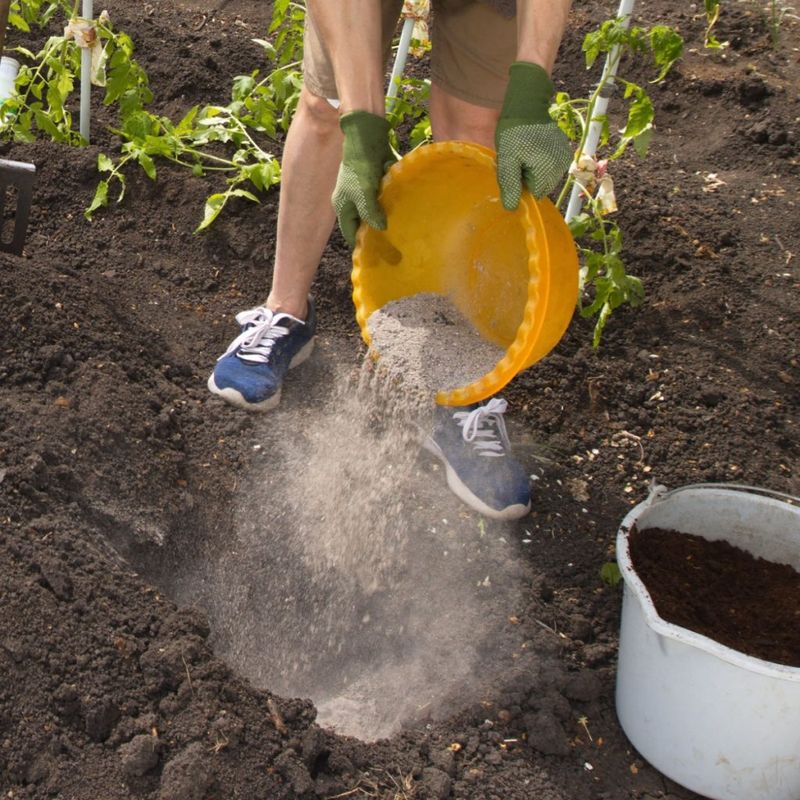
Wood ash, when used sparingly, adds potassium to the soil, benefiting tomato plants. It can also help raise the pH level of acidic soils, making it more hospitable for tomatoes. However, caution is necessary, as excessive use can lead to nutrient imbalances. A light sprinkling of wood ash can enhance soil fertility and structure. This natural amendment, derived from burned wood, provides a sustainable way to recycle waste while enriching your garden.
11. Cornmeal (Plain)
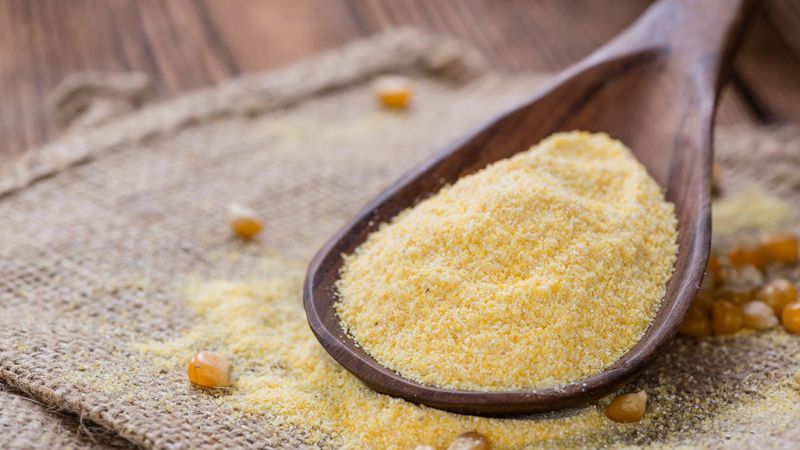
Plain cornmeal serves as a natural antifungal agent in the garden, helping to suppress soil-borne diseases that can affect tomatoes. When distributed over the soil’s surface, it encourages beneficial organisms that compete with harmful fungi. This helps create a healthier environment for tomato growth. This simple addition not only protects plants but also contributes to a sustainable garden practice. Cornmeal is an easy, affordable way to enhance garden health.
12. Fruit Peels (Citrus-Free)

Fruit peels, excluding citrus, are excellent for composting, breaking down into rich humus that nourishes tomato plants. They add a wide range of nutrients, enhancing soil fertility and structure. By composting these kitchen scraps, gardeners create a continuous nutrient cycle, providing a steady supply of organic matter. This sustainable approach not only reduces waste but also supports vigorous tomato growth. Utilizing fruit peels is an eco-friendly way to enrich your garden.
13. Shredded Newspaper Soaked in Compost Tea
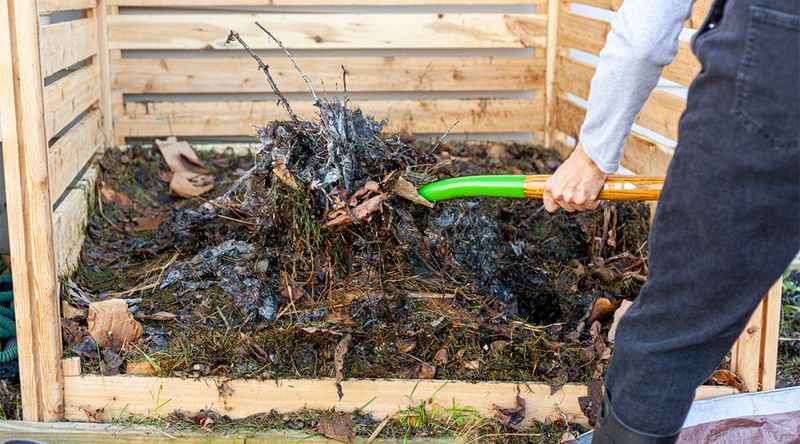
Shredded newspaper, when soaked in compost tea, becomes a valuable addition to the tomato garden. It adds carbon, balancing the nitrogen-rich compost, and improves moisture retention. This combination supports beneficial microbial activity, enhancing soil health and plant growth. As it breaks down, the newspaper contributes to a rich, fertile soil environment. This innovative use of everyday materials underscores the importance of recycling in sustainable gardening practices.
14. Onion Skins
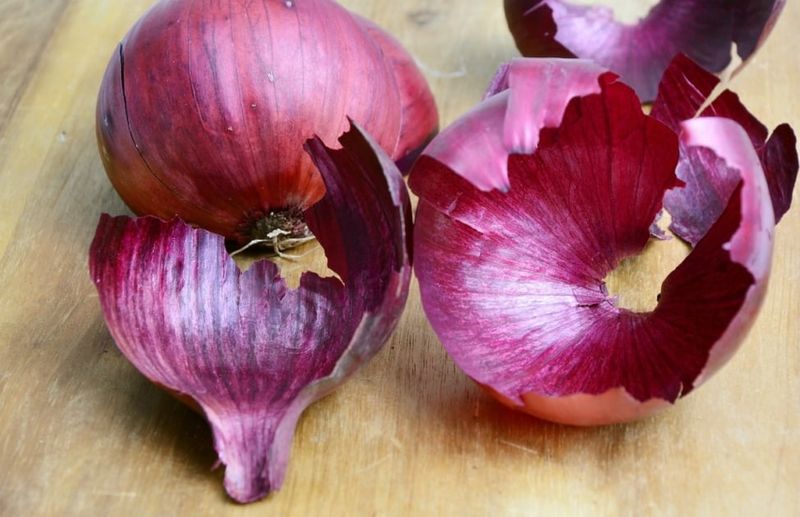
Onion skins are a surprising boon for the compost pile, loaded with sulfur and antioxidants that benefit tomato plants. These components enhance plant health and resistance to diseases. When composted, they add valuable nutrients and improve soil structure. Onion skins decompose slowly, providing a sustained nutrient release. By incorporating them into compost, gardeners can leverage their benefits, promoting robust and healthy tomato growth through natural means.
15. Pumpkin Guts
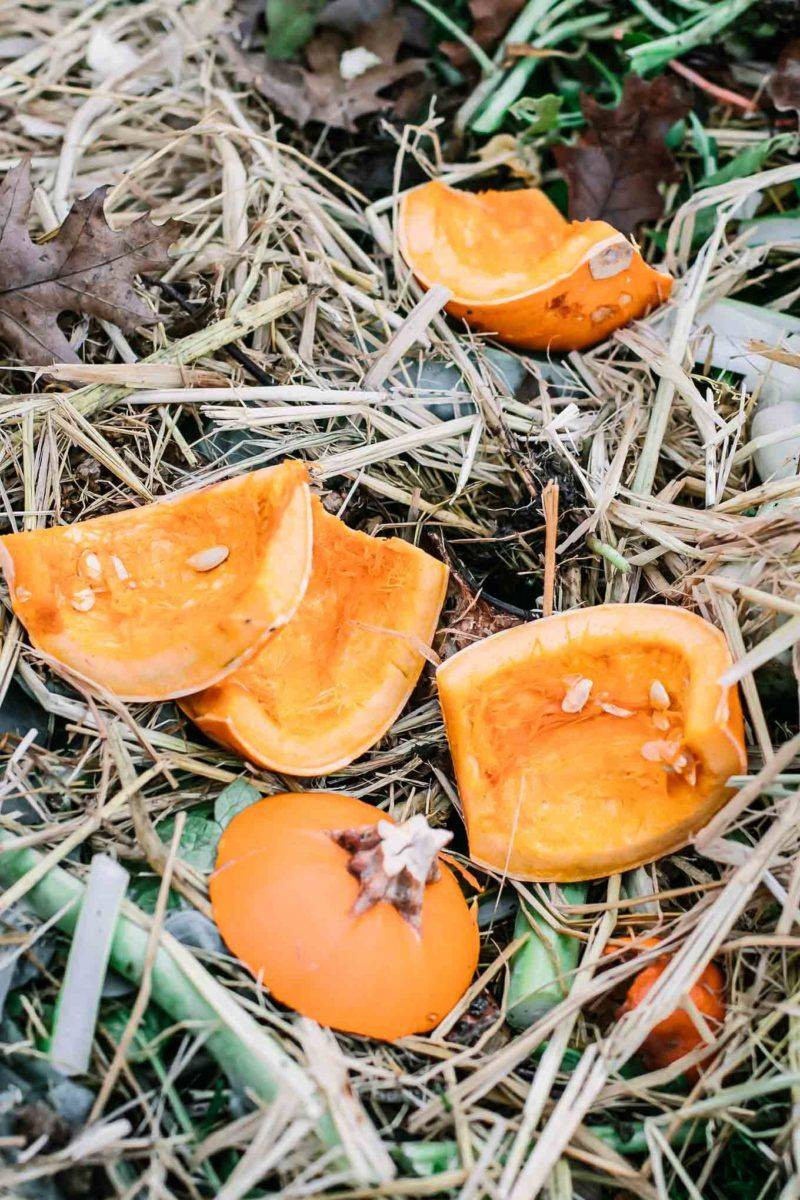
Pumpkin guts, often discarded, are a rich source of nutrients for composting. Their rapid decomposition speeds up the composting process, creating a nutritious mix that feeds beneficial microbes. This, in turn, supports healthy tomato growth by enhancing soil fertility and structure. Using pumpkin guts is an effective way to recycle kitchen waste, turning it into a valuable garden resource. This approach not only reduces waste but also enriches the garden sustainably.