 Complete Gardening
If you’ve been searching for the perfect plants to brighten up those shady spots in your garden, you’ve come to the right place. After testing numerous varieties, I’ve narrowed it down to 20 outstanding annual shade plants that thrive in low light and deliver a burst of color and beauty. Whether you’re a seasoned gardener or a beginner, these plants promise to elevate your garden’s charm with minimal fuss.
1. Impatiens
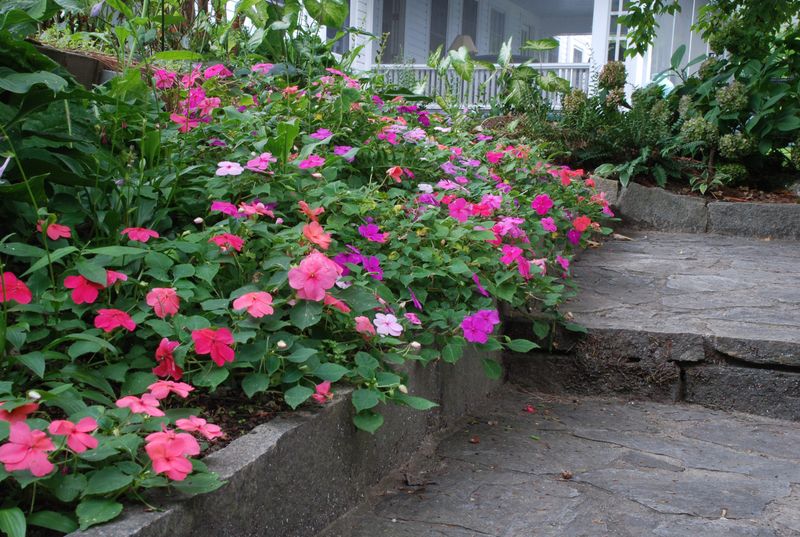
Impatiens, with its vibrant colors, are a favorite for shady gardens. These flowers bring life to any dim corner, offering pinks, reds, and whites. Perfect for those who enjoy a splash of color without constant sunlight.
Immensely popular, they are easy to care for, needing only regular watering to thrive. Their blossoms remain vibrant throughout the growing season.
Their ability to bloom in low light makes them ideal companions for garden paths and borders. Add a touch of whimsy to your garden with these delightful blooms. Fun fact: They’re also known as “busy Lizzies” in the UK!
2. Begonias

Begonias are the epitome of shade garden elegance. With their waxy leaves and striking blooms, they add sophistication to shaded areas. Available in myriad colors, from soft pastels to bold reds.
These plants are highly adaptable, thriving in containers and garden beds alike. Their low-maintenance nature makes them a gardener’s favorite.
Begonias’ unique foliage patterns and colors provide year-round interest. Fun fact: Begonias were named after Michel Bégon, a French botanist!
3. Coleus

Coleus is adored for its stunning foliage rather than flowers. Its leaves exhibit a dazzling array of colors, making it a standout in shade gardens. A true feast for the eyes!
Coleus requires minimal sunlight, making it an ideal choice for areas with limited light. Its ease of growth suits novice gardeners.
Its vivid leaves create a striking contrast against darker hues. Did you know? Coleus is sometimes called “Painted Nettle” due to its artistic leaf patterns.
4. Fuchsia

Fuchsias are synonymous with elegance and charm. Their pendulous blooms create a cascade of color in shady spots, perfect for hanging baskets and containers.
Known for their unique teardrop-shaped flowers, they attract hummingbirds, adding life to your garden. They’re a joy for any nature lover.
Fuchsias flourish with regular watering and a bit of care. Did you know? They’re named after the German botanist Leonhart Fuchs.
5. Caladium
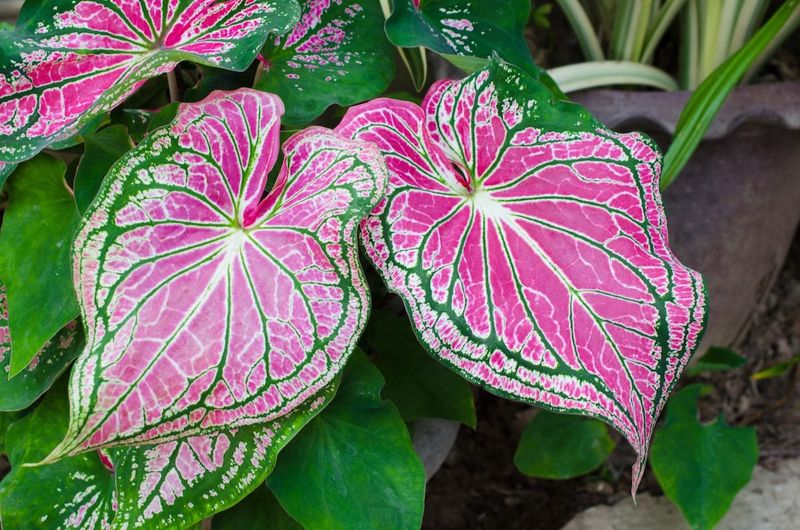
Caladiums are renowned for their stunning foliage, offering a tropical flair to any shaded garden. Their heart-shaped leaves come in vivid colors, creating a visual delight.
These plants thrive in warm, shady spots, making them perfect for summer gardens. They’re relatively low maintenance, requiring minimal attention.
Caladiums’ vibrant colors add a splash of brightness. Fun fact: Caladiums are sometimes referred to as “Angel Wings.”
6. Hostas
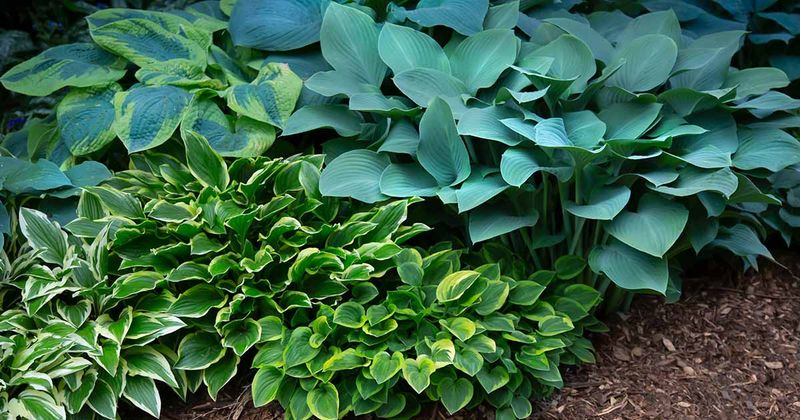
Hostas are the quintessential shade-loving plants, admired for their lush foliage rather than flowers. Their large, textured leaves create a calming oasis in any garden.
Ideal for garden beds and borders, Hostas require minimal care and thrive with the right conditions. They’re known for their resilience and adaptability.
Their foliage comes in various shades of green, from deep emerald to light lime. Did you know? Hostas are native to East Asia, including Japan and Korea.
7. Lobelia
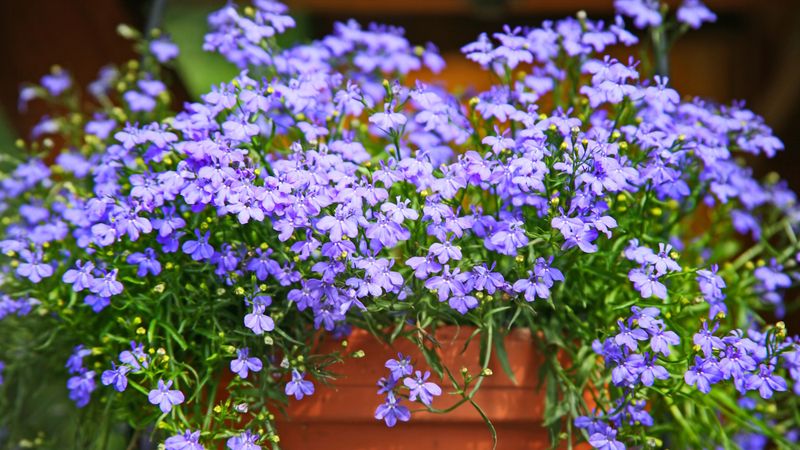
Lobelia is cherished for its charming blue flowers, a rare hue in the gardening world. These delicate blooms bring a touch of tranquility to shaded areas.
Perfect for borders and containers, Lobelia is easy to grow and requires little maintenance. It’s a great choice for enhancing garden edges.
Their delightful color attracts pollinators, bringing life to your garden. Did you know? Lobelia was named after the Belgian botanist Matthias de Lobel.
8. Astilbe

Astilbes are known for their feathery plumes, adding a touch of elegance to shaded areas. These flowers stand out with their unique texture and form.
Perfect for adding height and interest, Astilbes thrive in moist, shaded environments. They’re a wonderful choice for woodland gardens.
Their blooms attract butterflies, contributing to a lively garden ecosystem. Did you know? Astilbe is also called “False Goat’s Beard.”
9. Browallia
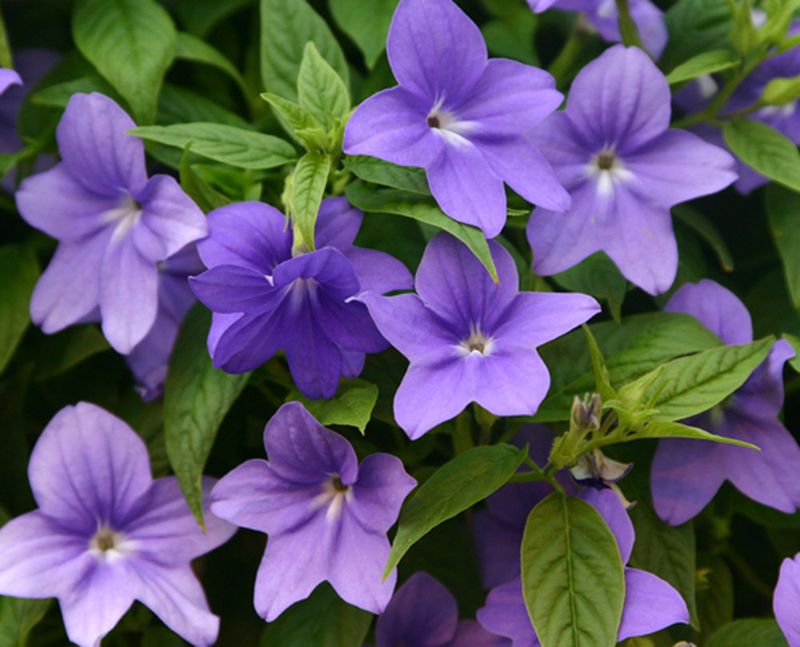
Browallia, often known as “Bush Violet,” brings a touch of soft purple to shaded gardens. Its delicate blooms are enchanting, adding subtle beauty to any area.
These plants are ideal for hanging baskets and pots, thriving in low-light conditions. They’re easy to care for, requiring minimal attention.
Their understated elegance makes them a favorite for quiet garden corners. Did you know? Browallia was named in honor of the Swedish botanist Johannes Browallius.
10. Torenia

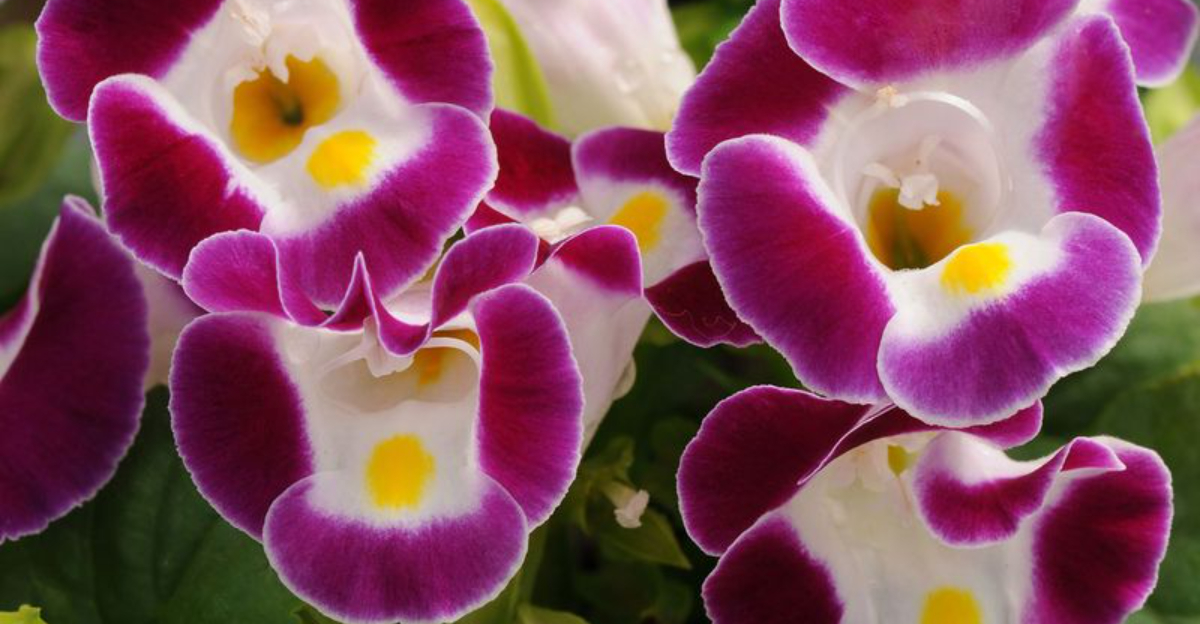
Torenia, or “Wishbone Flower,” is loved for its cheerful blooms that brighten shaded spots. Its name comes from the wishbone shape inside its petals.
These flowers are perfect for hanging baskets and containers, thriving in shade with regular watering. Their playful appearance adds charm to any garden.
Torenia’s vibrant colors attract pollinators, creating a lively atmosphere. Did you know? It’s also called “Clown Flower” due to its fun shape and colors.
11. Lamium

Lamium, also known as “Dead Nettle,” is a charming ground cover for shaded areas. Its silver-patterned leaves add brightness, while purple flowers offer a pop of color.
Ideal for filling garden gaps, Lamium is easy to maintain and thrives in low light. Its spreading nature makes it perfect for ground coverage.
Lamium’s unique foliage and flowers create an appealing contrast. Did you know? Despite its name, it’s unrelated to stinging nettles!
12. Heuchera

Heuchera, or “Coral Bells,” is celebrated for its vibrant foliage. These plants enrich shaded gardens with leaves in various hues, from deep purples to bright greens.
They’re excellent for garden borders and containers, requiring little maintenance. Heuchera’s adaptability makes it a versatile choice for gardeners.
Their leaves create a striking contrast against darker plants. Did you know? Heuchera is native to North America and is named after the German physician Johann Heinrich von Heucher.
13. Tiarella

Tiarella, often referred to as “Foam Flower,” is admired for its delicate white blooms and lush foliage. These plants bring a touch of woodland charm to shaded gardens.
They thrive in moist, well-drained soil and add texture to garden beds and borders. Tiarella’s graceful appearance makes it a gardener’s delight.
Their flowers resemble a frothy foam, hence the name. Did you know? Tiarella is native to North America and is closely related to Heuchera.
14. Pulmonaria
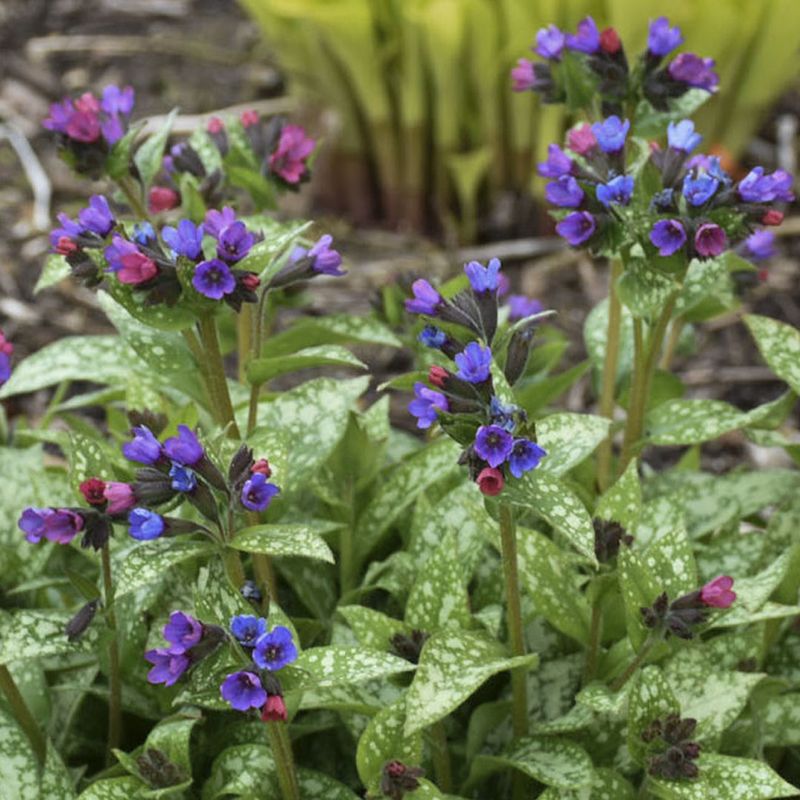
Pulmonaria, known as “Lungwort,” is cherished for its unique foliage and vibrant flowers. The spotted leaves and pink-blue blooms add character to shaded areas.
These hardy plants are perfect for woodland gardens, thriving in moist, shaded conditions. They’re a great choice for naturalistic plantings.
Pulmonaria’s charming appearance attracts bees, contributing to a healthy garden ecosystem. Did you know? The name “Lungwort” comes from its historical use in treating respiratory ailments.
15. Viola

Violas are delightful with their cheerful blooms, bringing joy to shaded corners. Available in a myriad of colors, they add a playful touch to any garden.
These flowers are easy to grow, thriving in containers and garden beds. Their low-maintenance nature is perfect for busy gardeners.
Violas’ vibrant appearance and delightful fragrance make them a favorite. Did you know? Violas are often associated with thoughts of remembrance and affection.
16. Dicentra

Dicentra, or “Bleeding Heart,” captivates with its heart-shaped blooms. These unique flowers add a romantic touch to shaded gardens.
Ideal for woodland settings, Dicentra thrives in moist, cool environments. Their delicate appearance belies their resilience and hardiness.
The enchanting blooms dangle like tiny hearts, creating a whimsical feel. Did you know? Dicentra is native to Asia and North America and is related to poppies.
17. Salvia
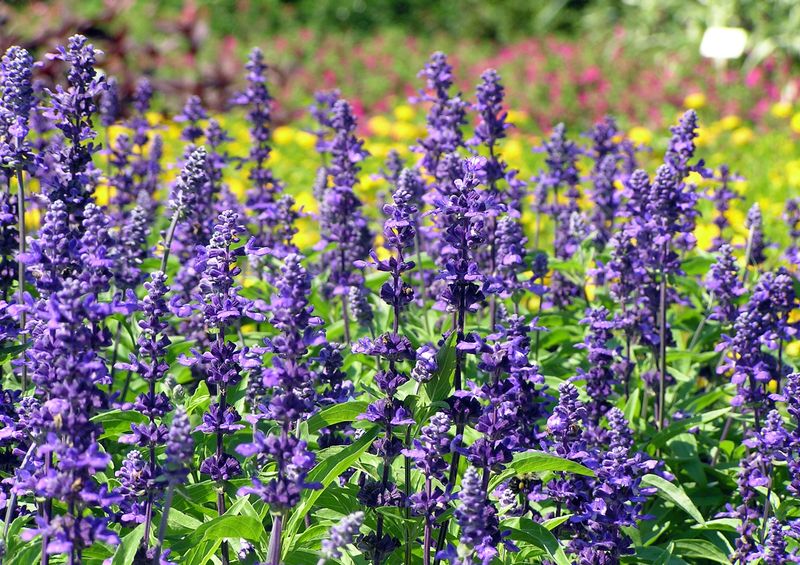
Salvias bring a touch of drama with their tall, spiky flowers in shades of blue and purple. These plants add vertical interest to shaded areas.
Perfect for mixed borders, Salvias are easy to care for and attract pollinators. Their bold colors provide contrast and depth to any garden.
Salvias’ vibrant blooms are a sight to behold. Did you know? The name “Salvia” comes from the Latin word “salvere,” meaning “to heal.”
18. Nicotiana
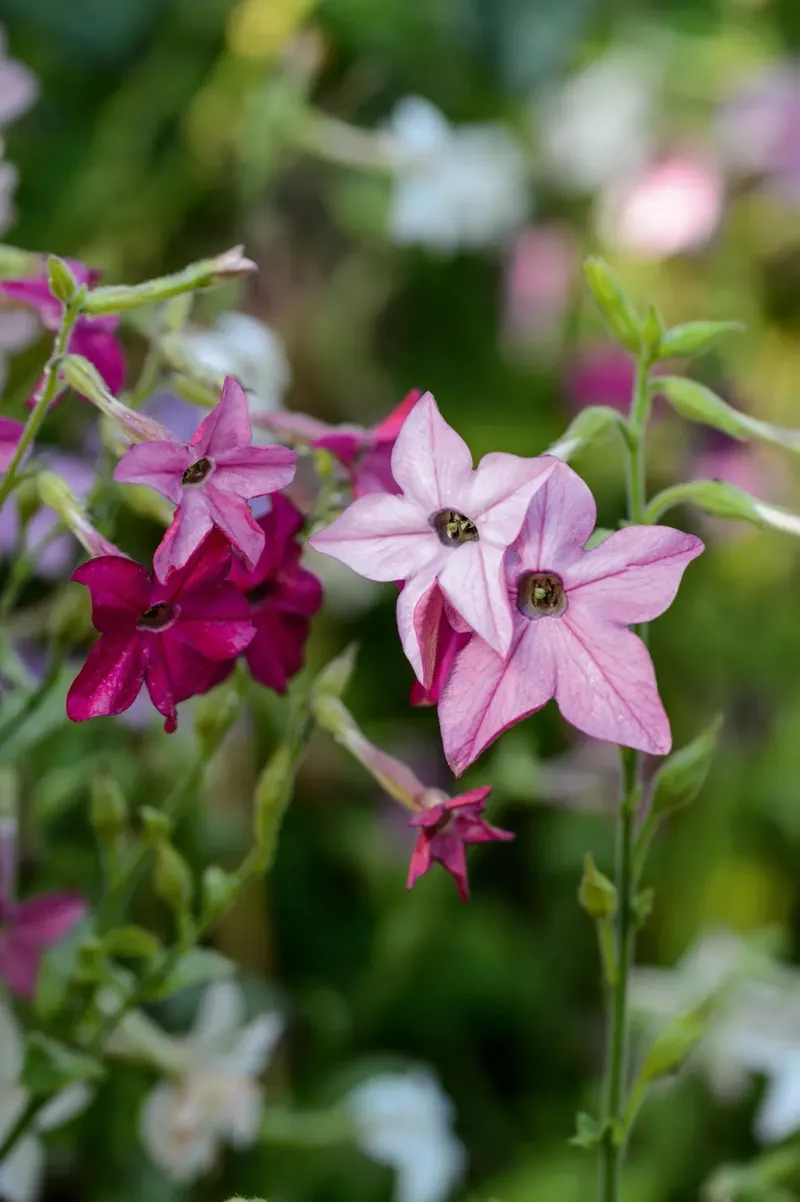
Nicotiana, or “Flowering Tobacco,” enchants with its sweetly scented blooms. These tubular flowers open in the evening, releasing their fragrance in shaded gardens.
These plants are perfect for adding fragrance to garden paths and patios. Their low-maintenance nature suits busy gardeners.
Nicotiana’s subtle beauty and delightful scent create a serene garden ambiance. Did you know? Nicotiana belongs to the same family as tobacco plants.
19. Digitalis

Digitalis, commonly known as “Foxglove,” is celebrated for its towering spires of bell-shaped flowers. These blooms make a bold statement in shaded gardens.
Ideal for woodland gardens, Digitalis thrives in cool, moist conditions. Their striking appearance and height add drama and elegance.
The flowers are a favorite among bees, enhancing pollinator activity. Did you know? Digitalis was historically used in heart medicine, but it can be toxic if ingested.
20. Tradescantia
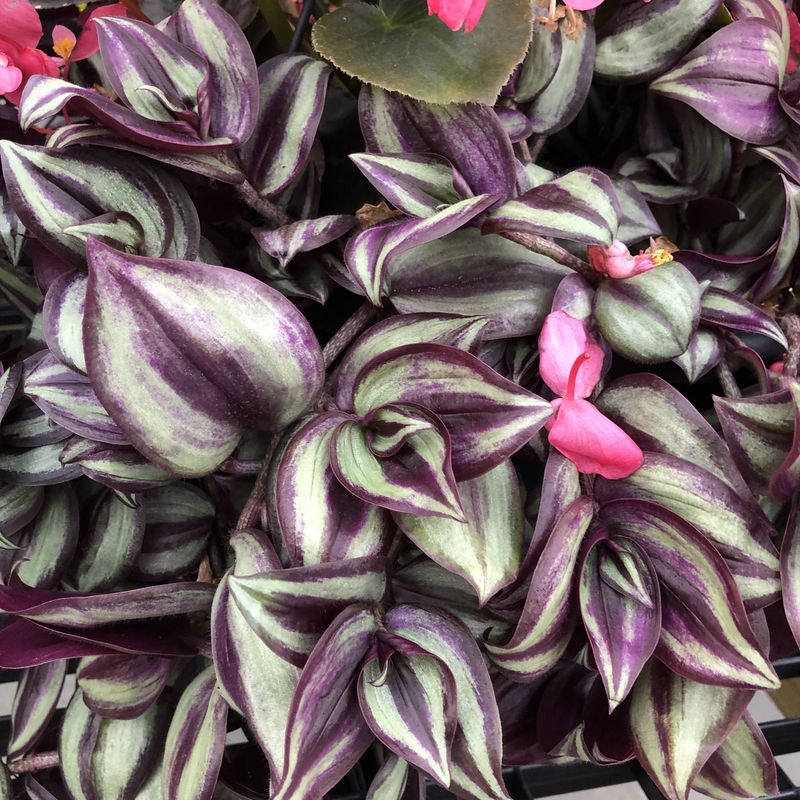
Tradescantia, or “Spiderwort,” is known for its intriguing foliage and delicate flowers. The purple and green leaves add depth to shaded areas.
These plants are easy to grow, thriving in low light and adding interest to garden beds and borders. They’re a versatile choice for any gardener.
Tradescantia’s charm lies in its understated elegance. Did you know? It’s named after John Tradescant, a 17th-century English gardener.