 Complete Gardening
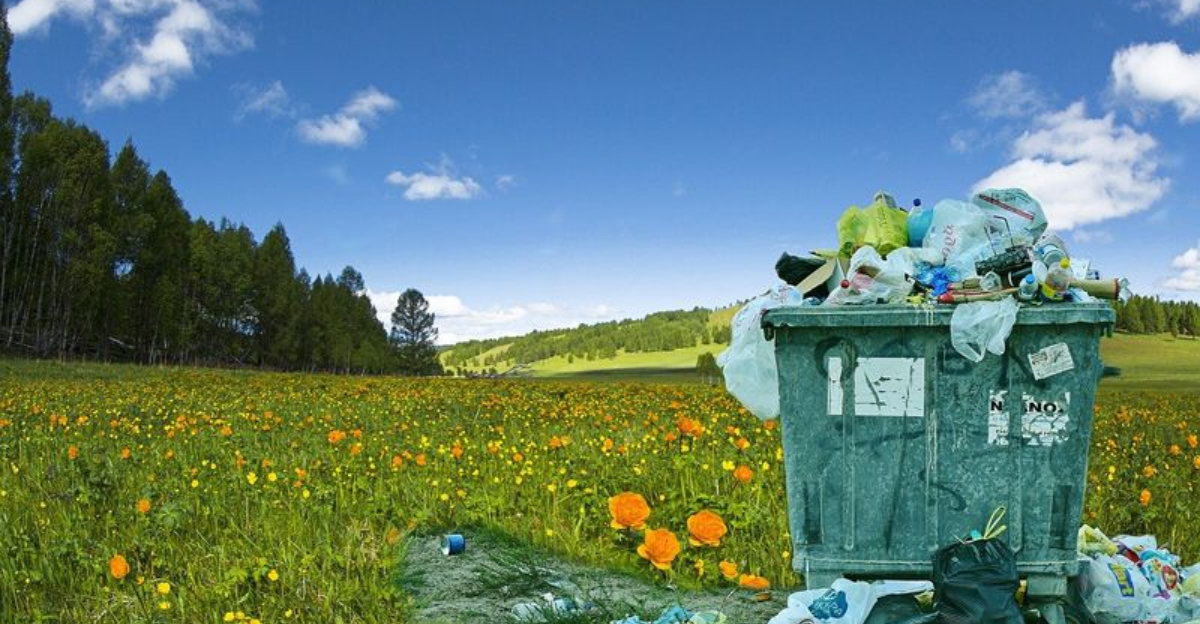
Plastic containers are ubiquitous in modern kitchens, offering convenience and affordability. However, their use, especially for storing vegetables, comes with hidden risks that are often overlooked. From health concerns to environmental impact, there are numerous reasons to reconsider our reliance on plastic. This article explores 18 compelling reasons why you might want to avoid plastic containers when it comes to storing your vegetables.
1. Chemical Leaching
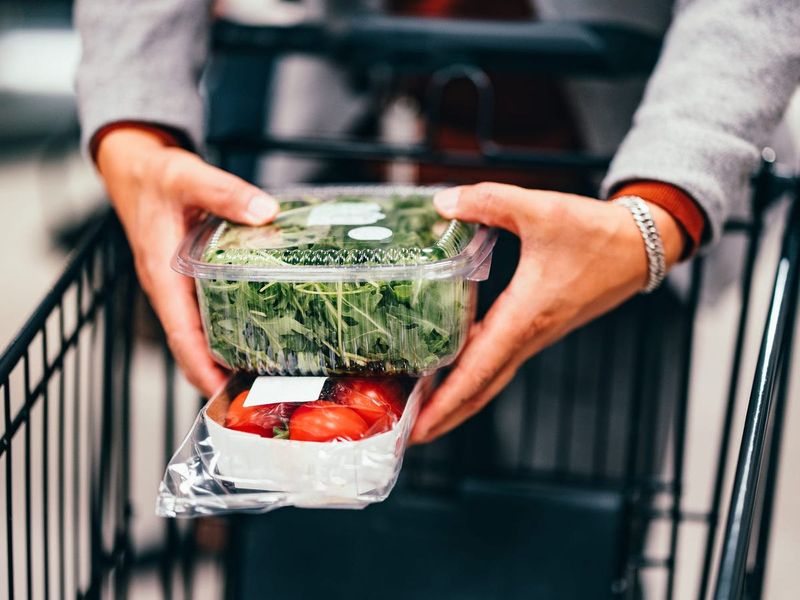
When storing vegetables in plastic containers, there’s a risk of chemicals leaching into the food, especially if the plastic is of low quality. Phthalates and bisphenol A (BPA) are common culprits, potentially disrupting endocrine functions.
Over time, these chemicals can seep into the vegetables, especially when heated or exposed to sunlight. The gradual build-up of these substances in the body can pose health risks.
Opt for glass or stainless steel containers to mitigate this risk. Always check for BPA-free labels on plastic products if you must use them.
2. Environmental Pollution
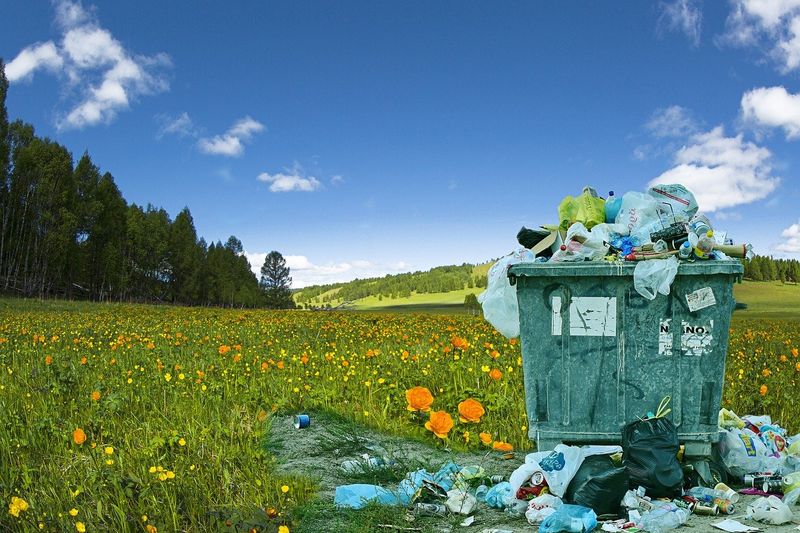
Plastic waste is a significant contributor to environmental pollution. Once discarded, plastic containers can take hundreds of years to decompose, clogging landfills and polluting natural habitats.
This environmental degradation harms wildlife and ecosystems, disrupting the natural balance. By avoiding plastic containers, individuals can help reduce this environmental footprint.
Consider using more sustainable options like biodegradable materials or reusable cloth bags for storing vegetables. Each small action contributes to a larger impact, preserving nature for future generations.
3. Loss of Flavor
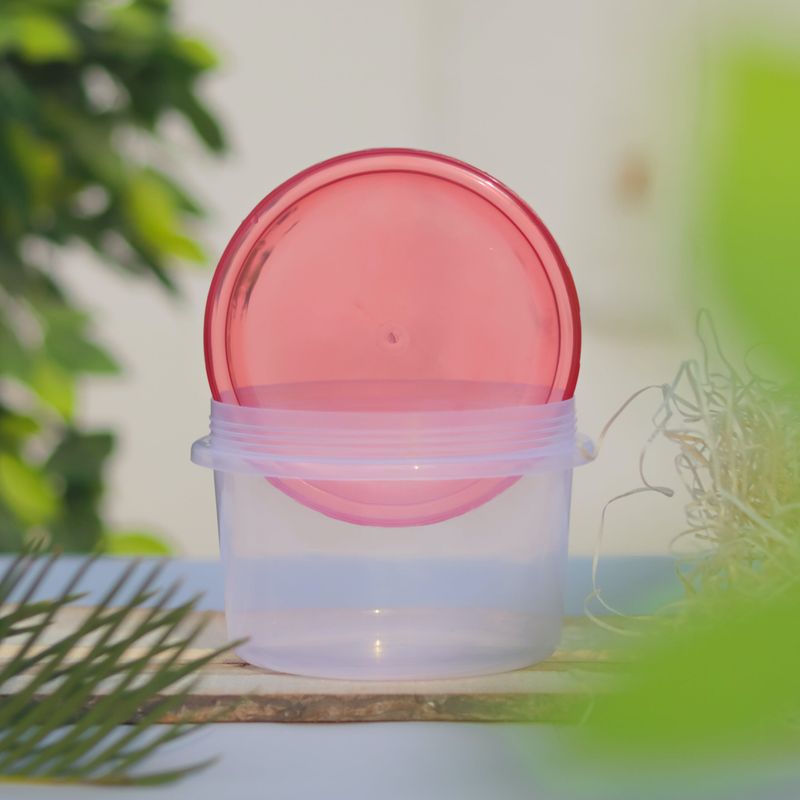
Storing vegetables in plastic containers can lead to a loss of flavor and freshness. Plastic can absorb odors and flavors from its surroundings, which can then transfer to the vegetables.
This absorption affects the taste and aroma, diminishing the natural flavors that are so essential to enjoying fresh produce. As a result, meals prepared with these vegetables may lack the desired taste.
To maintain the true flavor of your vegetables, consider using glass or ceramic containers. These materials provide an inert environment, preserving the authentic taste of your food.
4. Potential Allergens
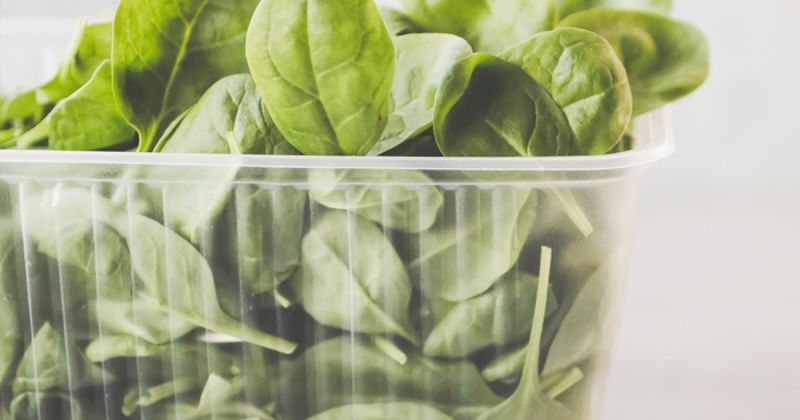
Certain plastics may contain allergens that can affect sensitive individuals, causing reactions such as sneezing, skin irritation, or even respiratory issues.
These allergens can be transferred to vegetables stored in plastic, posing a hidden risk to those with sensitivities. It’s essential to recognize these potential hazards when choosing storage options.
Using alternative materials like glass or silicone can help avoid allergen exposure. By being mindful of storage choices, you can protect yourself and your family from unexpected allergic reactions.
5. Microwave Hazards
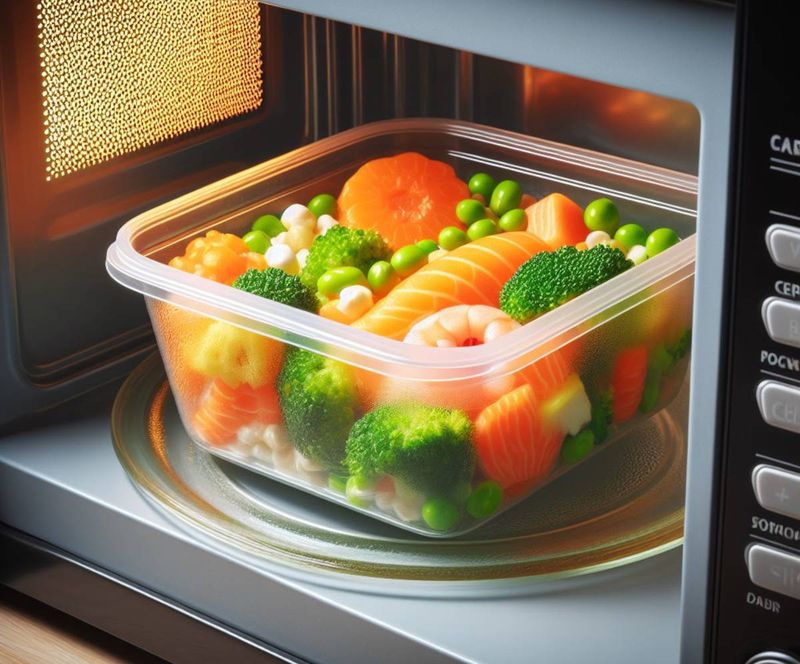
Heating vegetables in plastic containers using a microwave can release harmful chemicals into the food. The heat causes the plastic to break down, increasing the likelihood of chemical leaching.
These chemicals can contaminate the vegetables, posing health risks. Avoiding plastic containers in microwaves is a simple way to protect your health.
Opt for microwave-safe alternatives like glass or ceramic. These materials withstand high temperatures without breaking down, ensuring your food remains uncontaminated and safe to eat.
6. Impact on Texture
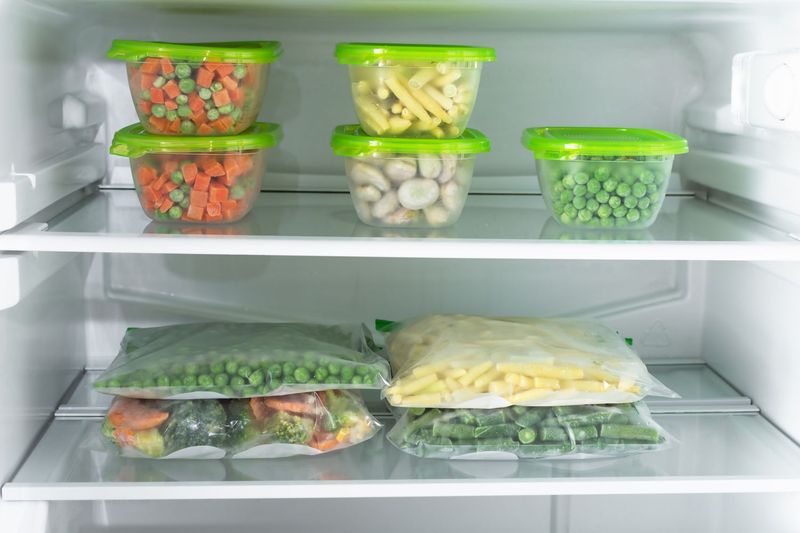
Plastic containers can affect the texture of vegetables, often causing them to become soggy or wilted. This change occurs because plastic doesn’t provide the necessary ventilation, trapping moisture inside.
As a result, the vegetables lose their natural crispness, impacting both taste and texture. This can be particularly disappointing when preparing dishes that rely on fresh, crunchy vegetables.
Using breathable storage options like perforated containers or cloth bags can help maintain texture. These alternatives allow air circulation, keeping vegetables crisp and appetizing.
7. Limited Shelf Life
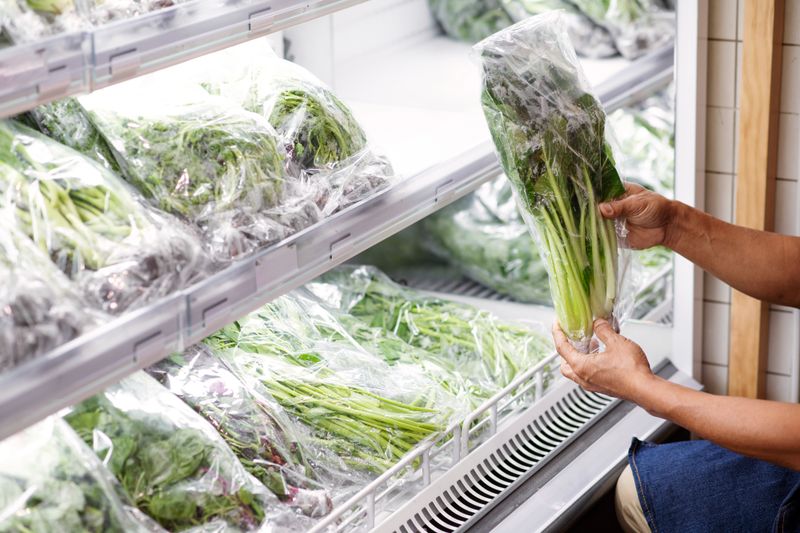
Storing vegetables in plastic containers can reduce their shelf life. The lack of proper air circulation can hasten spoilage, as trapped moisture fosters an environment for mold and bacteria growth.
This accelerated decay not only leads to food waste but also increases grocery costs over time. By choosing better storage methods, you can extend the freshness and longevity of your vegetables.
Consider using containers with ventilation or natural materials like bamboo to enhance shelf life. These choices help keep vegetables fresh, reducing waste and expense.
8. Visual Appeal
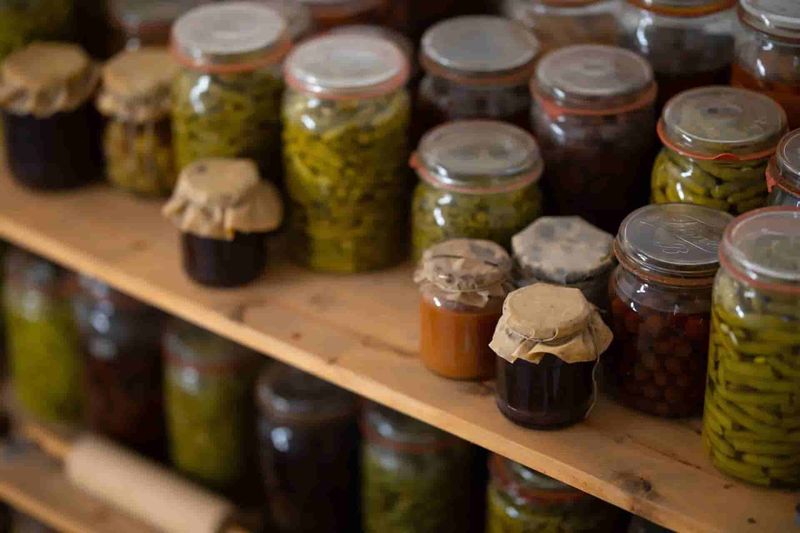
The visual appeal of vegetables can be diminished when stored in plastic containers. Plastic may appear cloudy or stained over time, obscuring the vibrant colors of fresh produce.
This lack of visibility can make it difficult to assess the freshness of your vegetables at a glance, leading to potential waste. In contrast, transparent materials like glass enhance visual appeal.
By opting for clear storage options, you can easily monitor the condition of your vegetables, ensuring they remain as enticing in appearance as they are in taste.
9. Recycling Challenges
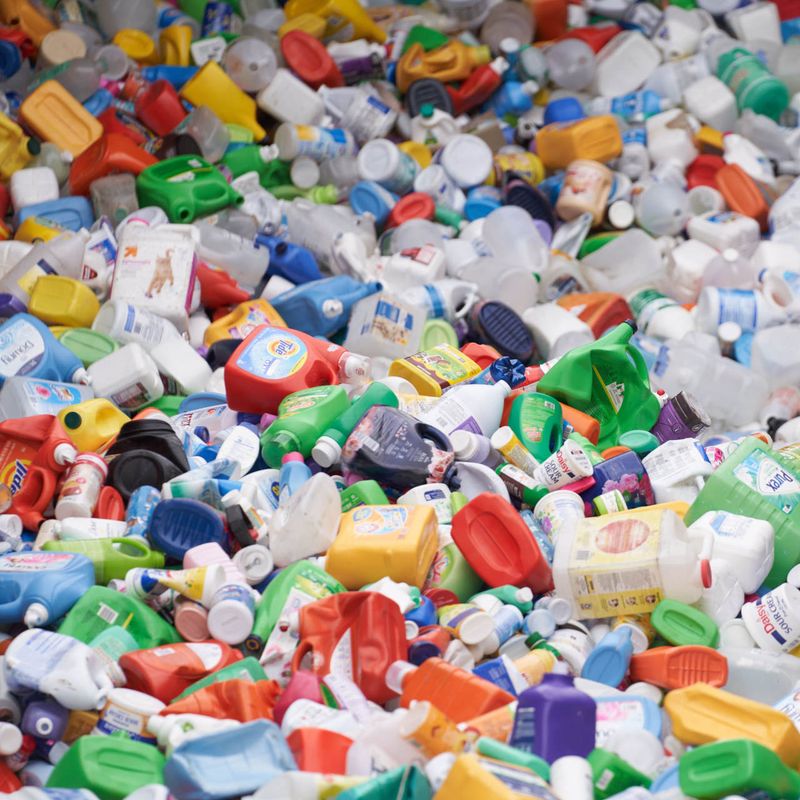
Recycling plastic containers is often more challenging than it appears. Many plastics are not recyclable, leading to confusion and improper disposal.
This complexity results in more plastic ending up in landfills, exacerbating environmental problems. Choosing materials that are easier to recycle or compost can make a significant difference.
Consider alternatives like glass or metal, which are more straightforward to recycle and have a lower environmental impact. Making informed choices about storage materials contributes to a more sustainable future.
10. Odor Absorption
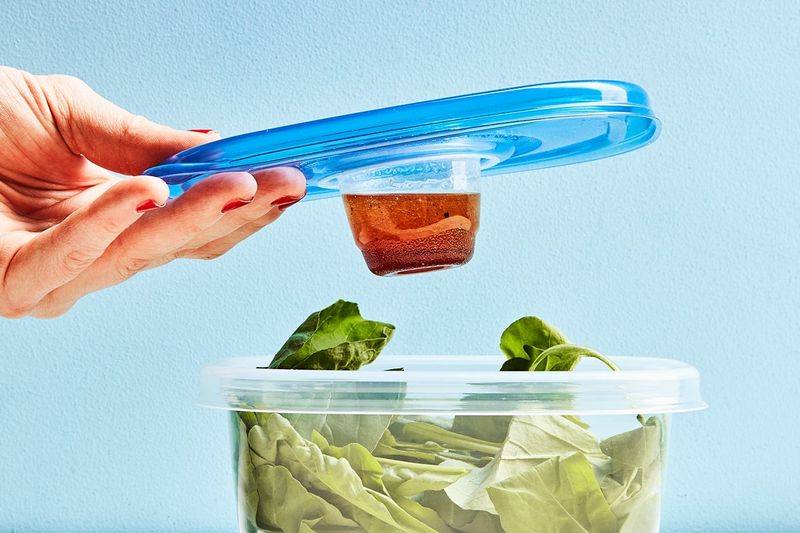
Plastic containers are prone to absorbing odors from their contents and surroundings. These absorbed odors can transfer to stored vegetables, affecting taste and quality.
This phenomenon is especially noticeable with strong-smelling foods, where the odor lingers long after use. To prevent this cross-contamination, consider using non-porous materials.
Glass and stainless steel offer better protection against odor absorption, preserving the natural scent and flavor of your vegetables. Swapping out plastic for these options ensures your produce remains fresh and fragrant.
11. Health Concerns
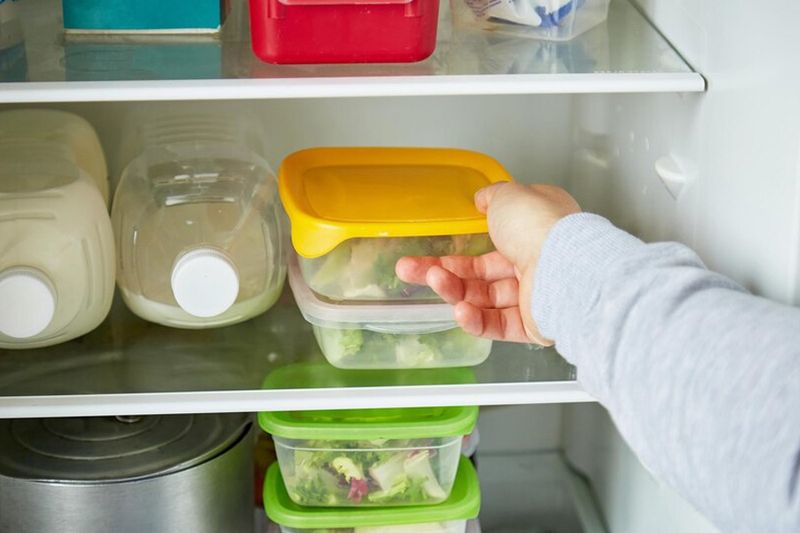
The health concerns associated with plastic containers stem from chemical exposure. Prolonged contact with certain plastics can introduce toxins into the food, posing risks to health over time.
These risks include hormonal imbalances, digestive issues, and potential carcinogenic effects. Being aware of these dangers is crucial for making informed storage decisions.
Choosing safer materials like glass reduces exposure to harmful substances. By prioritizing health-conscious options, you can minimize risks and protect the well-being of yourself and your family.
12. Biodegradation Issues
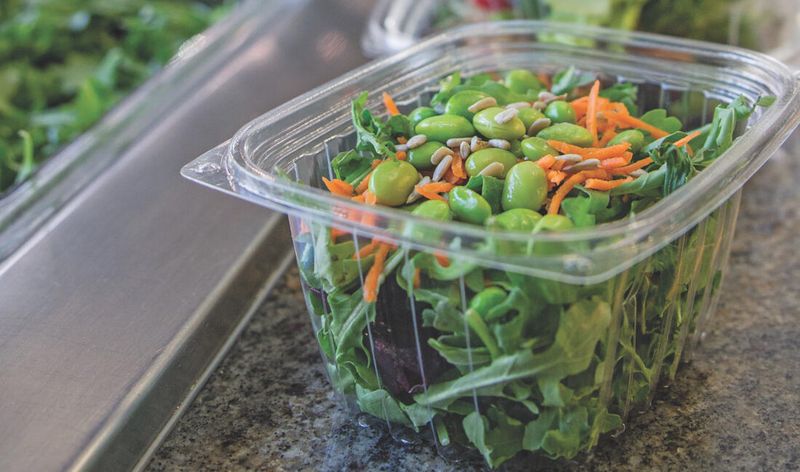
Plastic containers pose significant challenges when it comes to biodegradation. Unlike organic materials, plastics take centuries to break down, leading to long-term environmental concerns.
This persistence in the environment contributes to habitat destruction and wildlife endangerment. By avoiding plastic use, we can reduce this ecological footprint and promote sustainability.
Opting for biodegradable or compostable materials offers a more eco-friendly solution. These alternatives break down naturally, aligning with efforts to preserve the planet for future generations.
13. Aesthetic Value
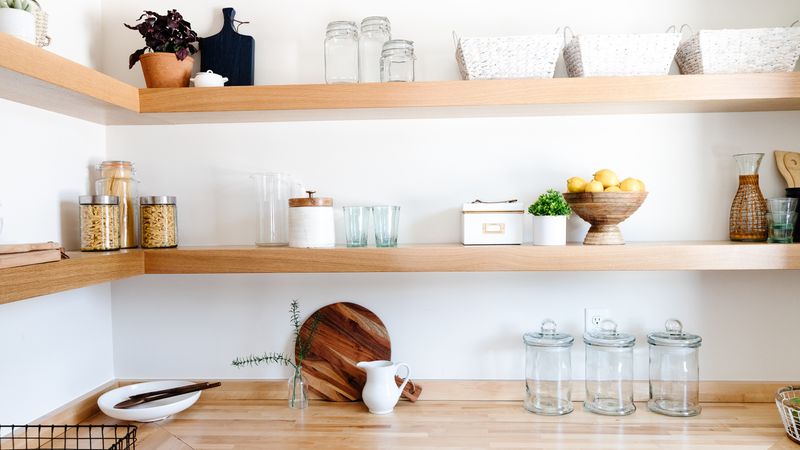
Plastic containers can detract from the aesthetic value of a kitchen. Their often opaque or cloudy appearance can make storage spaces look cluttered and uninviting.
In contrast, glass or ceramic containers add a touch of elegance and organization, making kitchens more visually appealing. This visual upgrade can enhance the joy of cooking and meal preparation.
By choosing stylish storage solutions, you can transform your kitchen into a more pleasant and functional space. Aesthetic choices can influence mood and productivity, making them worth considering.
14. Taste Alteration
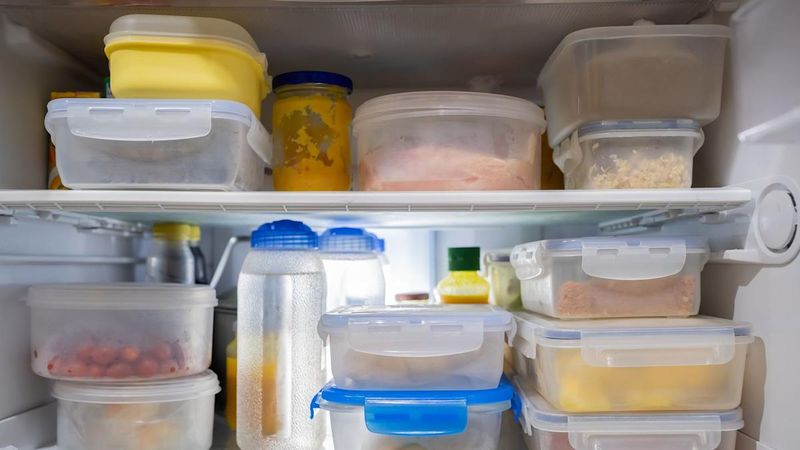
The taste of vegetables can be altered when stored in plastic containers. Plastic has a tendency to impart its own chemical flavor, which can blend with the natural taste of the vegetables.
This alteration diminishes the quality of meals prepared with these ingredients, affecting overall enjoyment. To preserve the original taste, alternative storage methods are recommended.
Materials like glass and ceramic provide a neutral environment, ensuring that vegetables retain their natural flavor. These choices can enhance the culinary experience and satisfaction of your meals.
15. Heating Limitations
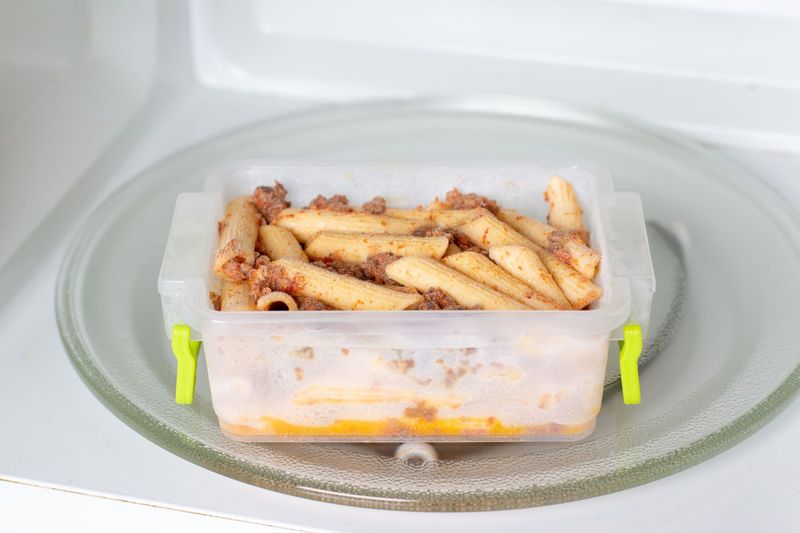
Plastic containers have limitations when it comes to heating. They can warp or release harmful chemicals when exposed to high temperatures.
This makes them unsuitable for reheating or cooking, as the integrity of the container and safety of the food can be compromised. Safer alternatives should be considered for heat-related kitchen tasks.
Glass or ceramic options withstand heat without degrading, offering a safer solution for warming and cooking. These materials ensure that your food remains toxin-free and the container maintains its shape.
16. Potential Staining
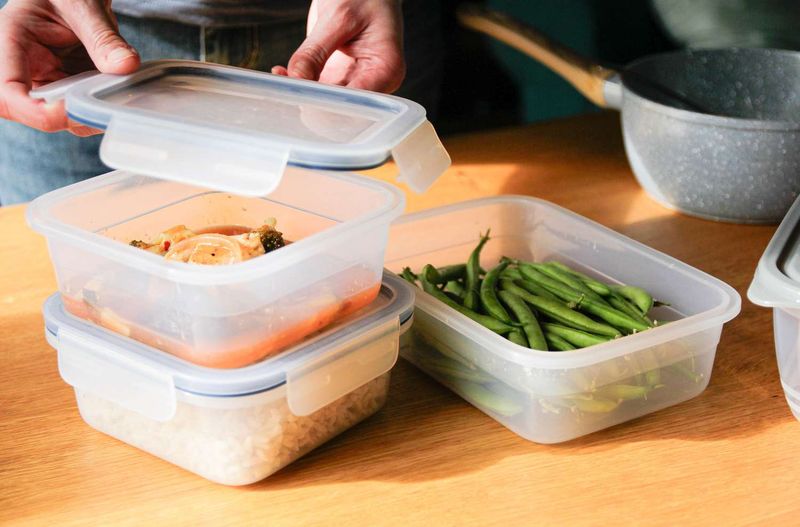
Plastic containers are prone to staining, especially when used with vibrant vegetables like tomatoes or carrots. These stains can be stubborn, affecting both the appearance and perceived cleanliness.
Stains can harbor bacteria, posing hygiene concerns. Maintaining the pristine condition of your storage is essential for both aesthetics and health.
To avoid staining, consider using materials like glass, which are less prone to discoloration. By maintaining cleaner containers, you ensure that hygiene and appearance go hand in hand, improving both function and form.
17. Cost-Effectiveness
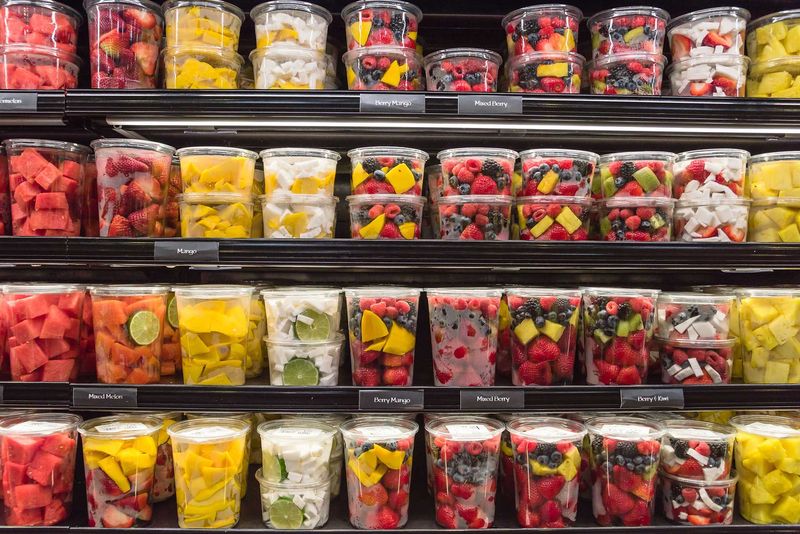
While plastic containers may seem cost-effective initially, their long-term use can be expensive. Frequent replacement due to wear and tear, along with potential health costs, outweigh the initial savings.
Investing in durable materials like glass or stainless steel offers better value over time. These alternatives last longer and provide peace of mind concerning health and environmental impact.
By considering long-term benefits, you can make smarter financial decisions. Choosing quality over quantity ensures that your investments serve you better and contribute to a more sustainable lifestyle.
18. Impact on Freshness
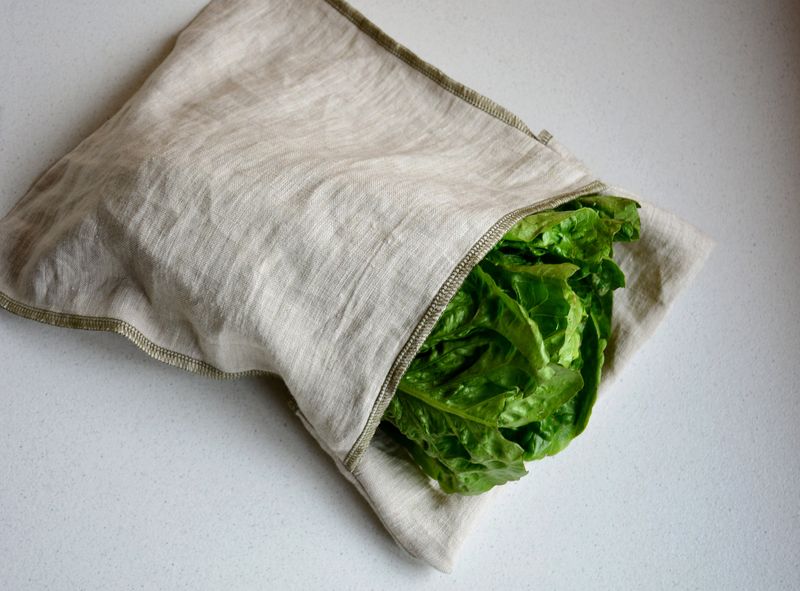
Freshness is key when it comes to storing vegetables. Using plastic containers might actually shorten their shelf life. These containers can trap moisture, which can lead to quicker spoilage. Over time, this means more frequent grocery trips and potential food waste.
Consider switching to alternatives like glass or cloth bags. These allow vegetables to breathe, maintaining their crispness for longer periods. The impact on your grocery bill and time could be positively surprising.
Incorporating natural storage options not only preserves your vegetables but also aligns with eco-friendly living. It’s a simple change with lasting benefits.