
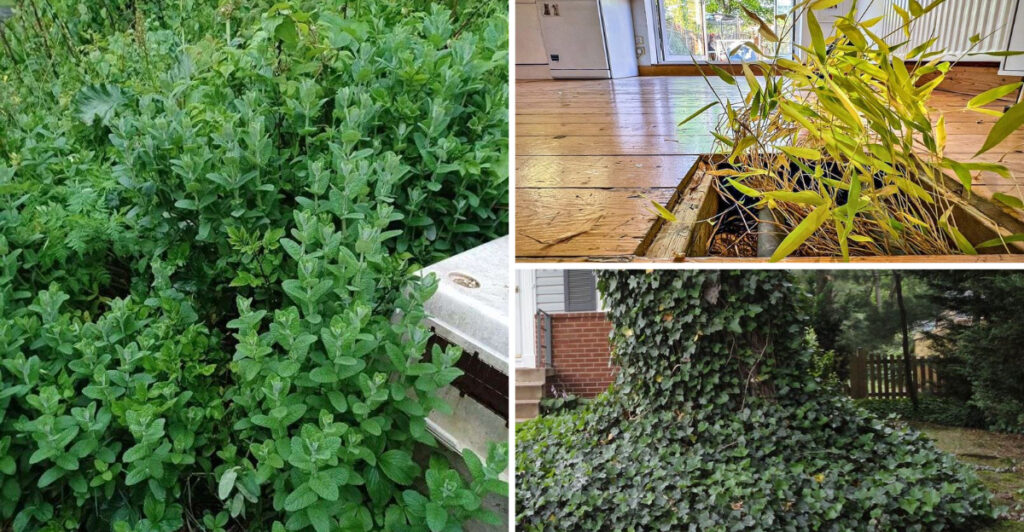
While a lush garden can enhance the appeal of a home, certain common yard plants can actually detract from property values. Whether due to their invasive nature, high maintenance, or unsightly appearance, these plants can make potential buyers think twice. Here are 16 plants that may do more harm than good to your property’s market value.
1. Bamboo
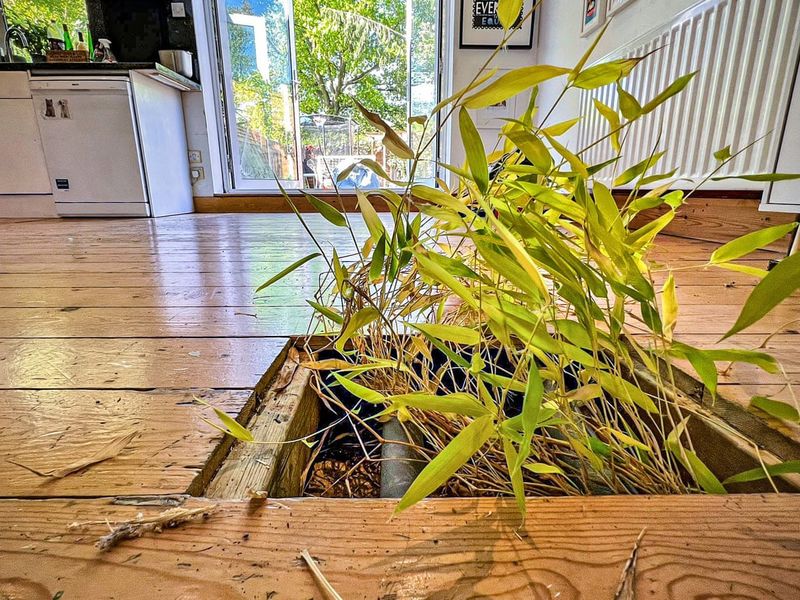
Imagine a plant that grows so rapidly, it can almost be seen inching upwards. Bamboo, often admired for its swift growth and tall, slender canes, poses a unique problem. Its invasive roots can spread relentlessly, undermining foundations and disrupting landscapes. Homeowners often find themselves in a never-ending battle to contain it.
2. English Ivy
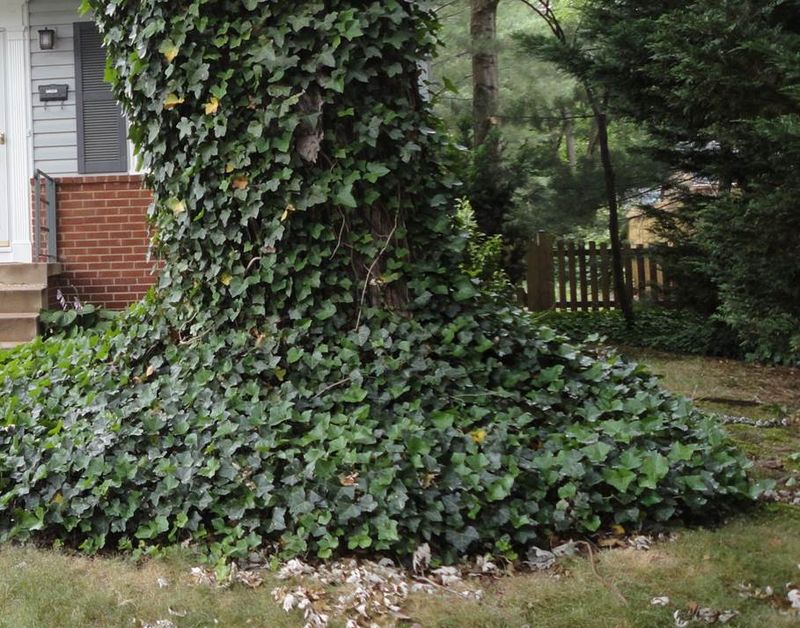
A creeping menace, English Ivy is both charming and destructive. Its lush green leaves may add an old-world elegance to homes, but they also trap moisture and harbor pests. This plant can cause structural damage as it climbs walls and invades spaces it shouldn’t.
3. Wisteria
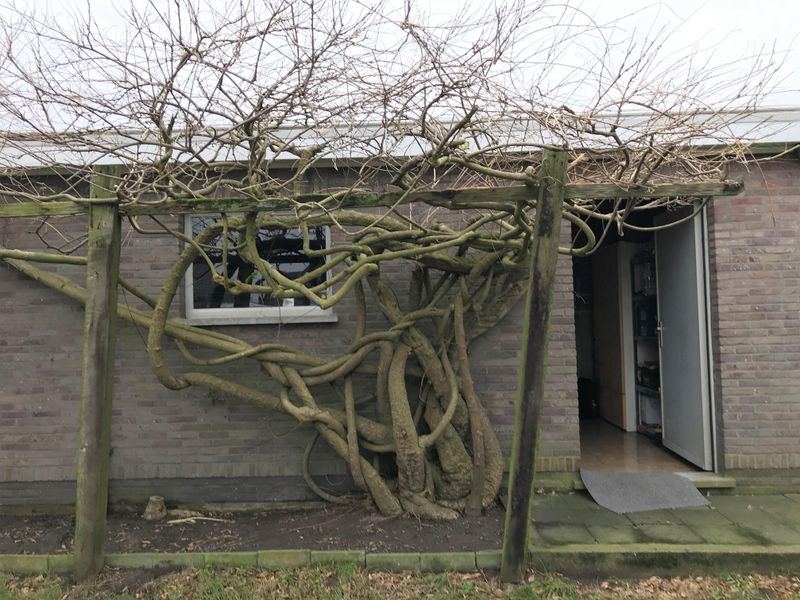
Wisteria is a plant of contradictions. With beautiful cascading blooms, it can transform any yard. Yet, it also comes with a heavy maintenance burden. Its aggressive vines can choke trees and shrubs, leading to costly removals.
4. Mint
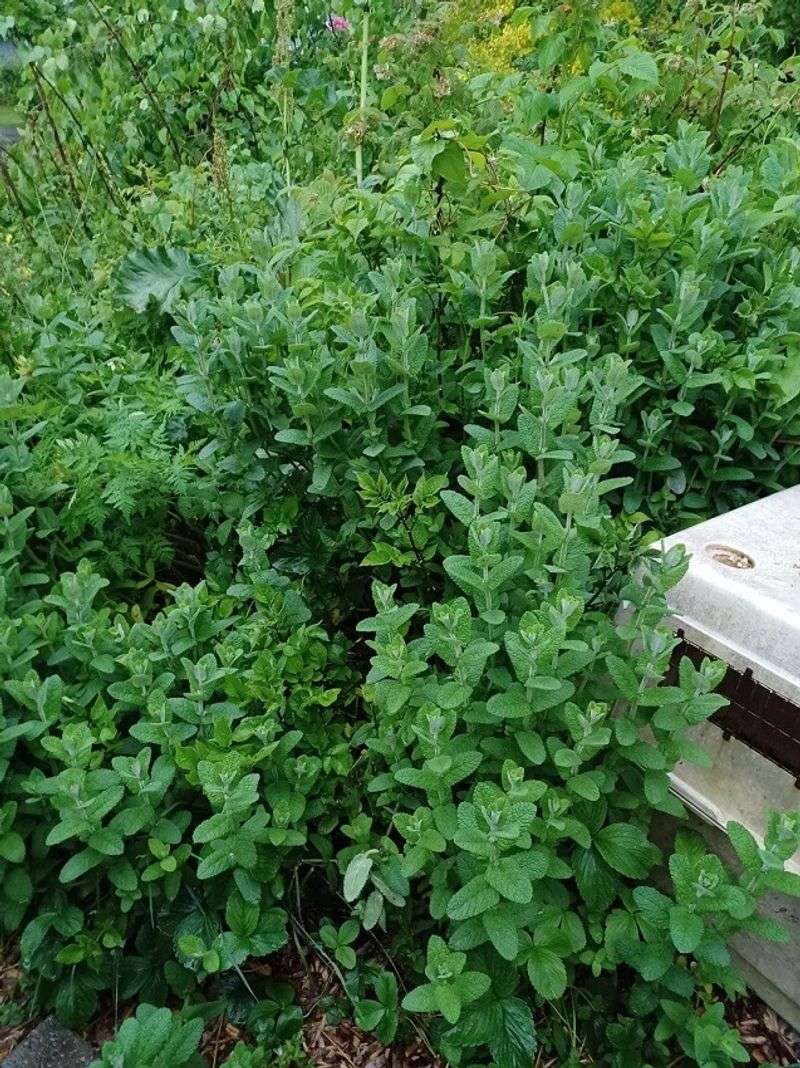
Known for its aromatic leaves, mint can quietly take over an entire garden. This seemingly innocent herb spreads aggressively, crowding out other plants and making it difficult to maintain a balanced garden ecosystem.
5. Bradford Pear Tree
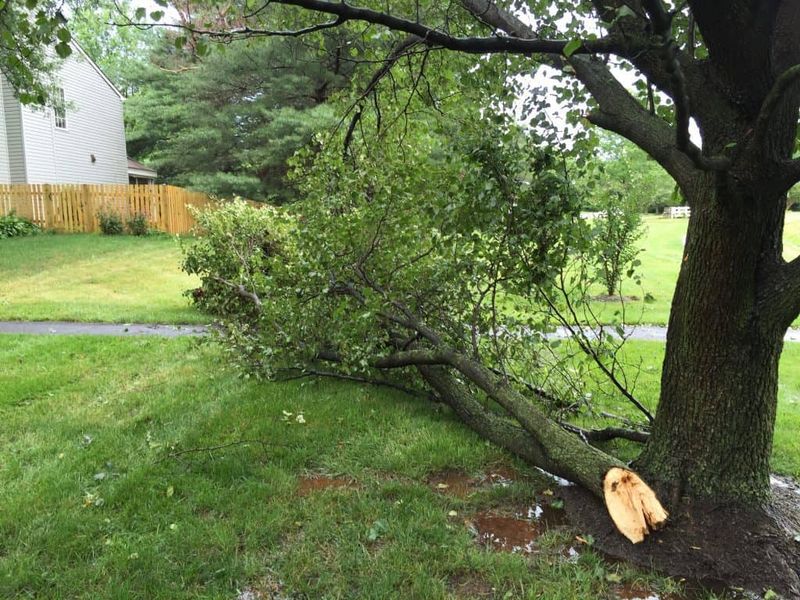
Though initially popular for their rapid growth and springtime blossoms, Bradford pear trees reveal their downsides quickly. Their branches are notoriously weak, prone to breakage during storms, causing frequent clean-ups and potential damage.
6. Japanese Knotweed
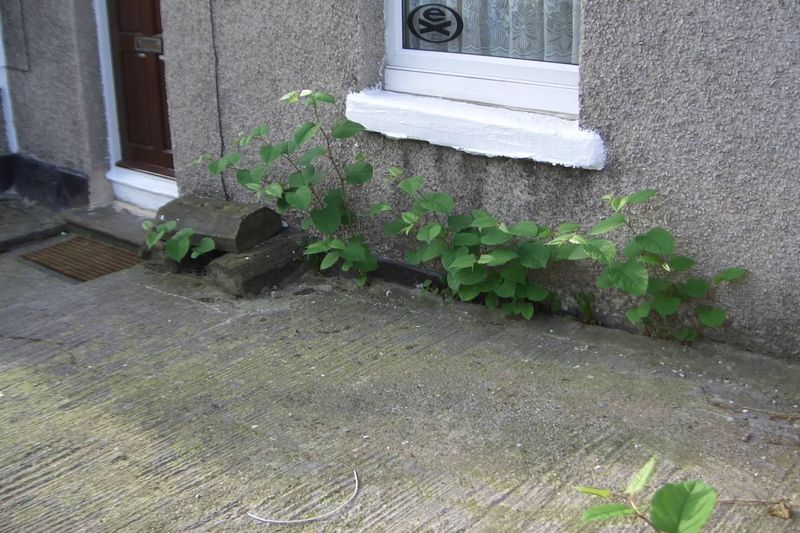
Japanese knotweed is an unstoppable force in the plant world. Known for its resilience, it can penetrate concrete and asphalt, causing significant structural damage. Its presence can deter buyers, given the intensive efforts required to eradicate it.
7. Poison Ivy
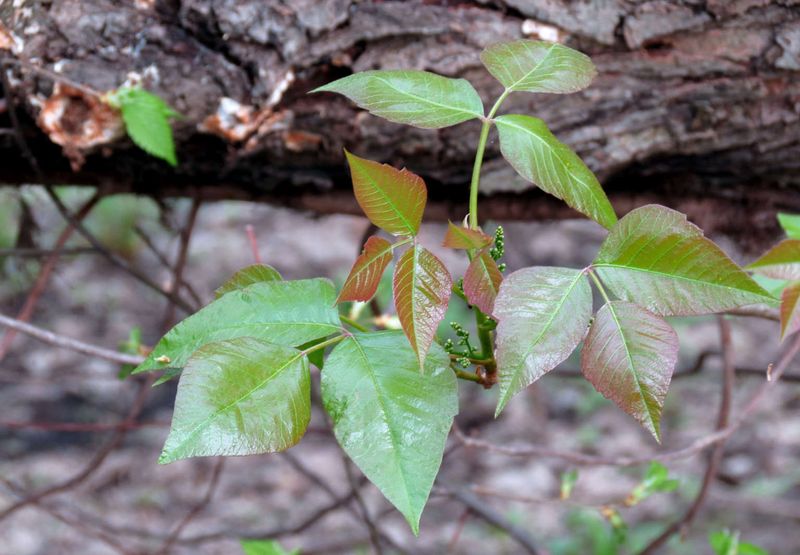
Famous for its itchy, blistering rash, poison ivy is a plant best avoided. Its presence in a yard can make outdoor activities risky, especially for families with children. Potential buyers might be wary of a property where this plant thrives.
8. Black Walnut
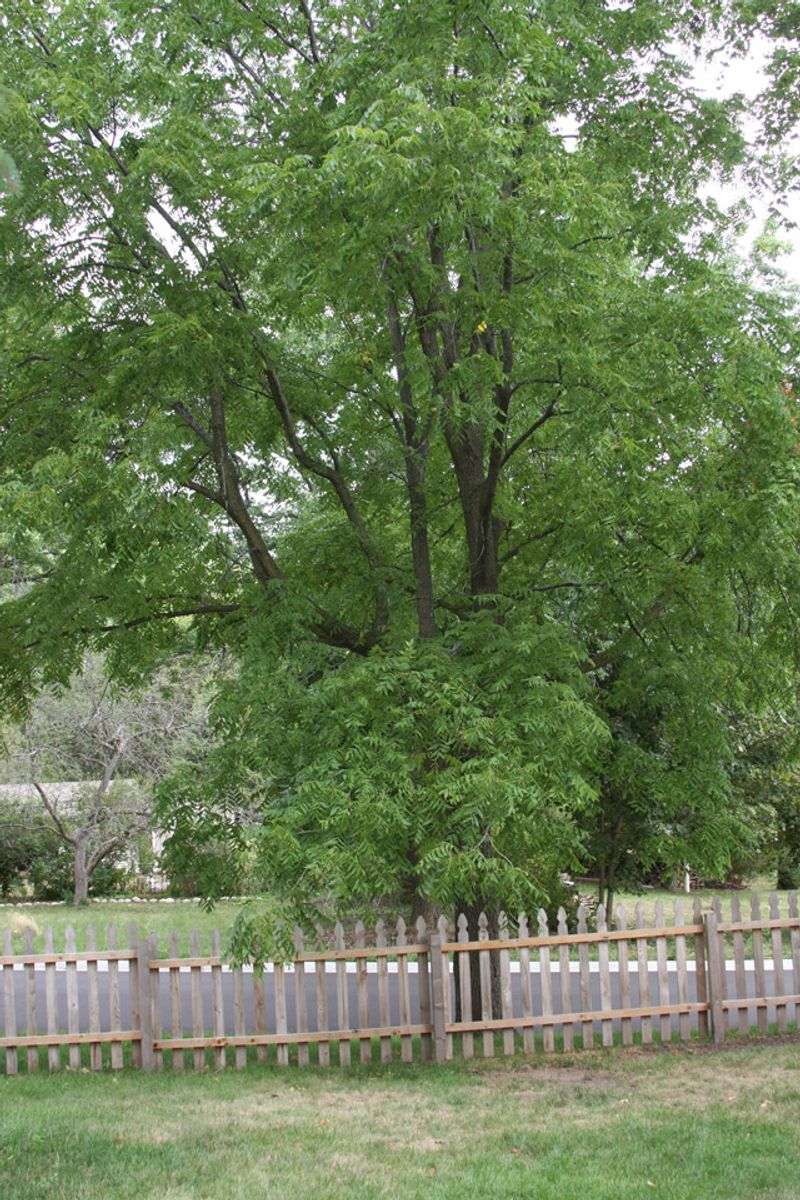
Majestic yet troublesome, the black walnut tree releases juglone, a chemical toxic to many plants. Its dense canopy creates heavy shade, limiting grass and other plant growth beneath it.
9. Norway Maple
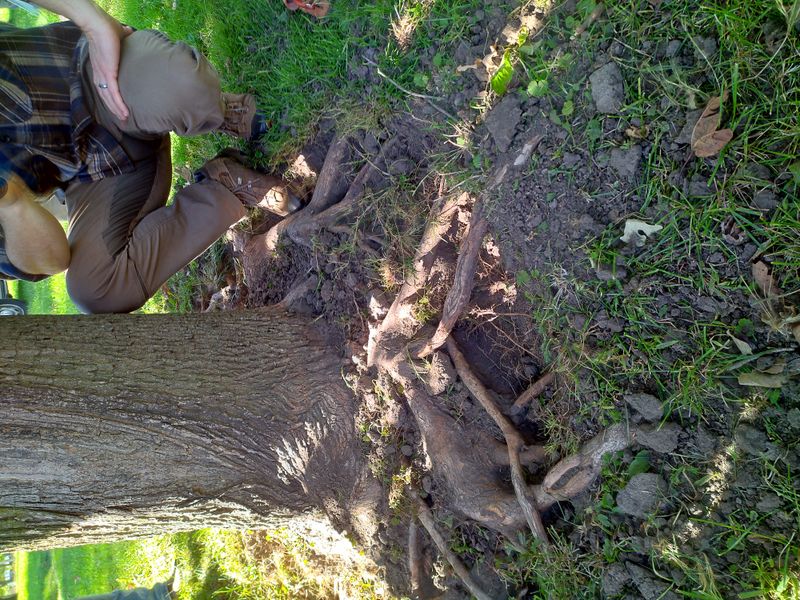
The Norway maple is notorious for its dense, shading canopy and aggressive roots. This tree outcompetes local flora, often leaving a sparse, barren landscape beneath it. Buyers might see it as more of a long-term challenge than an asset.
10. Russian Olive
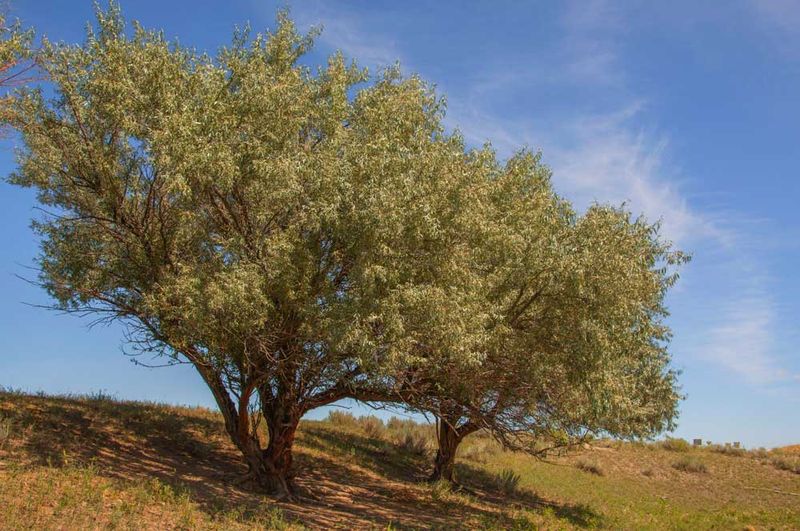
The alluring silver leaves of Russian olive trees hide a more sinister trait. They spread relentlessly, often at the expense of native plants. Their thorns and dense growth can also create maintenance headaches and deter potential homebuyers.
11. Tree of Heaven
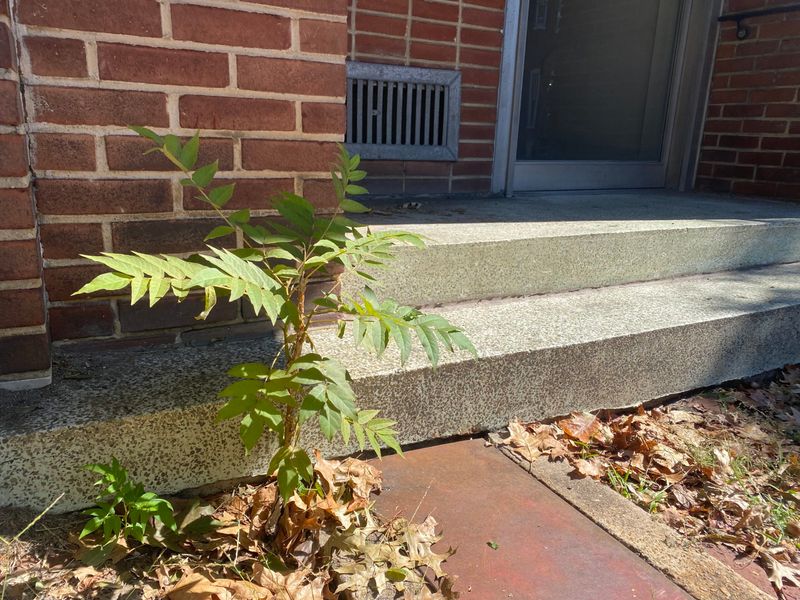
Despite its heavenly name, this tree can be a nightmare for homeowners. Known for its rapid growth and ability to thrive in urban environments, its roots can damage sidewalks and foundations, leading to costly repairs.
12. Privet
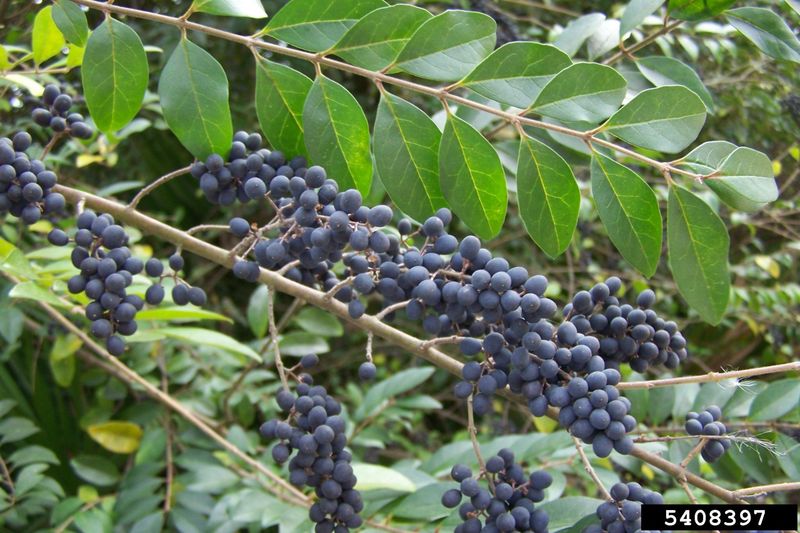
While often used for hedging, privet can become a garden menace. Its invasive roots and rapid growth can outcompete other plants, leading to monotonous landscapes that lack diversity.
13. Ground Elder
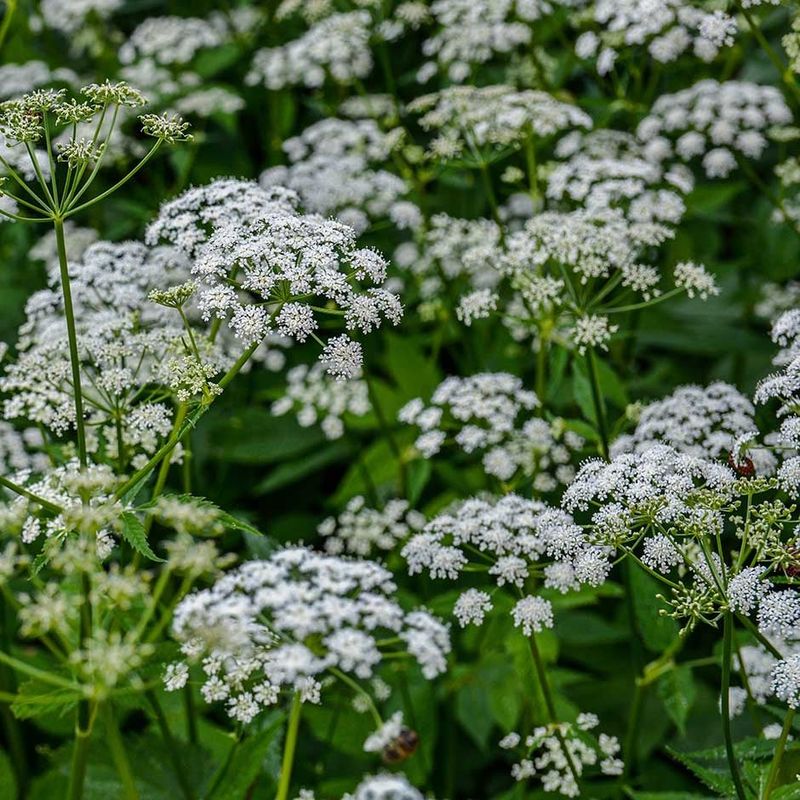
Ground elder, with its delicate white blooms, belies its aggressive nature. Once established, it spreads quickly, making it difficult to eliminate and often crowding out more desirable plants.
14. Honeysuckle
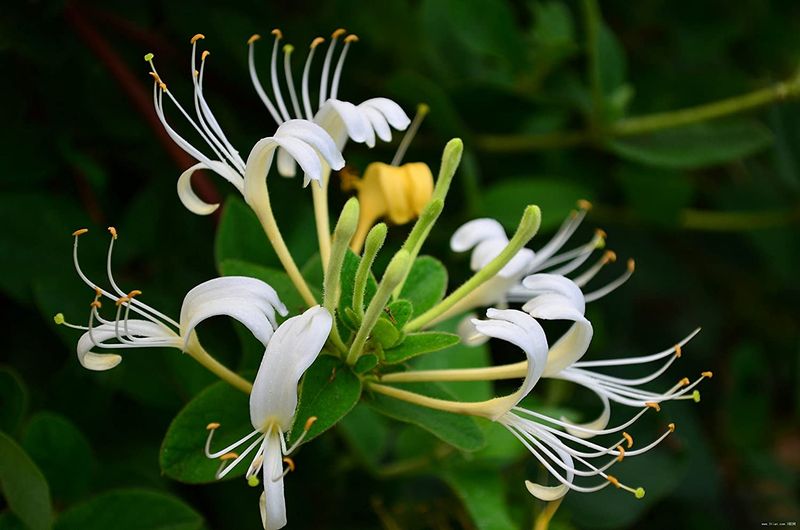
The sweet aroma of honeysuckle hides its invasive tendency. While beautiful, it can quickly overwhelm other plants, creating a tangled web that requires constant management.
15. Yellow Flag Iris
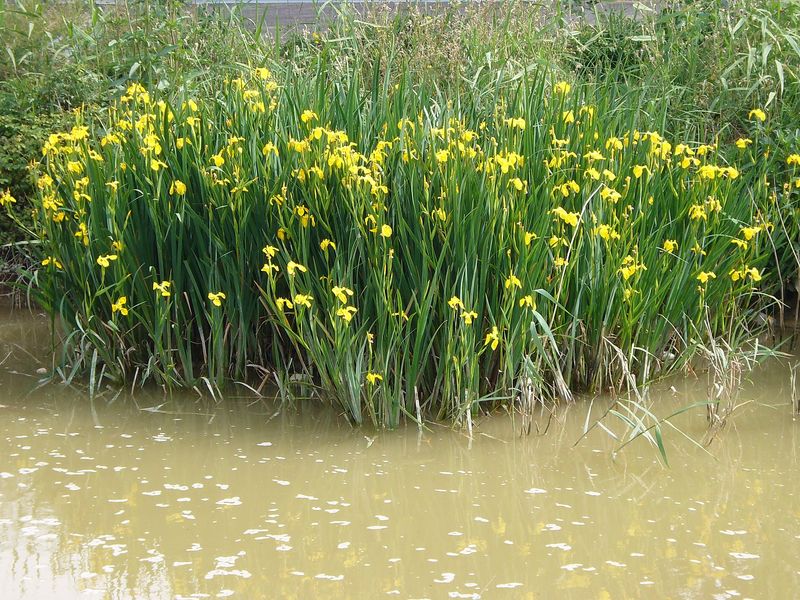
Yellow flag iris brings a splash of color to any water garden, but its invasive roots can clog waterways and outcompete native aquatic plants, disrupting local ecosystems.
16. Buddleia
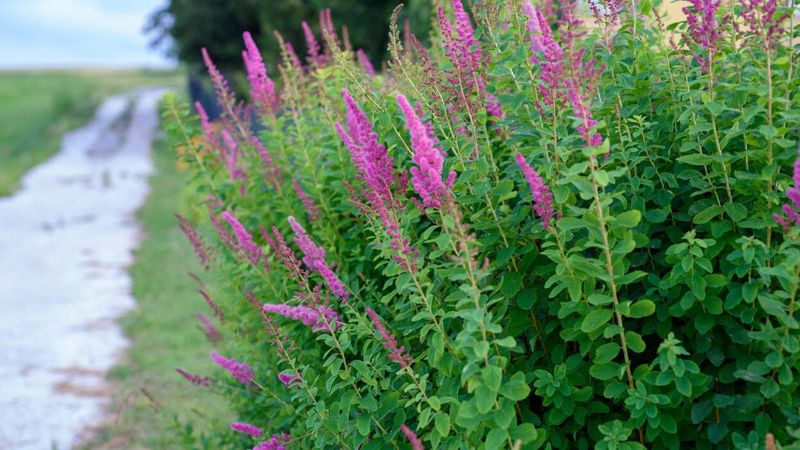
Also known as the butterfly bush, Buddleia attracts these insects but can also crowd out native plant species. It spreads rapidly and can become difficult to control, making it a less-than-ideal choice for property value-conscious homeowners.