
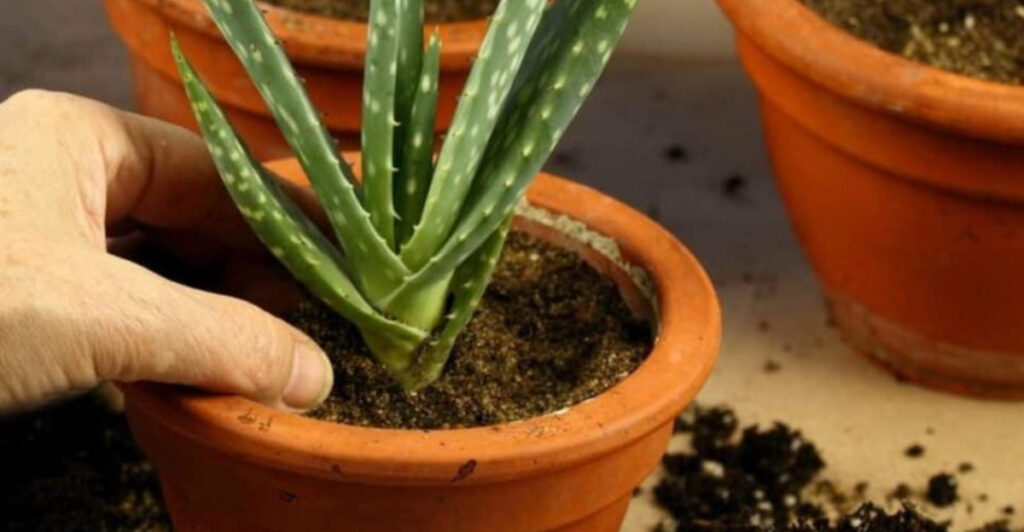
Discover how to successfully propagate aloe plants by avoiding common mistakes and using proven methods. This guide explores both pitfalls and reliable techniques to ensure healthy and thriving aloe growth.
1. Overwatering Young Offshoots
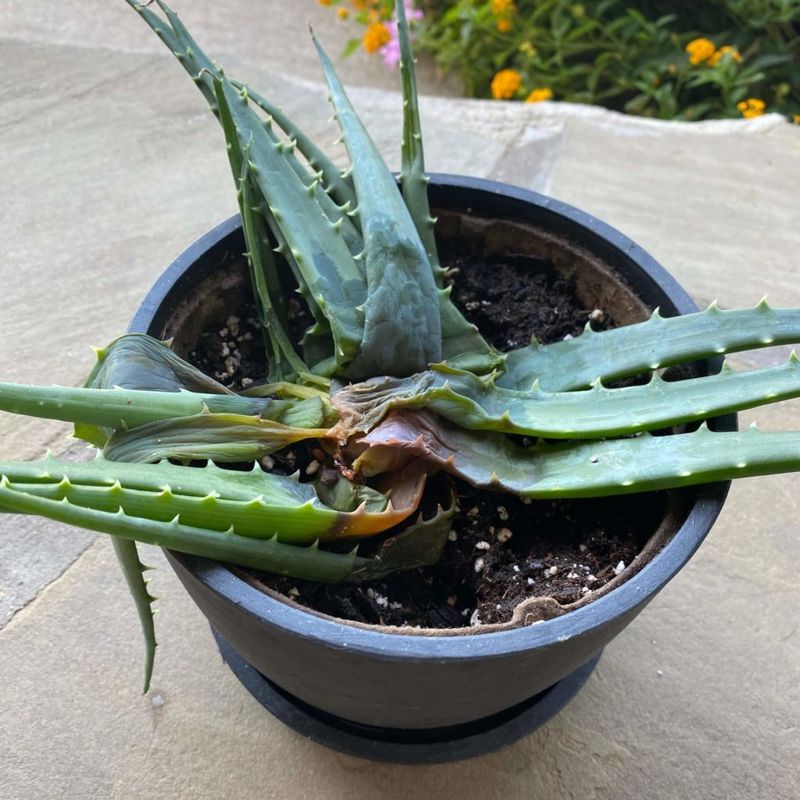
Watering young aloe offshoots can be tricky. Many novices make the mistake of drenching these fledgling plants. Aloe, known for its drought tolerance, requires minimal water during its early stages.
Excess moisture can lead to root rot, stunting growth. Instead, allow the soil to dry out completely between waterings.
Emphasize a patient approach. Observe the plant’s needs and monitor the soil’s moisture levels. Skipping that extra watering session might just save your plant!
2. Using the Wrong Soil Type
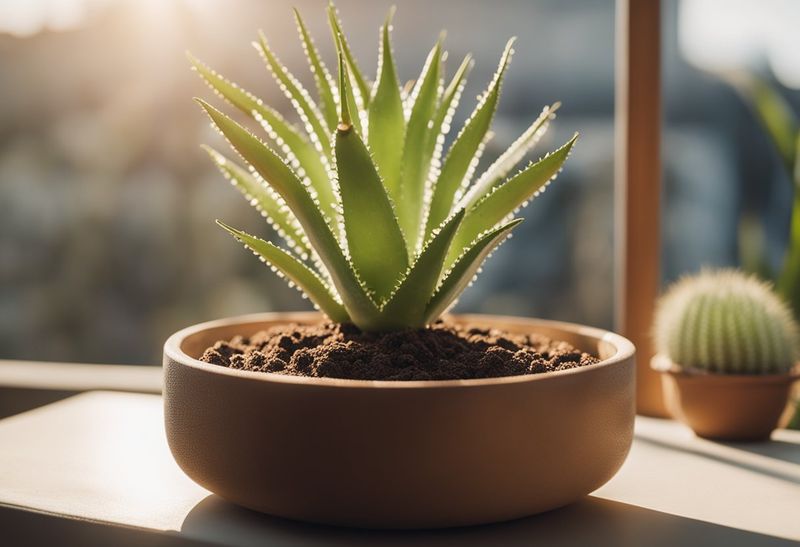
Aloe thrives in well-draining soil. Mistakenly planting it in dense or clay-heavy soil hampers root development. Without proper drainage, roots suffocate, leading to plant decline.
Opt for a cactus or succulent mix. These soils mimic aloe’s natural environment.
Adding perlite or sand improves drainage. Remember, achieving the right soil balance supports robust growth and healthy plants. Investing in suitable soil makes a significant difference in the propagation journey.
3. Ignoring Sunlight Needs
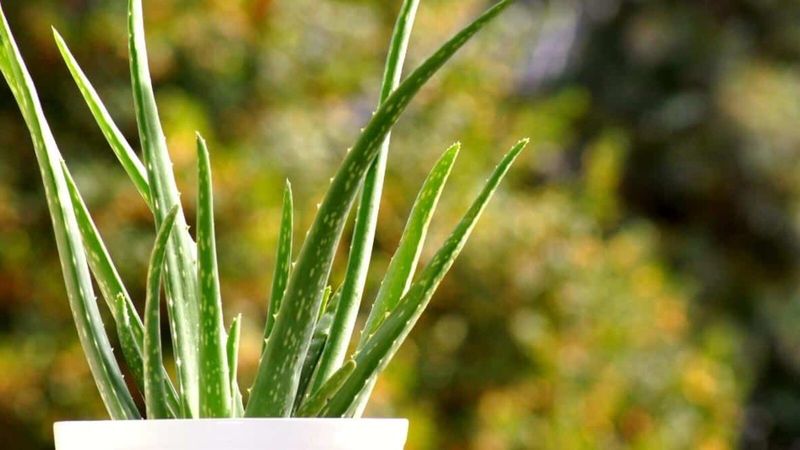
Aloe plants are sun-loving succulents. Neglecting their light requirements results in leggy, weakened specimens. Placing them in dim corners starves them of essential sunlight.
Bright, indirect light is ideal, while direct sunlight can scorch leaves.
Rotating the plant ensures even growth. Observing lighting can transform a struggling aloe into a vibrant, robust plant. Ensuring ample light exposure is key to successful propagation.
4. Planting Too Deeply
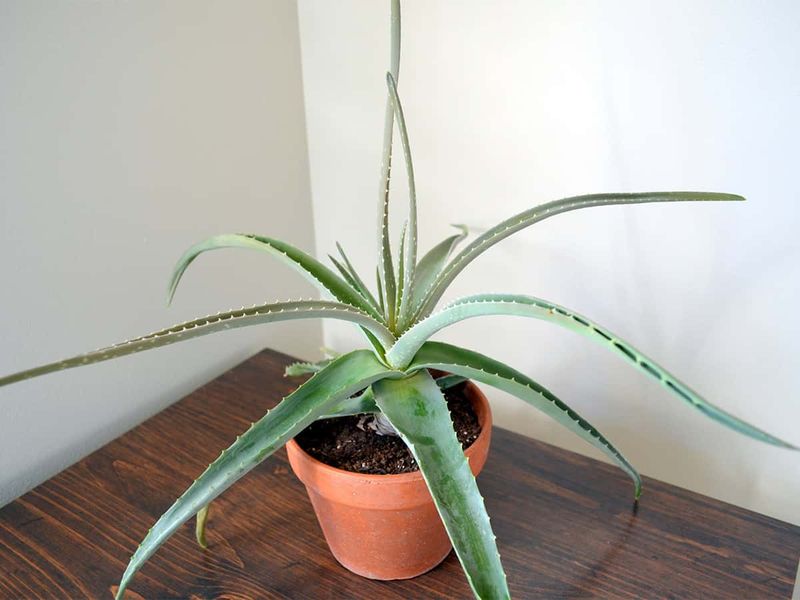
Proper planting depth is crucial for aloe success. Burying an aloe too deeply suffocates its base. This common mistake deprives the plant of essential air circulation.
Plant at the soil’s surface level, just covering the roots. This allows the plant to breathe and thrive.
Maintaining correct depth prevents rotting and promotes robust growth. Proper planting techniques set the foundation for a healthy aloe.
5. Not Allowing Callus Formation
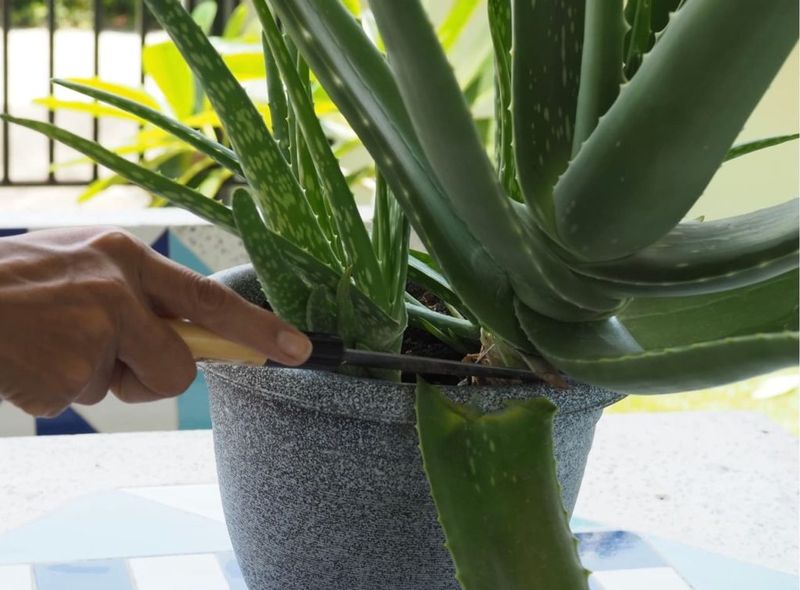
Aloe cuttings need time to form a callus before planting. Skipping this vital step leads to rot and failure.
Allow cut ends to dry and callus for several days. This protective layer prevents pathogens from entering.
Patience during this period ensures a successful rooting process. Ignoring callus formation often results in disappointment.
Giving your cuttings this time fosters healthy growth and robust new plants.
6. Incorrect Pot Size
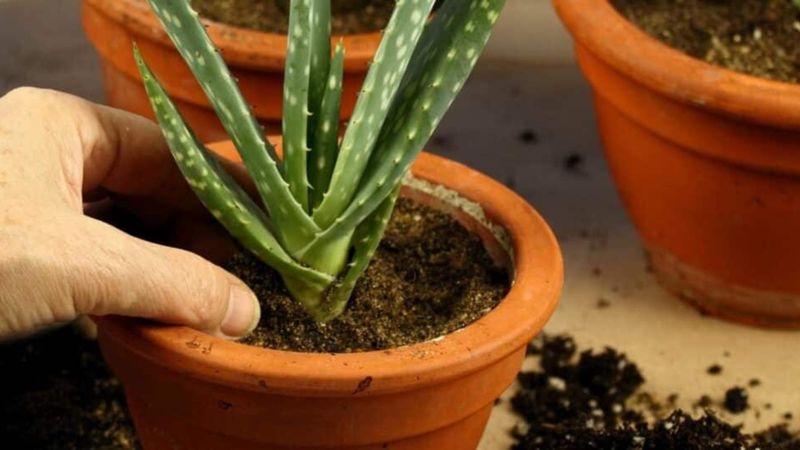
Choosing the right pot size matters. A pot that’s too big holds excess moisture, risking root rot. An undersized pot can restrict growth.
Select a container that fits the plant snugly, allowing moderate space for root expansion.
Proper pot sizing balances moisture retention and drainage, encouraging healthy propagation. This often-overlooked detail influences overall plant vitality.
Ensuring an appropriate pot size supports a thriving aloe journey.
7. Using Tap Water
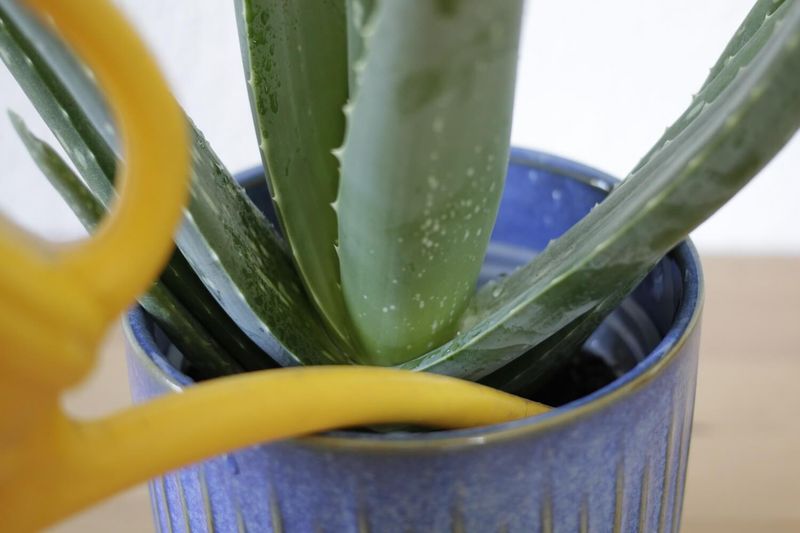
Tap water contains minerals and chlorine that may harm aloe. Over time, these can build up, affecting soil and plant health.
Opt for rainwater or distilled water for sensitive aloe varieties. These alternatives prevent mineral accumulation.
This simple change promotes vibrant, resilient plants. Watching what you water with encourages healthier growth.
Understanding your plant’s needs ensures a flourishing propagation experience.
8. Leaf Cuttings for Propagation
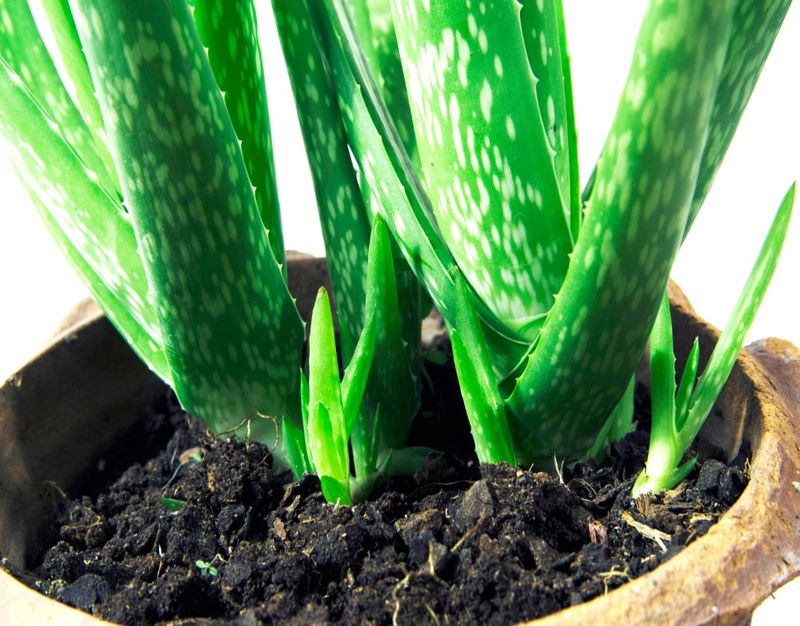
Leaf cuttings rarely succeed in aloe propagation. This method often leaves gardeners puzzled when new growth fails to appear.
Aloe propagates best from offsets or pups. These naturally occurring offshoots root easily, guaranteeing new plants.
Understanding propagation techniques results in flourishing succulents. Choosing reliable methods ensures success.
Embracing offset propagation enhances your gardening experience.
9. Offset Division
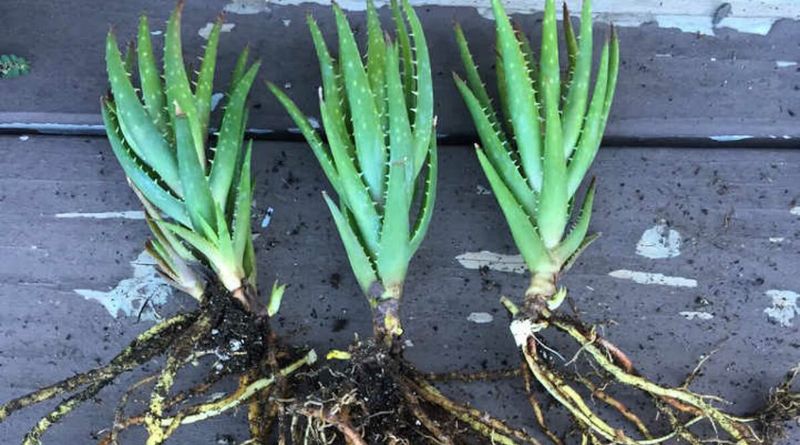
Offset division proves the most effective propagation method for aloe. These miniature plants attach to the mother plant, ready for growth.
Gently separate offsets and pot individually. This approach guarantees successful rooting and new plants.
Cultivating through offsets offers a fulfilling propagation experience, ending with healthy, thriving aloes.
10. Soil-less Propagation
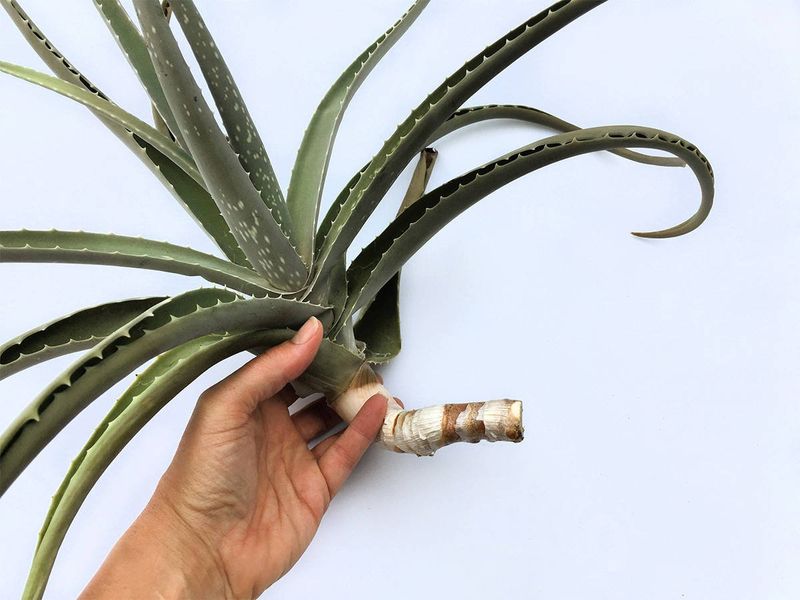
Soil-less propagation provides an innovative way to propagate aloe. Using water allows for visible root development.
Place aloe cuttings in water, ensuring leaves remain dry. Roots will form in weeks, ready for soil transfer.
This method intrigues with its simplicity and clarity, showcasing nature’s growth process.
11. Using Rooting Hormones
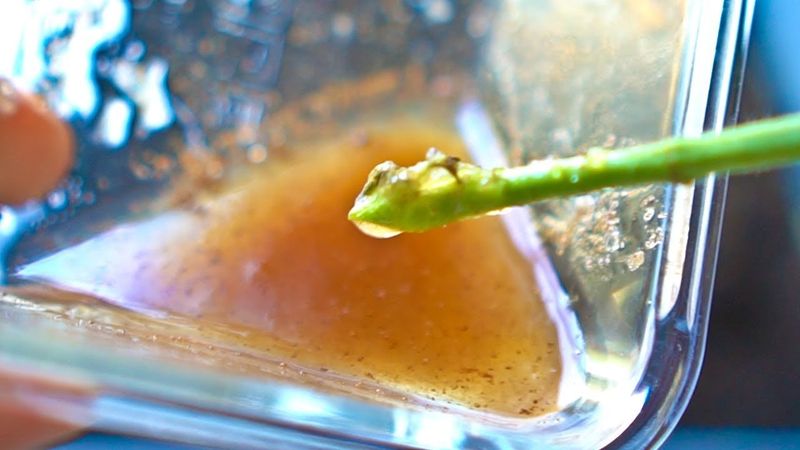
Rooting hormones aid aloe propagation, enhancing root development. These powders or gels encourage fast rooting.
Dip cuttings in hormone before planting, a small step for impressive results.
Rooting hormones ensure vigorous plant growth, supporting successful propagation.
Embrace science in gardening with this effective method.
12. Proper Container Drainage
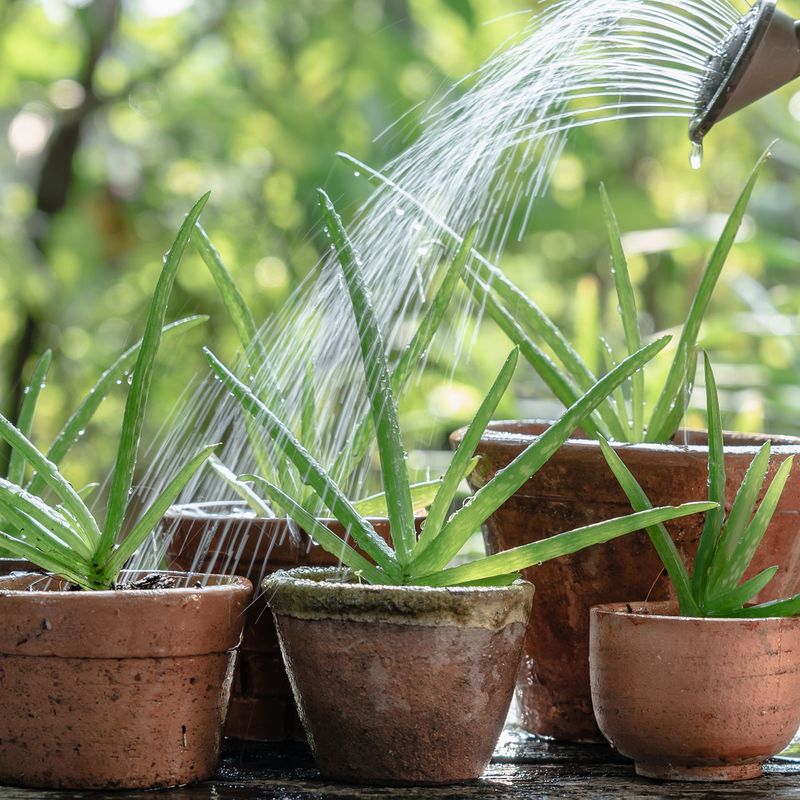
Proper drainage is paramount for aloe pots. Without it, water stagnates, affecting root health.
Select pots with adequate holes, allowing excess water to escape. Pair with well-draining soil for best results.
Good drainage fosters happy, healthy aloe plants. Simple changes lead to successful propagation.
13. Temperature Control
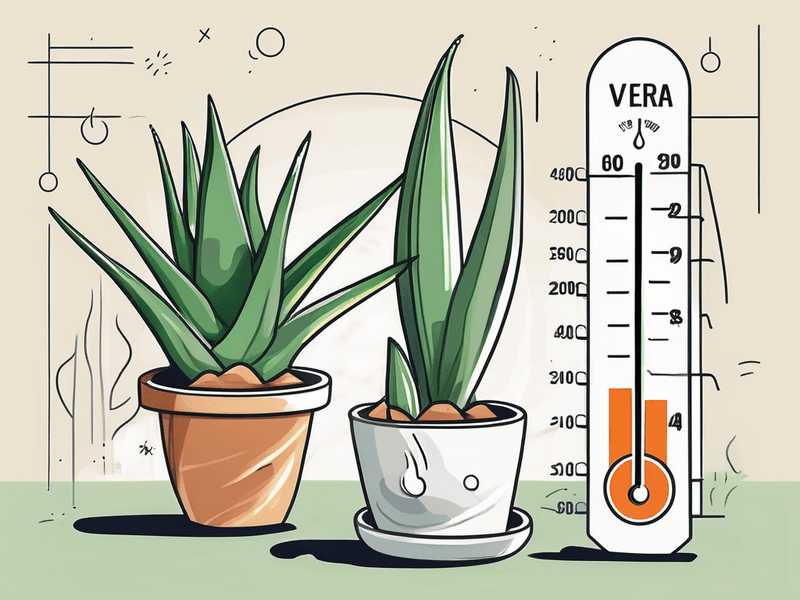
Temperature affects aloe propagation tremendously. Extreme cold or heat can hinder growth.
Keep aloes at moderate temperatures, avoiding drafts and direct heat sources.
Understanding environmental factors enhances propagation success, ensuring a nurturing climate for plants.
14. Ensuring Adequate Humidity
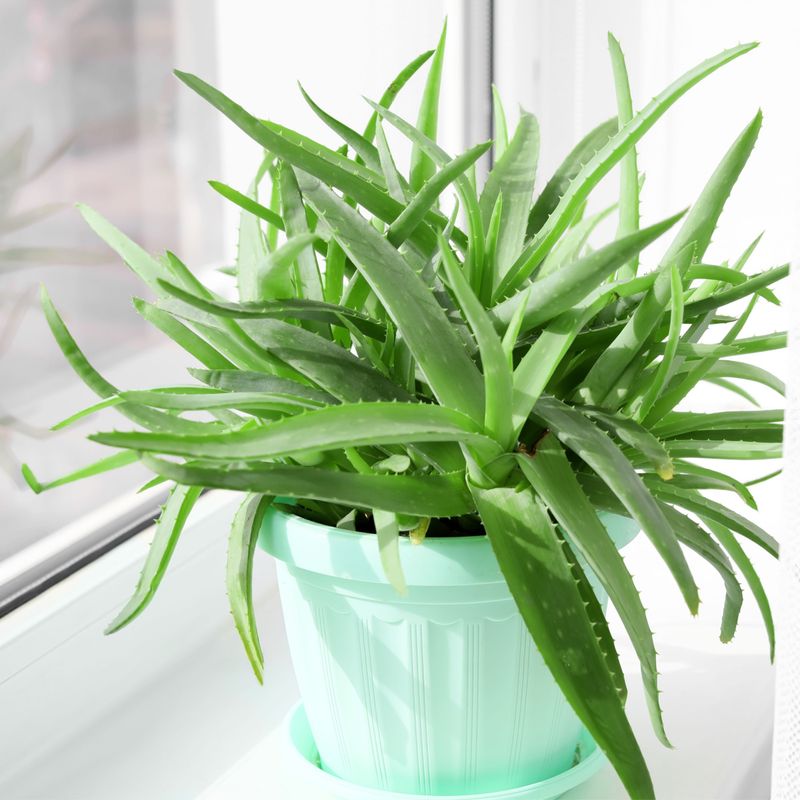
Aloes prefer low humidity. Excess moisture in the air can lead to fungal issues.
Keep plants in well-ventilated spaces. Avoid placing them in overly humid environments.
Balancing humidity supports thriving aloes. Recognizing plant preferences aids successful propagation.
15. Consistent Care
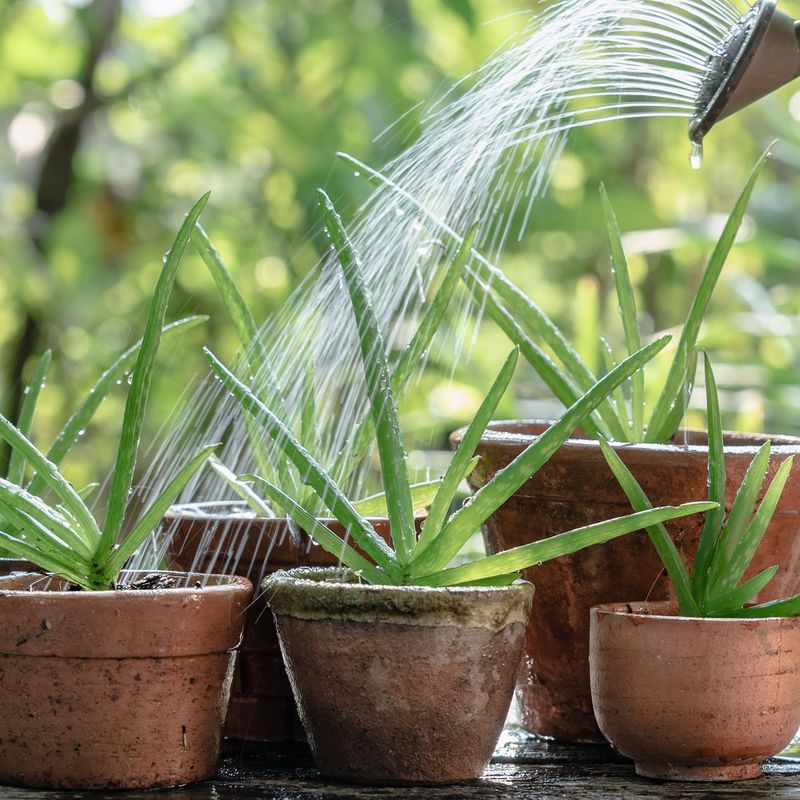
Consistent care makes all the difference in aloe propagation. Regular attention to watering, light, and temperature ensures thriving plants.
Observe your aloe’s needs, responding with timely interventions.
Nurturing with care cultivates vibrant, rewarding plants. A consistent approach fosters propagation success.