
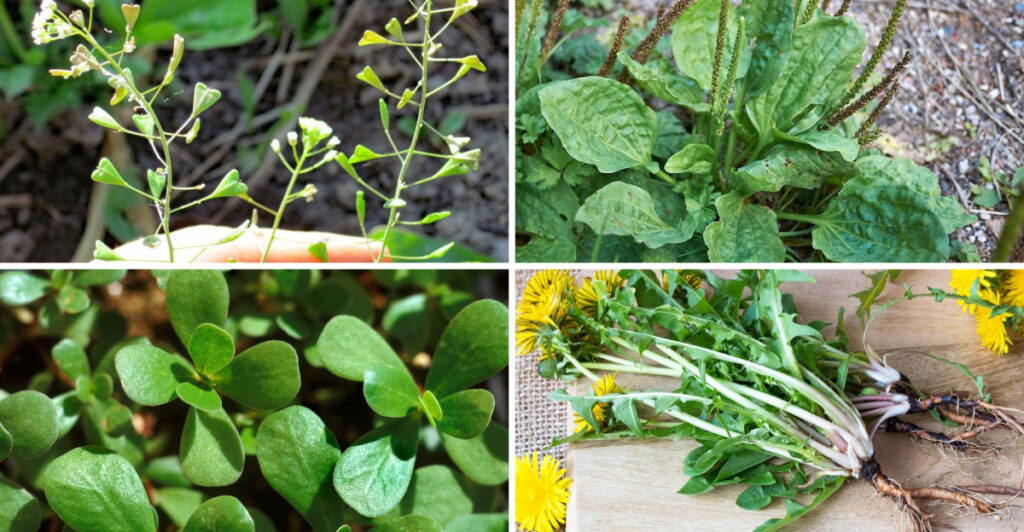
In the world of gardening, weeds often get a bad rap. However, some of these so-called pests are actually culinary treasures waiting to be discovered. Not only are they surprisingly nutritious, but they can also add unique flavors and textures to your dishes. Embrace the unexpected and explore these 19 garden weeds that are not just edible but gourmet-worthy.
1. Dandelion
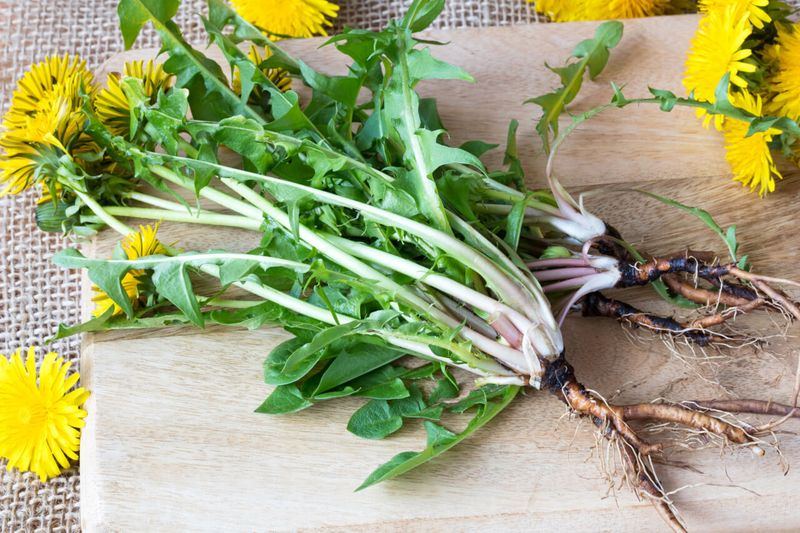
Dandelions, often seen as pesky garden intruders, are in fact culinary gems. With their slightly bitter taste, they bring a unique flavor to salads. The young leaves are the tastiest, offering a hint of chicory.
Beyond salads, you can use dandelions to make a delightful wine or a caffeine-free coffee alternative using their roots. However, their versatility doesn’t end here. The flowers can be transformed into sweet jams or fritters.
Historically, dandelions were cherished for their medicinal properties, believed to aid digestion and detoxification.
2. Nettle
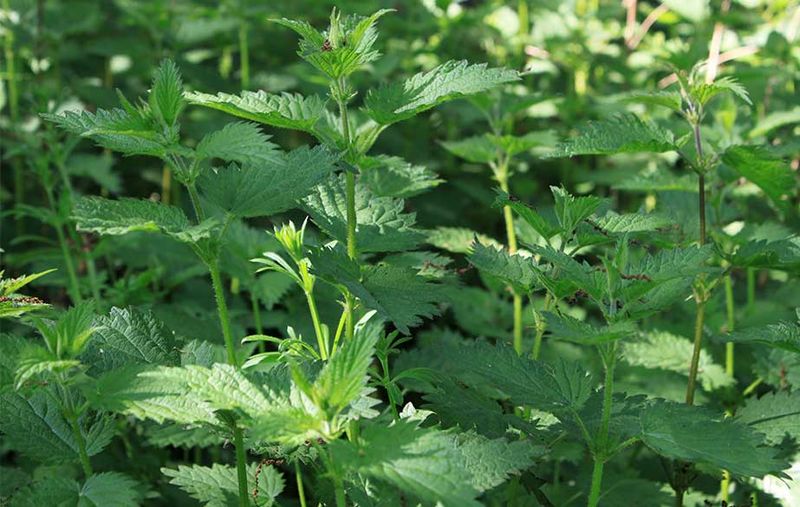
The stinging nettle, feared for its sting, is actually a nutritional powerhouse. Once cooked, nettles lose their sting and offer a taste reminiscent of spinach. Rich in vitamins and minerals, they make a nourishing addition to soups and stews.
Harvesting nettles requires care, but the reward is worth the effort. They can be blended into pesto or used in risottos.
Historically, nettles have been used in traditional medicine to treat various ailments, from joint pain to skin conditions. Their culinary and medicinal uses are vast.
3. Chickweed
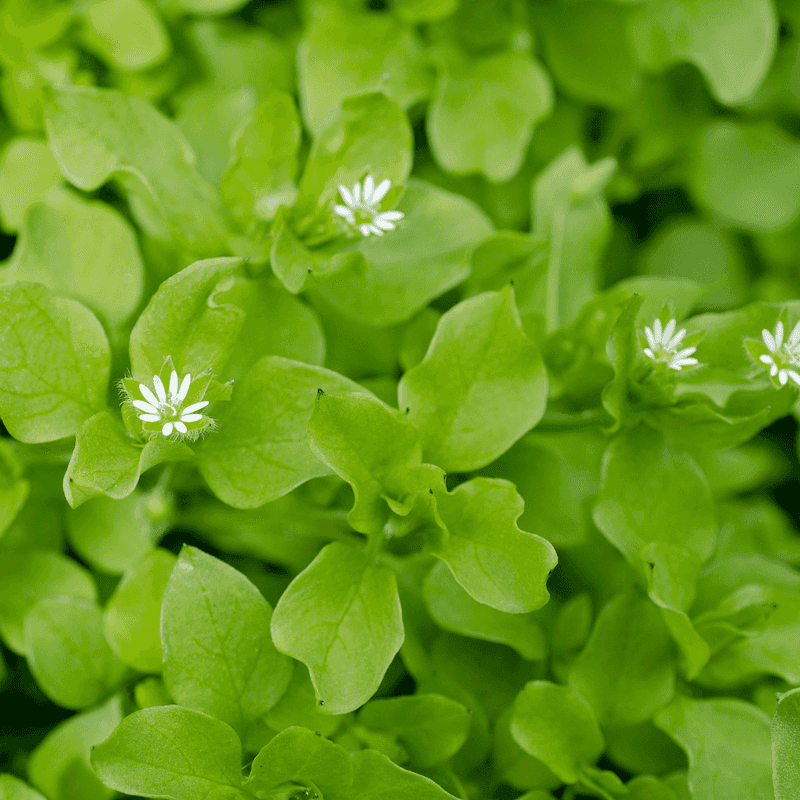
Chickweed, with its delicate leaves and tiny white flowers, is often overlooked. Its mild flavor makes it a perfect addition to salads. Rich in vitamins, it offers a nutritional boost to your meals.
Beyond salads, chickweed can be transformed into a refreshing tea or used in soups. It pairs well with other herbs, enhancing their flavors.
Traditionally, chickweed has been used in herbal remedies to soothe skin irritations. Its gentle nature and versatility make it a valuable plant, both in the kitchen and beyond.
4. Purslane
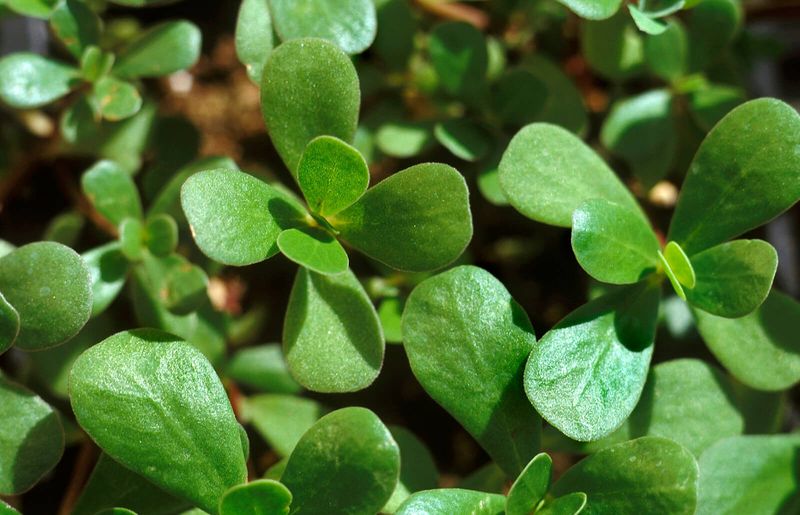
Purslane, often dismissed as a common weed, is actually a superfood. Its succulent leaves are packed with omega-3 fatty acids, offering a nutty flavor with a hint of tanginess.
Add purslane to salads for a refreshing crunch or cook it as a spinach substitute. Its robust nature allows it to thrive in various conditions.
In some cultures, purslane is revered for its health benefits, known to support heart health and reduce inflammation. Its culinary potential and health advantages make it a standout among garden weeds.
5. Lamb’s Quarters
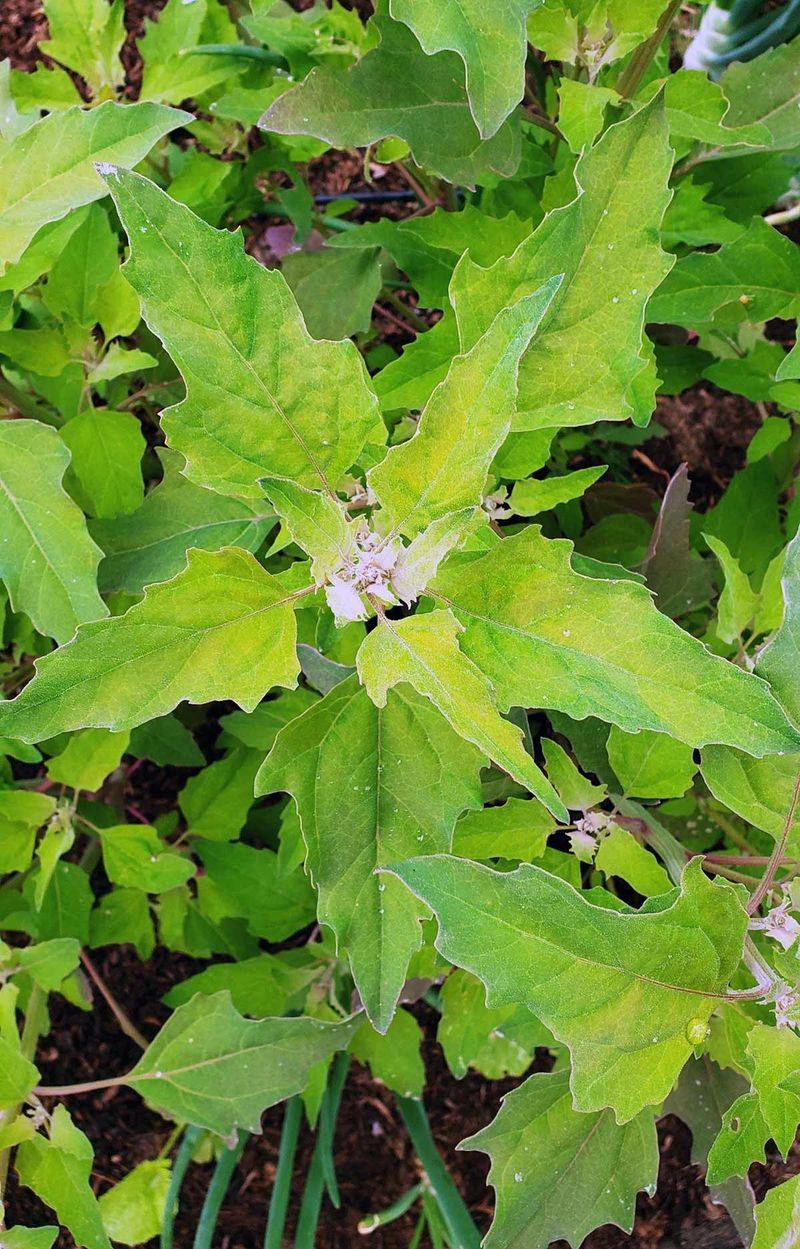
Lamb’s quarters, often overshadowed by more popular greens, are nutrient-dense and flavorful. Their leaves, mild yet earthy, can be used much like spinach in various dishes.
Sauté lamb’s quarters with garlic for a simple side dish or blend into smoothies for an added nutrient boost. They are rich in vitamins A and C.
Historically used by Native Americans, lamb’s quarters were a staple in their diet. Their adaptability and nutritional benefits make them a worthy addition to any culinary repertoire.
6. Henbit
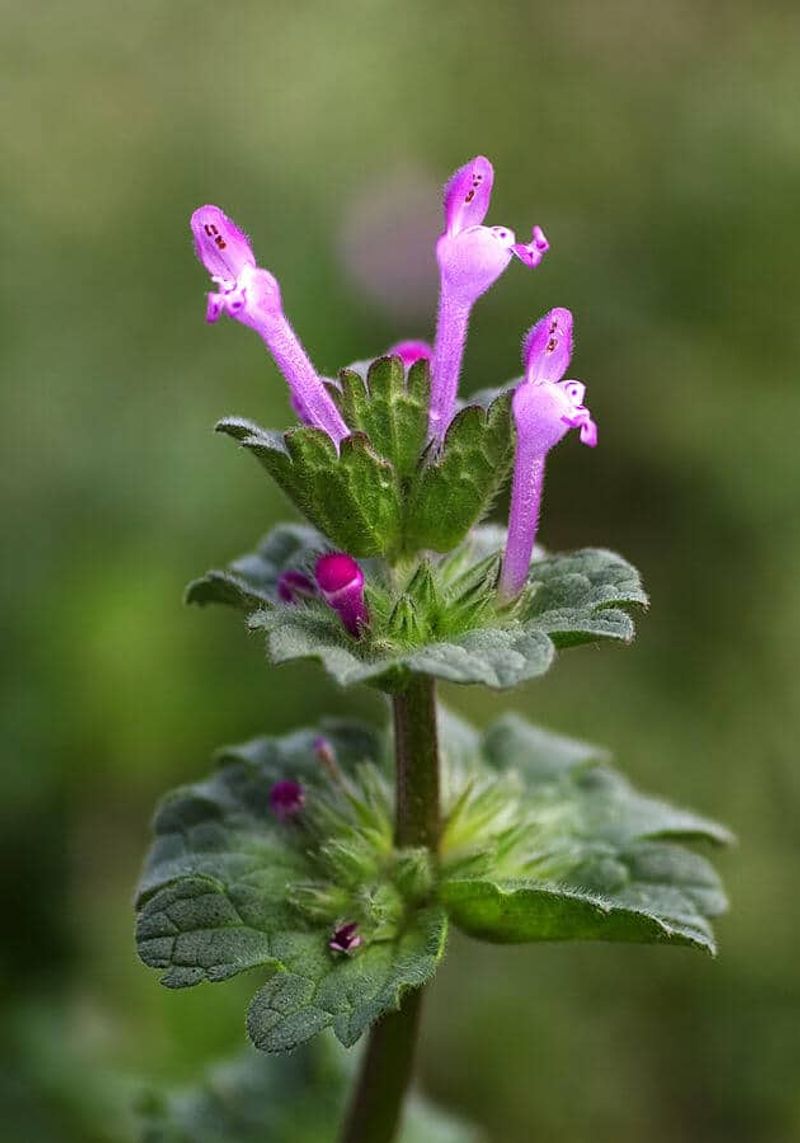
Henbit, with its purple blooms, is often seen as a mere weed, yet it offers a mild, sweet flavor. This makes it an excellent addition to salads or sandwiches.
The leaves and stems are tender enough to be eaten raw or cooked. Henbit can also be a colorful garnish for various dishes.
Traditionally, henbit has been used in folk medicine to combat colds and boost energy. Its vibrant appearance and gentle taste make it a charming and beneficial garden plant.
7. Shepherd’s Purse
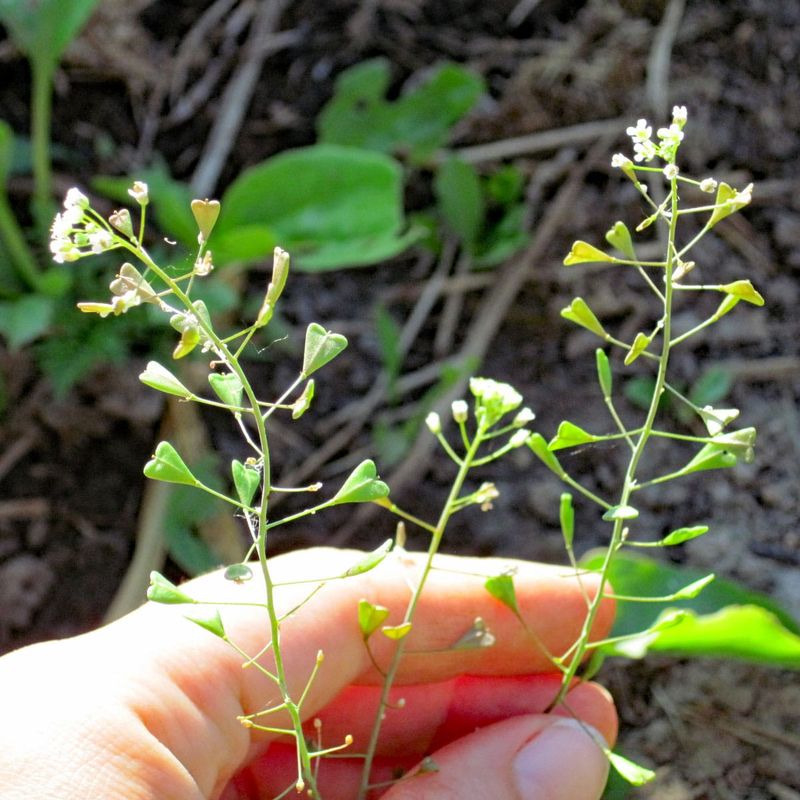
Shepherd’s purse, named for its heart-shaped seed pods, is a surprising culinary delight. Its peppery flavor adds a kick to salads and stir-fries.
You can also use it as a seasoning, similar to mustard greens. Its leaves are most flavorful when young.
Historically, shepherd’s purse has been used for its medicinal properties, especially in stopping bleeding and treating wounds. Its unique taste and health benefits make it a valuable addition to the kitchen.
8. Wild Amaranth (Pigweed)
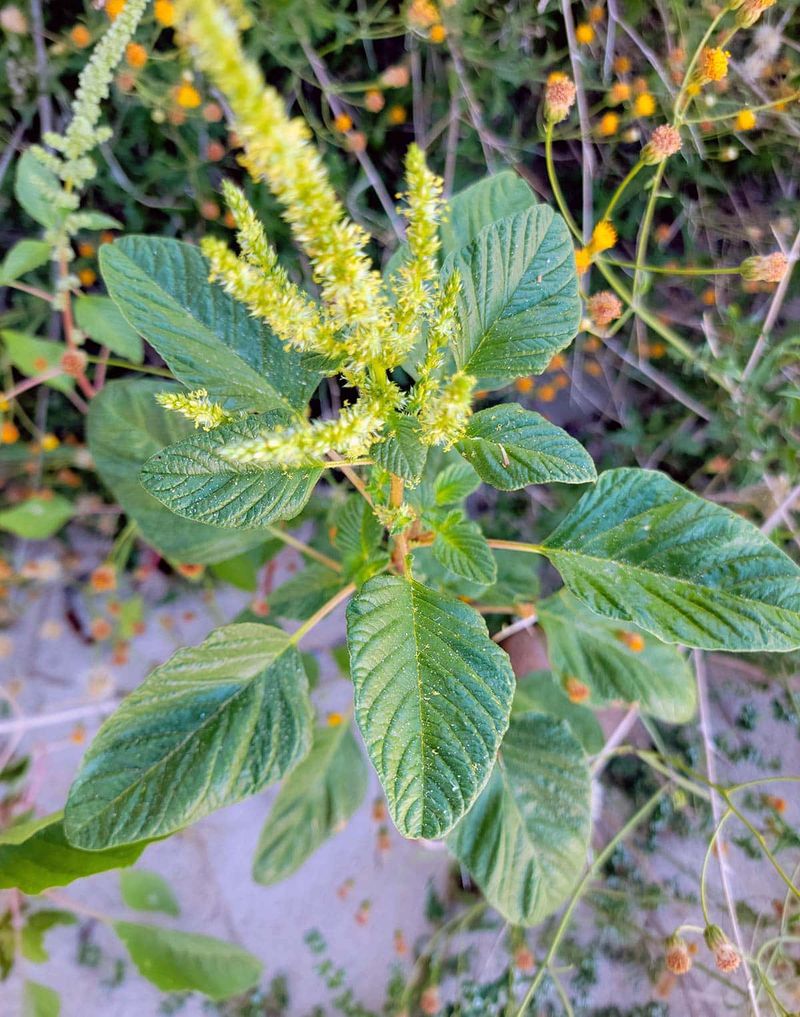
Wild amaranth, often called pigweed, is a robust plant with edible leaves and seeds. Its spinach-like flavor is a versatile addition to many dishes.
Cook the leaves as you would other greens or harvest the seeds to be used like quinoa. Wild amaranth is highly nutritious, rich in proteins and minerals.
Historically, it has been an important food source for many ancient cultures. Its resilience and nutritional value make it a beneficial plant to incorporate into your diet.
9. Plantain
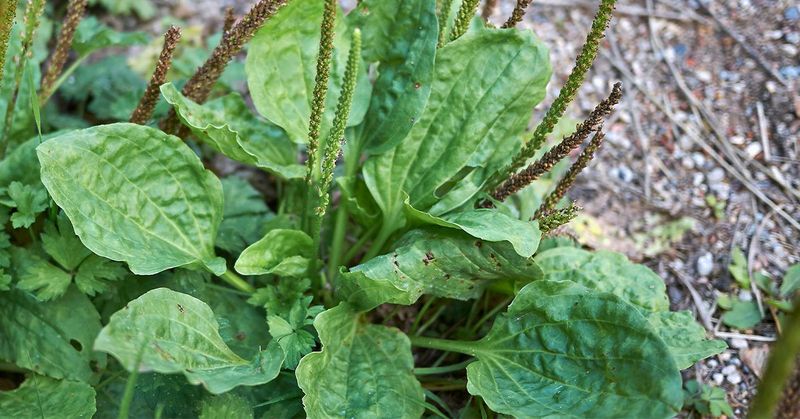
The plantain, not to be confused with the banana-like fruit, is a common garden weed with culinary value. Its young leaves can be added to salads, offering a mild flavor.
Cook older leaves for a heartier dish, similar to collard greens. Plantain seeds can also be harvested and ground into flour.
Traditionally, plantains have been used as a remedy for insect bites and skin conditions. Their adaptability and range of uses in the kitchen make them a hidden gem among garden weeds.
10. Violet
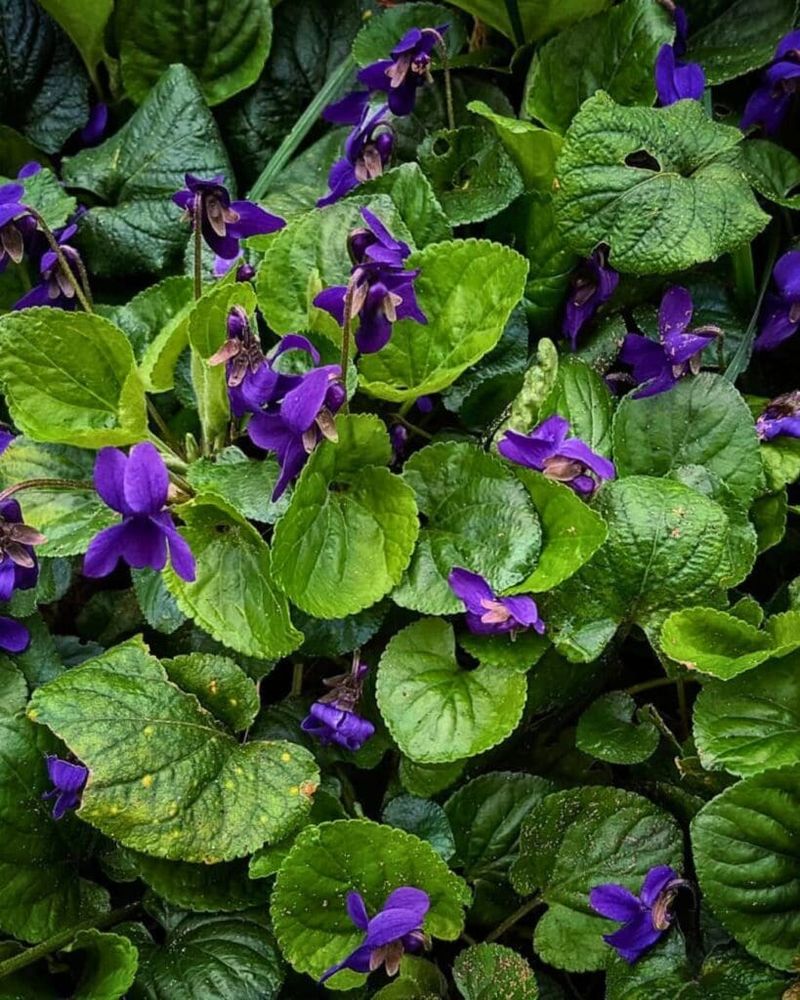
Wild violets, with their charming purple blooms, are more than just ornamental. The flowers add a splash of color to salads and desserts.
Their leaves offer a mild, spinach-like flavor, suitable for soups and stews. Violets are rich in vitamins A and C, making them a nutritious choice.
In history, violets have been associated with love and romance, often used in perfumes. Their beauty and culinary uses make them a delightful addition to your garden and kitchen.
11. Sorrel
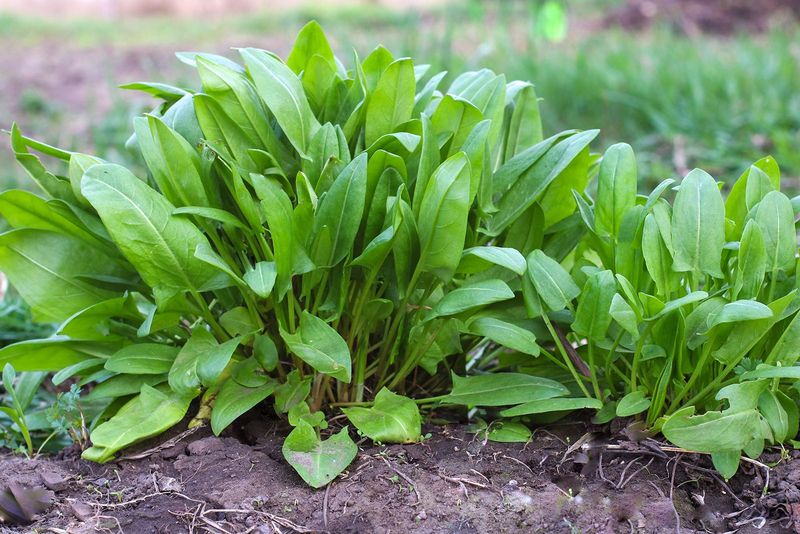
Sorrel, with its tangy, lemon-like flavor, is a refreshing addition to many dishes. Its vibrant leaves can be used in soups, sauces, and salads.
Sorrel’s unique taste pairs well with fish and creamy dishes, enhancing their flavors. It’s rich in vitamin C and antioxidants.
Traditionally, sorrel has been used in European cuisine, particularly in French dishes. Its distinctive taste and health benefits make it a valuable culinary herb.
12. Burdock
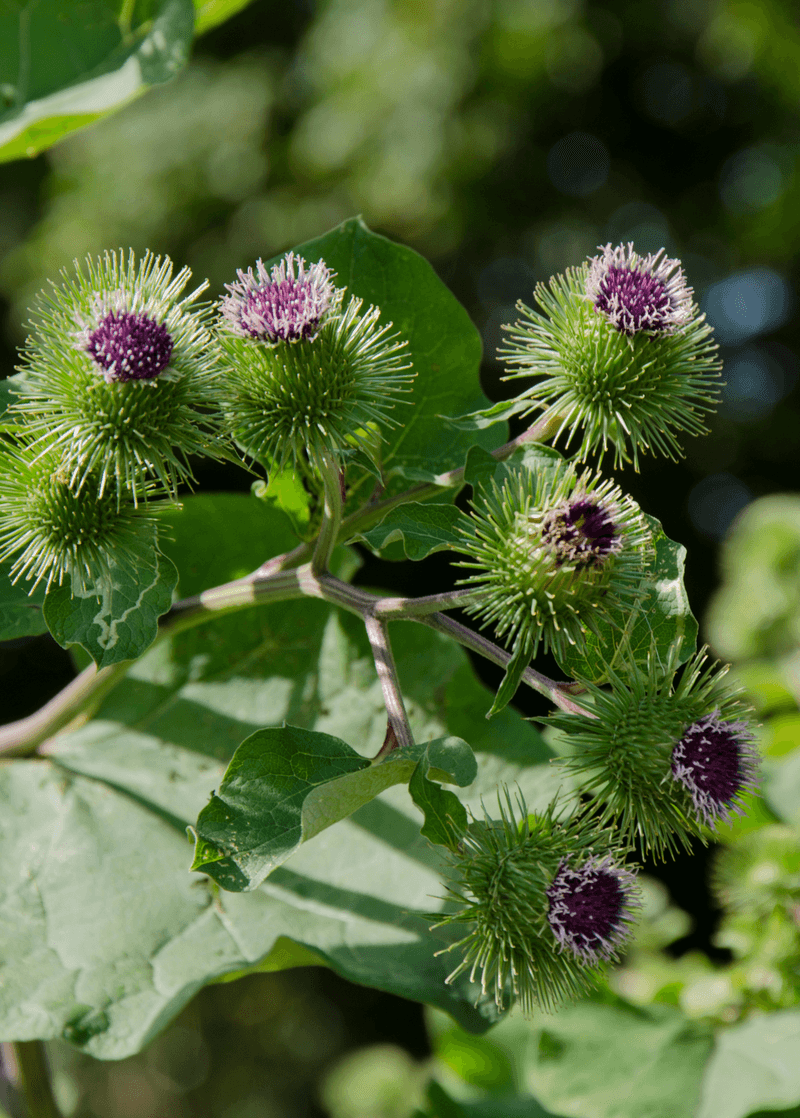
Burdock, often known for its sticky burrs, is a nutritional powerhouse. Its root, reminiscent of a carrot, is earthy and slightly sweet.
Cook burdock root in soups or stir-fries for a hearty meal. The leaves can also be used, though they are more bitter.
In traditional medicine, burdock is celebrated for its detoxifying properties. Its culinary versatility and health benefits make it a remarkable addition to the garden.
13. Cress
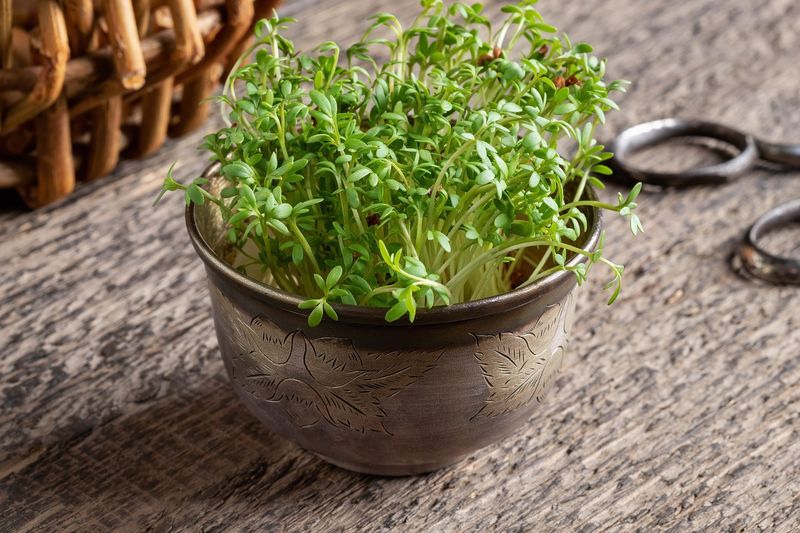
Cress, with its peppery zing, adds excitement to salads and sandwiches. Its small leaves pack a flavorful punch, making it a favorite among chefs.
Use cress as a garnish or blend into sauces for a kick. It’s rich in vitamins and antioxidants, supporting overall health.
Historically, cress was grown by ancient Egyptians. Its robust flavor and nutritional profile make it a must-have for any culinary enthusiast’s garden.
14. Mallow
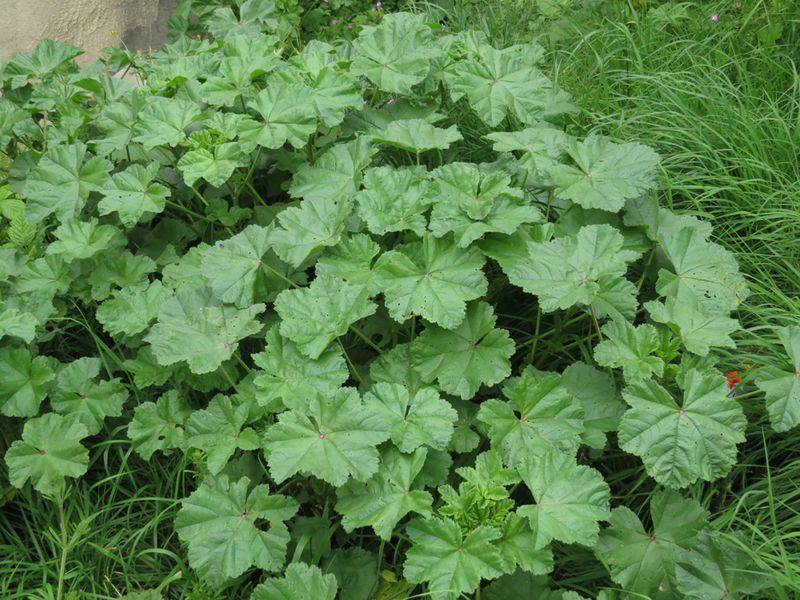
Mallow, with its soft, round leaves, is a gentle addition to dishes. Its mild flavor makes it versatile, suitable for salads and soups.
The leaves are known for their mucilaginous texture, which can thicken broths and stews. Mallow is also used in herbal remedies to soothe throat irritations.
In history, mallow has been cultivated for its nutritional value and medicinal properties. Its subtle taste and health benefits make it a valuable plant in both the kitchen and home pharmacy.
15. Garlic Mustard
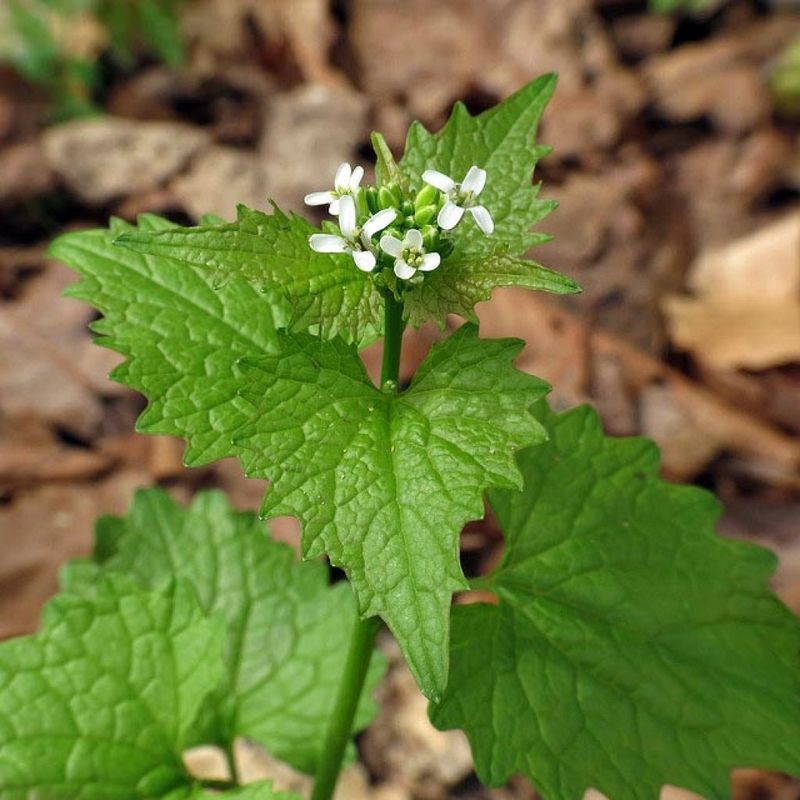
Garlic mustard, often considered a nuisance, offers a punchy flavor reminiscent of garlic. Its leaves can be used in pesto or as a seasoning.
Add it to salads for a spicy kick or cook it as you would spinach. Its robustness makes it easy to grow and harvest.
Historically, garlic mustard was brought to America as a culinary herb. Its distinctive taste and ease of use make it a fascinating addition to any dish.
16. Wood Sorrel
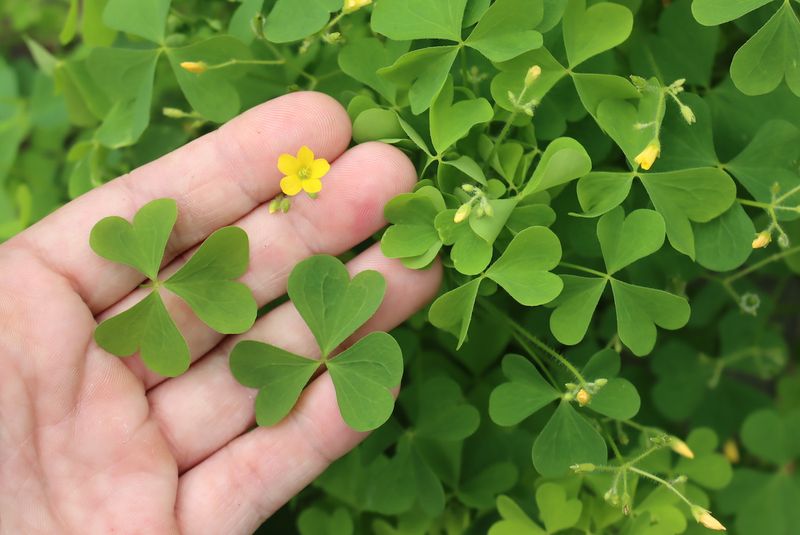
Wood sorrel, with its heart-shaped leaves, offers a delightful lemony flavor. It makes for a refreshing addition to salads and drinks.
The leaves can be steeped into tea or used as a garnish for various dishes. Rich in vitamin C, wood sorrel is both tasty and nutritious.
Traditionally, wood sorrel has been used to quench thirst and as a herbal remedy. Its unique flavor and health benefits make it a cherished plant in the garden.
17. Field Pennycress
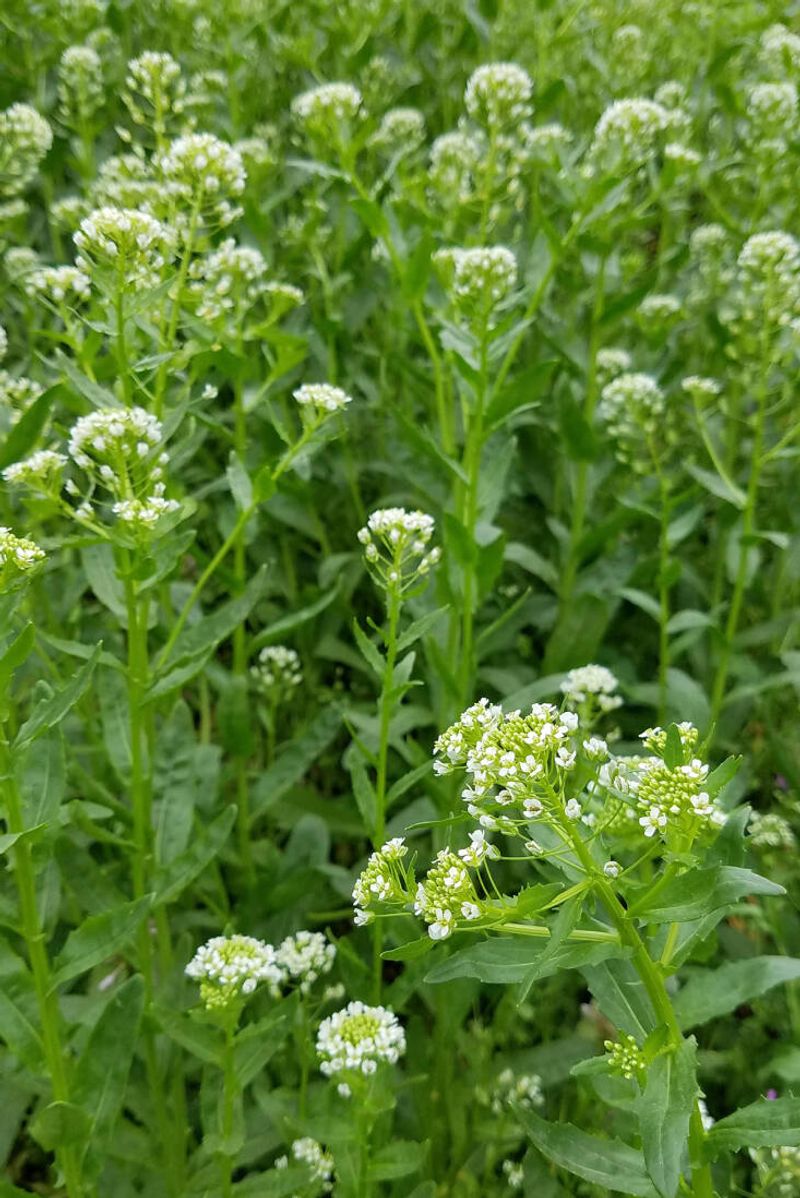
Field pennycress, known for its coin-shaped seed pods, is a surprising culinary discovery. Its seeds are spicy, adding zest to dishes.
Use the leaves in salads or as a garnish. Field pennycress is resilient, thriving in various conditions.
Historically used in traditional medicine, it’s known for its detoxifying properties. Its bold flavor and adaptability make it an intriguing addition to culinary creations.
18. Catnip
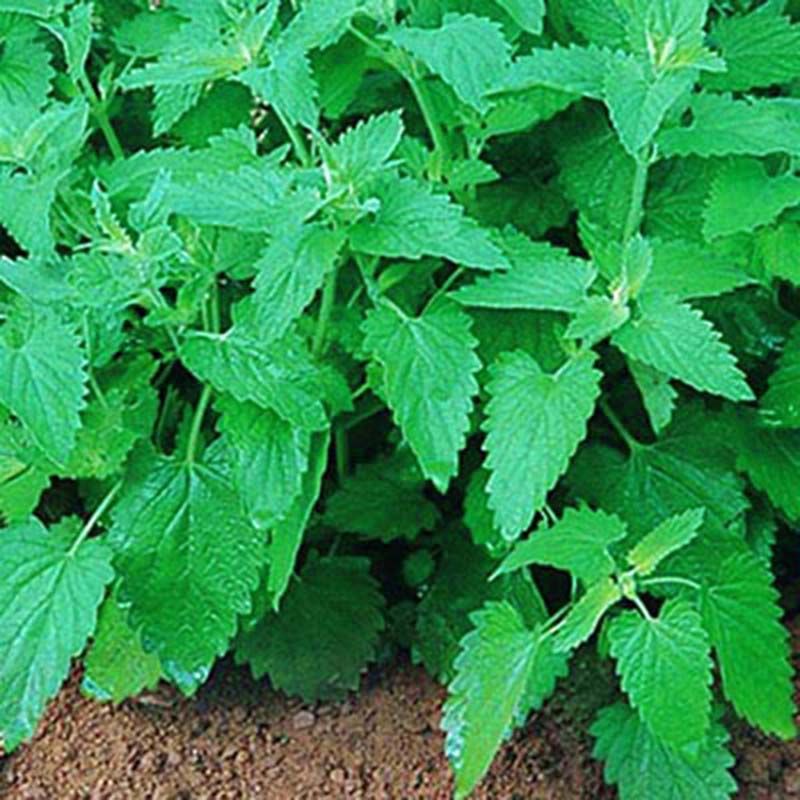
Catnip, adored by felines, is also a flavorful herb for humans. Its minty leaves can be used in teas or as a seasoning.
Add it to desserts for a refreshing twist. Catnip is known for its calming effects, both for cats and people.
Historically, catnip has been used in traditional medicine for its soothing properties. Its pleasant flavor and versatility make it a delightful addition to your garden and kitchen.
19. Curly Dock
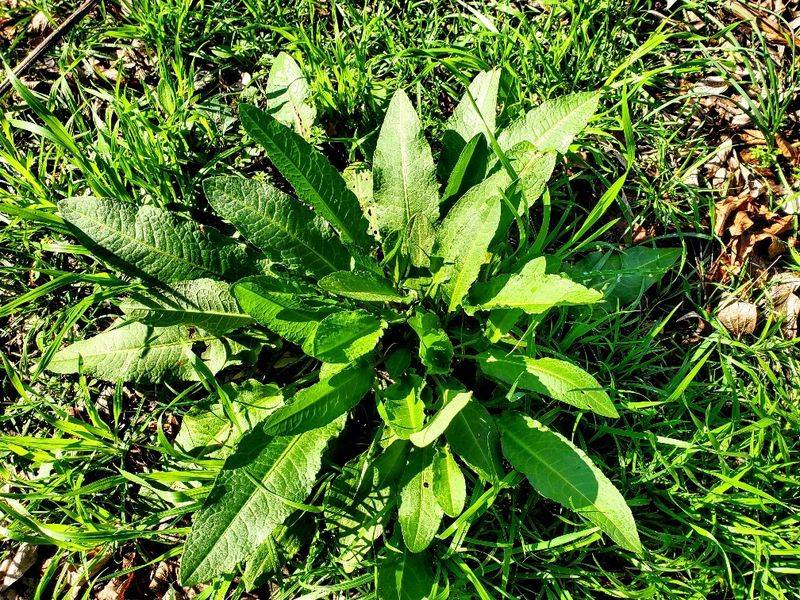
Curly dock, often overlooked, provides a tangy, lemon-like flavor. Its young leaves make a wonderful addition to salads.
Cook older leaves like spinach for a heartier dish. Curly dock’s seeds can be ground into a nutritious flour.
Traditionally used by various cultures for its health benefits, curly dock is known for aiding digestion. Its culinary potential and medicinal uses make it a valuable garden plant.