
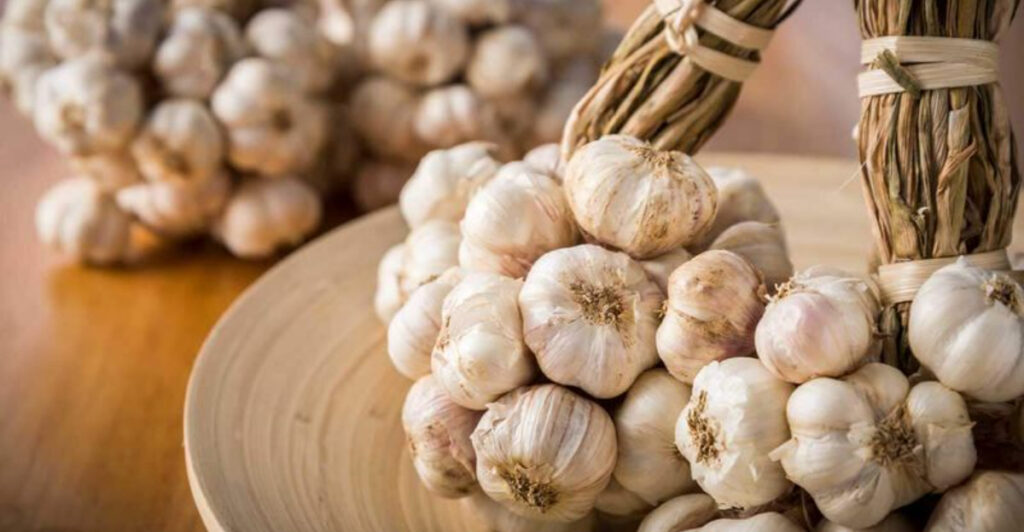
Garlic is a beloved ingredient in many kitchens, but even the most seasoned cooks can fall into common pitfalls when handling it. By avoiding these mistakes and recognizing the right timing, you can enhance the flavor and aroma of garlic in your culinary creations. This post explores five frequent errors and seven signs that let you know when your garlic is ready to transform your dishes.
1. Overcooking Garlic
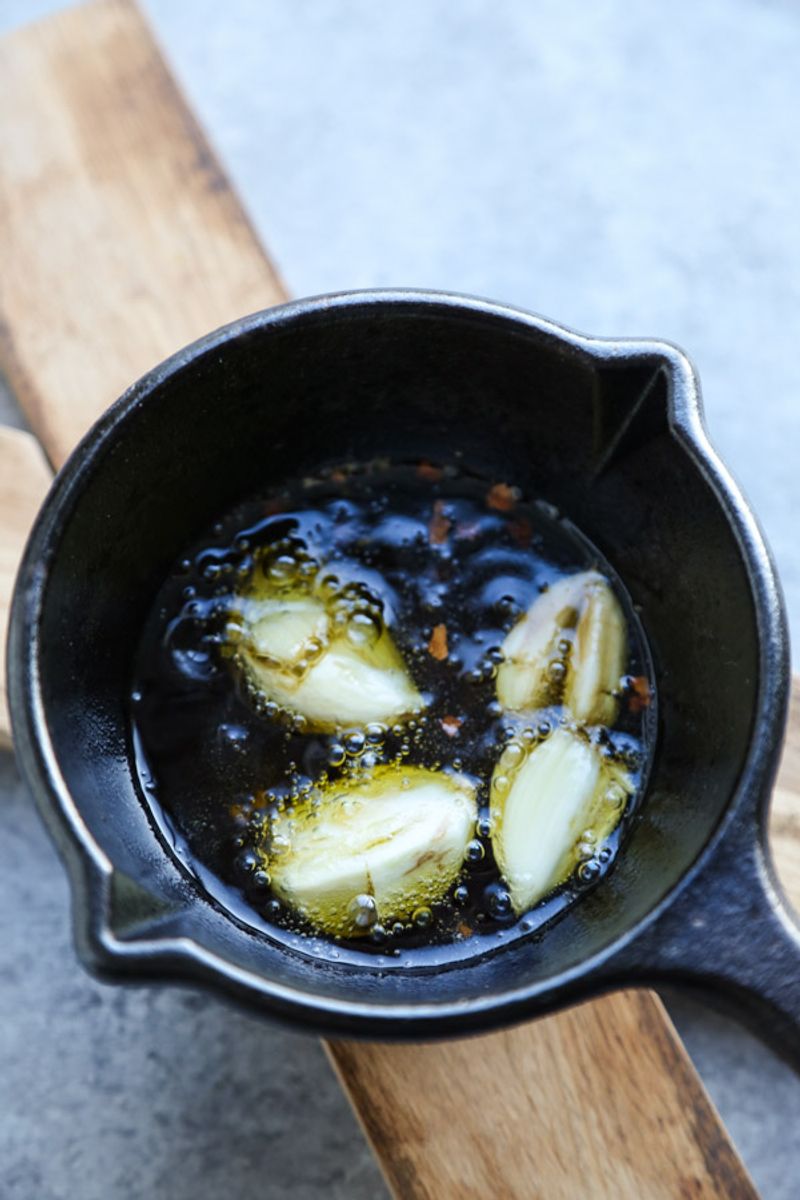
The aroma of garlic sizzling in a pan is inviting, but overcooking it can lead to a bitter taste. Many cooks fall into this trap when distracted or multitasking. The key is to keep an eye on the heat.
Garlic should be cooked on low to medium heat to preserve its flavor. If browned too quickly, it loses its delicate taste. Stirring frequently helps distribute the heat evenly.
Remember, when garlic turns golden, it’s time to remove it from the heat. It continues cooking even after being taken off the stove, so timing is crucial.
2. Using Pre-Peeled Garlic

Convenience often tempts us to reach for pre-peeled garlic, but this choice sacrifices flavor. The pre-peeled cloves lose their pungency over time and can become rubbery.
Freshly peeled garlic offers a robust taste that enhances dishes significantly. The process of peeling allows the oils to release, intensifying the aroma and flavor.
While pre-peeled garlic saves time, the effort of peeling fresh cloves is worth it. It ensures your dishes are infused with the full-bodied taste that only freshly peeled garlic can provide.
3. Storing Garlic Improperly
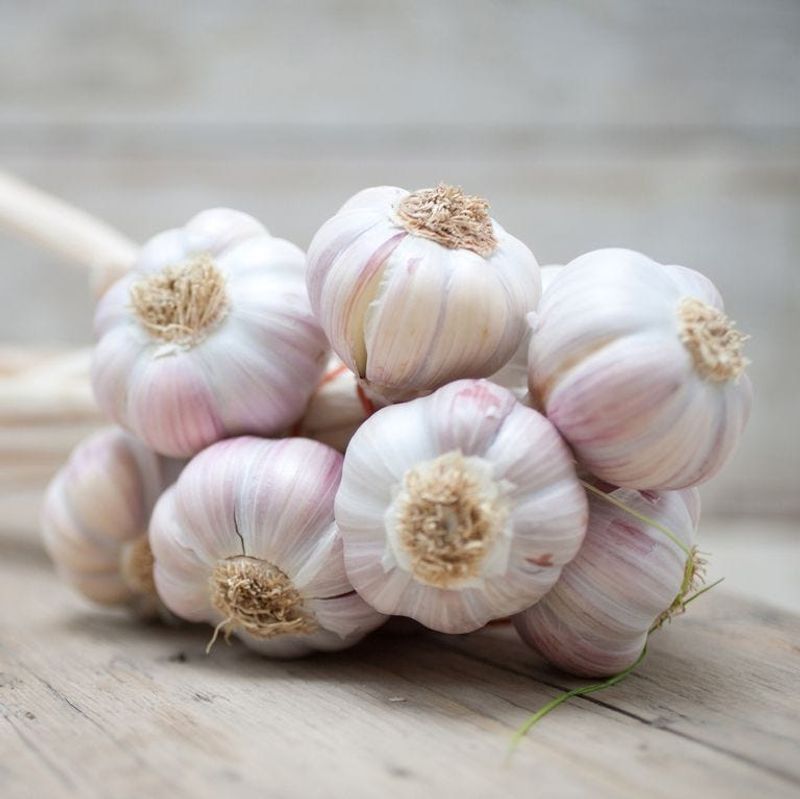
Proper storage of garlic is crucial for maintaining its freshness and flavor. Many people mistakenly store garlic in the refrigerator, which can cause it to sprout and lose taste.
The ideal place for garlic is a cool, dry location with ample air circulation. A mesh bag or basket keeps it fresh longer. Avoid storing it in plastic or sealed containers.
By storing garlic correctly, you retain its unique taste and prevent spoilage. Fresh garlic makes a noticeable difference in the quality of your dishes.
4. Adding Garlic Too Early
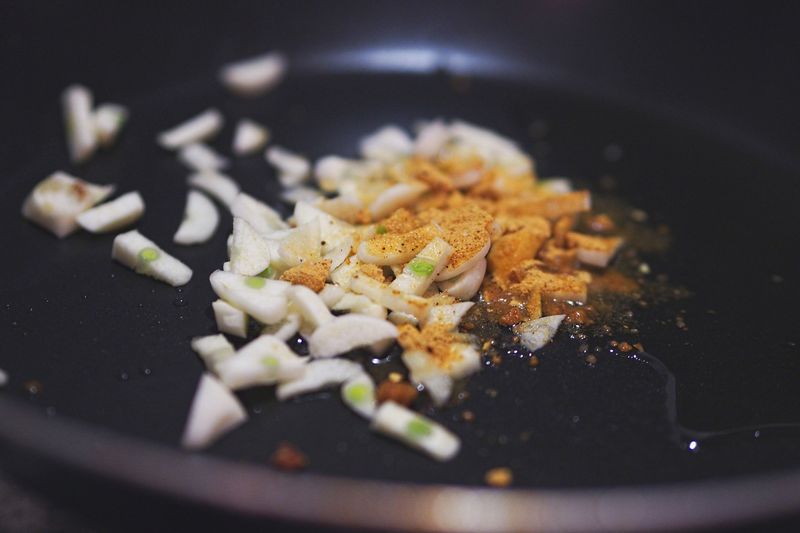
Timing is everything when adding garlic to a dish. Adding it too early can cause it to become overly soft and lose its distinct flavor.
Garlic should be added towards the end of cooking, allowing it to retain its sharp taste and aroma. This ensures the garlic complements the other ingredients without overpowering them.
Whether sautéing or simmering, pay close attention to when you introduce garlic. Proper timing will enhance rather than diminish your dish’s flavor profile.
5. Using Too Much Garlic
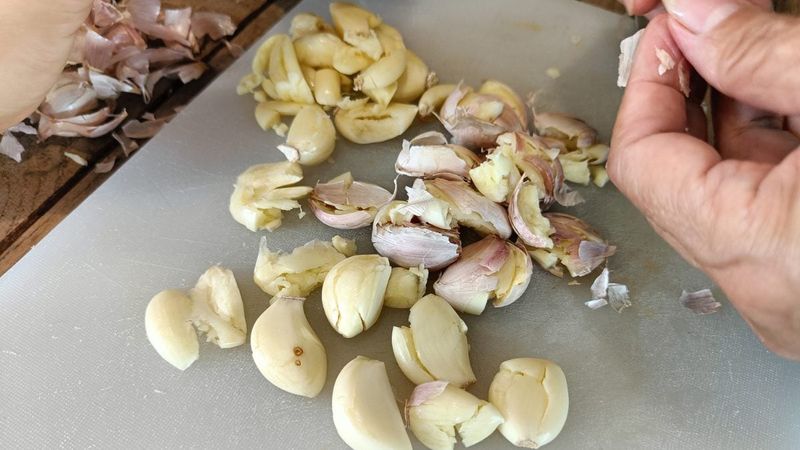
Garlic’s bold taste is beloved, but using too much can overwhelm a dish. It’s easy to get carried away, especially when garlic is a favorite flavor.
Balance is key; too much garlic can overshadow other ingredients, causing imbalance. Start with small amounts and adjust to taste as needed.
Moderation ensures garlic enhances rather than dominates your culinary creation. Remember, it’s meant to complement, not overpower, the dish.
1. Garlic’s Aroma Intensity
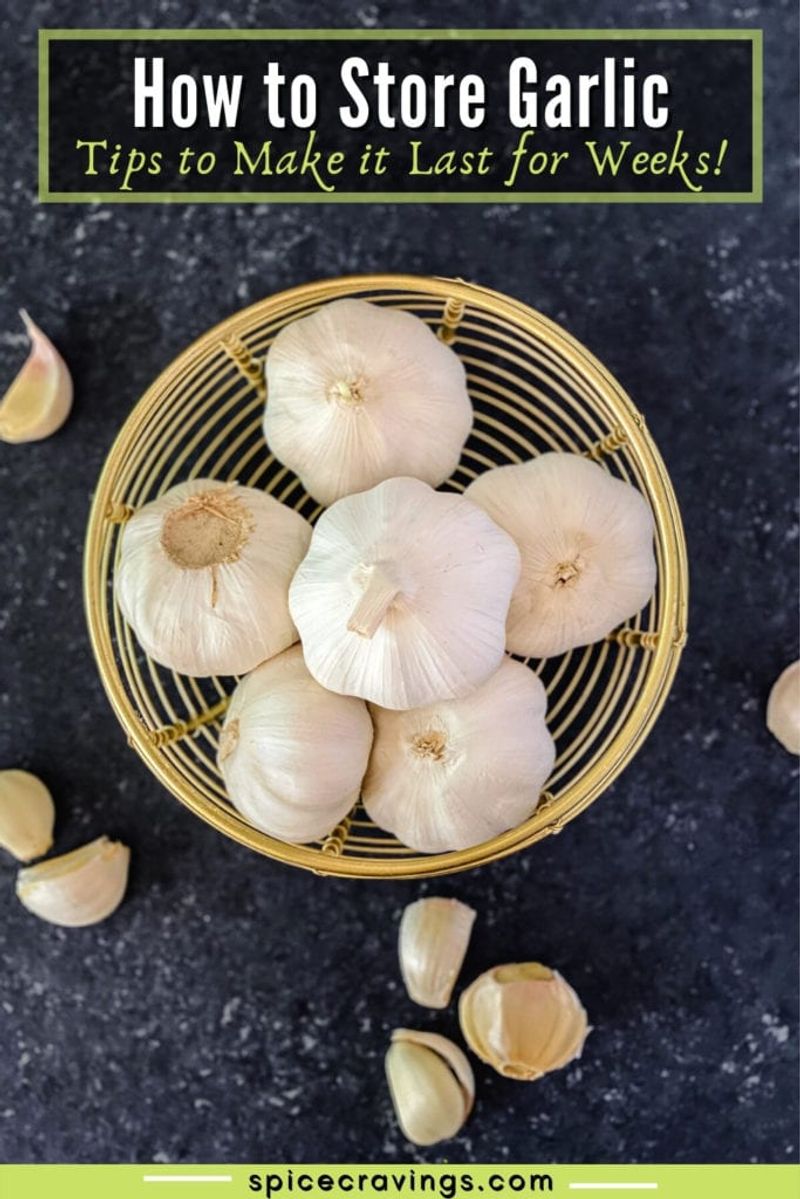
A fresh garlic bulb offers an unmistakable aroma. Its intensity indicates its freshness and readiness for cooking.
When choosing garlic, look for bulbs with firm and plump cloves. Avoid any that feel soft or have sprouted.
The aroma should be pungent and sharp. This ensures that once cooked, it will infuse your dishes with a robust flavor. Trust your nose; it’s the best gauge for garlic’s readiness.
2. Garlic Clove Firmness

The firmness of a garlic clove reveals much about its quality. A firm clove is a sign of freshness and flavor.
When selecting garlic, gently squeeze the cloves. They should feel robust and not give under pressure.
Firm cloves ensure that you have chosen garlic at its peak, ready to deliver its full taste and aroma in your cooking.
3. Visual Clarity of Garlic
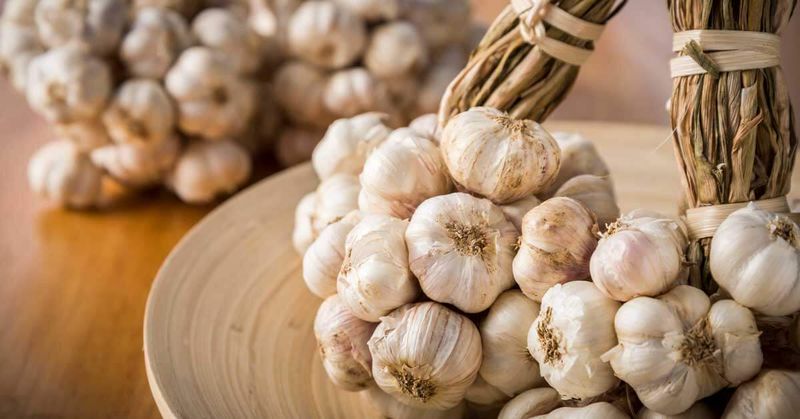
Clear, unblemished skin on garlic indicates its quality and readiness for use. Discolorations or blemishes can signal decay or poor storage.
Examine garlic closely, choosing those with shiny, intact skin. This appearance suggests the garlic is fresh and will offer optimal flavor.
Quality garlic not only enhances the taste of your dishes but also ensures you’re using the best ingredients available.
4. Garlic’s Sprouting Signs
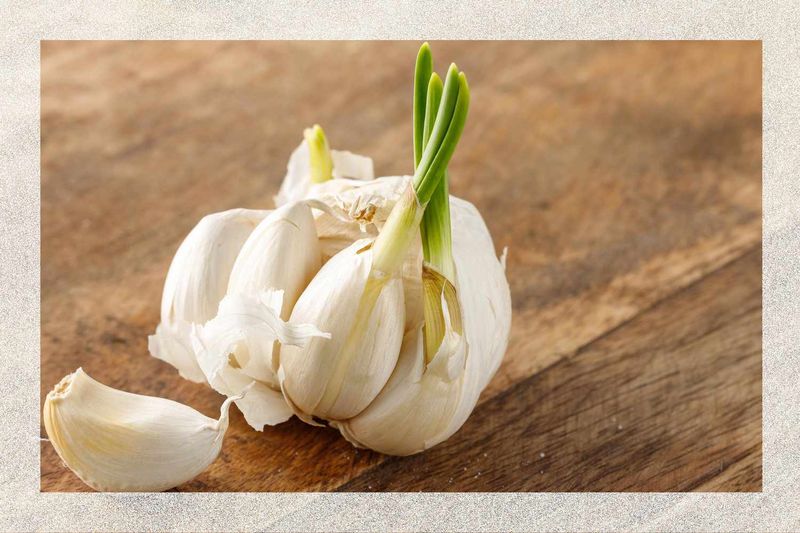
Sprouting garlic is a sign it’s past its prime. While still usable, its flavor may be diminished.
If your garlic has sprouted, remove the green shoots before use. This part can taste bitter and affect the dish’s flavor.
For the best results, use garlic before it sprouts to ensure its full taste and aroma.
5. The Skin Peeling Test

The ease of peeling garlic skin can reveal its freshness. Fresh garlic’s outer skin comes off smoothly without much effort.
Older garlic tends to have a tougher skin, making it more difficult to peel. This resistance is a clue that it might be past its best.
Quick peeling not only saves time but also ensures you’re using the freshest garlic possible for your dishes.
6. Garlic’s Taste After Cooking
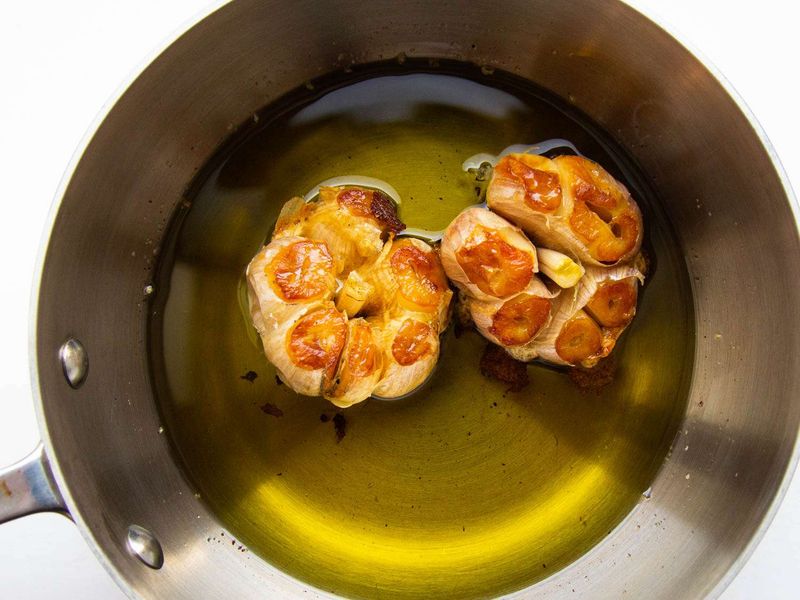
The taste of garlic after cooking is a good indicator of timing. Properly cooked garlic should have a mellow, sweet flavor.
If it tastes bitter or harsh, it may have been overcooked. This mistake often happens when garlic is left on high heat too long.
Adjusting cooking times can transform the garlic’s contribution to a dish, making it a harmonious component rather than a distraction.
7. Garlic’s Color Change

Garlic’s color change during cooking is a visual cue for readiness. When garlic turns a golden brown, it’s at its peak flavor.
This stage indicates it’s time to remove it from heat to avoid bitterness. The transformation from raw to golden is quick, so attentiveness is key.
Observing this change ensures your garlic enhances the dish with its intended flavor, rather than becoming an overpowering element.