
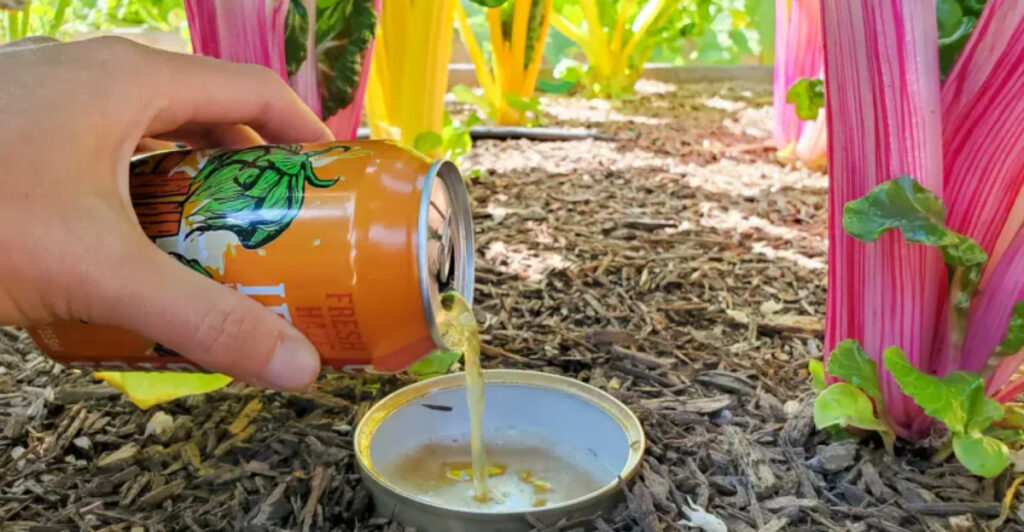
Gardening doesn’t always require expensive fertilizers or fancy equipment. Sometimes, the most effective tools and enhancers for your plants are everyday items found right in your home. Here are 13 surprising items that your garden will absolutely love.
1. Used Coffee Grounds
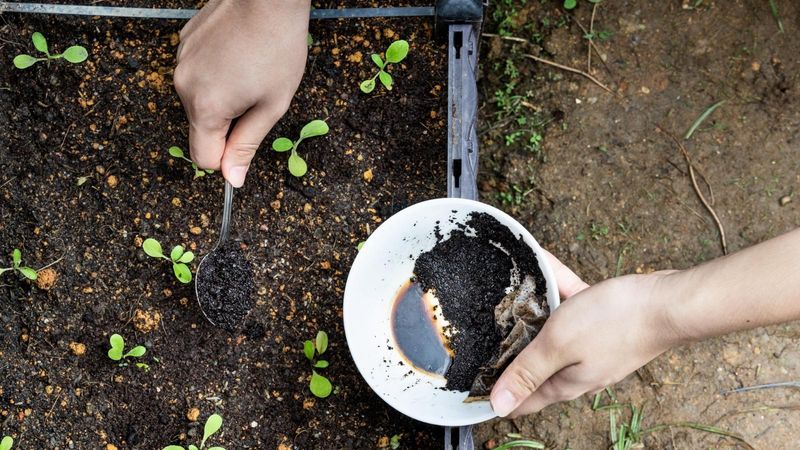
Who knew your morning coffee could benefit your garden? Used coffee grounds are a rich source of nitrogen, helping to enrich the soil. Their texture also aids in aerating heavy, clay soils. Sprinkle them around acid-loving plants like roses and azaleas.
Besides improving soil structure, coffee grounds can deter pests such as slugs and snails. It’s a natural, eco-friendly option for maintaining a healthy garden. Be cautious not to overuse them, as too much can increase soil acidity.
2. Eggshells
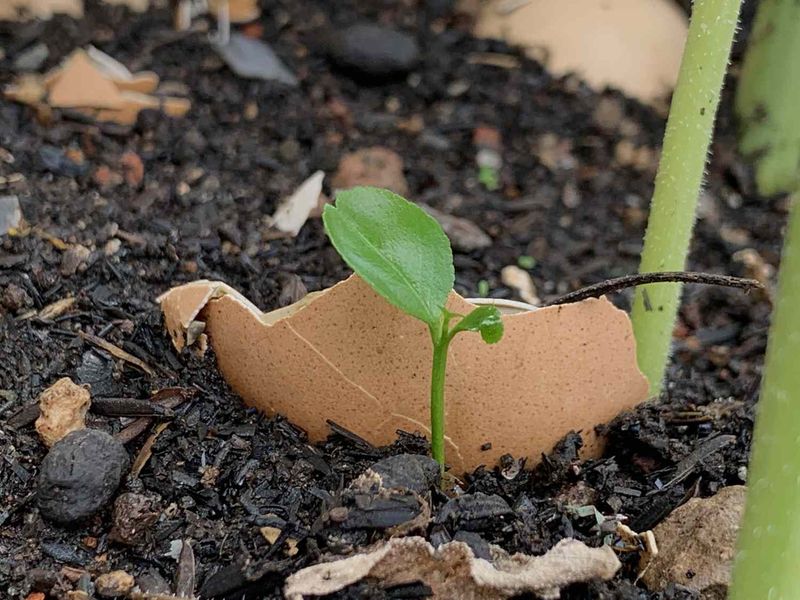
Instead of tossing those eggshells, crush them to benefit your plants. Eggshells are an excellent source of calcium, crucial for preventing blossom end rot in tomatoes and peppers. Scatter the shells around the base of your plants.
Their sharp edges can also keep soft-bodied pests at bay. Over time, the shells break down, enriching the soil. For best results, rinse and dry them before use to prevent any unwanted odors.
3. Banana Peels
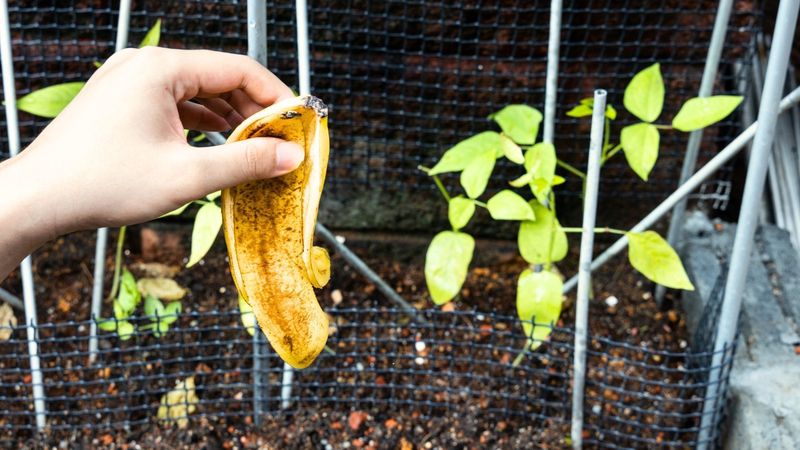
Banana peels are more than just waste; they’re a potassium powerhouse for your garden. Burying them near the roots can give plants a nutrient boost, promoting strong stems and vibrant blooms.
Not just for composting, these peels decompose quickly, releasing nutrients directly into the soil. As an added benefit, they’re safe and non-toxic, making them an excellent choice for organic gardening. Remember to bury them well to avoid attracting pests.
4. Epsom Salt
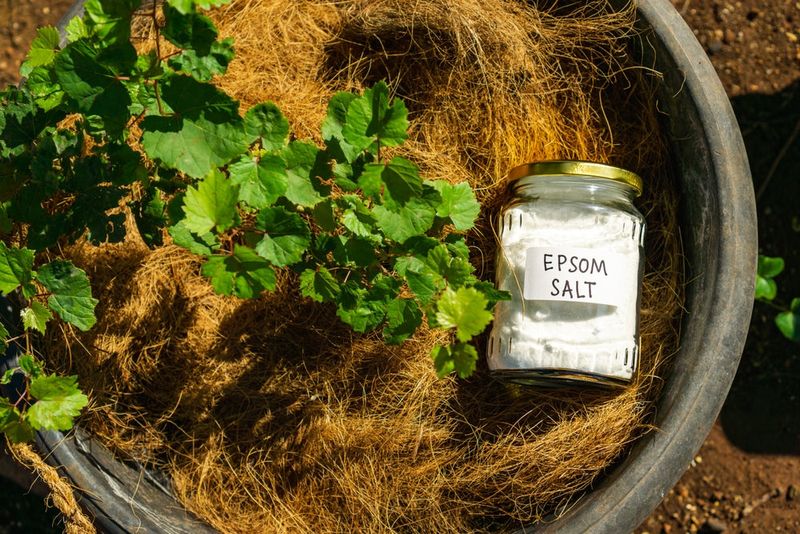
Epsom salt, or magnesium sulfate, is a gardener’s secret weapon. It’s particularly beneficial for tomatoes, peppers, and roses, enhancing their color and flavor. Dissolve it in water and use as a foliar spray or soil drench.
This mineral compound promotes chlorophyll production, improving plant health. It can also help in seed germination and nutrient absorption. Be sure to check plant-specific requirements to avoid overuse.
5. Wood Ash
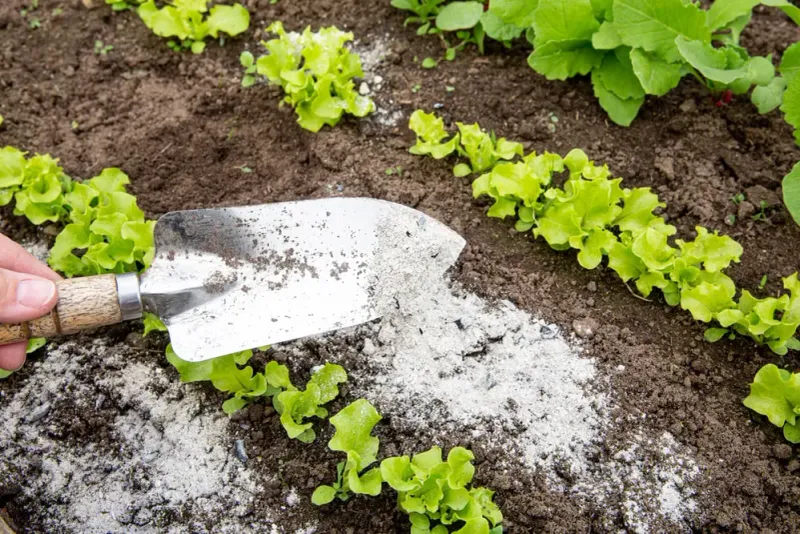
Wood ash is a handy addition to the garden, providing essential nutrients like calcium and potassium. It raises soil pH, making it suitable for acidic soils. Scatter lightly over your garden soil.
Besides enriching the soil, wood ash can deter pests such as slugs and snails. Always use wood ash from untreated wood to avoid chemical contamination. Remember, moderation is key to prevent increasing soil pH excessively.
6. Vinegar
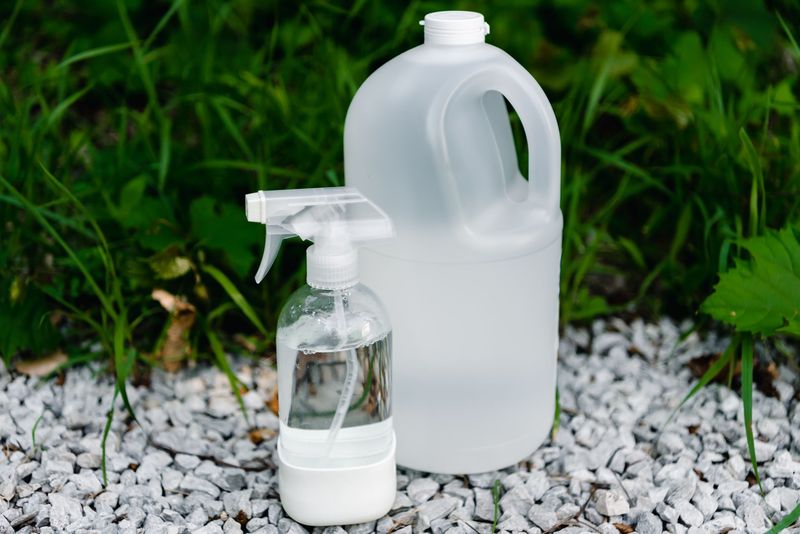
Vinegar, though acidic, can be a gardener’s ally when used correctly. It’s effective in deterring weeds and pests. A spray of diluted vinegar can kill young weeds without the use of harsh chemicals.
Additionally, vinegar can clean garden tools, removing rust and grime. However, use cautiously around plants, as it can damage foliage. Stick to paths and non-plant areas for weed control.
7. Baking Soda
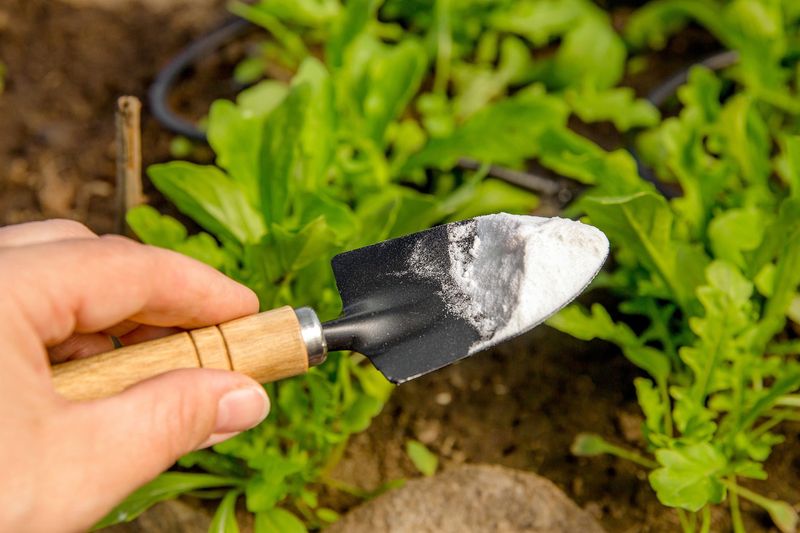
Baking soda isn’t just for baking; it’s a versatile garden ally. It can help prevent fungal diseases like powdery mildew on roses and vine crops. Mix with water to create a mild fungicide spray.
Moreover, baking soda can sweeten the taste of tomatoes by reducing soil acidity. Simply sprinkle a small amount around the base of plants. Use sparingly to avoid altering soil pH too drastically.
8. Tea Bags

Used tea bags are a hidden gem for gardeners. As they break down, they release tannic acid and nutrients into the soil, enriching it naturally. Place them around the base of plants or add them to compost.
This method is particularly beneficial for acid-loving plants like ferns and hydrangeas. Besides enriching soil, they help retain moisture and improve soil texture. Ensure bags are biodegradable to maintain eco-friendliness.
9. Newspaper
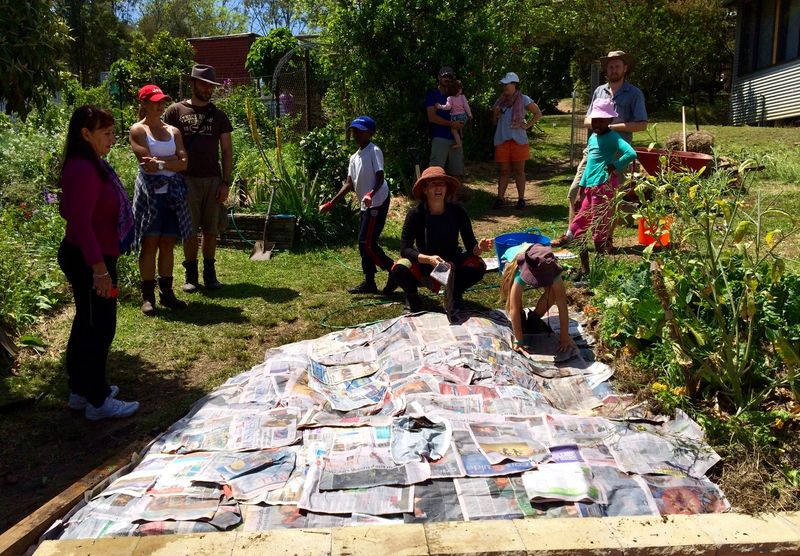
Newspapers can be repurposed in the garden as an effective weed barrier. Lay them down as a base layer before adding mulch to suppress unwanted growth and retain moisture.
It’s an eco-friendly option, as newspapers decompose over time, enriching the soil. Ensure to use non-glossy paper and remove staples to avoid pollutants. This method reduces reliance on plastic weed barriers.
10. Cinnamon
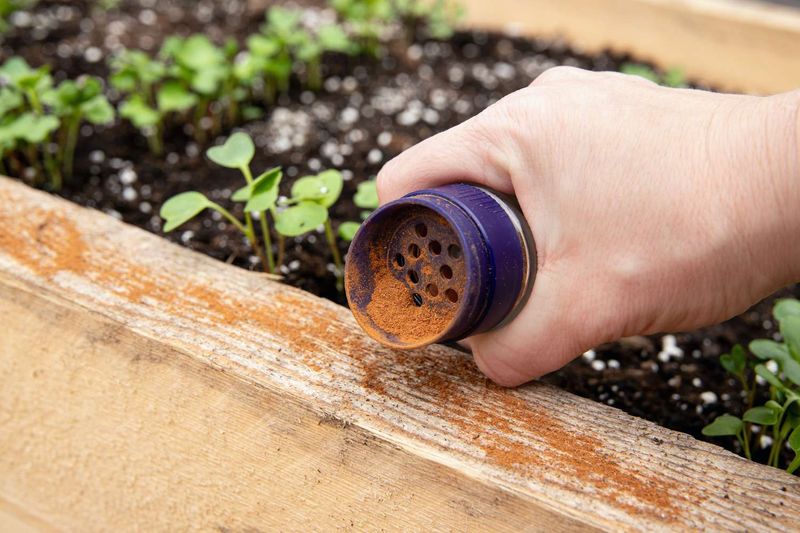
Cinnamon isn’t just a spice; it works wonders in the garden. Sprinkle it on seedlings to prevent damping-off disease, a common fungal problem. It’s a natural anti-fungal agent.
Additionally, cinnamon can deter ants and pests, making it versatile in plant protection. With its pleasant aroma, it adds a sensory delight to gardening chores. Use sparingly, as a little goes a long way.
11. Beer
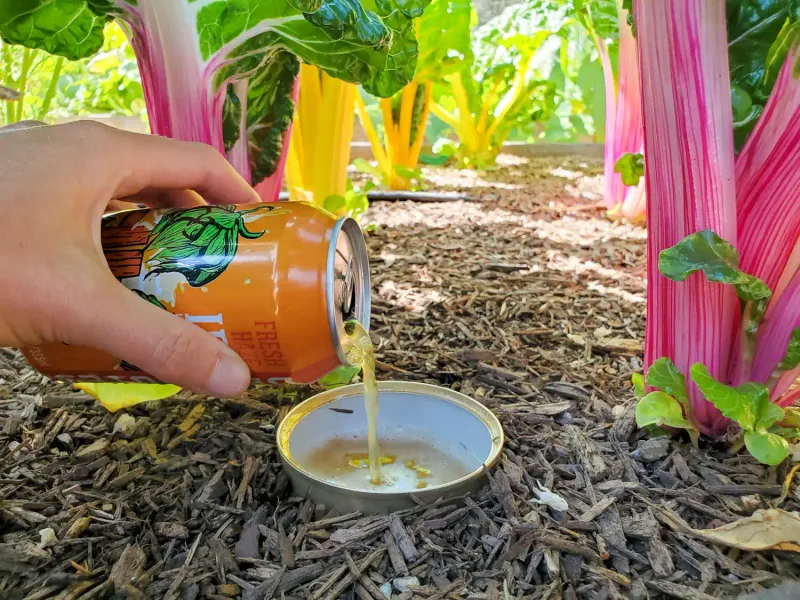
Beer might seem an unlikely garden friend, but it’s effective against slugs and snails. Bury a shallow dish of beer to lure these pests, which are attracted to its yeast content.
Beyond pest control, beer can enrich compost piles, boosting beneficial bacteria. Its nutrient content, though minimal, adds an organic touch to gardening. Always use flat beer to avoid attracting unwanted insects.
12. Hydrogen Peroxide
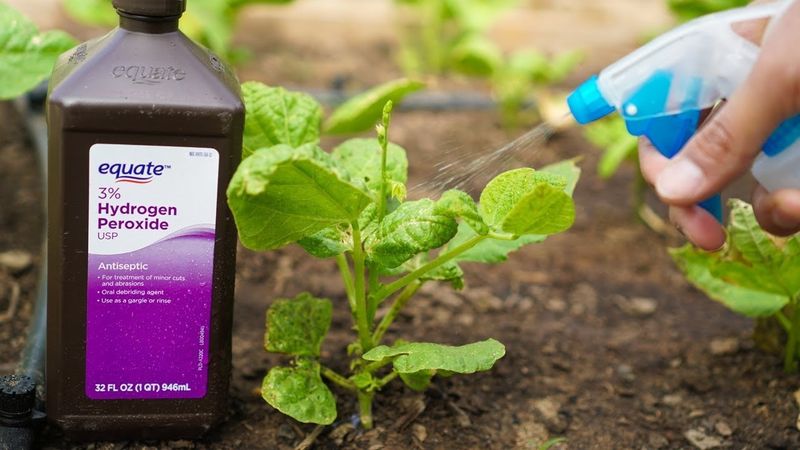
Hydrogen peroxide is a garden multitasker. It’s excellent for seed germination, oxygenating the soil and promoting root growth. Dilute it in water and soak seeds before planting to boost sprouting success.
In addition to seeds, it can help treat root rot by improving soil aeration. Its antifungal properties make it a useful tool against plant diseases. Handle with care to avoid harming beneficial soil organisms.
13. Compostable Kitchen Scraps
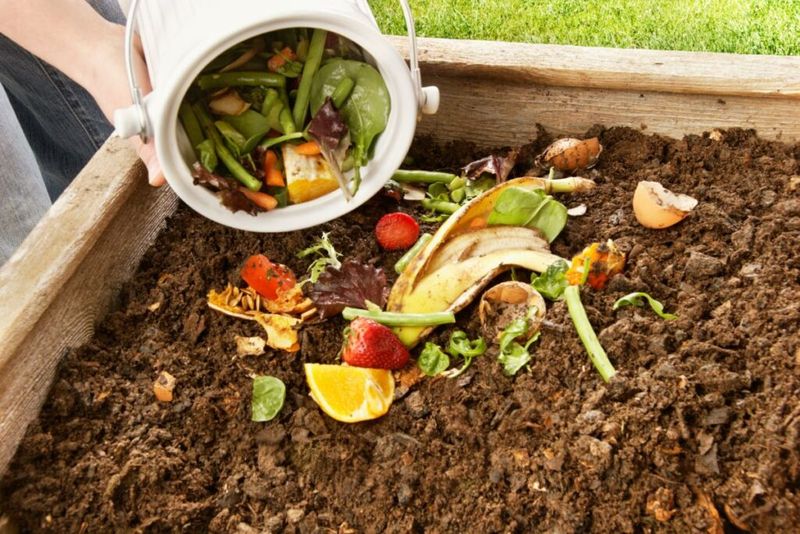
Kitchen scraps aren’t just waste; they’re future plant food. Composting these scraps transforms them into rich, black gold for your garden. Vegetable peels, fruit rinds, and coffee grounds all contribute to nutritious compost.
Composting reduces landfill waste while providing a sustainable soil amendment. It’s an ongoing cycle of growth and decay that benefits gardens immensely. Ensure a balanced mix of green and brown materials for optimal decomposition.