 Complete Gardening

Maintaining a lush and healthy lawn is more of an art than a task. Many homeowners make common mistakes that hinder grass growth, but there are also quick and effective methods to encourage a verdant landscape.
In this article, we’ll explore 11 pitfalls to avoid and 17 techniques to embrace, ensuring your garden becomes the envy of the neighborhood.
From overwatering blunders to the magic of aeration, discover comprehensive insights designed to transform your lawn care approach. Whether you’re a novice gardener or a seasoned pro, these tips will guide you to success.
1. Overwatering
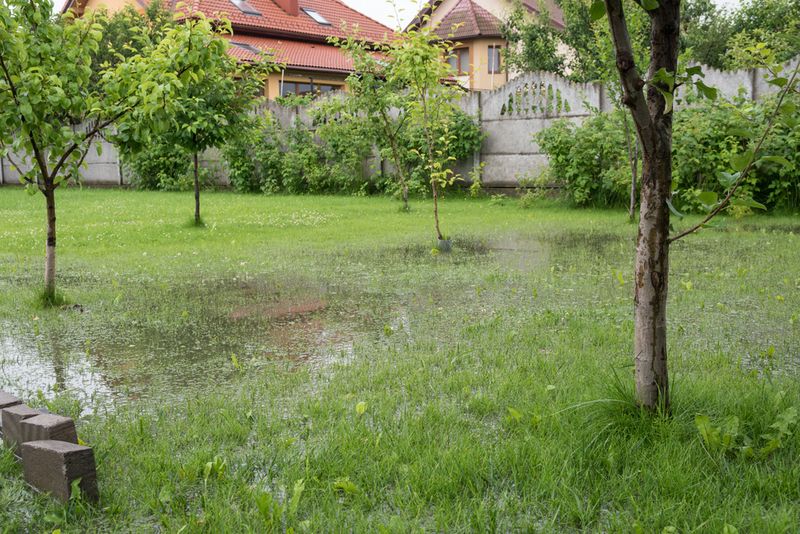
Overwatering can be detrimental to your lawn. Excessive water suffocates roots, leading to weak and shallow growth. Additionally, it encourages fungal growth and can wash away nutrients. Creating drainage channels or reducing watering frequency often solves this problem. Water your lawn early in the morning to allow grass to dry throughout the day, minimizing disease risk. Consider using a rain gauge to measure precipitation and adjust your watering schedule accordingly. Remember, less is sometimes more when it comes to watering. Balanced hydration is key to a thriving lawn. Using smart irrigation systems can also help monitor soil moisture.
2. Mowing Too Short
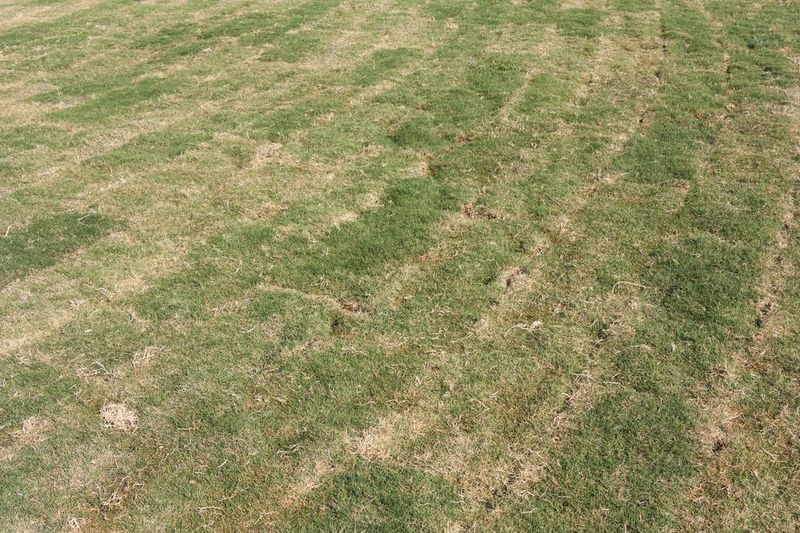
Mowing your lawn too short, often known as scalping, is a common mistake that can stress the grass. Short grass exposes soil, making it vulnerable to weed invasion and moisture loss. By keeping the mower blades higher, you ensure the grass retains its strength and resilience. Taller grass shades the soil, helping to retain moisture and reduce weed growth. Regularly sharpening mower blades will provide a clean cut, reducing damage to the grass blades. Aim for removing only one-third of the grass blade length each time you mow. This practice encourages healthy growth and a vibrant lawn.
3. Ignoring Soil Health
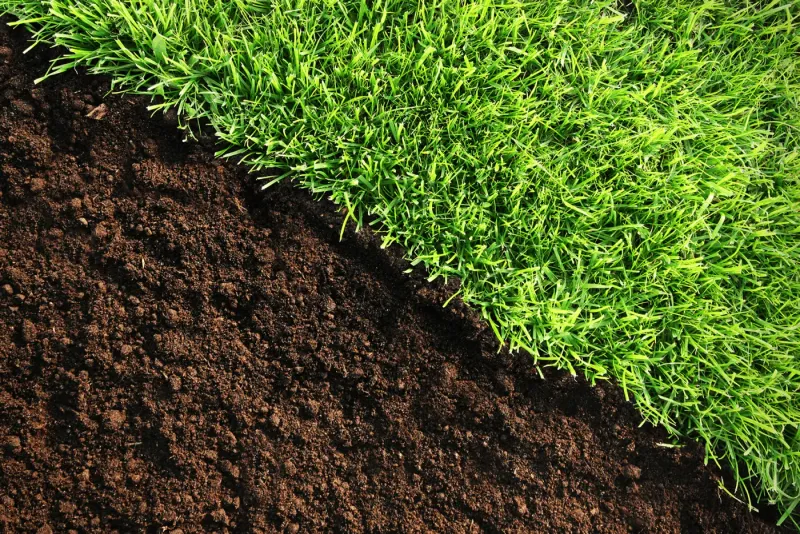
Ignoring soil health is a mistake that many gardeners overlook. Healthy soil provides essential nutrients and a strong foundation for grass growth. Conduct soil tests to determine nutrient levels and pH balance, and amend the soil accordingly with organic matter or fertilizers. Compacted soil can also impede root growth; aeration helps alleviate this problem. Ensuring a nutrient-rich and well-aerated soil supports the robust growth of grass. Additionally, applying compost can enhance soil structure and provide essential microbes. Remember, a lush lawn begins below the surface. Healthy soil is the cornerstone of a thriving garden.
4. Neglecting Aeration
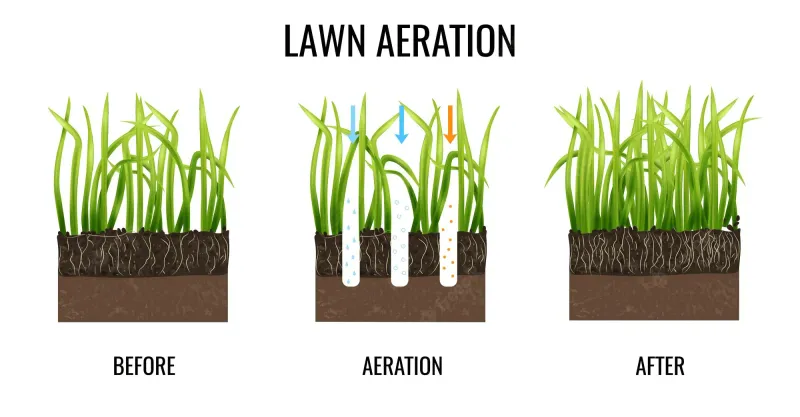
Neglecting aeration can lead to a compacted lawn, restricting root growth and water absorption. Aeration involves perforating the soil with small holes to allow air, water, and nutrients to penetrate the grass roots. This process enhances soil health and promotes a stronger, deeper root system. Conduct aeration annually, preferably in the fall or spring, to maximize its benefits. Core aerators are particularly effective for this task. By improving air exchange between soil and atmosphere, aeration encourages vigorous growth. Remember, a well-aerated lawn is more resilient and better equipped to withstand drought and heavy foot traffic.
5. Overusing Fertilizers
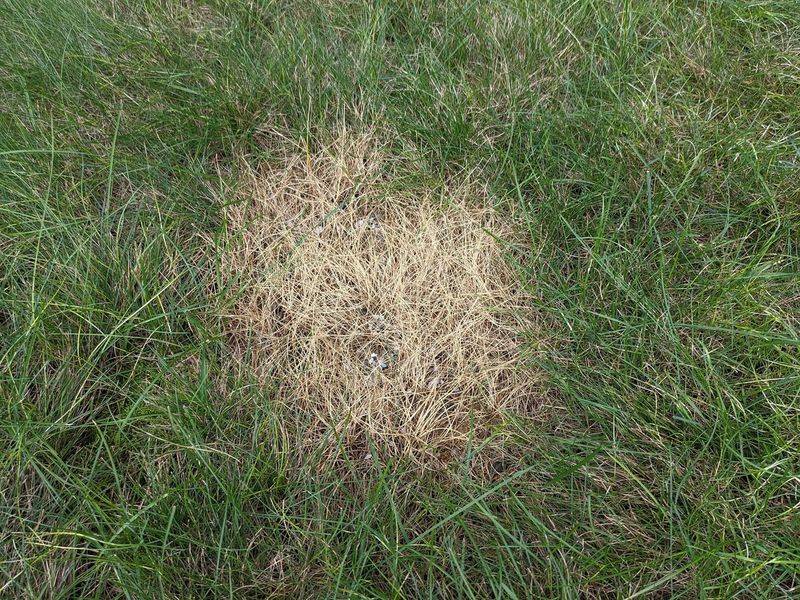
Overusing fertilizers can harm your lawn more than help it. Excessive fertilizer can cause nutrient imbalances, leading to burnt patches and weak grass. It’s important to follow recommended application rates and schedules closely. Opt for slow-release fertilizers to ensure gradual nutrient distribution. Test your soil to tailor your fertilization approach, avoiding unnecessary applications. Additionally, organic fertilizers can offer a more balanced nutrient profile, promoting healthy growth without the risk of burning. Remember, moderation is key; too much of a good thing can indeed be harmful. A balanced fertilization plan supports sustainable lawn health.
6. Wrong Grass Selection
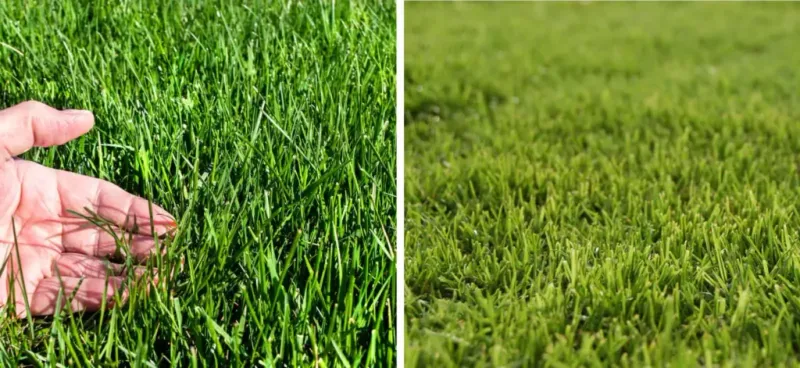
Choosing the wrong grass type for your climate and yard conditions can lead to a patchy and unsatisfactory lawn. Consider factors such as sunlight, shade, and local climate when selecting grass species. Research is crucial; for instance, cool-season grasses thrive in northern climates, while warm-season grasses are better suited for southern regions. Proper grass selection ensures a resilient and lush lawn that complements your environment. Additionally, consulting with local experts or extension services can provide valuable insights. With the right grass type, your lawn will flourish, offering beauty and functionality for years to come.
7. Improper Timing of Fertilizer
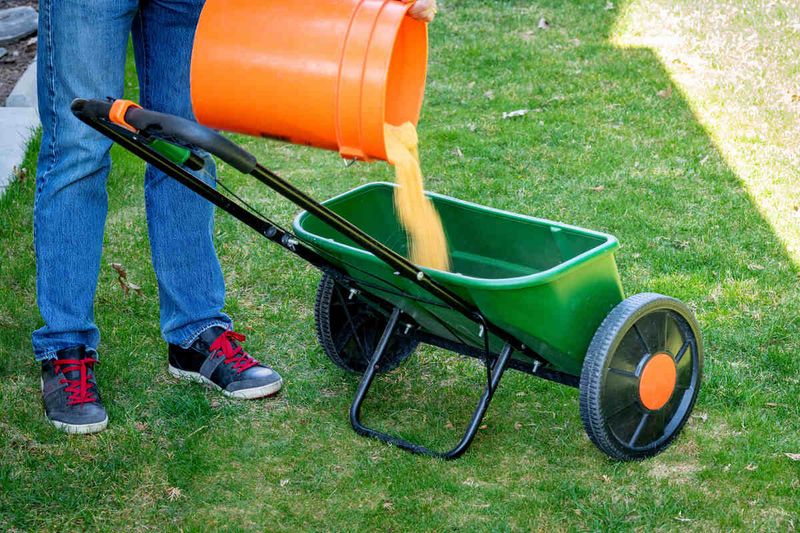
Timing is everything when it comes to fertilizing your lawn. Applying fertilizer at the wrong time can lead to wasted resources and poor grass health. Fertilize during the active growing season of your grass type to maximize benefits. For cool-season grasses, early spring and fall are ideal, while warm-season grasses respond best to late spring and summer applications. Observing seasonal patterns and grass growth stages guides effective fertilization. Moreover, weather conditions should be considered; avoid fertilizing before heavy rain to prevent runoff. A well-timed approach ensures that your lawn receives nutrients when they are most needed.
8. Ignoring Weeds

Weeds compete with grass for nutrients, water, and sunlight, often overwhelming your lawn if not managed. Regular weeding, either manually or with herbicides, is essential for maintaining a healthy lawn. Pre-emergent herbicides can prevent weed seeds from germinating, while post-emergent options target existing weeds. Implementing a thick and vigorous turf through proper mowing and fertilizing can naturally suppress weed growth. Remember, regular monitoring and quick intervention prevent weeds from becoming a significant problem. A weed-free lawn not only looks pristine but also supports healthier and more robust grass growth. Proactive weed management is vital for lawn success.
9. Using Dull Mower Blades

Using dull mower blades can damage grass, leading to a ragged and unkempt appearance. Dull blades tear the grass rather than cutting cleanly, increasing the risk of disease and stress. Regularly sharpen mower blades to ensure a precise and clean cut, which promotes healthy grass growth. Sharp blades also reduce the mowing effort and improve efficiency. Ideally, blades should be sharpened after every 20 hours of mowing. This simple maintenance task significantly affects your lawn’s health and appearance. A well-cut lawn is not only visually appealing but also resilient against pests and diseases.
10. Improper Watering Schedule
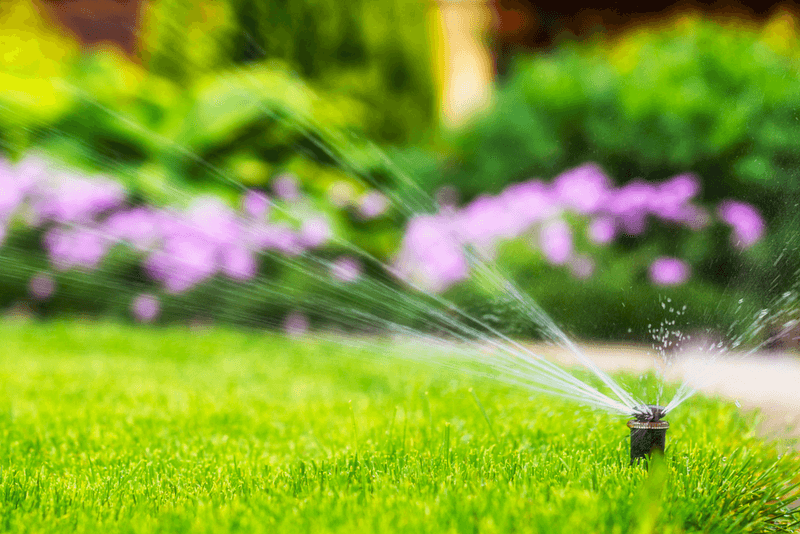
An improper watering schedule can lead to various grass health issues. Watering too frequently or at the wrong time of day can waste resources and encourage disease. It’s essential to water deeply and infrequently, allowing grass to develop strong roots. Early morning watering minimizes evaporation and reduces disease risk. Adjust your schedule according to weather conditions, increasing frequency during dry spells. Utilizing irrigation systems with timers can help maintain consistency. Keeping a balanced watering routine ensures that your lawn remains hydrated and healthy. Consistent and thoughtful watering practices are central to sustaining vibrant grass growth.
11. Ignoring Thatch Buildup
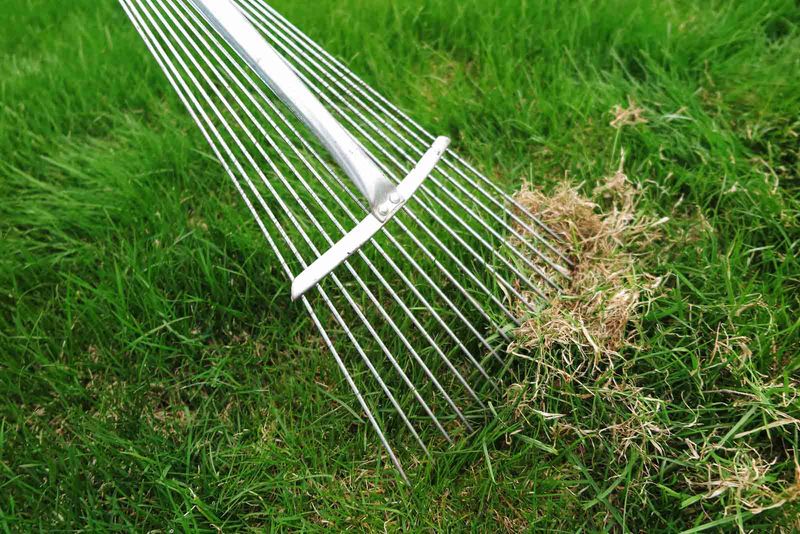
Thatch is a layer of dead grass and roots that accumulates at the soil surface. While a small amount can be beneficial, excessive thatch can impede water and nutrient absorption. Regular dethatching, either manually or with specialized tools, promotes healthy grass growth by improving soil access. Thatch buildup often results from over-fertilization or improper mowing practices. Maintaining an appropriate thatch level enhances air circulation and root development. Aim to dethatch in the spring or early fall for best results. Proper thatch management is key to a thriving and resilient lawn, ensuring vibrant growth throughout the seasons.
1. Choosing Fast-Growing Grass Types
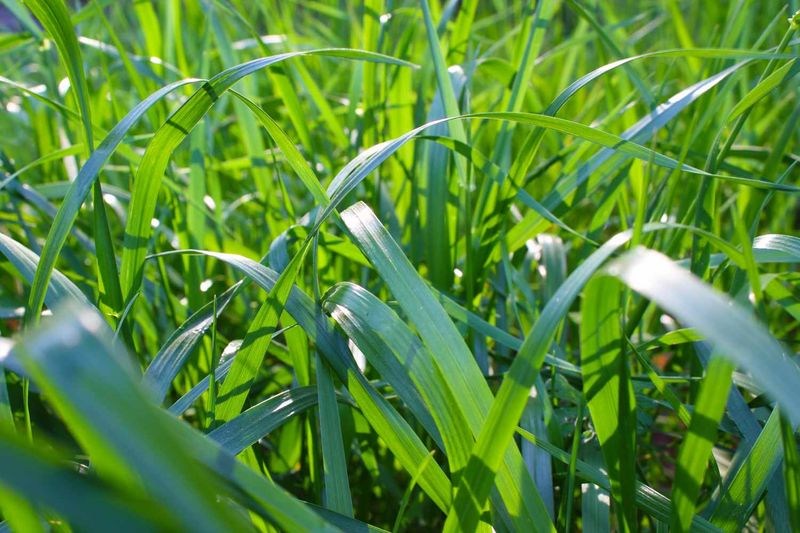
Fast-growing grass types can quickly transform a sparse lawn into a lush carpet. Varieties such as Bermuda or Ryegrass are popular for rapid establishment. These grasses fill in bare spots efficiently, providing an even and green appearance. However, they may require more frequent mowing and maintenance. Selecting a grass type that balances growth speed with durability is crucial for long-term success. Consider your local climate and lawn usage when choosing fast-growers. By embracing quick-growing varieties, you can enjoy a verdant lawn without the long wait. Their rapid growth ensures immediate aesthetic improvement and functional coverage.
2. Using Organic Fertilizers
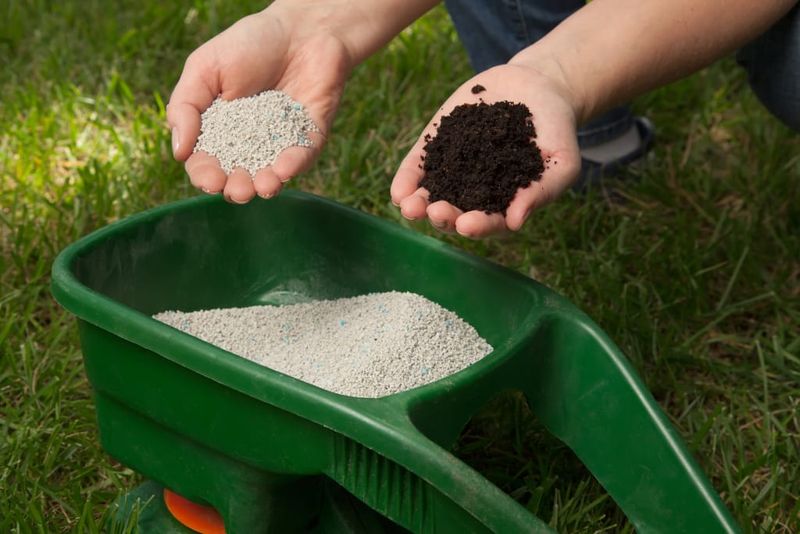
Organic fertilizers are an excellent choice for sustainable lawn care. Made from natural materials such as compost or bone meal, they slowly release nutrients, supporting long-term grass health. Organic options improve soil structure and encourage beneficial microbial activity. They also reduce the risk of nutrient leaching and environmental harm. While slower to act than synthetic fertilizers, their benefits are substantial and lasting. Using organic fertilizers aligns with eco-friendly practices and promotes a vibrant and resilient lawn. They are particularly effective when combined with proper mowing and watering strategies. Embrace nature’s way of nurturing your lawn.
3. Aerating with a Core Aerator
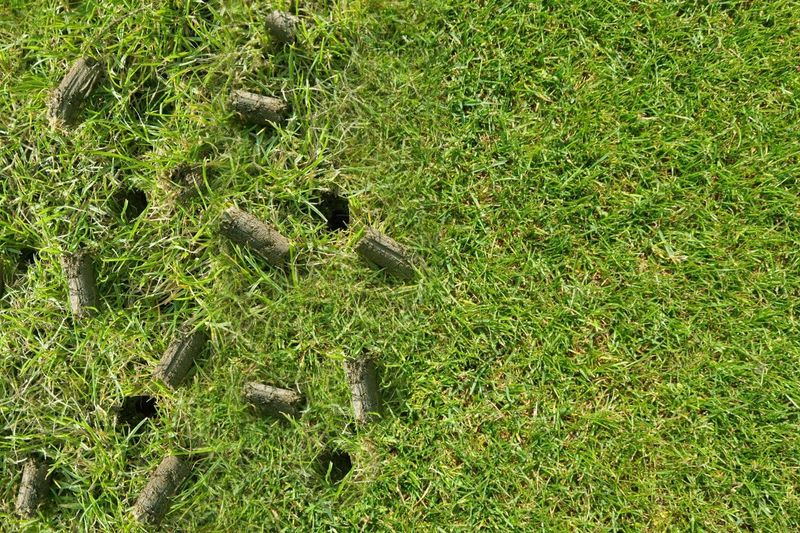
Core aeration is an advanced technique to enhance lawn health. By removing small plugs of soil, it improves air, water, and nutrient exchange. This method is especially beneficial for compacted soils, encouraging deep root growth. Aerating in the spring or fall optimizes results, aligning with natural growth cycles. Regular core aeration fosters a vigorous lawn capable of withstanding stress. It’s an investment in long-term lawn vitality, enhancing overall appearance and resilience. Lawn enthusiasts often regard core aeration as a cornerstone of effective lawn care. With this technique, you ensure your grass reaches its full potential.
4. Topdressing with Sand and Compost
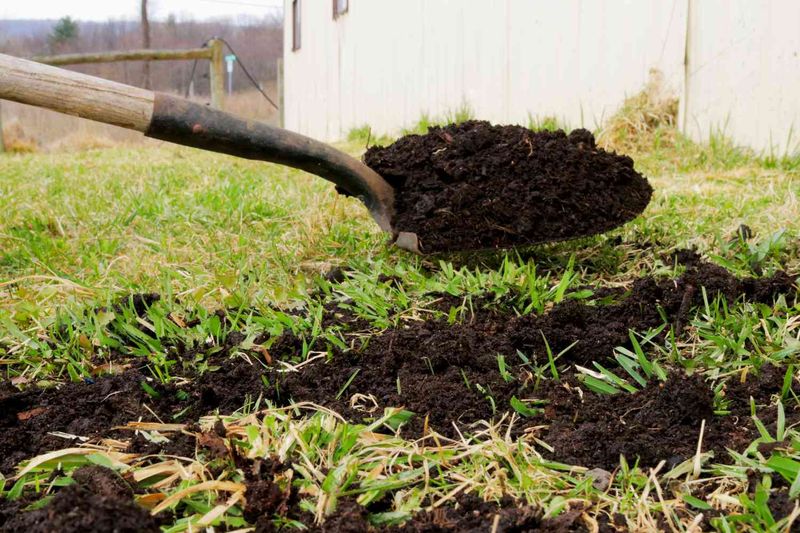
Topdressing with sand and compost rejuvenates lawns by improving soil quality. This method enhances drainage, boosts nutrient content, and smooths uneven surfaces. It’s particularly effective for lawns with clay-heavy or compacted soils. Mixing sand with organic matter ensures balanced soil composition, supporting robust grass growth. Regular topdressing can correct minor imperfections and boost overall lawn health. Apply in thin layers during active growth periods for optimal results. This practice complements other lawn care methods, providing a lush and even turf. By adopting topdressing, you invest in a healthier and more attractive lawn.
5. Using Smart Irrigation Systems
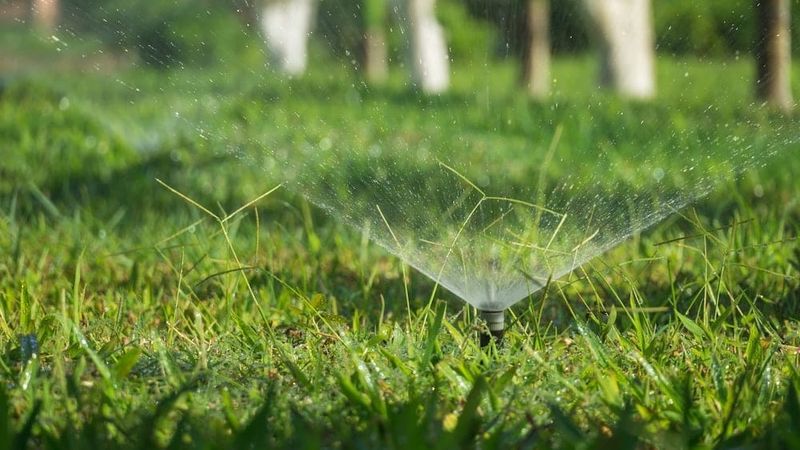
Smart irrigation systems revolutionize lawn watering, offering efficiency and convenience. Equipped with sensors and timers, they adjust watering schedules based on soil moisture and weather conditions. This technology minimizes water waste, ensuring your lawn receives the right amount of hydration. Smart systems can be controlled via smartphones, providing flexibility and ease. They cater to the specific needs of your lawn, promoting optimal growth without overwatering. By embracing smart irrigation, homeowners save water, time, and effort. Investing in this technology ensures a well-maintained lawn with minimal environmental impact. It’s a modern solution for sustainable lawn care.
6. Mulching Grass Clippings
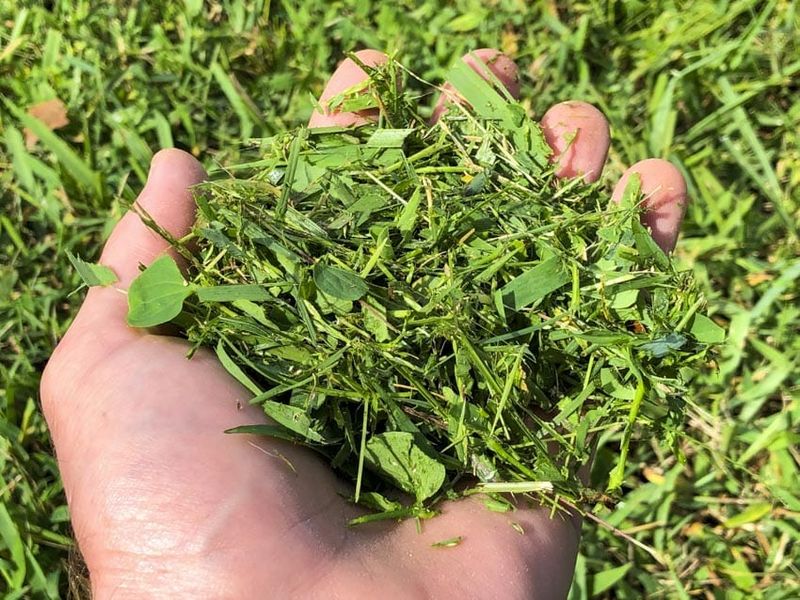
Mulching grass clippings is a natural way to recycle nutrients back into the lawn. By leaving clippings on the grass, you reduce waste and enhance soil fertility. Mulching mowers finely chop clippings, allowing them to decompose quickly. This practice improves soil structure, retains moisture, and reduces the need for additional fertilizers. Mulching is particularly beneficial during the growing season when grass is actively metabolizing nutrients. It also saves time and effort compared to bagging. By incorporating mulching into your routine, you promote a healthier lawn with minimal disruption. It’s an environmentally friendly choice for sustainable lawn care.
7. Seeding Bare Spots
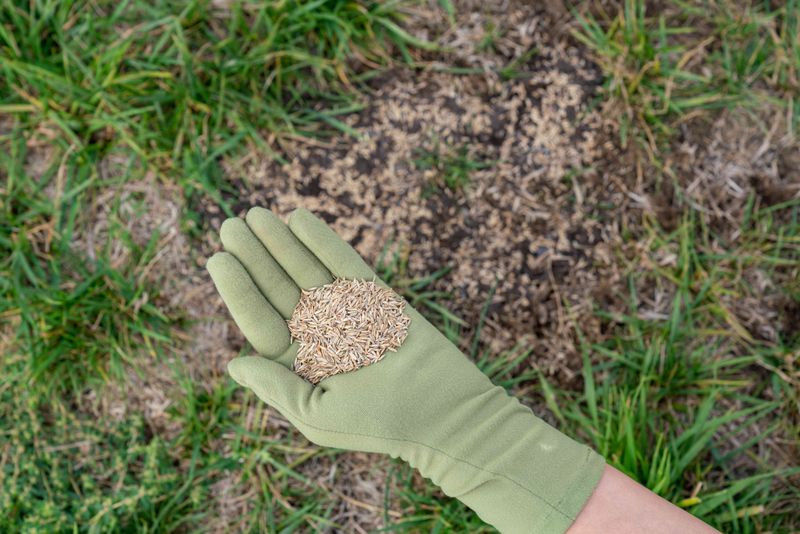
Seeding bare spots is a straightforward method to restore a uniform lawn. Use high-quality grass seed suited to your local climate and lawn conditions. Before seeding, prepare the soil by loosening it and removing debris. Sowing seeds during favorable weather ensures quick germination and establishment. Regular watering is crucial until seedlings are well-rooted. Overseeding can also enhance lawn density, filling in thin areas. By addressing bare spots promptly, you prevent weed invasion and improve overall lawn appearance. It’s a simple yet effective way to maintain a lush, inviting garden. Seeding ensures seamless grass coverage and vitality.
8. Compost Tea Application
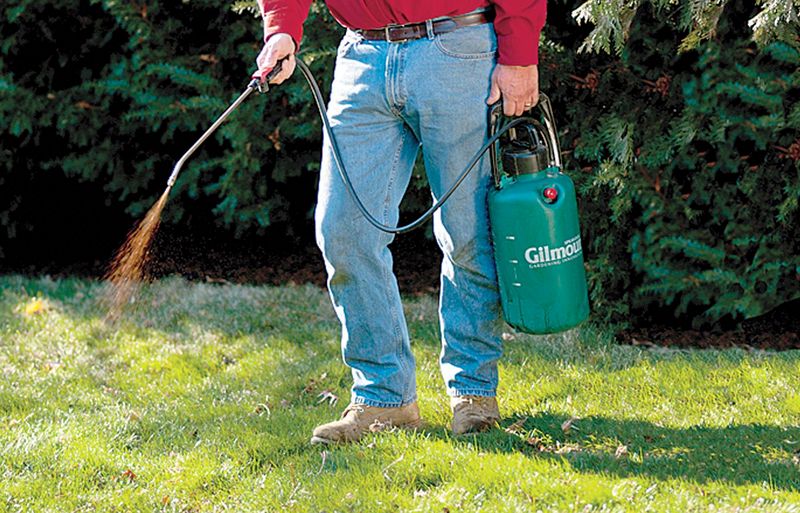
Compost tea is a liquid fertilizer made by steeping compost in water. Rich in nutrients and beneficial microbes, it invigorates lawn health. Applying compost tea enhances soil quality and promotes robust grass growth. It’s particularly effective in improving drought resistance and disease prevention. Regular application during growing seasons boosts lawn vitality. Compost tea is safe for the environment and supports sustainable lawn care practices. It can be easily brewed at home and applied with a sprayer. By using compost tea, you provide your lawn with a natural and balanced nutrient source. It’s a holistic approach to lawn rejuvenation.
9. Practicing Lawn Striping

Lawn striping adds visual interest and elegance to your garden. By mowing in alternating directions, you create light and dark stripes, enhancing lawn aesthetics. This technique doesn’t harm the grass; it simply bends blades in different directions. Striping can be easily achieved with a lawn roller or mower kit. Besides beauty, it encourages even mowing, contributing to a healthy lawn. Changing striping patterns also prevents compaction and wear. Experimenting with designs allows you to personalize your outdoor space. Lawn striping transforms an ordinary yard into a stunning focal point. It’s a creative way to showcase your lawn care efforts.
10. Using Shade-Tolerant Varieties

Shade-tolerant grass varieties thrive in low-light areas, ensuring a lush lawn even under trees or alongside buildings. Species like fescue or St. Augustine are ideal for shaded environments. They require less sunlight and are adapted to grow in filtered light. Planting shade-tolerant varieties prevents thin and patchy areas, maintaining lawn density and beauty. It’s essential to assess the light conditions in your yard before choosing grass types. By selecting the right species, you ensure consistent lawn health and appearance. Shade-tolerant grasses provide a solution for challenging spaces, offering a green oasis in every corner.
11. Implementing a Fertilization Schedule
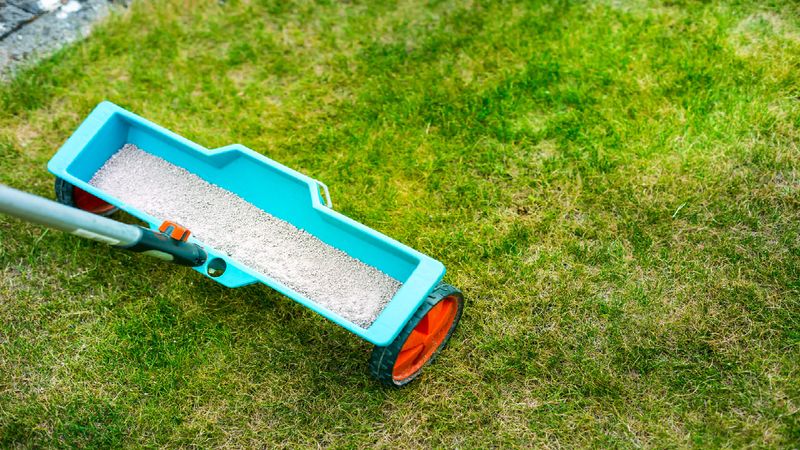
A structured fertilization schedule ensures your lawn receives nutrients when needed most. Tailor the schedule to your grass type, local climate, and soil conditions. Regular feedings during peak growth periods maximize nutrient uptake and grass vitality. Record-keeping helps track applications and prevent over-fertilization. Choose fertilizers that match specific lawn needs, considering both macro and micronutrients. Consistent fertilization supports robust growth and resilience against stressors. By planning ahead, you avoid guesswork and optimize lawn health. A diligent approach to fertilization cultivates a vibrant and thriving garden, enhancing curb appeal. It’s a cornerstone of effective lawn management.
12. Promoting Soil Microbial Activity
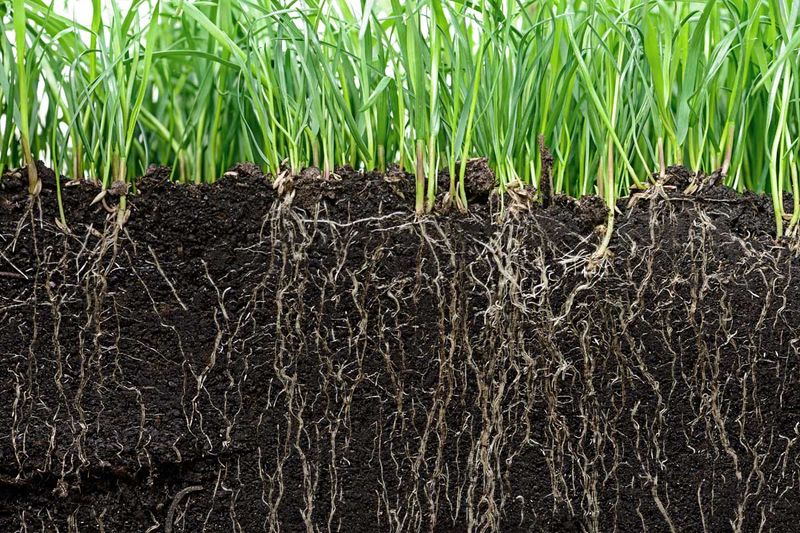
Soil microbial activity is vital for a healthy lawn ecosystem. Beneficial microbes decompose organic matter, release nutrients, and improve soil structure. Introducing compost or organic amendments boosts microbial populations. Earthworms and other soil organisms also enhance aeration and nutrient cycling. Healthy microbial activity supports grass growth and resilience against diseases. Avoiding chemical overuse preserves microbial balance and biodiversity. By nurturing soil life, you create a sustainable foundation for your lawn. Encouraging microbes is part of a holistic lawn care approach, ensuring long-term vitality. It’s an invisible but essential aspect of garden health.
13. Companion Planting with Clover
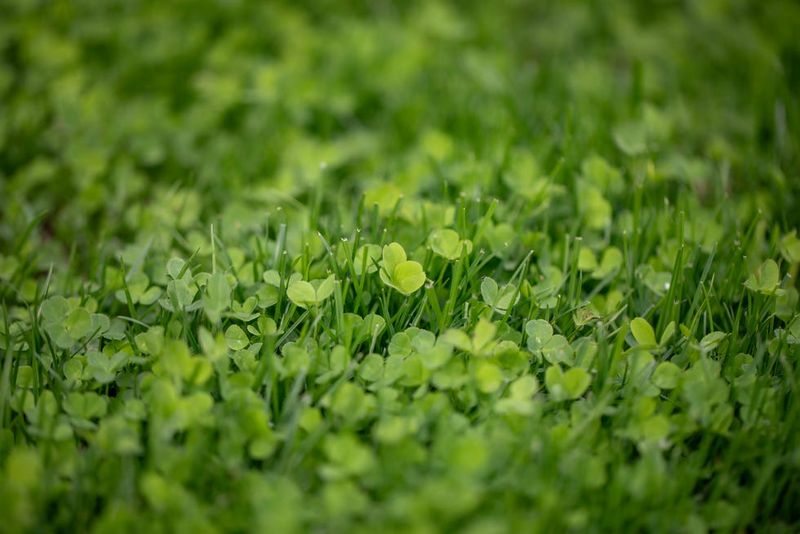
Companion planting with clover integrates nitrogen-fixing plants into your lawn. Clover enhances soil fertility and reduces the need for synthetic fertilizers. It adds biodiversity and supports beneficial insects. Clover is hardy, drought-tolerant, and blends seamlessly with grass, creating a green and resilient lawn. This practice improves lawn health by naturally enriching the soil. Incorporating clover reduces maintenance and promotes a self-sustaining ecosystem. It’s an eco-friendly choice that aligns with sustainable gardening principles. By combining clover with traditional grass, you foster a diverse and robust lawn. Companion planting offers environmental and aesthetic benefits.
14. Applying Pre-Emergent Herbicides
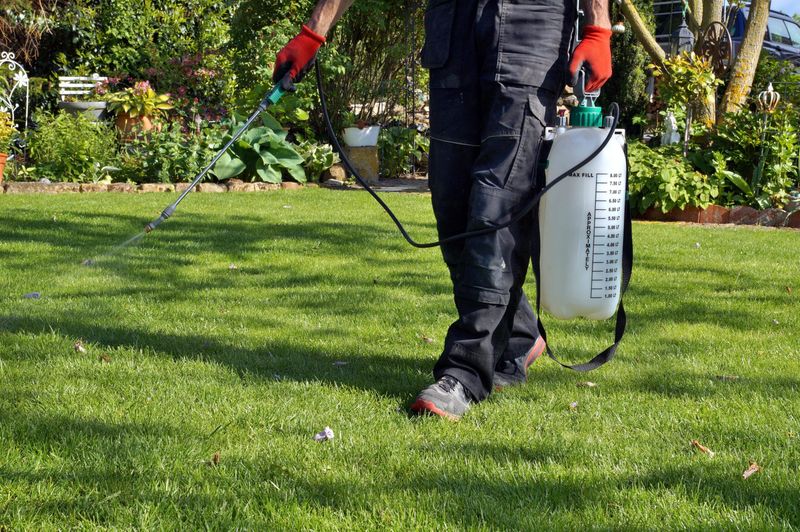
Pre-emergent herbicides prevent weed seeds from germinating, offering a proactive approach to weed management. By applying these herbicides in the early spring, you minimize weed competition before it starts. Timing is crucial for effectiveness; follow product guidelines closely. Pre-emergents target annual weeds like crabgrass, ensuring a clean and healthy lawn. They work best when combined with other lawn care practices, such as mowing and fertilizing. Regular use keeps your lawn free from invasive species, maintaining its vigor. Pre-emergent herbicides are a valuable tool in proactive lawn care, offering a seamless and tidy appearance.
15. Building a Rain Garden
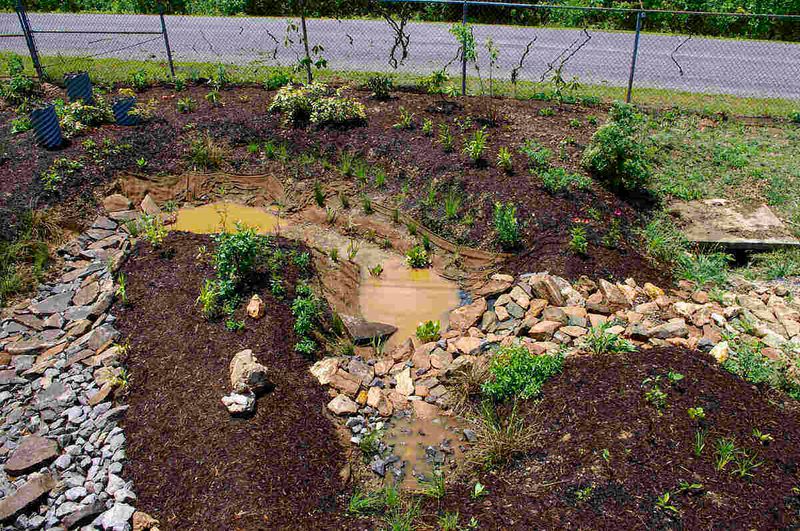
Rain gardens capture and filter stormwater runoff, reducing erosion and promoting groundwater recharge. They consist of native plants, offering habitat for pollinators and wildlife. Constructing a rain garden enhances landscape aesthetics while supporting environmental sustainability. It prevents excess water from overwhelming your lawn, protecting its health. Choose plants suited to your local climate and moisture levels for best results. Rain gardens serve both functional and decorative purposes, integrating seamlessly with your yard. By managing runoff, you contribute to a healthier environment and resilient lawn. A rain garden is an innovative solution for eco-conscious gardeners.
16. Applying Iron Supplements

Iron supplements enhance lawn color and vigor, correcting chlorosis in grass. They offer a quick green-up effect, especially in iron-deficient soils. Applying iron in a soluble form ensures rapid absorption and visible results. Iron supplements work best in conjunction with a balanced fertilization plan. They are particularly beneficial for lawns prone to yellowing or with high soil pH. Regular applications maintain a deep green hue, boosting curb appeal. By incorporating iron, you enhance photosynthesis and overall grass health. It’s a targeted approach to resolving specific lawn issues, ensuring a consistently vibrant appearance.
17. Installing a Drip Irrigation System
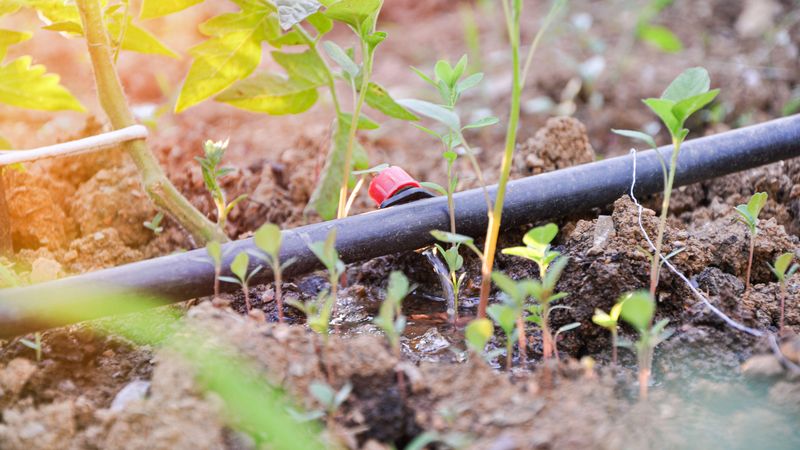
Drip irrigation systems provide precise water delivery to your lawn and garden. They reduce water waste by targeting root zones directly, promoting efficient hydration. Drip systems are ideal for areas with water restrictions or dry climates. They minimize evaporation and runoff, ensuring optimal lawn health. Installation is straightforward, and systems can be customized to suit specific landscape needs. Drip irrigation supports sustainable gardening, aligning with eco-friendly practices. By investing in drip technology, you save water and time while nurturing a thriving lawn. It’s a smart solution for responsible water management.