
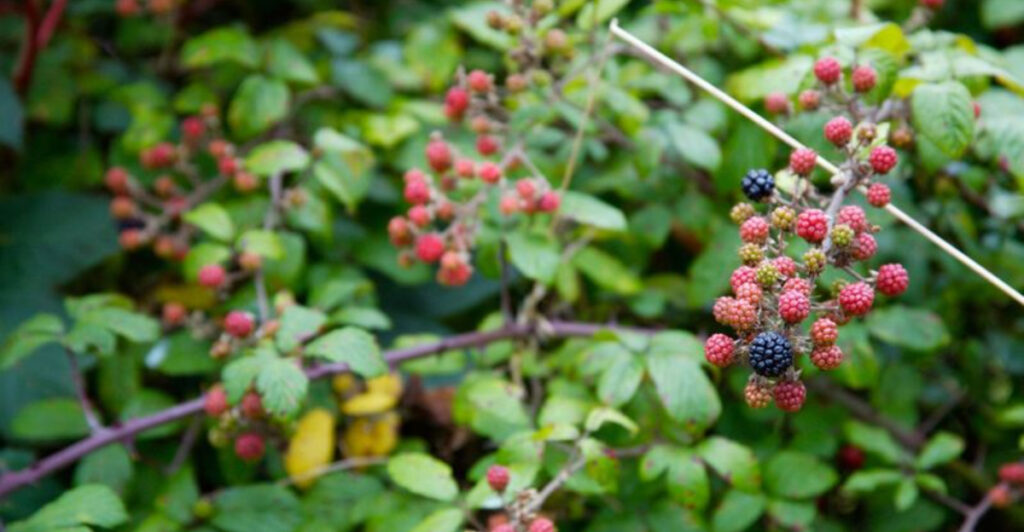
Blackberries might look delicious hanging from thorny canes, but some varieties can quickly turn your garden into a nightmare. Invasive blackberry species spread aggressively and can take over entire landscapes if left unchecked. Understanding the risks before planting these seemingly innocent berry bushes could save you years of frustration and expensive removal costs. Here are eight important reasons why you need to think twice before adding invasive blackberries to your property.
1. Choking Out Native Plants
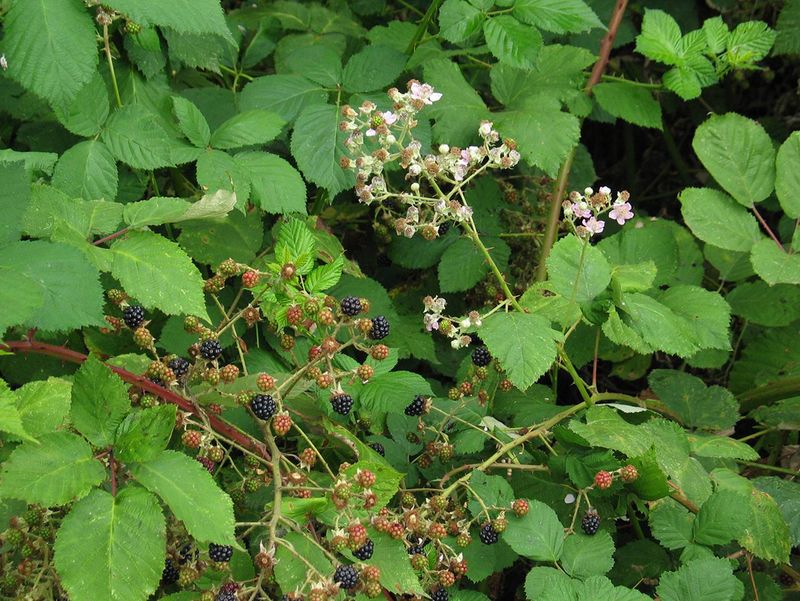
Native wildflowers and shrubs that took years to establish can disappear within a single season. Invasive blackberries create dense canopies that block sunlight from reaching smaller plants below.
Local ecosystems depend on native plants for food and shelter. When blackberries take over, birds lose nesting sites and insects lose their preferred food sources.
Restoration projects often fail because invasive blackberries return quickly. Even small root fragments left behind can restart the invasion process all over again.
2. Creating Impenetrable Thorn Barriers
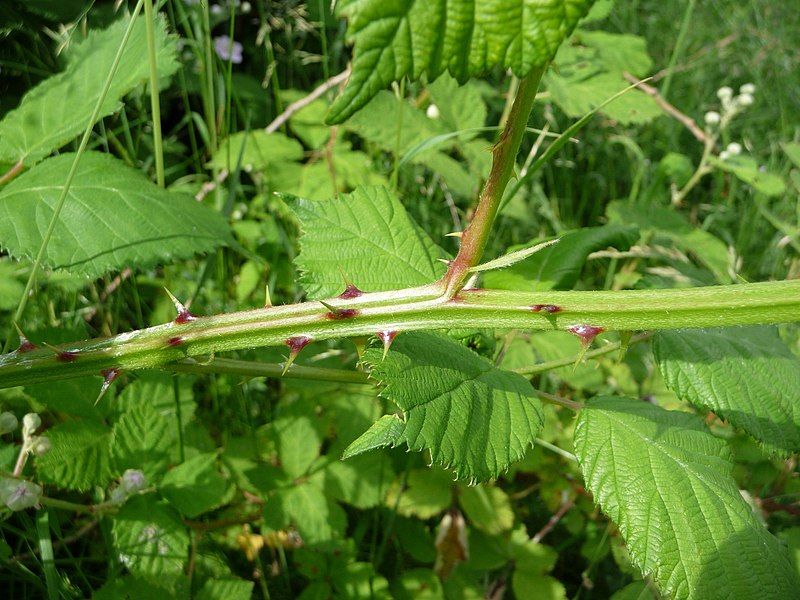
Walking through your own backyard becomes an obstacle course when blackberry thickets establish themselves. Sharp thorns can tear clothing and cause painful scratches that take weeks to heal.
Children and pets face serious injury risks from dense thorn patches. Emergency room visits for deep thorn wounds are more common than most gardeners realize.
Accessing other parts of your property becomes nearly impossible without protective gear. Simple tasks like mowing or gardening require long pants, thick gloves, and eye protection year-round.
3. Attracting Unwanted Wildlife
Rats find perfect hiding spots within blackberry thickets, creating colonies close to your home. Dense canes provide protection from predators while offering easy access to garbage and pet food.
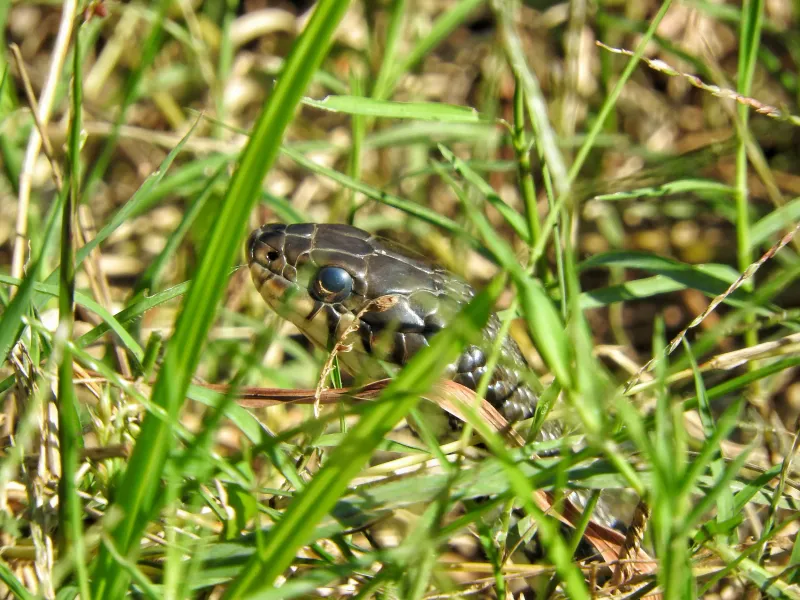
Snakes also appreciate the cover that blackberry patches provide. Venomous species in particular enjoy the cool, shaded areas beneath thick cane growth.
Pest control becomes nearly impossible when animals have impenetrable hiding places. Professional exterminators often require blackberry removal before they can effectively address rodent problems.
4. Reducing Property Values
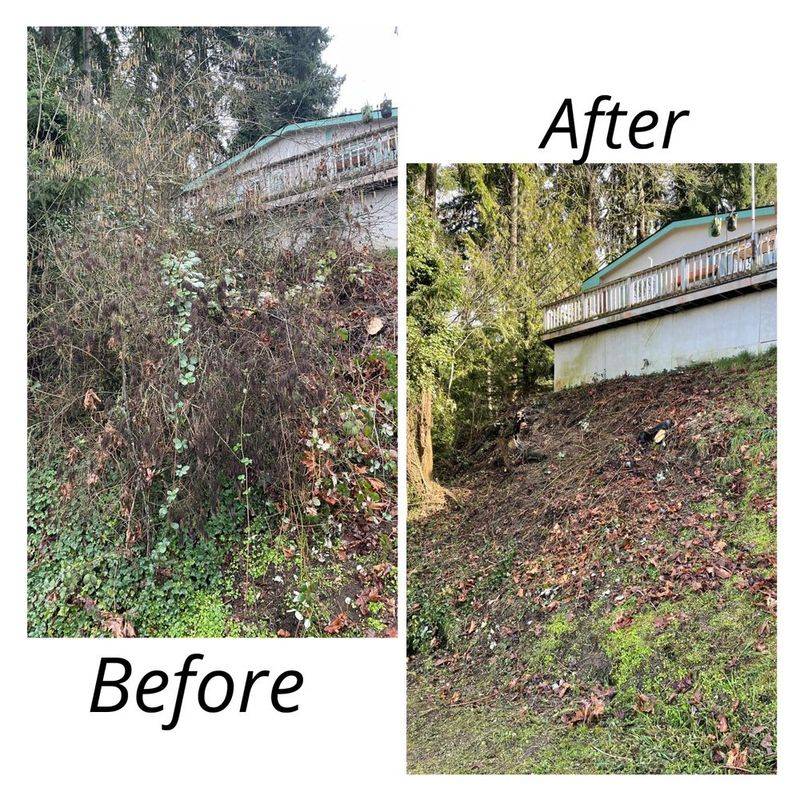
Real estate agents consistently report that overgrown blackberry patches make properties harder to sell. Potential buyers see dense thickets as major maintenance problems rather than fruit-producing assets.
Appraisers often reduce property values when invasive plants dominate the landscape. The cost of professional removal gets factored into purchase negotiations, lowering final sale prices.
Neighborhood property values can decline when multiple homes have blackberry invasion problems. Homeowner associations sometimes require expensive remediation to maintain community standards and market appeal.
5. Rapid Underground Root Spread
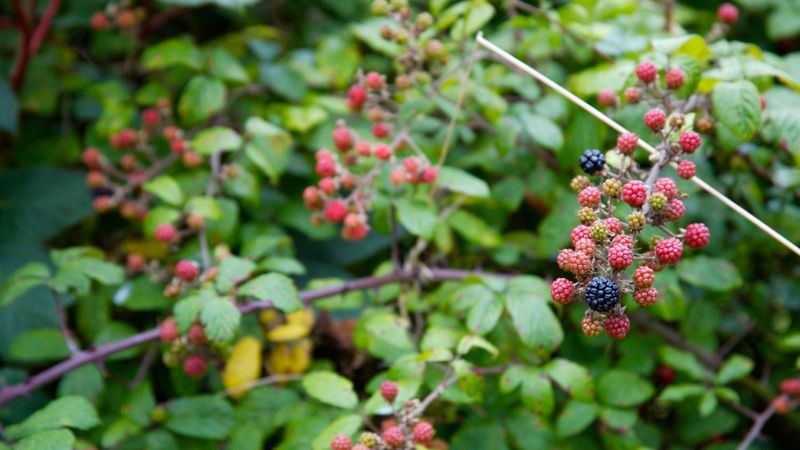
Underground root systems of invasive blackberries spread faster than you might imagine. These aggressive roots can travel several feet in just one growing season, sending up new shoots wherever they establish.
Property boundaries mean nothing to these determined plants. Your neighbor’s yard, sidewalk cracks, and even foundation areas become targets for colonization.
Removing established root systems requires digging deep and wide, often damaging other plants nearby. Professional removal can cost hundreds of dollars per affected area.
6. Interfering with Utility Lines
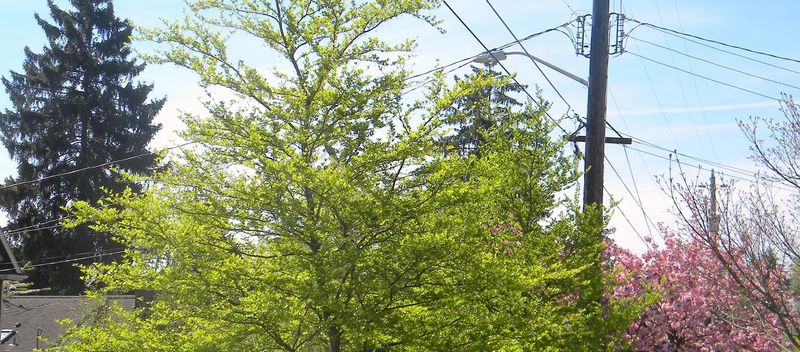
Power companies charge property owners when blackberry canes interfere with electrical lines. These aggressive climbers can cause power outages affecting entire neighborhoods during storms.
Underground cables and pipes face damage from persistent root systems. Repair costs for damaged utilities often exceed thousands of dollars, with homeowners bearing full responsibility.
Internet and cable services suffer interruptions when canes grow through connection boxes. Service technicians may refuse to work in areas with dense blackberry growth, leaving you without connectivity options.
7. Fire Hazard Multiplication
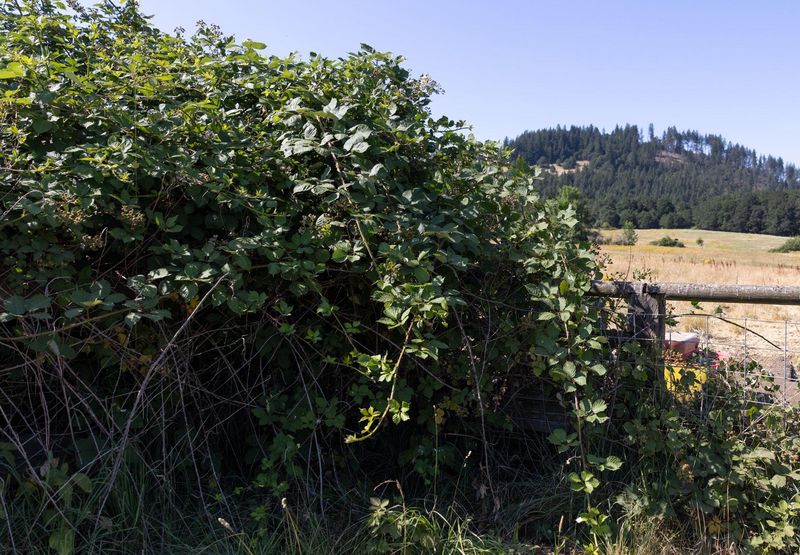
Dead blackberry canes create tinder-dry fire fuel that ignites easily during hot weather. These dense masses burn intensely and spread flames quickly to nearby structures.
Fire departments classify thick blackberry growth as high-risk vegetation. Insurance companies may increase premiums or deny coverage for properties with extensive invasive plant problems.
Defensible space requirements often mandate blackberry removal within specific distances from buildings. Failure to comply can result in fines and increased liability during wildfire season emergencies.
8. Legal Liability Issues
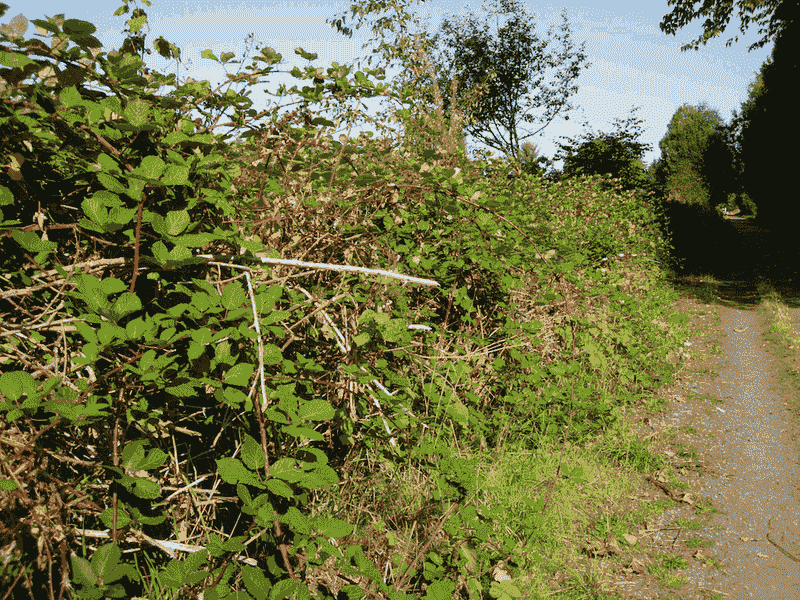
Many municipalities classify invasive blackberries as noxious weeds requiring mandatory removal. Fines for non-compliance can reach hundreds of dollars per violation, with daily penalties for continued violations.
Neighbors can file lawsuits when your blackberry invasion spreads to their property. Legal fees and damage compensation often cost more than proactive removal would have originally required.
Environmental protection agencies may require restoration bonds for properties with severe invasive plant problems. These financial guarantees ensure proper cleanup even if property ownership changes hands unexpectedly.