
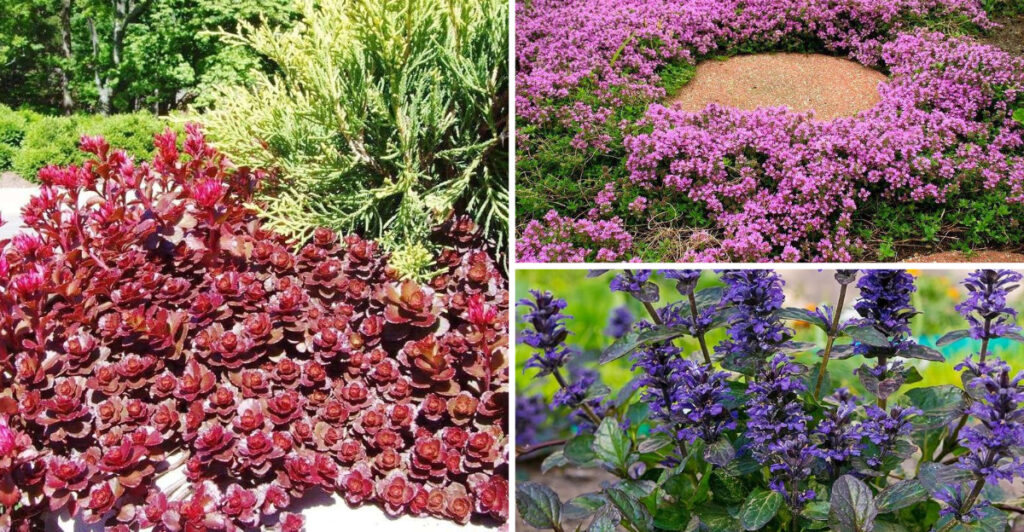
Transforming my yard from a traditional grass lawn to a vibrant collection of ground covers was one of the best decisions I’ve made. Not only do these alternatives provide lush, green carpets that are easy to maintain, but they also bring unique textures and colors that add character to my garden. In this post, I’ll share 15 incredible ground cover plants that have not only replaced my lawn but have also made my neighbors green with envy.
1. Creeping Thyme
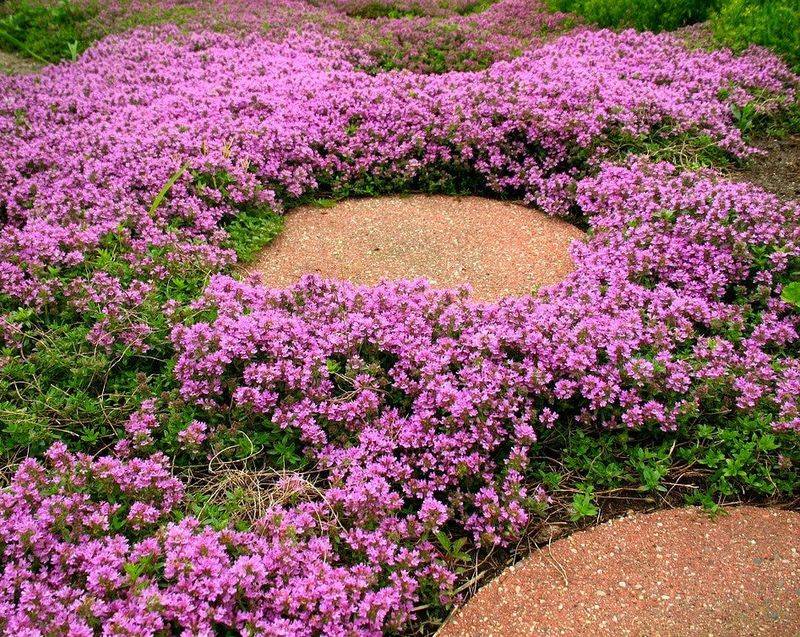
Creeping Thyme, with its aromatic scent and vibrant purple flowers, is a delightful addition to any garden. Its dense matting provides a lush, green appearance, perfect for those who want a low-maintenance ground cover.
Planted between stepping stones, it releases a pleasant fragrance when walked upon, adding a sensory experience to your garden. This hardy plant thrives in sunny spots, requiring minimal watering.
Did you know? Creeping Thyme has historical uses in folk medicine and symbolizes courage in the language of flowers, making it both beautiful and meaningful.
2. Irish Moss

Irish Moss creates a soft, cushiony carpet that invites you to walk barefoot on it. This charming ground cover is perfect for shady areas, where its vibrant green hue stands out beautifully.
Its dense growth helps suppress weeds, making it a practical choice for busy gardeners. Unlike grass, Irish Moss requires no mowing, allowing you to enjoy your garden without the upkeep.
Fun fact: Despite its name, Irish Moss is not a true moss but a flowering plant that blooms with tiny white flowers in the spring, adding a delicate touch to your garden.
3. Sedum Spurium

Sedum Spurium, known for its robust nature, is a star in rock gardens and dry areas. Its fleshy leaves, often tinged with red, provide a striking contrast to its yellow star-shaped flowers.
This hardy succulent thrives in poor soil conditions, making it ideal for areas where other plants struggle. Its ability to store water means it’s drought-tolerant, reducing the need for constant watering.
An interesting tidbit: Sedum Spurium’s resilience has made it a symbol of steadfastness and endurance in many cultures, resonating with those who value tenacity in life.
4. Clover
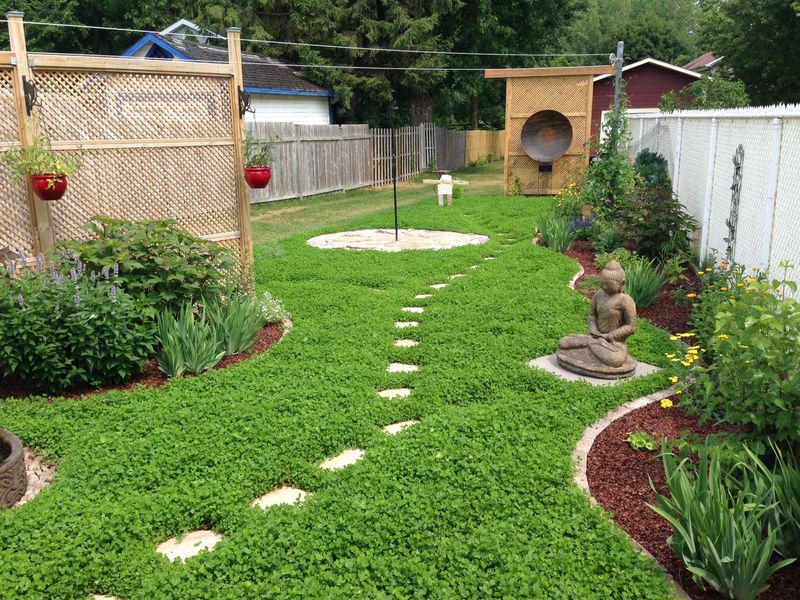
Clover, with its rich green hue and prolific growth, is a classic choice for those seeking a lawn alternative. Its nitrogen-fixing ability enriches the soil, promoting healthier plant growth around it.
Clover lawns are soft underfoot and resilient, capable of withstanding heavy foot traffic. Plus, they attract pollinators like bees, which can enhance the ecological health of your garden.
Did you know? The occasional four-leaf clover is said to bring good luck, making this plant not only practical but also a touch whimsical.
5. Ajuga Reptans
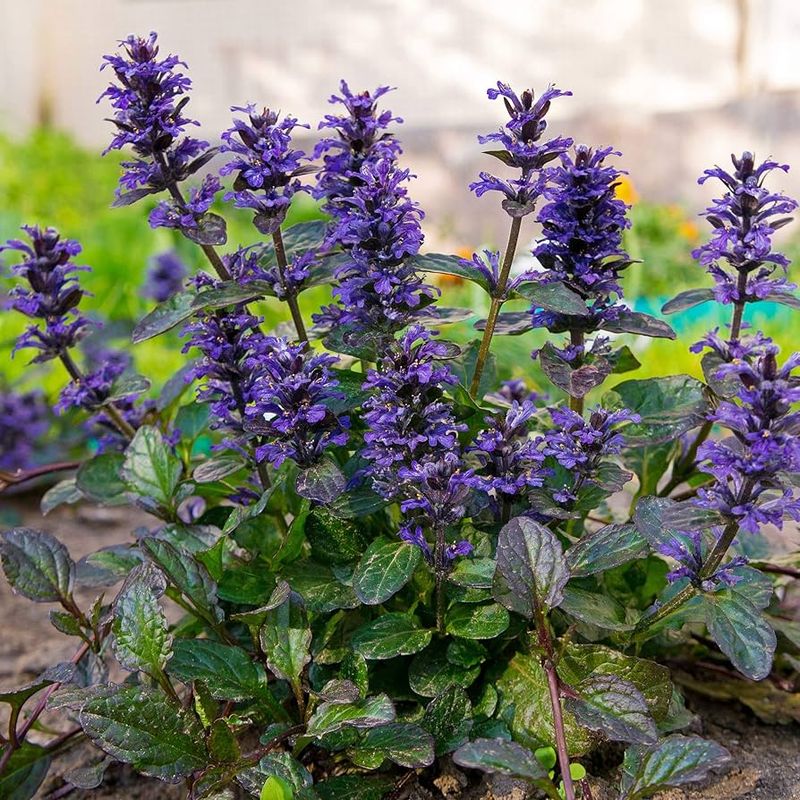
Ajuga Reptans, commonly known as Bugleweed, is a stunning ground cover with vibrant blue flowers that rise above its glossy, dark green leaves. This plant is perfect for adding a pop of color to shady areas of your garden.
Ajuga’s rapid growth helps to quickly cover bare spots, while its dense matting prevents weeds from taking hold. This makes it a favorite for those looking to minimize garden maintenance.
A fascinating fact: Ajuga has been used in traditional medicine for its healing properties, adding an extra layer of interest to this vibrant plant.
6. Mazus Reptans
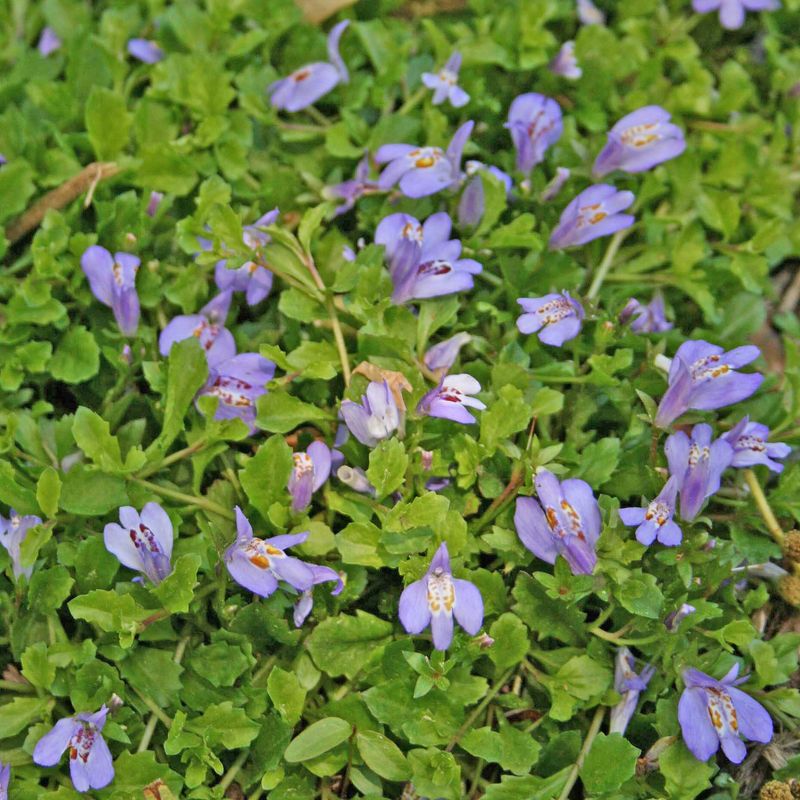
Mazus Reptans is a charming ground cover that thrives in moist conditions, making it ideal for areas near water features. Its small lavender flowers and lush green foliage create a serene and inviting atmosphere.
This plant forms a dense mat that effectively suppresses weeds, making it a low-maintenance choice for gardeners. It’s perfect for creating a green carpet around stepping stones or in shaded areas.
Did you know? Mazus Reptans is native to the Himalayas, adding an exotic touch to your garden with its origins and delicate beauty.
7. Deadnettle (Lamium maculatum)
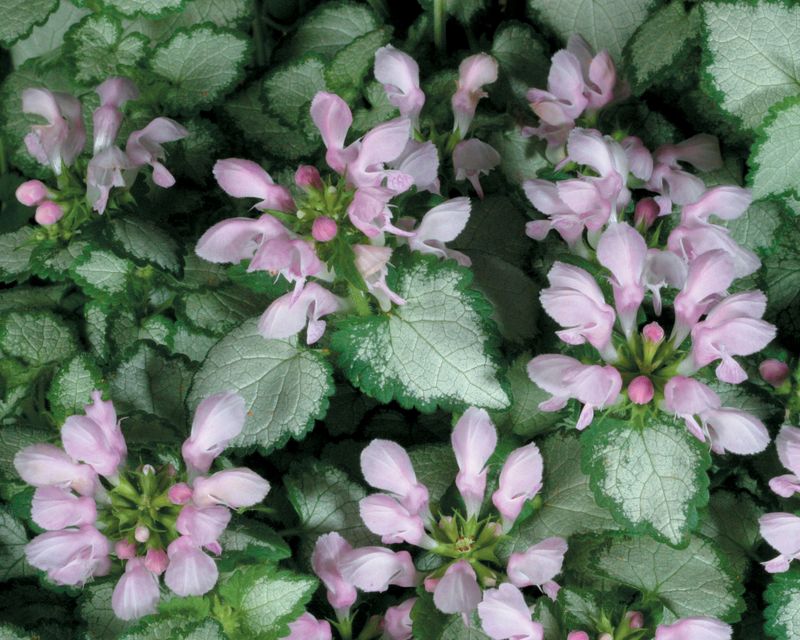
Deadnettle, or Lamium maculatum, offers a unique combination of silver-speckled leaves and delicate pink flowers, making it a striking ground cover. It thrives in shady areas, providing a splash of color where many plants falter.
This plant’s ability to spread quickly means it can cover bare ground efficiently, reducing the time and effort required for maintenance. Deadnettle is also known for its drought tolerance, making it a reliable choice for various garden conditions.
Fun fact: Despite its name, Deadnettle doesn’t sting, and its flowers are a favorite among bees.
8. Liriope Muscari
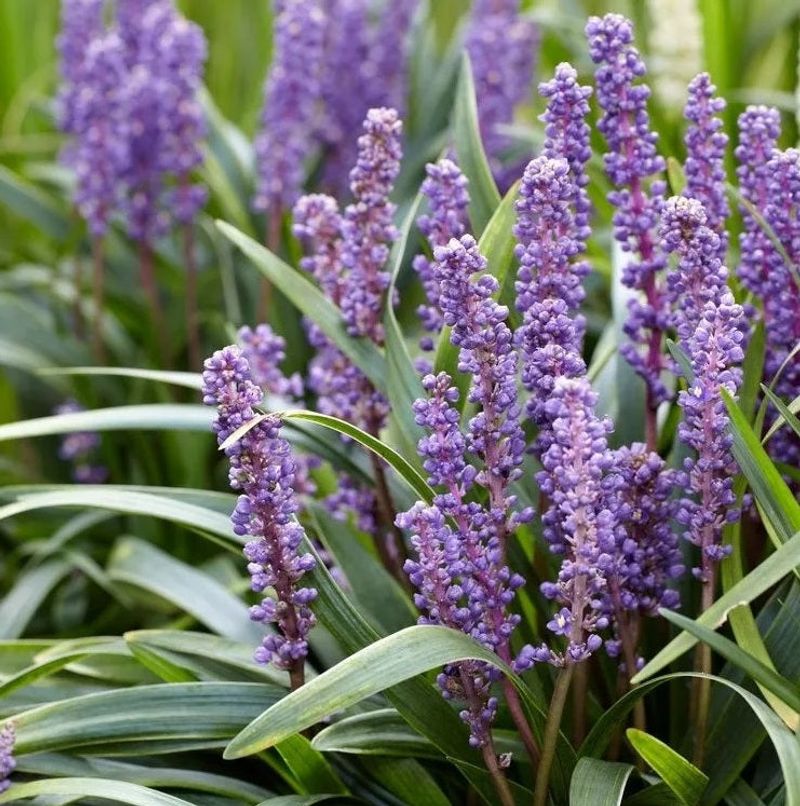
Liriope Muscari, with its grass-like leaves and striking purple flower spikes, is a standout ground cover that brings elegance to any garden. It thrives in various conditions, from full sun to shade, making it incredibly versatile.
This plant is particularly valued for its ability to prevent soil erosion, as its dense root system stabilizes the ground effectively. Liriope’s resilience and ornamental appeal make it a popular choice for borders and pathways.
Interesting tidbit: Liriope Muscari is sometimes called “Lilyturf,” a nod to its lush appearance and hardy nature.
9. Herniaria glabra (Rupturewort)

Herniaria glabra, commonly known as Rupturewort, is a sun-loving ground cover with tiny green leaves and subtle yellow blooms. Its dense, low-growing nature makes it ideal for rock gardens or between stepping stones.
This plant is incredibly tough, thriving in poor soil and requiring minimal water once established. Herniaria’s resilience makes it an excellent choice for busy gardeners seeking a low-maintenance landscape.
Did you know? Historically, Rupturewort was used in herbal medicine, believed to aid in healing wounds and other ailments, adding a touch of folklore to your garden.
10. Vinca Minor (Periwinkle)
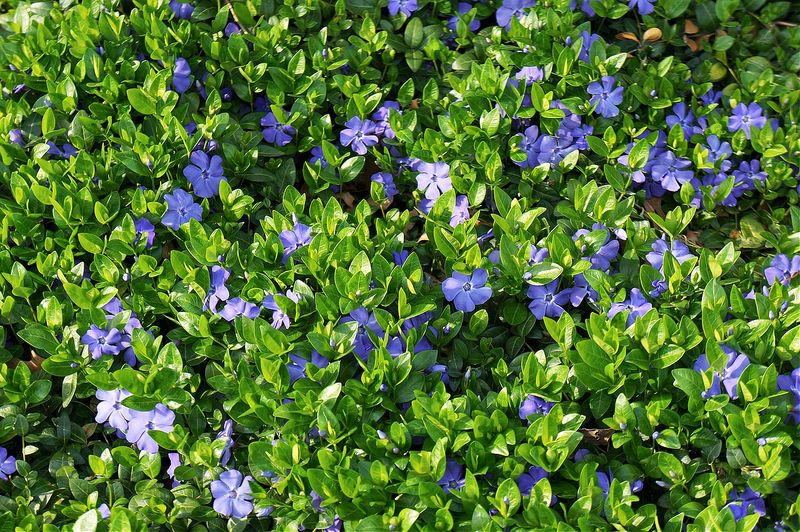
Vinca Minor, also known as Periwinkle, is a beloved ground cover for its glossy green leaves and vibrant purple-blue flowers. It’s perfect for areas that need a touch of elegance and color.
This plant is excellent for erosion control on slopes, as its sprawling nature effectively holds soil in place. Vinca Minor thrives in partial shade to full sun, making it adaptable to various garden settings.
Fun fact: Periwinkle has a rich history in traditional medicine, used as a remedy for a variety of ailments, adding historical depth to its beauty.
11. Sweet Woodruff
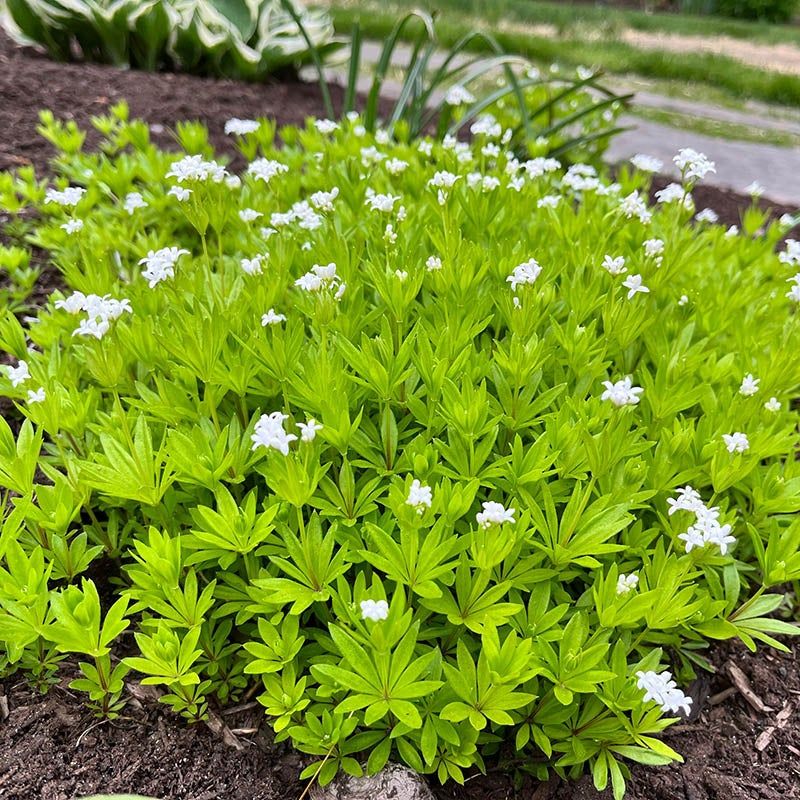
Sweet Woodruff is a delightful ground cover known for its fragrant, star-shaped white flowers and whorls of bright green leaves. It’s particularly suited for shady areas, where its sweet scent and delicate blooms can be best appreciated.
This plant forms a dense carpet that effectively suppresses weeds, reducing garden maintenance. Sweet Woodruff is also known for its use in perfumes and potpourris, adding an aromatic element to your garden space.
Did you know? In medieval times, Sweet Woodruff was used to freshen bedding and clothing, providing a historical touch to its charming presence.
12. Pachysandra Terminalis
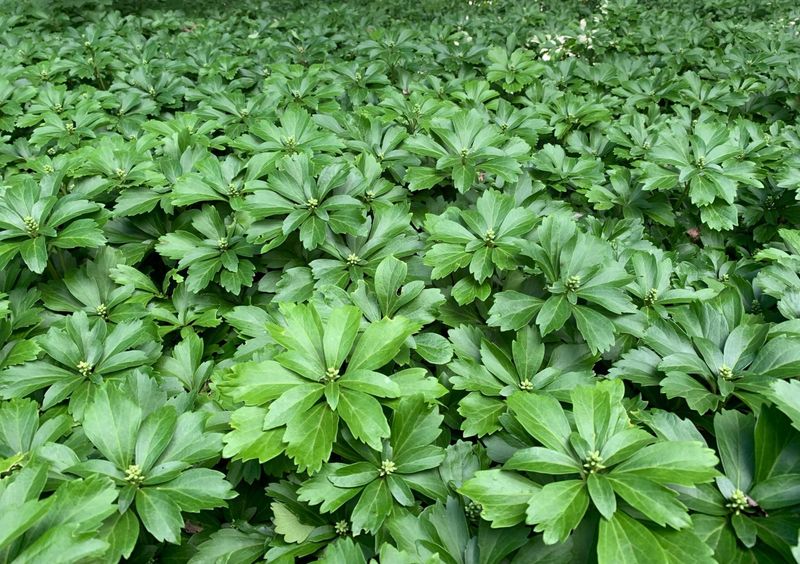
Pachysandra Terminalis, with its glossy green leaves and delicate white flower spikes, is an ideal ground cover for shaded areas. This plant spreads quickly, forming a lush carpet that enhances the beauty of underutilized garden spaces.
Its ability to thrive with minimal attention makes it a favorite for low-maintenance landscapes. Pachysandra also helps in controlling soil erosion, adding functionality to its appeal.
Interesting tidbit: This plant is sometimes called Japanese Spurge, reflecting its origins and widespread use in traditional Japanese gardens.
13. Lysimachia nummularia (Creeping Jenny)
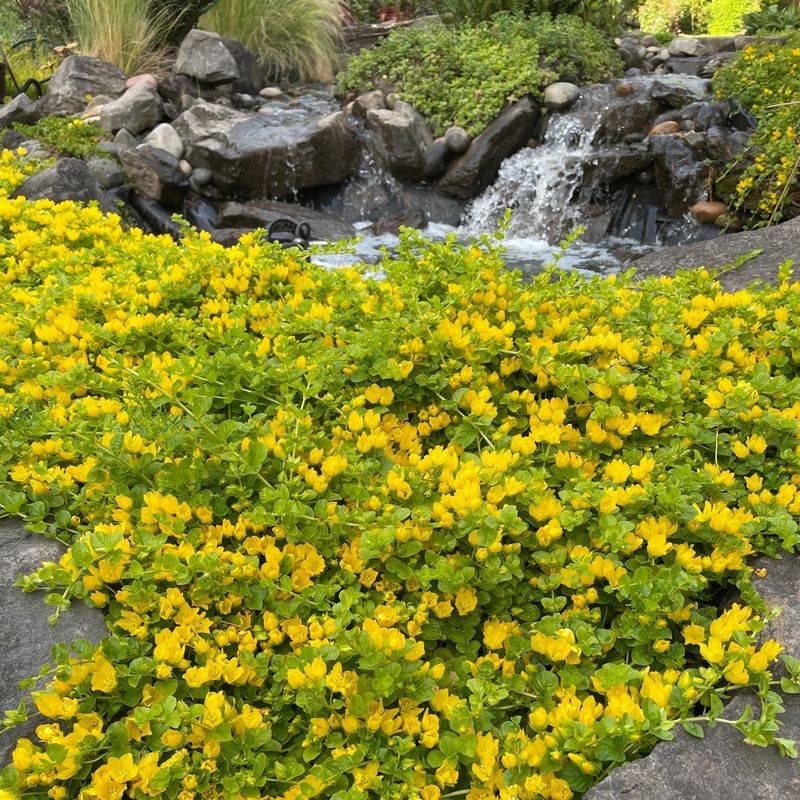
Lysimachia nummularia, or Creeping Jenny, is known for its golden-yellow leaves that trail beautifully over garden edges and stones. This ground cover thrives in moist areas, making it perfect for borders near water features.
Creeping Jenny’s vibrant foliage adds a burst of color to any garden, and its rapid growth ensures quick coverage of bare ground. It’s a popular choice for adding texture and interest to garden designs.
Fun fact: Creeping Jenny is sometimes called Moneywort, a name derived from its coin-shaped leaves and rich golden hue.
14. Epimedium
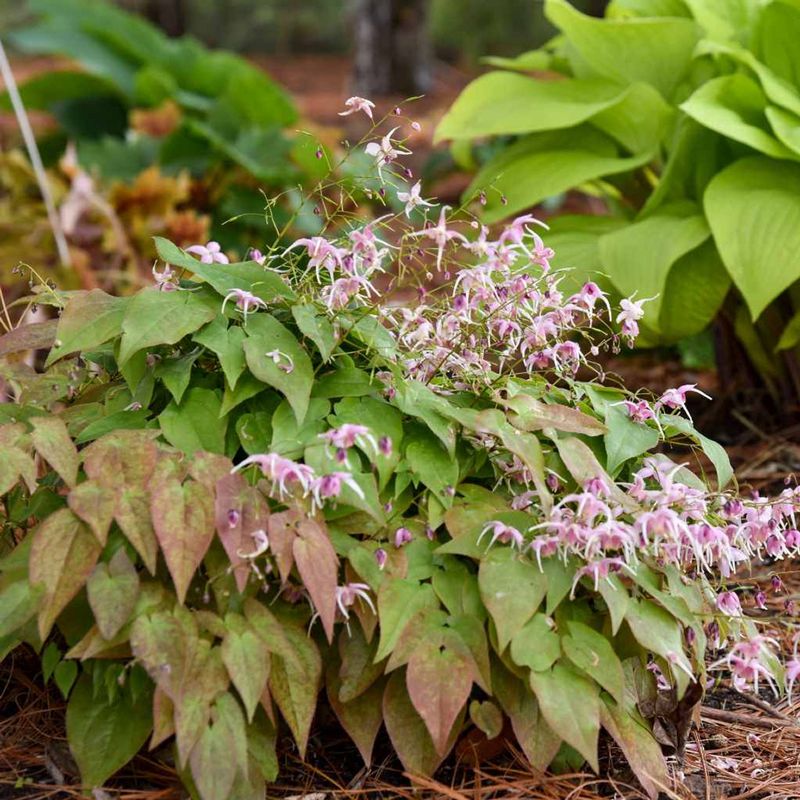
Epimedium, with its heart-shaped leaves and delicate flowers, is a charming choice for shaded garden areas. This ground cover thrives in dry conditions, making it an excellent option for under trees or alongside buildings.
Its leaves change color with the seasons, offering year-round interest and beauty. Epimedium’s resilience and adaptability make it a favored choice for gardeners seeking a unique and hardy ground cover.
Did you know? Epimedium is sometimes referred to as “Bishop’s Hat” due to the shape of its flowers, adding a whimsical touch to your garden.
15. Alyssum
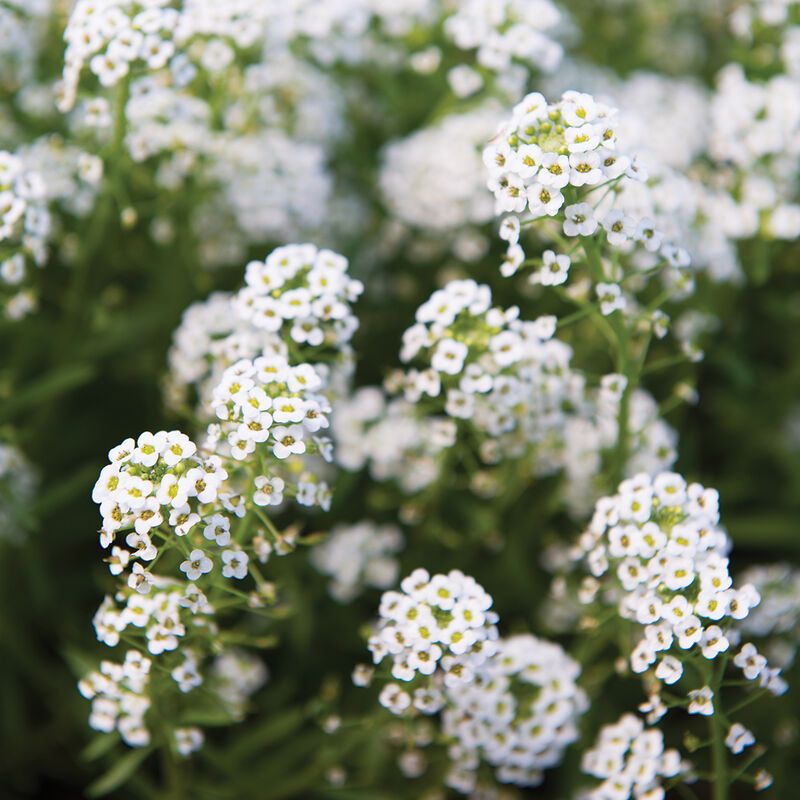
Alyssum, known for its clusters of tiny white flowers, brings a soft and fragrant touch to garden borders and pathways. It thrives in sunny locations, where its blooms can fully flourish.
This ground cover is loved for its sweet scent, which attracts pollinators and adds a sensory dimension to the garden. Alyssum is also drought-tolerant, making it a practical choice for sustainable gardening.
Fun fact: Alyssum has been used historically as a symbol of sweetness and calmness, often included in bouquets to convey gentle sentiments.