
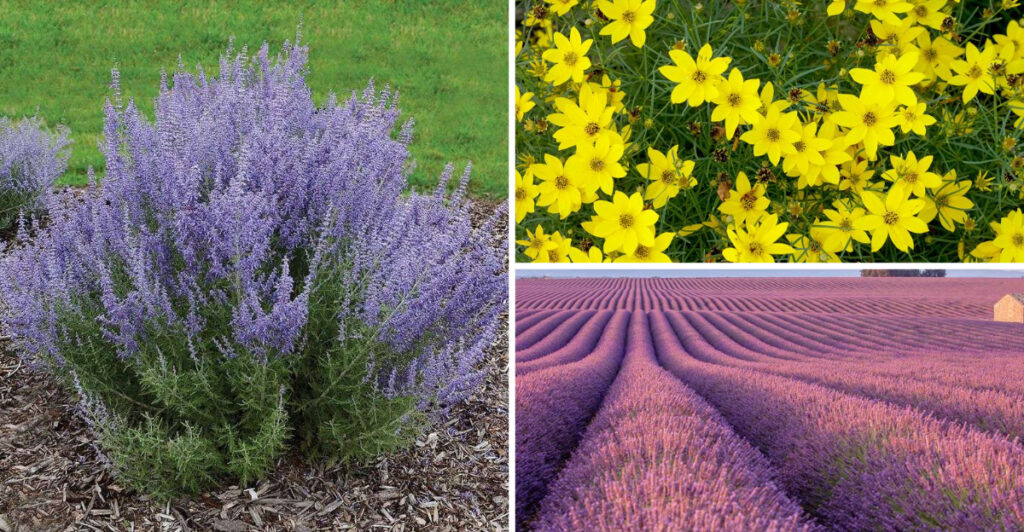
In the world of gardening, the trend for low maintenance perennials is gaining significant momentum. These plants are favored for their ability to thrive with minimal care, offering beauty and resilience to any garden. This blog post explores five standout varieties that embody this trend, each with unique characteristics and appeal.
Lavender
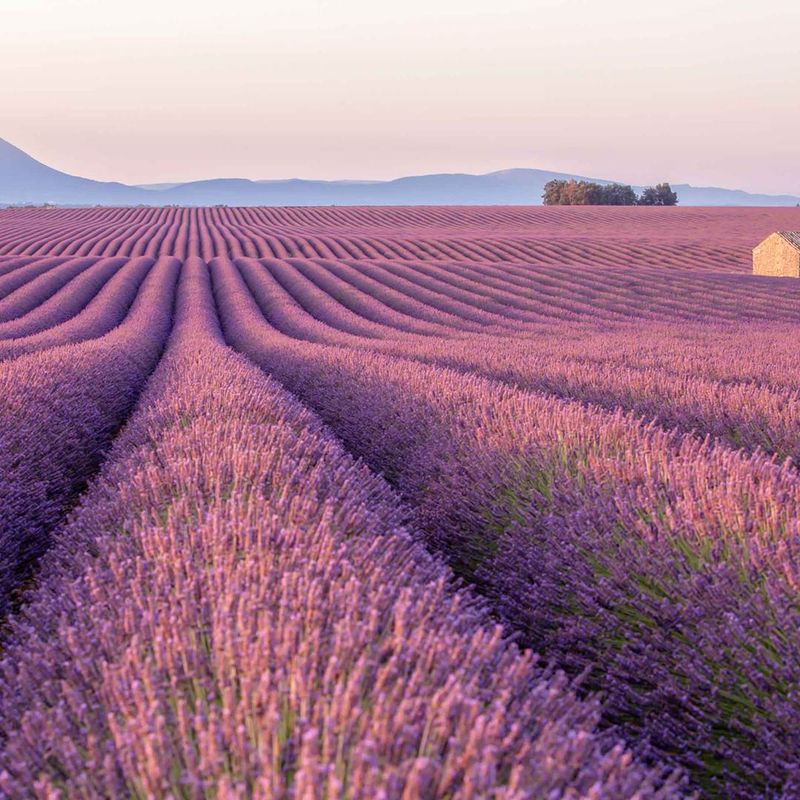
Considered the quintessential perennial, lavender captivates with its soothing aroma and elegant spikes of purple blooms. This plant’s drought-resistant nature makes it a top choice for sunny, dry gardens. Simply plant it in well-draining soil and let it flourish.
Lavender’s beauty is more than skin-deep. Known for its calming properties, it’s often used in aromatherapy. Its history dates back to ancient Roman baths, showcasing its longstanding appeal. An ideal addition for those seeking a touch of rustic charm and a low-effort floral display.
Did you know? Lavender’s essential oils are celebrated for their potential to reduce stress and enhance sleep quality.
Sedum
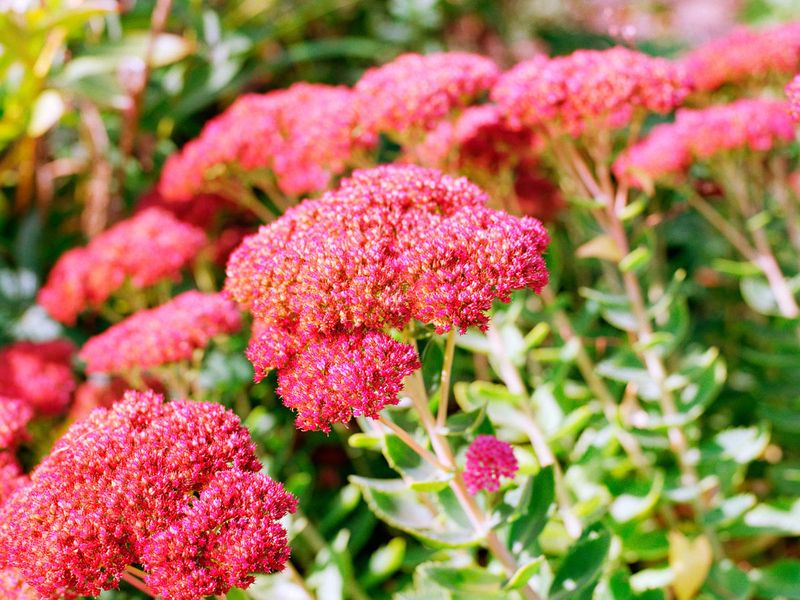
Sedum, with its succulent leaves and clusters of pink flowers, is a gardener’s delight. Its drought-resistant nature means you can forget to water it without worry. Each leaf is a storehouse of moisture, ready to shine in the sun.
This plant thrives in poor soil, needing very little to show its full potential. By autumn, its flowers take on a coppery hue, adding warmth to any garden space. It’s a perennial favorite for those who seek a low-maintenance yet visually stunning option.
Did you know? Sedum’s resilience makes it a popular choice for green roofs.
Coneflower (Echinacea)
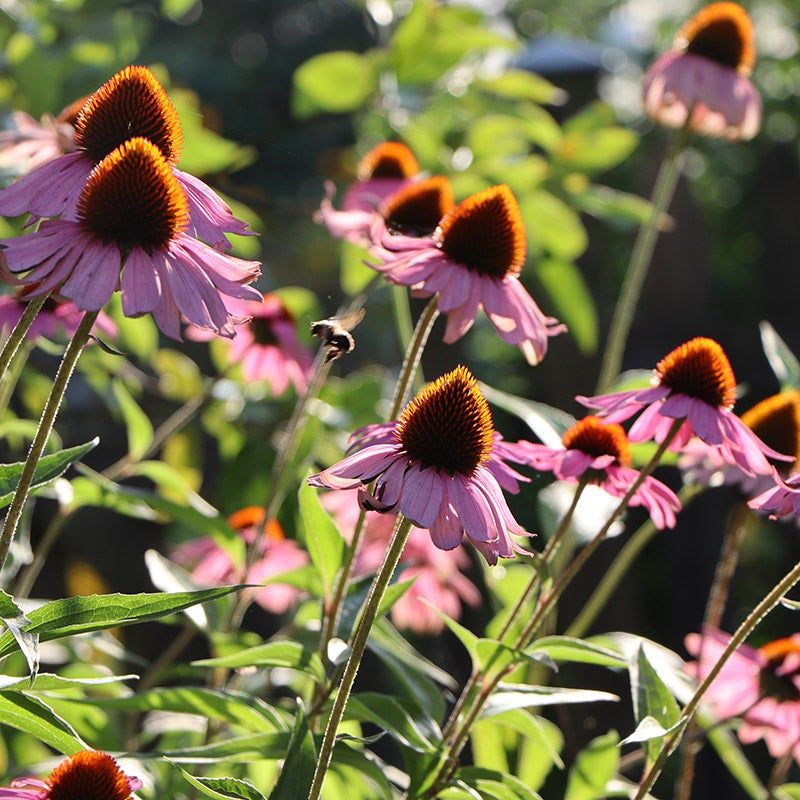
With vibrant purple petals and a spiky center, the coneflower is a meadow’s masterpiece. It invites butterflies and bees, turning any garden into a buzzing haven. Known for its herbal properties, many use it as a natural remedy.
Its robust nature ensures it stands tall through droughts and hot summers. Young gardeners will appreciate its easy growth and rewarding blooms. As winter approaches, the seed heads provide food for local birds, making it a year-round asset.
Fun fact: Native Americans used coneflower for its medicinal benefits, a tradition still alive today.
Russian Sage
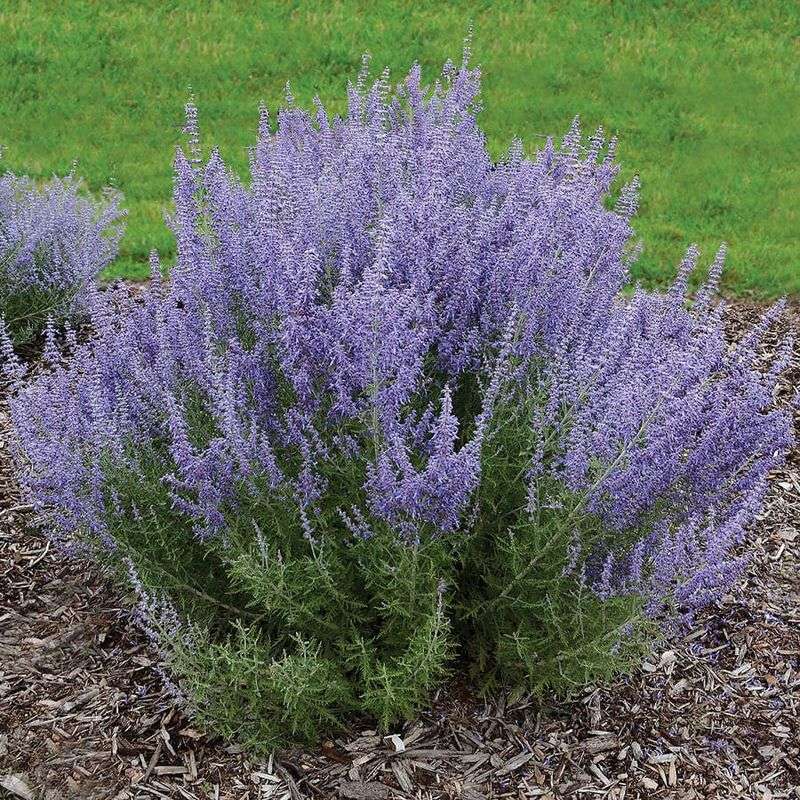
Russian Sage, with its silvery foliage and lavender-blue blooms, exudes elegance. Its airy appearance belies its hardy nature, effortlessly withstanding harsh conditions. Garden enthusiasts love its long blooming period, which stretches from midsummer into fall.
The plant’s aroma is a gentle delight, reminiscent of a fragrant herbal tea. Its resilience to pests and diseases makes it a worry-free addition to any landscape. Whether used as a border plant or a focal point, it never fails to impress.
Russian Sage was originally named after the Russian general, Ataman Denisov.
Daylily
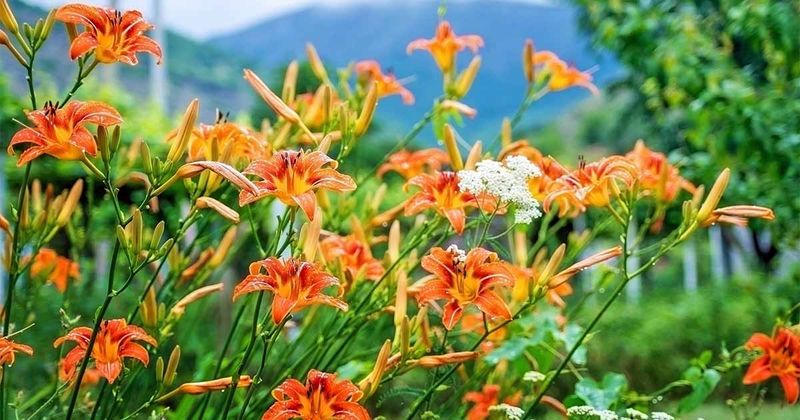
Daylilies are known for their vibrant blooms that come in a rainbow of colors. Each flower lasts just a day, but the plant produces so many that the display lasts for weeks. Their resilience to different climates makes them a gardener’s dream.
They are perfect for planting along paths and borders, creating an inviting walkway with their cheerful presence. Even when not in bloom, their lush, strap-like leaves add texture and greenery.
Daylilies are sometimes called the ‘perfect perennial’ because of their ability to thrive with minimal care.
Yarrow

Yarrow stands out with its feathery leaves and clusters of small, bright yellow flowers. Known for its medicinal uses, it has been cherished across cultures for centuries. The plant’s ability to attract beneficial insects is a boon for any eco-friendly garden.
Yarrow is drought-tolerant and thrives in poor soil, making it perfect for low-maintenance gardens. It adds a splash of sunshine to any landscape, requiring little more than occasional pruning.
An ancient warrior’s ally, yarrow was used to staunch wounds in battles, earning it the nickname ‘soldier’s woundwort.’
Hosta
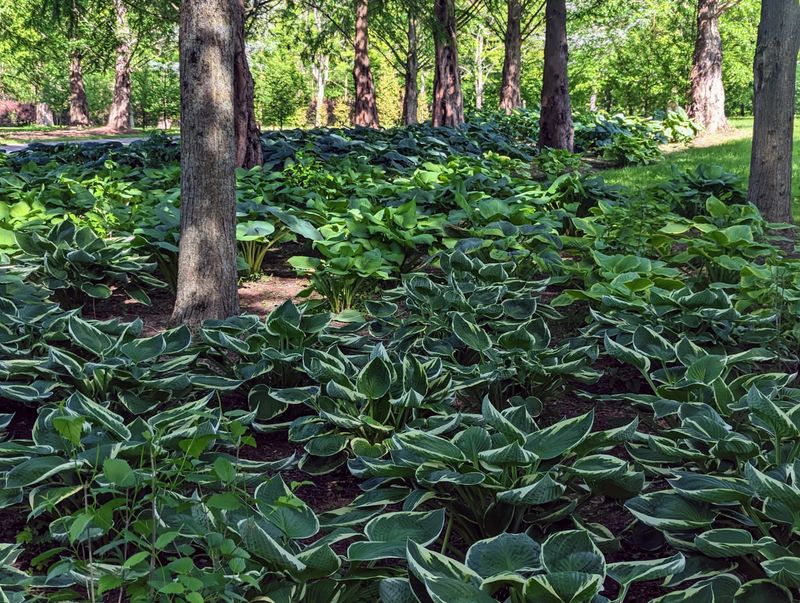
Hostas offer lush foliage with their large, green leaves that vary in texture and color. Known for thriving in shade, they bring life to those hard-to-plant areas under trees and alongside buildings.
Their pale lavender flowers appear in summer, adding a subtle touch of color. These plants are a favorite among gardeners for their versatility and ease of maintenance.
Despite their delicate appearance, hostas are hardy and can withstand cold winters. Just be sure to watch out for slugs and snails, who find the leaves irresistible.
Coreopsis
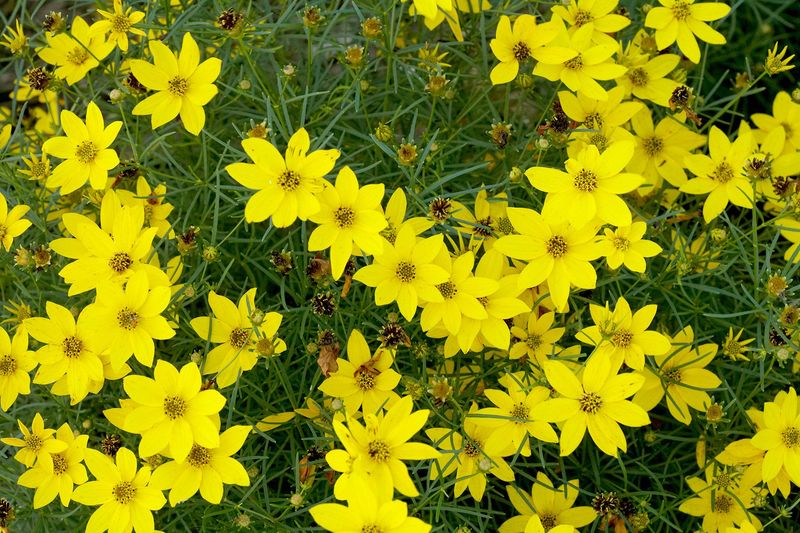
Coreopsis boasts bright, daisy-like yellow flowers that dance in the breeze. These cheerful blooms attract butterflies and bees, making your garden a lively habitat.
Their long blooming period, from early summer to late fall, provides continual joy with minimal effort. Known for their adaptability, coreopsis thrives in a variety of soil types and weather conditions.
A symbol of cheerfulness, coreopsis was historically used by Native Americans as a dye. For gardeners looking for a splash of sunshine, this perennial is a delightful choice.
Bee Balm (Monarda)
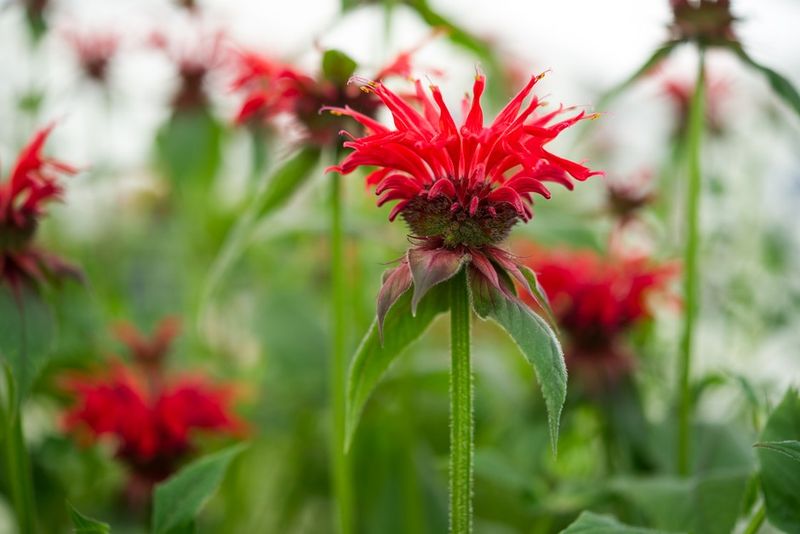
Bee Balm, with its vibrant red tubular flowers, is a magnet for bees, butterflies, and hummingbirds. This plant brings a lively energy to any garden, its blossoms reminiscent of a fiery sunset.
Its aromatic leaves can be used to brew a refreshing tea, adding another dimension to its appeal. Bee Balm thrives in sunny spots and moist soil, making it a versatile choice for gardeners.
This plant, named after botanist Nicholas Monardes, was traditionally used by Native Americans for its medicinal properties, underscoring its cultural significance.
Black-eyed Susan
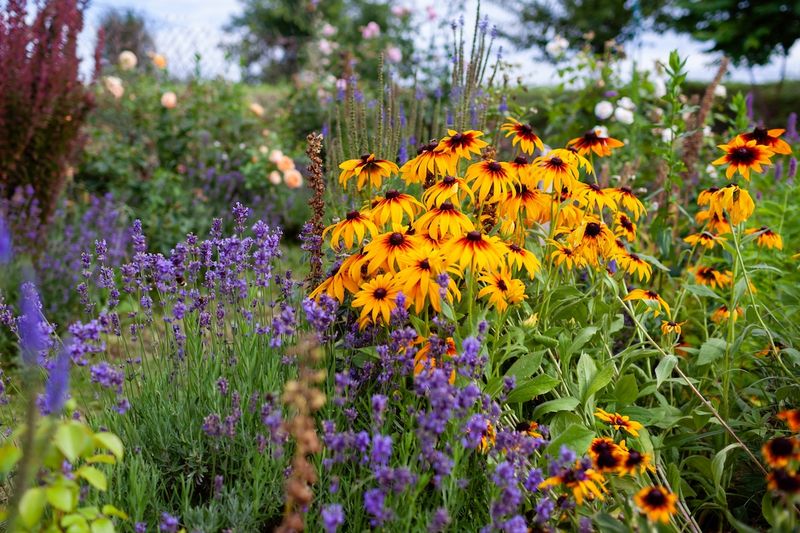
Black-eyed Susans, with their bright yellow petals and dark centers, are a quintessential garden classic. These perennials bring a burst of sunshine to any landscape.
Known for their resilience, they thrive in sunlit meadows and gardens, attracting pollinators throughout the summer. Their long-lasting blooms make them a favorite among those looking for low-effort beauty.
These flowers are not just pretty faces; they symbolize encouragement and motivation. For gardeners, they offer both aesthetic and emotional uplift.
Black-eyed Susans are the state flower of Maryland, celebrating their native roots.
Gaillardia (Blanket Flower)
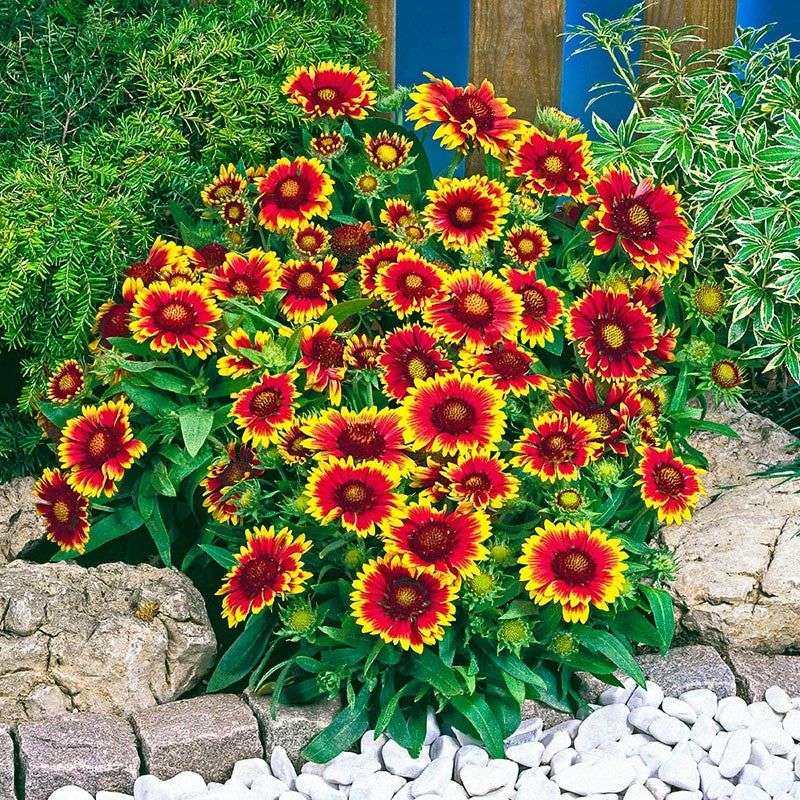
Gaillardia, or Blanket Flower, offers fiery red and orange blooms that resemble a sunset’s glow. These heat-tolerant perennials bring warmth to gardens even in the hottest climates.
Their long blooming season, from early summer to fall, ensures a vibrant display that requires minimal care. Gardeners appreciate their ability to grow in poor soil, making them an ideal choice for challenging environments.
Did you know? Gaillardia is named after an 18th-century French botanist, and its vivid colors were believed to mimic Native American woven blankets, earning its common name.
Catmint (Nepeta)
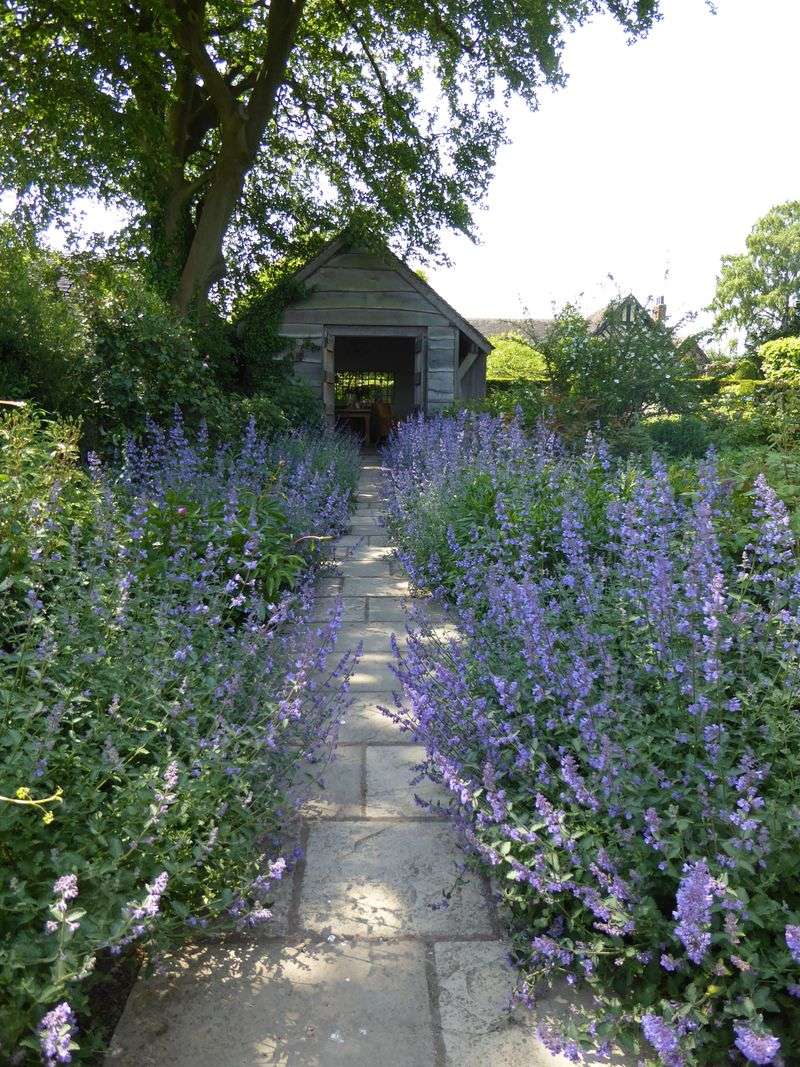
Catmint, with its soft lavender-blue flowers and silver-green foliage, is a charming addition to any garden. It’s loved by cats and beneficial insects alike, creating a bustling eco-friendly space.
This perennial is known for its drought tolerance and long blooming period. It thrives in sunny spots, often used to line paths with its cascading growth habit.
Catmint’s relaxing aroma is an added bonus, often used in teas and herbal remedies. Its carefree nature ensures it remains a staple in cottage gardens worldwide.
Japanese Anemone
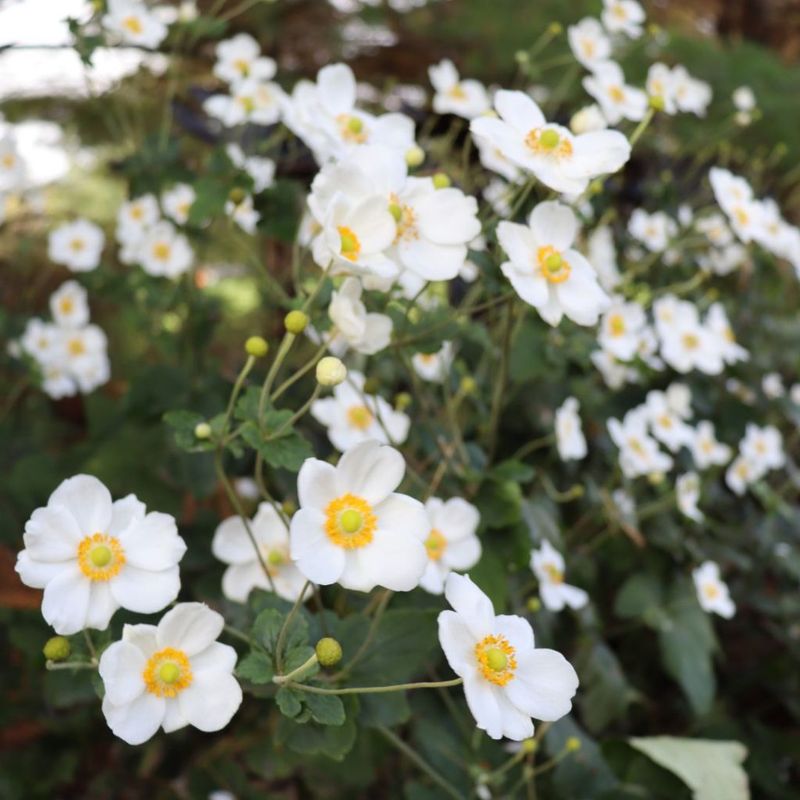
Japanese Anemones grace gardens with their delicate pink and white flowers during late summer and fall. Their graceful stems sway in the breeze, creating a calming motion.
These perennials thrive in partial shade and well-drained soil, making them a great choice for woodland gardens. Their ability to spread gently over time provides lush ground cover with minimal upkeep.
Despite their elegant appearance, Japanese Anemones are surprisingly robust. They originated in China, and their historical journey to Japan adds an exotic touch to their allure.
Hellebore
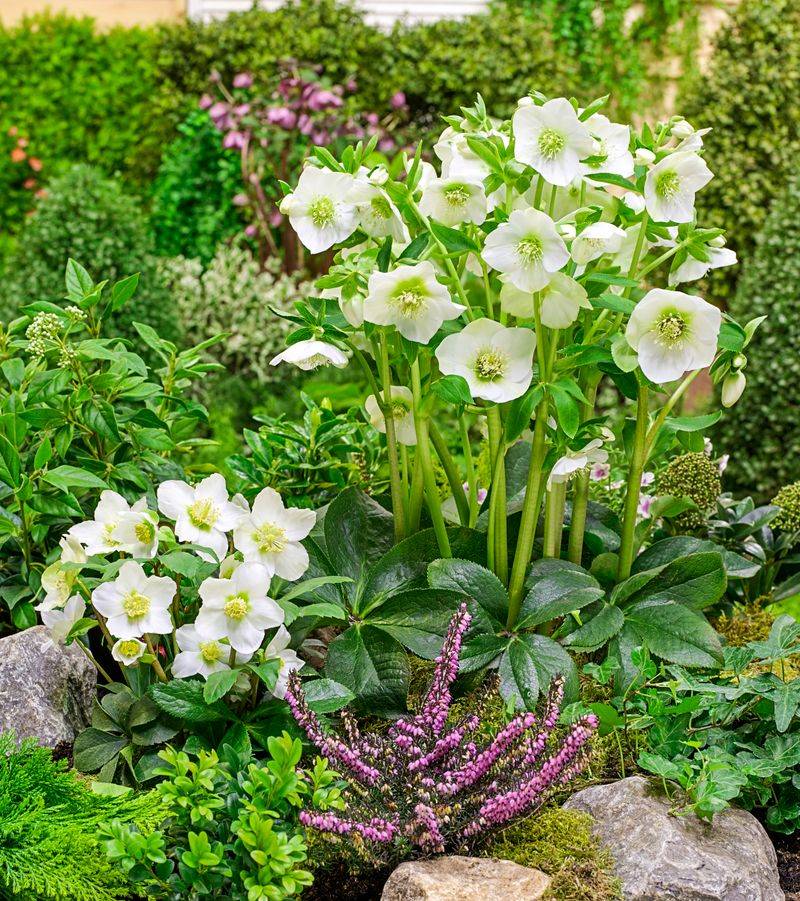
Hellebores, often called the “Christmas Rose,” bloom in a variety of hues during late winter to early spring. Their flowers, with nodding heads, bring hope amidst the last bites of winter.
These perennials are perfect for shady spots, thriving under trees and in woodland gardens. They are deer-resistant, making them a practical choice for natural settings.
Historically, hellebores were used in ancient medicine, though modern gardeners appreciate them for their beauty and hardiness. Their early blooms mark the promise of spring’s arrival.
Lamb’s Ear
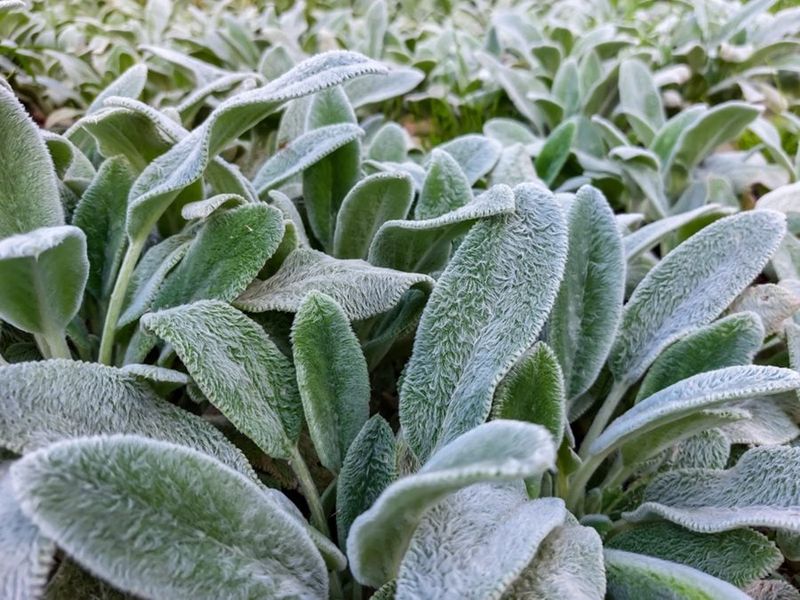
Lamb’s Ear, with its soft, velvety silver leaves, invites touch and admiration. This perennial is a favorite in sensory gardens, offering a tactile experience for young and old alike.
Its leaves form a dense mat, suppressing weeds and retaining soil moisture, making it a practical choice for garden beds. The plant’s subtle purple flowers add a gentle pop of color in summer.
Lamb’s Ear has historical ties to wound healing, its leaves used as bandages in times gone by. Its durability and charm continue to captivate gardeners worldwide.
Brunnera (Siberian Bugloss)

Brunnera, known as Siberian Bugloss, enchants with heart-shaped leaves and tiny blue flowers reminiscent of forget-me-nots. Its foliage often features striking silver patterns, adding a touch of elegance.
Thriving in shady areas, it brings life to those often-overlooked garden corners. It’s perfect for naturalistic gardens where minimal intervention is desired.
Brunnera’s resilience and beauty make it a reliable choice for gardeners seeking low-maintenance diversity. Its enchanting presence reminds one of woodland fairytales, inviting whimsy into any landscape.
Heuchera (Coral Bells)
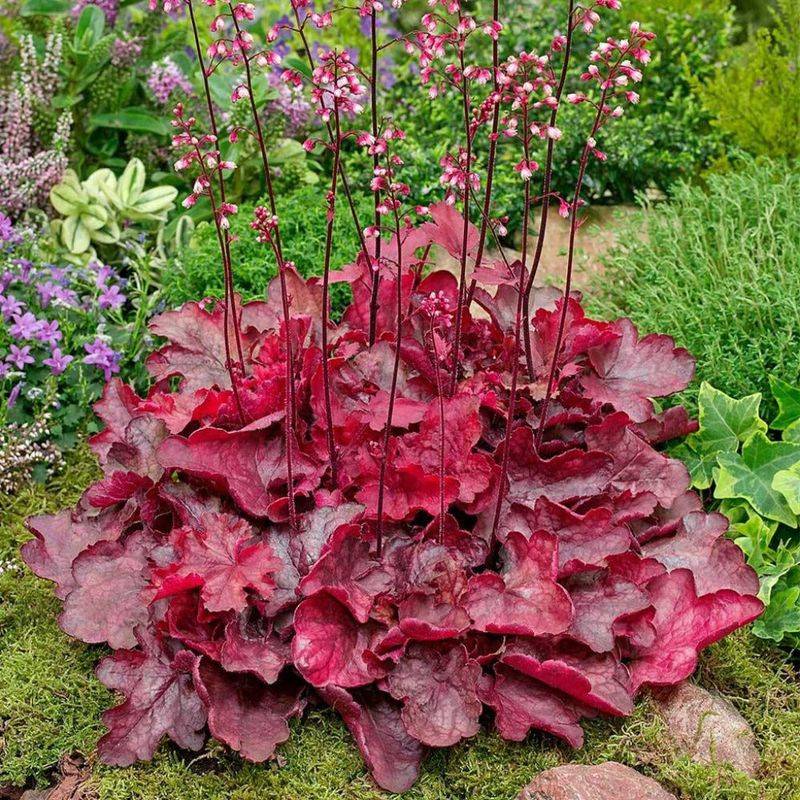
Heuchera, or Coral Bells, are celebrated for their vibrant foliage that spans reds, purples, and greens. These perennials add a contemporary touch to any garden design.
Their small, bell-shaped flowers attract hummingbirds, adding a lively element to your garden. Heuchera thrives in a variety of conditions, from full sun to partial shade.
With a history linked to Native American herbal medicine, these plants offer both aesthetic appeal and cultural richness. Their year-round foliage keeps gardens looking fresh and inviting.