
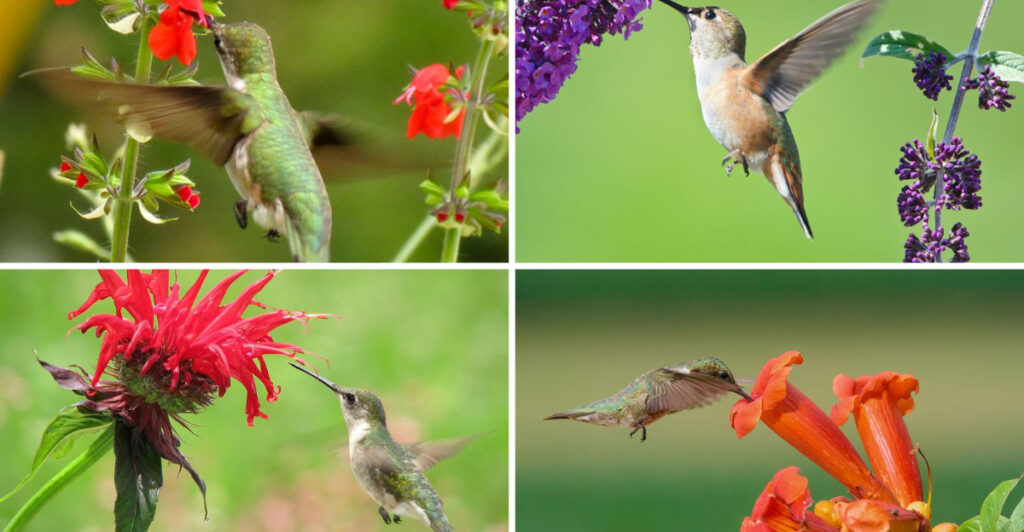
Transforming a garden into a wildlife sanctuary is an enriching experience that brings nature’s wonders to your doorstep. Over six months, I dedicated my efforts to cultivating 23 varieties of hummingbird flowers, each attracting vibrant visitors. This journey not only enhanced the beauty of my garden but also created a thriving habitat for birds, insects, and more. Join me as I share the highlights of this transformative adventure, underscoring the profound impact of these remarkable flowers on my tiny slice of paradise.
1. Scarlet Sage
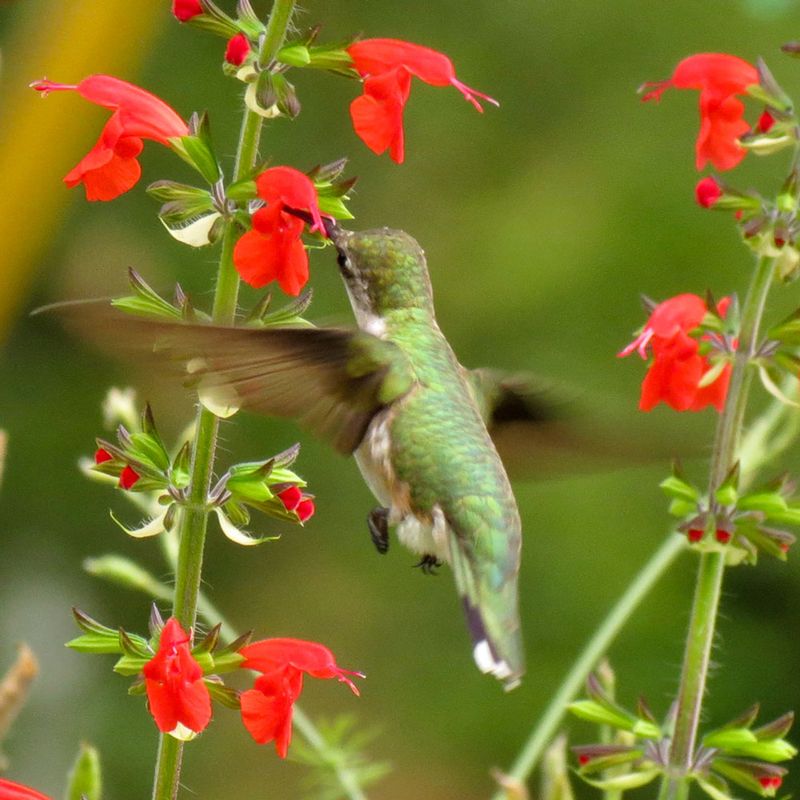
Scarlet Sage, with its fiery red blooms, is a magnet for hummingbirds. These tubular flowers provide an abundant source of nectar, making them a favorite among these tiny birds. In the early mornings, the garden comes alive with the buzzing and fluttering of wings, as hummingbirds dart from flower to flower, sipping the sweet nectar.
This perennial plant not only adds color to the garden but also supports the local ecosystem. Its hardy nature makes it an excellent choice for gardeners looking to attract wildlife. The Scarlet Sage stands as a testament to nature’s allure and resilience.
2. Bee Balm
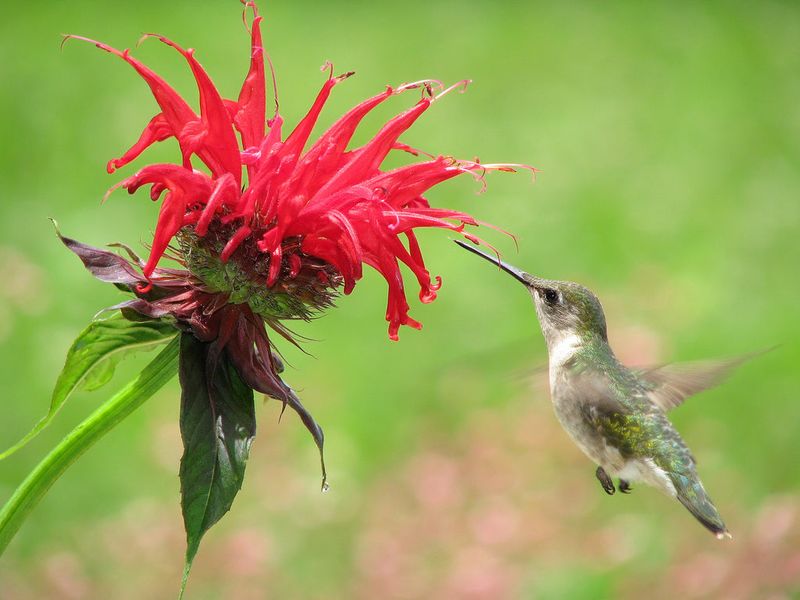
Bee Balm, known for its rich fragrance and vibrant colors, is a garden delight. Its spiky blossoms, in shades of pink and red, are irresistible to hummingbirds and insects alike. As dawn breaks, the garden echoes with the hum of bees and the swift flapping of hummingbird wings.
Planting Bee Balm not only brightens the garden visually but also supports a healthy pollinator population. This flower’s ability to draw in wildlife makes it a cornerstone in cultivating a diverse ecosystem. Every garden should boast such a lively and beneficial plant.
3. Trumpet Vine
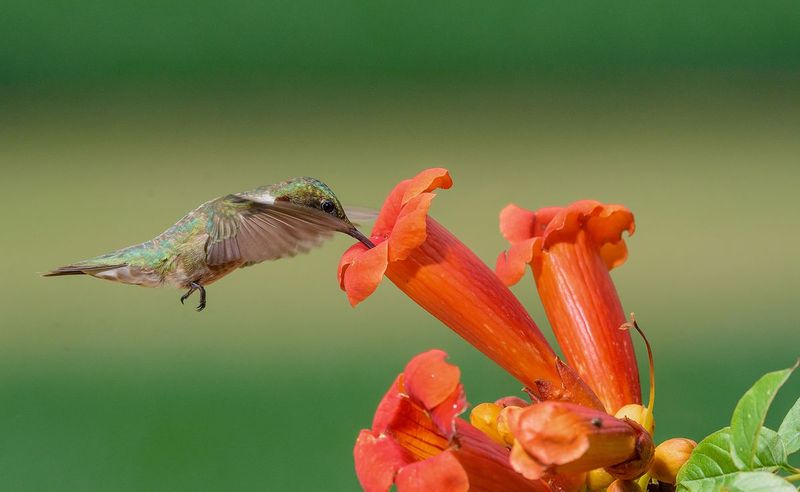
The Trumpet Vine is a spectacle of nature with its bold orange blossoms. These striking flowers hang like trumpets, calling out to every hummingbird in the vicinity. Their nectar-rich tubes are a feast for these swift flyers, who flock to the plant in droves.
This vigorous climber not only serves as a food source but also provides shelter for small creatures. It’s a haven of activity, with birds flitting and insects buzzing around its leafy tendrils. For any gardener, the Trumpet Vine is both a challenge and a reward, offering beauty and life.
4. Columbine
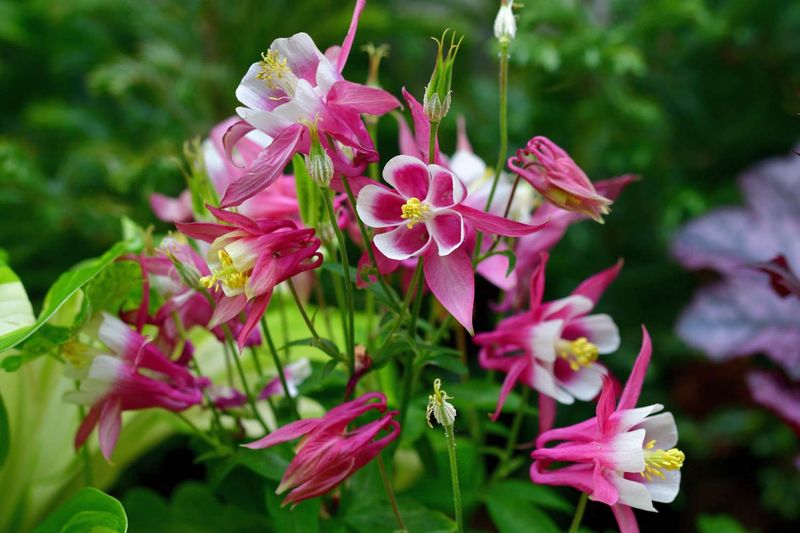
Columbine flowers are a delicate mix of elegance and functionality. With their unique spurred petals, they offer a distinctive nectar source for hummingbirds. In the soft light of dawn, these flowers seem to dance as hummingbirds hover in graceful arcs.
Their varied shades of purple and yellow add a subtle yet striking contrast to the garden’s palette. Columbines thrive in shaded areas, providing a perfect oasis for wildlife seeking respite. These flowers exemplify the harmony between beauty and utility in a wildlife-friendly garden.
5. Cardinal Flower
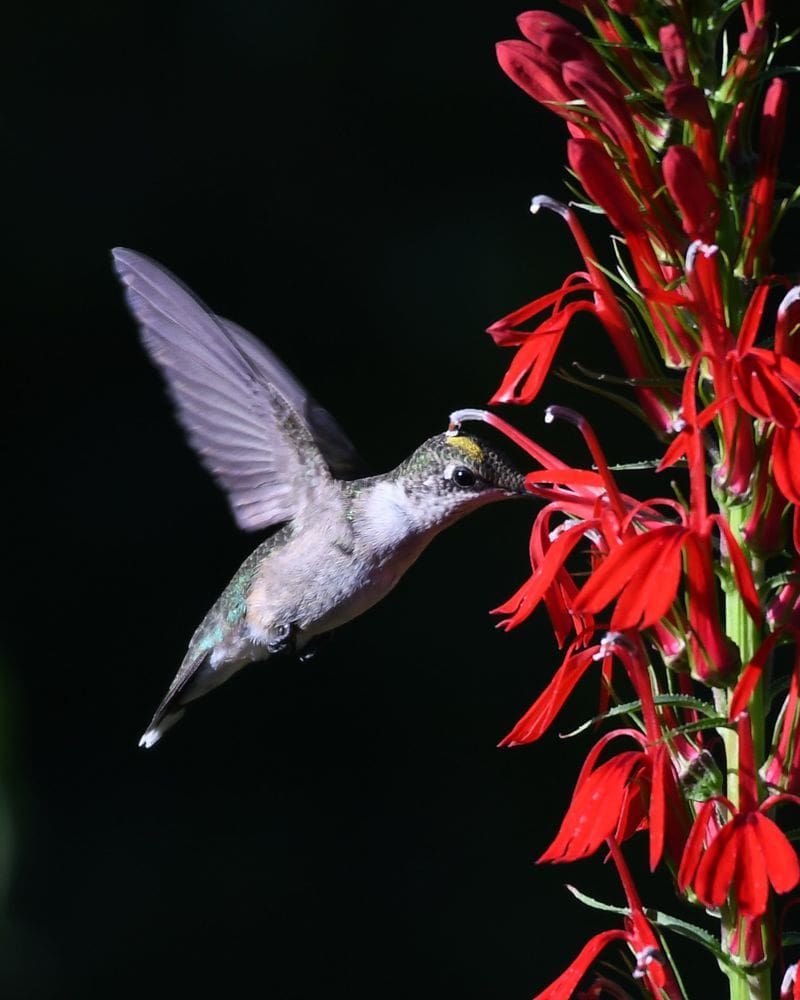
Cardinal Flowers are vibrant harbingers of summer, with their bright red petals standing out against the greenery. These flowers are a beacon for hummingbirds, who find their nectar irresistible. The garden buzzes with activity as these birds make their rounds.
Beyond their visual appeal, Cardinal Flowers play a significant role in supporting pollinators. Their preference for moist soil makes them ideal for garden edges and water features. This plant is a shining example of how flowers can create a dynamic environment for wildlife.
6. Fuchsia
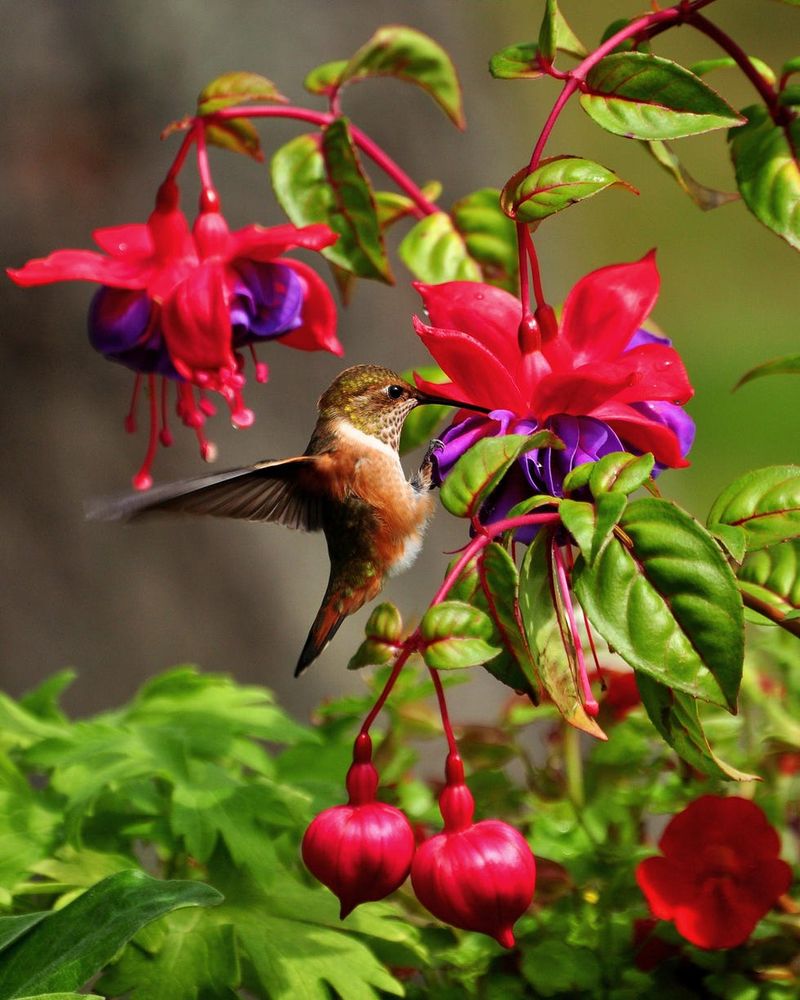
Fuchsias, with their pendant-like pink and purple flowers, are a whimsical addition to any garden. These blossoms are perfectly designed for hummingbirds, offering easy access to their rich nectar. The sight of these birds feeding is a delightful spectacle.
These plants thrive in hanging baskets, adding vertical interest and depth to the garden. Their vibrant colors bring a playful and lively atmosphere, attracting not only birds but also the admiration of garden visitors. Fuchsias are a symbol of joy and the enchanting dance of nature.
7. Petunia
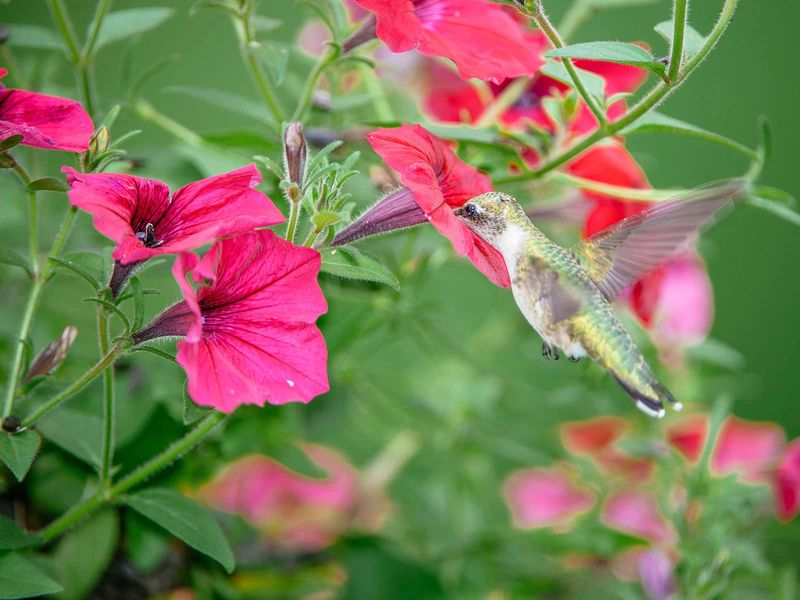
Petunias are a garden staple, known for their wide range of colors and patterns. These flowers provide a reliable nectar source for hummingbirds, who flit from bloom to bloom with effortless grace. The garden becomes a vibrant tapestry, woven with the colors of these blooms.
Their easy care and long blooming season make Petunias a favorite among gardeners. These flowers enhance garden aesthetics while supporting local wildlife, creating a harmonious and lively outdoor space. Petunias showcase the seamless blend of beauty and ecological benefit.
8. Red Hot Poker
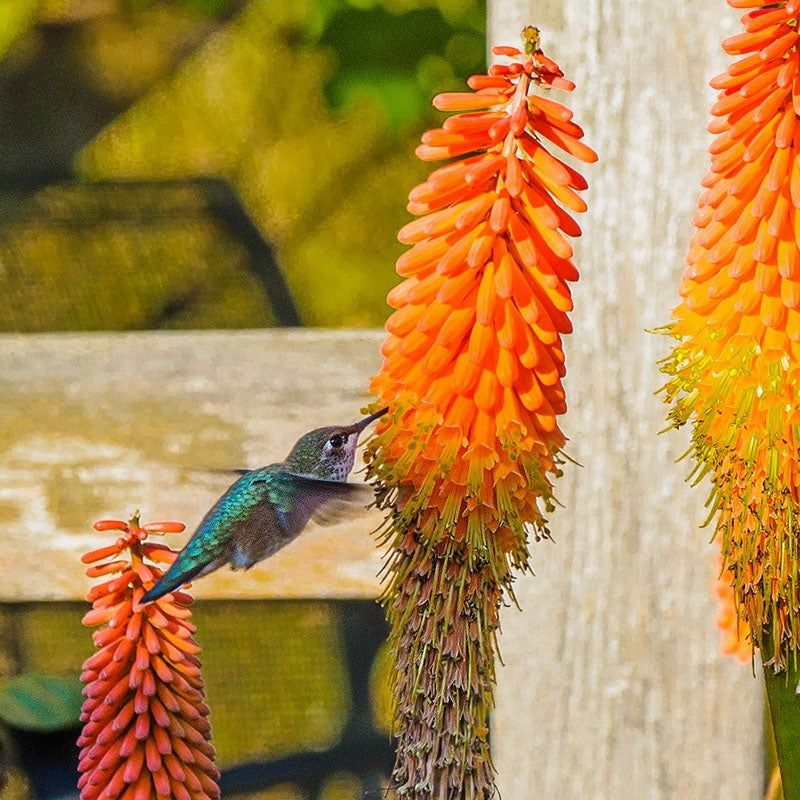
Red Hot Poker, or Kniphofia, is a showstopper in any garden. These tall, fiery blooms attract hummingbirds like a magnet.
Known for their unique shape and vibrant colors, they create a dramatic visual impact. As the sun sets, their glowing presence stands out even more, making the garden look like a fiery oasis.
For six months, these flowers played a central role in attracting wildlife, especially on cooler mornings when their warmth was irresistible. A true spectacle, they offer both beauty and functionality, embodying the spirit of a lively garden sanctuary.
9. Butterfly Bush
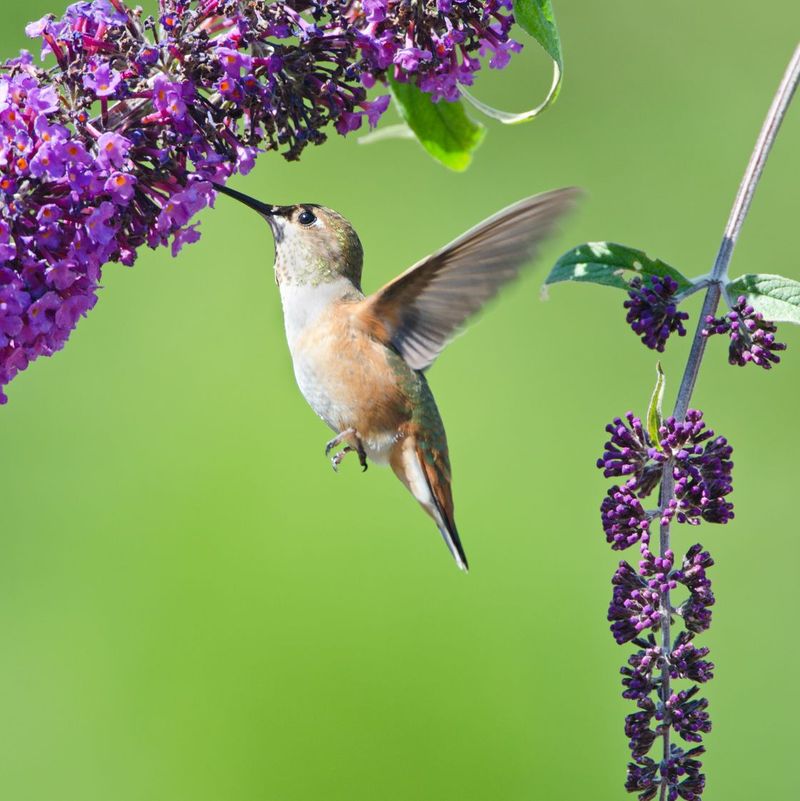
Butterfly Bush, known for its fragrant, nectar-rich blooms, is a favorite among hummingbirds.
Its cascading clusters of violet flowers not only draw in these lively birds but also provide a feast for butterflies and bees. The sight of a hummingbird flitting around, sipping nectar, is a daily delight.
Throughout the months, this bush served as a vibrant beacon, inviting a diverse array of wildlife to my garden. Its ability to thrive and bloom continuously ensures a lively and colorful sanctuary, celebrating the essence of nature’s bounty.
10. Coral Bells
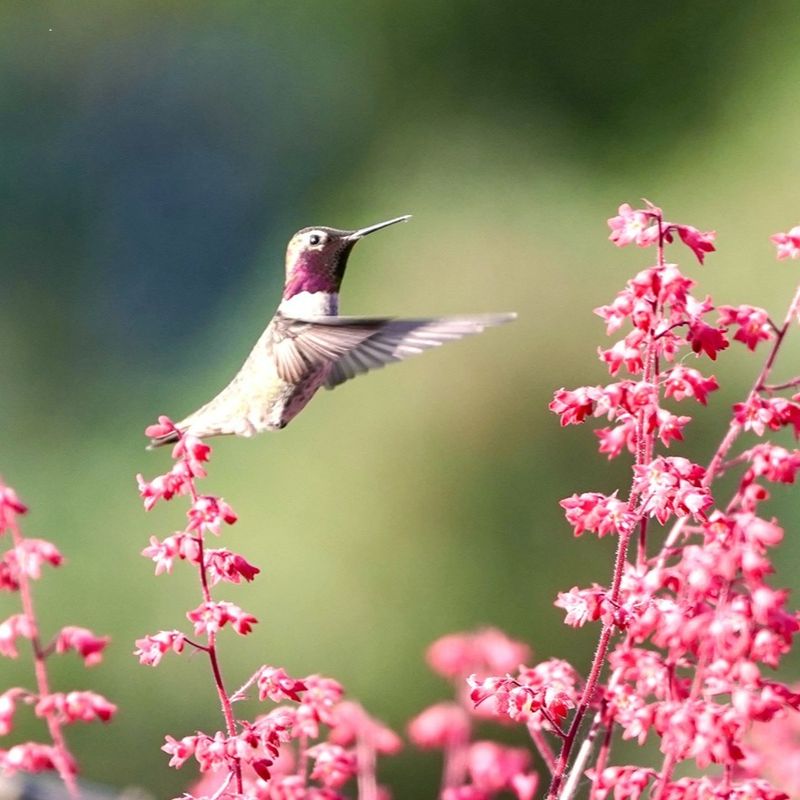
Coral Bells are known for their delicate, bell-shaped flowers and striking foliage.
These charming blooms add a touch of elegance, creating a soft, inviting atmosphere. Hummingbirds are particularly fond of their nectar, often seen hovering gracefully among them.
The vibrant foliage provides a stunning contrast, ensuring the garden remains visually appealing throughout the seasons. These flowers have become a staple in my garden, beloved not only for their beauty but also for the tranquility they bring, transforming the space into a peaceful retreat.
11. Salvia
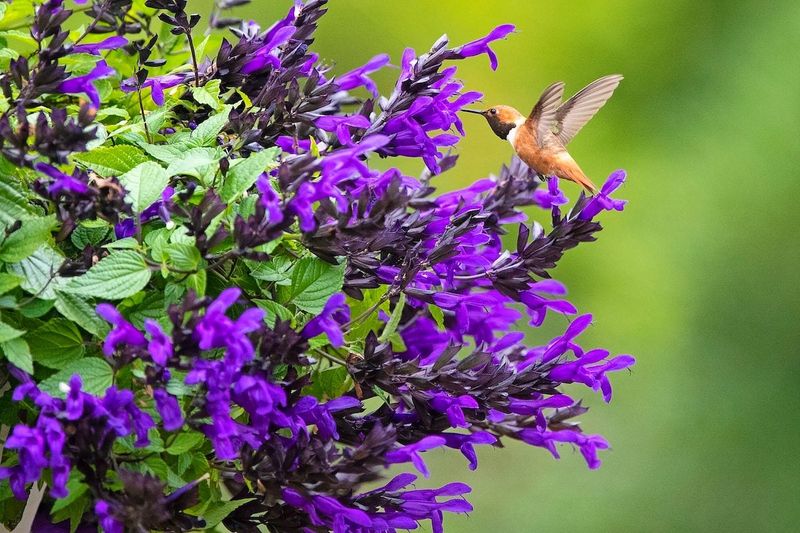
Salvia, with its spikes of vibrant blooms, is a standout in the garden.
Known for its long-lasting flowers, it attracts hummingbirds with its ample nectar supply. The deep blues and purples add a touch of mystery and elegance to the garden.
As a hardy plant, Salvia provides consistent beauty and sustenance, making it a reliable favorite among both gardeners and wildlife. This perennial favorite ensures a dynamic and lively garden, welcoming hummingbirds with open arms and enriching the garden’s vibrant tapestry.
12. Lantana
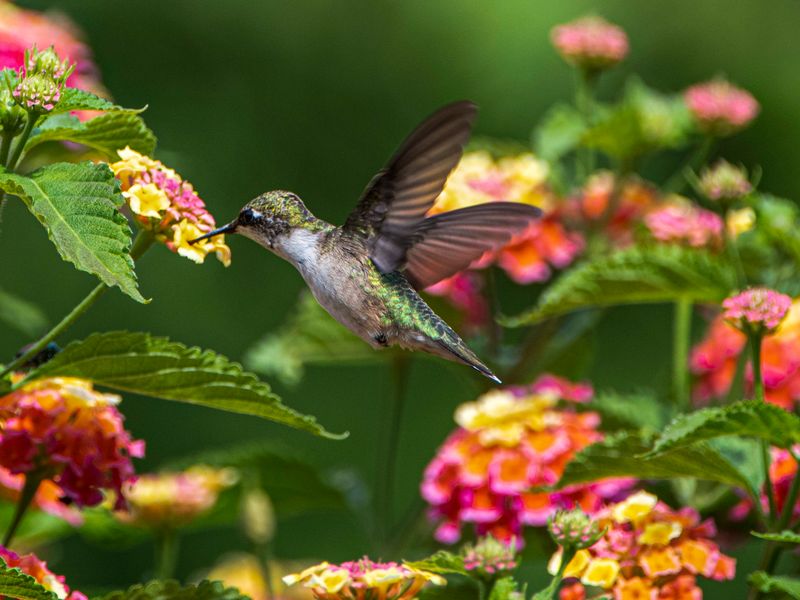
Lantana is renowned for its vibrant, multi-colored flowers that serve as a beacon for hummingbirds.
These blooms, with their rich hues of orange, yellow, and pink, add a tropical flair to the garden. The ever-blooming nature ensures a constant feast for the curious and hungry visitors.
Over the months, Lantana has proven to be a resilient and colorful addition, supporting the garden’s ecosystem. Its presence creates a lively atmosphere, embodying the joy and vibrancy of a thriving wildlife sanctuary.
13. Hummingbird Mint
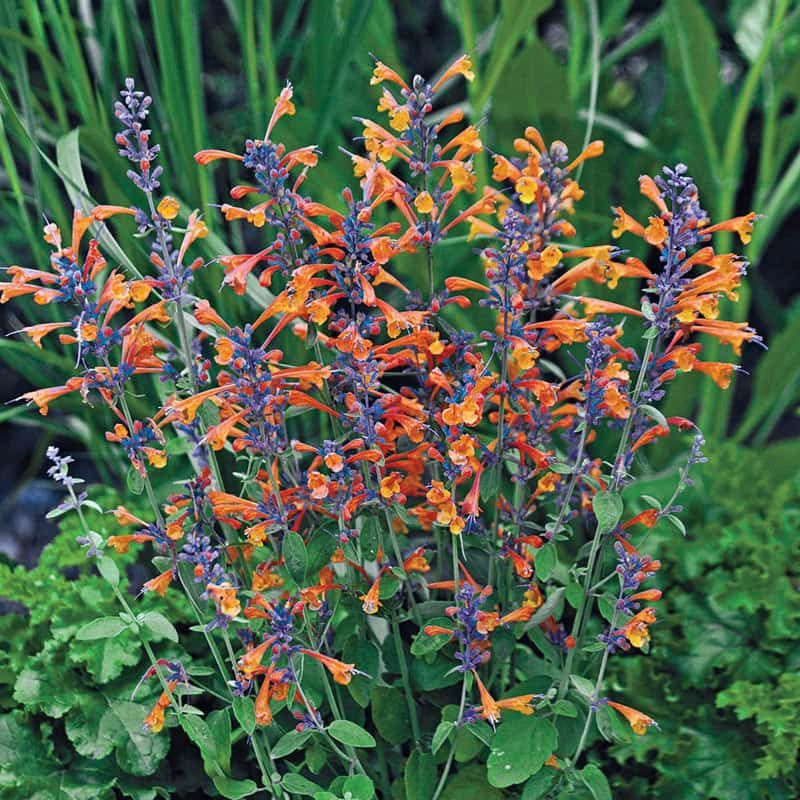
Hummingbird Mint, or Agastache, is a staple in any wildlife-friendly garden.
Its fragrant, tubular flowers are a favorite of hummingbirds, offering a plentiful supply of nectar. These blooms add grace and charm, enhancing the sensory experience with their delightful scent.
The minty aroma and colorful display make this plant a versatile choice, ensuring the garden remains fresh and inviting. This perennial has been a cornerstone in my garden, consistently drawing in wildlife and adding a layer of sensory richness to the sanctuary.
14. Penstemon
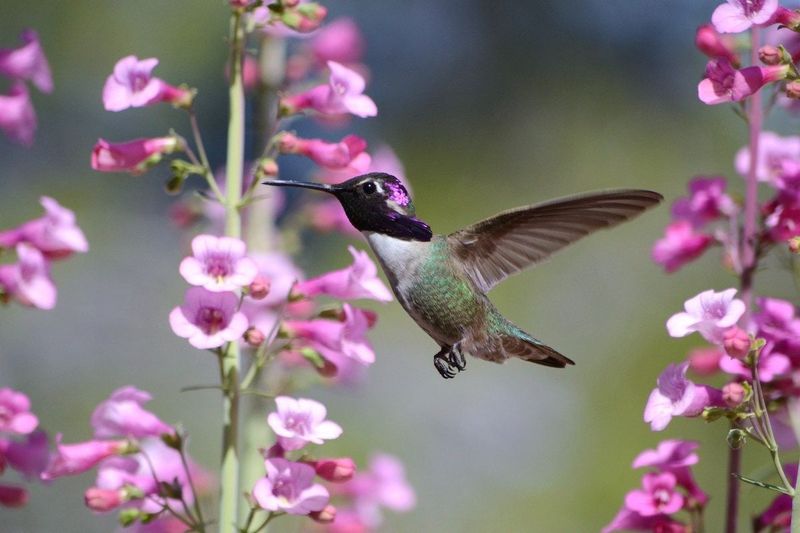
Penstemon, often referred to as Beard Tongue, offers elongated, tubular blooms perfect for hummingbirds.
These vibrant flowers, ranging from pink to red, add a splash of color and energy, making them an eye-catching addition. Their nectar-rich nature ensures they are constantly abuzz with activity.
Over time, Penstemon has proven to be a resilient and attractive plant, thriving in various conditions. Its presence in the garden not only attracts hummingbirds but also enriches the environment, creating a lively and colorful oasis.
15. Honeysuckle
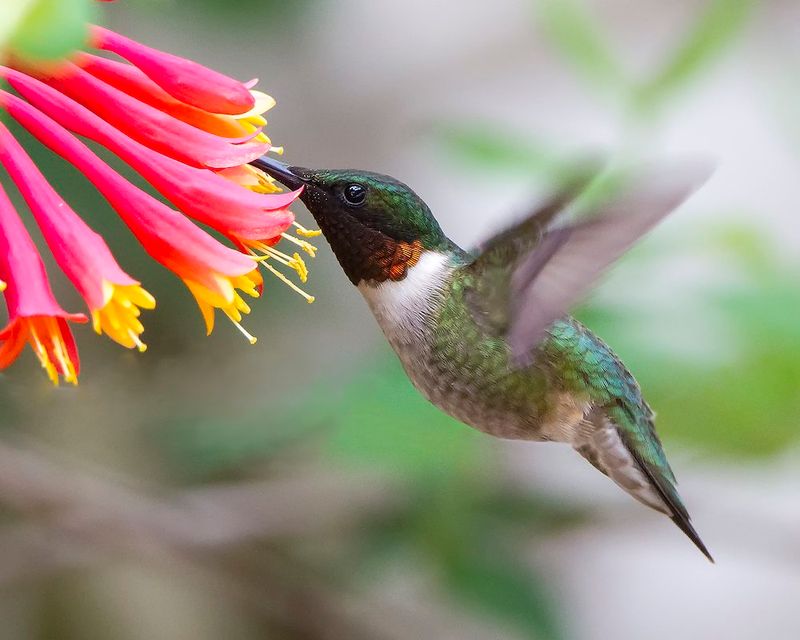
Honeysuckle is synonymous with childhood nostalgia, with its sweet, fragrant flowers inviting hummingbirds to indulge.
The tubular blooms, in vivid reds and oranges, create a mesmerizing spectacle, often becoming a central feature. Their scent wafts gently through the garden, enhancing its allure.
Over six months, the Honeysuckle vine has become a cherished part of the garden, offering both beauty and sustenance. Its entwining nature promotes a sense of harmony and interconnectedness, making the garden a truly welcoming place for all.
16. Zinnia
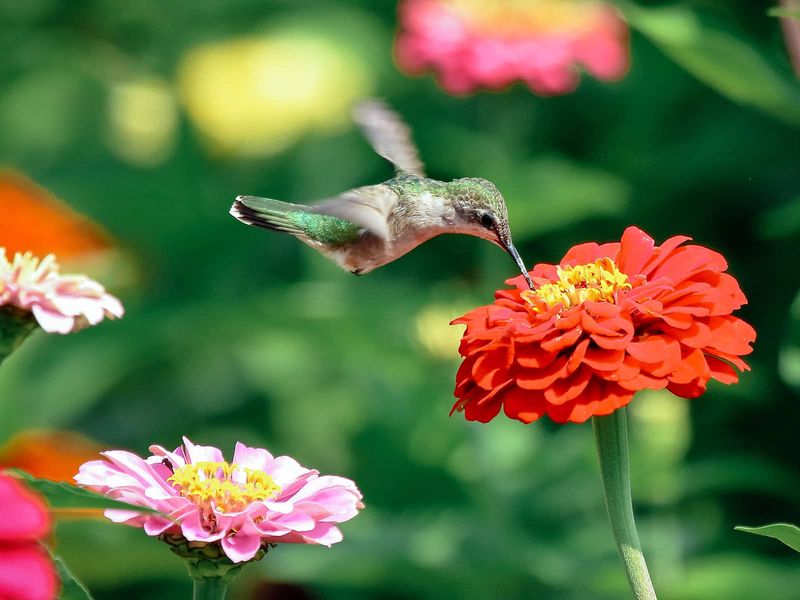
Zinnias, with their bold and cheerful blooms, bring a pop of color to any garden space.
These flowers are a magnet for hummingbirds, offering an abundant source of nectar. Their diverse palette, ranging from reds to pinks and yellows, adds a lively and joyful atmosphere.
Throughout the months, Zinnias have proven to be a robust and vibrant addition, consistently drawing in wildlife. Their resilience and vibrant hues embody the garden’s spirit, creating a sanctuary that’s both dynamic and nurturing.
17. Verbena
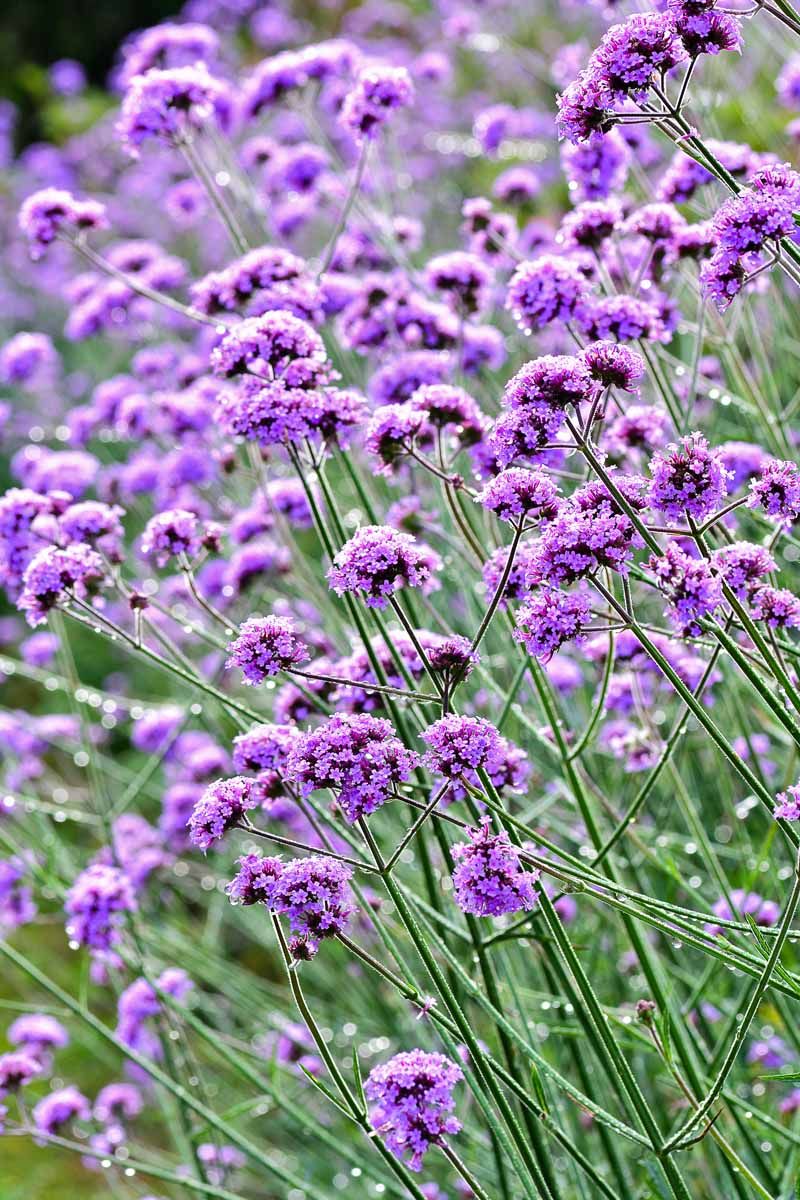
Verbena is celebrated for its clusters of small, vibrant flowers that attract hummingbirds with their sweet nectar.
These blooms, known for their long-lasting nature, add a touch of elegance and brightness. The ability of Verbena to thrive in various conditions makes it a versatile choice for any garden.
Throughout the seasons, Verbena has been a reliable source of beauty and nourishment, consistently attracting a diverse array of wildlife. Its presence enhances the garden’s vibrancy, ensuring a lively and inviting sanctuary for all visitors.
18. Catmint
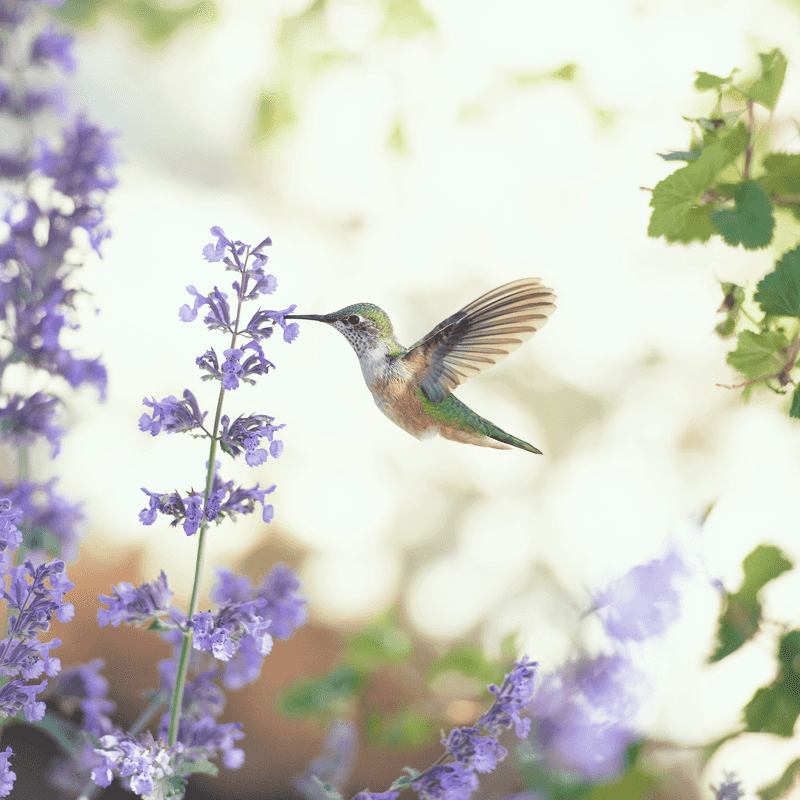
Catmint, with its soothing lavender flowers, introduces a calming presence to the garden.
These blooms are a favored spot for hummingbirds, providing ample nectar amidst a sea of tranquility. Known for its hardy nature, Catmint thrives in various conditions, ensuring a lush, vibrant display.
Over time, this plant has become a staple, attracting not only hummingbirds but also a variety of pollinators. Its gentle sway and muted hues create a serene backdrop, fostering a peaceful and inviting garden sanctuary.
19. Foxglove
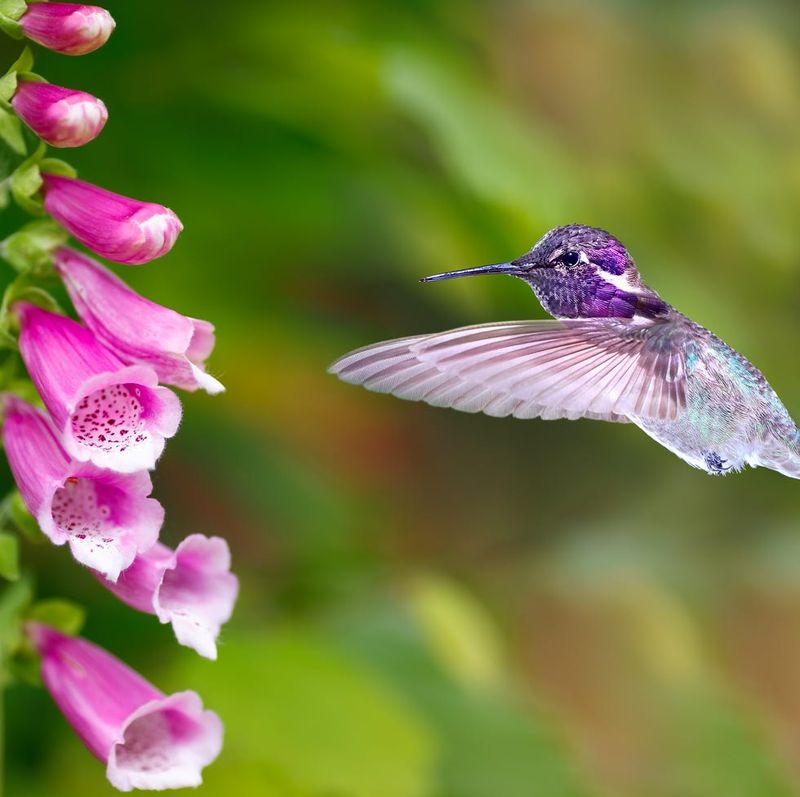
Foxglove, with its towering spikes of bell-shaped flowers, commands attention in any garden.
These stunning blooms, often in pinks and whites, offer a rich source of nectar for hummingbirds. Their majestic appearance adds height and drama, creating a garden centerpiece.
During the months of blooming, Foxglove has been a magnet for wildlife, enhancing the garden’s dynamic ecosystem. Its presence speaks to the grandeur and diversity of nature, transforming the garden into a lively and enchanting sanctuary.
20. Lupine
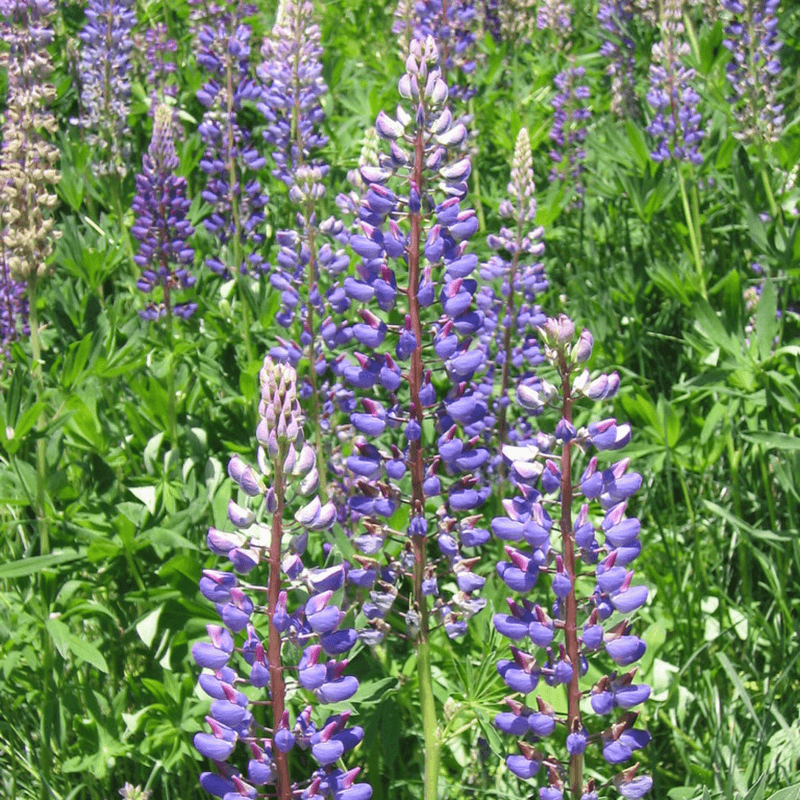
Lupine, with its tall, spiky blooms, adds a touch of elegance and whimsy.
These flowers, often in shades of blue and purple, are a favorite among hummingbirds, offering a tempting supply of nectar. Lupine’s striking appearance makes it a standout feature in the garden, capturing attention from all who visit.
Over time, Lupine has enriched my garden with its vibrant hues and dynamic presence, drawing in a variety of wildlife. It embodies the garden’s spirit of growth and renewal, ensuring a lively and welcoming sanctuary.
21. Crocosmia
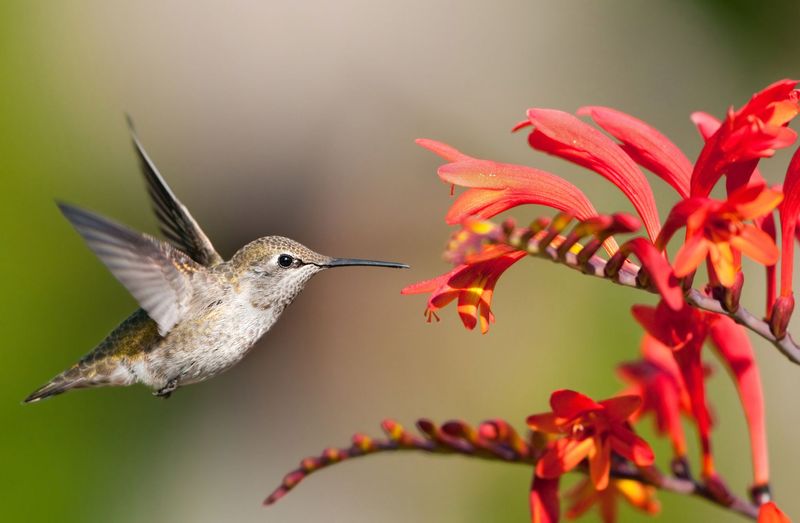
Crocosmia, with its fiery red blooms, is a striking addition to any garden.
These flowers, with their slender, arching stems, attract hummingbirds with their abundant nectar. The vibrant reds create a dramatic and energetic atmosphere, drawing attention and admiration.
Throughout the months, Crocosmia has played a vital role in sustaining the garden’s ecosystem, offering both beauty and nourishment. Its presence ensures a dynamic and lively garden, captivating both the eye and the imagination.
22. Cuphea
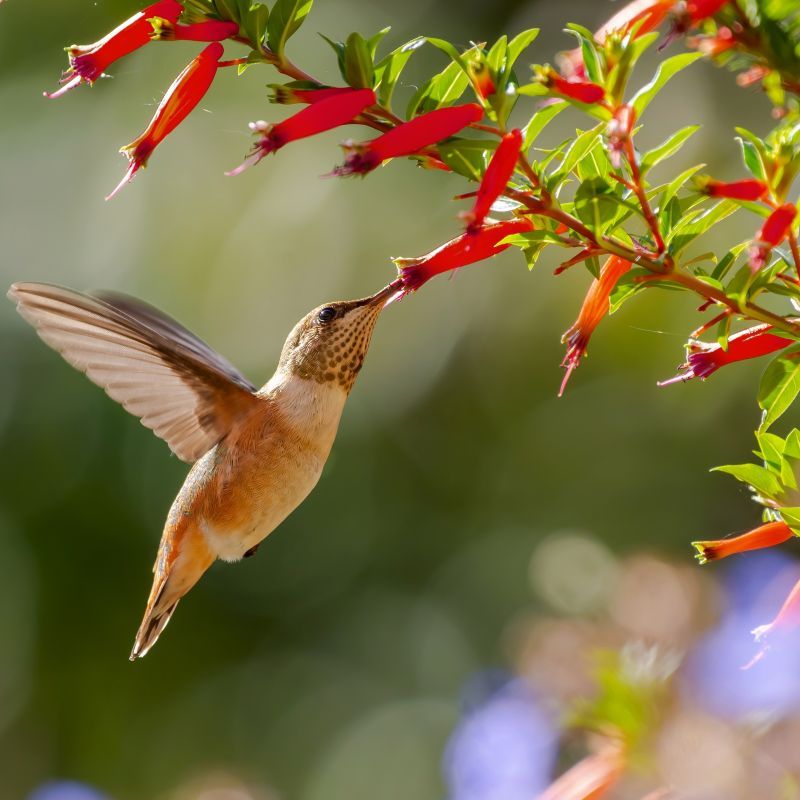
Cuphea, often called the cigar plant, is known for its unique, cylindrical blooms.
These vibrant flowers, with their fiery orange and red hues, are a paradise for hummingbirds, offering a rich nectar supply. Their distinctive shape and color make them a captivating addition to the garden.
Over the months, Cuphea has thrived, consistently attracting wildlife and enhancing the garden’s diversity. Its presence speaks to the creativity and vibrancy of nature, ensuring a lively and engaging sanctuary for all visitors.
23. Firecracker Plant
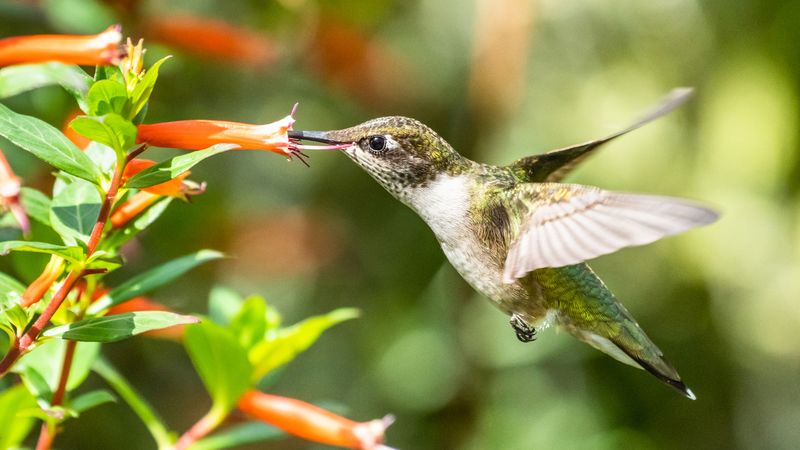
Firecracker Plant, with its bright red, tubular blooms, adds a burst of energy to the garden.
These striking flowers are a favorite among hummingbirds, providing an ample supply of nectar. Their vibrant color and dynamic shape make them a standout feature in any garden setting.
Over time, the Firecracker Plant has become a symbol of vitality and life, consistently drawing in wildlife. Its presence ensures a lively and colorful garden, embodying the spirit of a flourishing wildlife sanctuary.
24. Snapdragon
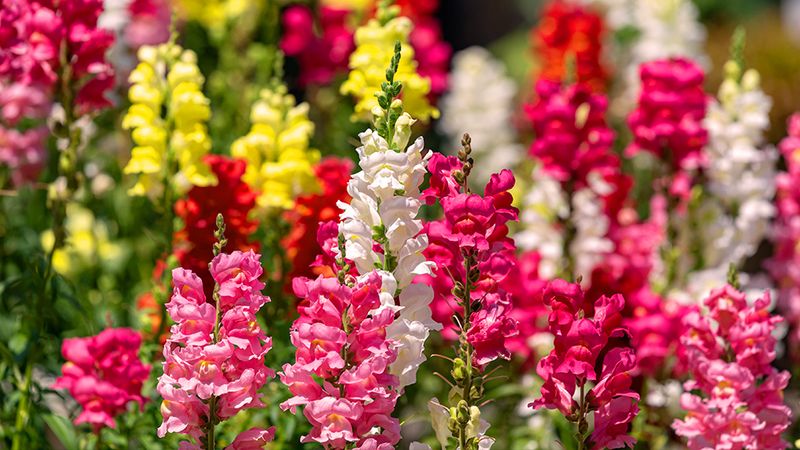
Snapdragon, with its dragon-like blooms, brings a playful and whimsical touch to the garden.
These flowers, available in a variety of colors, are a favorite among hummingbirds, offering a delicious nectar supply. Their unique shape and vibrant hues capture attention and curiosity.
Throughout the blooming season, Snapdragons have enlivened the garden with their charm and vivacity. They symbolize the garden’s playful spirit, providing a welcoming and lively sanctuary for all visitors, both winged and otherwise.