
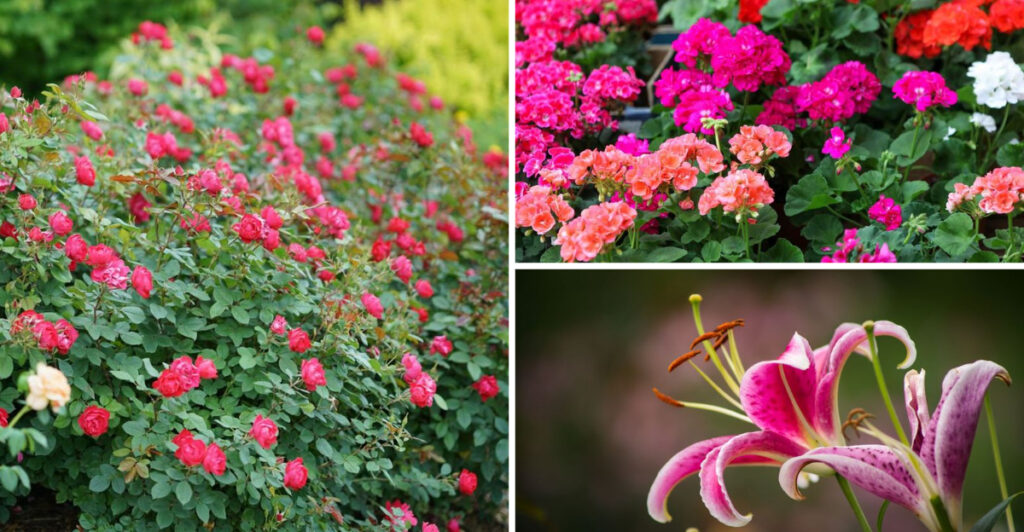
Enhancing your garden for bees can be both rewarding and beneficial for the ecosystem. However, not all flowers contribute equally to the well-being of these essential pollinators. While some blooms might be visually appealing, they fail to provide the necessary resources bees need, such as nectar and pollen. In this blog post, we explore 11 flowers that do little to support bees and introduce you to 15 alternatives that are proven to attract and nourish them. By choosing the right plants, you can create a buzzing haven that supports bee populations and promotes a healthy garden environment.
1. Geranium
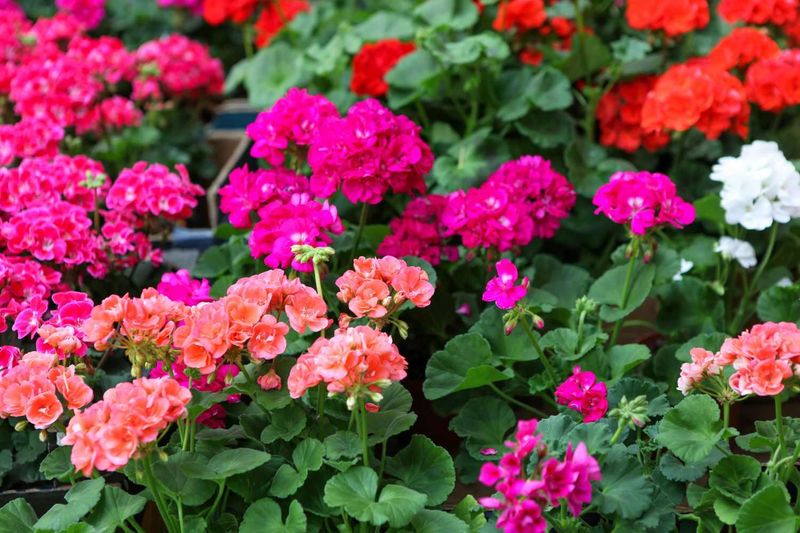
Geraniums might dazzle with their vibrant colors, but they often leave bees buzzing with disappointment. While they are a staple in many gardens due to their resilient nature, their lack of nectar makes them less attractive to pollinators.
Gardeners might not realize that these flowers, despite their beauty, offer little sustenance for bees. If you’re aiming for a bee-friendly garden, it might be time to reconsider.
Instead of filling your flower beds with these vibrant blooms, consider alternatives that offer nourishment and support bee populations.
2. Begonias
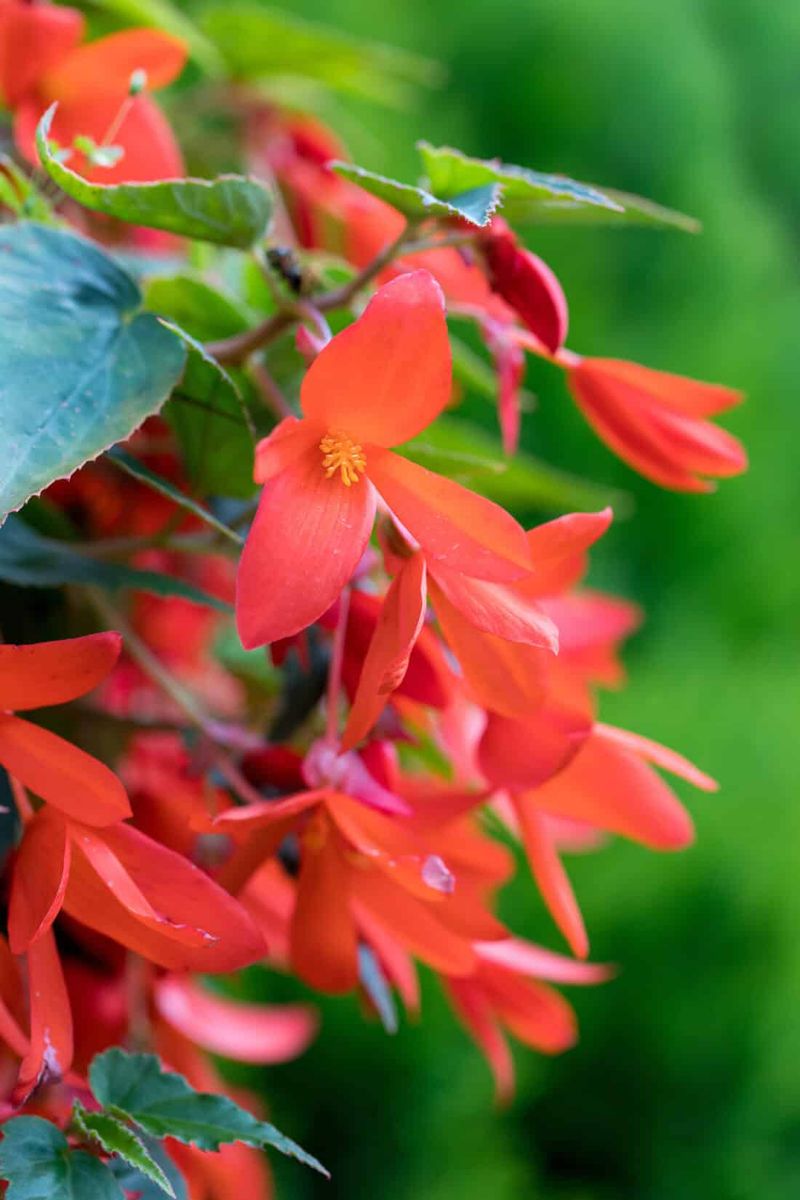
Begonias, with their lush petals, capture the hearts of many gardeners but leave bees unfazed. These flowers, often used for their ornamental charm, lack the nectar bees need.
A garden full of begonias might look appealing to the human eye, yet it provides little in terms of nourishment for pollinators. If your goal is to support these vital insects, opting for more bee-friendly plants is essential.
Consider replacing begonias with plants that offer both beauty and sustenance for a thriving, buzzing garden.
3. Petunias
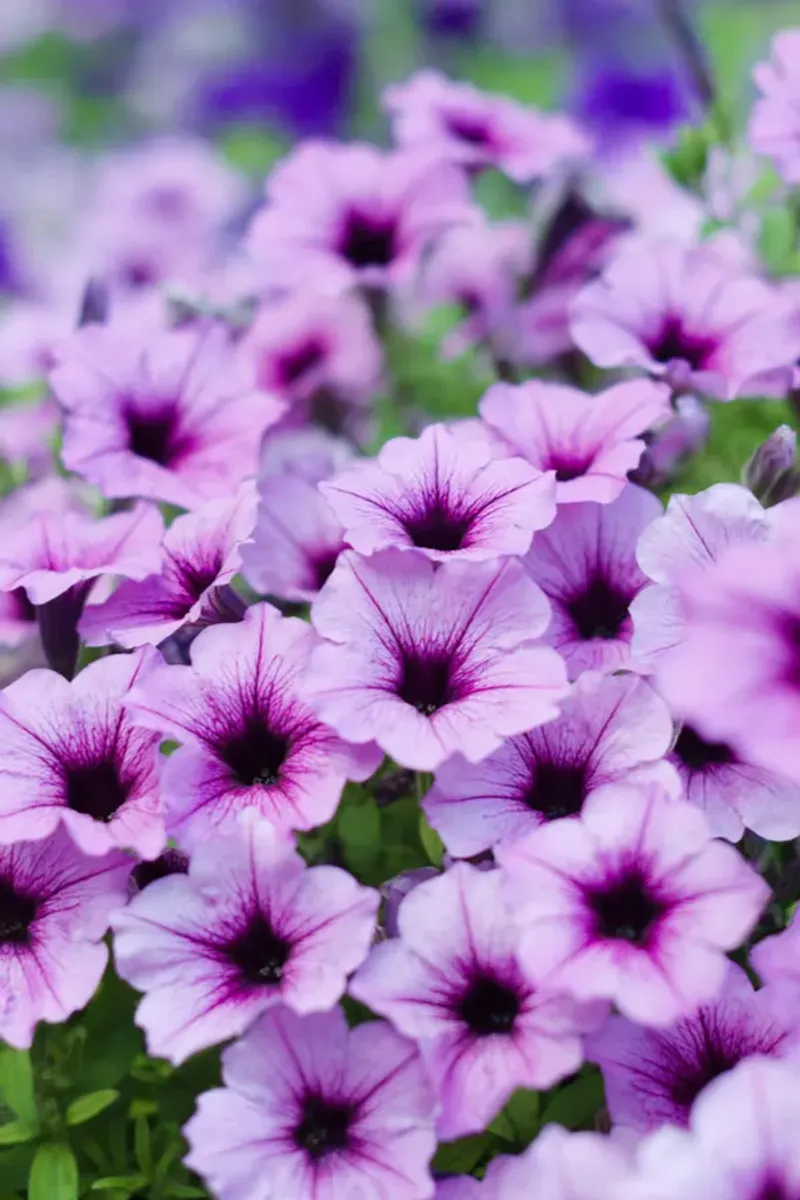
Petunias, with their stunning array of colors, might seem perfect for any garden. However, their beauty masks a lack of resources for bees seeking nourishment. These flowers are bred for aesthetics, often at the expense of functionality.
Despite their popularity, petunias don’t contribute much to a bee-friendly environment. Gardeners aiming to support pollinators should look beyond appearance.
Replacing petunias with more fruitful options can create a garden that buzzes with life and supports the ecosystem.
4. Tulips
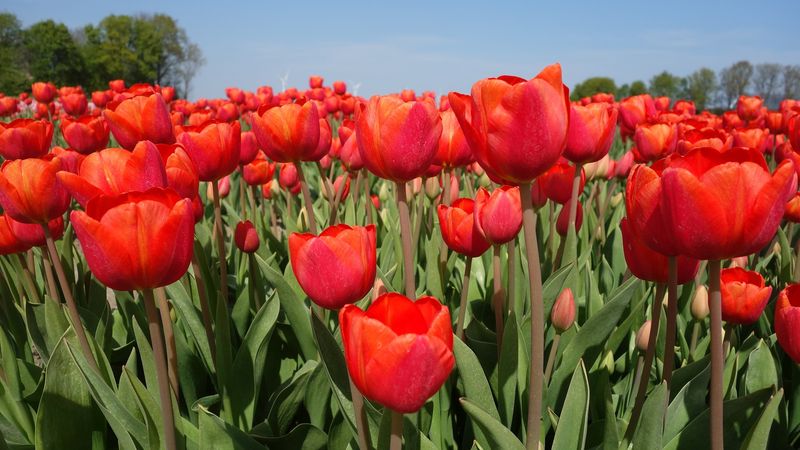
Tulips, synonymous with spring, might add elegance to your garden but offer little to bees. These iconic flowers bloom brightly but lack substantial nectar and pollen.
While they are adored for their classic beauty, their contribution to a bee-friendly habitat is minimal. Gardeners aiming to support pollinators should be mindful of their plant choices.
Substituting tulips with flowers that provide essential nutrients can transform your garden into a haven for bees.
5. Roses
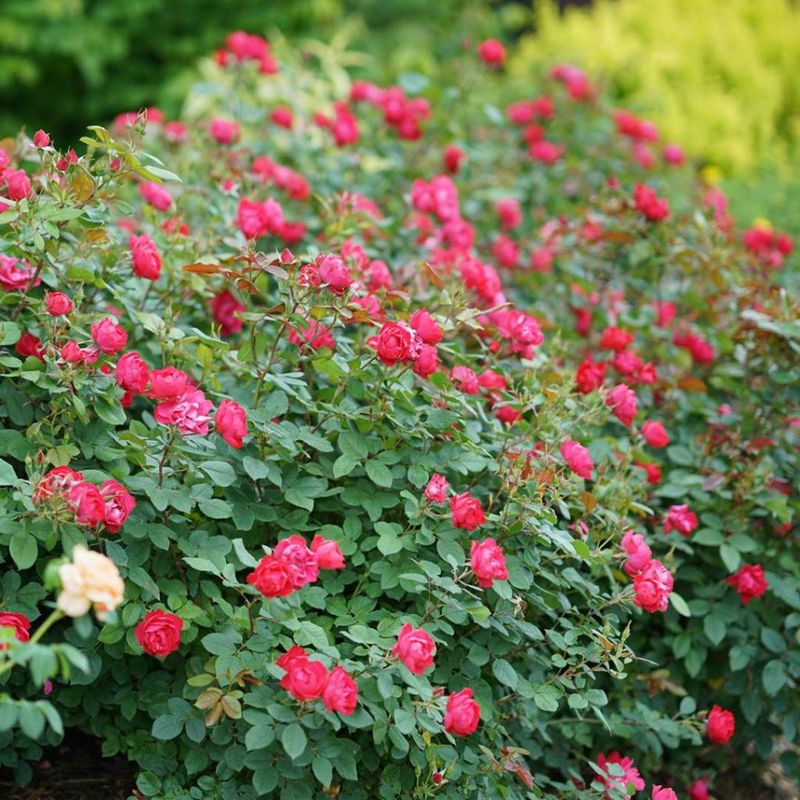
Roses often symbolize romance and beauty, yet they can leave bees searching elsewhere for food. Hybrid roses, in particular, are bred for their appearance and fragrance, often sacrificing nectar content.
While they enhance any landscape with their enchanting blooms, they might not attract the buzzing visitors you’re hoping for.
For a bee-friendly garden, consider integrating roses with other flowers that offer the nectar and pollen bees require.
6. Daffodils
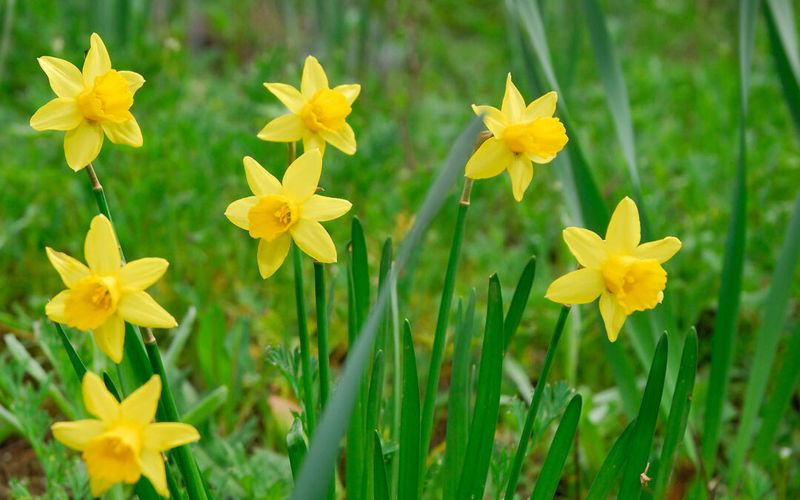
Daffodils herald the arrival of spring with their cheerful hues but fall short in supporting bee activity. These flowers, though visually uplifting, aren’t a go-to for bees in search of nutrition.
Their structure and composition don’t cater well to the needs of pollinators. For those looking to create a buzzing haven, daffodils might not be the ideal choice.
Exploring alternatives that better serve bees can enhance both the beauty and ecological value of your garden.
7. Lilies
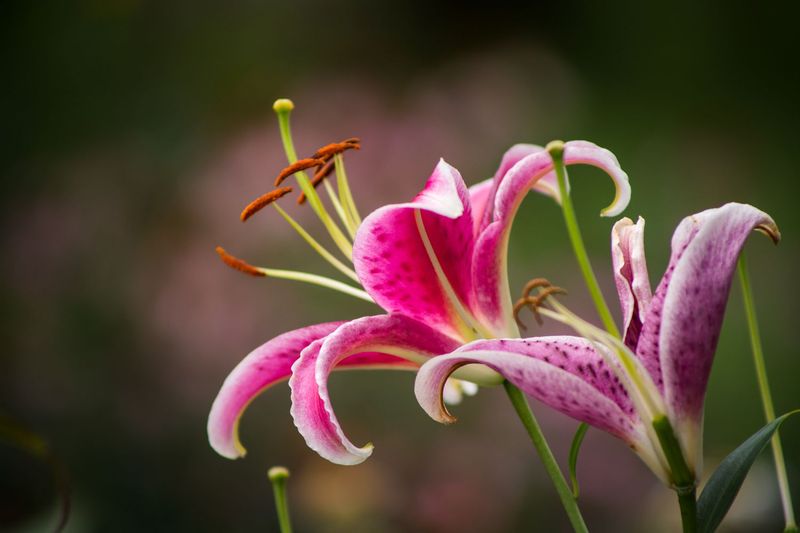
Lilies, with their exquisite beauty, might adorn your garden but don’t offer much for bees. These elegant blooms are often more about visual appeal than functionality for pollinators.
While they add a touch of sophistication to any garden setting, bees rarely visit them due to their low nectar production.
To foster a more supportive environment for these crucial insects, consider integrating more bee-friendly plants into your garden design.
8. Marigolds
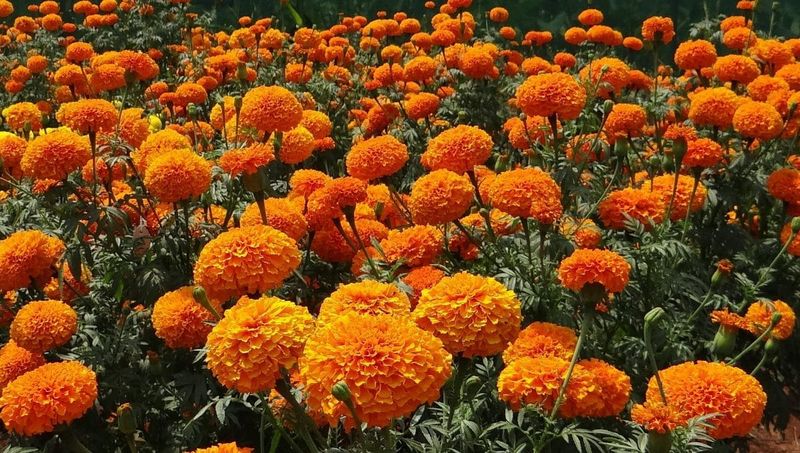
Marigolds, known for their bright, cheerful colors, are often chosen for pest control rather than bee attraction. These blooms, while effective in repelling certain insects, don’t cater to bees’ dietary needs.
Despite their vibrant display, marigolds fail to provide the resources bees require for sustenance.
To support a bustling bee population, gardeners should consider incorporating more pollinator-friendly plants alongside these traditional favorites.
9. Zinnias
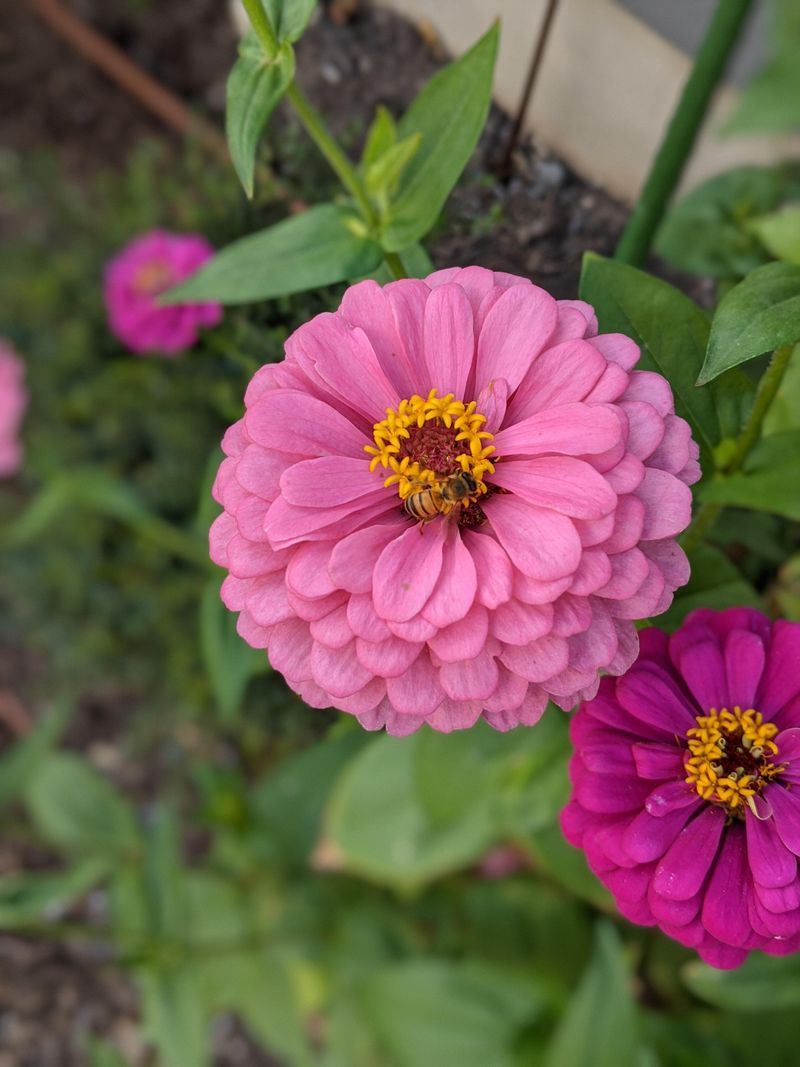
Zinnias capture attention with their vivid colors and robust blooms, yet bees often overlook them. These flowers, while resilient and easy to grow, lack the nectar richness that bees seek.
Gardeners who wish to support bee populations might find zinnias lacking in the necessary resources.
By choosing alternative plants that offer both beauty and sustenance, your garden can become a hub of bee activity and ecological vibrancy.
10. Orchids
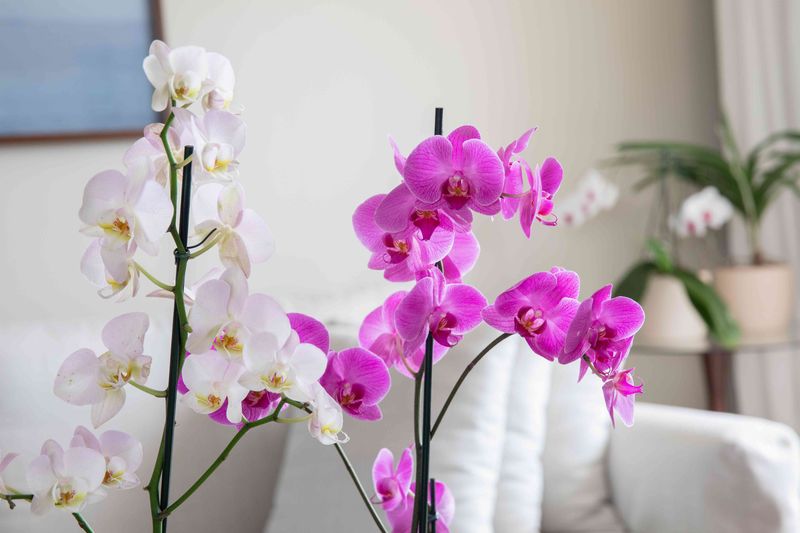
Orchids, prized for their delicate beauty and variety, often thrive indoors but do little for bees. These intricate flowers, while stunning, aren’t typically rich in the nutrients bees need.
Though they add elegance and a touch of exotic flair, orchids don’t contribute to outdoor bee biodiversity.
For gardeners aiming to support pollinators, opting for flowers with higher nectar and pollen content is a better choice.
11. Chrysanthemums
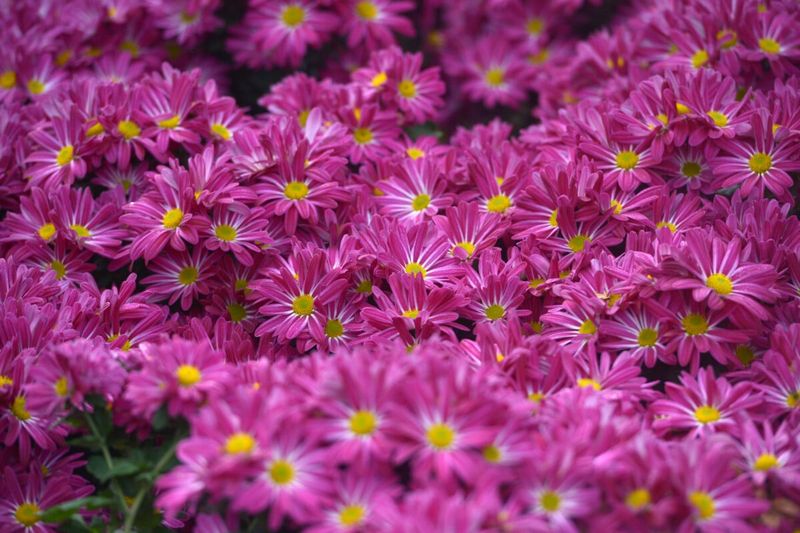
Chrysanthemums are a seasonal favorite, known for their autumnal blooms and variety of colors. However, these flowers don’t offer much to bees in search of food.
The structure and composition of chrysanthemums aren’t conducive to supporting the diet of bees, making them less attractive despite their visual appeal.
For those wanting to create a bee-supportive environment, it’s wise to explore other plants that provide necessary resources alongside chrysanthemums.
12. Lavender
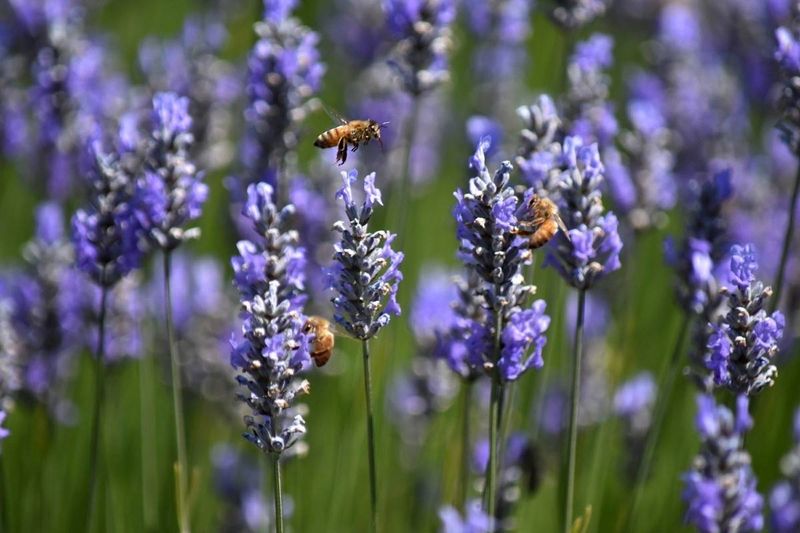
Lavender is a bee magnet, filling the air with its soothing aroma and attracting pollinators with its rich nectar. This versatile plant offers beauty and sustenance, making it a perfect addition to any garden focused on supporting bees.
Not only does lavender thrive in a variety of climates, but its long blooming season ensures a consistent food source for bees throughout the warmer months.
By including lavender in your garden, you create a calming oasis that buzzes with life and supports ecological health.
13. Sunflowers
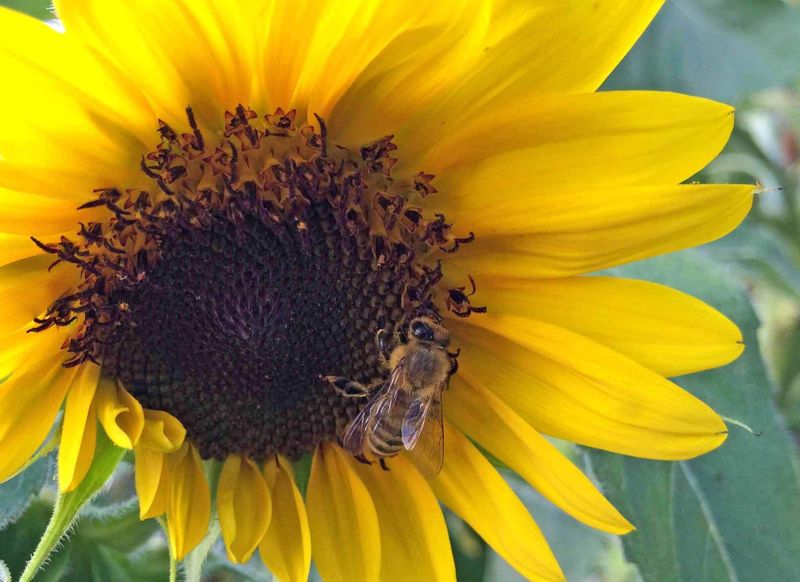
Sunflowers stand tall, symbolizing warmth and vitality, while offering a feast for bees. These towering blooms are more than just a summer icon; they are a vital source of nectar and pollen.
Their vibrant yellow petals and large blossoms make them highly attractive to bees, who flock to them in search of food.
Planting sunflowers not only adds a cheerful touch to your garden but also serves as a beacon for bees, supporting their crucial role in pollination.
14. Coneflowers
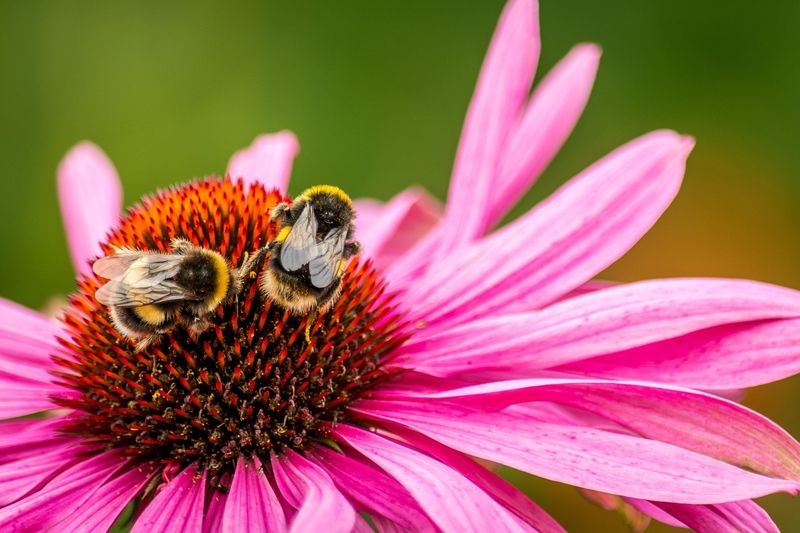
Coneflowers, with their striking purple hues and spiky centers, are a favorite among bees. These hardy perennials provide ample nectar and pollen, making them an excellent choice for bee-friendly gardens.
Their long blooming season ensures that bees have a reliable food source throughout the summer and into early fall.
Beyond their ecological benefits, coneflowers add beauty and diversity to any garden setting, attracting both pollinators and admirers alike.
15. Borage
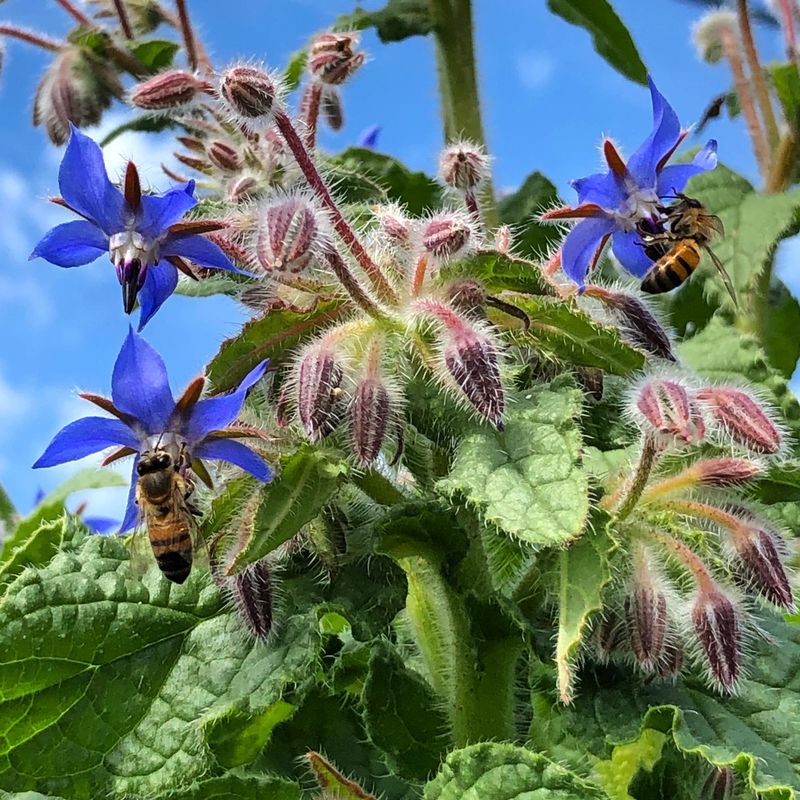
Borage, known for its star-shaped blue flowers, is a bee favorite. This annual herb not only enhances the garden with its beauty but also provides a rich source of nectar.
Bees are particularly drawn to borage due to its high nectar production and long blooming period.
Including borage in your garden supports pollinators and adds unique visual interest, making it a valuable addition for those committed to ecological gardening practices.
16. Bee Balm
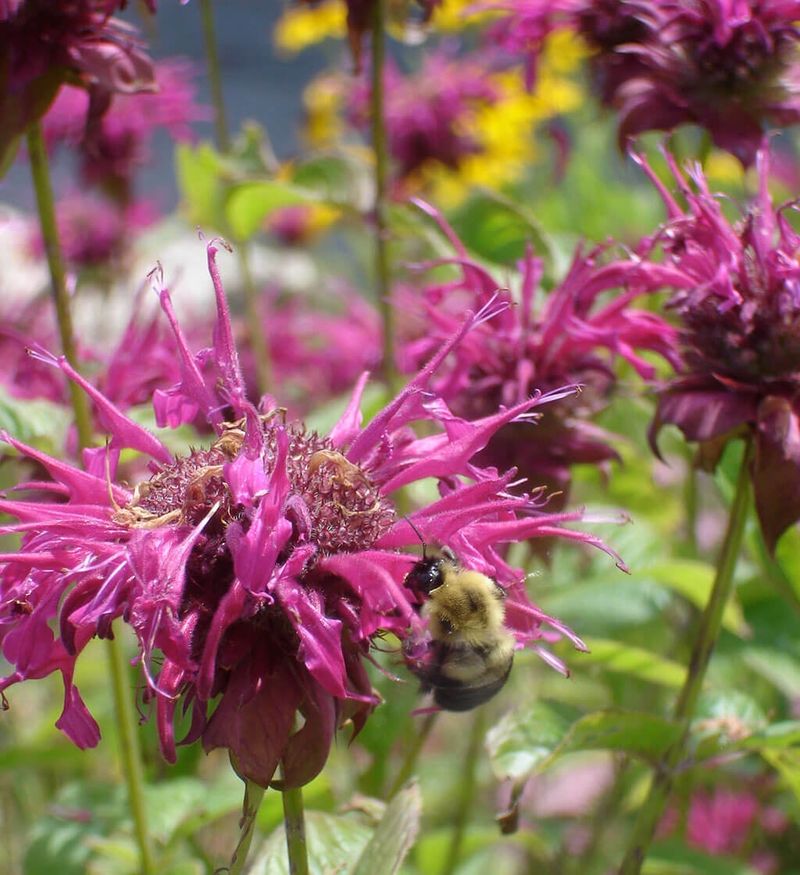
Bee balm lives up to its name by being incredibly attractive to bees. With its vibrant red blooms and aromatic leaves, it serves as a magnet for pollinators seeking nourishment.
This perennial not only supports bee populations but also adds a splash of color and fragrance to the garden.
By planting bee balm, gardeners can enjoy watching the lively interaction between blooms and bees, while contributing to a healthier ecosystem.
17. Thyme
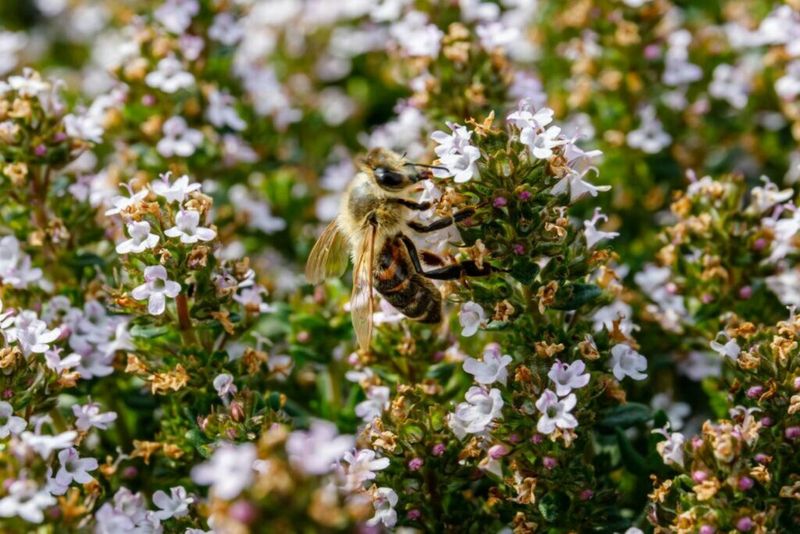
Thyme, often celebrated for its culinary uses, also plays a significant role in supporting bees. This herb produces small, yet nectar-rich flowers that attract pollinators.
Its low-growing nature makes it an excellent ground cover, providing both beauty and function within a garden.
By incorporating thyme into your planting scheme, you not only enhance your cooking but also support bees in their essential pollination tasks, promoting a thriving garden ecosystem.
18. Catmint
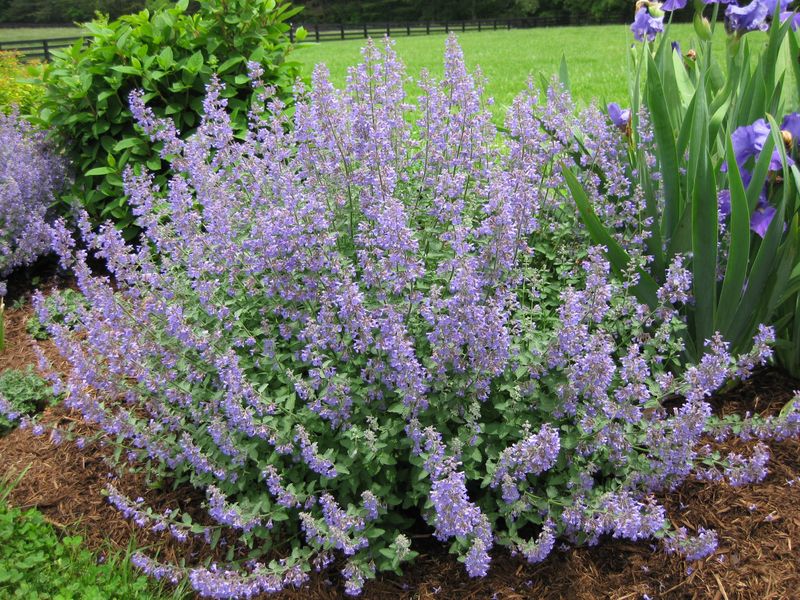
Catmint, with its delicate lavender flowers and aromatic foliage, is a delight for both bees and gardeners. This hardy perennial offers a long blooming period, providing consistent sustenance for pollinators.
Bees are particularly attracted to catmint’s abundant nectar, making it a staple in bee-friendly gardens.
Beyond its ecological benefits, catmint adds a charming, cottage garden feel, making it a versatile and valuable addition to any landscape design.
19. Honeysuckle
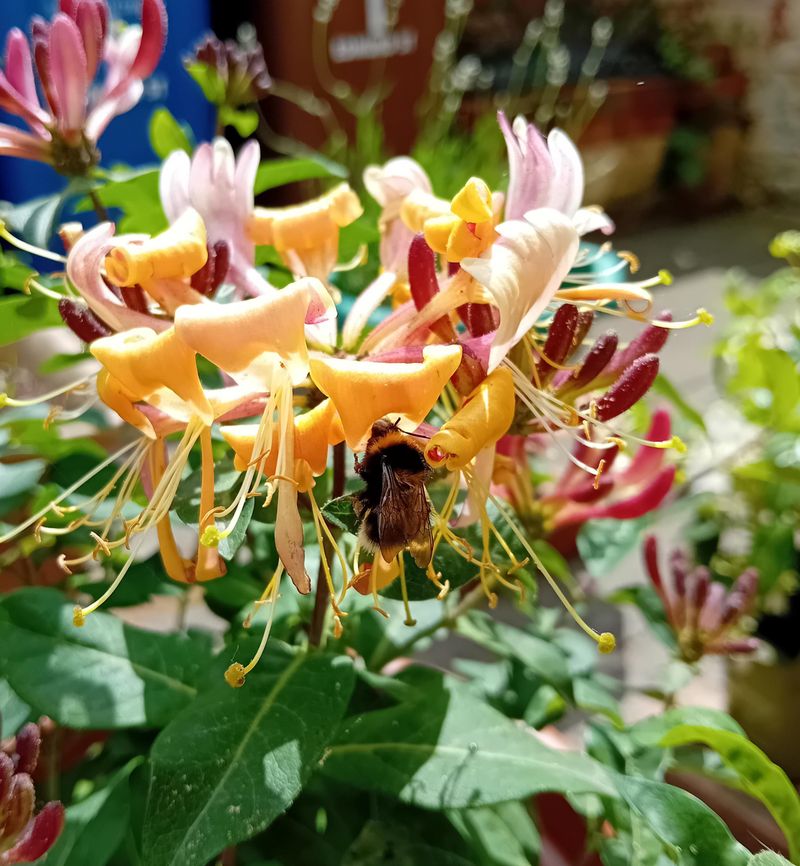
Honeysuckle, with its sweet fragrance and tubular flowers, is irresistible to bees. This climbing plant not only provides a visual spectacle but also offers rich nectar.
Bees are drawn to its blossoms, ensuring your garden is alive with their activity.
Incorporating honeysuckle into your garden design supports pollinators while adding a romantic, lush feel to the space, making it both a practical and aesthetic choice for gardeners.
20. Foxglove
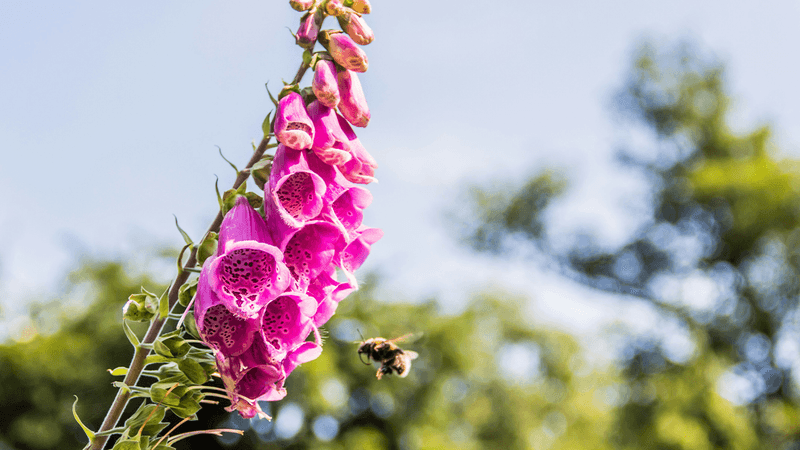
Foxglove stands out with its tall spikes of bell-shaped flowers, inviting bees with its ample nectar. This biennial thrives in partial shade, making it versatile for various garden settings.
Bees find foxglove’s structure ideal for gathering nectar, contributing to their essential role in pollination.
Planting foxglove enhances not only the visual appeal of your garden but also its ecological value, supporting pollinators with every bloom.
21. Clover
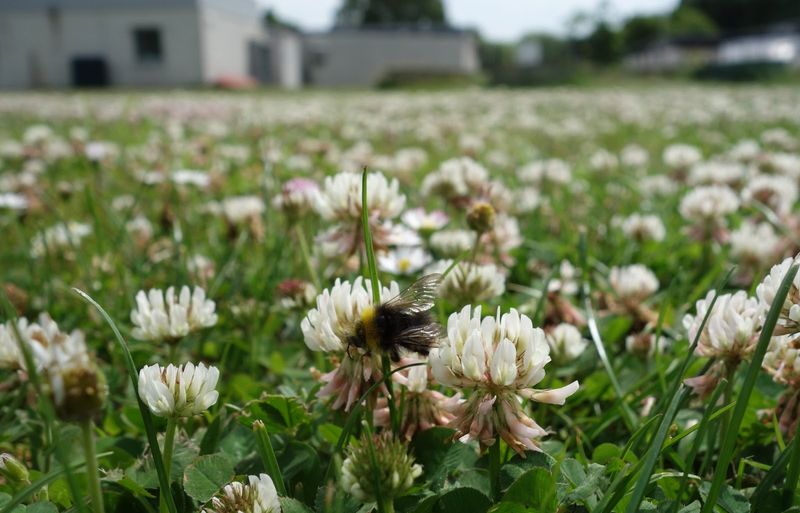
Clover, often found in meadows and lawns, serves as an excellent resource for bees. Its small, trifoliate flowers are packed with nectar, making it a favorite among pollinators.
This low-maintenance plant supports bee populations and enriches the soil with nitrogen, promoting healthier garden ecosystems.
By allowing clover to flourish, gardeners contribute to bee conservation while enjoying the practical benefits of this humble, yet vital plant.
22. Calendula
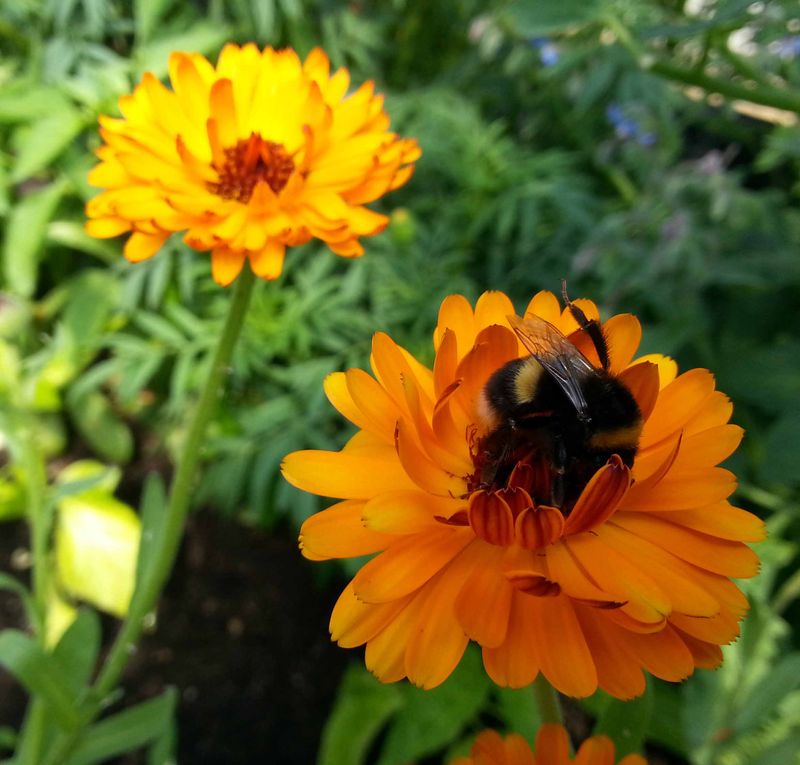
Calendula, with its cheerful orange and yellow flowers, supports bees with its rich nectar. This easy-to-grow plant not only brightens up the garden but also attracts pollinators with its vibrant blooms.
Bees frequently visit calendula, making it an excellent choice for those looking to enhance their garden’s ecological diversity.
Incorporating calendula into your planting scheme supports pollinators and adds a touch of sunshine to your garden landscape.
23. Asters
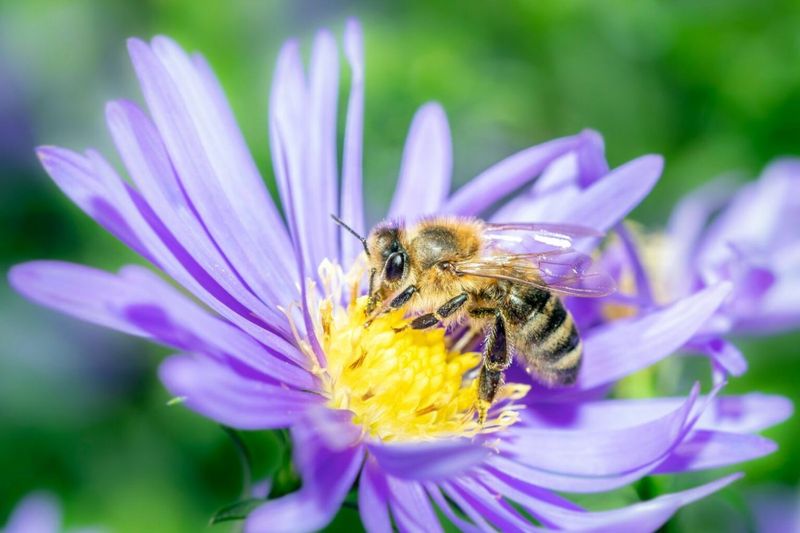
Asters bring late-season color and bee activity to any garden. These perennials bloom in the fall, providing essential nectar and pollen when other flowers have faded.
Bees are drawn to asters for their abundant resources, making them a crucial addition to support pollinators.
By planting asters, gardeners ensure that their garden remains a lively, buzzing haven for bees even as summer turns to autumn.
24. Snapdragons
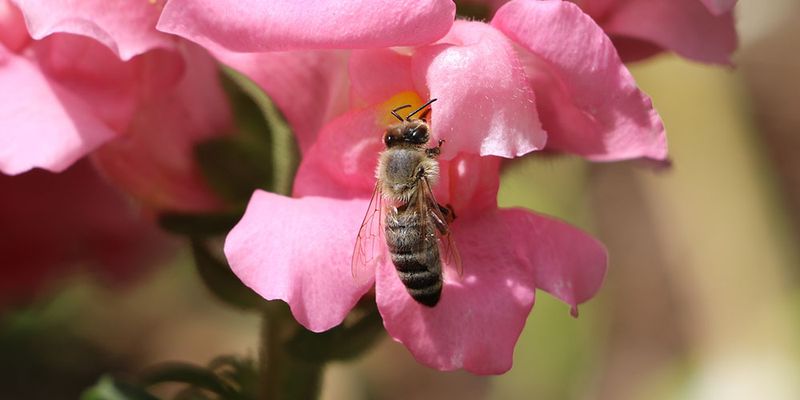
Snapdragons, with their whimsical blooms, bring a burst of color and bee activity to the garden. These annuals offer ample nectar and pollen, making them a favorite among pollinators.
Bees delight in snapdragons’ unique shape, which provides easy access to their food sources.
By including snapdragons, gardeners not only add visual interest but also support the vital work of bees, ensuring a dynamic and flourishing garden environment.
25. Alliums
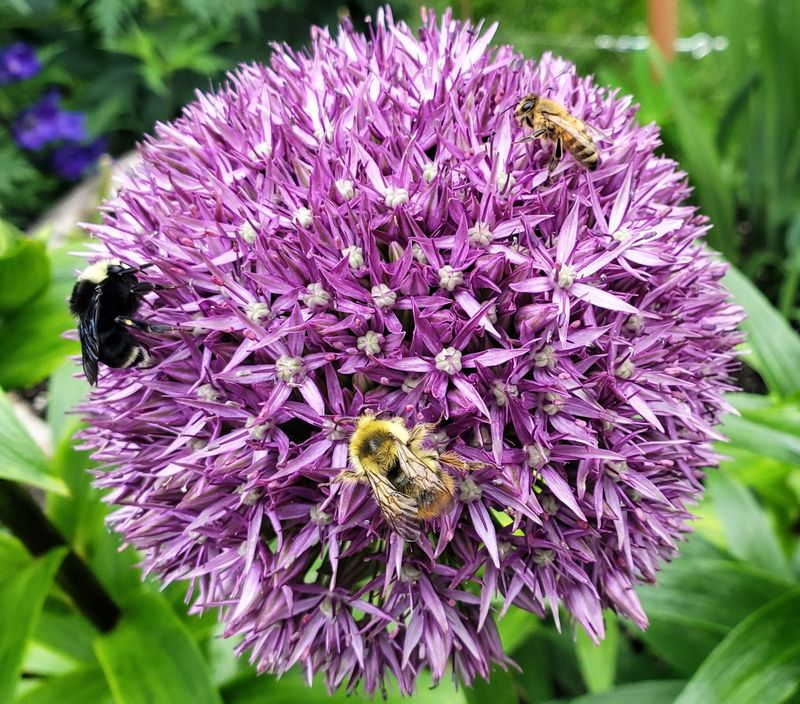
Alliums, with their striking globe-shaped flowers, are a hit with bees. These perennials provide plenty of nectar and pollen, supporting pollinators throughout their blooming period.
Bees are particularly attracted to alliums for their resources and unique structure, making them a standout choice for bee-friendly gardening.
Planting alliums adds architectural interest to the garden while supporting the essential work bees do in pollination, fostering a vibrant and ecologically balanced space.
26. Anise Hyssop
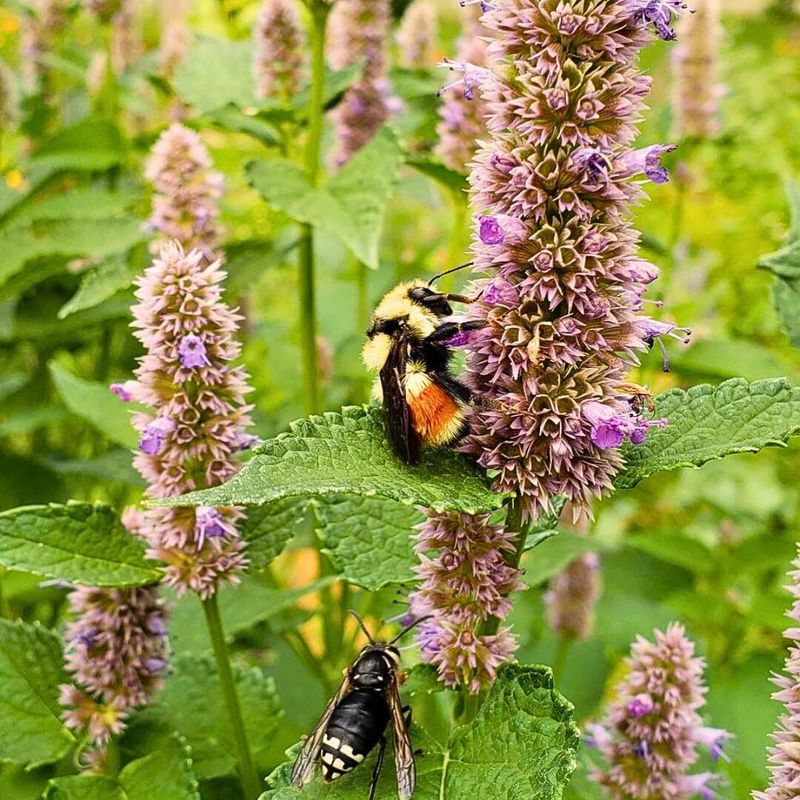
Anise Hyssop, with its striking violet spikes, is a favorite among bees looking for a feast. This perennial herb doesn’t just draw attention with its beauty but also with its deliciously sweet aroma. Imagine a garden filled with these blooming wonders, where bees joyfully gather nectar.
In addition to its vibrant appeal, Anise Hyssop is known for its hardiness, thriving in a range of climates. This makes it a reliable choice for gardeners looking to support local bee populations. Historically, it was cherished by Native Americans for its medicinal properties.
Plant Anise Hyssop to create a buzzing, lively garden that resonates with the hum of satisfied bees.