 Complete Gardening
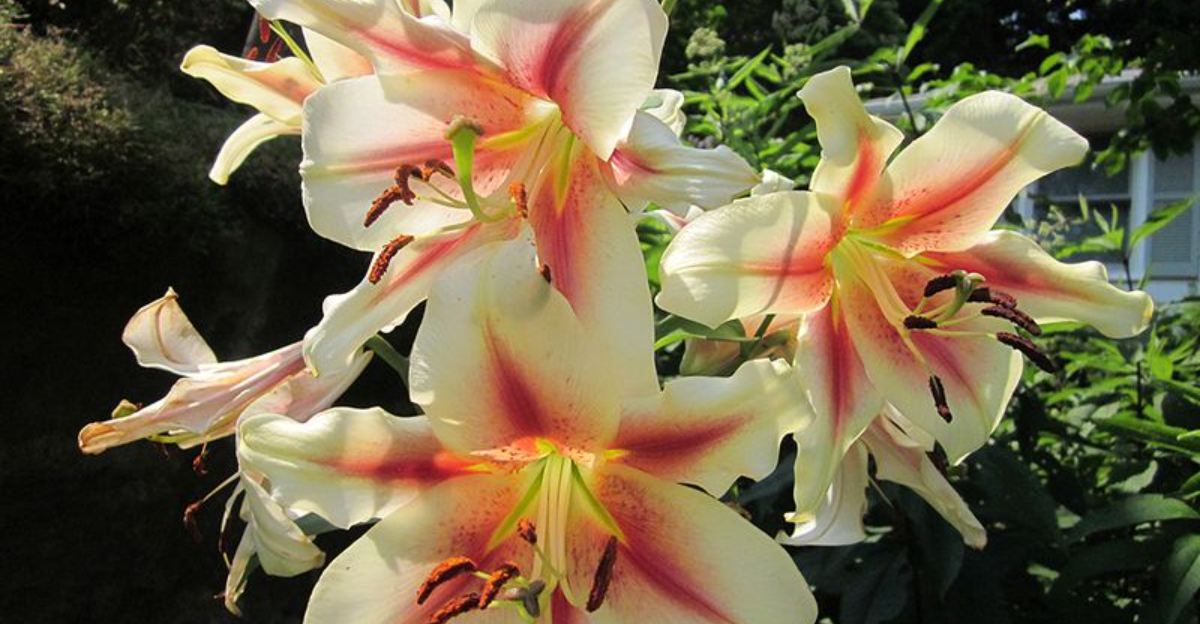
July offers a kaleidoscope of colors, with a range of flowers that bloom brilliantly in gardens. These flowers not only add vibrant hues but also bring unique textures and scents to any outdoor space. From sun-loving blooms to shade-loving varieties, there’s something for every garden enthusiast.
1. Hydrangea
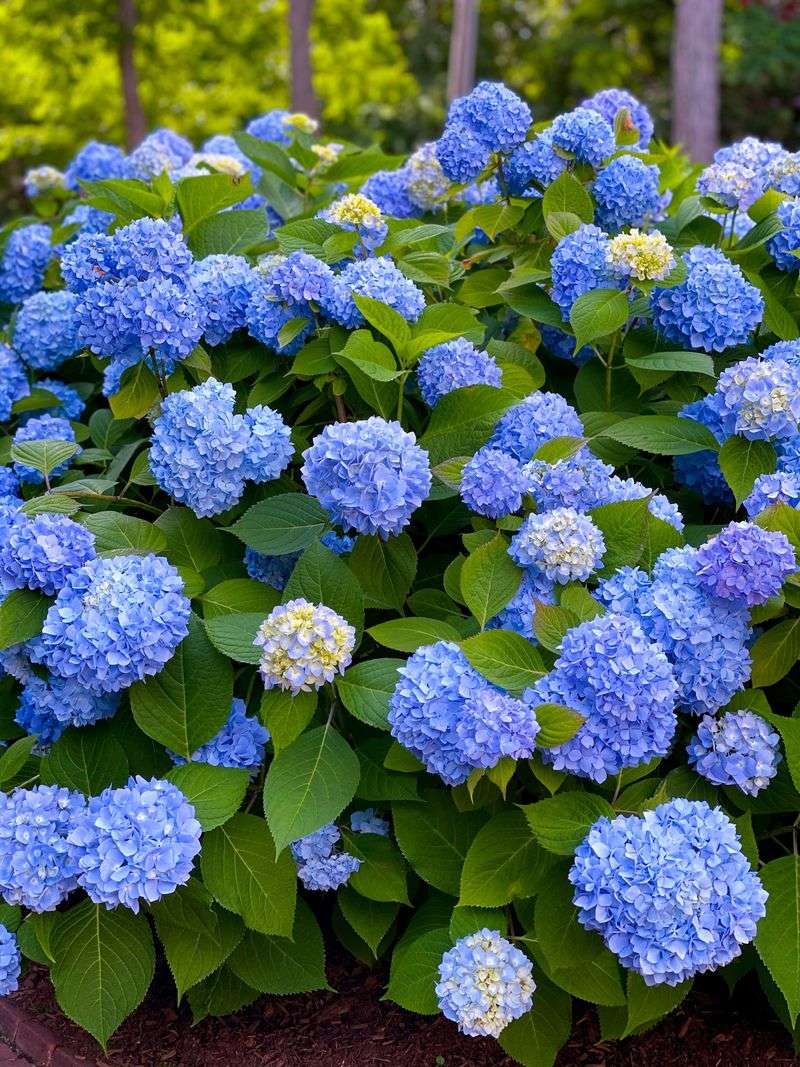
With a reputation for grandeur, hydrangeas are the epitome of elegance. Their large, round clusters of flowers range from blue to pink, depending on the soil pH. As they bloom in July, they transform gardens into a colorful dream.
These flowers thrive in well-drained soil and are a favorite among gardeners for their ability to adapt to different environments. Plant them in a spot that offers morning sun and afternoon shade for the best blooms.
Interestingly, hydrangeas can change color based on the soil’s acidity, making them a fun experiment for curious gardeners.
2. Lavender
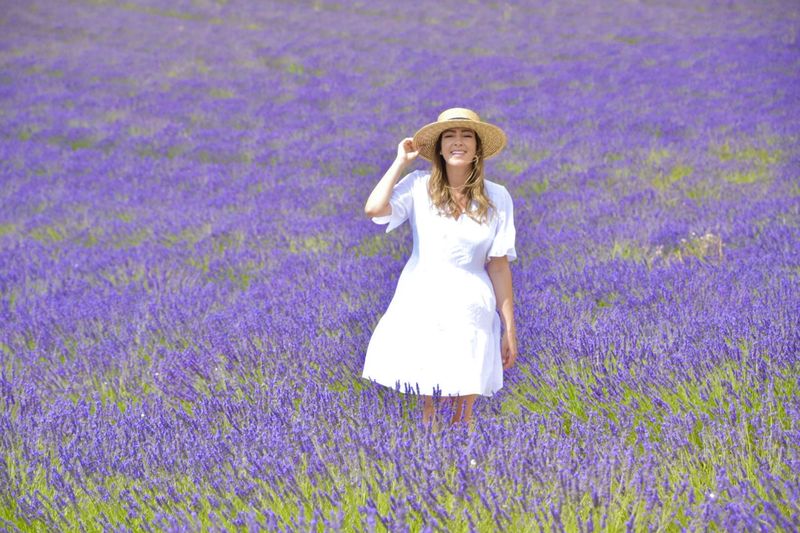
The soothing scent of lavender is synonymous with relaxation. In July, lavender fields come alive with stunning purple hues that attract bees and butterflies alike. Known for its calming properties, this flower is both beautiful and useful.
Lavender thrives in well-drained, sandy soil and requires full sun to flourish. It’s drought-resistant, making it a low-maintenance option for gardeners.
Did you know? Lavender has been used for centuries in aromatherapy and medicine, valued for its ability to ease stress and promote sleep.
3. Sunflower
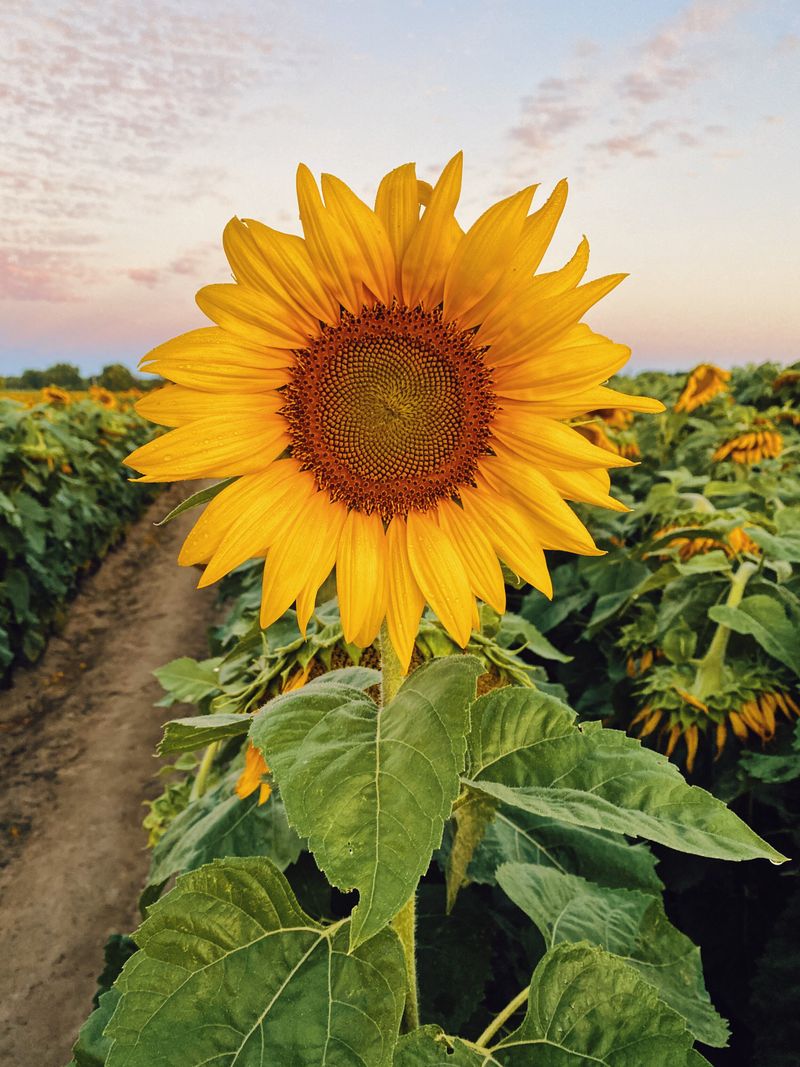
Sunflowers are synonymous with summer cheer. Their tall stalks and bright yellow petals follow the sun, creating a dynamic display. These flowers symbolize adoration and loyalty, making them a popular choice for gardens and bouquets.
Sunflowers thrive in full sun and require well-drained soil to grow tall and strong. Their seeds provide food for birds, making them a favorite in wildlife-friendly gardens.
Fun fact: Sunflowers are heliotropic, meaning they turn their heads to follow the sun throughout the day, optimizing their light intake.
4. Zinnia
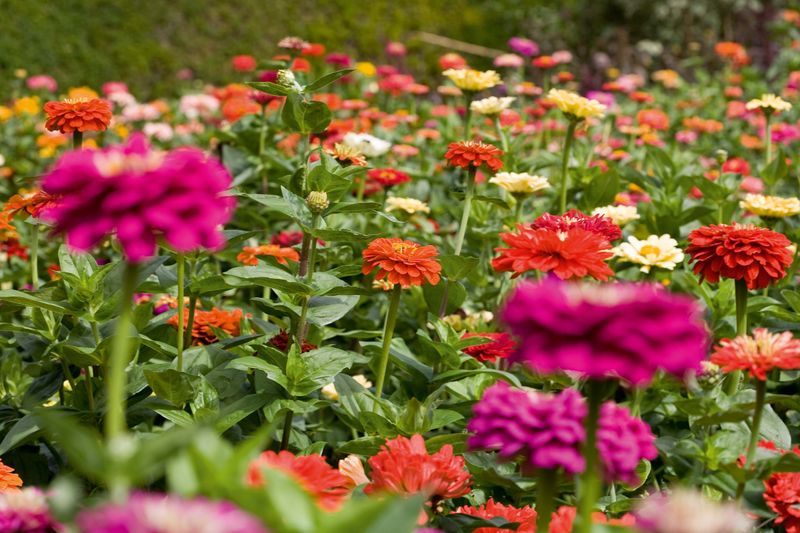
Zinnias are the life of the party in any garden with their vibrant colors and varied shapes. Blooming profusely in July, they attract butterflies, adding an extra layer of beauty to their display.
These flowers are perfect for beginner gardeners as they are easy to grow and maintain. Zinnias prefer full sun and well-drained soil to thrive.
Interesting to note, zinnias are native to Mexico and were once used by the Aztecs for medicinal purposes, showcasing their long-standing importance in horticulture.
5. Dahlia
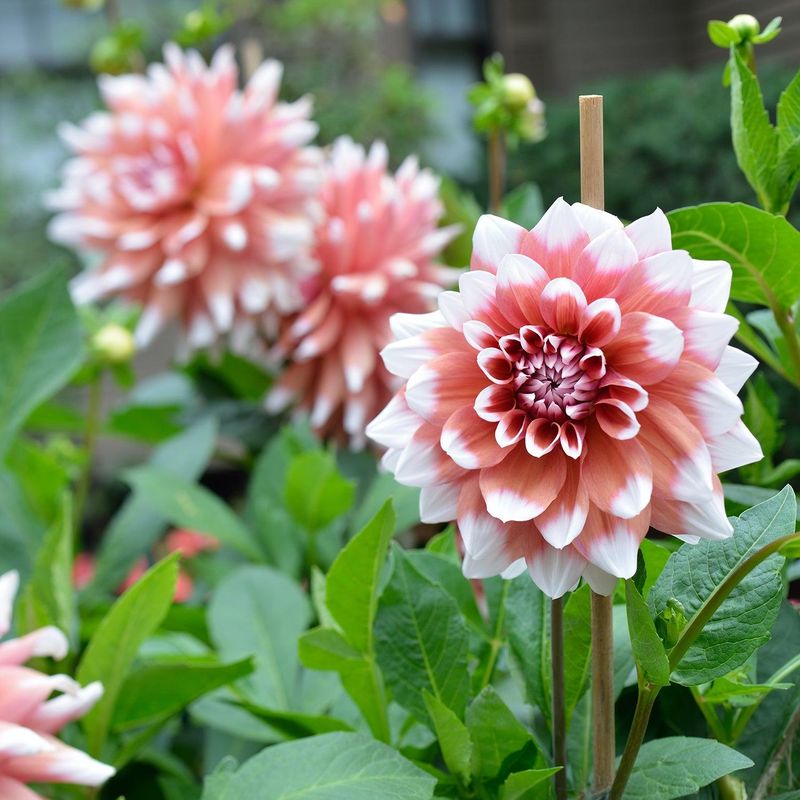
Dahlias are the crown jewels of the summer garden, known for their extraordinary shapes and colors. From deep reds to soft pinks, their blooms are a testament to nature’s artistry.
They require rich, well-drained soil and full sun, making them a bit of a diva in the garden, but the stunning display is worth the effort.
Did you know? Dahlias are the national flower of Mexico, celebrated for their beauty and diversity. Their tubers were also once used as a food source by indigenous people.
6. Lily
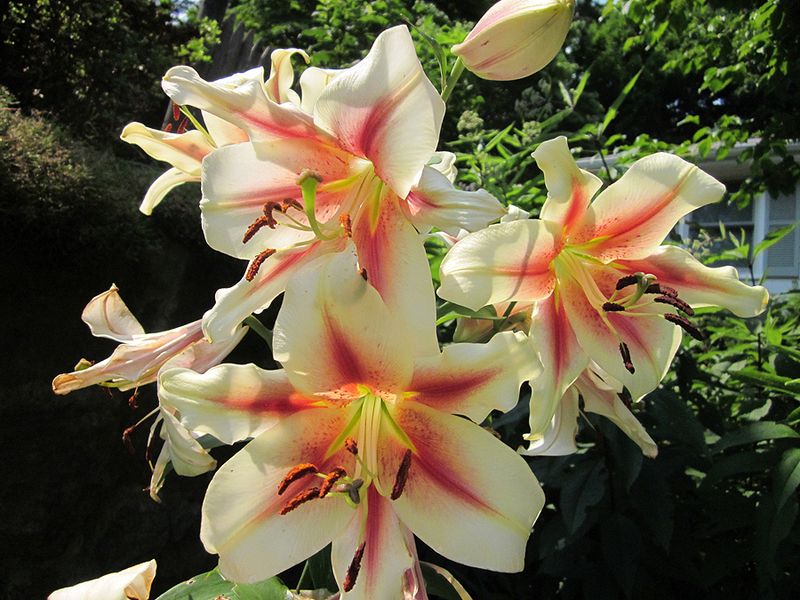
Lilies are the epitome of grace and elegance in the garden. Their fragrant blooms and striking colors make them a favorite for July gardens.
These flowers prefer well-drained soil and a sunny location to reach their full potential. Lilies can be grown in pots or garden beds, adding versatility to their charm.
Fun fact: Lilies have been symbols of purity and renewal for centuries, often featured in ancient art and literature due to their stunning appearance and significance.
7. Petunia
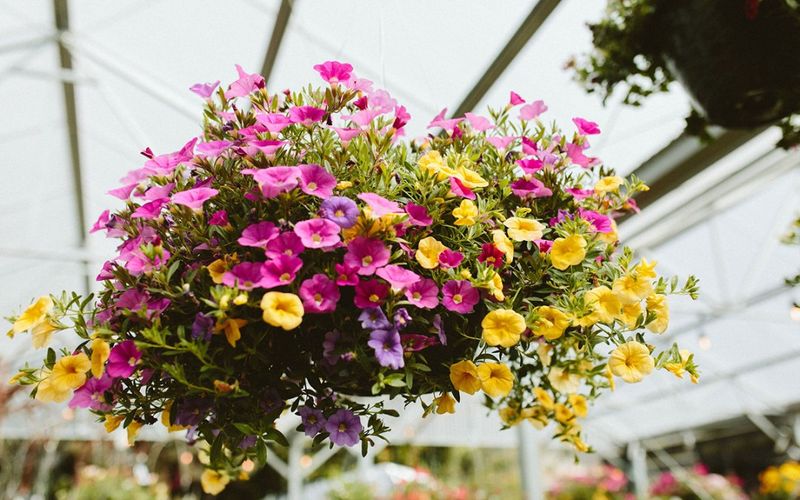
Petunias bring a vibrant splash of color to any garden, with their trumpet-shaped blooms and cascading habits. They bloom continuously throughout July, bringing cheer to hanging baskets and flower beds alike.
These flowers prefer sunny spots and well-drained soil to thrive. Petunias are perfect for creating colorful displays and are often used in garden borders.
Did you know? Petunias are related to tobacco, tomatoes, and chili peppers, all of which are part of the nightshade family, showcasing their diverse lineage.
8. Marigold
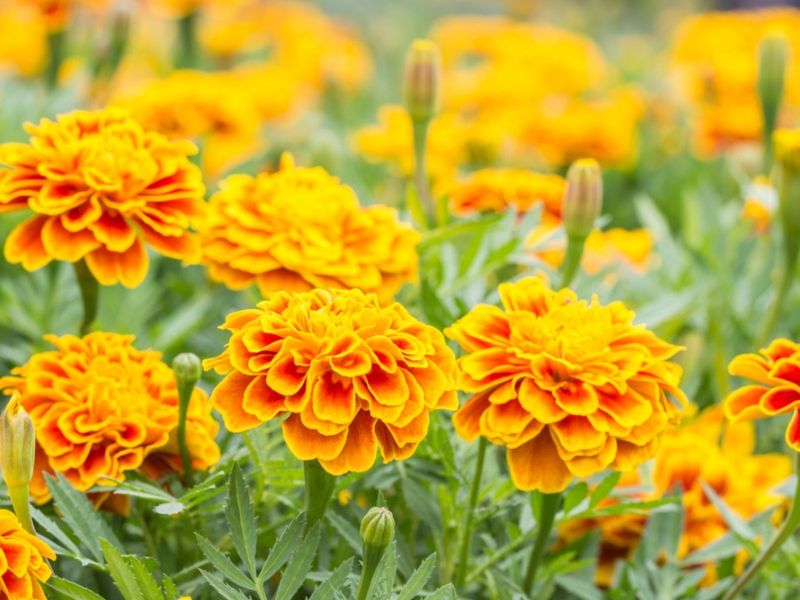
Marigolds are the golden gems of the garden, known for their vibrant colors and ability to ward off pests. Blooming brightly in July, these flowers bring a touch of sunshine to any landscape.
They thrive in full sun and are easy to grow, making them a popular choice for gardeners of all levels. Marigolds are excellent companions for vegetables, enhancing both beauty and utility.
Fun fact: Marigolds have been used in traditional medicine for their anti-inflammatory properties and are often used in rituals and celebrations across cultures.
9. Cosmos
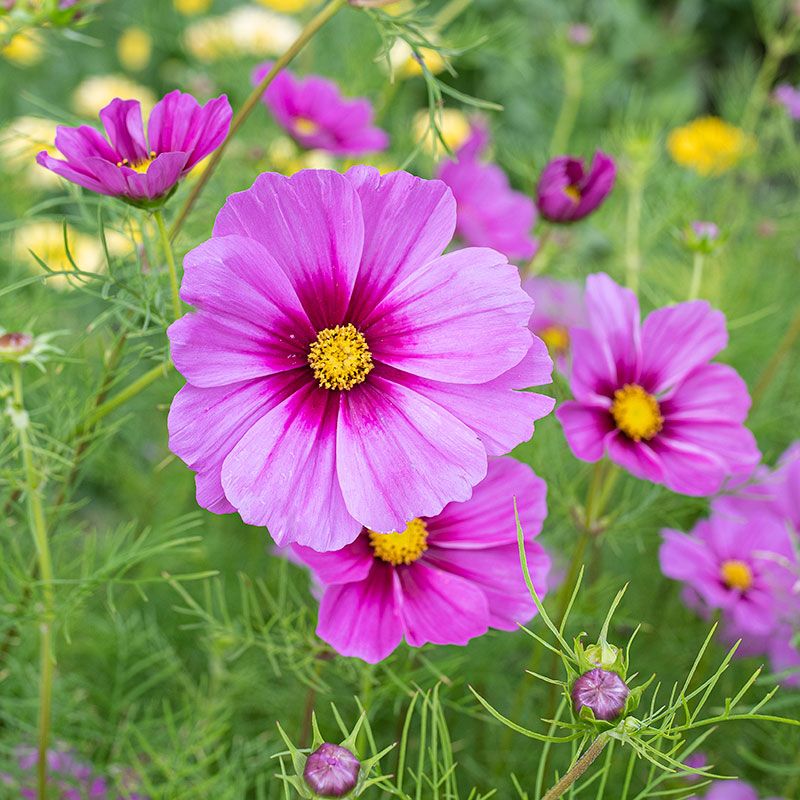
Cosmos bring a touch of whimsy to gardens with their delicate, daisy-like flowers. Blooming in July, they dance in the summer breeze, creating a romantic and ethereal ambiance.
These flowers thrive in full sun and can tolerate poor soil conditions, making them a resilient choice for gardeners. Cosmos are perfect for pollinator-friendly gardens, attracting bees and butterflies.
Did you know? Cosmos are named for their harmonious, balanced appearance, reflecting the Greek word for order and beauty, “kosmos.”
10. Coneflower
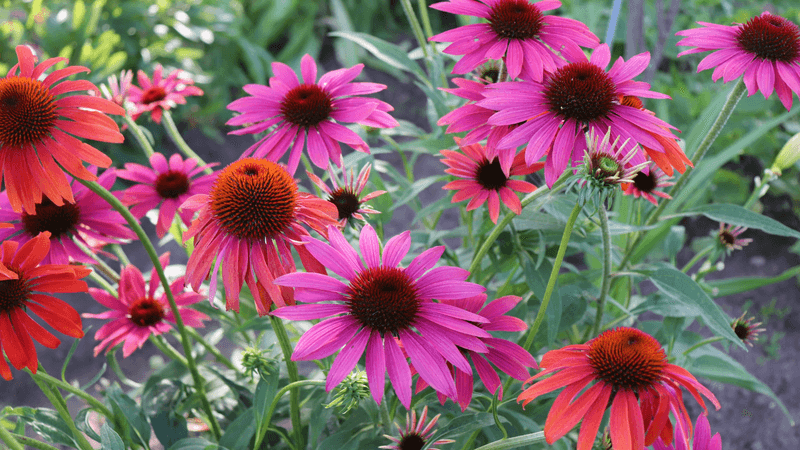
Coneflowers are sturdy, resilient flowers that add a splash of color to July gardens. Their unique appearance, with prominent centers and drooping petals, attracts pollinators and garden enthusiasts alike.
These flowers prefer well-drained soil and full sun, making them a staple in prairie-style gardens. Coneflowers are drought-tolerant and low-maintenance, ideal for busy gardeners.
Interesting fact: Coneflowers, particularly the echinacea variety, have been used in traditional medicine to boost the immune system, highlighting their dual role in beauty and health.
11. Begonia
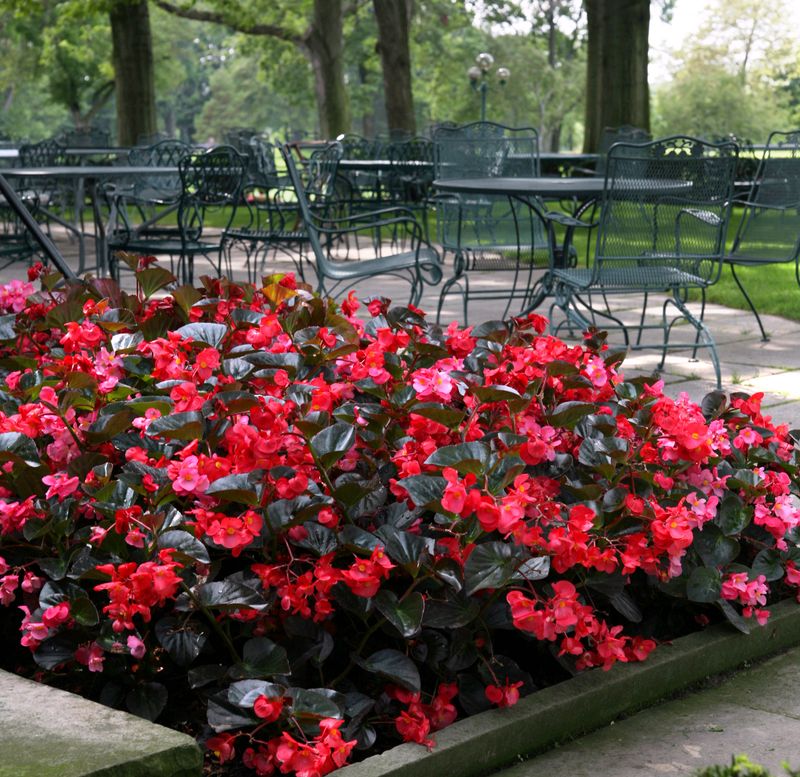
Begonias are the stars of shaded gardens, known for their bright blooms and lush foliage. Blooming in various shades, from reds to yellows, begonias add depth and color to areas where sun-loving plants may struggle.
These flowers prefer shaded areas with well-drained soil, making them ideal for underplanting in woodland gardens. Begonias require regular watering to maintain their lush appearance.
Fun fact: Begonias were named after Michel Bégon, a French patron of botany, reflecting their long association with horticultural history.
12. Black-Eyed Susan
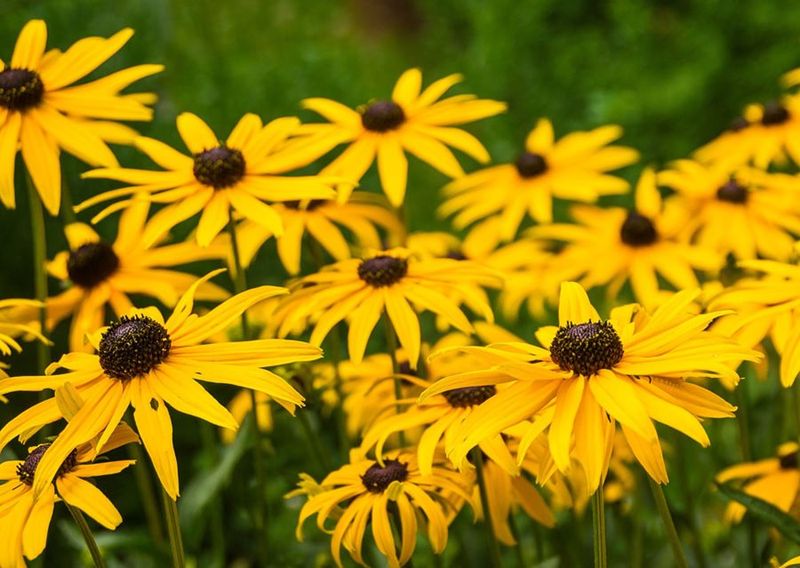
Black-eyed Susans are the quintessential summer flower, with their bright yellow petals and dark centers. Blooming in July, they add warmth and brightness to gardens.
These flowers thrive in full sun and well-drained soil, making them a reliable choice for summer displays. They are drought-tolerant, perfect for low-maintenance gardening.
Did you know? Black-eyed Susans are often used in wildflower meadows and are the state flower of Maryland, symbolizing resilience and beauty in the natural landscape.
13. Gladiolus
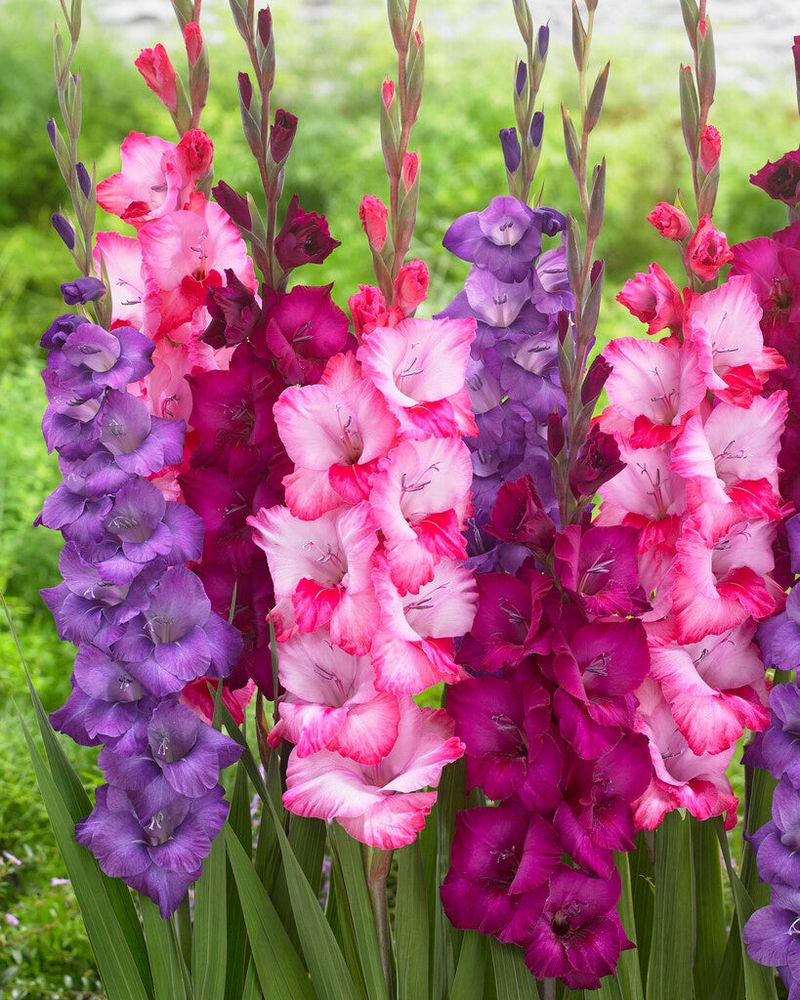
Gladiolus are majestic flowers that bring vertical interest to gardens. Their tall spikes of flowers come in a wide range of colors, from vibrant reds to soft pastels, blooming throughout July.
These flowers prefer full sun and well-drained soil and are often used in floral arrangements due to their dramatic presence. Gladiolus require staking to support their tall growth.
Interesting tidbit: Gladiolus are also known as “sword lilies,” named for their long, blade-like leaves, adding a touch of drama and history to their allure.
14. Nasturtium
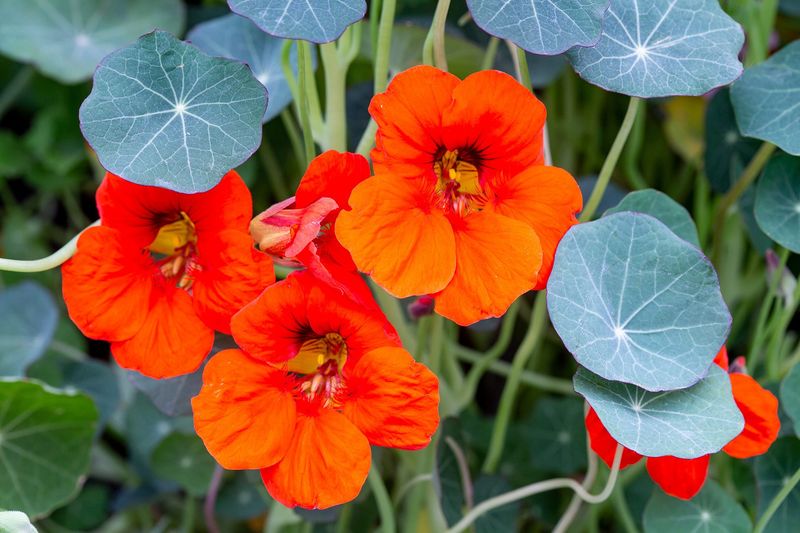
Nasturtiums bring a burst of color and a peppery twist to gardens. With their vibrant flowers and edible leaves, they add both beauty and functionality to garden spaces.
These flowers thrive in poor soil and full sun, making them a resilient choice for garden borders and containers. Nasturtiums are loved by pollinators and add a spicy flavor to salads.
Fun fact: Nasturtiums have been used in herbal medicine and were even grown by the Incas in Peru, highlighting their historical significance and versatility.
15. Morning Glory
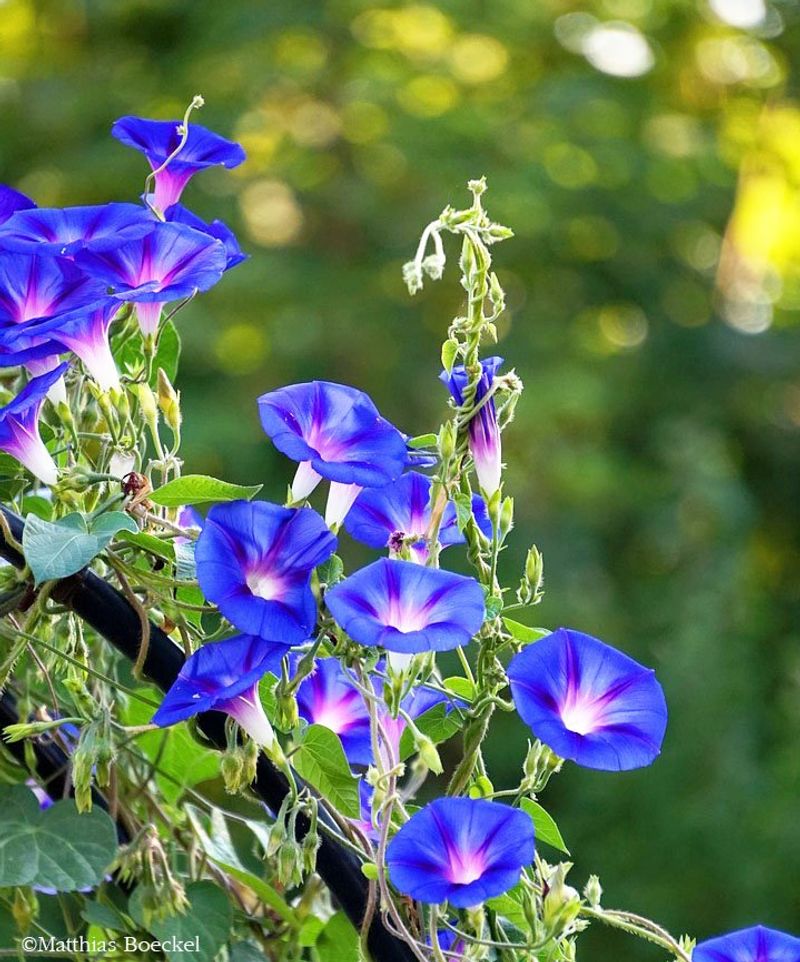
Morning glories are enchanting climbers, known for their vibrant, trumpet-shaped flowers that bloom with the sunrise. Their rapid growth and vivid colors make them a garden favorite.
These flowers prefer full sun and well-drained soil. Morning glories grow quickly, making them ideal for covering fences and trellises with lush, colorful foliage.
Did you know? Morning glories have a unique blooming schedule, with flowers opening in the morning and closing by afternoon, following the sun’s rhythm and adding daily excitement to gardens.
16. Hibiscus
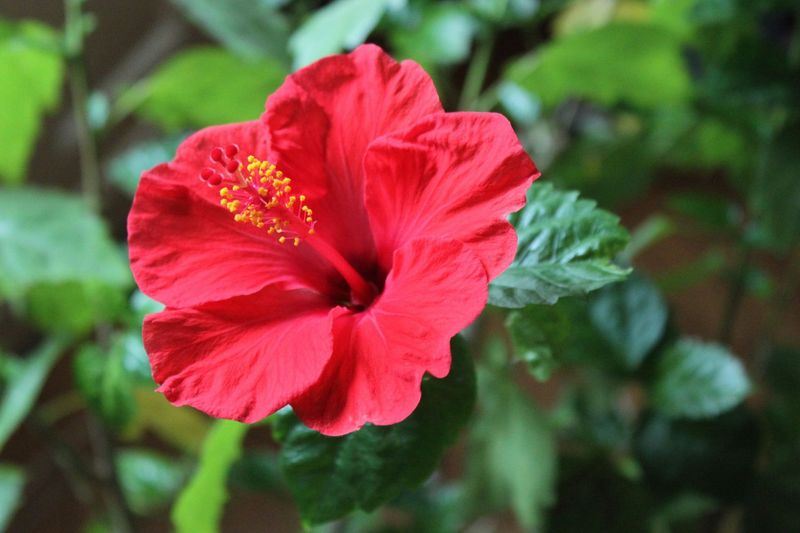
Hibiscus flowers bring a tropical flair to July gardens with their large, showy blooms. Known for their striking appearance, they add an exotic touch to any landscape.
These flowers thrive in full sun and well-drained soil, often used in hedges and container gardens. Hibiscus are beloved for their vibrant colors and ability to attract hummingbirds.
Fun fact: Hibiscus is the national flower of Hawaii and is often used in teas and beauty products, celebrated for its vibrant colors and versatility in various applications.