
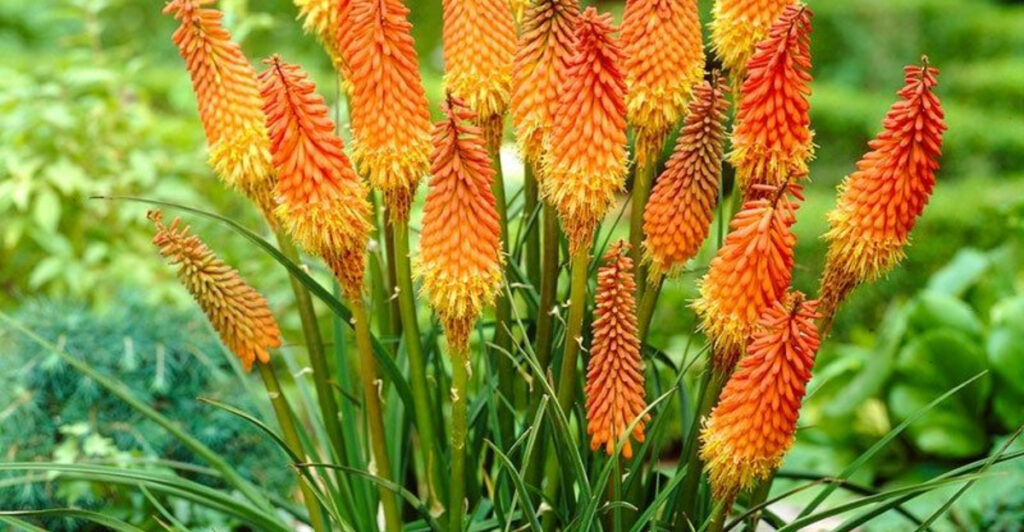
Imagine transforming your temperate garden into a vibrant paradise with blooms that boast tropical flair. Many gardeners assume that to achieve such an exotic look, a warm climate is necessary.
However, there are numerous plants that bring lush, tropical vibes while thriving in cooler environments. This article explores 14 such stunning plants, each offering a unique aesthetic appeal while being perfectly suited for temperate gardens.
1. Canna Lily
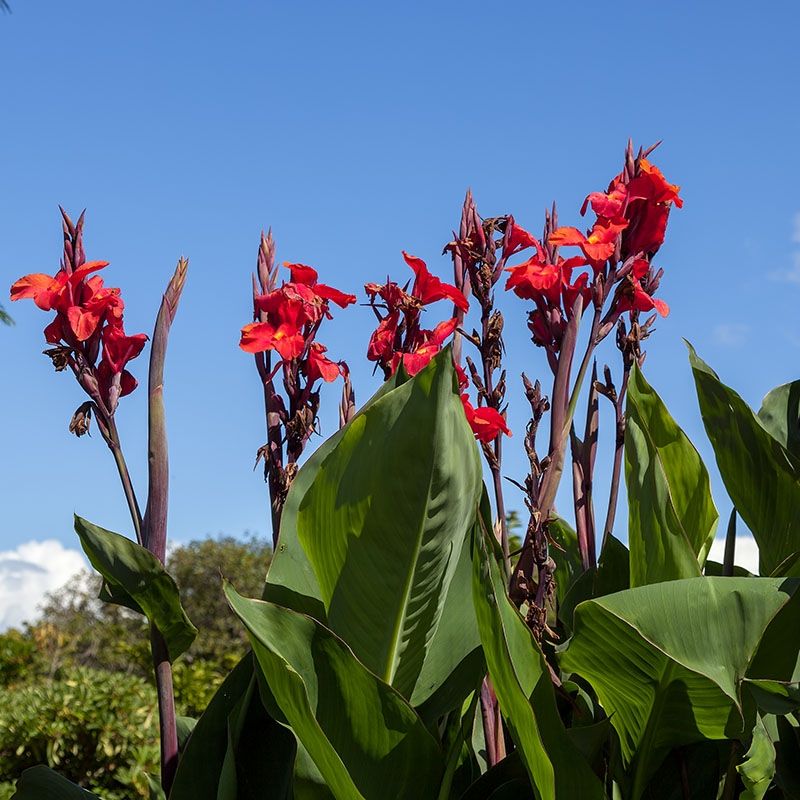
Canna Lilies are the epitome of tropical beauty with their bold, dramatic foliage and vibrant blooms. These stunning flowers exhibit a range of colors, including red, yellow, and orange. Resistant to cooler temperatures, they are ideal for adding an exotic touch to temperate gardens.
Their large, paddle-shaped leaves create an architectural element that catches the eye. In addition, their towering stems elevate the garden’s vertical interest. These plants can be grown in pots or directly in the ground, providing versatility in garden design.
Did you know? Canna Lilies are known to be a symbol of confidence and beauty.
2. Bird of Paradise
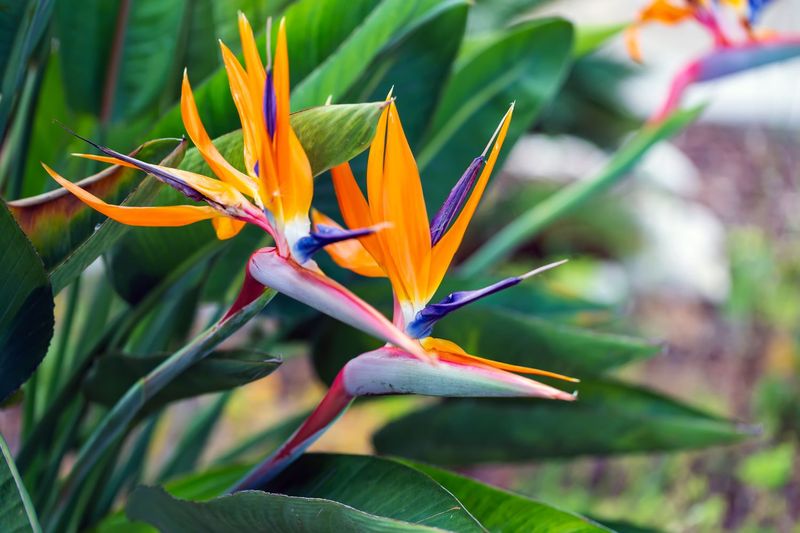
The Bird of Paradise is a showstopper, renowned for its unusual flowers that resemble a bird in flight. Despite its exotic appearance, this plant can thrive in temperate climates with proper care.
Its glossy, banana-like leaves add a touch of the tropics to any garden, providing both texture and color. This plant requires well-drained soil and regular watering but rewards with stunning blooms.
Here’s a fun fact: In its native habitat, the Bird of Paradise is pollinated by sunbirds, which are attracted to its bright colors.
3. Hardy Hibiscus
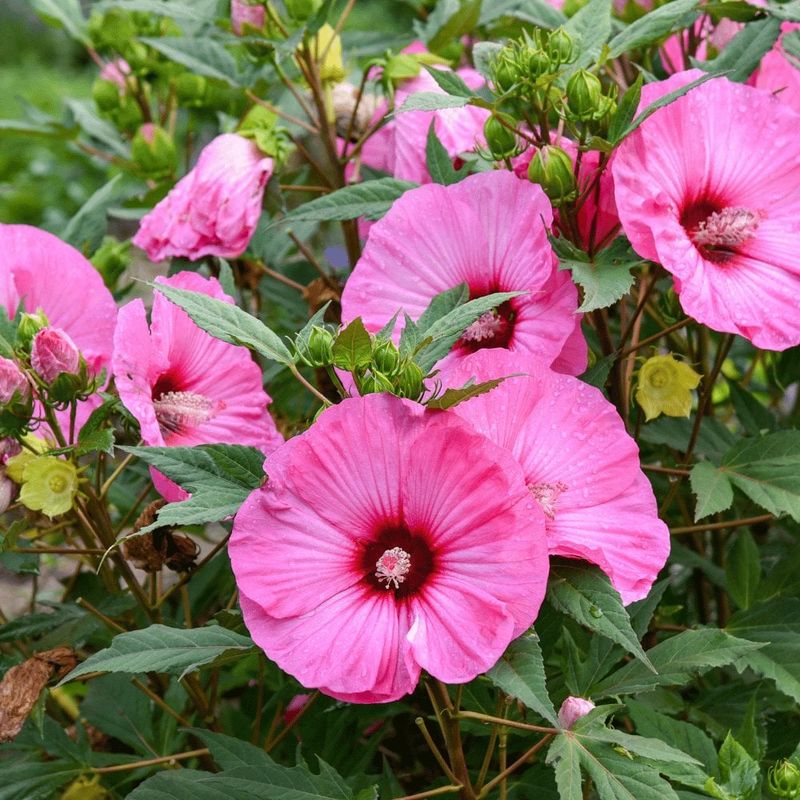
Hardy Hibiscus brings a splash of tropical allure with its oversized, colorful blooms. Known for their resilience, these plants flourish in temperate conditions, offering vibrant reds, pinks, and whites.
Their striking flowers can reach up to 12 inches in diameter, becoming the focal point of any garden. The foliage is also attractive, with deep green leaves that complement the vivid blooms.
Beyond aesthetics, Hardy Hibiscus plants are known for attracting butterflies and hummingbirds, adding life and movement to your garden.
4. Elephant Ears
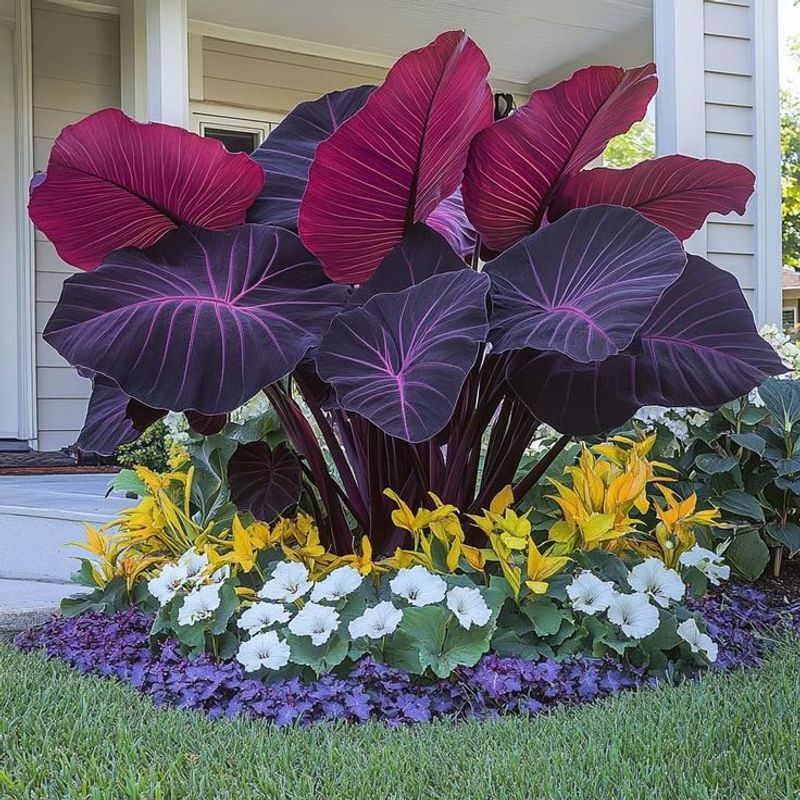
Elephant Ears, with their massive leaves, create an instant tropical atmosphere. These plants are admired for their lush foliage rather than their flowers, filling gardens with a jungle-like appeal.
Their heart-shaped leaves can grow several feet long, providing a dramatic backdrop for smaller plants. Hardy in cooler climates, they thrive in moist, well-drained soil.
Curious fact: Elephant Ears belong to the same family as Taro, a plant used for food in many cultures around the world.
5. Japanese Aralia
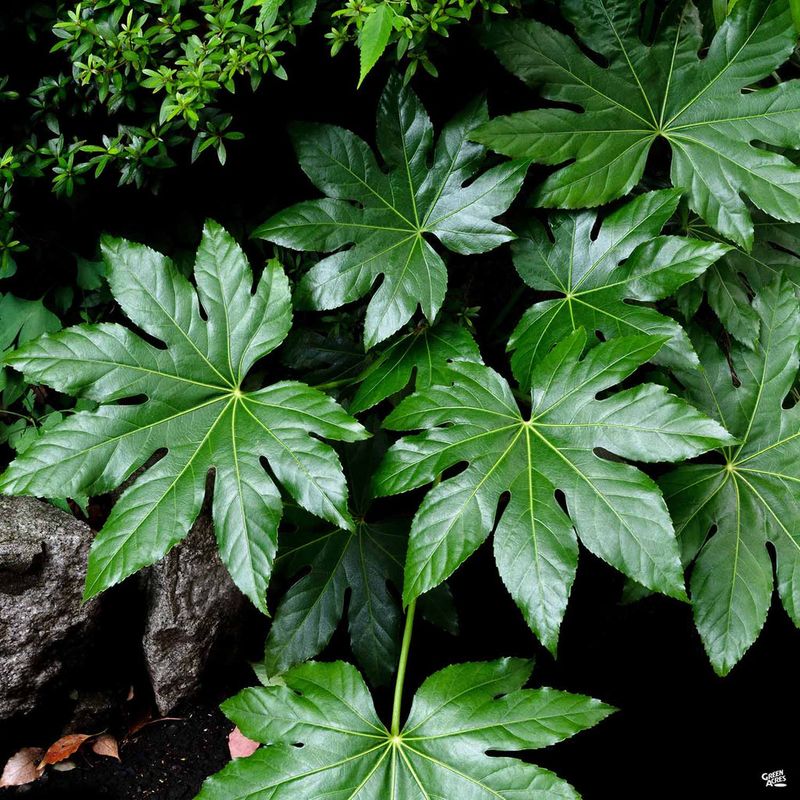
Japanese Aralia offers a touch of the tropics with its large, glossy leaves. This plant is easy to care for and thrives in shaded areas, making it perfect for temperate gardens.
It has a bushy growth habit, adding volume and texture to landscapes. Its evergreen nature ensures year-round interest, even in the colder months.
Fun tidbit: Japanese Aralia has been used in traditional Japanese gardens for centuries, symbolizing longevity and endurance.
6. Red-Hot Poker
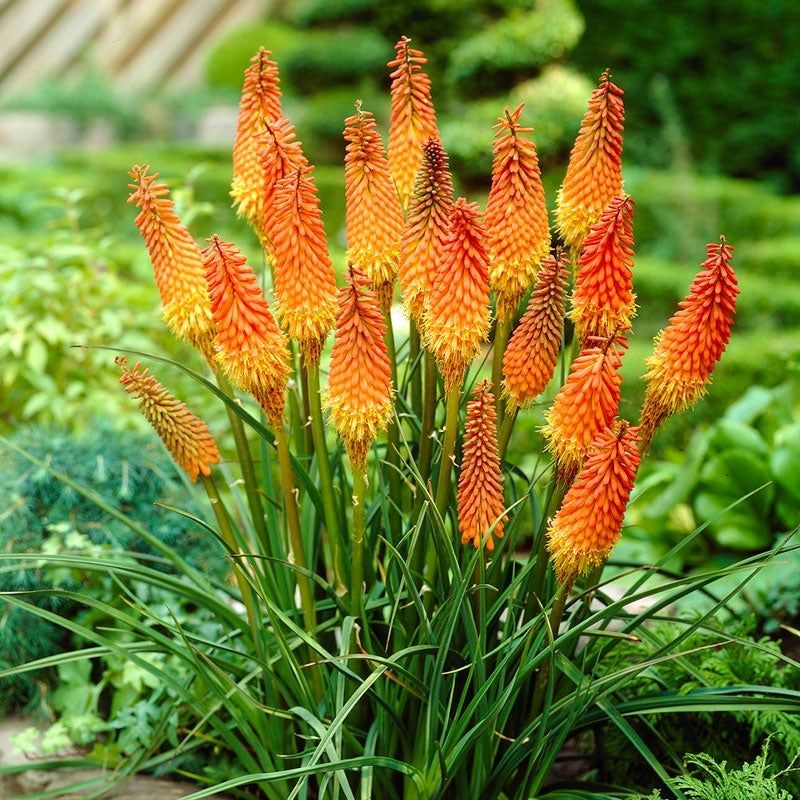
Red-Hot Poker plants can add excitement to any garden with their fiery, torch-like flowers. These perennials thrive in temperate climates, with blooms that attract hummingbirds and butterflies.
The striking contrast of red and yellow flowers against slender green leaves is visually captivating. They’re hardy and can withstand drought, making them low-maintenance.
Did you know? Red-Hot Pokers are also known as Torch Lilies, named for their flame-like appearance.
7. Angel’s Trumpet
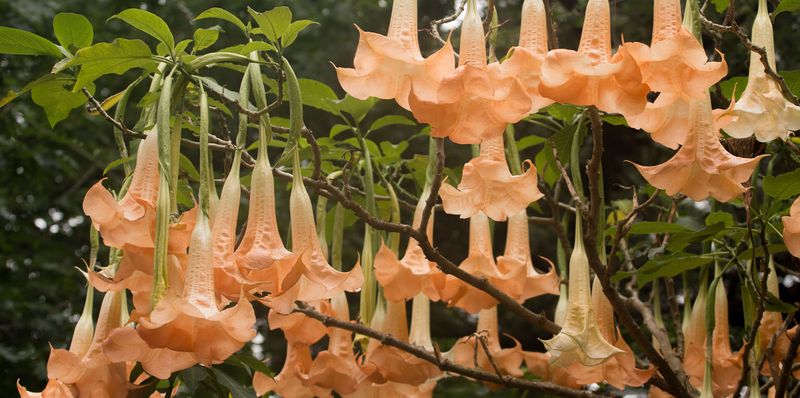
Angel’s Trumpet captivates with its large, trumpet-shaped blooms, emitting a sweet fragrance. Ideal for temperate gardens, this plant can be grown in containers or directly in the ground.
Its drooping flowers bring elegance and an exotic flair to any garden space. Evening is when they release their scent, creating a magical atmosphere.
Interesting fact: Angel’s Trumpet is native to South America and is often used in traditional medicine.
8. Mexican Feather Grass
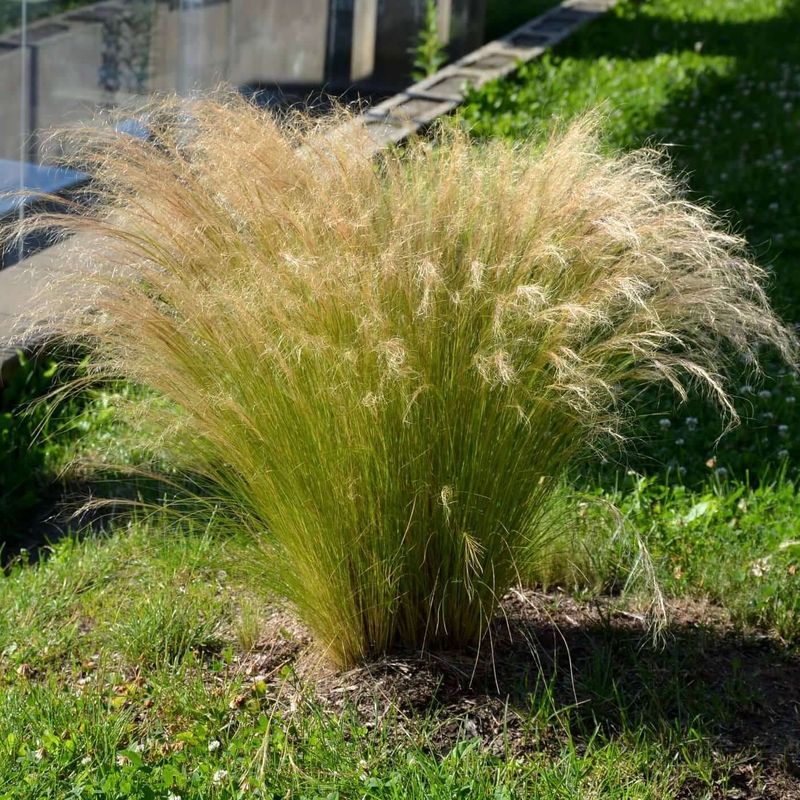
Mexican Feather Grass offers graceful, flowing movement in the garden, reminiscent of tropical breezes. This ornamental grass is low-maintenance and drought-tolerant, thriving in temperate climates.
Its fine, feathery texture adds a unique contrast to bolder plants and blooms. This grass is perfect for filling in gaps and adding softness to garden borders.
Did you know? Mexican Feather Grass is often used in xeriscaping due to its drought resistance and minimal care needs.
9. Fatsia Japonica
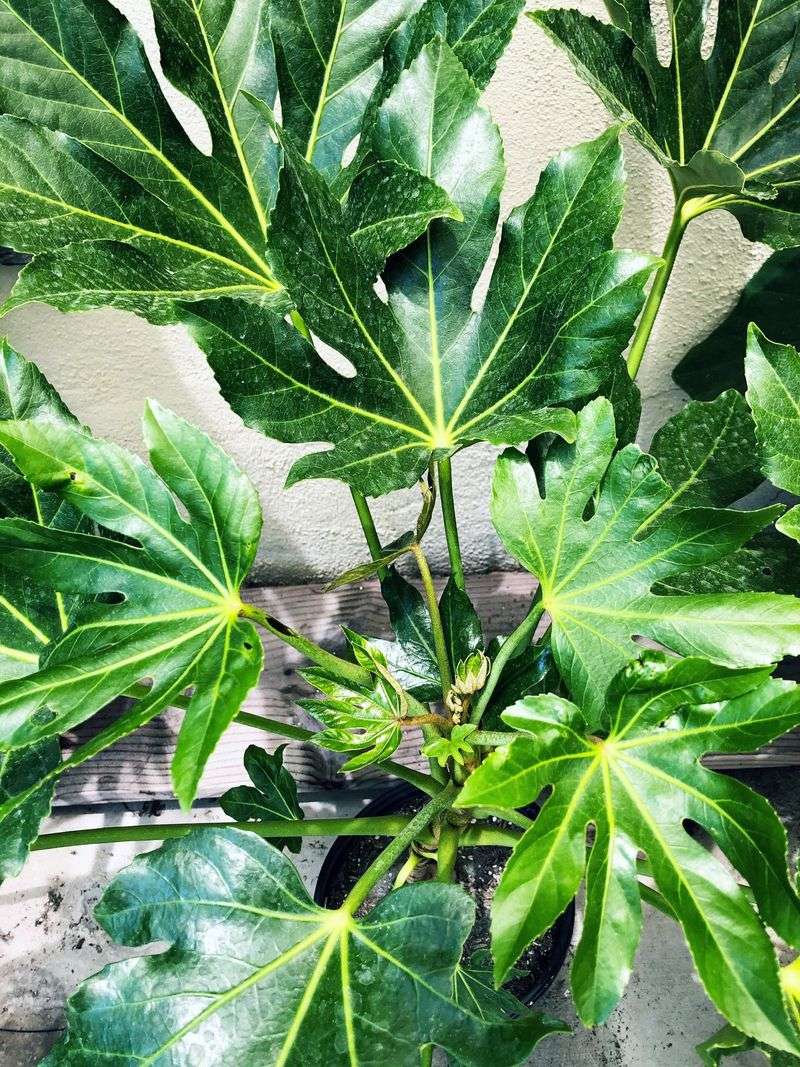
Fatsia Japonica is renowned for its large, tropical-looking leaves, offering a lush, green backdrop in gardens. This plant thrives in shaded areas and is remarkably easy to care for, making it a favorite among gardeners.
Its glossy foliage can grow quite large, providing texture and interest all year round. It’s also an excellent choice for container planting, adding versatility to garden design.
Fun fact: Fatsia Japonica is often used in floral arrangements, thanks to its impressive and long-lasting leaves.
10. Japanese Banana
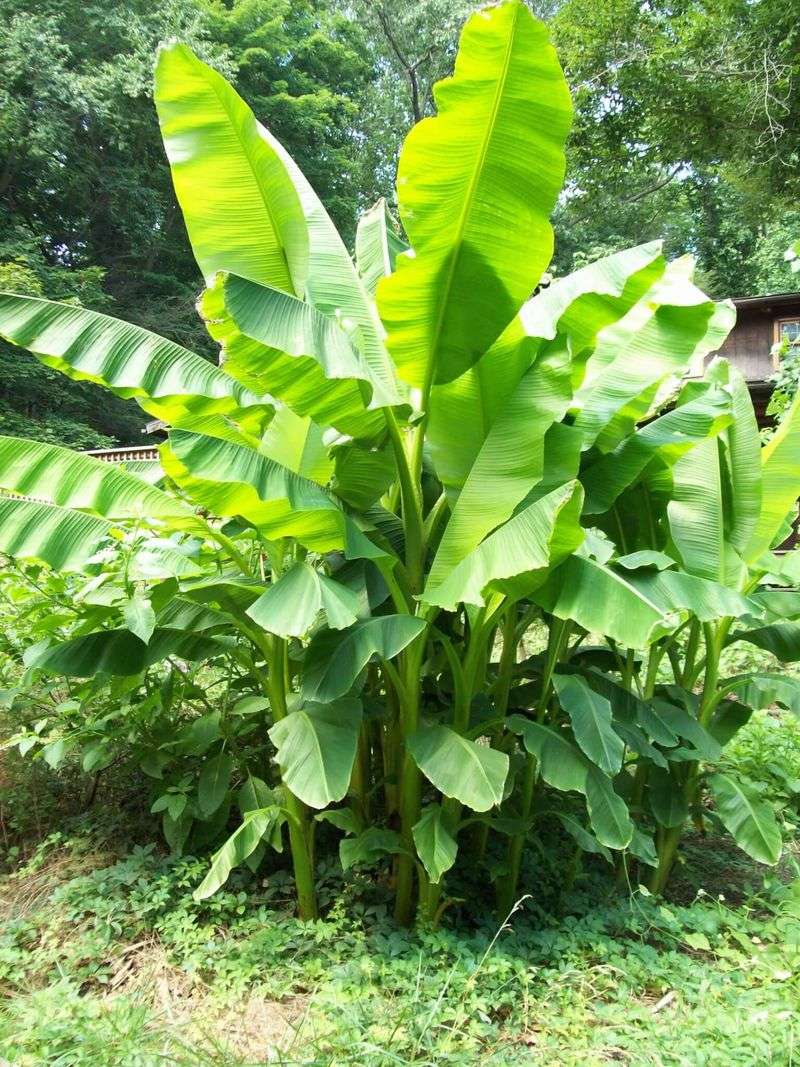
The Japanese Banana adds a touch of the tropics with its large, lush leaves and occasional fruit. While it may not produce edible bananas in temperate climates, the plant’s ornamental appeal is undeniable.
Its broad leaves create a bold texture, making it a striking focal point in any garden. Hardy and fast-growing, it’s suitable for containers or garden beds.
Did you know? This plant, also known as Musa basjoo, is one of the most cold-hardy banana species, surviving in surprisingly low temperatures.
11. Passionflower
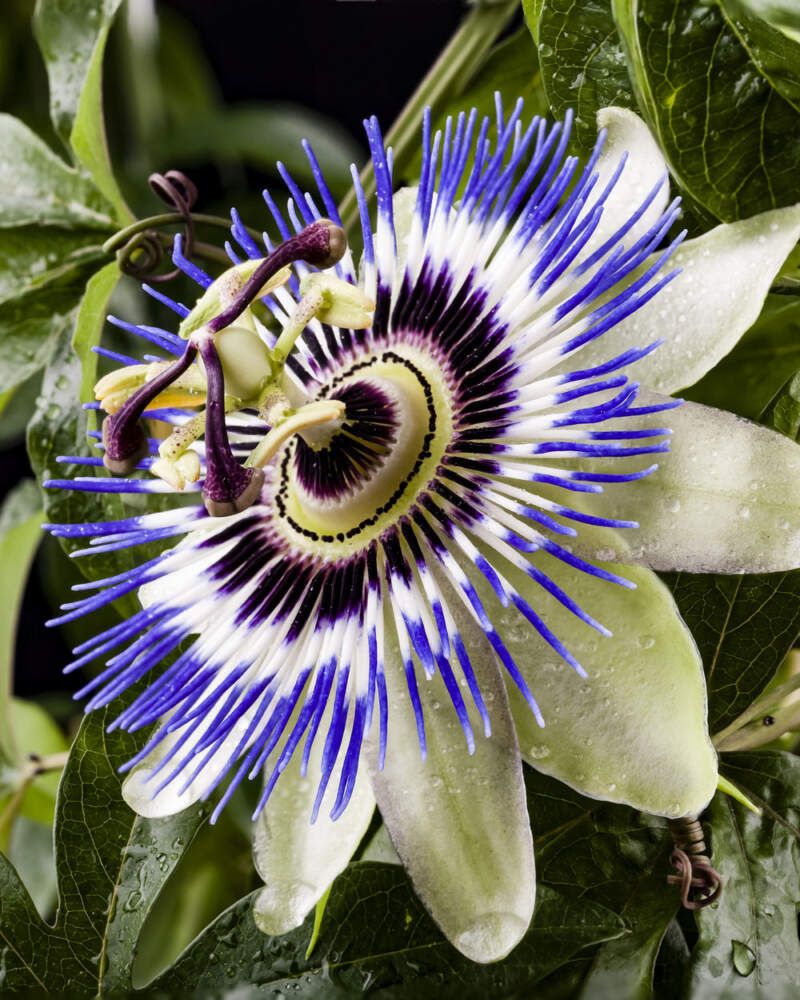
Passionflower offers an exotic allure with its intricate, star-shaped blooms. This vine is known for its unique flowers that captivate with their detail and beauty.
Thriving in temperate climates, it can climb trellises or fences, adding vertical interest to gardens. The leaves and flowers attract butterflies, enhancing the garden’s ecosystem.
Fun fact: The name “Passionflower” was given by Spanish missionaries who saw the flower’s unique structures as symbols of Christ’s crucifixion.
12. Tropical Milkweed
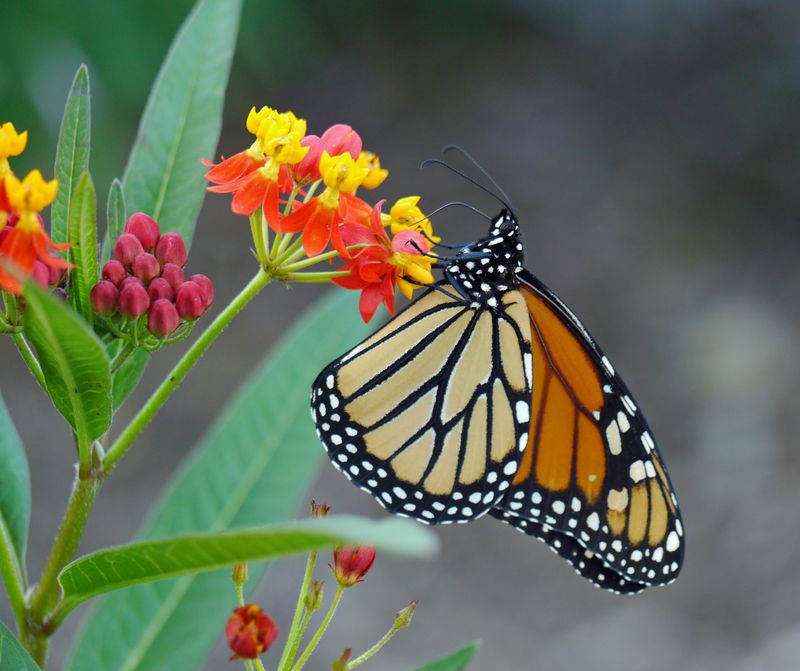
Tropical Milkweed entices with its vibrant orange and yellow blooms. Not only does it add color, but it’s also a vital plant for monarch butterflies, serving as a host for their larvae.
This plant thrives in temperate gardens, providing a splash of color throughout the seasons. Its upright growth habit and bright flowers make it a standout choice.
Did you know? Tropical Milkweed is part of the monarch butterfly’s migration route, playing a crucial role in their lifecycle.
13. Ginger Lily
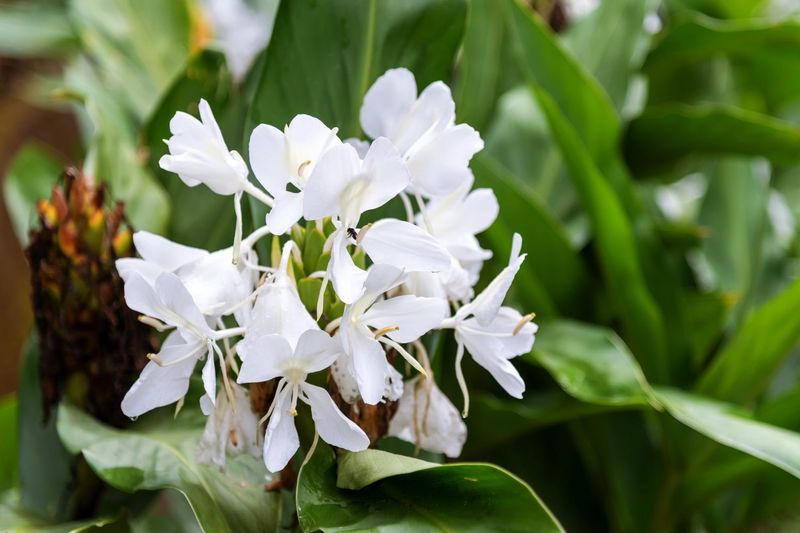
Ginger Lilies are adored for their fragrant blooms and lush foliage. These plants thrive in temperate gardens, offering an exotic touch with their striking flowers.
The blooms, often white or yellow, appear in late summer and continue into fall, providing long-lasting beauty. Their scent is an added bonus, attracting pollinators.
Fun tidbit: Ginger Lilies are closely related to culinary ginger, though they are primarily grown for ornamental purposes rather than consumption.
14. New Zealand Flax
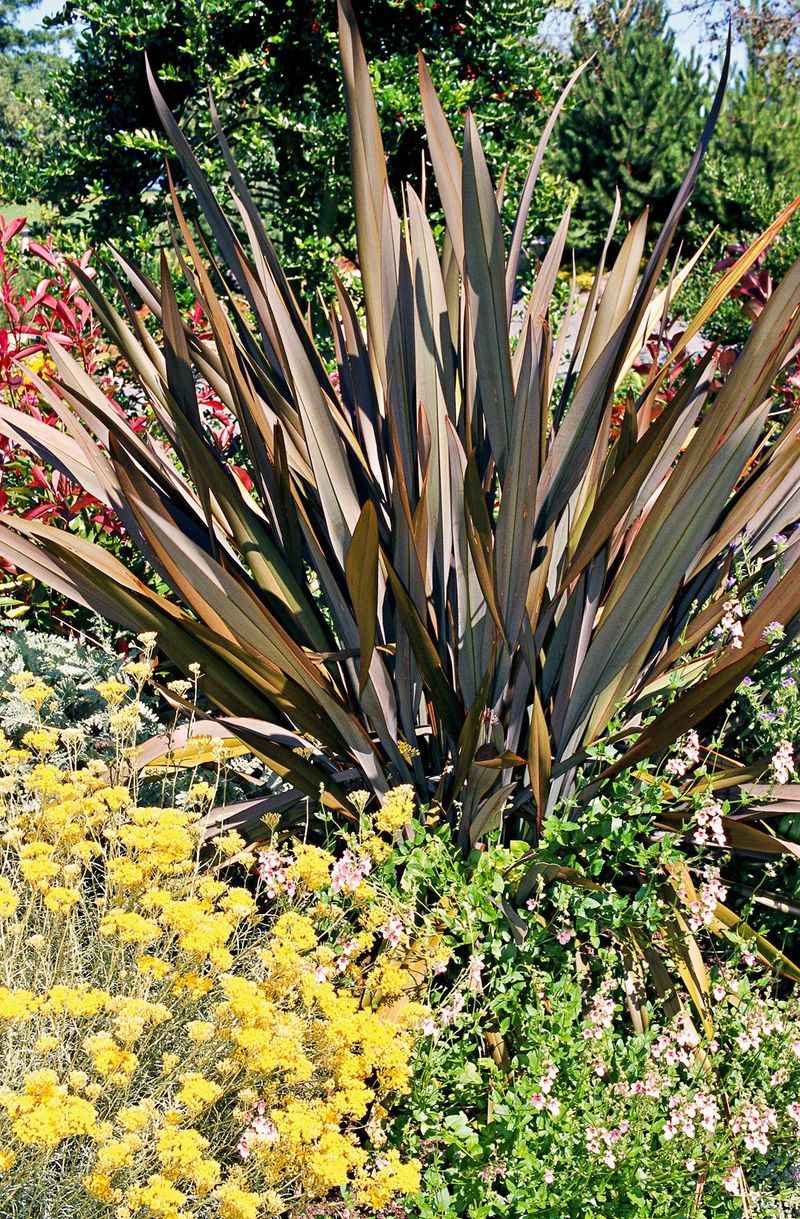
New Zealand Flax stands out with its tall, sword-like leaves that bring architectural elegance to gardens. Available in a variety of colors, including greens, reds, and bronzes, it suits both modern and traditional garden designs.
Hardy and drought-resistant, it thrives in various conditions, making it a versatile choice for temperate climates. Its striking foliage is often used to create focal points.
Did you know? New Zealand Flax is traditionally used by the Maori people for weaving, due to its strong, fibrous leaves.