 Complete Gardening
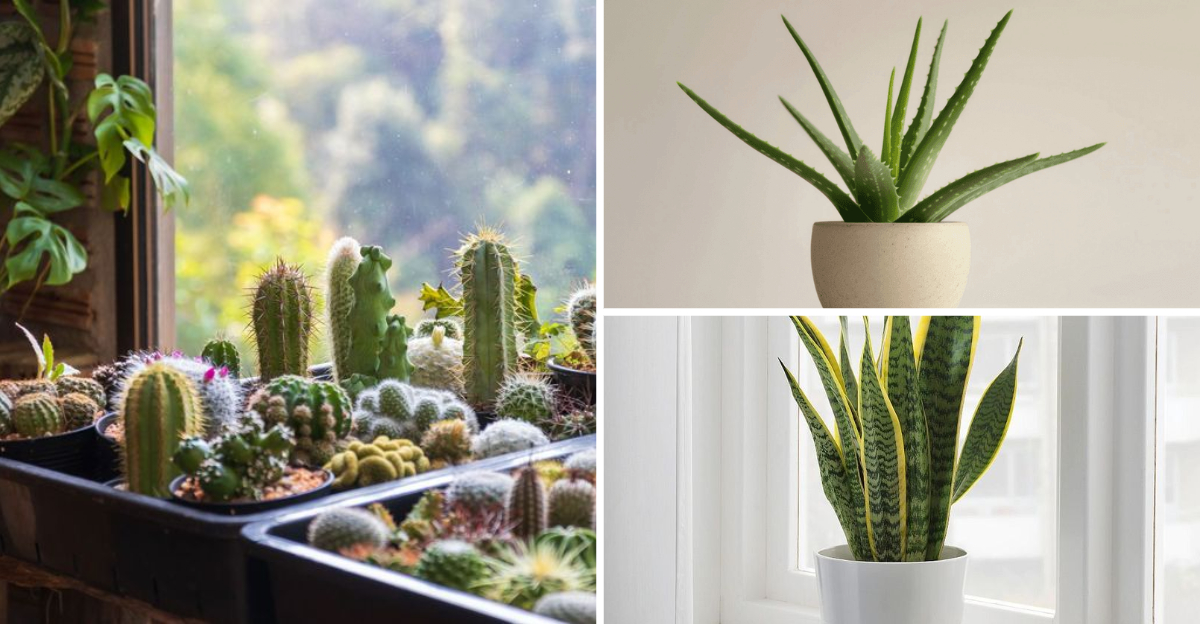
Repotting houseplants is often seen as a necessary task to keep them healthy. However, some plants thrive best when left in their original containers. Frequent repotting can actually harm certain species, disrupting their growth and causing unnecessary stress. Understanding which houseplants should remain undisturbed is crucial for their well-being and longevity. In this article, we explore 16 houseplants you should avoid repotting to ensure they continue to flourish.
1. Orchid
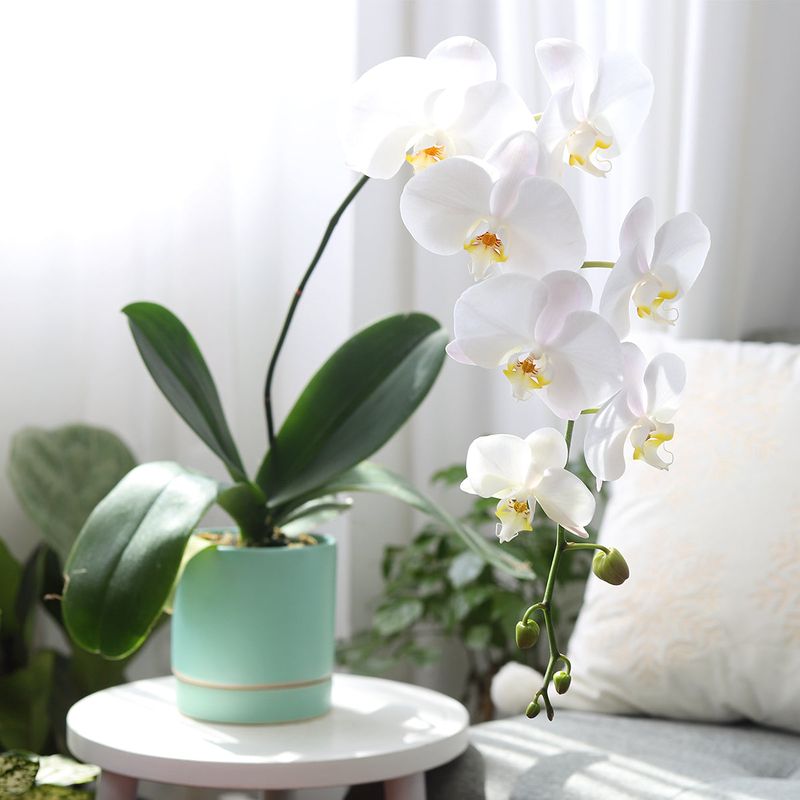
Orchids, with their delicate beauty, find solace in stability. Often, new orchid owners feel compelled to repot them, thinking it will boost growth. Quite the opposite, these elegant plants prefer to be slightly root-bound. Their roots thrive in airy containers, and unnecessary repotting can hinder their blooming cycle. Curious fact: Orchids have symbiotic relationships with fungi, aiding their nutrient absorption. Observe your orchid; if it blooms regularly, there’s no need to disrupt its serene habitat. Overhandling may lead to stress, causing the flowers to wilt prematurely. Embrace their natural rhythm and enjoy their timeless elegance.
2. Snake Plant
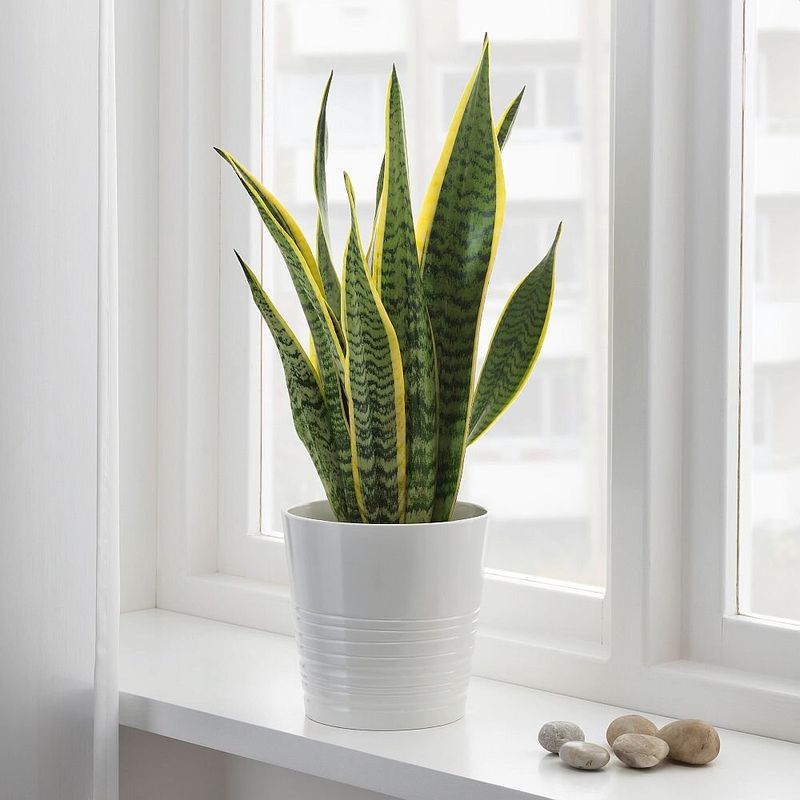
With resilience etched into their leaves, snake plants are champions of low-maintenance greenery. These hardy plants thrive on neglect and flourish when left undisturbed. Constantly repotting them might seem like a gesture of care, yet it can disrupt their growth pattern. Snake plants are slow growers, and they appreciate the coziness of their pots. Interestingly, they also act as natural air purifiers, making them perfect companions for any living space. Refrain from repotting unless truly necessary, as they relish the familiarity of their environment. Let them stand tall, quietly purifying the air around you.
3. Spider Plant
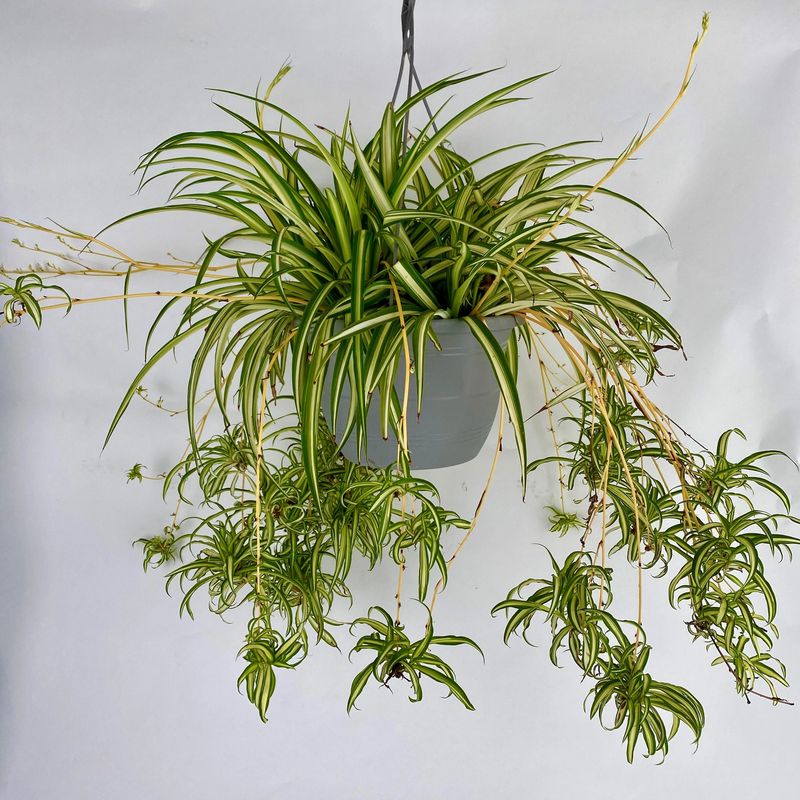
Spider plants, with their playful shoots, bring a lively charm to homes. They love being slightly crowded, which encourages them to produce more babies. Constant repotting can hamper their natural propagation, stunting their growth. Did you know that spider plants are known to improve indoor air quality? They thrive in indirect light and prefer their roots snug, making them ideal for hanging baskets. Over time, they develop a beautiful cascade, enhancing the aesthetic of any room. Avoid the urge to repot frequently, allowing these playful companions to continue their cheerful, verdant display.
4. Aloe Vera
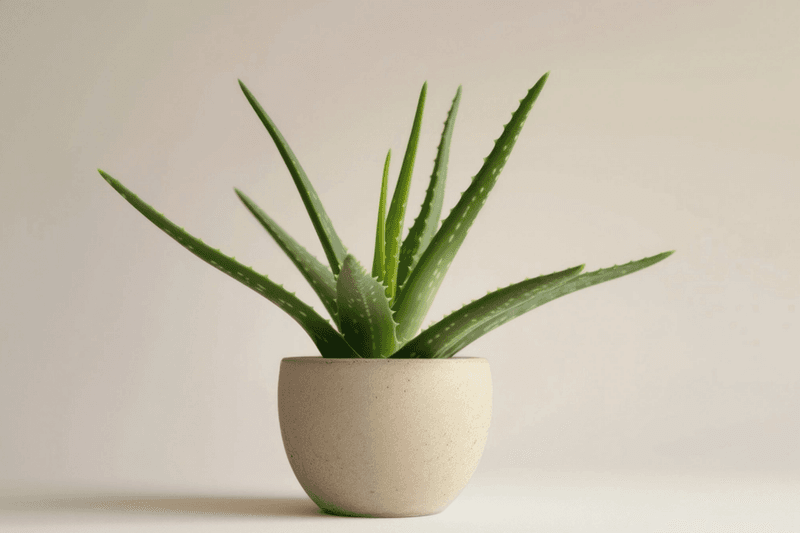
Aloe Vera, famed for its soothing gel, is a sun-loving marvel. These succulents prefer dry conditions, and their roots thrive when slightly cramped. Frequent repotting can lead to overwatering and root rot, harming the plant. Aloe Vera’s thick leaves store water efficiently, making it an ideal low-maintenance choice. This ancient plant has been used for centuries in skincare and medicine. Allow your aloe to soak up the sun and thrive in its compact pot. Only consider repotting when it’s truly outgrown its home, ensuring it remains healthy and robust.
5. Fiddle Leaf Fig
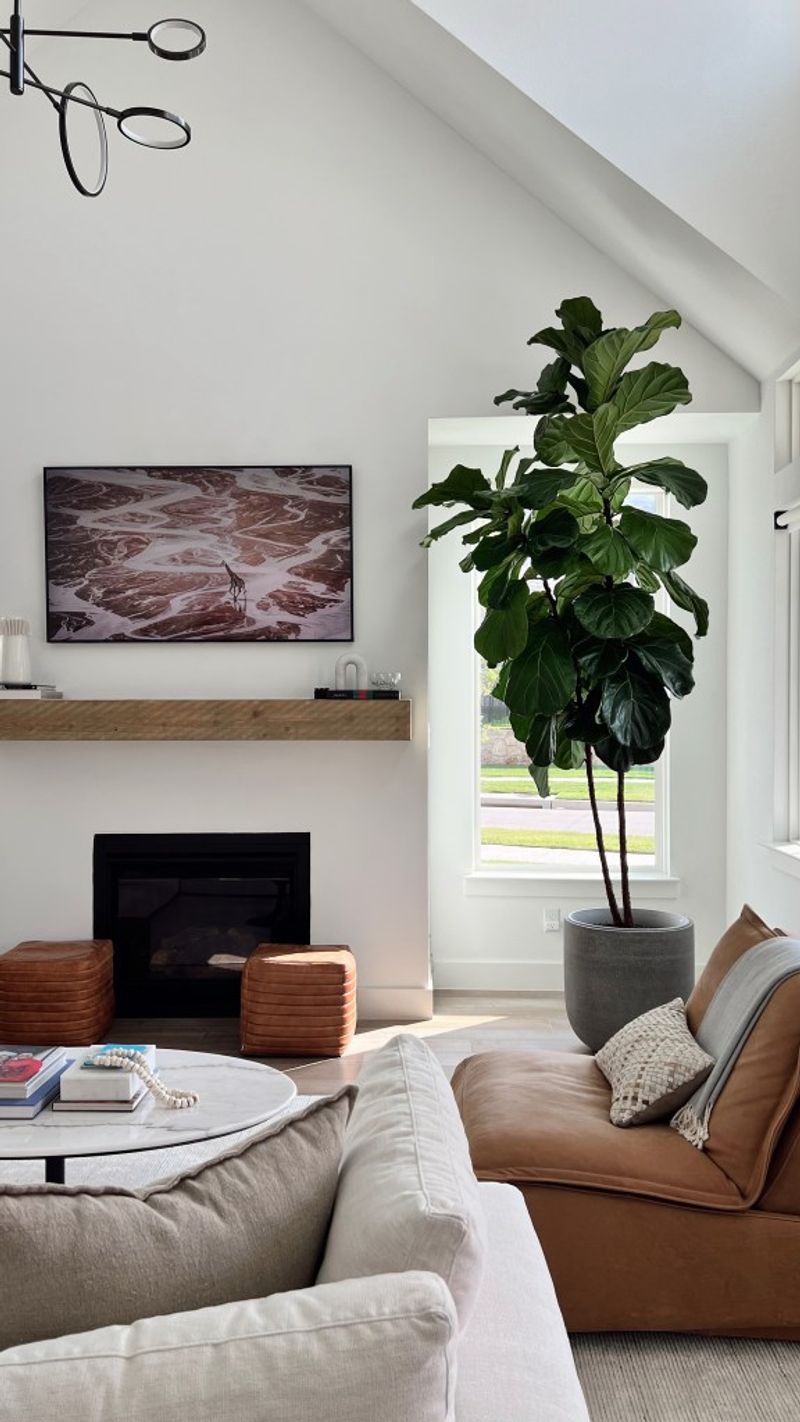
Fiddle Leaf Figs are a decorators’ delight with their stunning, broad leaves. Yet, they are known to be sensitive to change. Constantly repotting this plant can lead to leaf drop and stunted growth. They thrive in consistency and should only be repotted every few years or when roots are visibly constrained. Fun fact: Fiddle leaf figs hail from the rainforests of Western Africa. Their lush foliage adds a dramatic flair to interiors. Preserve its majestic presence by allowing it to grow comfortably within its current confines. Less interference often results in healthier leaves.
6. Peace Lily
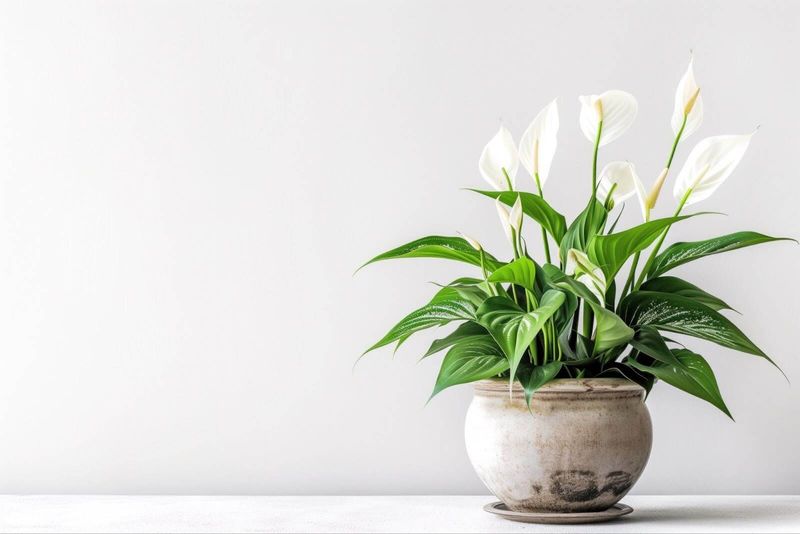
Peace Lilies captivate with their graceful white blooms and glossy leaves. These plants prefer a snug pot to bloom beautifully. Repotting too often can disrupt their cycle, leading to fewer flowers. Interestingly, this plant is a natural air purifier and thrives in low light, making it perfect for offices. Peace lilies enjoy the cozy embrace of their pots, and their roots develop best when slightly crowded. Only repot when absolutely necessary, perhaps when you observe roots escaping from the drainage holes. Keep their environment stable for continuous blooms and serene presence.
7. Cactus
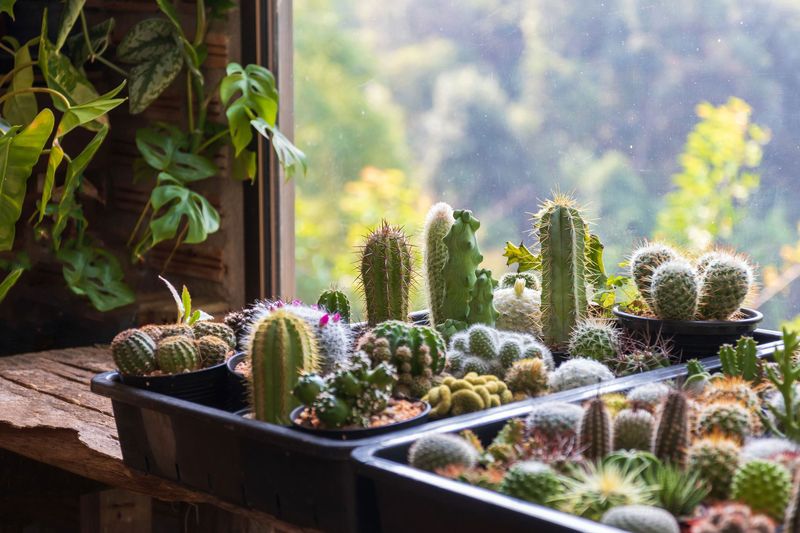
Cacti, the epitome of desert resilience, thrive in neglect rather than constant attention. These spiky wonders store water in their thick tissues, making them drought-tolerant. Repotting cacti frequently can lead to unnecessary stress and potential root damage. Curiously, cacti have adapted to conserve water, thriving in compact spaces. They require well-draining soil and prefer being left undisturbed for long periods. When placed in bright light, they exhibit vibrant colors and interesting textures. Appreciate their rugged beauty without the urge to repot. Their adaptability and minimal water needs make them ideal for those with busy lifestyles.
8. Zebra Plant
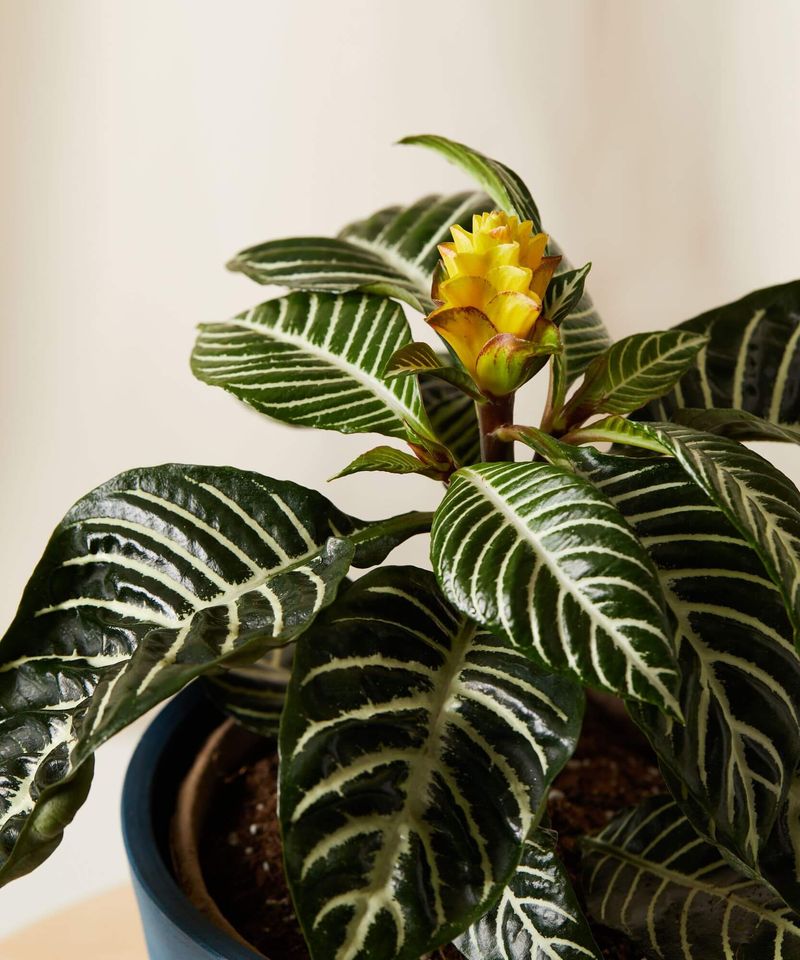
Zebra plants, with their bold striped leaves, add an exotic touch to indoor spaces. These plants are sensitive to changes, and frequent repotting can cause leaf drop and stress. Preferring indirect light and humid conditions, they thrive in consistent environments. Did you know the zebra plant blooms with bright yellow spikes? To maintain its striking appearance, allow it to stay comfortably in its pot. Only consider repotting when it’s severely root-bound. Their decorative foliage and unique patterns make zebra plants a favorite for plant enthusiasts, offering a touch of the tropics indoors.
9. Pothos
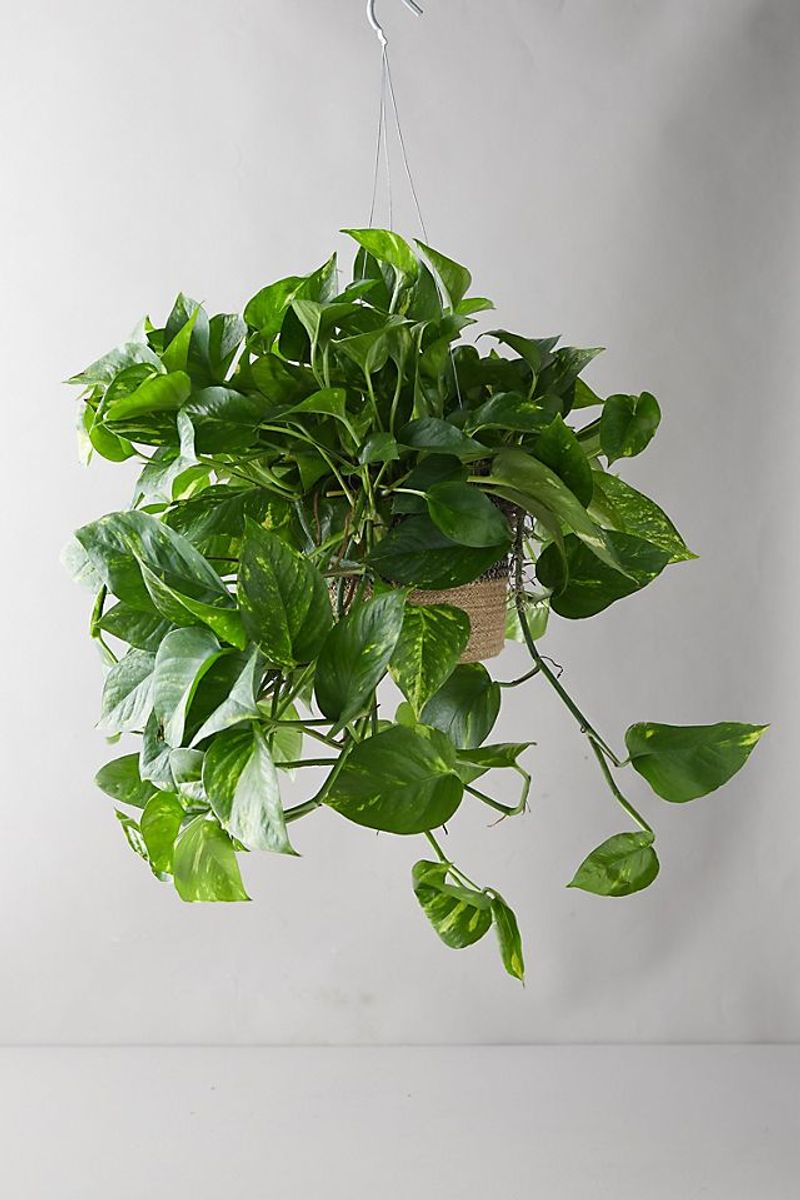
Pothos, known for their trailing vines, are the ultimate low-maintenance plant. They flourish in a variety of conditions, from low light to bright, indirect sun. Repotting pothos often can disrupt their growth, as they thrive when slightly root-bound. This plant is perfect for beginners, requiring minimal care while purifying the air. Fun fact: Pothos are sometimes called “Devil’s Ivy” due to their hardiness and ability to thrive in the dark. Let them trail freely, enhancing any room with their lush greenery. Keep the repotting to a minimum, focusing instead on enjoying their vibrant presence.
10. Bonsai
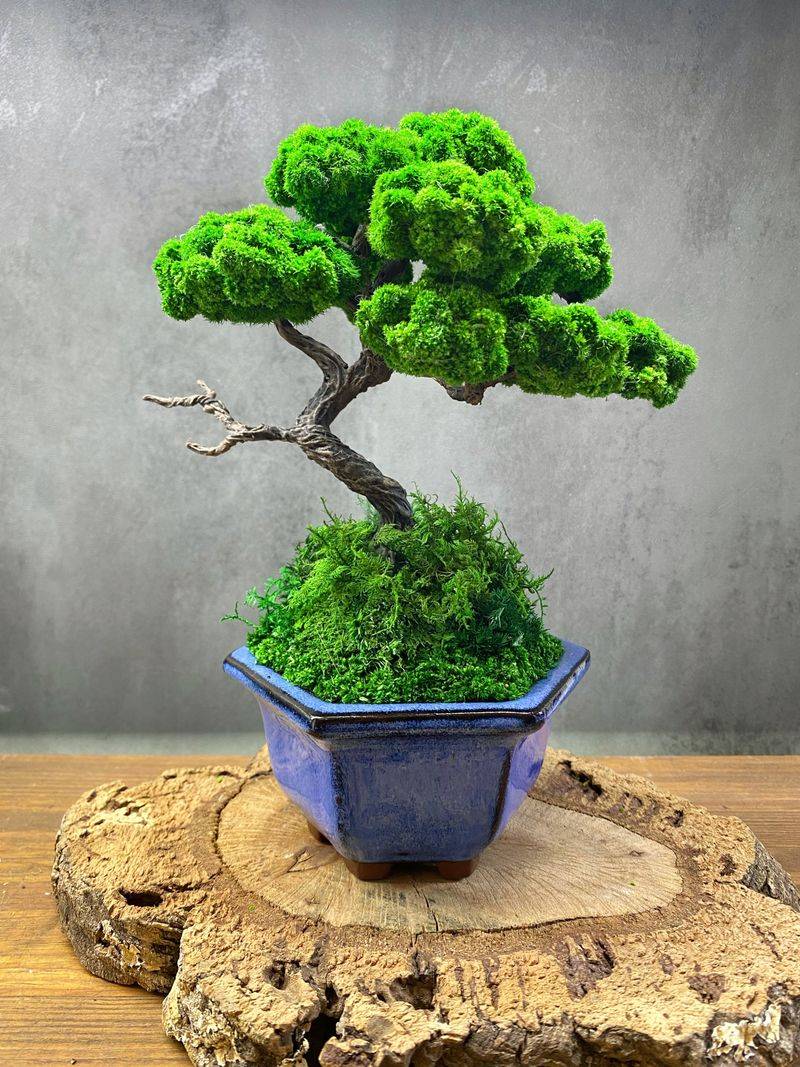
Bonsai, the artistic miniature trees, require patience and skill. These living sculptures thrive on stability and should not be repotted frequently. Repotting is part of their training, but excessive changes can disturb their growth balance. Originating from ancient Chinese horticultural practices, bonsai are expressions of harmony and nature. Their shallow pots and precise pruning techniques reflect the delicate balance they require. Only repot when absolutely necessary, maintaining their artistic form and health. Embrace the meditative practice of bonsai care, allowing them to flourish undisturbed as timeless symbols of peace and tranquility.
11. Jade Plant
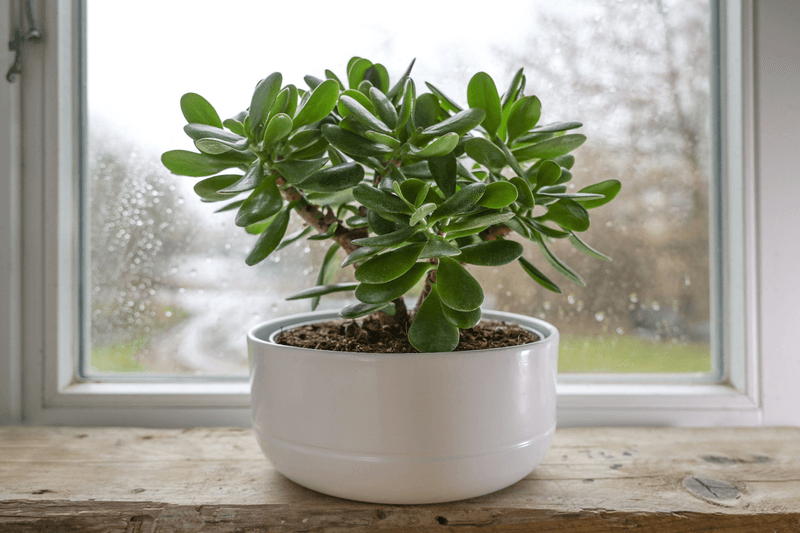
Jade plants are symbols of prosperity and good fortune, often found in homes and gardens. Their succulent nature means they store water in their fleshy leaves, requiring minimal watering. Repotting jade plants too often can disturb their root system and lead to stress. These resilient plants prefer well-draining soil and bright light. Fun fact: Jade plants are believed to attract wealth and success according to Feng Shui principles. Allow them to acclimate to their surroundings without frequent interference. Their sturdy form and vibrant green leaves make them a delightful addition to any space.
12. Dumb Cane
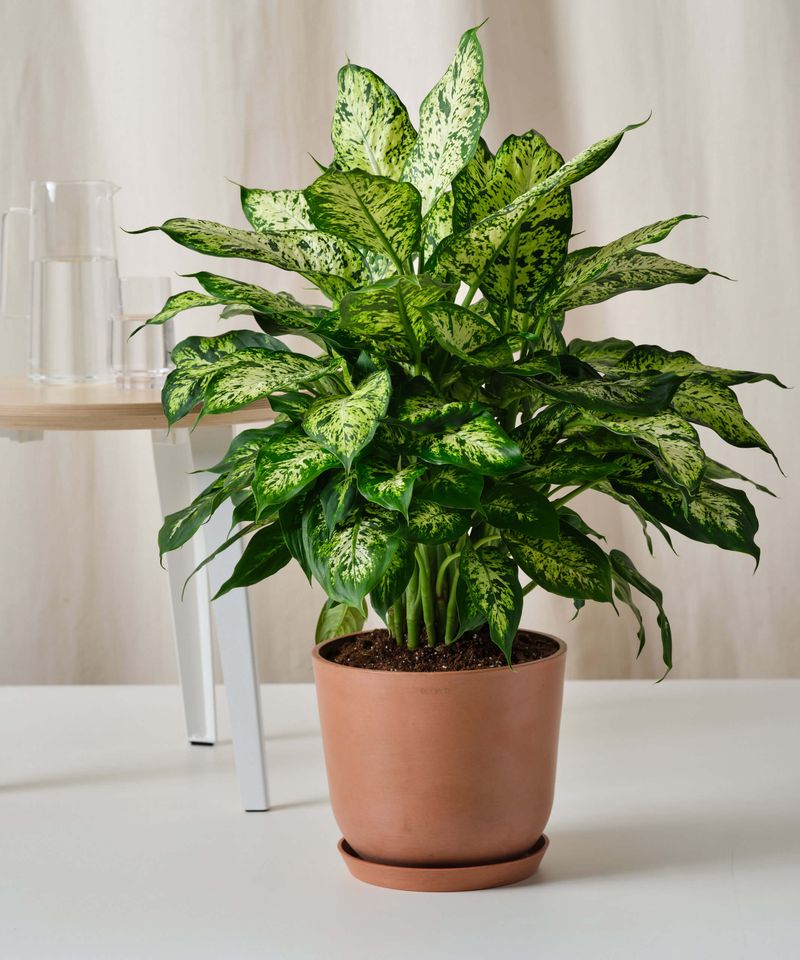
Dumb Cane, with its striking foliage, is often a centerpiece in homes. Known for broad leaves with unique variegation, it prefers stability over frequent repotting. This plant can experience leaf drop and stress if moved too often. Interestingly, its name derives from the plant’s sap, which can cause temporary speechlessness if ingested. Dumb Cane thrives in moderate light and slightly humid conditions. Embrace its natural beauty by allowing it to stay in its chosen spot, repotting only when necessary. Its lush presence and distinctive leaves add elegance and vibrancy to any indoor setting.
13. Chinese Evergreen
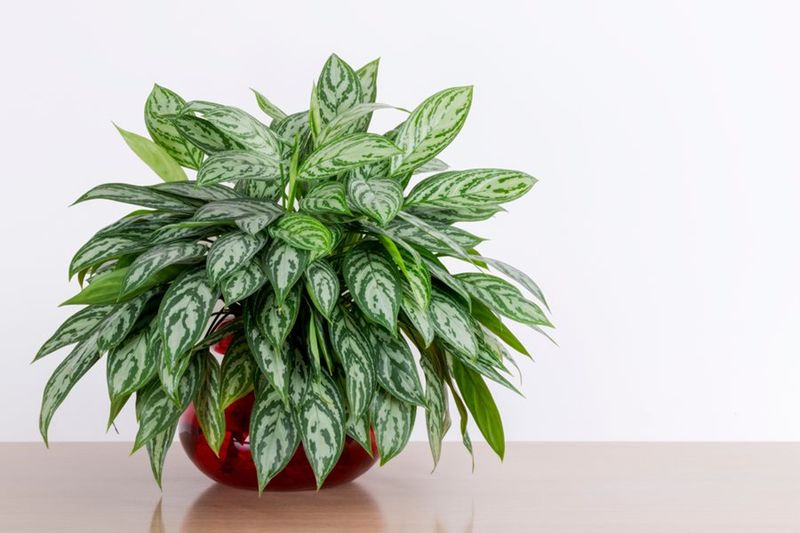
Chinese Evergreens are beloved for their adaptability and diverse foliage patterns. These plants thrive with minimal care, making them perfect for beginners. Frequent repotting can disrupt their growth, leading to potential leaf loss. Known for their air-purifying qualities, Chinese Evergreens prefer indirect light and humid environments. Fun fact: These plants are considered lucky in Asian cultures, symbolizing longevity and prosperity. Allow them to flourish in their existing pots, repotting only when essential. Their enduring nature and striking leaves make them a favorite choice for homes and offices alike, offering beauty and resilience.
14. Rubber Plant
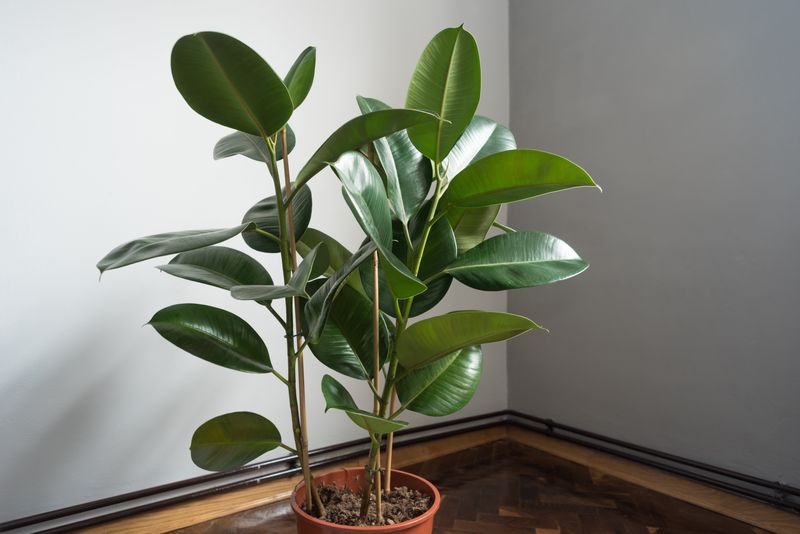
Rubber plants, with their bold, shiny leaves, are a statement piece in any room. These plants prefer to be slightly root-bound and can suffer from unnecessary repotting. Known for their air-cleansing abilities, rubber plants thrive in bright, indirect light. Did you know? The latex from rubber plants was once used in early rubber production. Allow the plant to grow at its own pace, repotting only when roots become overly constricted. Their majestic leaves and robust nature enhance the aesthetic of any space. Enjoy their lush presence, providing both charm and clean air.
15. Parlor Palm
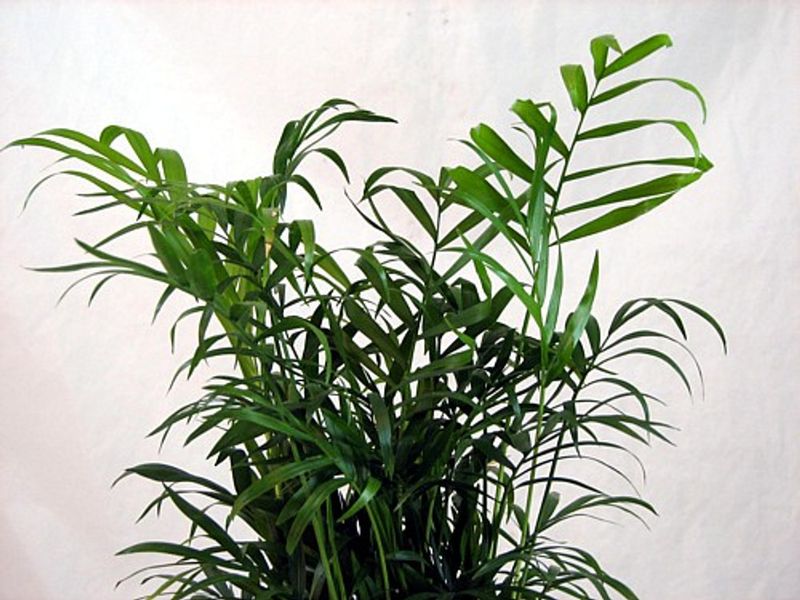
Parlor Palms evoke a sense of Victorian elegance, often found in stylish interiors. These palms thrive on neglect and should not be repotted frequently. Their roots prefer a tight space, and excessive handling can lead to browning fronds. Fun fact: Parlor palms were popular in parlors of the 19th century, symbolizing wealth and status. They flourish in low light and require minimal watering, making them ideal for indoor environments. Allow them to maintain their grace by leaving them in their cozy pots. Enjoy the classic beauty they bring to any room, with minimal effort.
16. Philodendron
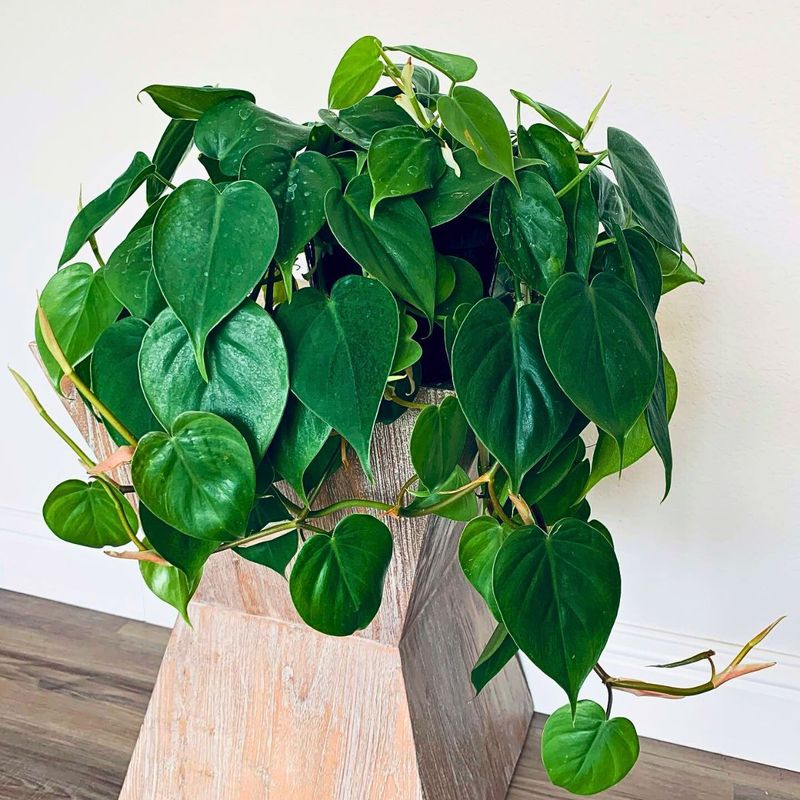
The Philodendron is known for its adaptability, thriving in various environments without the need for frequent repotting. Its luscious, heart-shaped leaves bring a touch of the tropics indoors. Keeping this plant in its pot allows it to establish a strong root system, resulting in healthier growth.
While it may be tempting to move it to a bigger pot as it grows, the Philodendron can become stressed if uprooted too often. Allow it to become comfortable in its current home, and you’ll be rewarded with its stunning foliage.
Did you know? In the wild, Philodendrons can climb trees, showcasing their natural resilience.