 Complete Gardening
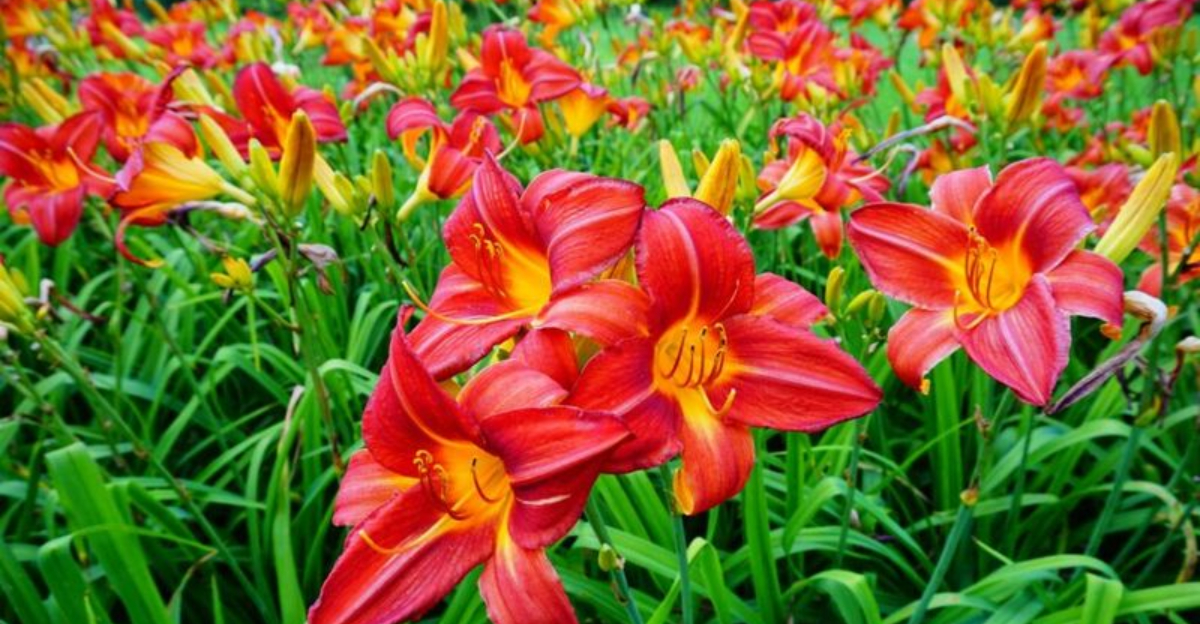
Embarking on a journey of planting quick-growing perennials can be both rewarding and challenging. These plants promise rapid growth and vibrant displays, but not all live up to their promises. In this post, I share my personal experience with 16 different quick-growing perennials, highlighting those that truly deserve a second planting and some that fell short of expectations.
1. Shasta Daisy
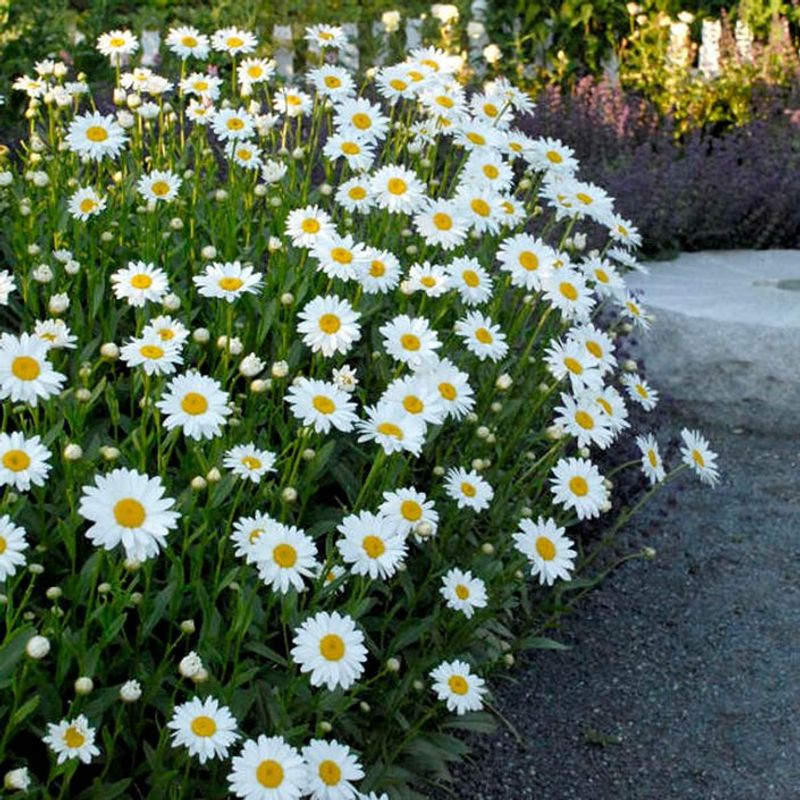
Shasta Daisies bring a burst of sunshine to any garden with their bright white petals and yellow centers. Loved for their simplicity and charm, they quickly fill spaces with their cheerful blooms. While they thrive in well-drained soil, they can sometimes become too aggressive, overtaking other plants. Consider pairing them with other strong growers to balance their enthusiasm.
Interestingly, these flowers are named after California’s Mount Shasta. Their open faces mimic the sun, making them a favorite among pollinators. If you value low-maintenance beauty, Shasta Daisies might just be your garden’s star.
2. Black-Eyed Susan
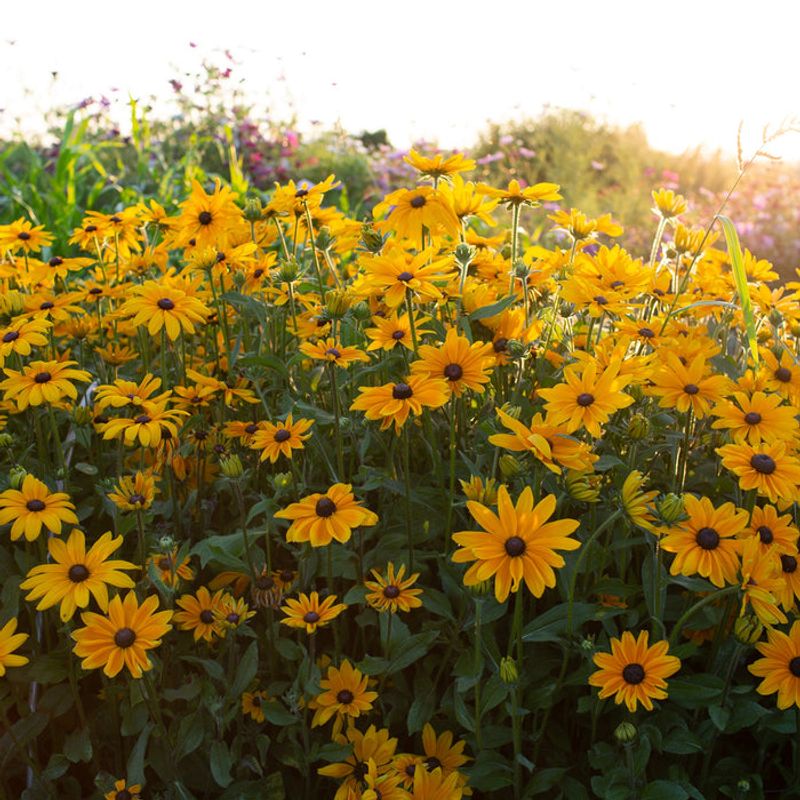
Black-Eyed Susans are like the golden rays of the summer garden, their vibrant yellow petals capturing attention effortlessly. These resilient flowers withstand drought and heat, making them a gardener’s delight. However, their spreading habit can be overwhelming if not managed.
Historically, they symbolize encouragement and motivation, perhaps due to their sunny disposition. They not only beautify gardens but also attract butterflies, adding life and movement. A classic choice for borders and wildflower gardens, Black-Eyed Susans deliver both charm and endurance, though they require occasional thinning to prevent overcrowding.
3. Lamb’s Ear
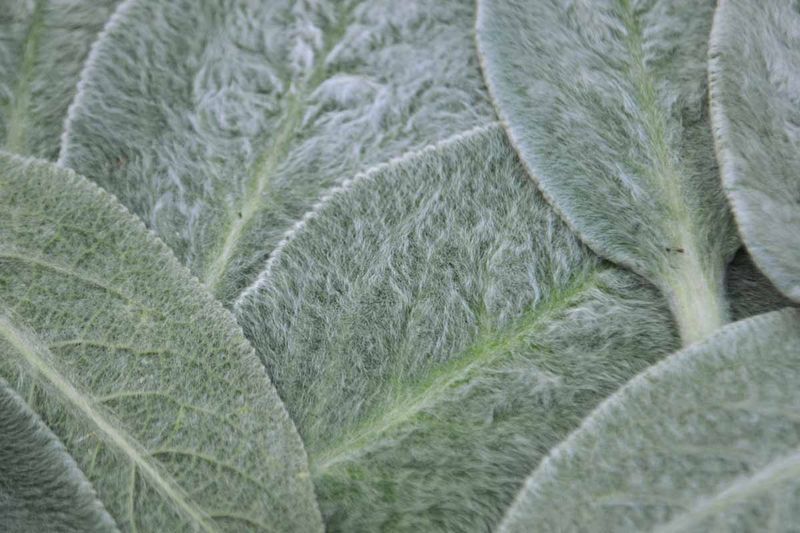
With its soft, velvety leaves, Lamb’s Ear is a sensory delight in any garden. This perennial’s silver-green foliage adds a unique texture, perfect for borders or as a ground cover. Although its flowers are less notable, the leaves are the main attraction.
Children often find joy in touching its lamb-like softness, making it a garden favorite. Despite its beauty, it can become invasive if not monitored, so regular trimming is advised. Lamb’s Ear thrives in well-drained soil and sunny spots, where it can showcase its full, tactile appeal without overtaking other plants.
4. Russian Sage
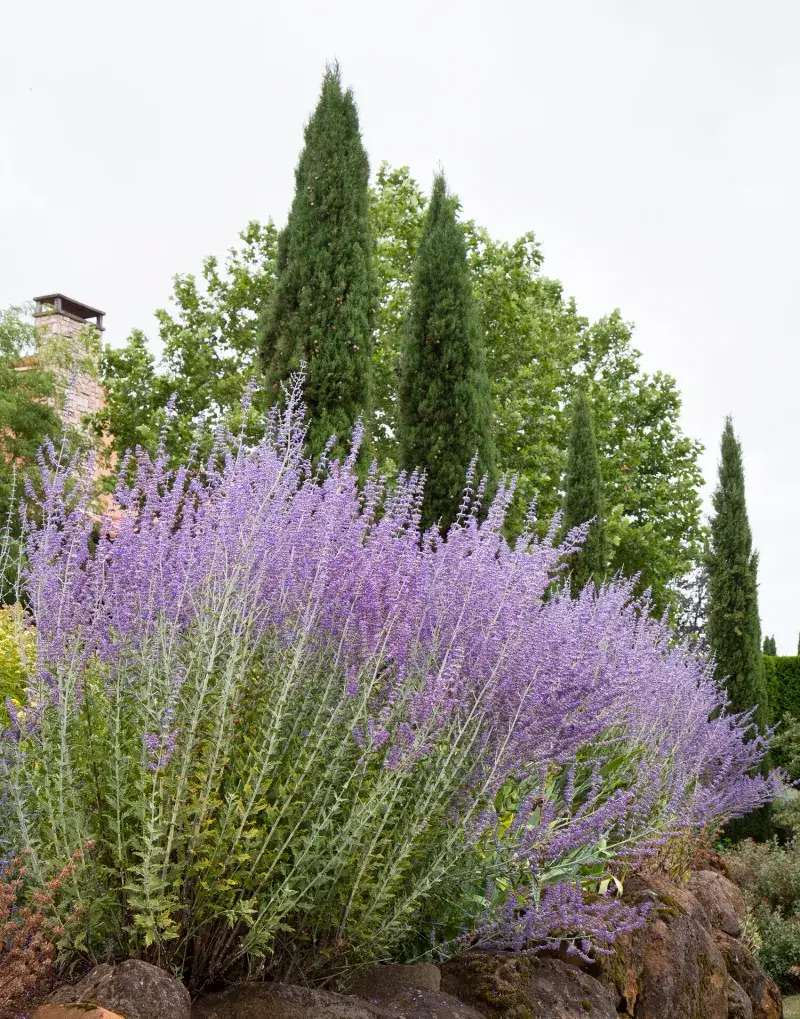
Russian Sage stands tall with its spiky, purple flowers and silvery foliage, bringing an airy elegance to gardens. Known for its drought tolerance, it thrives in sunny areas, adding height and texture to landscapes. However, its legginess can be a downside, especially in windy locations.
Originating from the dry regions of Central Asia, this plant is a testament to resilience. Its aromatic leaves release a pleasant scent when brushed, offering a sensory garden experience. While its ethereal beauty is captivating, providing support might be necessary to maintain its upright stance.
5. Daylily
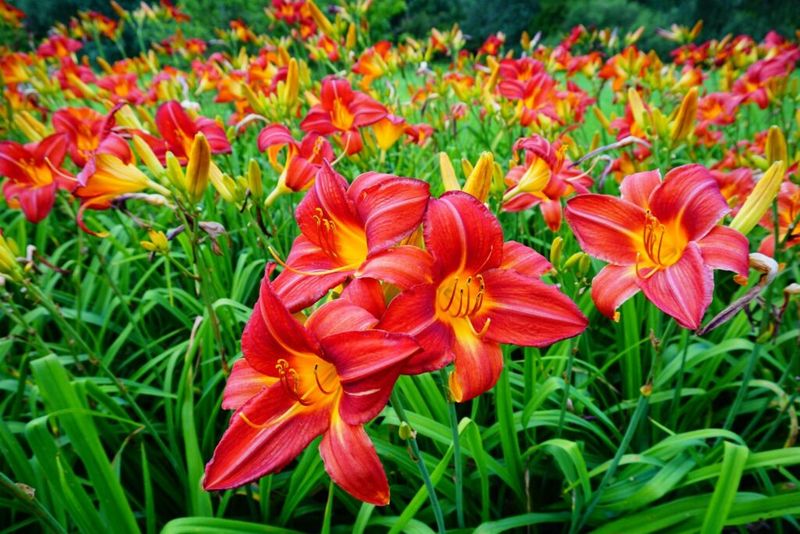
Daylilies are the epitome of adaptability and color variety in gardens. Their trumpet-shaped blooms, lasting just a day, are continually replenished, ensuring a long-lasting display. These plants are virtually maintenance-free, making them ideal for busy gardeners.
Originally from Asia, Daylilies have a rich history in traditional medicine and cuisine. They thrive in diverse environments, from full sun to partial shade, and are resistant to most pests. Their ability to naturalize and spread can be both a blessing and a curse, requiring division every few years to manage growth.
6. Hosta
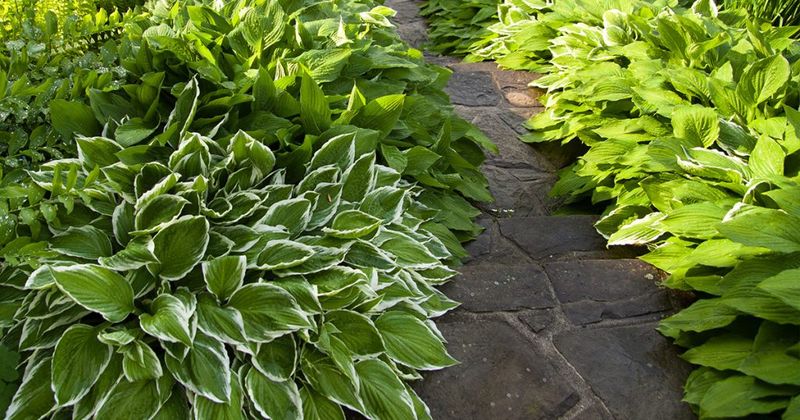
Hostas are beloved for their lush foliage and variety of leaf shapes and colors. These shade-loving perennials create a serene garden atmosphere with their broad leaves and subtle blooms. Despite their beauty, they are a favorite snack for deer and slugs, requiring some pest management.
Native to Northeast Asia, Hostas have been cultivated for centuries, prized for their decorative leaves. They thrive in rich, moist soil and can be divided to manage size and promote health. Though their flowers are understated, the foliage alone makes Hostas a garden staple.
7. Coneflower
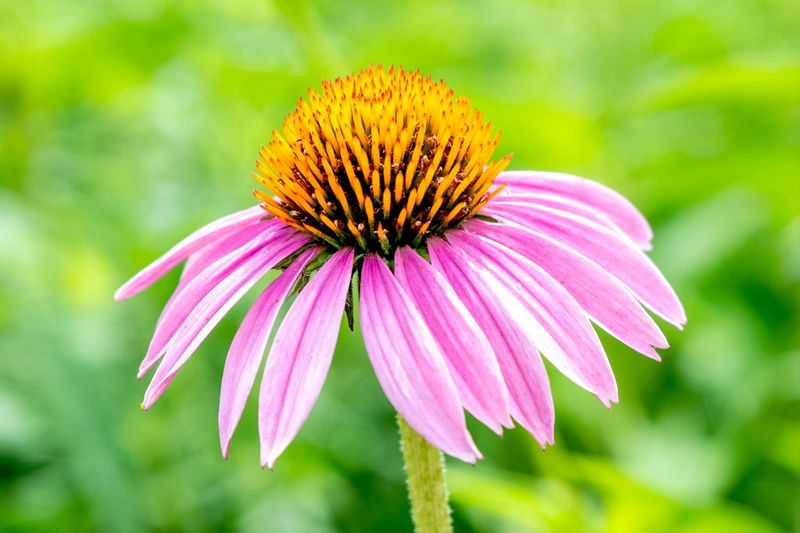
Coneflowers, or Echinacea, stand out with their bold, spiky centers and drooping petals. These perennials are not only beautiful but also medicinal, known for their immune-boosting properties. While they are hardy and adaptable, they sometimes face challenges with poor drainage.
Their vibrant pink blooms attract pollinators, adding life to any garden. Originating from North America, they carry a rugged charm, surviving in various climates. Coneflowers are perfect for naturalizing areas, offering both aesthetic and health benefits, though some attention to soil conditions is necessary.
8. Sedum
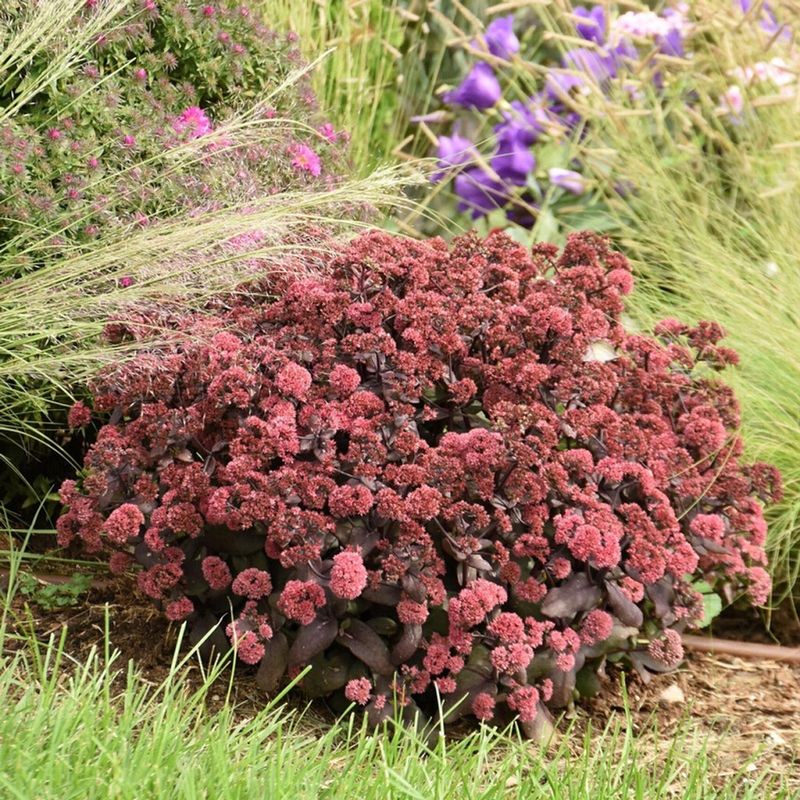
Sedum, or stonecrop, is a succulent with impressive drought tolerance. Its fleshy leaves store water, making it perfect for rock gardens and dry landscapes. While it provides year-round interest with its colorful blooms and foliage, it can suffer in poorly drained soils.
These plants are practically carefree, thriving in sunny spots and attracting butterflies. Their low-growing habit complements taller perennials beautifully. Sedum’s diverse species offer a range of colors and forms, ensuring there’s a perfect match for any garden design, especially in areas needing minimal upkeep.
9. Bee Balm
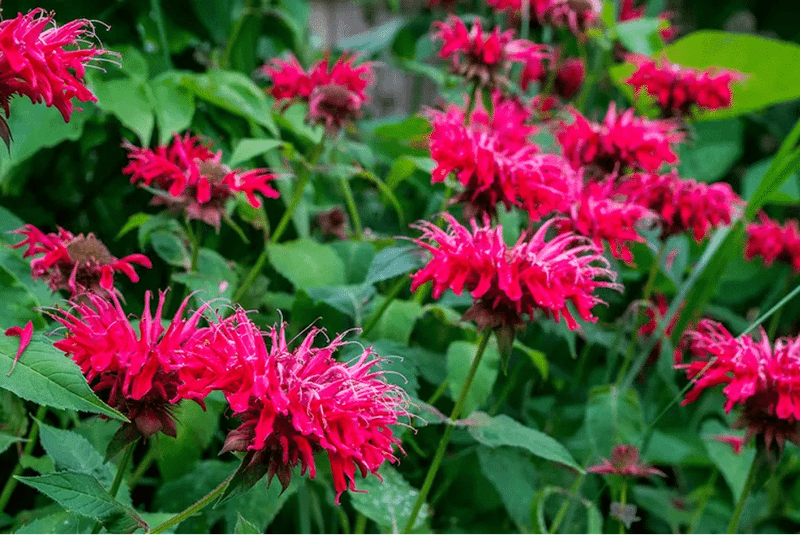
Bee Balm is a pollinator’s paradise, with its vibrant, tubular flowers attracting bees, butterflies, and hummingbirds. This perennial’s striking red and pink blooms add drama to gardens, though it can be prone to mildew without proper air circulation.
Native to North America, Bee Balm has a long history of medicinal use, particularly by Indigenous peoples. It’s best planted in sunny spots with good airflow to thrive. Despite its susceptibility to disease, its ability to draw wildlife and its aromatic foliage make Bee Balm a worthwhile garden addition.
10. Astilbe
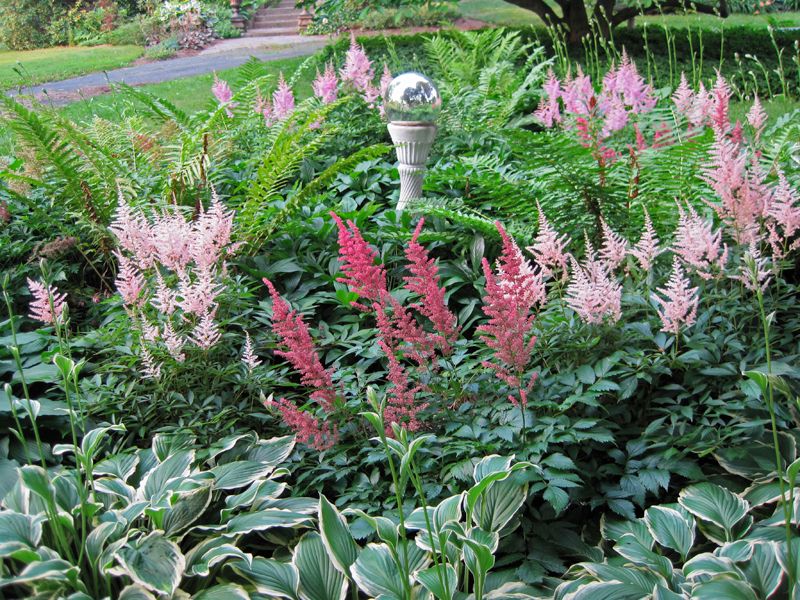
Astilbe offers a splash of color in shady gardens with its feathery plumes of pink, white, or red flowers. These perennials bring light to darker areas, though they demand consistent moisture to prevent wilting.
Their lush, fern-like foliage remains attractive even when the flowers fade. Originating from Asia and North America, Astilbes are a testament to adaptability, thriving in woodland settings. They pair beautifully with Hostas and Ferns, creating serene garden scenes. Regular watering and shade are key to keeping Astilbes looking their best.
11. Catmint
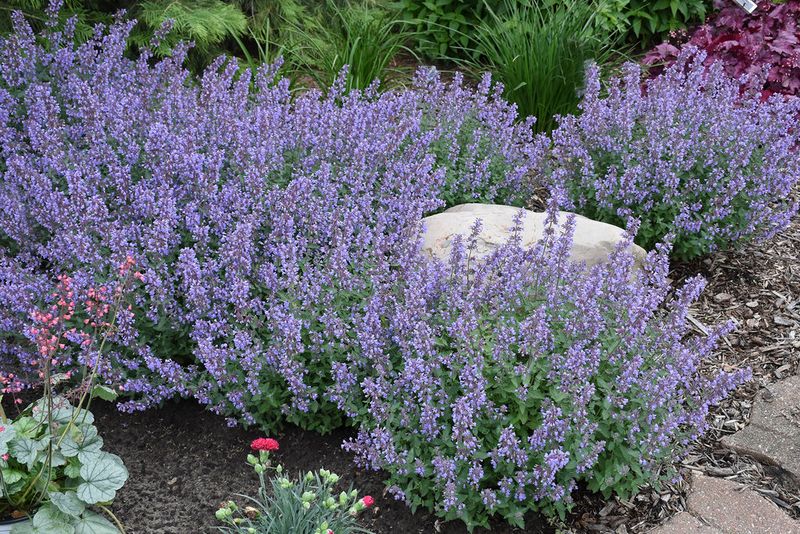
Catmint, known for its aromatic foliage and lavender-blue flowers, is a favorite among gardeners seeking a carefree perennial. Its sprawling habit fills spaces quickly, though it may require occasional pruning to maintain shape.
Loved by cats and pollinators alike, Catmint’s delicate blooms add a whimsical touch to gardens. With its origins in Europe and Asia, it has been cherished for centuries for its calming scent and medicinal uses. This plant thrives in sunny, well-drained areas, providing a low-maintenance yet visually pleasing garden element.
12. Coral Bells
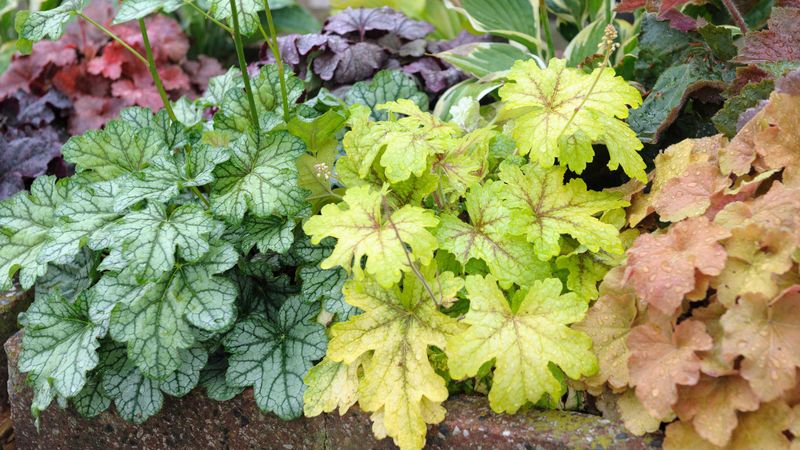
Coral Bells, or Heuchera, are grown primarily for their colorful foliage, ranging from deep burgundy to bright green. These perennials bring vibrancy to borders and container gardens. Despite their beauty, they may require protection from harsh winter conditions.
Their small, bell-shaped flowers provide subtle charm without overshadowing the leaves. Native to North America, Coral Bells have adapted well to various garden settings, thriving in partial shade. Regular mulching and soil enrichment help maintain their health, ensuring they continue to add color and texture year-round.
13. Yarrow
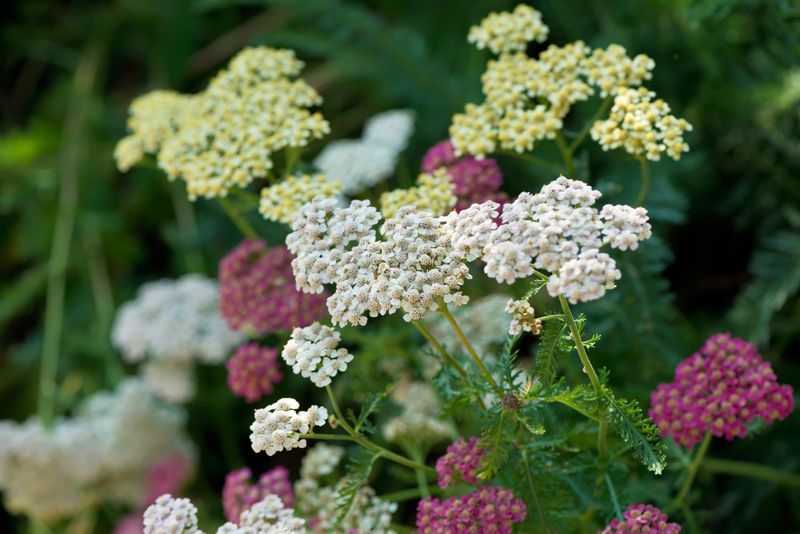
Yarrow is a hardy perennial, known for its flat-topped clusters of flowers and fern-like foliage. Its ability to withstand drought and poor soil makes it a reliable choice for difficult sites. However, its vigorous growth sometimes requires containment.
Historically used for medicinal purposes, Yarrow’s resilient nature symbolizes healing and courage. Its flowers attract beneficial insects, adding ecological value to gardens. This plant is ideal for naturalizing open areas, though periodic division helps manage its spread. Yarrow’s combination of toughness and beauty makes it a garden mainstay.
14. Lavender
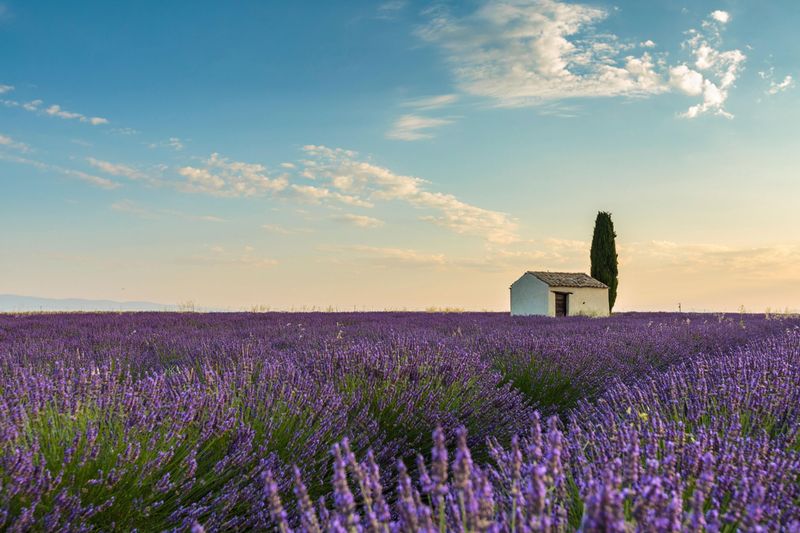
Lavender’s fragrant purple blooms are a sensory delight, evoking the essence of Mediterranean gardens. This perennial thrives in sunny, well-drained areas, adding elegance and scent to any landscape.
While its beauty is undeniable, Lavender requires careful pruning to maintain its shape and prevent legginess. Its essential oils have been cherished for centuries, used in perfumes and remedies. Lavender’s ability to attract pollinators adds another layer of charm, making it a multifaceted garden favorite. Regular maintenance ensures its lasting appeal and robust health.
15. Coreopsis
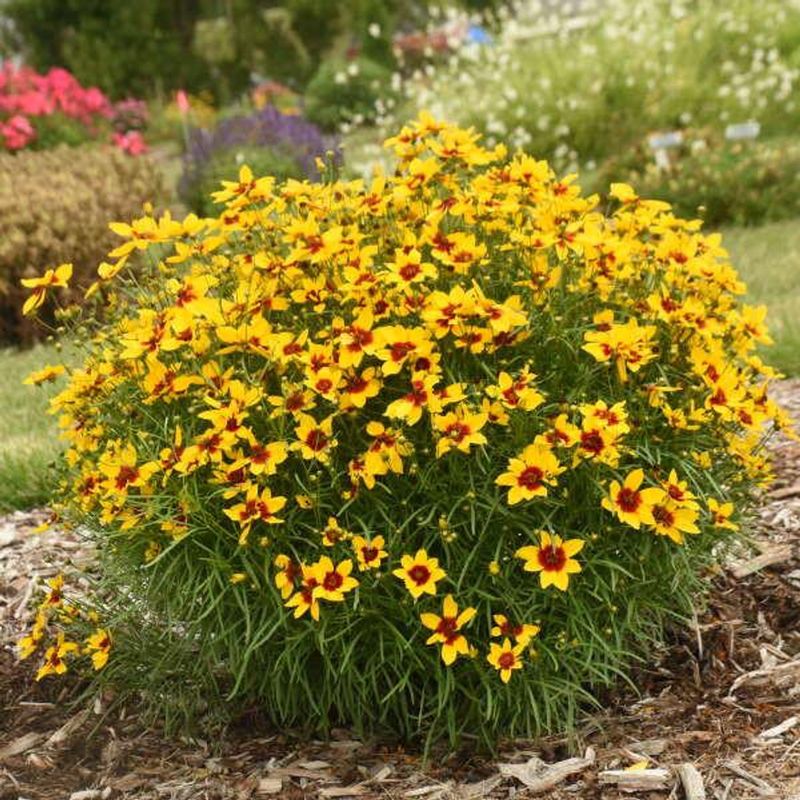
Coreopsis, with its bright yellow flowers, brings cheer to summer gardens. These perennials are easy to grow, thriving in poor soil and full sun. However, they can become leggy, requiring occasional trimming.
Native to North America, Coreopsis is valued for both its ornamental beauty and its ability to attract butterflies. Its long blooming period ensures continuous color, enhancing garden aesthetics. Despite its resilience, regular deadheading promotes more prolific flowering. Coreopsis offers a delightful mix of beauty and hardiness, perfect for brightening up any garden space.
16. Ferns
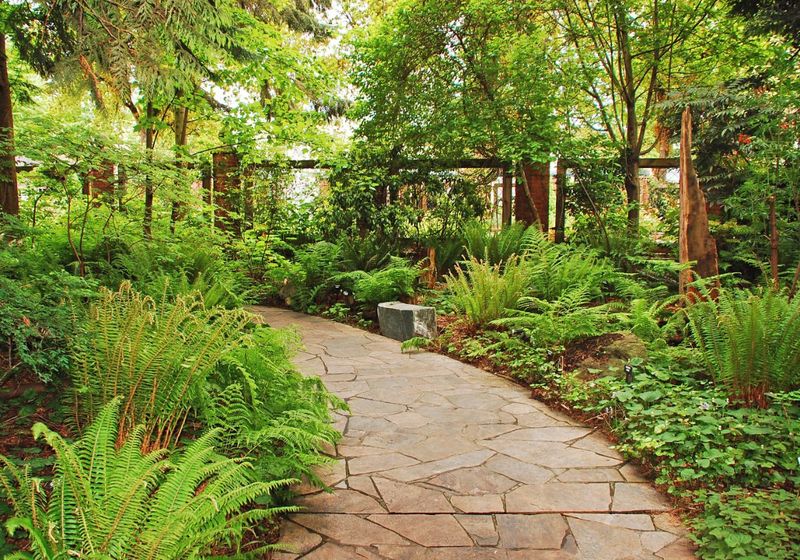
Ferns are the quintessential shade-loving perennials, offering lush, green fronds that bring a sense of calm to gardens. While they thrive in moist, rich soil, they can suffer in dry conditions, necessitating regular watering.
Their ancient lineage, stretching back millions of years, adds an element of timelessness to garden landscapes. Ferns pair well with other shade-loving plants, contributing texture and depth. Despite their delicate appearance, they are surprisingly resilient, making them a versatile choice for creating tranquil garden retreats.