 Complete Gardening
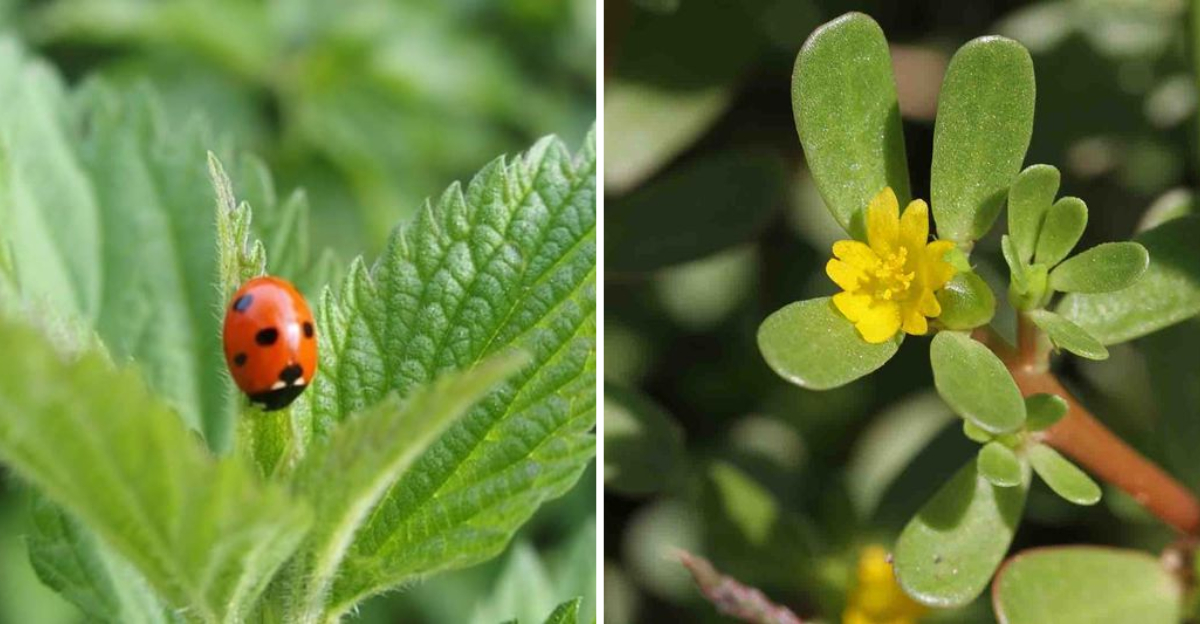
Gardeners often wage war against weeds, but not all are foes. Some unexpected plants, often dismissed as mere nuisances, actually offer unique benefits to your garden ecosystem. These unsung heroes can enhance soil fertility, attract beneficial insects, and even add beauty to your green spaces. Before you pull them out, consider their hidden advantages. Embrace these 15 garden allies and discover how they can transform your horticultural perspective.
1. Dandelion
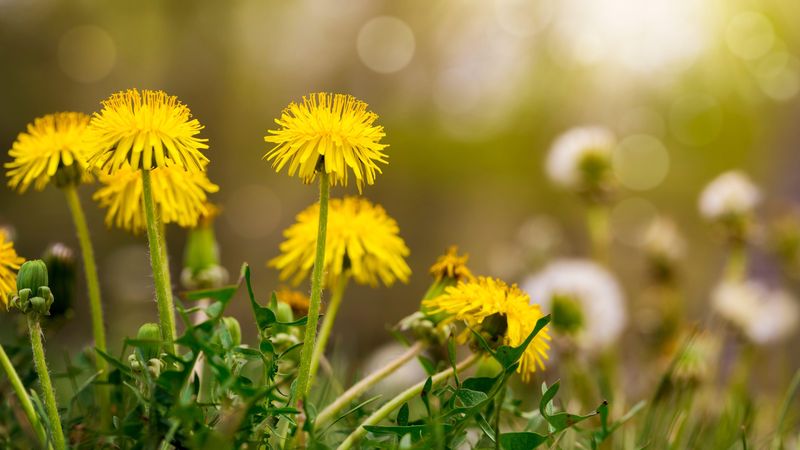
Dandelions, often seen as pesky invaders, are more than just weeds. Their deep taproots draw nutrients from the soil, enriching it for other plants. This yellow-flowered plant may also attract pollinators like bees and butterflies, enhancing your garden’s biodiversity.
Not only that, dandelions are edible too. Their leaves make a nutritious addition to salads while their flowers can be brewed into tea.
In folklore, blowing dandelion seeds is believed to make wishes come true, adding a whimsical touch to their presence in your garden.
2. Clover
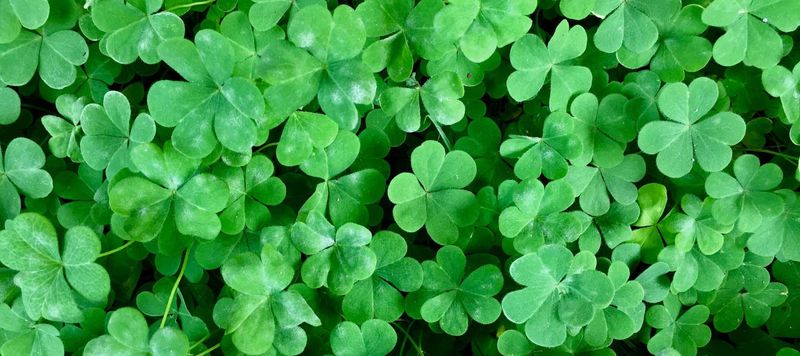
Clover is frequently ripped out, yet it plays a crucial role in fixing nitrogen in the soil. This natural process enhances soil fertility without synthetic fertilizers. Clover can also act as a green mulch, reducing erosion and conserving moisture.
Its tiny white flowers attract bees, vital for pollination. Children often search for the elusive four-leaf clover, a symbol of luck.
Clover’s low-growing nature makes it an excellent ground cover, offering a soft carpet-like texture that’s both functional and charming.
3. Nettle
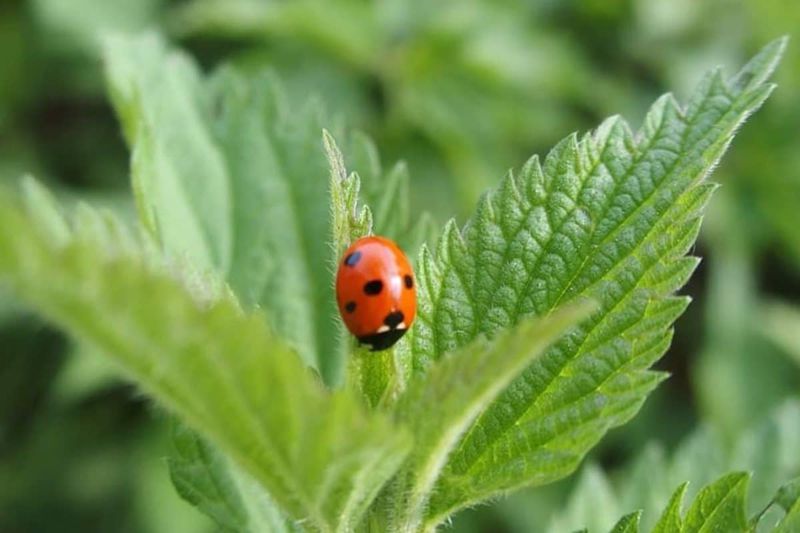
Nettles might sting, but they are a powerhouse of nutrients. Rich in vitamins A, C, K, and minerals like iron, they are a boon for both the garden and kitchen. Nettle tea, a traditional remedy, is praised for its anti-inflammatory properties.
In a garden, nettles attract beneficial insects such as ladybugs and aphid-eating hoverflies. These insects help control pest populations naturally.
Historically, nettles were used to make fabric, showcasing their versatility beyond being mere garden intruders.
4. Chickweed
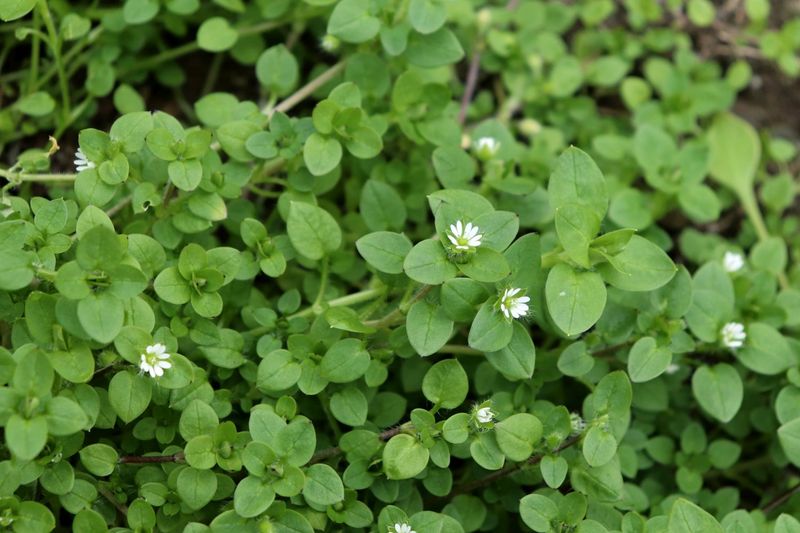
Chickweed is an underrated garden ally. This ground-hugging plant conserves soil moisture and prevents weed growth. Its presence often indicates healthy soil with excellent nutrient profiles.
Beyond its garden benefits, chickweed is edible, often used in salads and as a medicinal herb. It contains vitamins A and C, providing a healthy boost.
Chickweed’s subtle beauty, with its small star-shaped flowers, can add a delicate touch to your garden, proving that not all weeds are unwelcome.
5. Purslane
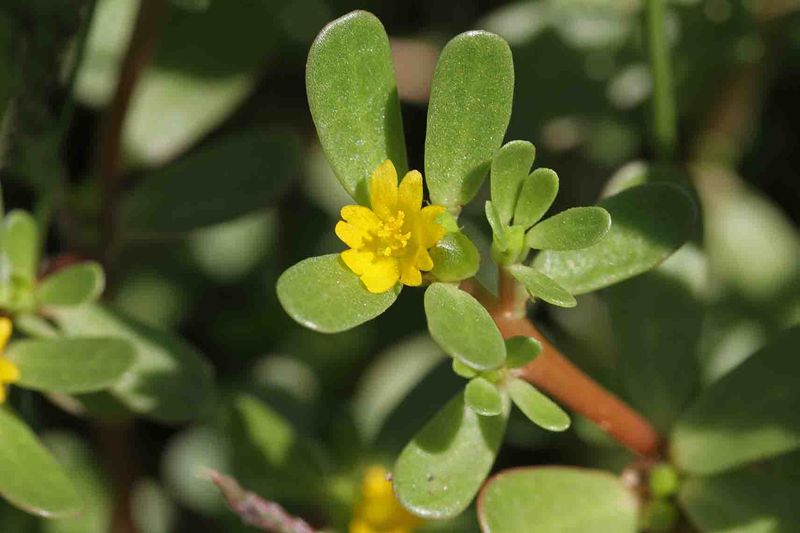
Purslane, with its thick, juicy leaves, is a surprising powerhouse of Omega-3 fatty acids, rare in land plants. It thrives in poor soil, making it a resilient ground cover option. Purslane’s presence indicates soil compaction, helping gardeners identify soil health issues.
Its lemony taste adds a fresh twist to salads. Purslane’s robust growth can suppress other weeds, maintaining garden order.
The plant’s yellow flowers attract pollinators, enhancing plant diversity. Recognizing purslane’s value transforms it from foe to friend in the garden ecosystem.
6. Lamb’s Quarters
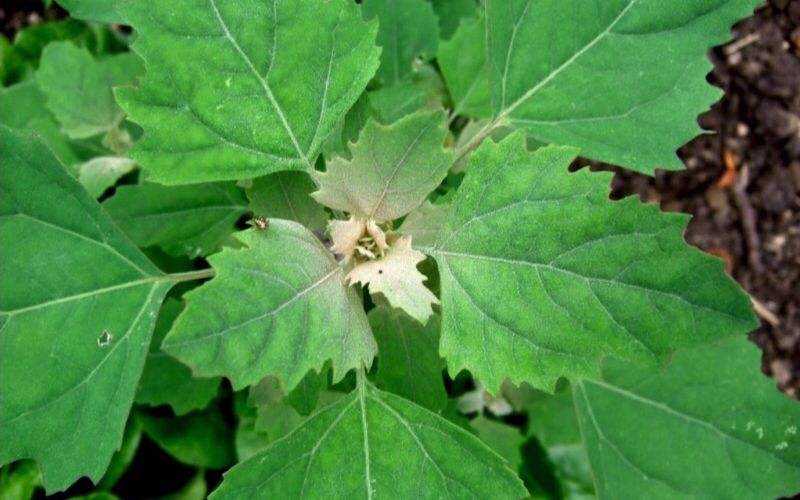
Lamb’s Quarters, often dubbed wild spinach, is a nutritional gem. Packed with vitamins A, C, and calcium, this plant enriches both soil and diet. Its presence often suggests fertile, well-balanced soil in gardens.
The leaves of Lamb’s Quarters are tender and delicious, offering a spinach-like taste perfect for culinary use.
This plant’s adaptability makes it a resilient companion in diverse garden settings, helping to improve soil health while providing nutritious greens for the table.
7. Violets
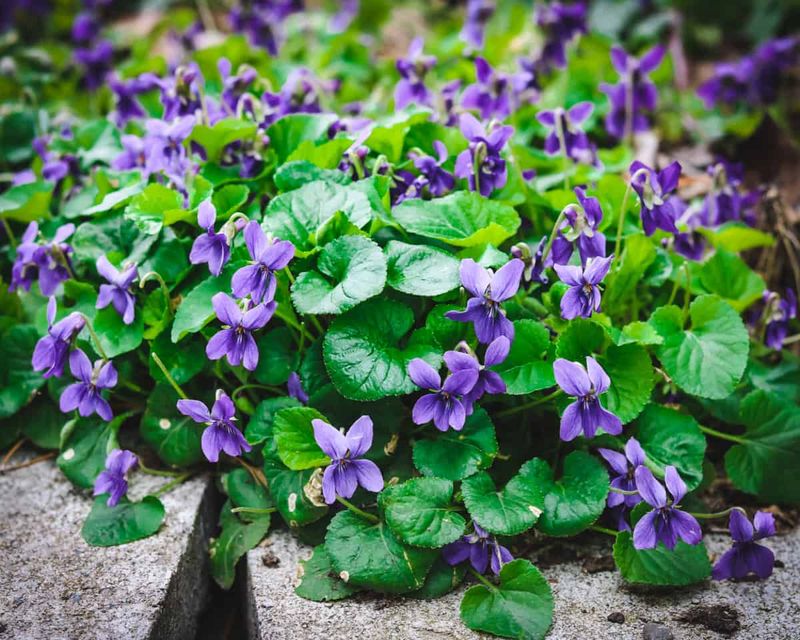
Violets are often dismissed as weeds but offer stunning visual appeal. Their heart-shaped leaves and vibrant flowers make them a delightful ornamental addition. Violets prefer cool, shaded areas, thriving where other plants might struggle.
These plants attract pollinators, such as bees and butterflies, vital for garden biodiversity. Violets’ edible flowers can adorn cakes and salads, adding a splash of color and flavor.
The folklore surrounding violets includes tales of love and remembrance, enriching their presence with cultural significance.
8. Burdock
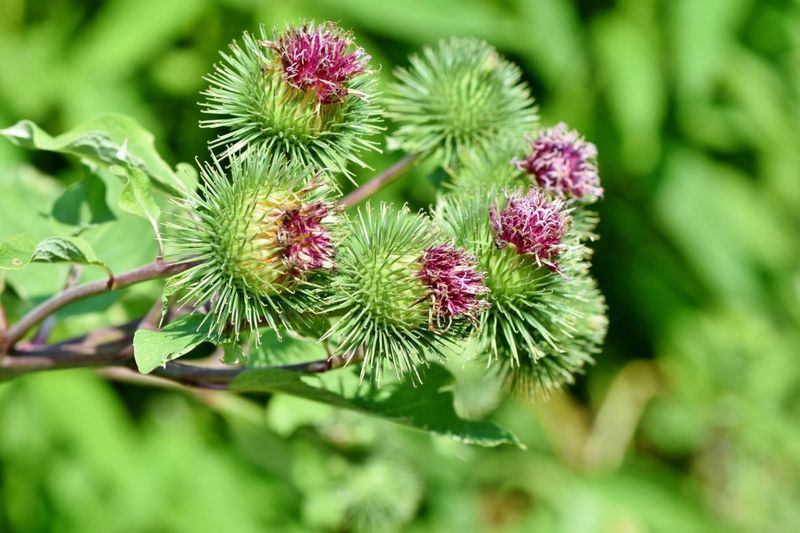
Burdock may appear menacing with its burrs, yet it’s a valuable garden and culinary plant. Its deep roots aerate compacted soils, enhancing drainage and nutrient access for other plants.
Culinary uses of burdock root are diverse, from stir-fries to herbal teas. Rich in antioxidants, it supports overall health and wellness.
Burdock’s burrs are nature’s Velcro, inspiring innovation. This plant’s ability to thrive in adverse conditions highlights its resilience, making it an unexpected ally in the garden.
9. Plantain
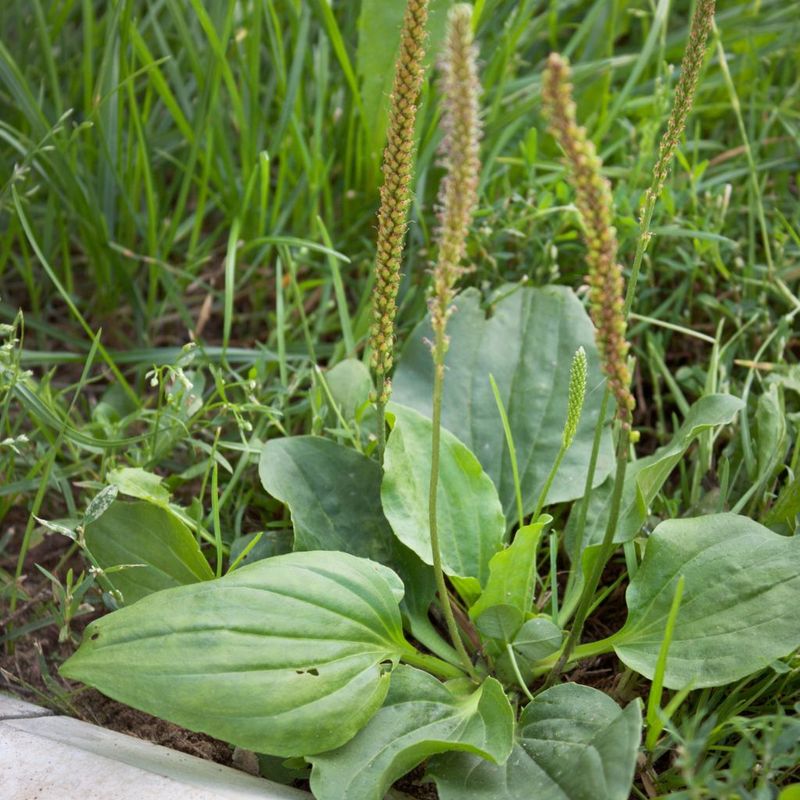
Plantain, not to be confused with the banana-like fruit, is a versatile weed with remarkable healing properties. Its leaves, when crushed, soothe insect bites and stings.
This plant improves soil quality, indicating the presence of compacted soil and helping to break it up. Plantain is also used in herbal remedies, known for its anti-inflammatory benefits.
In a garden, plantain adds texture and diversity. Its ability to thrive in tough environments showcases its adaptability and usefulness beyond its weedy reputation.
10. Shepherd’s Purse
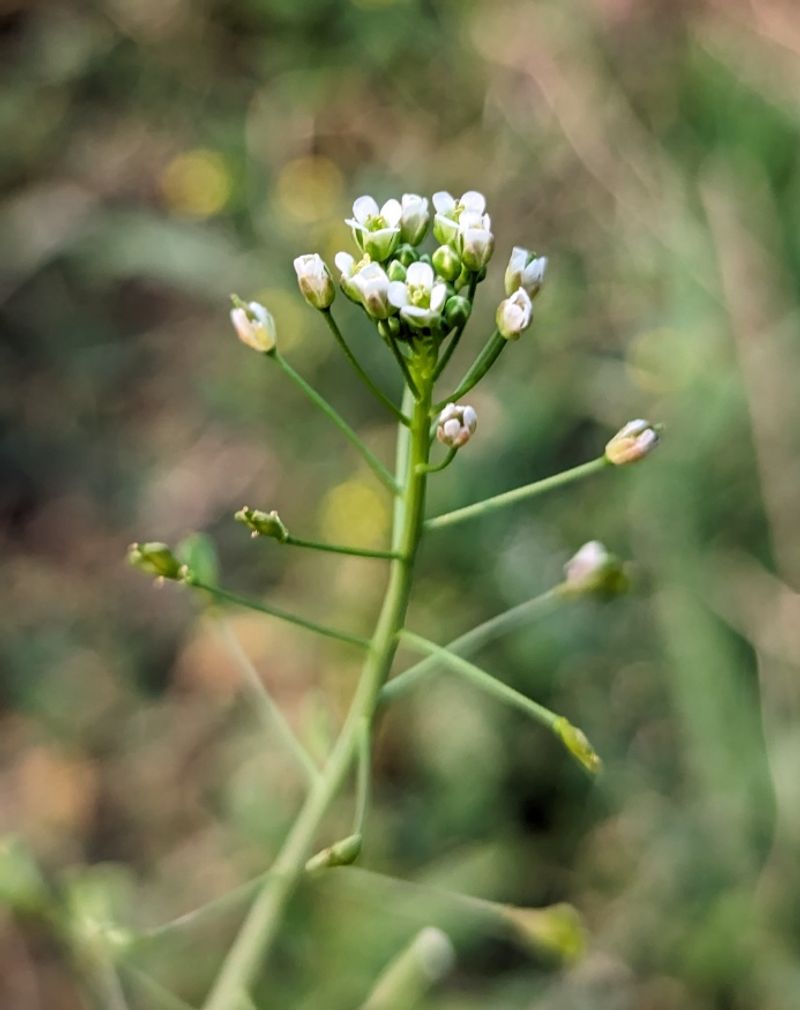
Shepherd’s Purse, named for its pouch-like seed pods, is a resilient plant that thrives in poor soil. It offers medicinal properties, traditionally used to treat wounds and inflammation.
In the garden, Shepherd’s Purse can act as a living mulch, suppressing less desirable weeds while improving soil health. Its small white flowers attract beneficial insects, contributing to ecological balance.
Symbolically, its heart-shaped seed pods have inspired folklore and stories, adding a touch of charm and history to its presence.
11. Mallow
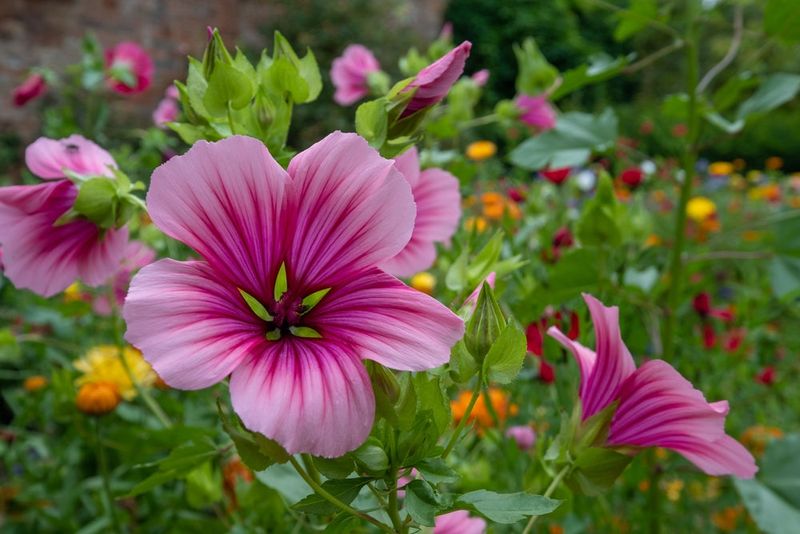
Mallow, with its delicate flowers, is often overlooked in gardens. Yet, it plays a crucial role in providing habitat for pollinators like bees and butterflies.
This plant can also be used in herbal medicine, known for its soothing properties. Mallow leaves and flowers are edible, adding a mild flavor to salads and teas.
The plant’s resilience in various conditions highlights its adaptability. Mallow’s charm and utility transform it from a weed into a welcomed garden guest, contributing to a balanced ecosystem.
12. Yarrow
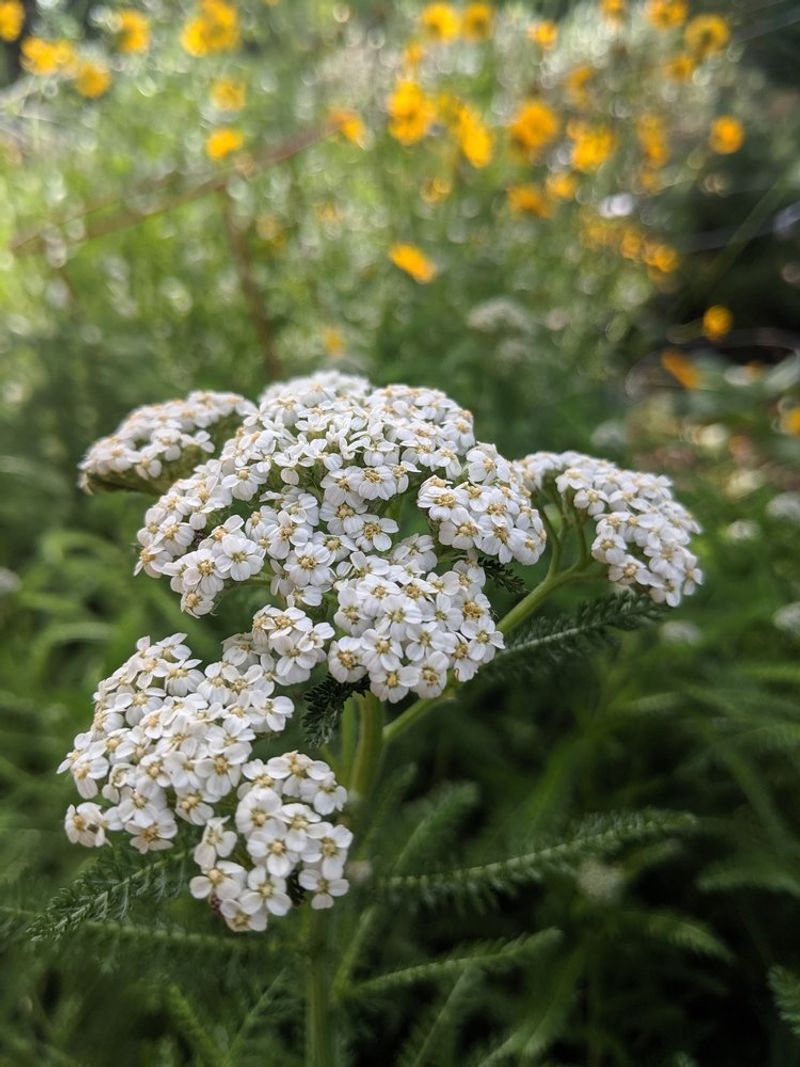
Yarrow’s feathery leaves and aromatic scent make it a unique addition to any garden. This plant is celebrated for its medicinal properties, used in traditional remedies to treat wounds and fever.
In the garden, yarrow acts as a natural pest repellent and attracts beneficial insects like ladybugs and lacewings. Its ability to improve soil quality and reduce erosion makes it a valuable companion plant.
Yarrow’s historical use dates back to ancient times, adding depth and intrigue to its role as a garden ally.
13. Queen Anne’s Lace
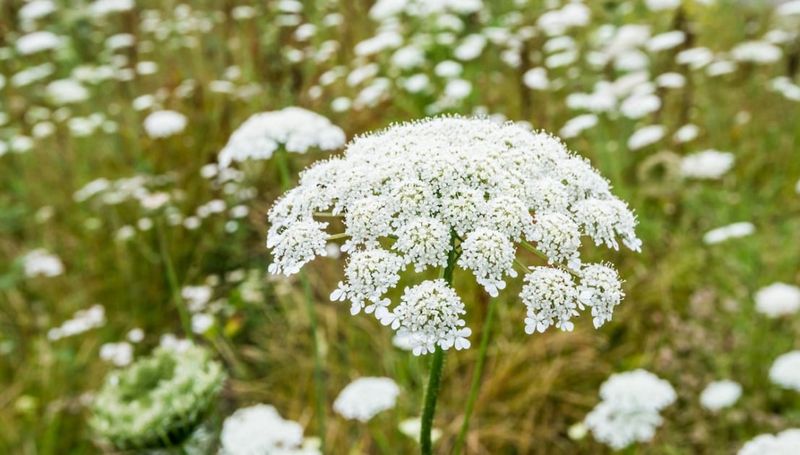
Queen Anne’s Lace, with its lacy white flowers, is a classic wildflower that also serves practical purposes in gardens. It attracts pollinators and beneficial predators, such as parasitic wasps, which help control pests.
The plant’s deep taproots can improve soil structure by breaking up compacted layers. Its ethereal blooms add visual interest, blending aesthetics with functionality.
Named for its resemblance to lace, this plant carries historical charm. Queen Anne’s Lace bridges the gap between ornamental appeal and ecological benefit in the garden.
14. Self-heal
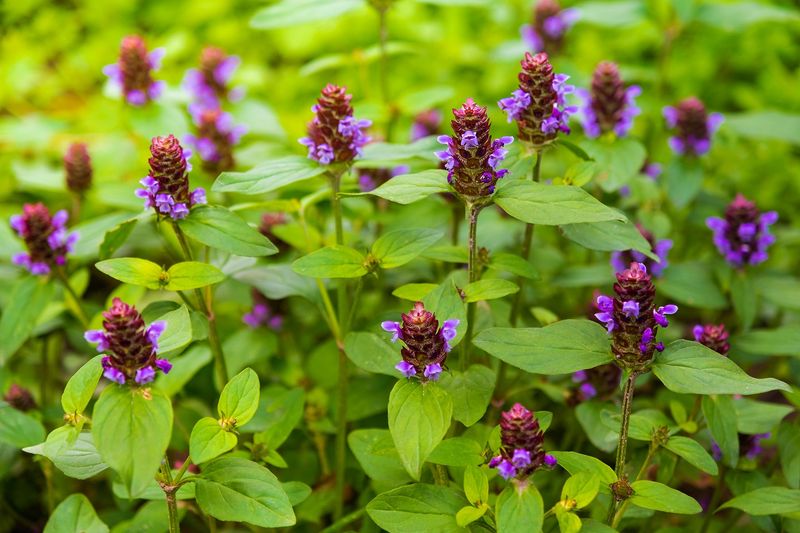
Self-heal is a low-growing herb with a proud history in herbal medicine. Known for its wound-healing properties, it has been a staple in traditional remedies across cultures.
In gardens, self-heal acts as a ground cover, reducing soil erosion and promoting biodiversity. Its purple flowers attract butterflies, adding life and movement to the garden.
The plant’s name reflects its potent healing abilities, making it a cherished addition to herbal gardens. Its resilience in various conditions ensures it thrives where other plants might falter.
15. Ground Ivy
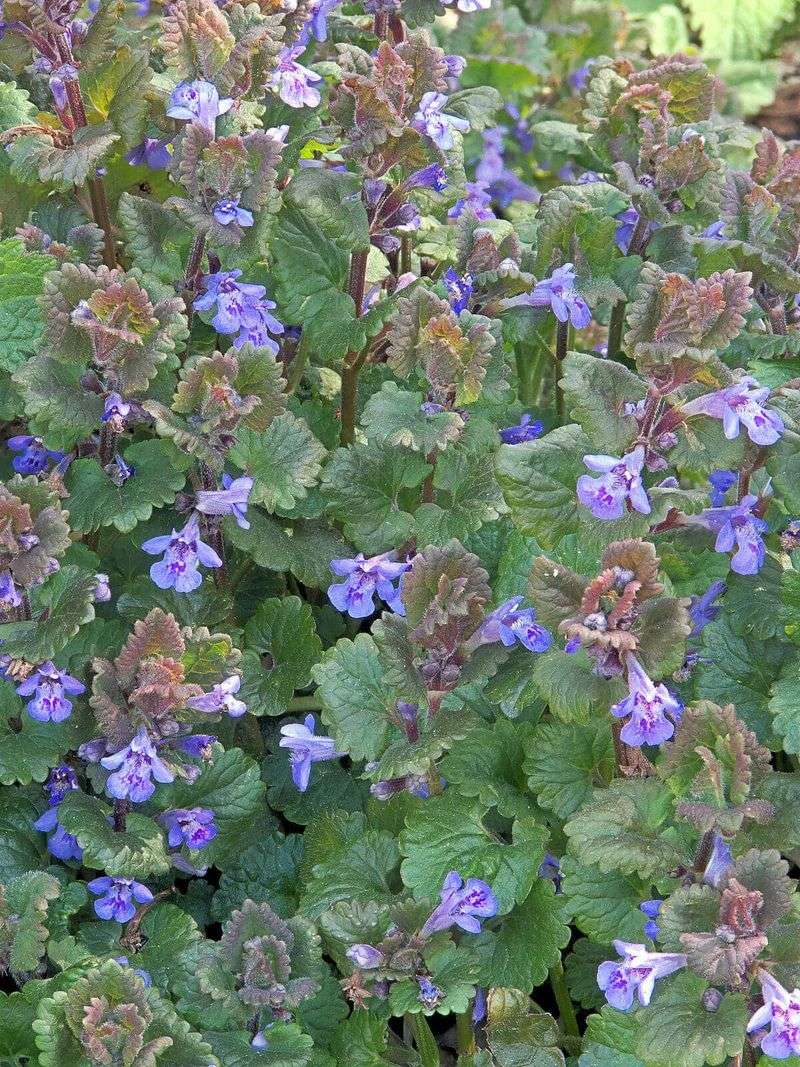
Ground Ivy, also known as Creeping Charlie, is often seen as an unwelcome invader, yet it offers surprising advantages. Its trailing vines create a lush ground cover that suppresses less desirable weeds and conserves soil moisture.
The plant’s presence can also indicate soil quality, thriving in nutrient-rich areas. Ground Ivy is used in traditional herbal remedies, known for its anti-inflammatory properties.
Its ability to adapt and thrive makes it an unexpected but valuable component of a balanced garden ecosystem, offering both beauty and utility.