
Gardening is often seen as a tranquil and rewarding hobby, yet beneath its surface lies a world filled with unspoken truths and hidden complexities. While many gardening ideas appear simple and straightforward, there are often overlooked aspects that can significantly impact both novice and seasoned gardeners. This post reveals 20 garden ideas with surprising elements that are rarely discussed. From the unexpected challenges of growing certain plants to the intricate details behind popular landscaping techniques, these insights will give you a deeper understanding of your garden’s potential.
1. Vertical Gardens
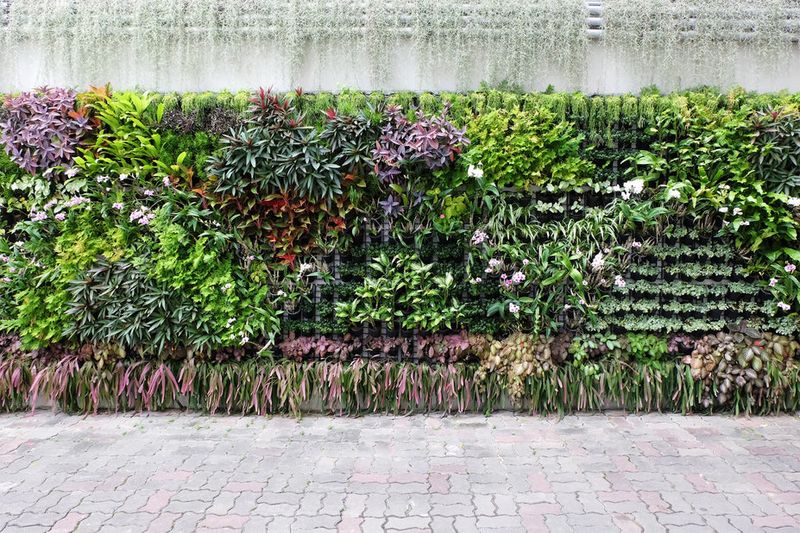
Vertical gardens, often seen as space-savers, hide a need for intricate irrigation systems. Their beauty is deceiving; without proper watering, plants may wither quickly. The microclimate they create can also invite unexpected pests. Additionally, not all plants thrive vertically, requiring careful selection.
The necessity for structural support is often underestimated. The weight of soil and water can challenge even sturdy walls. Regular maintenance, including pruning and pest control, demands attention.
Yet, when successful, they transform small spaces into lush retreats. Their hidden challenges are worth overcoming for a touch of nature in urban settings.
2. Composting
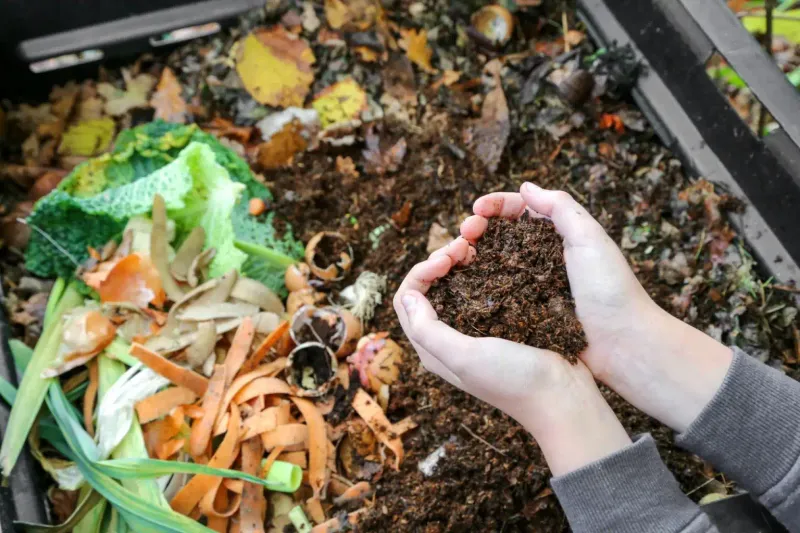
Composting is heralded for reducing waste but hides a delicate balance of carbon and nitrogen. Too much of one can hinder decomposition. Temperature control is vital; a steaming pile indicates proper microbial activity.
The smell can deter newcomers, yet proper aeration and balance can eliminate odors. Not all kitchen scraps belong in compost, with certain items attracting pests.
Time is also a factor; patience is needed for mature compost. Despite these overlooked complexities, composting enriches soil without chemicals, promoting sustainable gardening.
3. Raised Beds
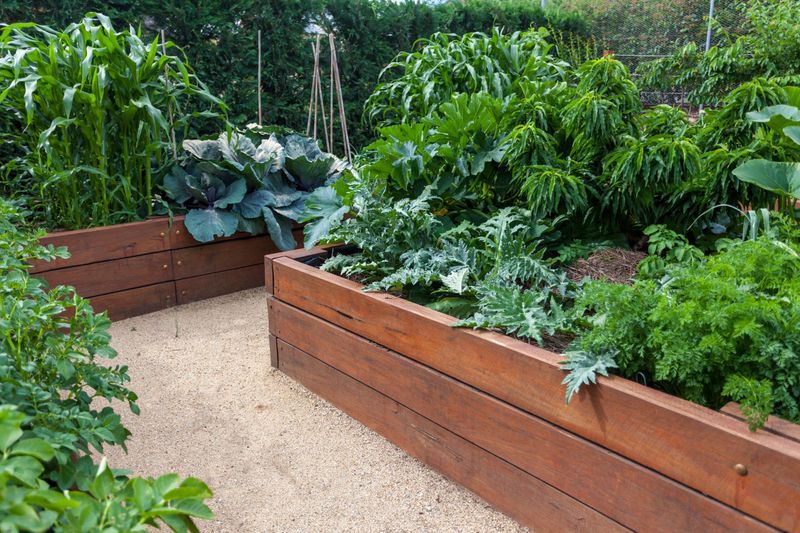
Raised beds promise better drainage and soil quality but require significant upfront effort. The materials must withstand weather without leaching chemicals. Soil depth is crucial for root development.
The placement influences sunlight exposure, affecting plant growth. Seasonal adjustments may be needed to optimize conditions. Initial setup can be labor-intensive, requiring precise measurements and placement.
Despite these challenges, raised beds offer accessibility and control over soil conditions, making them popular among gardeners seeking order and productivity.
4. Wildflower Meadows
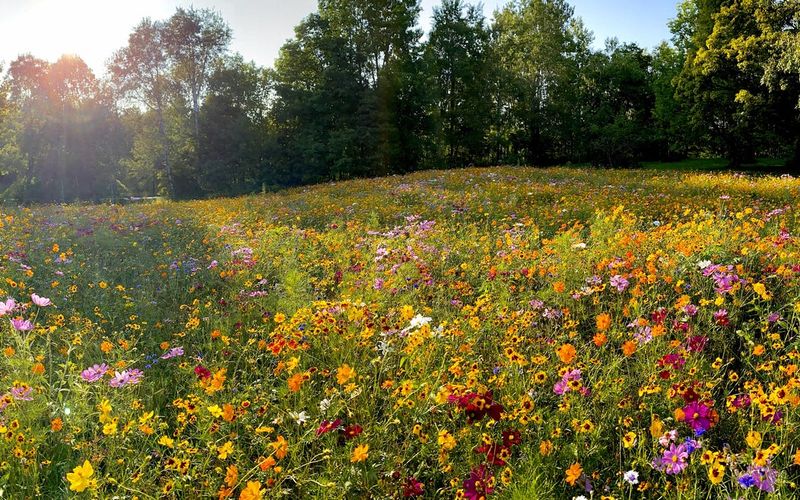
Wildflower meadows are often viewed as low-maintenance but require knowledge of native species. Incorrect planting can lead to invasive plants overtaking desired flowers. Soil preparation is essential for success.
Timing is key; planting too early or late can affect germination. Meadows also need occasional mowing to prevent woody plants from dominating.
Despite these nuances, they provide vital habitats for pollinators and offer a scenic, natural beauty. Their hidden demands reward gardeners with a lively, colorful display.
5. Herb Spirals
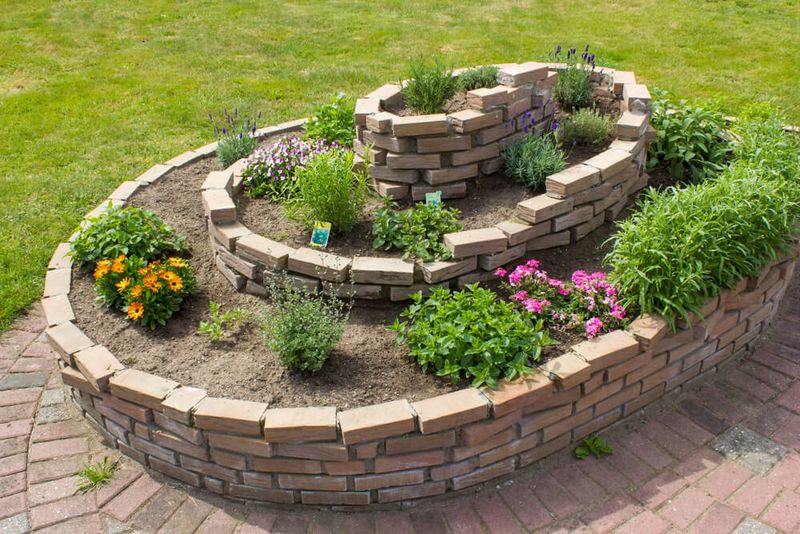
Herb spirals optimize space and microclimates but require careful design. The spiral shape creates varying conditions, suitable for different herbs, yet placement is critical for sun access.
Watering can be uneven; higher spots dry quickly, while the base retains moisture. Seasonal changes may demand repositioning for optimal growth. Building the spiral requires skill and understanding of materials.
Despite the complexities, herb spirals offer efficient use of space, allowing for diverse plantings in small areas. Their design challenges are offset by their functional elegance.
6. Succulent Gardens
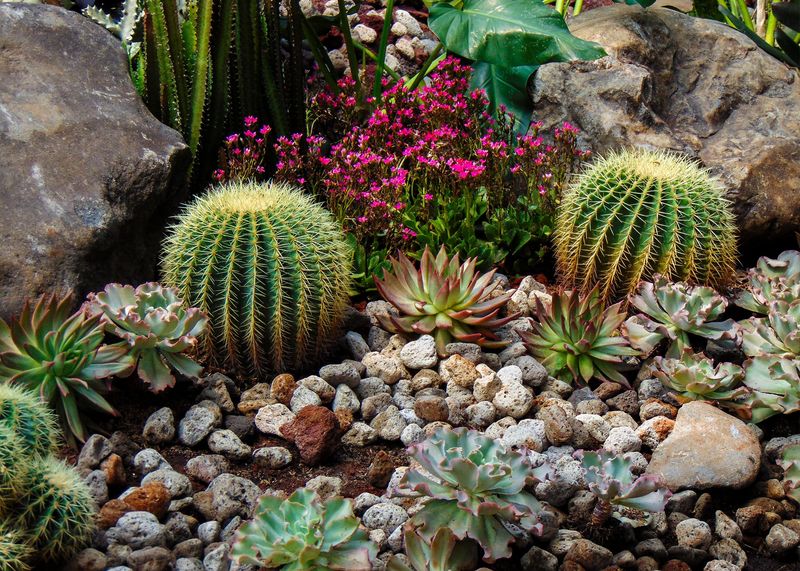
Succulent gardens are known for drought resistance but require specific soil. Regular garden soil can retain too much moisture, damaging roots. A well-draining mix is essential for health.
While low-water, they still demand occasional maintenance. Succulents are prone to overwatering, leading to rot. Temperature fluctuations can also affect them, requiring protection in colder climates.
Despite these challenges, they offer resilience and beauty, thriving where other plants cannot. Their understated elegance complements minimalist landscapes.
7. Water Features
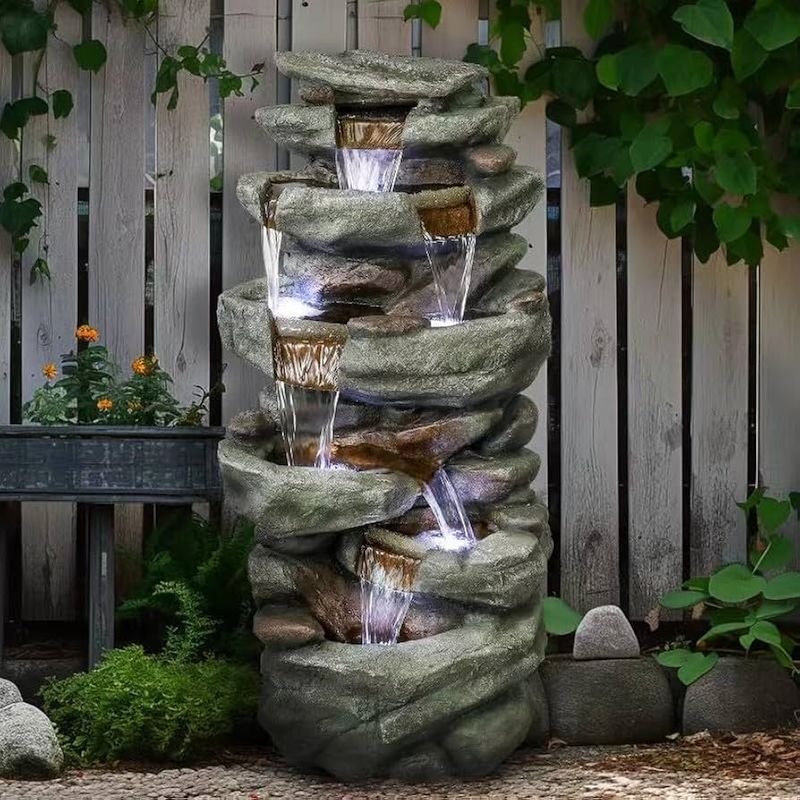
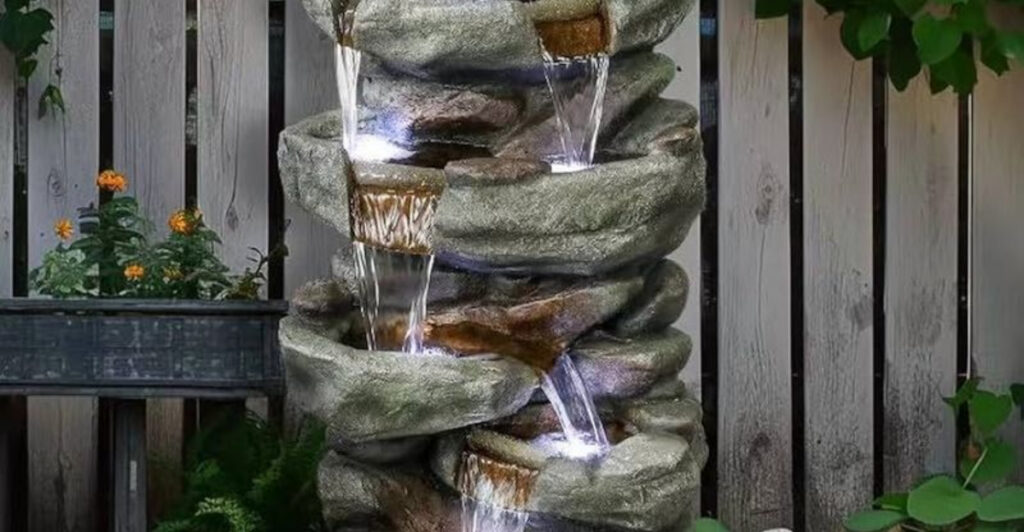
Water features add tranquility but can attract mosquitoes if not managed. Circulation and maintenance are crucial to prevent stagnant water. Filters and pumps require regular cleaning to work effectively.
Algae can become a problem without proper balance. Some water features need winterizing to survive colder temperatures. The sound of water masks noise pollution, but the setup can be complex.
Despite these hidden challenges, water features enhance gardens with their calming presence, offering a soothing escape from urban life.
8. Perennial Borders
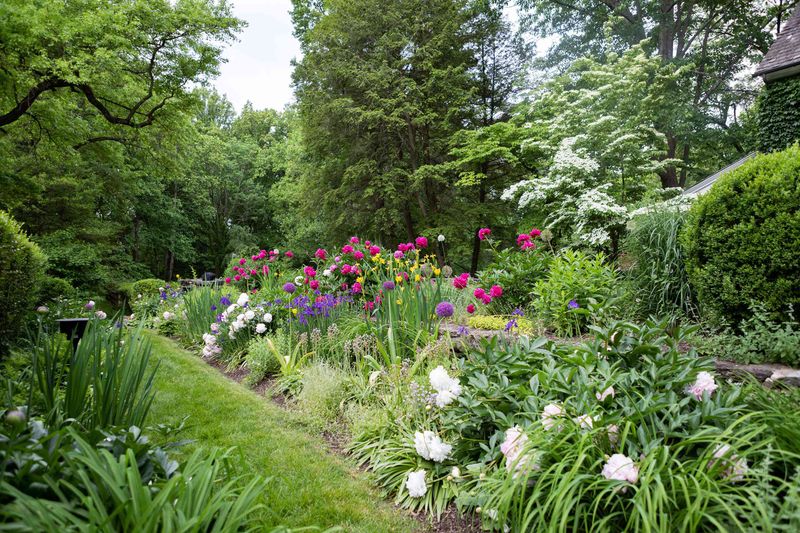
Perennial borders promise year-round interest but demand careful planning. Plant selection must consider bloom time, height, and color harmony. Space constraints can limit options in smaller gardens.
Dividing perennials is essential to prevent overcrowding. Pests and diseases often target these plants, requiring vigilance. Soil quality and drainage influence success.
Despite these demands, perennial borders provide lasting beauty, evolving with the seasons. Their structured complexity adds depth to garden design.
9. Container Gardening
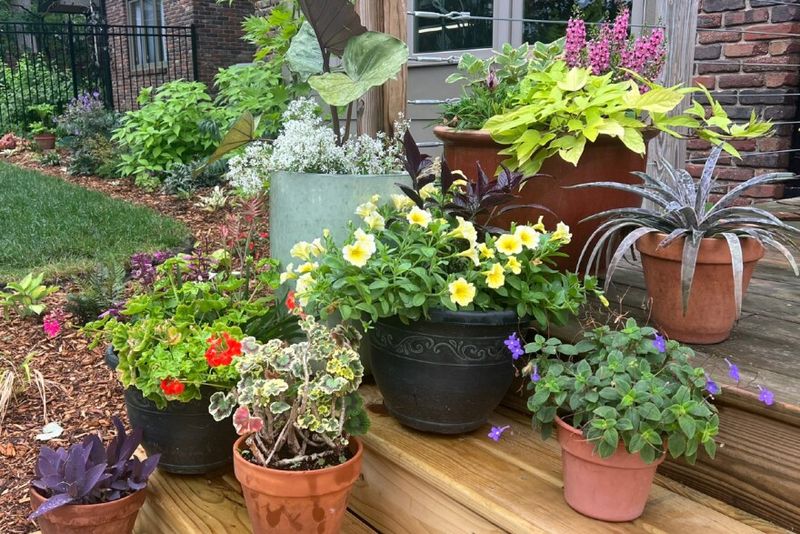
Container gardening offers flexibility but requires frequent watering. Containers dry out faster than ground soil, and varying plant needs demand attention. Choosing the right size container is crucial for root growth.
Soil compaction can be a challenge, affecting water drainage. Re-potting may be necessary as plants grow. Selecting compatible plant combinations enhances visual appeal.
Despite these factors, containers allow creativity and adaptability, transforming small spaces into lush havens. Their portability offers endless possibilities for urban gardeners.
10. Rock Gardens
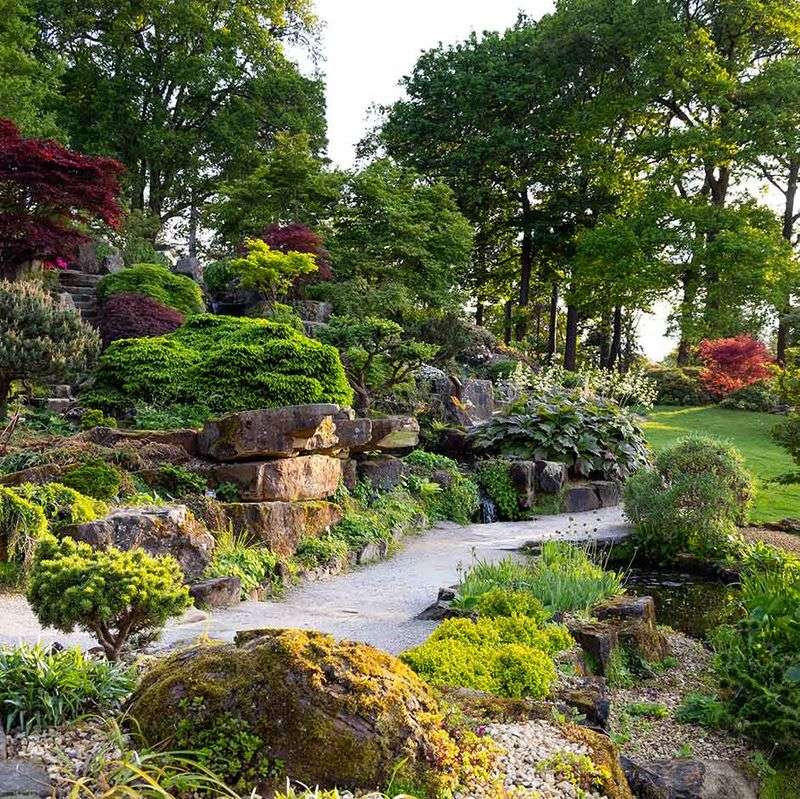
Rock gardens evoke rugged beauty but require precise planning. The choice of rocks influences drainage and aesthetics. Specialist plants often demand specific conditions found in rocky habitats.
Weeds can become problematic, necessitating regular maintenance. Rock placement affects water flow and plant health. Seasonal shifts require careful observation of plant needs.
Despite these intricacies, rock gardens offer low-maintenance elegance, highlighting nature’s raw textures. Their sculptural appeal transforms landscapes into enduring works of art.
11. Shade Gardens
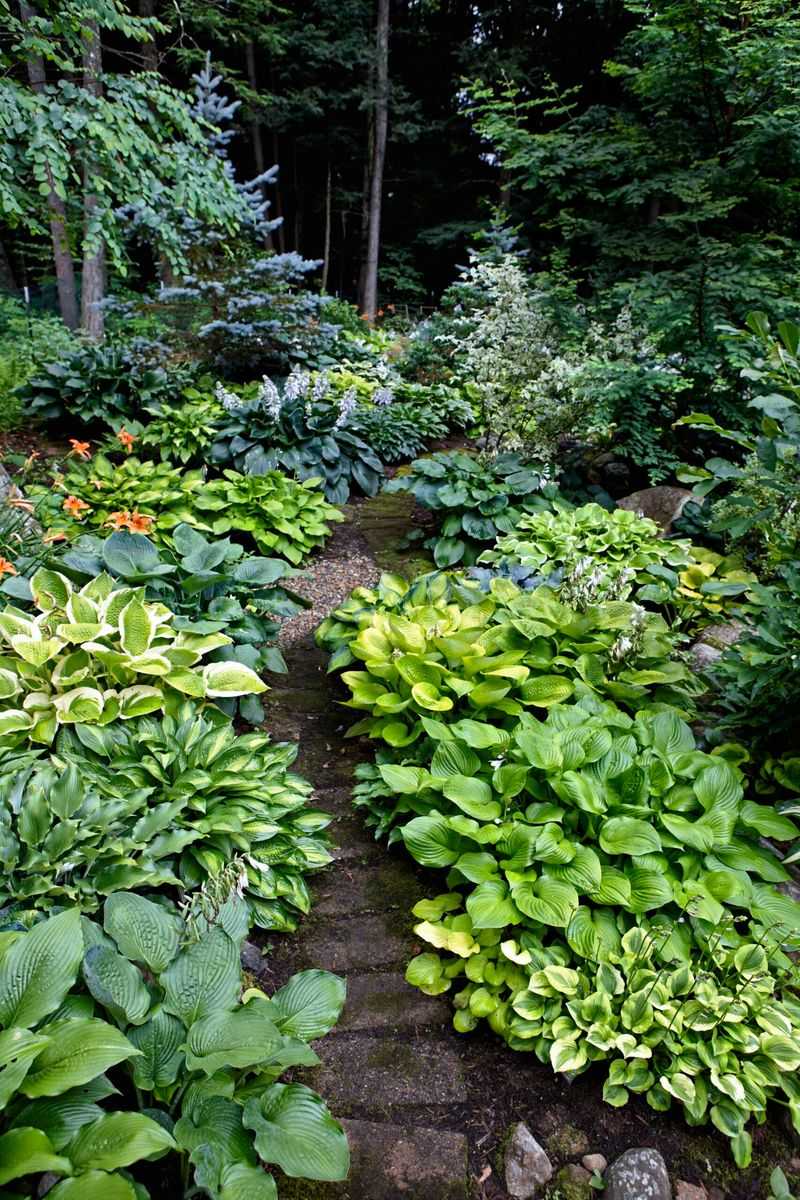
Shade gardens are seen as retreats but present unique challenges. Limited sunlight necessitates careful plant selection. Shade-tolerant plants may still need periods of light.
Moisture levels must be monitored to prevent mold or mildew. Soil quality and airflow are critical to prevent fungal diseases. The absence of sunlight can limit flowering options.
Despite these challenges, shade gardens offer tranquility and respite, thriving with lush greenery. Their understated elegance provides a peaceful garden escape.
12. Edible Landscaping
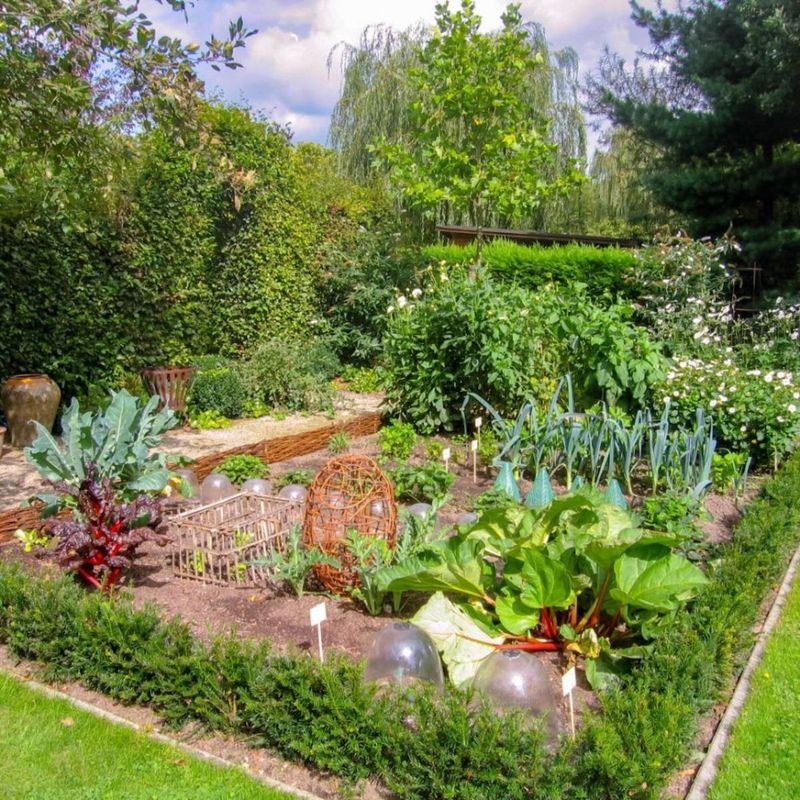
Edible landscaping integrates beauty and utility but requires strategic planning. Plant selection considers both visual appeal and edible yield. Soil fertility is crucial for productive growth.
Pest management is vital to protect crops without harming aesthetics. Balancing ornamental and edible plants can be tricky, with some requiring different care.
Despite these challenges, edible landscaping offers sustainable living, combining beauty with functionality. It transforms traditional gardens into bountiful, nourishing spaces.
13. Butterfly Gardens
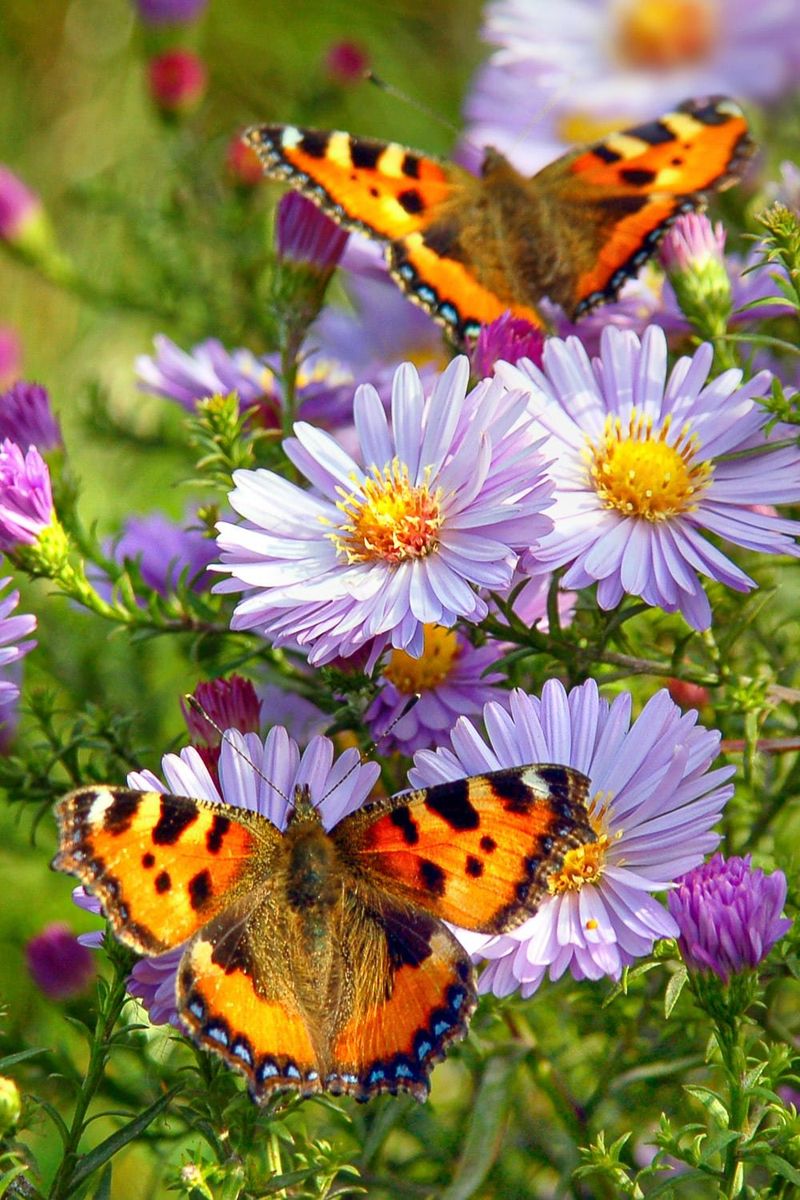
Butterfly gardens attract pollinators but need specific plants. Native species offer the best support, yet their availability may be limited. Seasonal changes affect plant and butterfly interactions.
Providing water and shelter encourages butterfly presence. Pesticide use must be avoided to protect sensitive butterflies. Despite these requirements, butterfly gardens enhance biodiversity, offering lively, colorful displays. They create harmonious, thriving habitats where nature’s beauty unfolds.
14. Zen Gardens
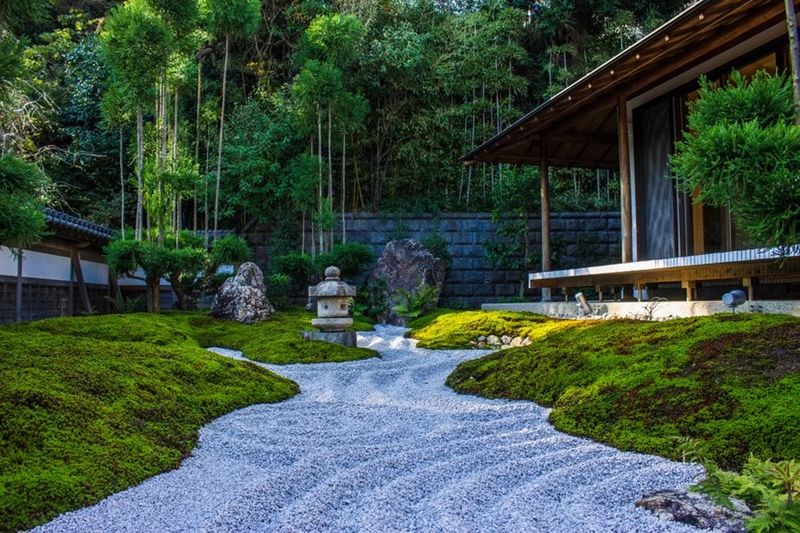
Zen gardens embody simplicity but demand precise maintenance. The art of raking gravel requires skill and patience, with patterns reflecting mindfulness. Stone placement is deliberate, influencing harmony.
Minimalist plantings need careful selection to maintain balance. Seasonal changes may necessitate adjustments to preserve tranquility. Despite these considerations, Zen gardens offer meditative spaces, embodying serenity and peace. Their understated elegance encourages introspection and reflection, providing solace from daily life.
15. Hanging Gardens
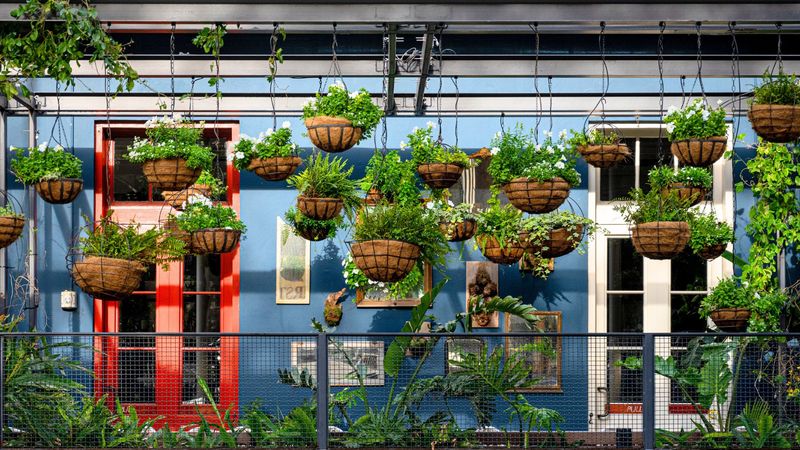
Hanging gardens maximize space but demand strategic care. Watering presents a challenge; gravity causes rapid drainage. Lightweight containers and soil mixes prevent structural strain.
Plant choice is crucial to ensure compatibility with hanging conditions. Wind exposure can damage delicate plants, requiring sheltered spots. Despite these challenges, hanging gardens offer creativity in vertical spaces, transforming balconies into lush refuges. Their aerial beauty captivates, adding dimension to urban living.
16. Wildlife Gardens
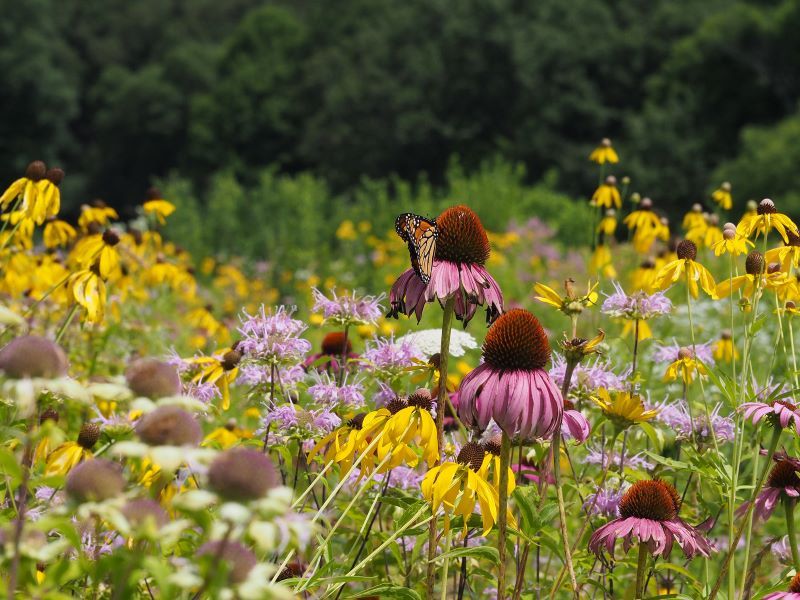
Wildlife gardens promote biodiversity but require thoughtful planning. Native plants best support local fauna, yet sourcing them can be difficult. Balance is crucial to prevent dominance by aggressive species.
Providing water, shelter, and food sources encourages diverse wildlife. Coexistence with nature demands acceptance of imperfections. Despite these complexities, wildlife gardens create vibrant ecosystems, offering havens for local species. They enrich gardens with life, fostering connections to the natural world.
17. Cottage Gardens
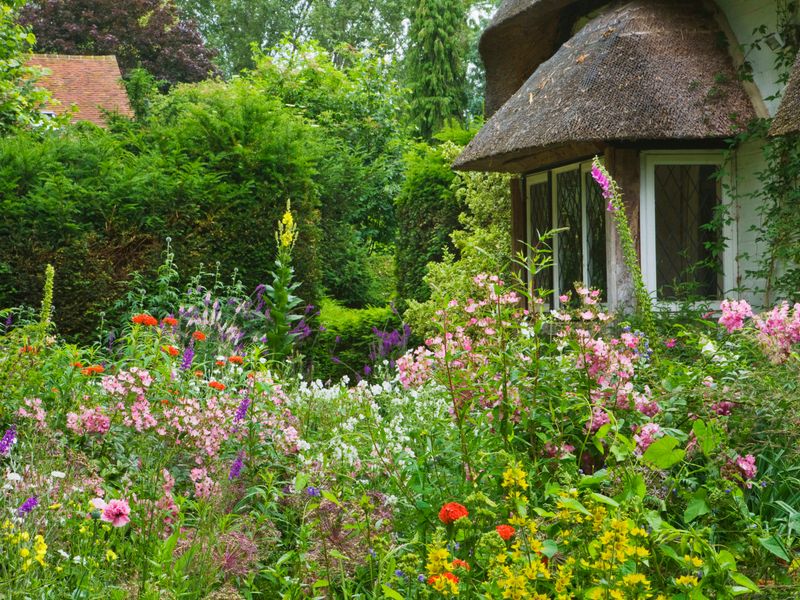
Cottage gardens suggest informality but require thoughtful design to avoid chaos. Dense planting demands careful selection to prevent overcrowding. Seasonal interest is maintained through staggered bloom times.
Soil fertility and drainage are critical for plant health. Pathways need regular upkeep to remain navigable. Despite these hidden challenges, cottage gardens evoke nostalgia and charm, blending color and texture. Their romantic allure transports gardeners to scenic, bygone eras.
18. Tropical Gardens
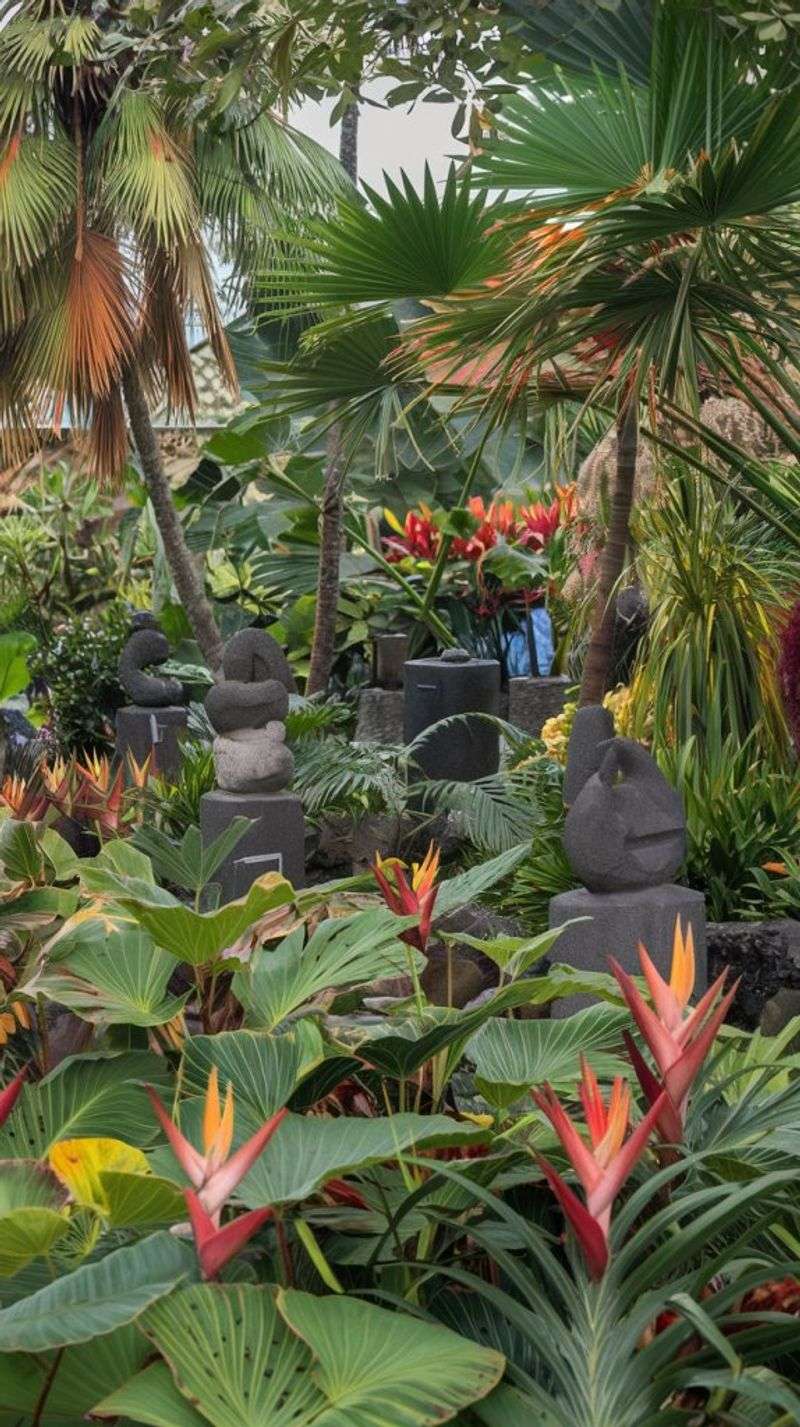
Tropical gardens boast exotic allure but need climate considerations. Many tropical plants require humidity and warmth, which can be challenging in temperate regions. Soil must retain moisture yet drain well to prevent root rot.
Frost protection is essential in cooler climates, necessitating seasonal adjustments. Pest control can be more demanding due to the lush environment. Despite these challenges, tropical gardens transport gardeners to paradise, offering vibrant, lush retreats. Their exotic beauty captivates, inviting exploration and wonder.
19. Fairy Gardens
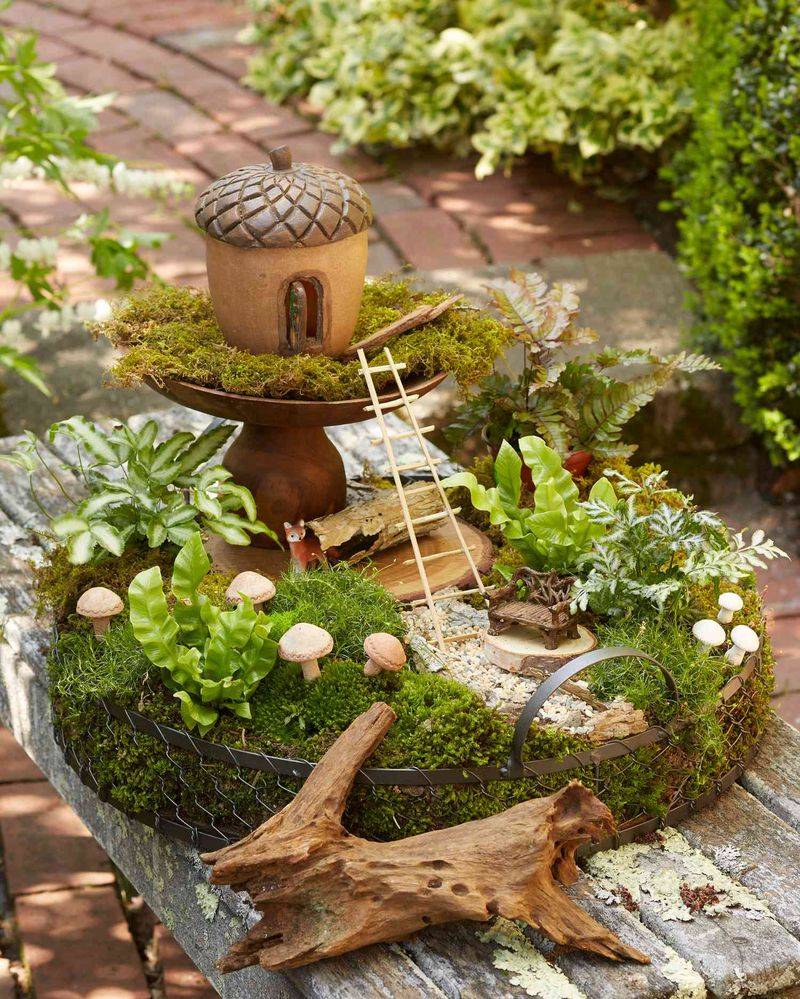
Fairy gardens capture imagination but need meticulous care. Miniature plants demand specific conditions, often requiring indoor spaces. Scale and proportion are crucial for creating a believable scene.
Regular maintenance ensures the garden doesn’t become overgrown or unkempt. Creativity and attention to detail transform small spaces into magical realms. Despite these demands, fairy gardens enchant with their whimsy, inviting discovery and play. Their charm lies in the delightful escape they offer from reality.
20. Nocturnal Pollinator Gardens

Imagine a garden that comes alive under the moonlight. Nocturnal pollinator gardens are designed to attract night-time pollinators like moths and bats. This enchanting space offers a different dimension with flowers that bloom only at night.
These gardens are home to night-scented plants like evening primrose, whose fragrance fills the air as the sun sets. The garden teems with life even when the rest of the world sleeps.
An interesting fact: some moths are just as effective as bees in pollination, ensuring your nocturnal paradise remains vibrant and fruitful.