
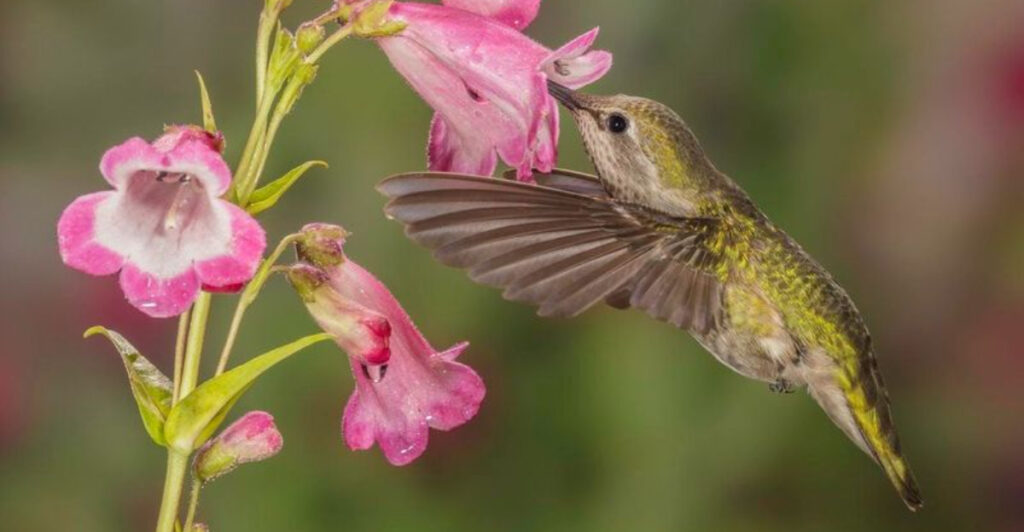
Discovering the native flora that nurtures and sustains our feathered friends can transform your garden into a vibrant ecosystem. Birds are naturally drawn to plants that provide them with essential food and shelter. This guide highlights twenty native plants, each with its unique charm and benefit to local avian species. From the lush landscapes of the Northeast to the arid beauty of the Southwest, these plants not only attract birds but also enhance biodiversity in your backyard. Explore these selections to find the perfect additions to your garden.
1. Purple Coneflower (Echinacea purpurea)
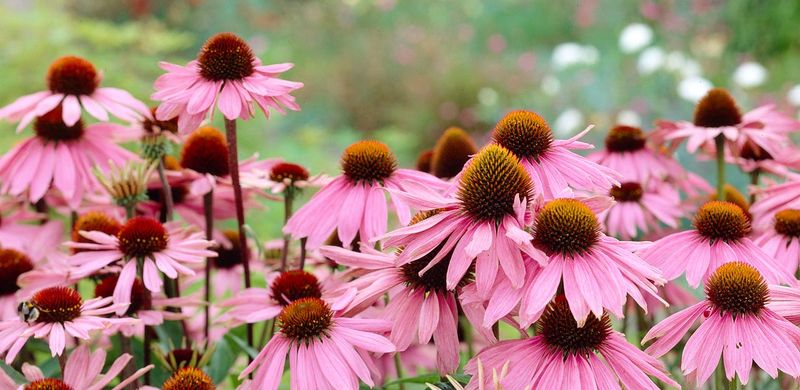
The Purple Coneflower, with its striking appearance, is a beacon for goldfinches who relish its seeds. Its bright purple petals are not just a feast for the eyes; they serve as a nutritious delight for birds. Originating in the open woodlands of the Northeast, this resilient perennial thrives in well-drained soil, soaking up the sun’s rays.
Gardeners adore its low maintenance and drought-resistant nature. As autumn approaches, its seed heads stand tall, providing sustenance to birds during lean months. Each petal whispers tales of ecosystems sustained and gardens alive with avian music.
2. Eastern Red Cedar (Juniperus virginiana)
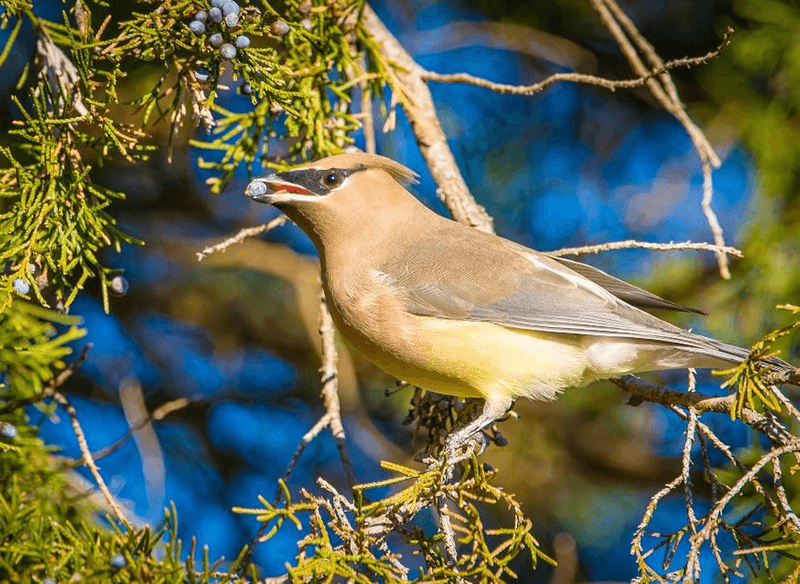
Standing tall in the Eastern U.S., the Eastern Red Cedar offers more than just a picturesque view. Its blue berries are a vital food source, eagerly consumed by robins and cedar waxwings. The tree’s evergreen foliage provides year-round shelter and nesting sites for many birds.
A staple in traditional medicine, this tree also finds its legacy in native folklore. Its aromatic wood has been cherished for centuries. In gardens, it brings both beauty and utility, ensuring that avian visitors find a welcoming haven amidst its branches, especially in colder months.
3. Serviceberry (Amelanchier canadensis)
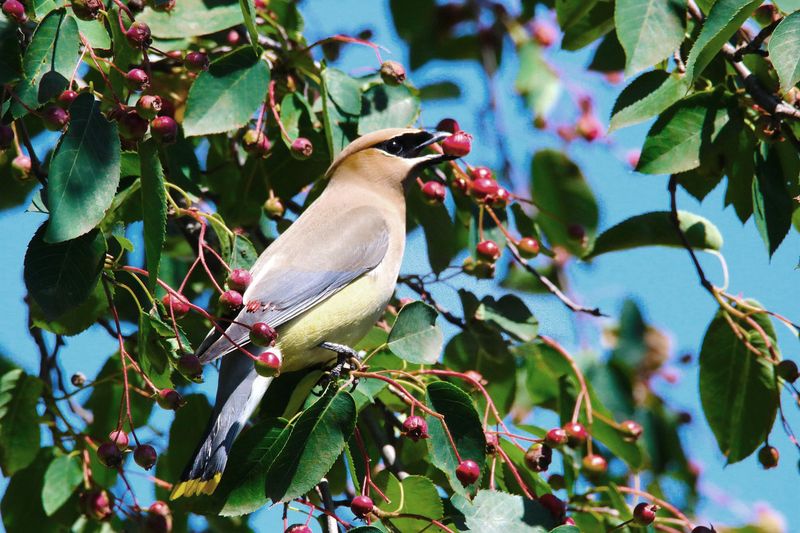
Serviceberry’s early spring blossoms herald a season of abundance for birds. Cardinals and thrushes flock to its sweet, juicy fruits, making it a centerpiece in many gardens. Flourishing in the moist, well-drained soils of the Eastern U.S., this plant stands as a testament to nature’s bounty.
Its delicate white flowers give way to an explosion of berries, ensuring a continuous feast. Beyond its avian appeal, humans too have cherished its fruit, often crafting it into jams and desserts. A symbol of renewal, Serviceberry bridges the gap between seasons.
4. Trumpet Honeysuckle (Lonicera sempervirens)
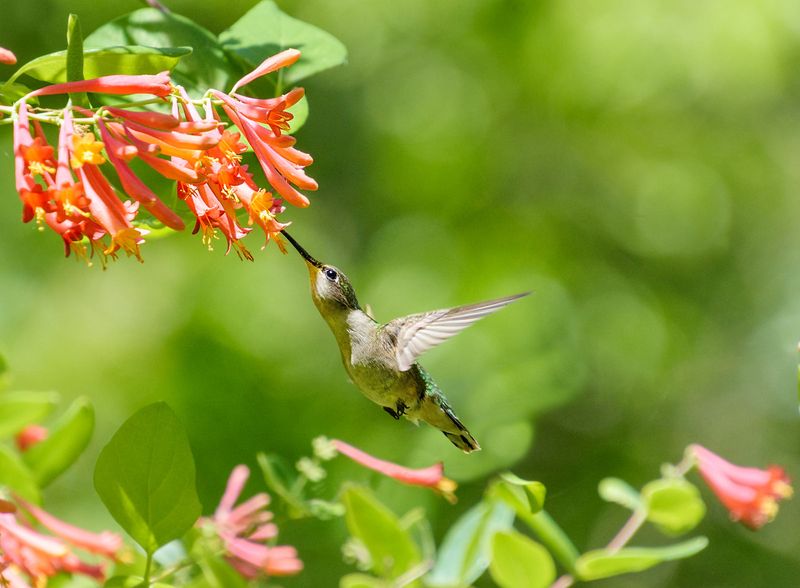
With vibrant red tubular flowers, the Trumpet Honeysuckle is a magnet for hummingbirds. This climber graces the Eastern U.S. with its beauty and nectar-rich blooms, creating a lively spectacle. Its continuous flowering ensures that hummingbirds have a consistent food source throughout the warmer months.
Easy to grow, this honeysuckle thrives in full sun, clambering over trellises and fences. It’s a favorite for those seeking a splash of color and movement in their gardens. In folklore, its sweet scent is said to bring dreams of love and prosperity.
5. Black-eyed Susan (Rudbeckia hirta)
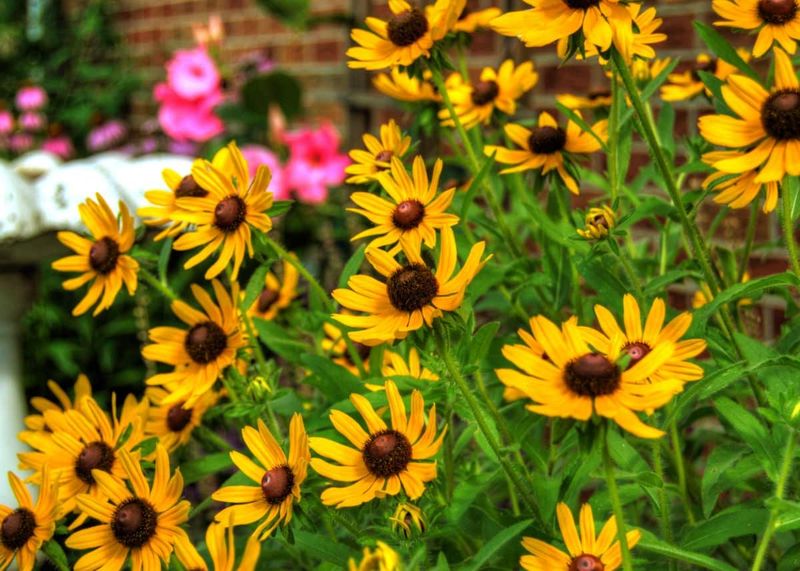
The cheerful Black-eyed Susan brightens gardens with its golden-yellow petals and dark centers. Sparrows and chickadees find its seeds irresistible, making frequent visits to gather this nutritious bounty. Native to the meadows and prairies of the Northeast, it thrives in sunny locales.
As a perennial, it requires minimal care, returning year after year to delight both humans and birds alike. Its long-lasting blooms provide visual interest from mid-summer to fall. In folklore, these flowers symbolize encouragement and motivation, reflecting their sunny disposition.
6. Agave (Agave spp.)
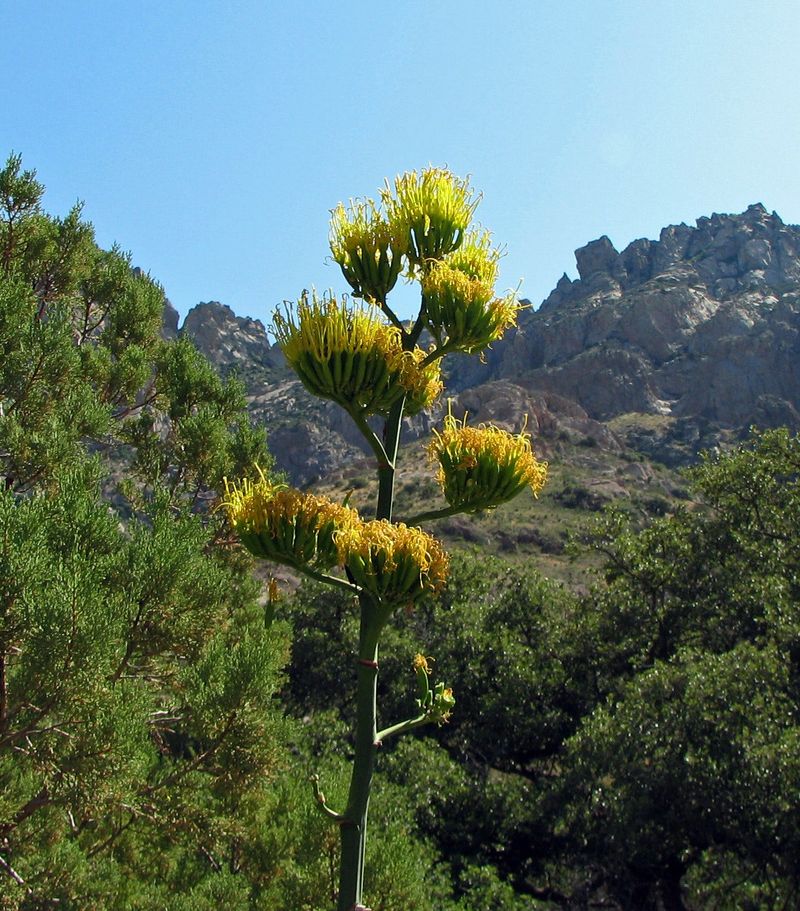
In the arid landscapes of the Southwest, the Agave stands as a symbol of resilience. Its towering flower stalks brim with nectar, drawing hummingbirds from afar. Adapted to harsh conditions, this succulent stores water in its thick leaves, thriving where few others can.
Beyond its ecological role, Agave has been a cultural staple, used by indigenous peoples for food, fiber, and tools. Its blooming, a rare and spectacular event, transforms the desert into a hub of life and activity. This plant exemplifies beauty in adaptation and endurance.
7. Desert Willow (Chilopsis linearis)
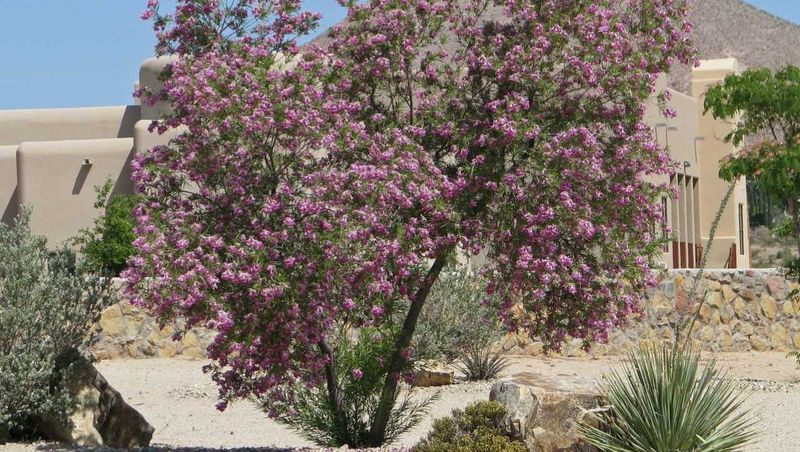
The Desert Willow, with its delicate pink blooms, paints the desert with color and life. Orioles and verdins find solace among its branches, feasting on insects drawn to the flowers. Thriving in the arid regions of the Southwest, it adds elegance and shade to the landscape.
Renowned for its hardiness, this tree is a favorite among gardeners seeking low-water solutions. Its flowering period, stretching through summer, ensures a continuous spectacle. The Desert Willow is a testament to nature’s ability to thrive amidst adversity and scarcity.
8. Prickly Pear Cactus (Opuntia spp.)
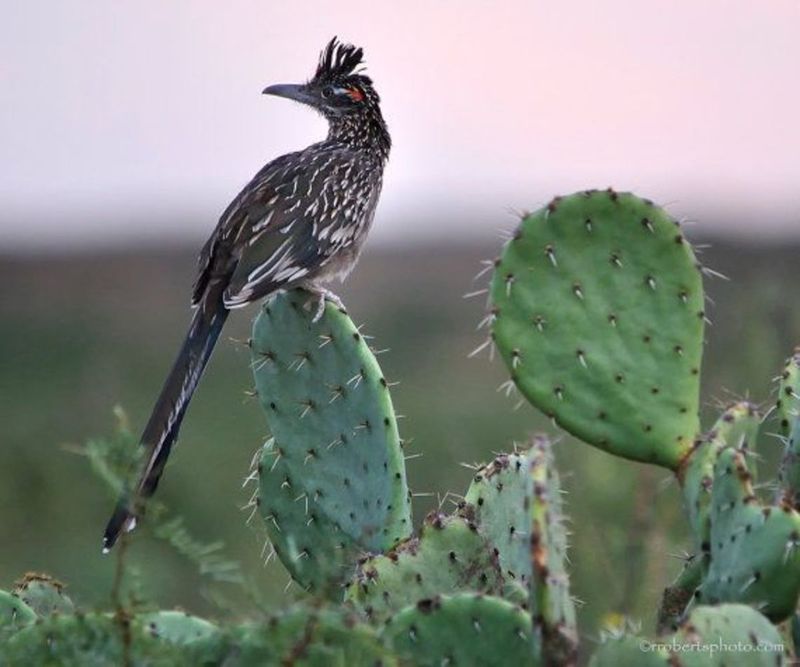
Prickly Pear Cactus, with its striking silhouette, is more than a desert icon. Its vivid blooms provide nectar, while its pads offer nesting sites for cactus wrens and thrashers. In the Southwest, this cactus stands as a beacon of life amid arid conditions.
The fruit of the Prickly Pear, often known as “tuna,” is a sweet treat for birds and humans alike. Its adaptability has made it a staple in desert gardens, where it supports a diverse array of species. This cactus embodies survival and sustenance in harsh climates.
9. Penstemon (Penstemon spp.)
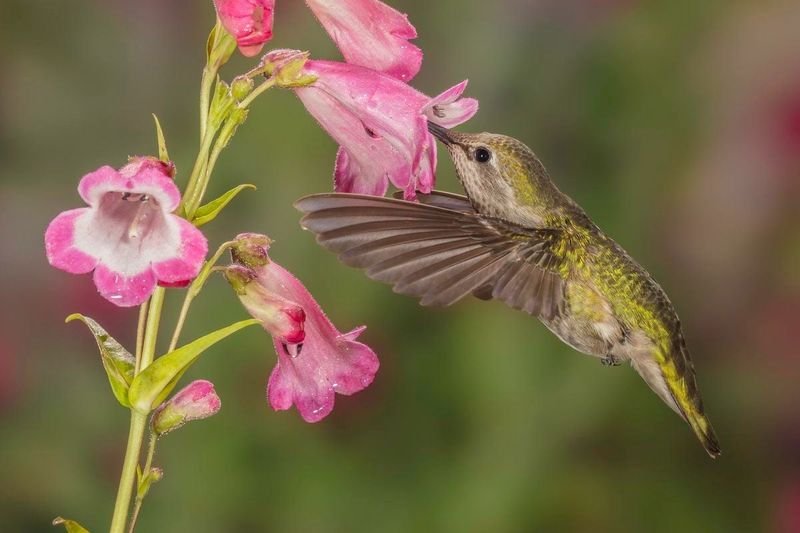
Penstemon, with its vibrant palette of reds and purples, is a favorite among hummingbirds. In the deserts of the Southwest, it thrives, painting the arid landscape with splashes of color. Its tubular flowers provide a continuous source of nectar, attracting a multitude of pollinators.
Gardeners appreciate its drought tolerance and long blooming season. For those cultivating native gardens, Penstemon offers both aesthetic appeal and ecological benefits. In folklore, it’s often associated with protection and healing, embodying the spirit of the land.
10. Mesquite (Prosopis spp.)
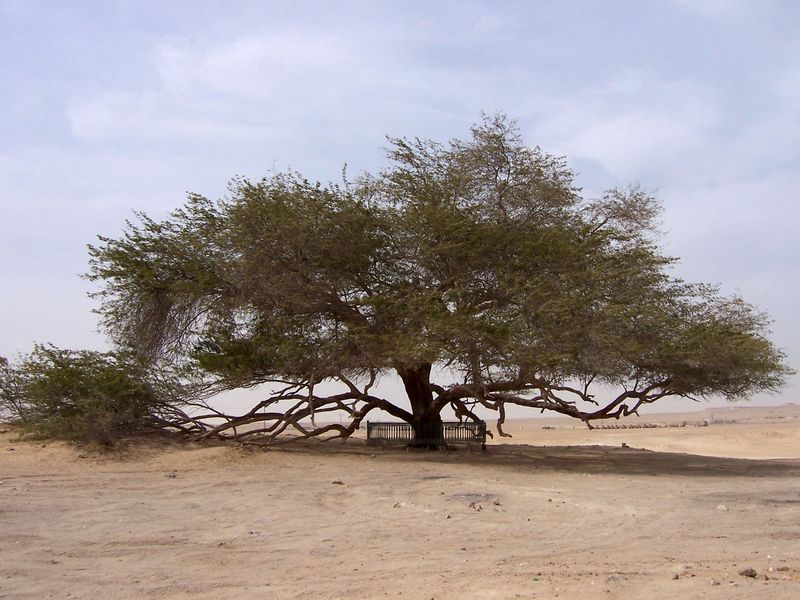
Mesquite trees are a familiar sight in the Southwest, where their feathery leaves and twisting branches offer shade and sustenance. Quail and doves eagerly feast on its seed pods, drawn to the nutritious bounty. Known for its adaptability, Mesquite thrives in challenging environments.
Its wood has been prized for its smoky flavor, often used in barbeques and cooking. Beyond its culinary uses, Mesquite plays a vital role in stabilizing soil and supporting wildlife. This tree embodies harmony, bridging the gap between people and nature.
11. Red-flowering Currant (Ribes sanguineum)
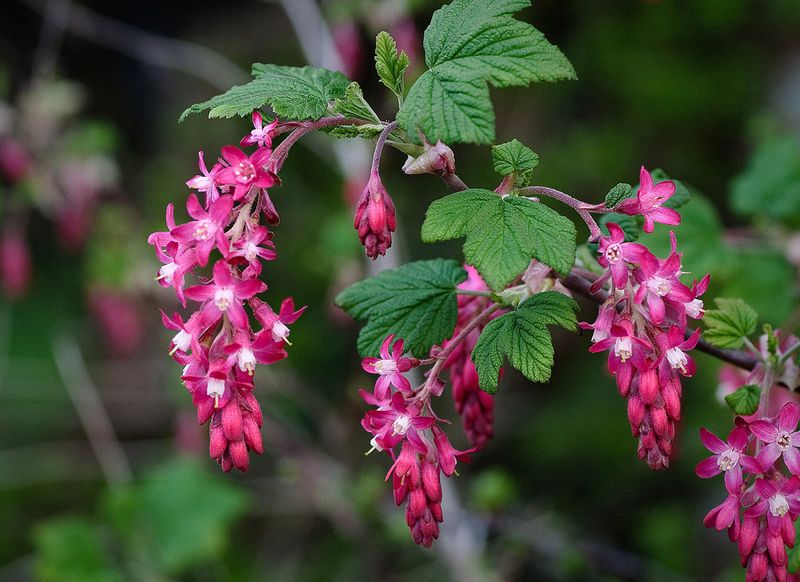
The Red-flowering Currant heralds spring in the Pacific Northwest with its stunning pink blooms. Hummingbirds are among the first to visit, drawn by the generous nectar supply. This deciduous shrub thrives in well-drained soils, preferring the gentle sunlight of forest edges.
Gardeners cherish its early flowering season and wildlife appeal. Beyond its ornamental beauty, the berries are a favored treat among birds. In traditional uses, the plant’s bark and roots have been employed for medicinal purposes, highlighting its multifaceted nature.
12. Douglas Fir (Pseudotsuga menziesii)
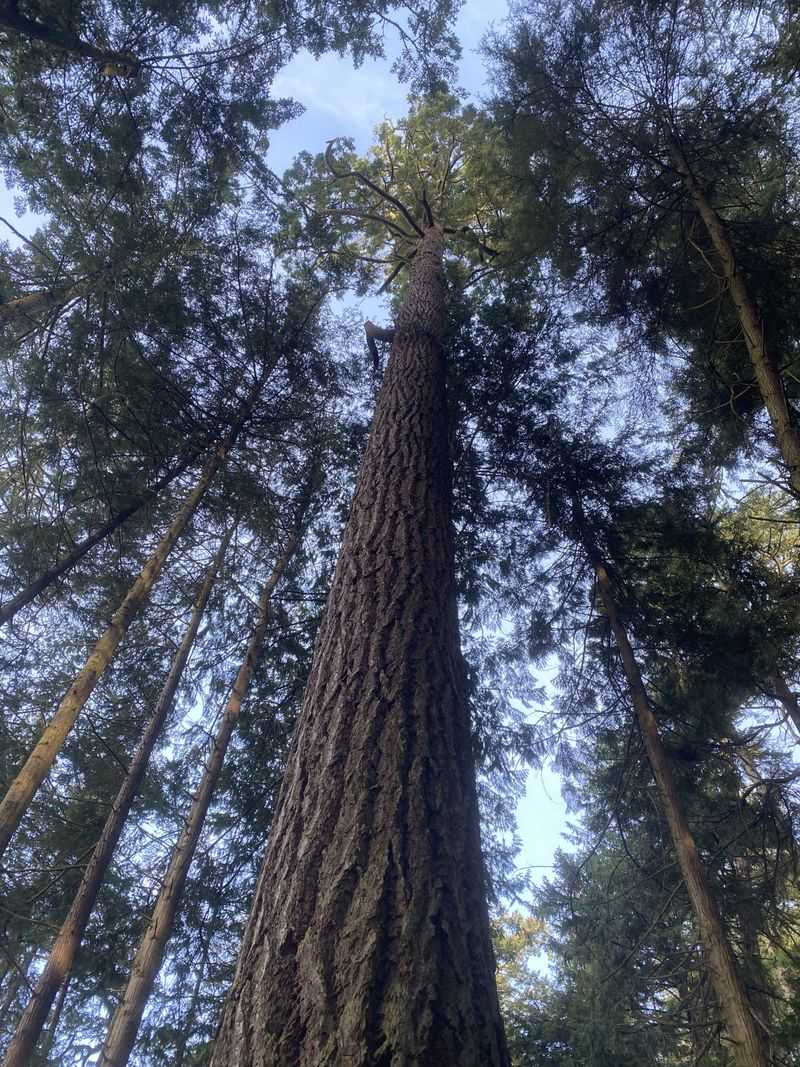
Douglas Fir, a titan of the Pacific Northwest forests, offers sanctuary to countless birds. Chickadees and nuthatches find its towering branches ideal for nesting, enveloped in the tree’s protective embrace. Its evergreen foliage ensures year-round shelter and sustenance.
Beyond its ecological significance, Douglas Fir has been a cornerstone in the timber industry, renowned for its strength and utility. The tree’s towering presence and aromatic needles evoke a sense of wonder and tranquility. This giant stands as a testament to nature’s grandeur.
13. Oregon Grape (Mahonia aquifolium)
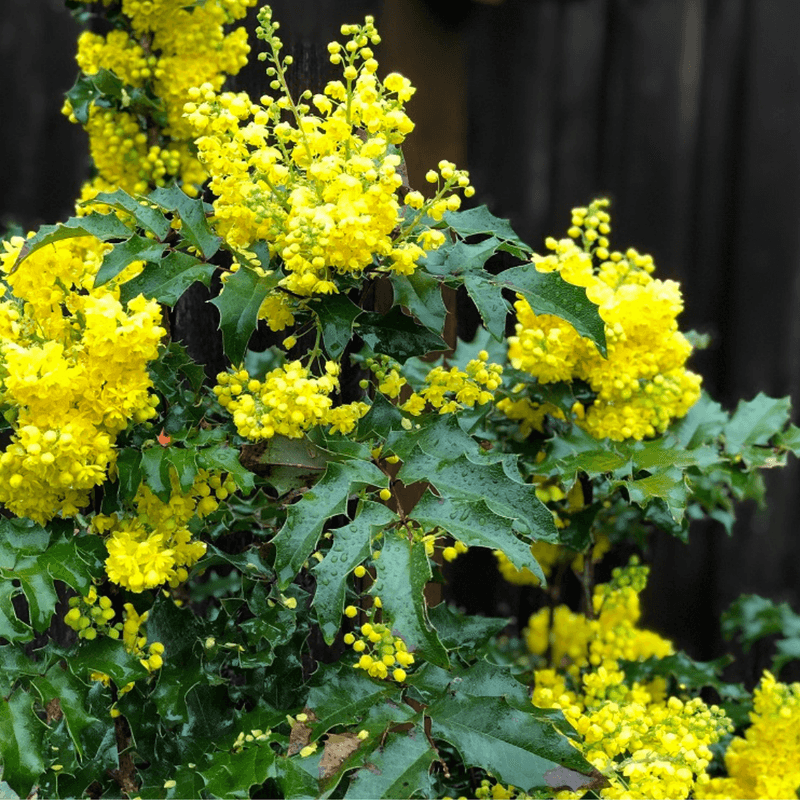
Oregon Grape, with its holly-like leaves and clusters of dark berries, is a magnet for robins and towhees. In the Pacific Northwest, this evergreen shrub provides colour and life throughout the seasons. Its adaptability suits both sunlit and shaded environments.
Beyond its appeal to birds, Oregon Grape’s berries have been used in traditional medicine, prized for their health benefits. Its vibrant yellow flowers herald spring, transforming gardens into havens of activity. This plant bridges the ornamental with the practical.
14. Pacific Dogwood (Cornus nuttallii)
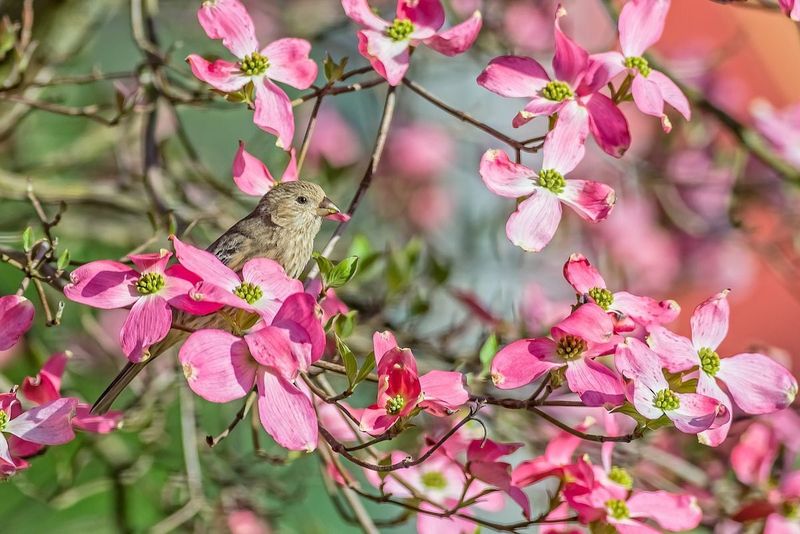
Pacific Dogwood graces the forests with its delicate white flowers and vibrant autumn hues. Waxwings and grosbeaks feast on its fruit, drawn by its sweet allure. This iconic tree thrives in the moist, temperate climate of the Pacific Northwest.
Celebrated for its beauty, the Pacific Dogwood is often planted as an ornamental, enhancing parks and gardens. Its wood, though not widely used, has found niche applications in crafting. This tree symbolizes resilience and renewal, offering sustenance and shelter to its avian companions.
15. Salmonberry (Rubus spectabilis)
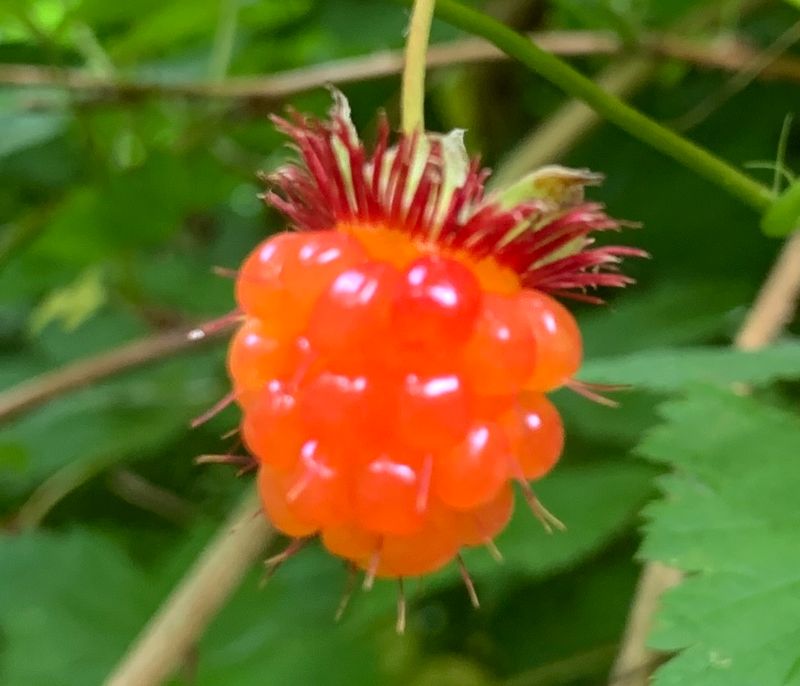
Salmonberry, with its vivid orange berries, is a feast for Swainson’s thrushes in the Pacific Northwest. This deciduous shrub thrives in the damp forest understory, where its arching canes create a lush haven for wildlife.
Beyond its appeal to birds, the berries are a traditional food source for indigenous peoples, often eaten fresh or made into preserves. Its spring blooms herald the awakening of the forest, signaling a time of abundance. Salmonberry embodies the spirit of growth and interconnectedness in nature.
16. Big Bluestem (Andropogon gerardii)
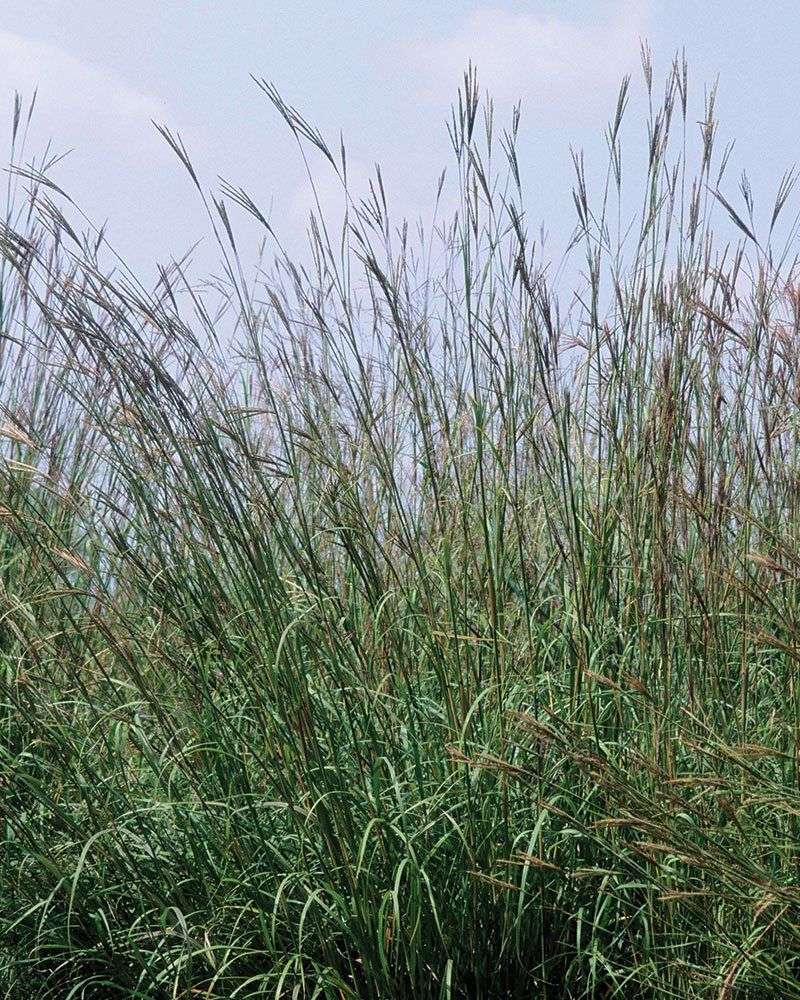
Big Bluestem is a cornerstone of the Midwest prairies, with its tall, waving grasses offering refuge to sparrows and meadowlarks. This native grass forms dense clumps, creating habitats for nesting and shelter.
Beyond its ecological role, Big Bluestem has historical significance, once covering vast expanses of the American prairies. Its roots run deep, literally, helping to prevent soil erosion. This plant is a symbol of the vast, open landscapes and the intricate web of life they support, embodying the heart of the prairie ecosystem.
17. Wild Bergamot (Monarda fistulosa)
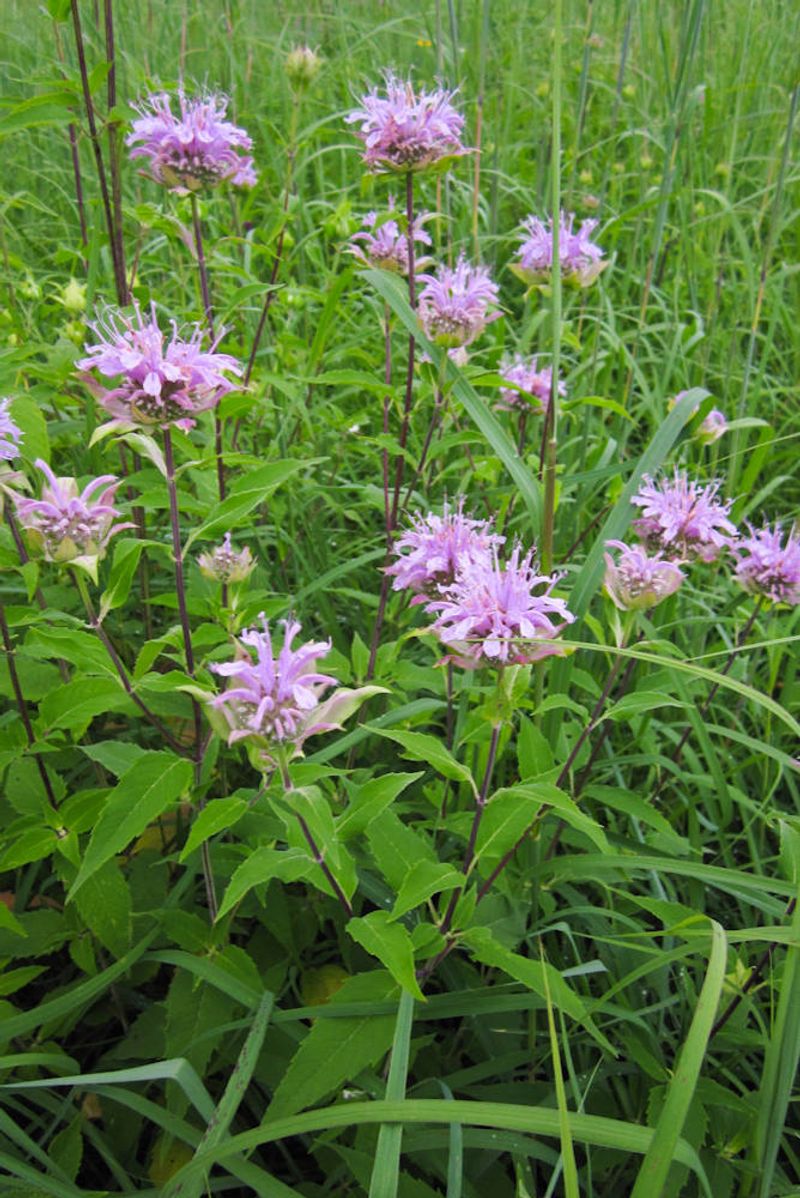
Wild Bergamot, often known as bee balm, adds a splash of color and fragrance to Midwest gardens. Its lavender flowers attract hummingbirds and goldfinches, offering a rich source of nectar and seeds.
This perennial thrives in sunny, well-drained areas, where its aromatic leaves release a minty scent. Known for its medicinal properties, it has been used in traditional remedies. Wild Bergamot embodies the spirit of healing and vitality, serving as a beacon for pollinators and a staple in native plantings.
18. Elderberry (Sambucus canadensis)
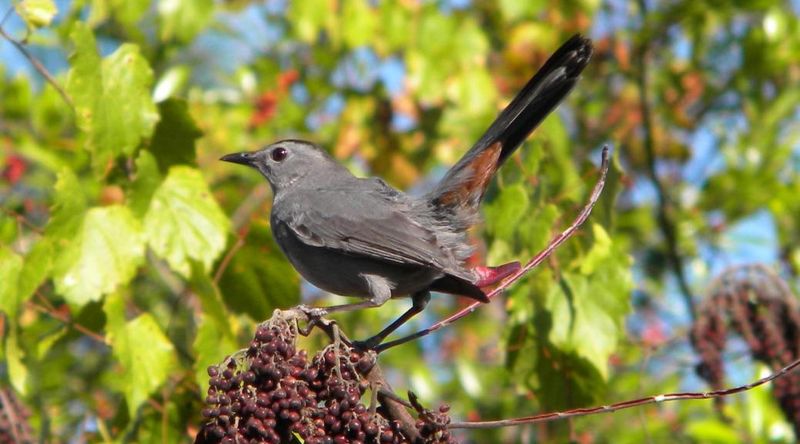
Elderberry bushes abound with clusters of dark berries, attracting catbirds and bluebirds who revel in the bounty. In the Midwest, this shrub is a favorite for both its ornamental beauty and wildlife appeal.
Beyond its ecological benefits, Elderberry is celebrated for its medicinal uses, often crafted into syrups and teas. Its white spring blossoms give way to a summer harvest, providing sustenance for birds. Elderberry symbolizes abundance and health, bridging the gap between traditional wisdom and modern gardening.
19. Sunflower (Helianthus annuus)
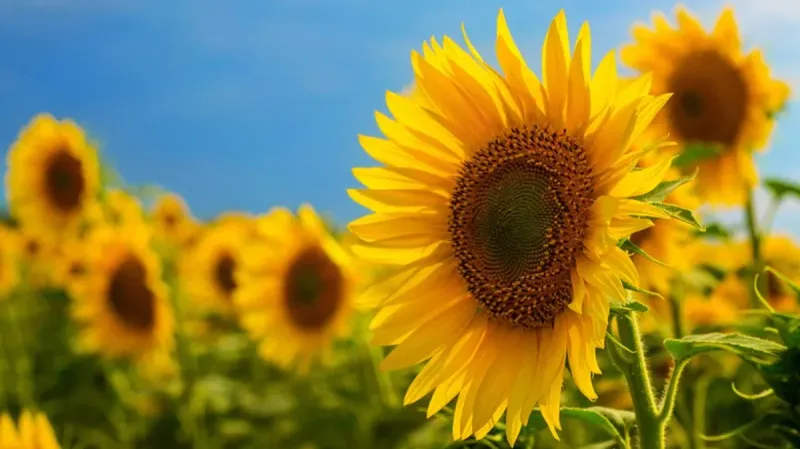
Sunflowers, with their towering stalks and radiant blooms, brighten the heartlands with vibrant energy. Finches and jays flock to these flowers, feasting on the rich seeds they provide.
A symbol of warmth and loyalty, sunflowers have agricultural and cultural significance. They are easy to grow, thriving in various soil types and offering visual splendor throughout summer. For many, they evoke memories of summer days and open fields. Sunflowers are an emblem of vitality and the enduring connection between land and life.
20. Chokecherry (Prunus virginiana)
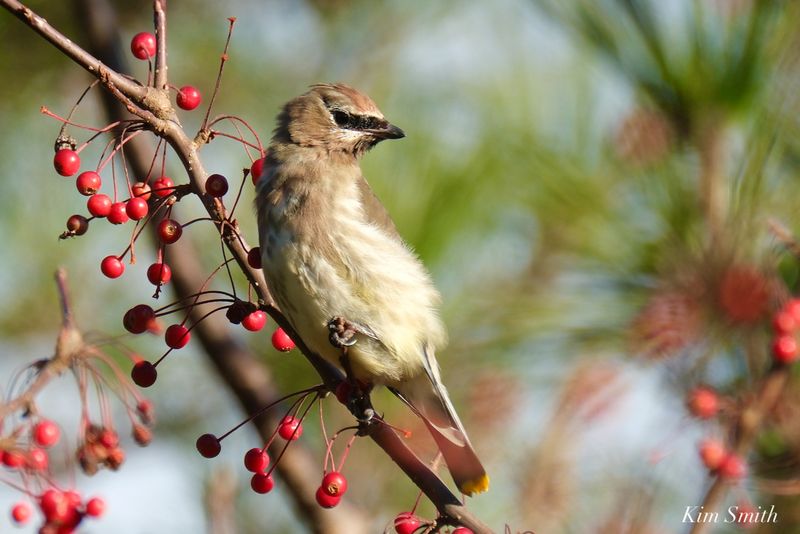
Chokecherry trees, with their clusters of dark, tangy fruit, are a staple in Midwest landscapes. Robins and cedar waxwings eagerly visit, drawn by the bounty of berries.
Beyond their appeal to wildlife, Chokecherries have been used in traditional recipes, crafting jellies and wines. These trees thrive in various conditions, displaying beautiful white blossoms in spring. Chokecherry embodies the spirit of resourcefulness and adaptation, serving as a vital link between the natural world and human culture.