
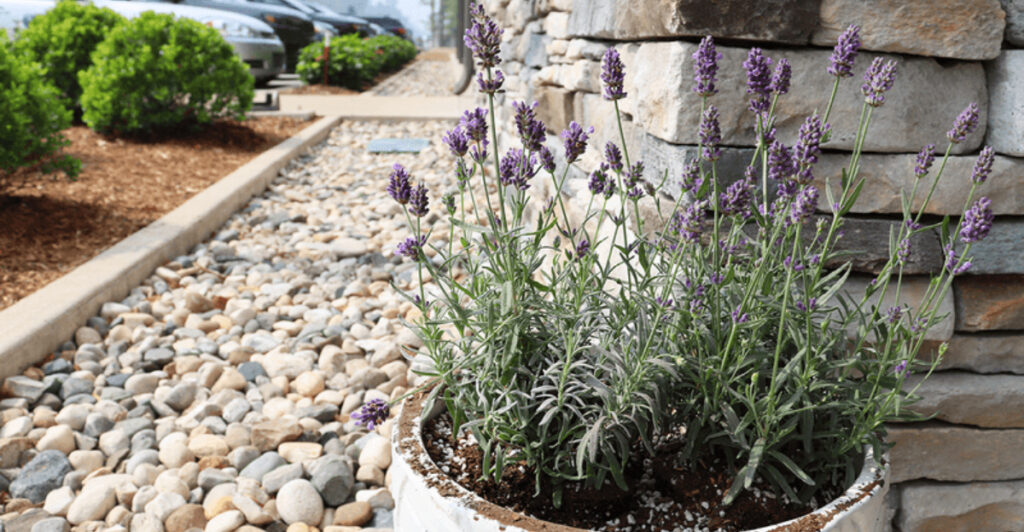
Transform your patio into a fragrant and flavorful haven with these 15 essential herbs. Perfect for both culinary creations and enjoying aromatic breezes, these herbs are easy to grow in pots or planters, making them ideal for small spaces. Discover the unique characteristics and growing tips for each herb with this comprehensive guide.
1. Basil (Ocimum basilicum)
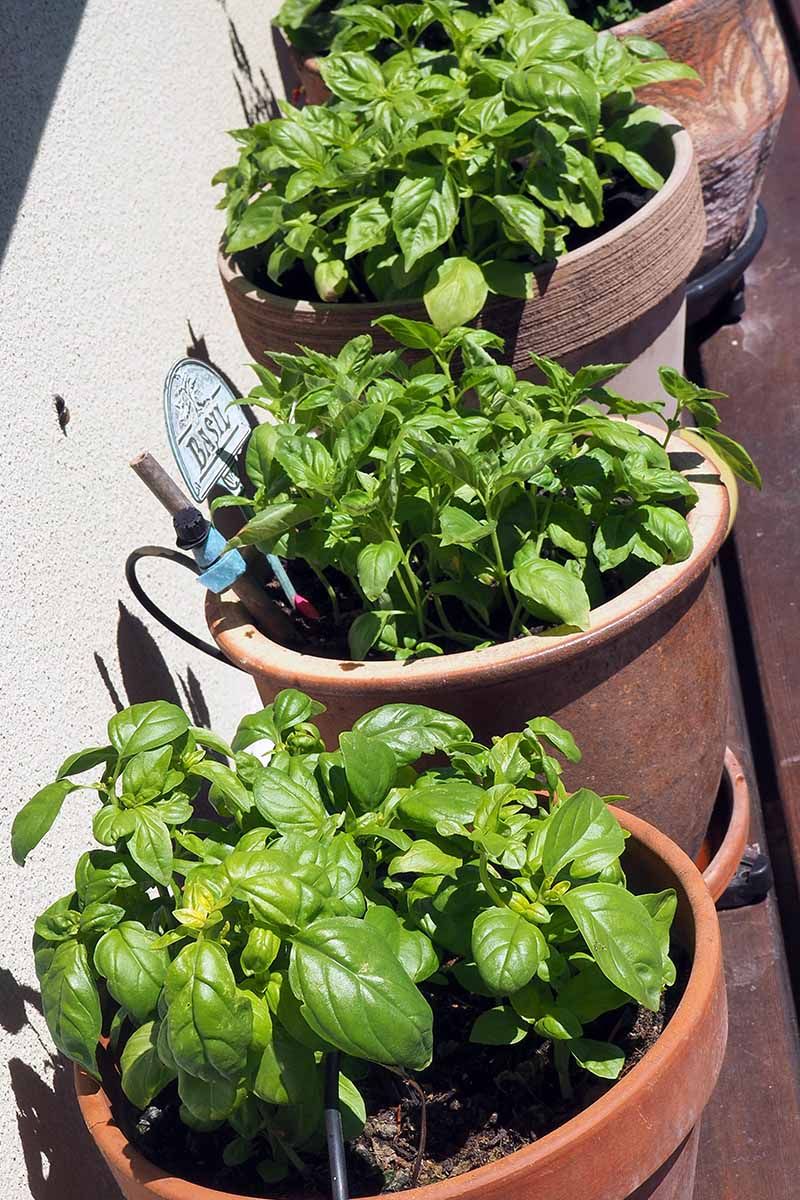
Basil is the quintessential herb, beloved for its aromatic leaves that elevate any dish. Its vibrant green foliage not only adds beauty but also complements tomatoes, pasta, and pesto perfectly. One can almost taste the freshness it brings to a caprese salad.
To grow basil successfully, remember to pinch off the flowers to keep the leaves tender and flavorful. This simple act ensures your basil remains lush and productive. A fun fact: basil is considered a symbol of love in Italy!
2. Mint (Mentha spp.)
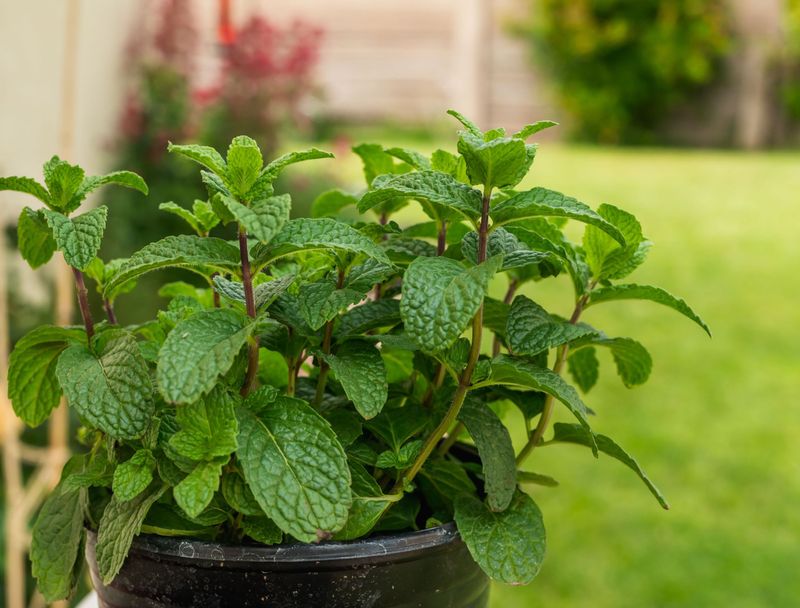
The refreshing aroma of mint is unmistakable, making it a favorite for teas and mojitos. Mint’s vigorous growth is both a blessing and a challenge, as it can quickly dominate a garden.
This herb enjoys partial shade, making it adaptable to different patio environments. Its invasive nature makes pot cultivation ideal, keeping it from overrunning other plants. Did you know mint symbolizes hospitality in many cultures? A welcoming addition to any home.
3. Thyme (Thymus vulgaris)
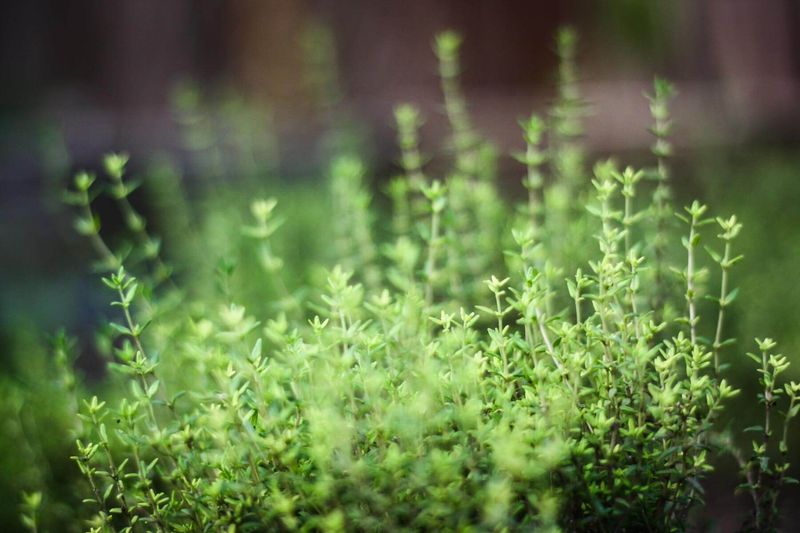
Thyme is a robust herb with a subtle, earthy flavor that enhances roasts, soups, and marinades. Its petite leaves are packed with flavor, making it a staple in Mediterranean cuisine.
Thyme’s drought tolerance makes it perfect for the forgetful gardener. It thrives with minimal watering, basking in the sun’s warmth. Here’s a tidbit: ancient Greeks associated thyme with courage, making it a symbol of bravery. What better herb to have on your patio, inspiring bold culinary creations?
4. Rosemary (Salvia rosmarinus)
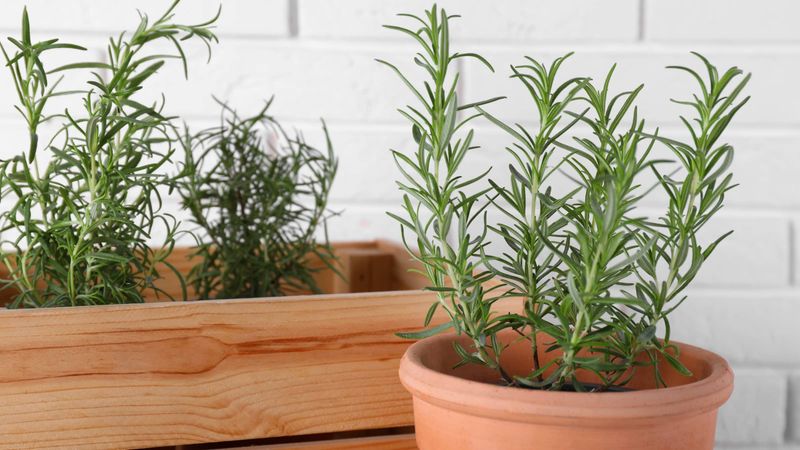
Rosemary stands as a sentinel of flavor, its woody stems and aromatic leaves a testament to its culinary prowess.
To grow rosemary, ensure it receives full sun and has excellent drainage—its Mediterranean origins demand it. This herb’s resilience against harsh conditions makes it a patio favorite. Historically, rosemary has been linked to memory enhancement. An enduring symbol of remembrance and friendship, it enriches both garden and kitchen.
5. Parsley (Petroselinum crispum)
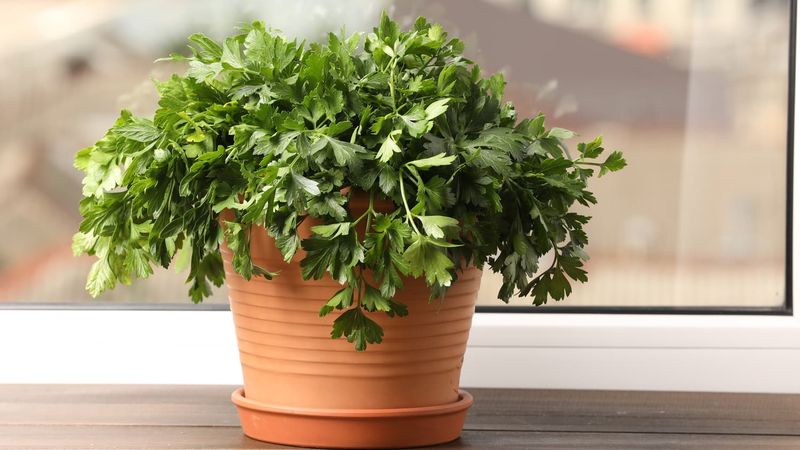
Parsley, often more than just a garnish, brings a crisp freshness to many dishes. Its bright green leaves flicker in the sunlight, an inviting sight on any patio. Essential in tabbouleh and various sauces, parsley’s clean taste enhances culinary creations worldwide.
Growing parsley requires patience, as seeds are slow to sprout. Soaking them overnight can help speed up germination. Fun fact: parsley was used in ancient Greek ceremonies to crown victors, symbolizing triumph. Its historic significance and versatility make it a must-have for home gardeners.
6. Chives (Allium schoenoprasum)
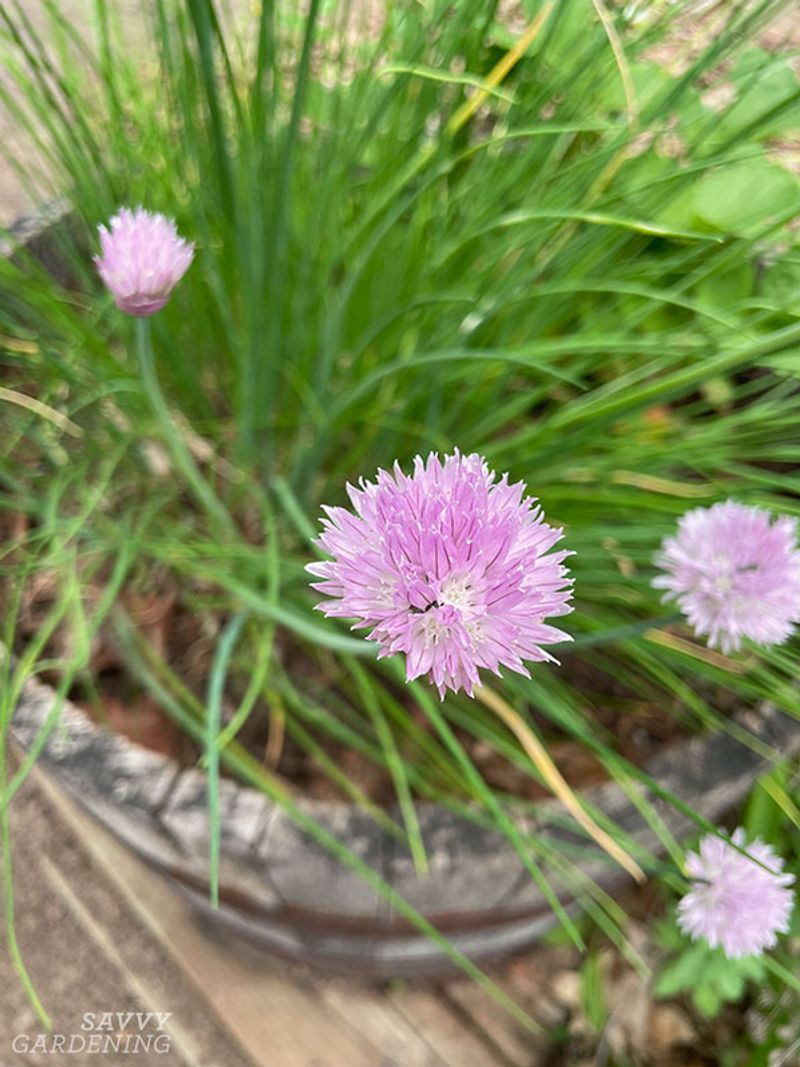
Chives bring a mild onion flavor to dishes, perfect for enhancing eggs, dips, and more. These slender shoots are not just a culinary delight; they’re visually appealing too.
Regular trimming encourages lush growth, ensuring a steady supply of chives. They’re easy to grow and require minimal care. In medieval times, chives were believed to drive away evil spirits, adding a touch of folklore to their practical uses today.
7. Oregano (Origanum vulgare)
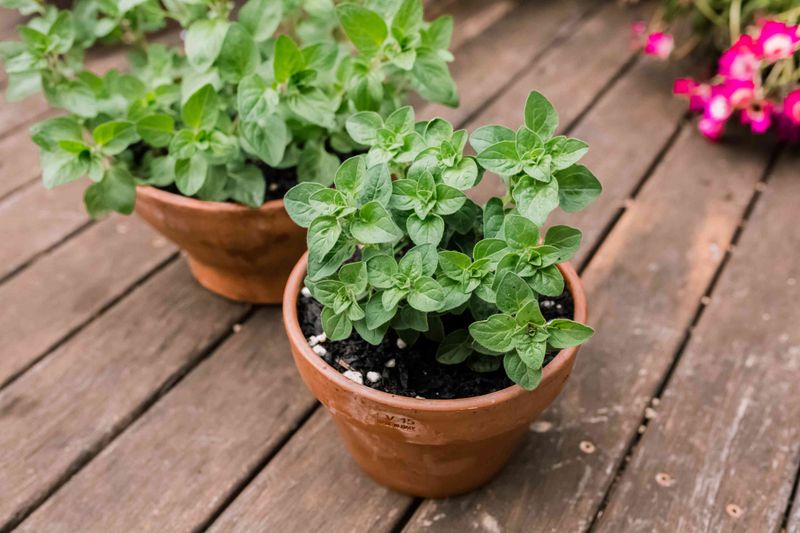
Oregano, the taste of the Mediterranean, is indispensable for pizza and pasta lovers. Its rich aroma evokes images of sunlit hillsides and rustic kitchens. Cultivating oregano on your patio ensures a fresh supply of this aromatic herb right at your fingertips.
Trim oregano regularly to promote bushy growth, enhancing both yield and appearance. Resilient and sun-loving, it thrives in well-drained soil. Did you know oregano was used by the Greeks and Romans for medicinal purposes and as a symbol of joy and happiness? A delightful addition to any herb garden.
8. Cilantro (Coriandrum sativum)
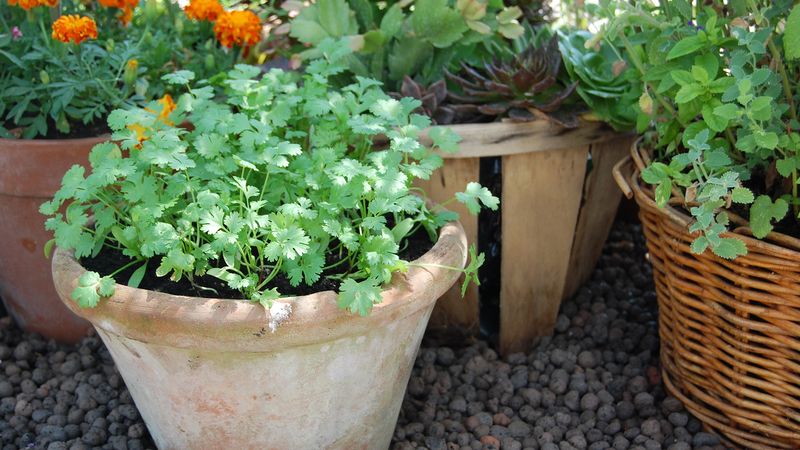
Cilantro, with its unique flavor, is a staple in salsas, guacamole, and many Asian dishes. Its tender leaves are harvested for an extra zing in your culinary repertoire.
Cilantro grows quickly, which means you can plant new seeds every few weeks for continuous harvest. Its rapid growth suits the avid cook who loves fresh ingredients. Interestingly, cilantro is known as coriander in many parts of the world, with both seeds and leaves valued in diverse cuisines.
9. Sage (Salvia officinalis)
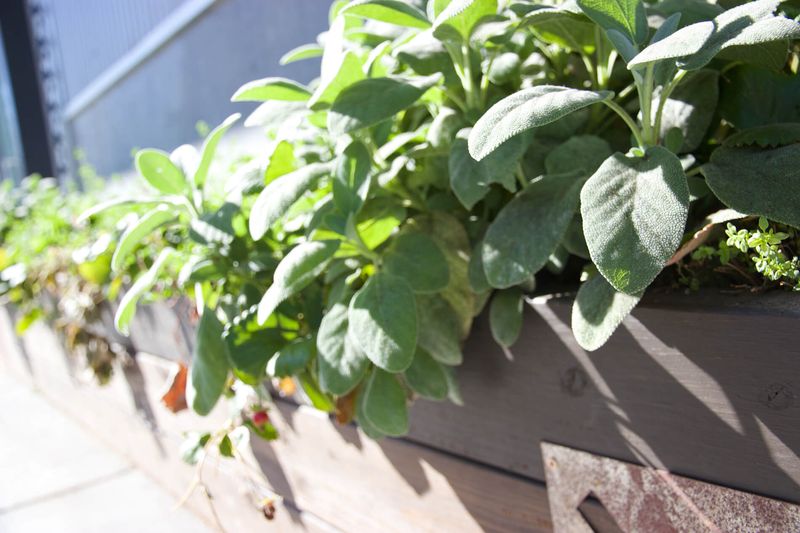
Sage offers an earthy, savory flavor that complements stuffing, butter sauces, and meats.
Preferring drier soil, sage is perfect for those who might forget an occasional watering. It thrives in well-drained spots, letting its aromatic oils develop fully. A bit of history: sage was once associated with wisdom and immortality, revered by ancient cultures for its healing properties. Grow sage for a touch of ancient tradition and modern flavor.
10. Dill (Anethum graveolens)
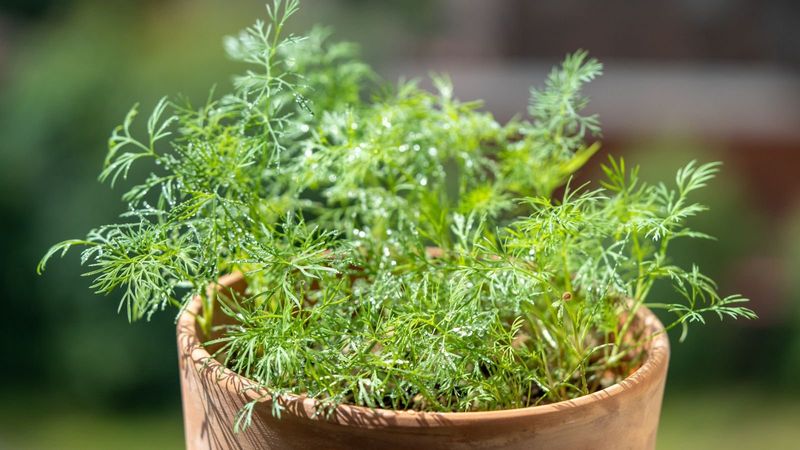
Dill brings a fresh, tangy kick to pickles, fish, and dips.
Tall and delicate, dill is best grown in a spot sheltered from strong winds. It’s a visually striking plant that requires minimal care beyond protection from harsh elements. Historically, dill was used by ancient Egyptians as a soothing agent, adding a touch of antiquity to its modern culinary uses. A must-have for any herb enthusiast.
11. Lemon Balm (Melissa officinalis)
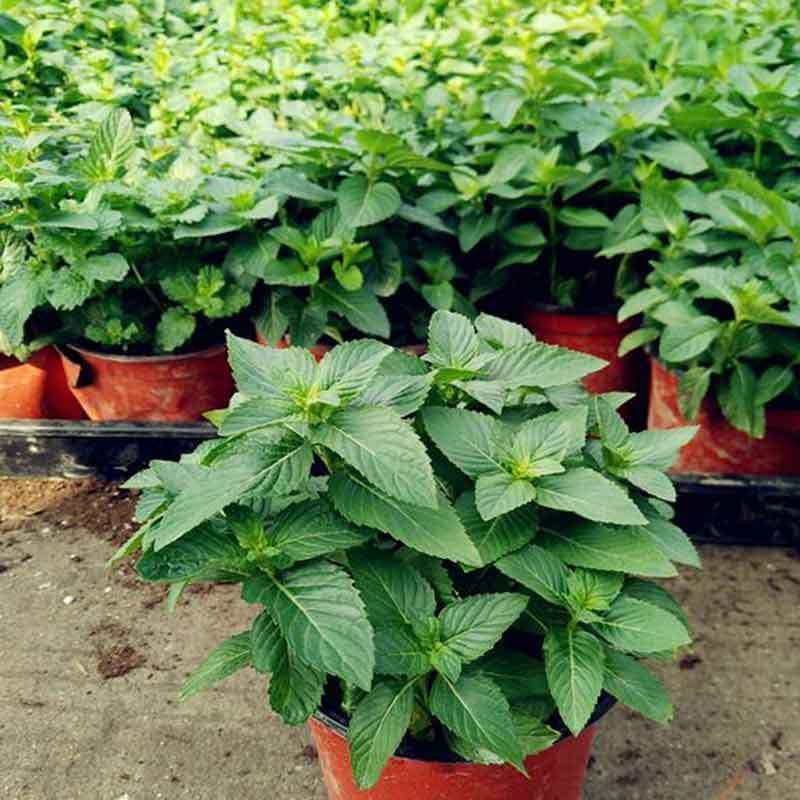
Lemon balm offers a delightful citrusy scent, making it a favorite for teas and desserts.
This herb can spread quickly, so containing it in a pot is advisable. It’s perfect for adding a touch of tranquility to your patio space. Did you know lemon balm was used in the Middle Ages to promote longevity? Its refreshing aroma and historical significance make it a charming addition to your herb collection.
12. Lavender (Lavandula spp.)
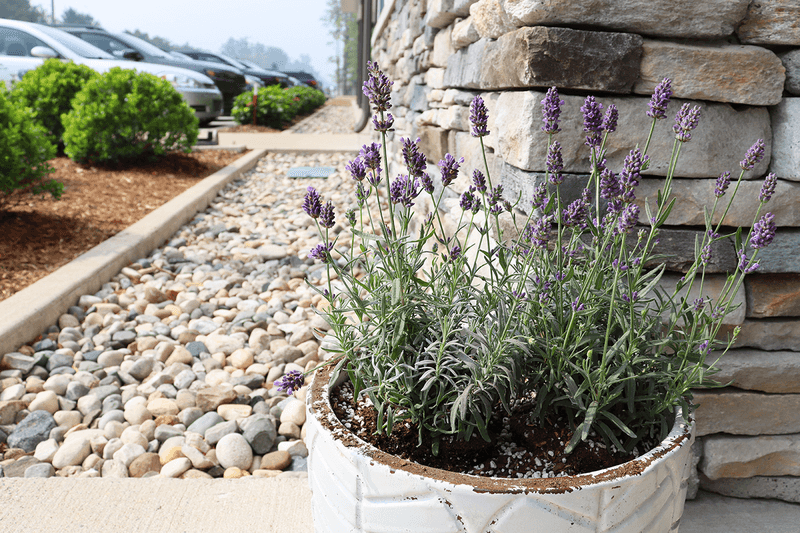
Lavender, with its soothing floral aroma, is perfect for baking, teas, and relaxation.
This sun-loving herb requires well-draining soil to thrive. Its calming fragrance has been cherished for centuries, making it an enduring favorite. Did you know lavender was used in ancient Rome for bathing and scenting the air? Its timeless appeal and diverse uses make it a cornerstone of herbal gardens.
13. Tarragon (Artemisia dracunculus)
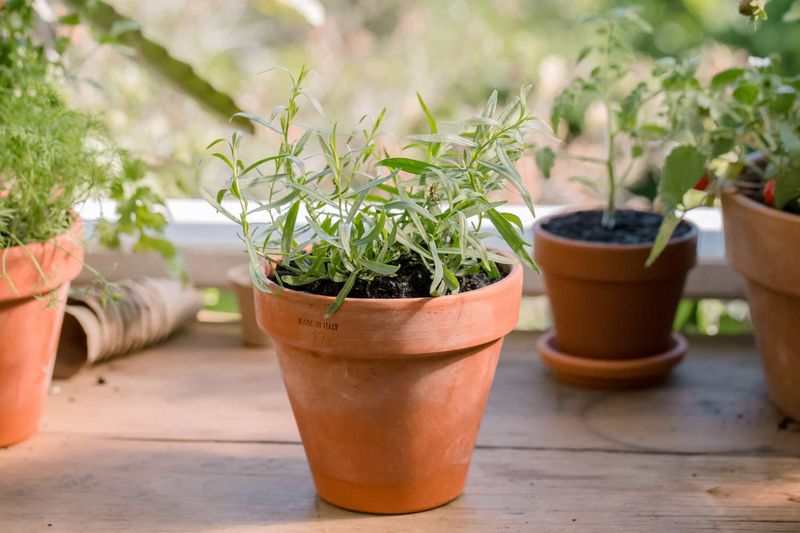
Tarragon, a staple of French cuisine, adds a subtle anise flavor to dishes.
Avoid overwatering tarragon, as it dislikes wet roots. This herb thrives in a sunny spot, bringing a touch of French elegance to your patio. Historically, tarragon was believed to ward off dragons—a quirky tale from its rich past. Its unique flavor and storied history make tarragon a sophisticated choice for home gardeners.
14. Bay Laurel (Laurus nobilis)
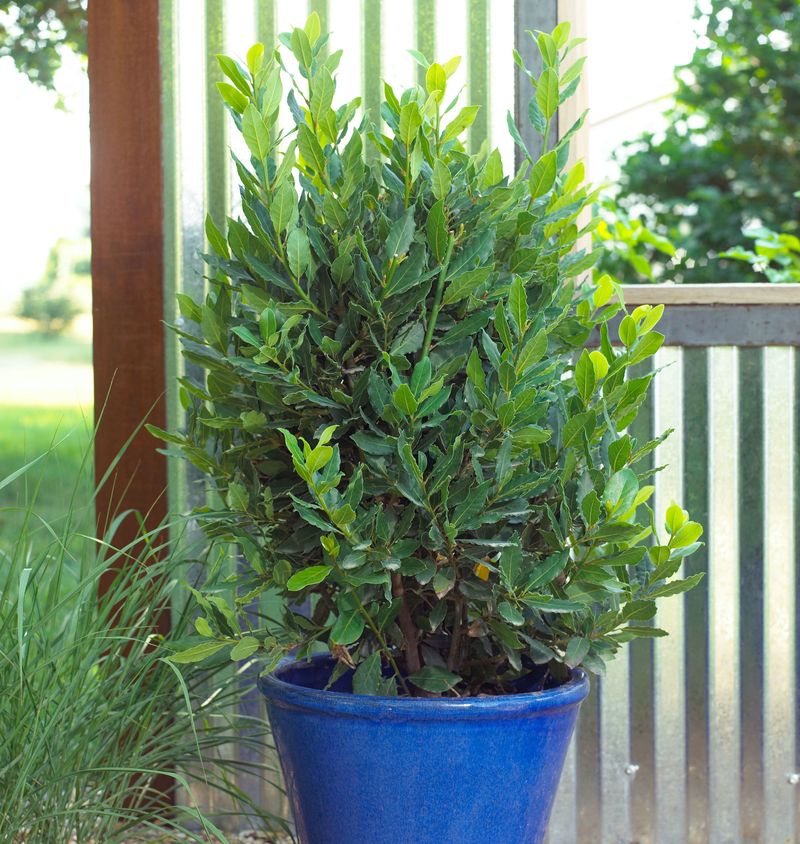
Bay laurel, known for its aromatic leaves, enriches slow-cooked soups and stews.
Grow bay laurel in a large pot, as it can become quite a majestic shrub. It thrives in sunny locations and requires minimal care. In ancient times, bay leaves were used to crown victors, symbolizing honor and triumph. This historical significance, paired with its culinary value, makes bay laurel a regal herb to cultivate.
15. Stevia (Stevia rebaudiana)
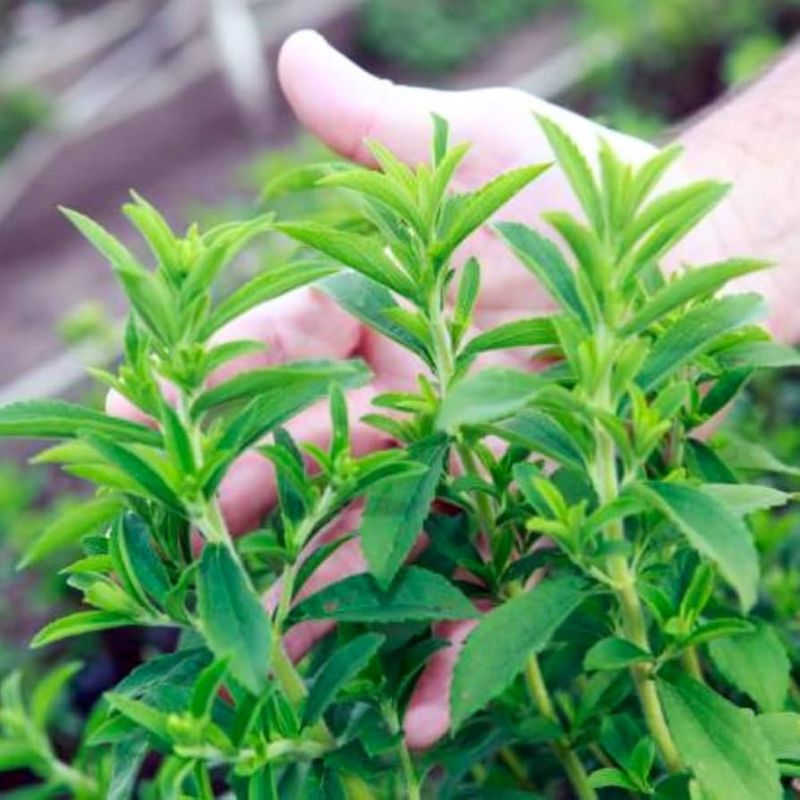
Stevia offers a natural sweetness to teas and desserts without the calories of sugar.
Stevia prefers warm climates, flourishing indoors during colder months. Its growing popularity as a sugar substitute stems from its unique ability to sweeten without the aftertaste. Fun fact: stevia’s sweetness comes from glycosides, compounds that make it 200 times sweeter than sugar! A sweet addition to your herbal collection.