
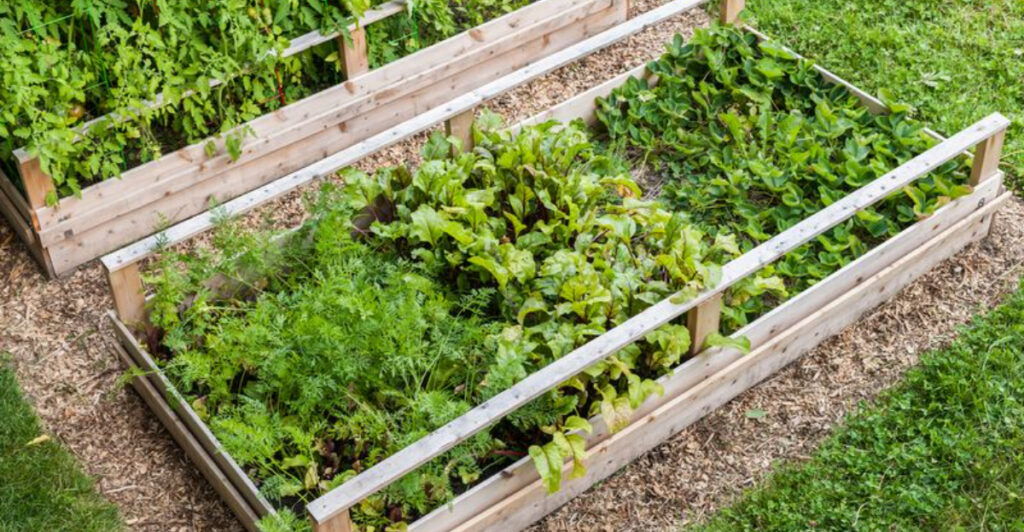
Discovering the lesser-known insights of raised bed gardening can enhance your vegetable-growing experience. From soil myths to unique planting techniques, these gems of wisdom often remain unspoken among gardeners. Explore these 13 secret facts to unlock the full potential of your raised bed garden.
1. The “Perfect Soil” Myth
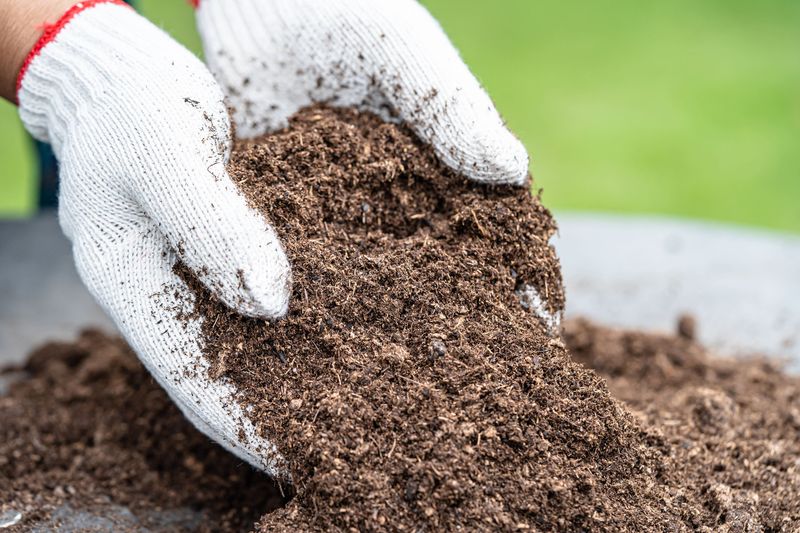
Many gardeners swear by the classic triple-mix of compost, peat moss, and vermiculite for their raised beds. However, over time, this mixture tends to compact, resulting in poor drainage. Adding perlite or coarse sand—up to 30%—can significantly improve soil aeration and water management. This tweak ensures that your plants have the perfect environment to thrive. Have you tried it yet? Next time you prepare your raised bed, consider this simple adjustment for healthier and more productive plants. A small change can make a big difference in your gardening success.
2. You’re Watering Wrong
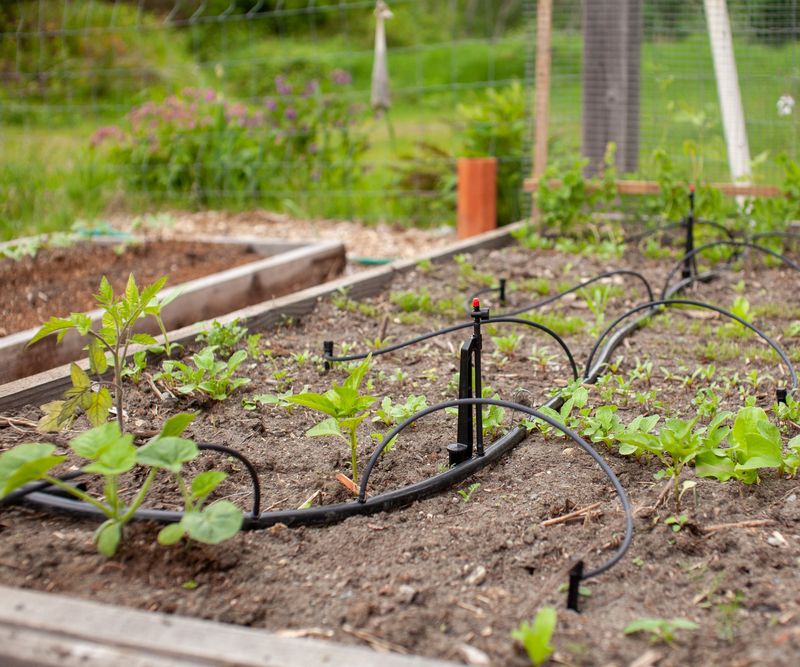
It’s a common misconception that watering raised beds is like watering in-ground gardens. The truth is, raised beds dry out twice as fast due to increased exposure to sun and wind. Gardeners can counter this by installing a drip irrigation system with a timer. Alternatively, using olla pots—traditional clay vessels—can provide slow, deep hydration to plant roots. By adopting these methods, you ensure your plants receive consistent moisture, preventing wilting and ensuring robust growth. This innovative approach to watering can transform your gardening experience.
3. The Hidden Pest Superhighway
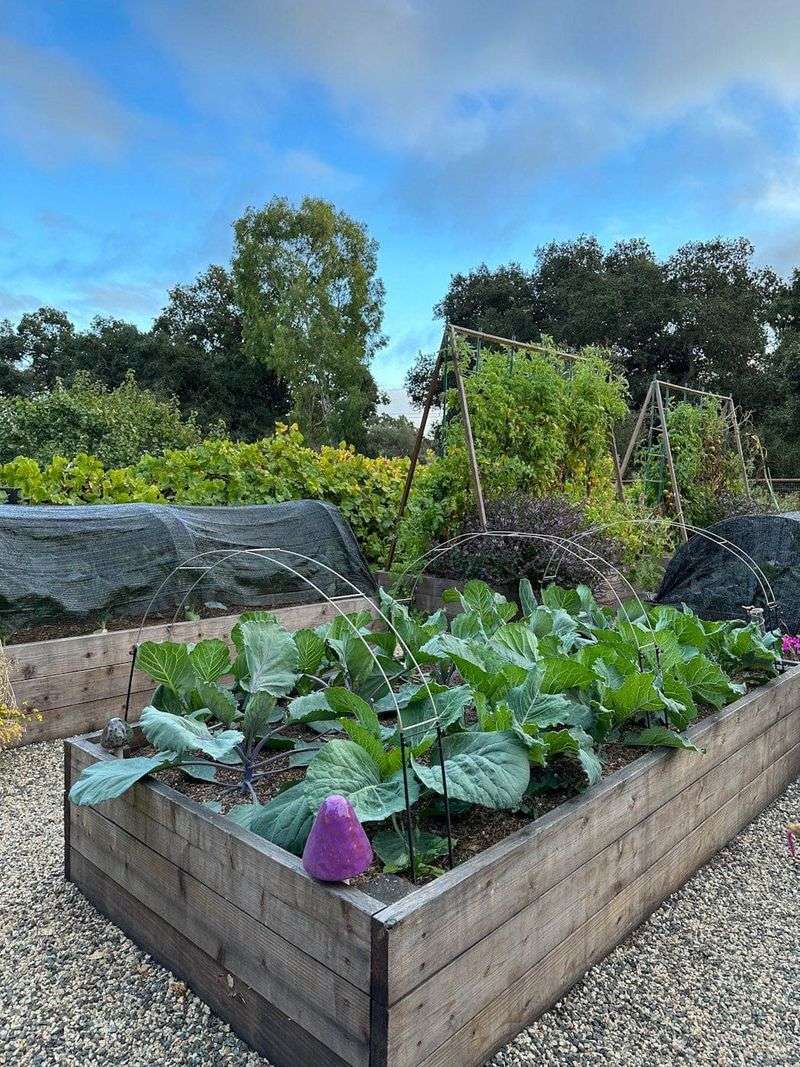
Raised beds may seem like a fortress against pests, but burrowing creatures often find their way in. Voles, gophers, and even determined slugs can invade, turning your garden into their personal buffet. To thwart these intruders, line the bottom of your bed with hardware cloth before filling it with soil. This barrier acts as a protective shield, keeping your plants safe from unwanted visitors. With this simple measure, you can maintain a pest-free zone and focus on nurturing your vegetables without constant worry.
4. The Secret to 3x Faster Growth
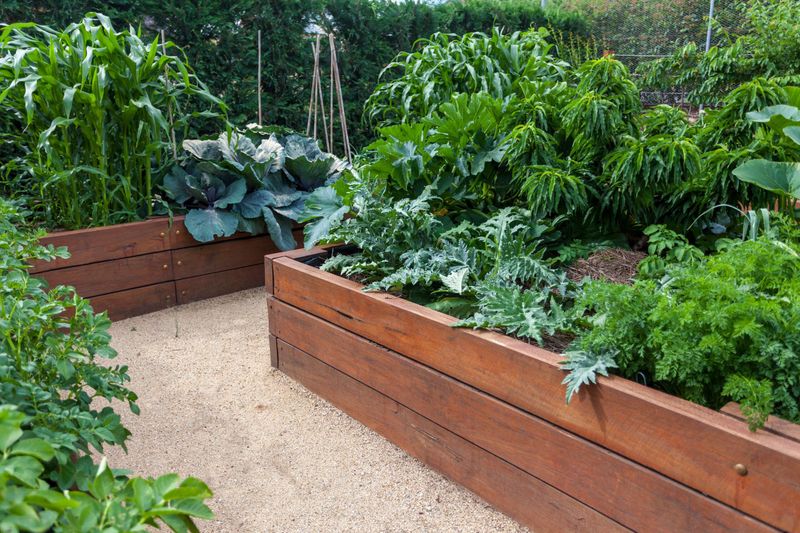
Did you know that soil in raised beds warms up weeks earlier in spring compared to in-ground gardens? This natural advantage allows for planting cold-hardy crops, like spinach, peas, and radishes, as soon as the soil becomes workable. By getting a head start on the growing season, your plants can mature faster, providing you with fresh produce long before traditional gardeners see results. This early warmth is nature’s gift to raised bed gardeners, offering a unique opportunity to maximize growth and enjoy an extended harvest season.
5. The Fertilizer Trap
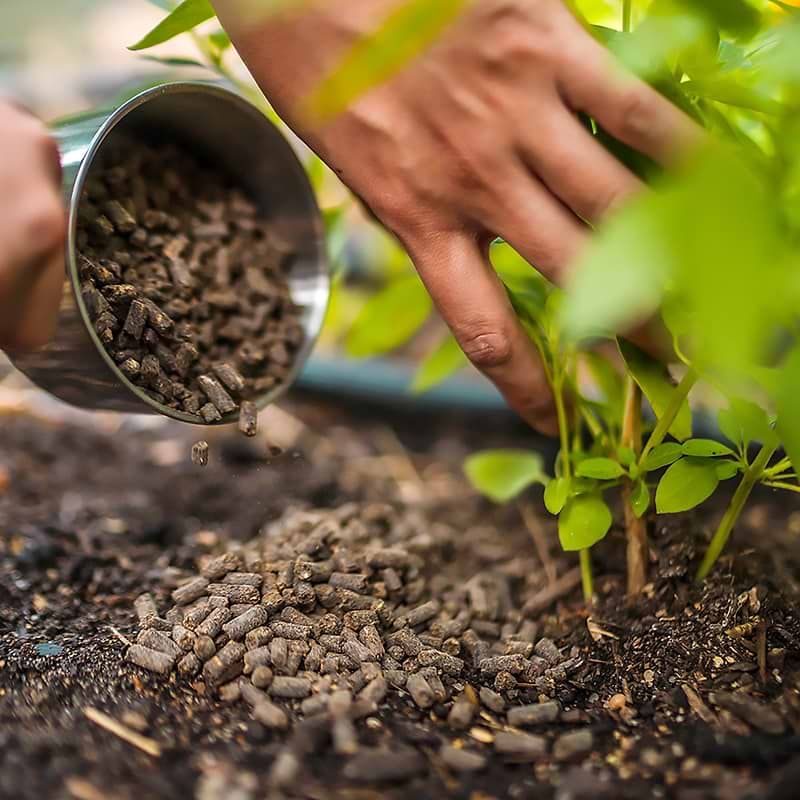
The belief that compost alone suffices in raised beds is widespread, yet misleading. Fast-draining soil can leach nutrients swiftly, leaving plants deficient. To counter this, use slow-release organic fertilizers like kelp meal every 4-6 weeks. These nutrients support plant growth over time, ensuring a steady supply of essential elements. By maintaining a balanced nutrient level, your vegetables will flourish, exhibiting robust health and bountiful yields. Take the guesswork out of fertilizing by incorporating this routine into your gardening practices for thriving raised bed vegetables.
6. The “No Weeds” Lie
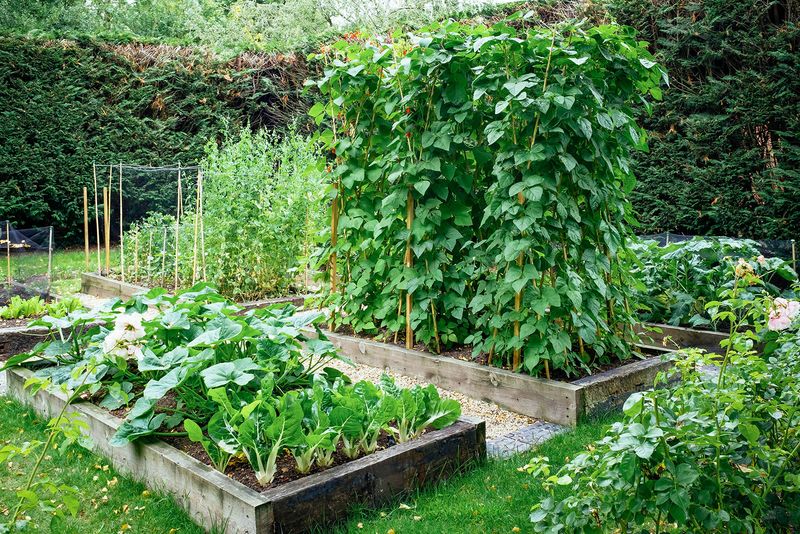
The assumption that raised beds are weed-free is misleading. While they reduce weed growth, it’s not a complete solution. A practical method to combat weeds is to plant dense crops like lettuce or bush beans. These plants create a natural barrier, preventing weeds from taking hold and competing for resources. By maximizing space and sunlight, you can enjoy a tidy and productive garden. This strategy requires little effort but yields substantial results, allowing you to spend more time harvesting and less time weeding.
7. The Root Depth Illusion
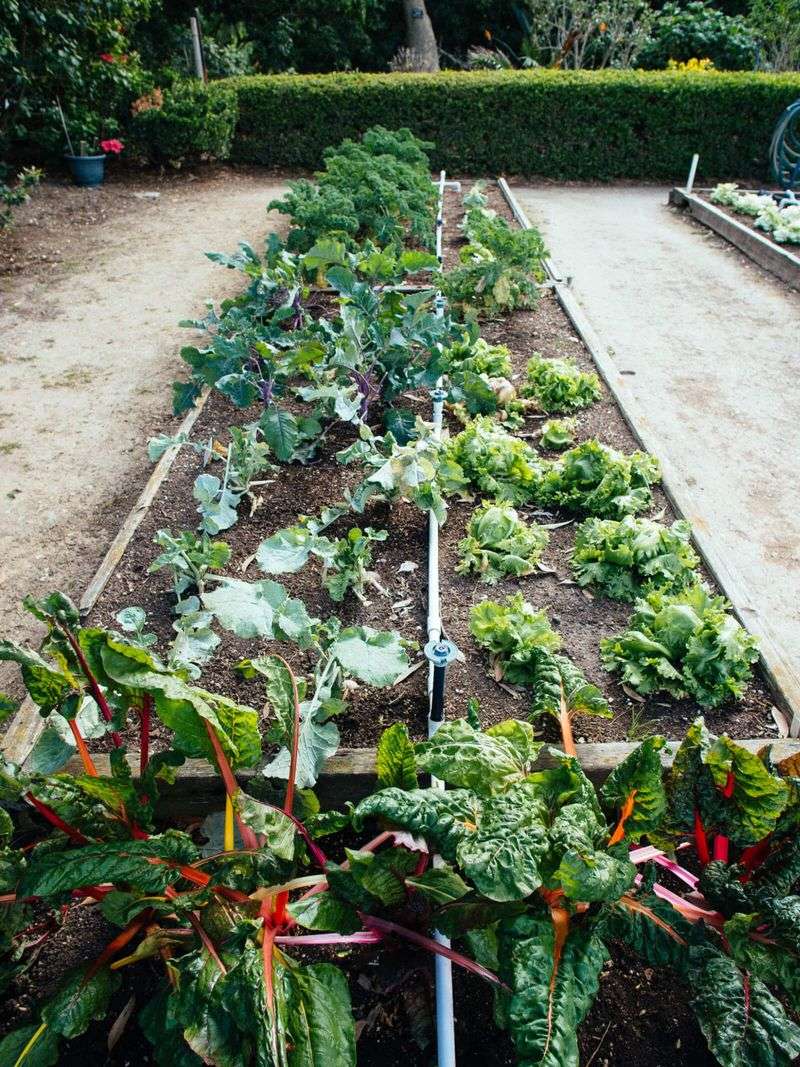
Commonly, gardeners fill their raised beds with just 8 inches of soil, although most vegetables need 12-18 inches for optimal root growth. Shallow beds are best suited for greens, herbs, and radishes—not deep-rooted varieties like tomatoes or carrots. By understanding these limitations, you can select the right plants for your bed’s depth, ensuring healthy growth and strong yields. This knowledge helps in planning your garden layout effectively, maximizing both space and productivity. Choose wisely, and your garden will flourish with the right crops in the right conditions.
8. The Overcrowding Mistake
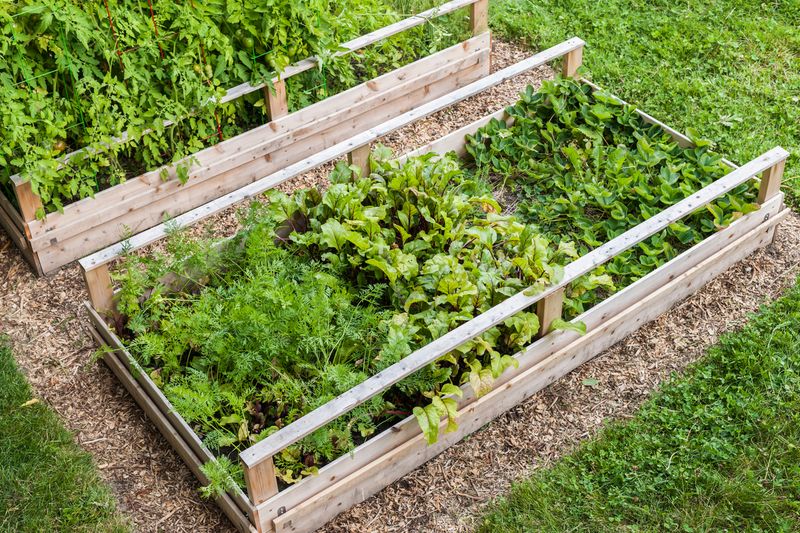
Raised beds tempt gardeners to plant too closely, thinking it maximizes space. However, overcrowding leads to diseases and poor yields. Following seed spacing guidelines, or even opting for slightly wider spacing, ensures each plant receives adequate sunlight and airflow. This spacing approach minimizes the risk of fungal issues and promotes robust growth. By respecting plant boundaries, you’re setting the stage for a more productive and healthy garden. Remember, less is often more when it comes to planting in raised beds.
9. The Hidden Fungus Problem
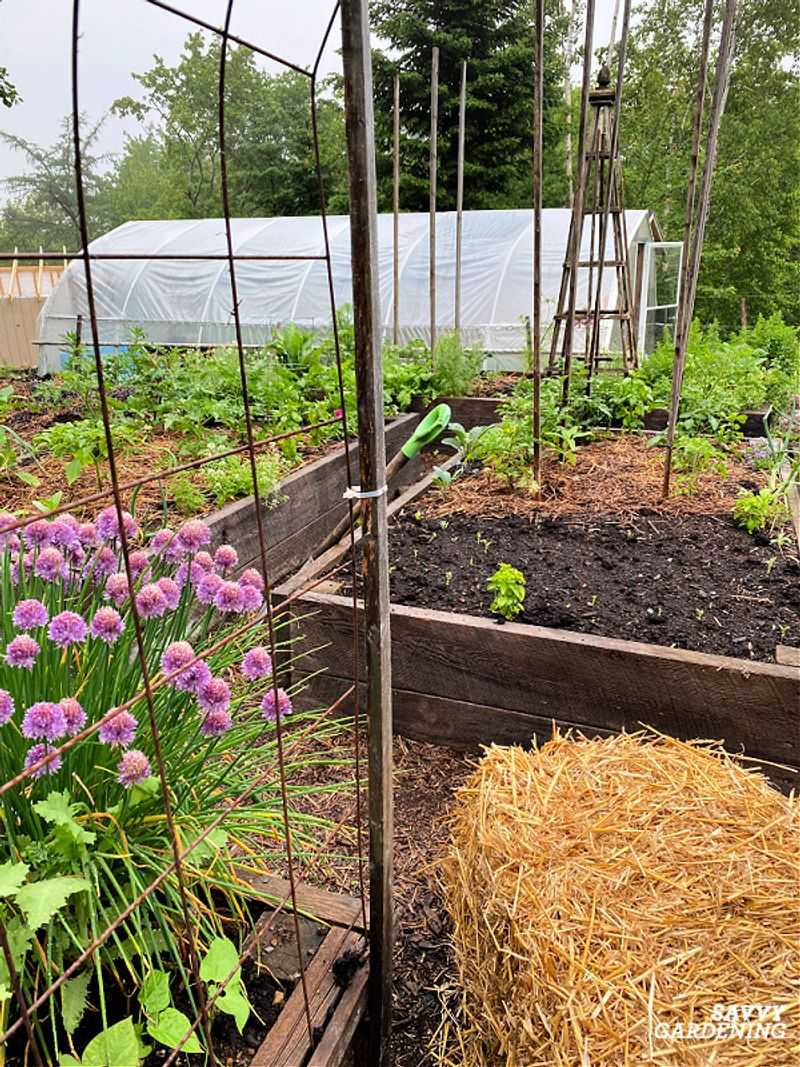
Poor airflow combined with dense planting can lead to fungal diseases like powdery mildew and blight. To prevent these issues, space your plants adequately and mulch with straw instead of wood chips, which can harbor fungi. This practice improves air circulation and reduces humidity around plant bases, discouraging fungal growth. By implementing these simple changes, you’ll protect your garden from common ailments that can hinder plant health and productivity. A little foresight goes a long way in maintaining a vibrant and disease-free garden.
10. The Winter Secret for Better Soil
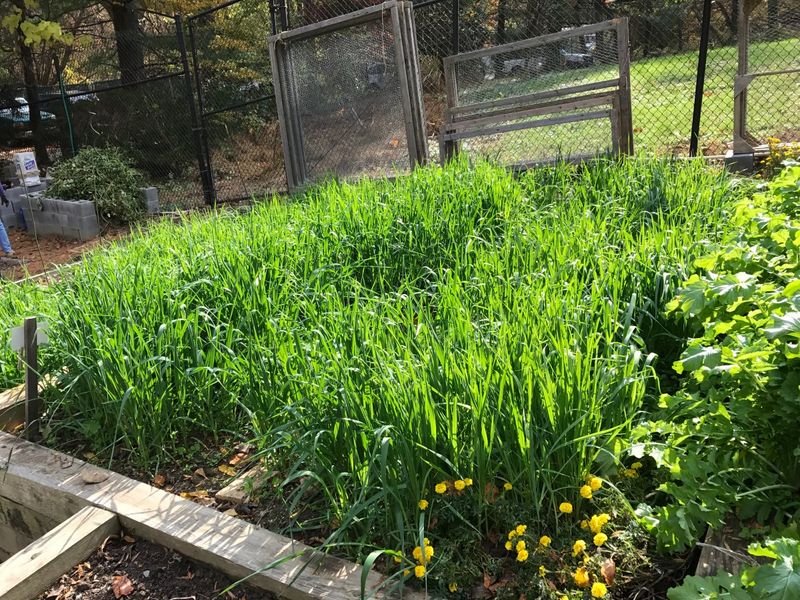
Instead of leaving raised beds bare during winter, planting cover crops like winter rye or clover can greatly benefit soil health. These crops prevent erosion and add nitrogen, enriching the soil for the next planting season. By keeping your soil active through winter, you enhance its fertility and structure, setting the stage for a vigorous garden come spring. This proactive approach to soil management pays dividends in the form of healthier plants and higher yields, making it a valuable strategy for dedicated gardeners.
11. The “No Dig” Advantage
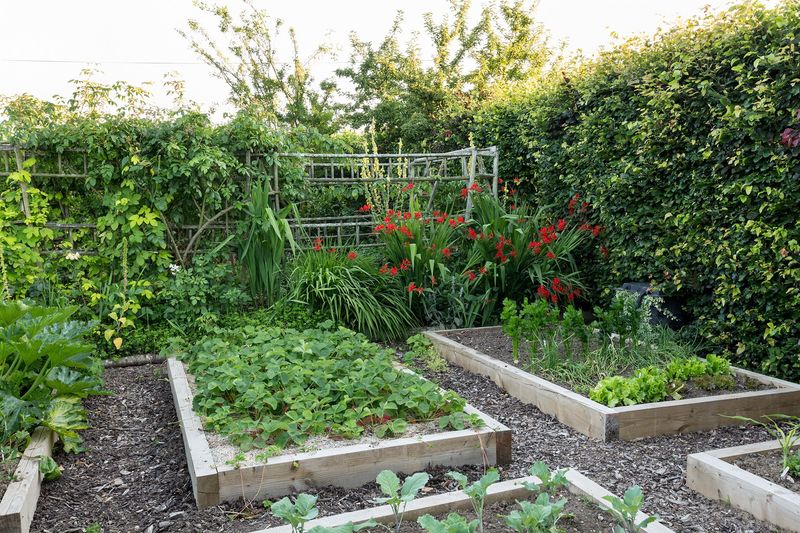
Raised beds are naturally no-dig, yet many gardeners still opt to till. Tilling disturbs the soil structure, harming beneficial microbes. Instead, simply top-dressing with compost annually can improve soil fertility without disruption. This no-dig approach maintains the soil’s natural integrity and encourages a thriving ecosystem. By reducing intervention, you support a balanced soil environment that fosters plant growth. Embracing this method leads to sustainable gardening practices that enhance the productivity of your raised beds year after year.
12. The Best Wood You’re Not Using
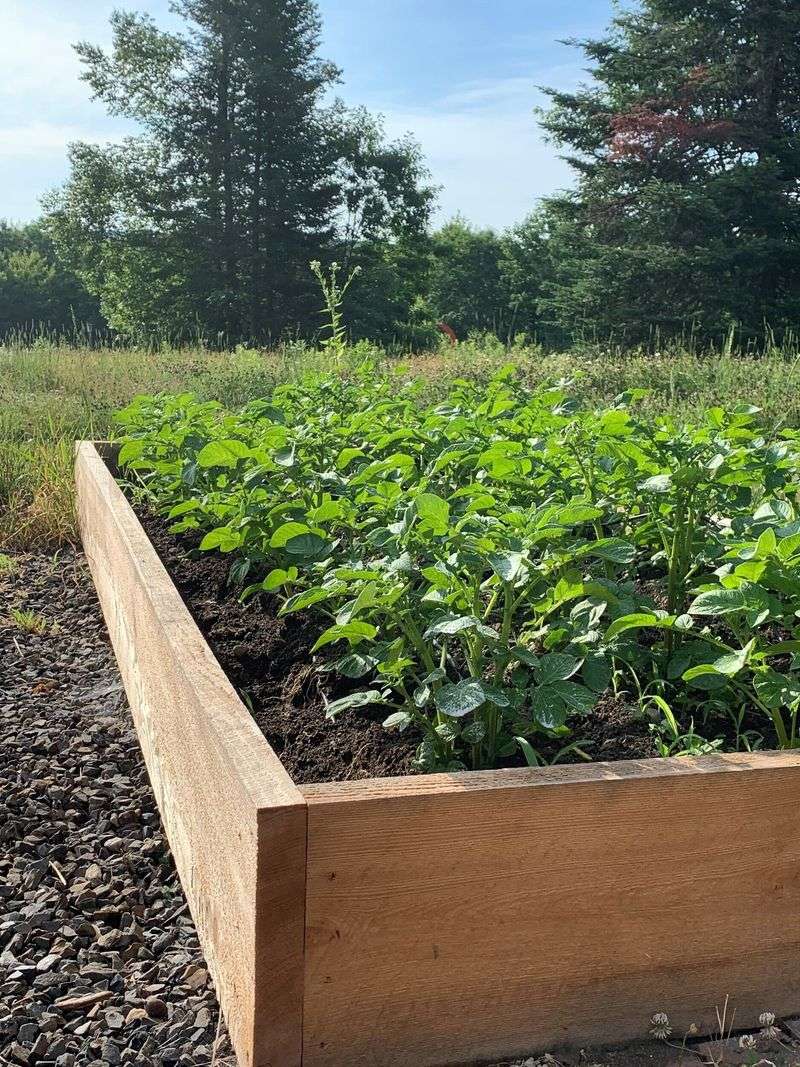
Cedar and redwood are popular for their rot resistance in raised bed construction, but overlooked hemlock offers a more economical and equally durable option. Avoid using treated lumber, as chemicals can leach into the soil and harm plants. Selecting hemlock provides a cost-effective solution without compromising longevity or safety. This choice reflects a sustainable and practical approach to garden design. By choosing the right materials, you enhance both the aesthetic and functional aspects of your garden space.
13. The Ultimate Yield Booster
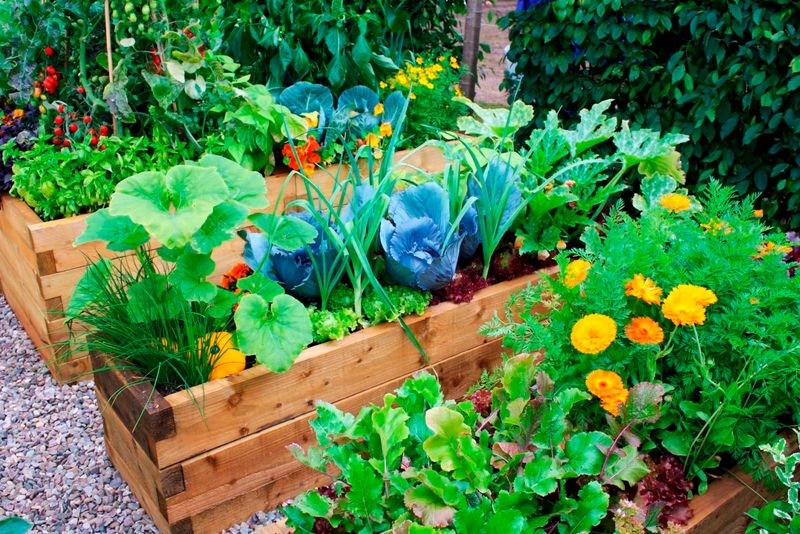
Interplanting, or companion planting, is a powerful strategy to confuse pests and optimize space in your raised bed. Pairing carrots with onions not only maximizes bed usage but also deters pests naturally. The classic combination of basil and tomatoes further enhances flavor while boosting yields. By carefully selecting plant companions, you create a synergistic environment that promotes health and productivity. This age-old technique, backed by both tradition and science, proves invaluable for the serious gardener seeking to elevate their gardening game.