
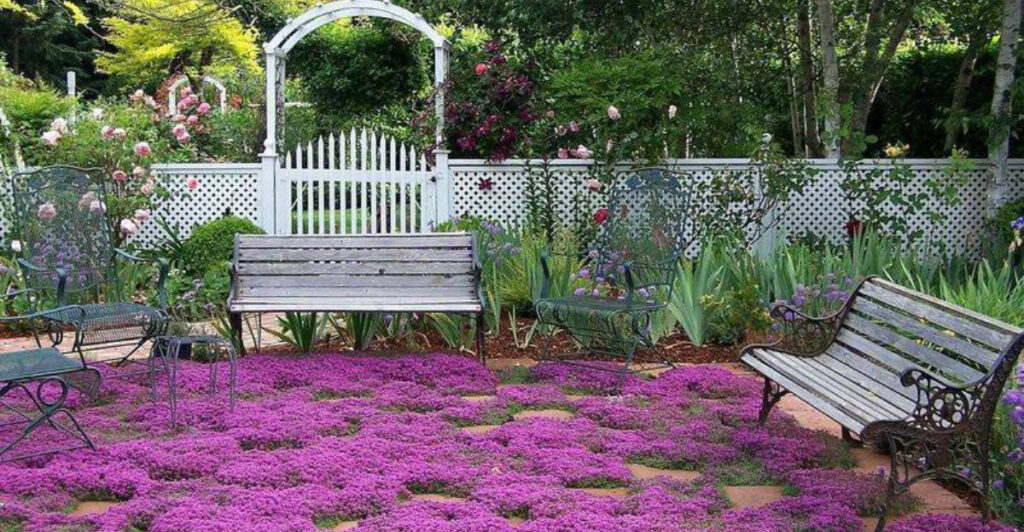
No-Mow June is an innovative approach to lawn care that encourages homeowners to skip mowing for a month, fostering environmental benefits. However, many seek alternatives that maintain aesthetics without compromising ecological responsibility. Here are 12 dynamic no-mow options to transform your outdoor space, each offering unique textures, colors, and ecological advantages.
1. Clover Lawns
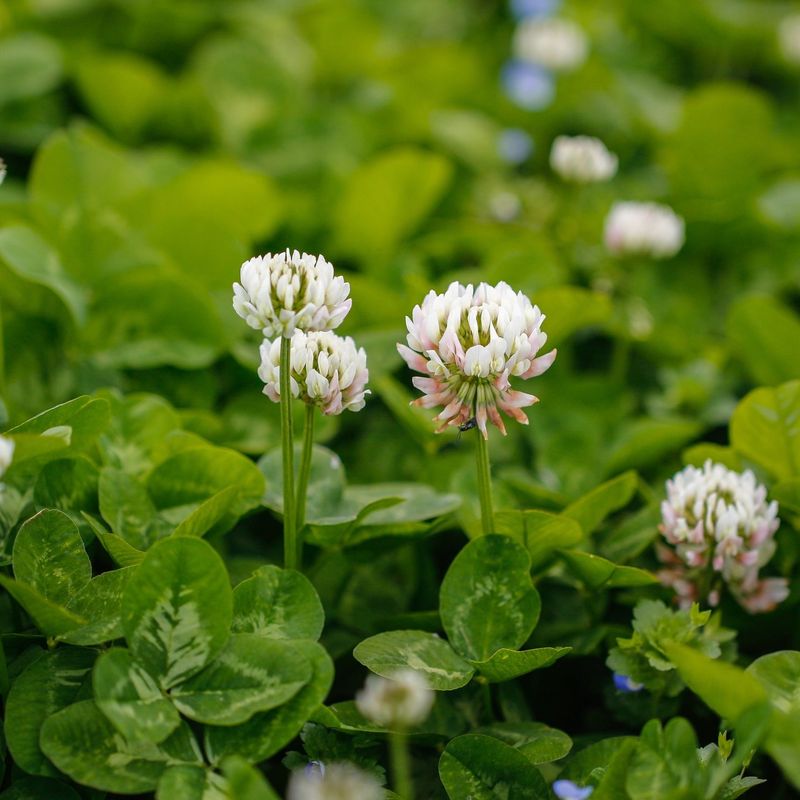
Clover lawns not only offer this luxury but their nitrogen-fixing properties enrich the soil.
Unlike traditional grasses, clovers are drought-resistant, requiring less water and maintenance. Their tiny white flowers attract bees, supporting biodiversity.
Their vibrant green hue remains vivid even in the heat of summer, providing a refreshing visual break. Did you know? In the Middle Ages, clover was considered a charm against evil spirits.
2. Native Wildflower Meadows
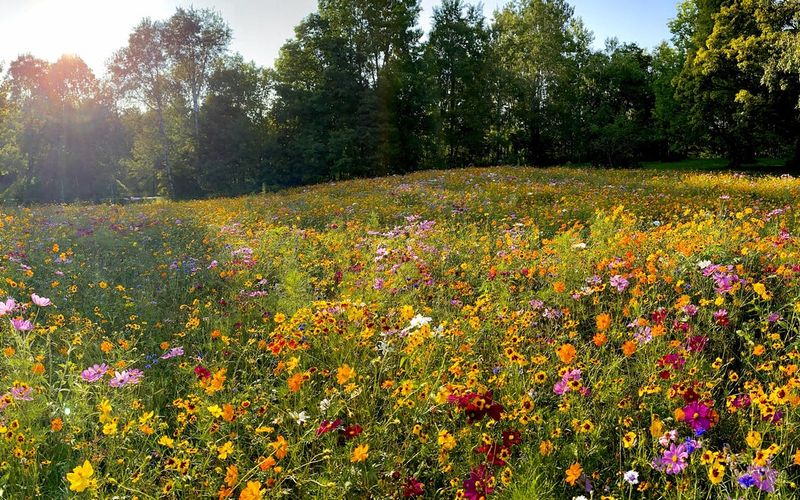
Embrace the beauty of nature with a native wildflower meadow. These meadows are a haven for pollinators like bees and butterflies.
By choosing local flora, you create a sustainable landscape that thrives with minimal intervention. These meadows change appearances throughout the seasons, offering endless variety.
Historically, wildflower meadows were common in rural Europe, providing hay and forage. They are a picturesque and eco-friendly lawn alternative.
3. Ornamental Grasses
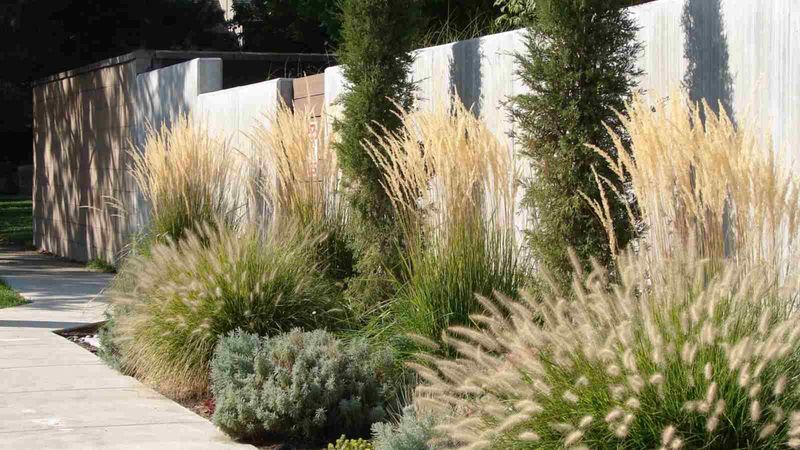
Ornamental grasses add movement and texture to your garden, making them a striking alternative to traditional lawns. Their swaying blades create a calming effect, reminiscent of a gentle breeze.
These grasses require minimal upkeep and thrive in diverse conditions, providing year-round interest. Their seed heads add a touch of whimsy, perfect for any garden.
Did you know? Ornamental grasses are used in Japanese gardens to symbolize resilience and strength.
4. Groundcover Sedums
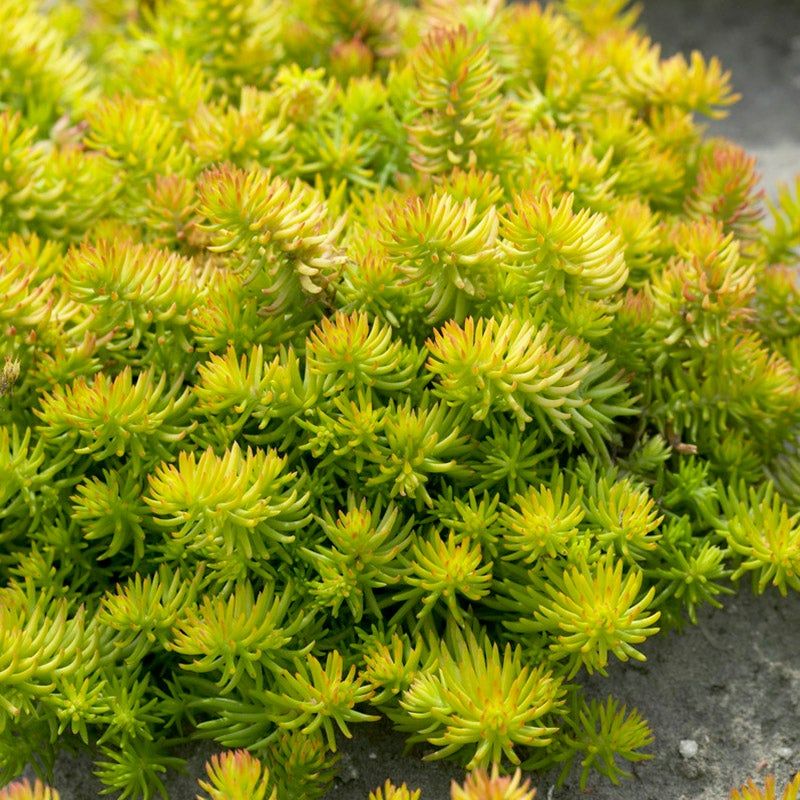
Groundcover sedums are a vibrant option, creating a mosaic of colors and textures underfoot. These succulent plants are hardy and drought-resistant.
Their low-growing nature makes them perfect for coverage without mowing. Sedums bloom in summer, adding bursts of color to your garden.
Originating from dry, rocky environments, sedums are an ideal choice for sunny spots. Their ability to thrive with little water makes them an eco-friendly option.
5. Moss Gardens
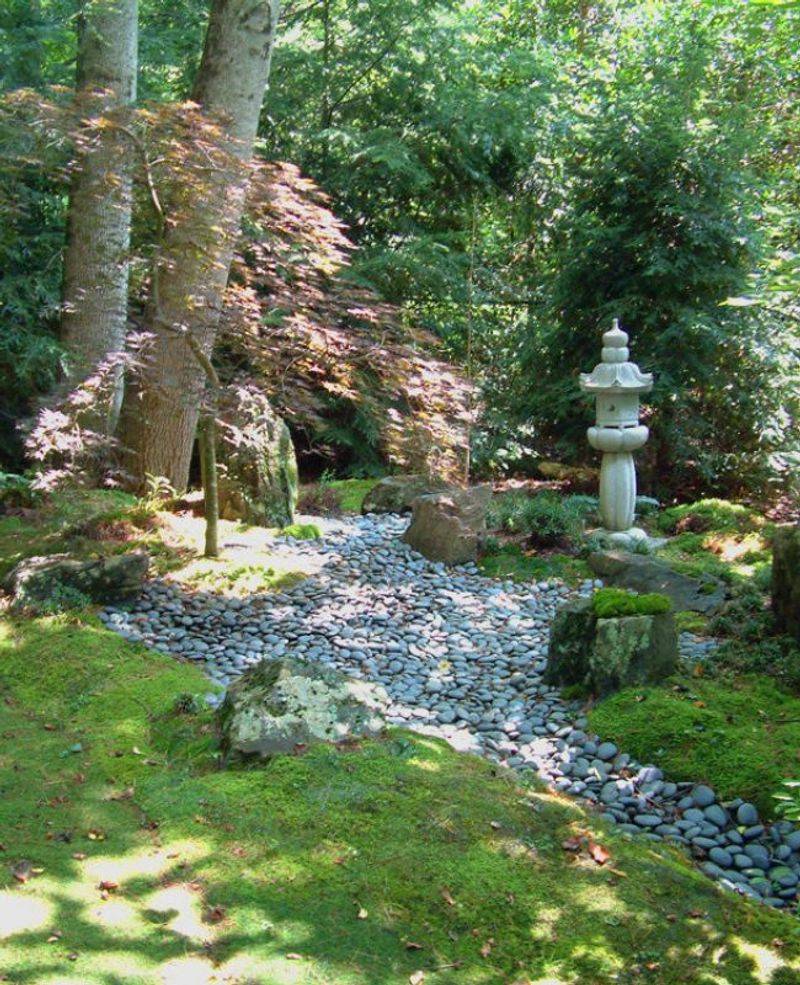
Moss gardens provide a tranquil, zen-like quality to any landscape. Growing lush and green without much sun, moss creates a natural carpet.
These gardens require little maintenance, thriving in shady, damp conditions. Moss absorbs water, helping manage rain runoff.
In Japan, moss is revered for its calming properties and its ability to create peaceful spaces. It’s a perfect alternative for shaded areas.
6. Thyme Lawns
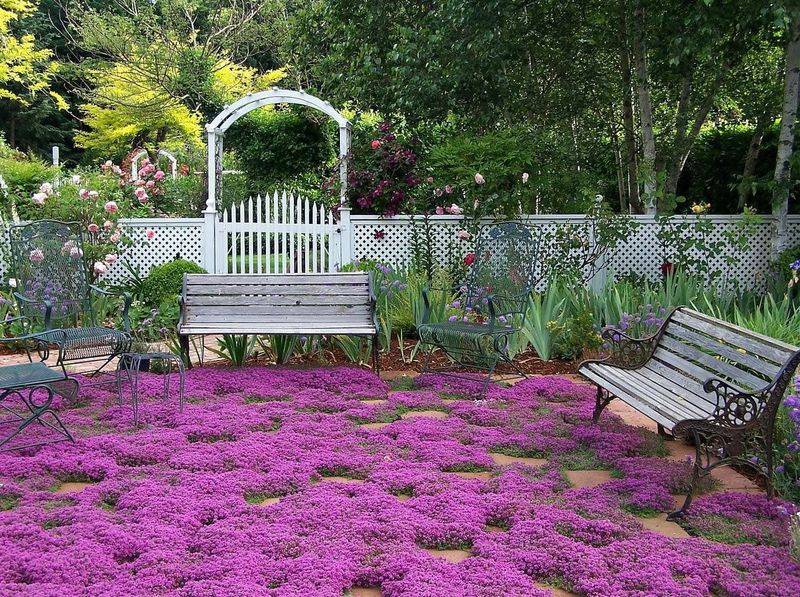
For a fragrant and functional alternative, thyme lawns are a delightful option. As you walk, tiny purple flowers release a soothing scent.
Thyme is drought-tolerant and thrives in poor soil, reducing the need for fertilizers. Its low-growing habit means less maintenance.
Historically, thyme was used by the Romans for courage and purification. Today, it offers aromatic charm and practicality.
7. Creeping Jenny
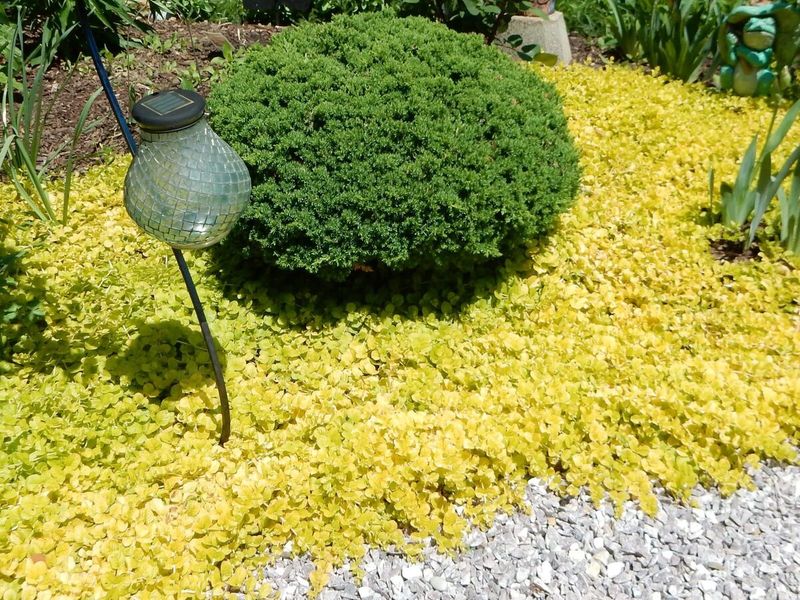
Creeping Jenny is a vibrant groundcover known for its bright yellow-green leaves. This plant spreads quickly, covering large areas without mowing.
Its cascading foliage is eye-catching and creates a lush backdrop. Ideal for borders and under trees, Creeping Jenny thrives in moist conditions.
In folklore, it was believed to bring prosperity and luck. It’s a lively addition to any garden setting.
8. Chamomile Lawns
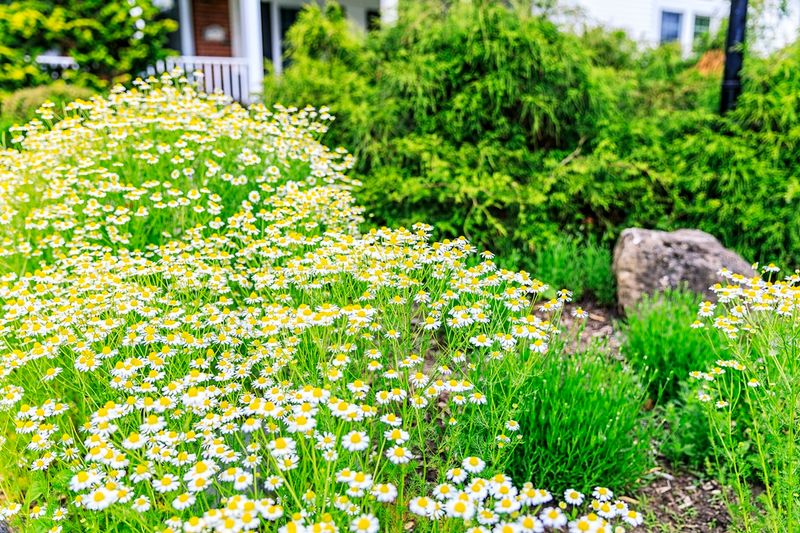
Chamomile lawns offer a soft, fragrant surface, perfect for relaxing outdoors. Their tiny white flowers add a touch of elegance.
Chamomile is drought-resistant and grows well in sandy soil, making it a low-maintenance choice. Its pleasant scent enhances any outdoor space.
In ancient Egypt, chamomile was revered as a symbol of the sun. Today, it continues to charm with its soothing properties.
9. Dutch White Clover
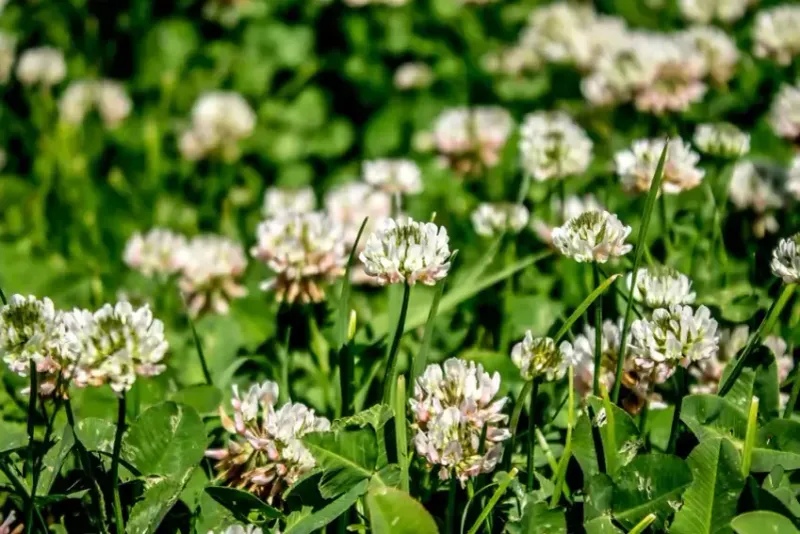
Dutch white clover is a resilient option, providing lush greenery and supporting pollinators. Its white blooms attract bees, enhancing biodiversity.
This clover’s ability to fix nitrogen improves soil quality, making it a beneficial lawn substitute. It’s easy to grow and maintain.
Historically, clover was used in crop rotation to enrich fields. Its eco-friendly nature makes it a popular choice today.
10. Corsican Mint
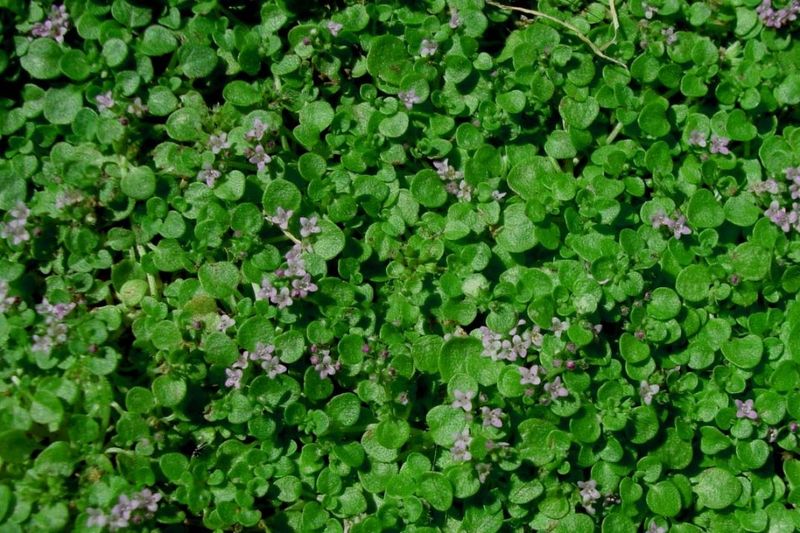
Corsican mint creates a lush, aromatic carpet, perfect for garden paths. Its tiny leaves release a refreshing minty fragrance.
This groundcover thrives in partial shade and moist soil, requiring minimal upkeep. It’s a delightful sensory addition to gardens.
Corsican mint was historically used in confectionery and spirits. Its soothing scent and lush appearance make it a unique lawn alternative.
11. Bugleweed Varieties
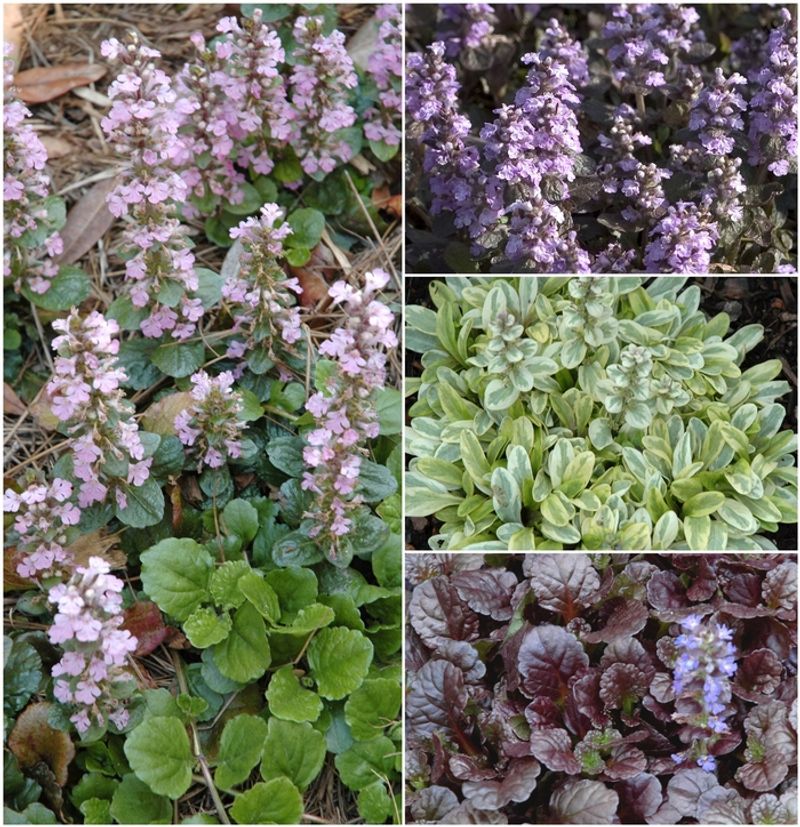
Bugleweed varieties offer diverse colors and textures, making them a versatile groundcover. Their blooms range from blue to purple.
These plants thrive in shade, spreading quickly over large areas. They require little maintenance, ideal for no-mow spaces.
Historically, Bugleweed has been valued for its medicinal properties. Its adaptability and beauty enhance any landscape.