 Complete Gardening
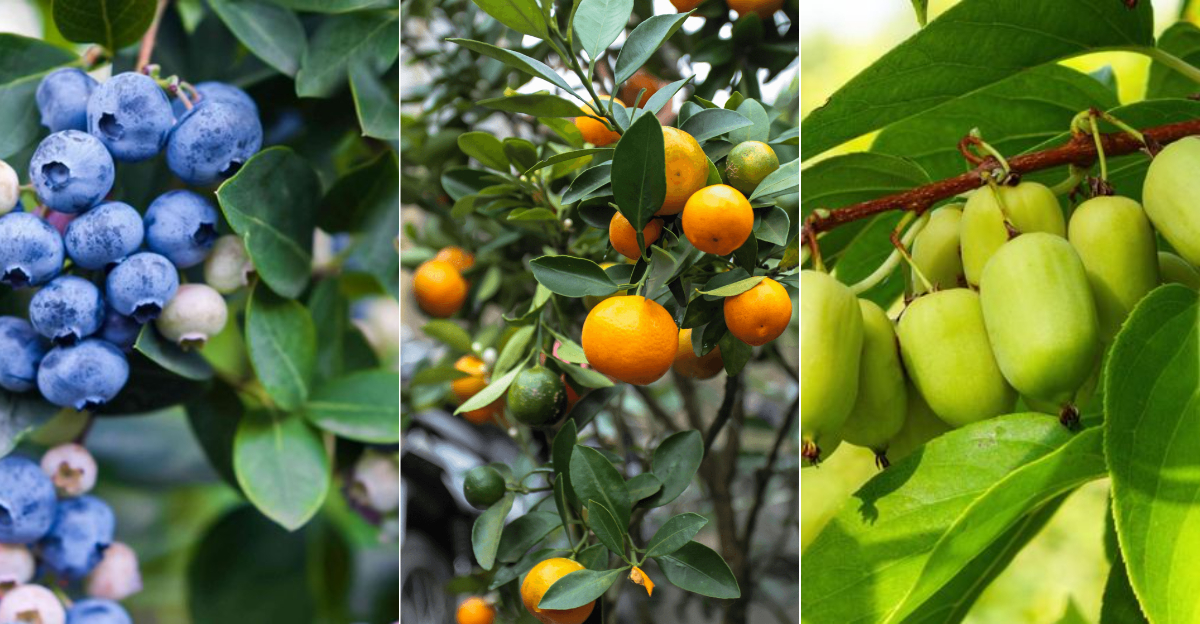
Discover a selection of fruit trees you can plant this year to enjoy a bountiful harvest next summer. These 18 varieties promise not only rapid growth but also delicious fruits. Whether you have a spacious garden or a cozy balcony, there’s a perfect tree waiting for you.
1. Fig Tree (Ficus carica)
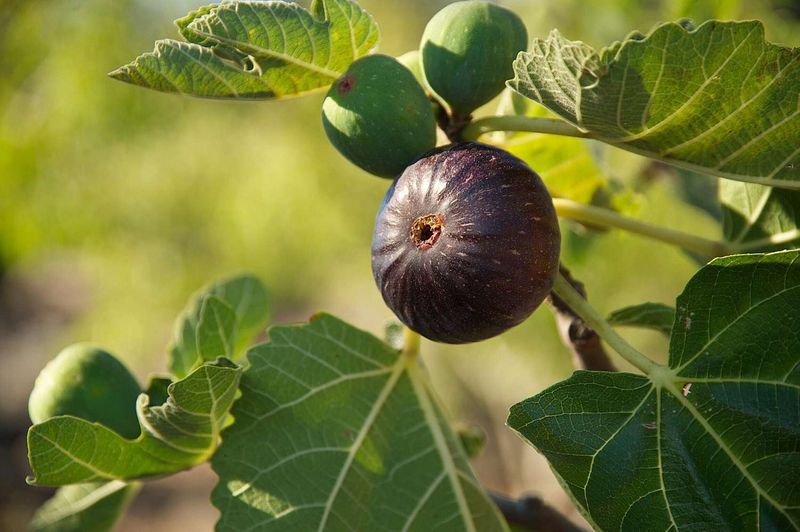
Who wouldn’t want a tree that promises sweet rewards in just a season or two? Fig trees are celebrated for their rapid growth and minimal maintenance needs. In warm climates, they flourish, though some cold-hardy varieties have made their mark in chillier areas. Imagine strolling in your garden, picking fresh figs right off the tree. Their plump sweetness is a testament to nature’s generosity. Did you know? Figs are among the oldest cultivated fruits, cherished from ancient times for their delightful taste and nutritional benefits.
2. Peach Tree (Prunus persica)
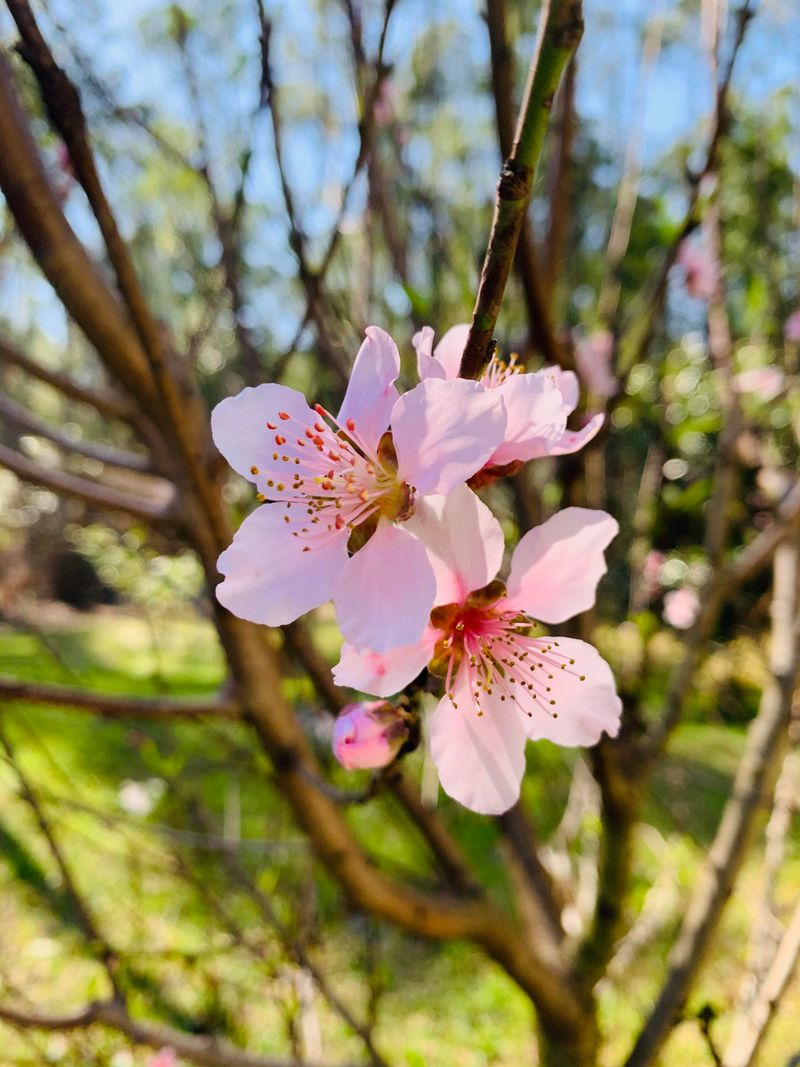
A peach tree offers more than just juicy fruits; it gifts gardens with spectacular spring blossoms. Best suited for sunny, well-drained spots, these trees promise a delightful yield. Some dwarf varieties, like ‘Bonanza’, surprise with fruits in just 1–2 years, especially when grown in containers. Their fuzzy fruits are not just delicious but also evoke the nostalgia of summer picnics and fresh desserts. Peaches have ancient origins in China, making their way across the world to delight taste buds everywhere.
3. Dwarf Cherry Tree (Prunus avium / Prunus cerasus)
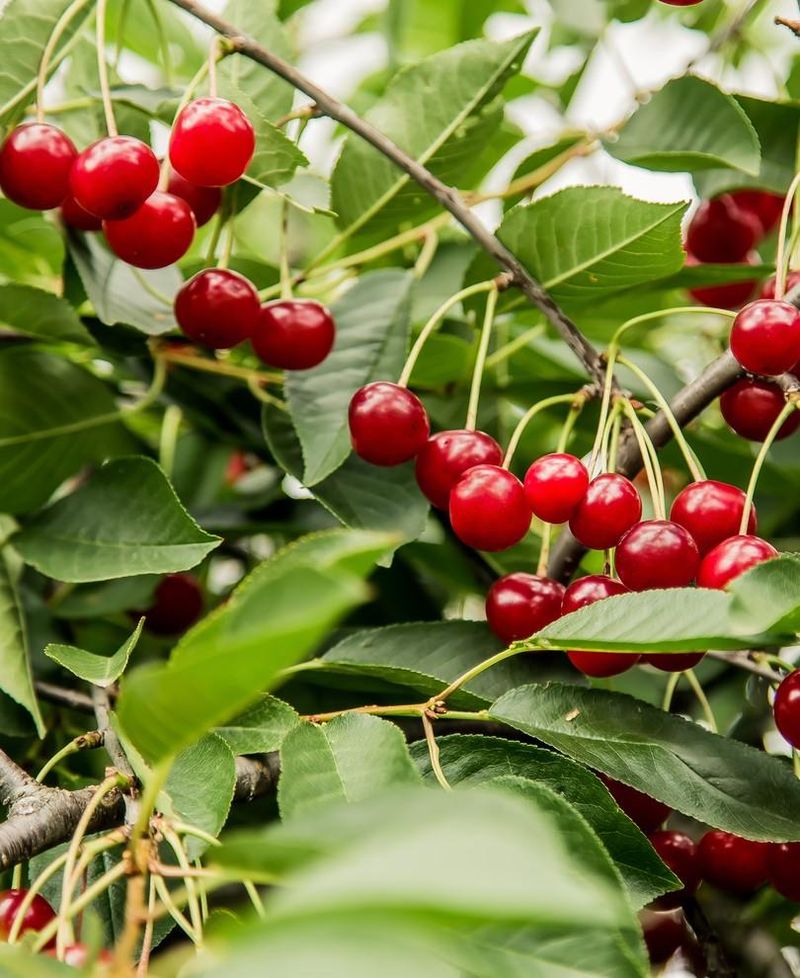
In small gardens, space is a precious commodity. The dwarf cherry tree is the perfect fit, offering a bounty without sprawling. Self-pollinating varieties like ‘Stella’ and ‘Montmorency’ are favorites. These trees are compact yet productive, yielding sweet or tart cherries depending on your choice. Their presence in a garden is both decorative and functional. A quirky fact: cherries were once prized by Roman soldiers as they marched through Europe, a testament to their enduring appeal.
4. Meyer Lemon Tree (Citrus × meyeri)
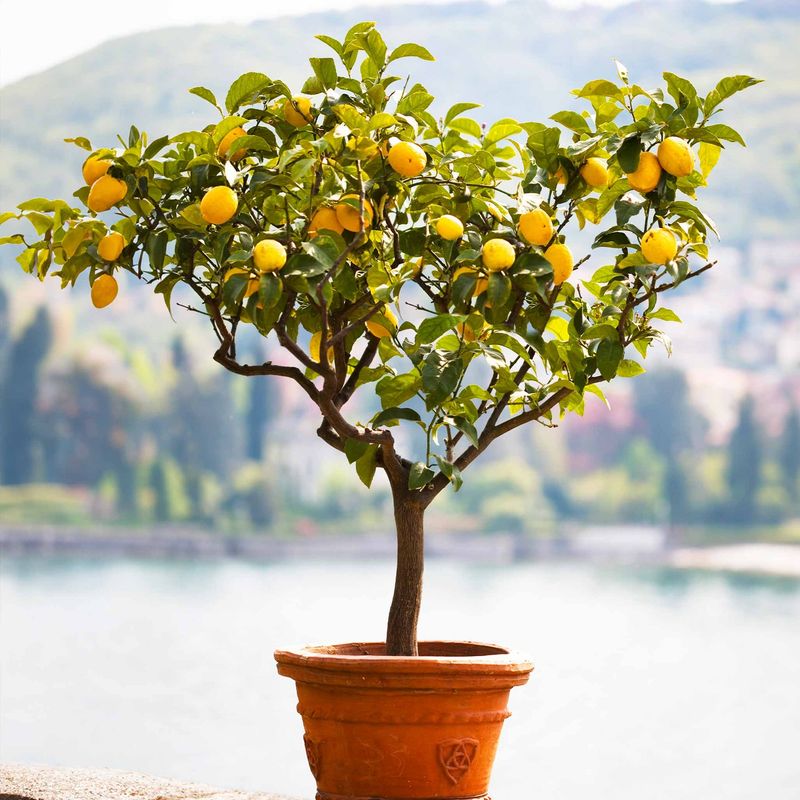
Meyer lemons are a household favorite, sweeter than typical lemons and a delight to grow. Ideal for pots, especially in colder climates where they can be brought indoors, these trees are evergreen and prolific. Their vibrant yellow fruits brighten any space, from kitchens to patios. Did you know? Meyer lemons were introduced to the United States by Frank Meyer, an agricultural explorer, in the early 20th century. Their unique flavor has since become a culinary staple.
5. Asian Pear Tree (Pyrus pyrifolia)
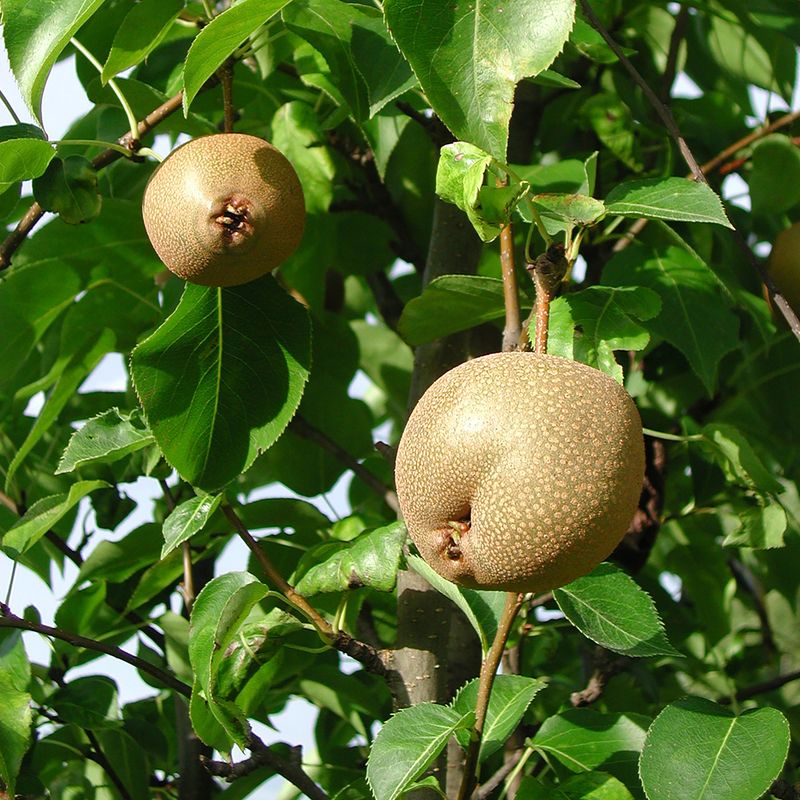
Asian pear trees stand out for their crisp, juicy fruits, often likened to refreshing bites of cool water. Best in mild climates, they fruit faster than their European cousins. Varieties like ‘Shinseiki’ and ‘Hosui’ are popular choices for gardeners seeking quick rewards. Their applesque shape and sweet crunch make them a favorite snack. Fun fact: In East Asian cultures, these pears are often exchanged as gifts symbolizing good health and prosperity.
6. Calamondin Orange (Citrus × microcarpa)
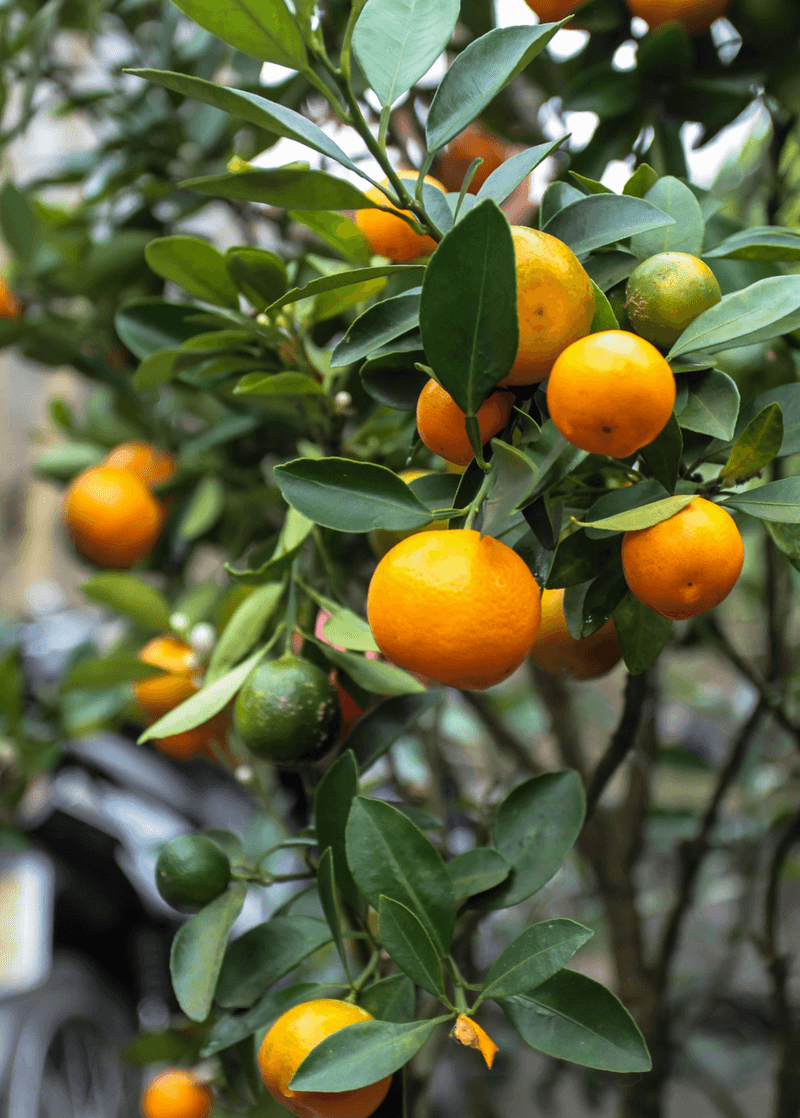
Calamondin oranges are more than just ornamental; they offer tart, edible fruits year-round. Perfect for container gardening, they add a touch of the tropics to any space. These hardy trees are as much about aesthetics as they are about taste. Their diminutive size belies a robust nature, thriving indoors or out. Historically, calamondins have been used in traditional Filipino dishes, adding a tangy zest to culinary creations.
7. Blueberry Bush (Vaccinium spp.)
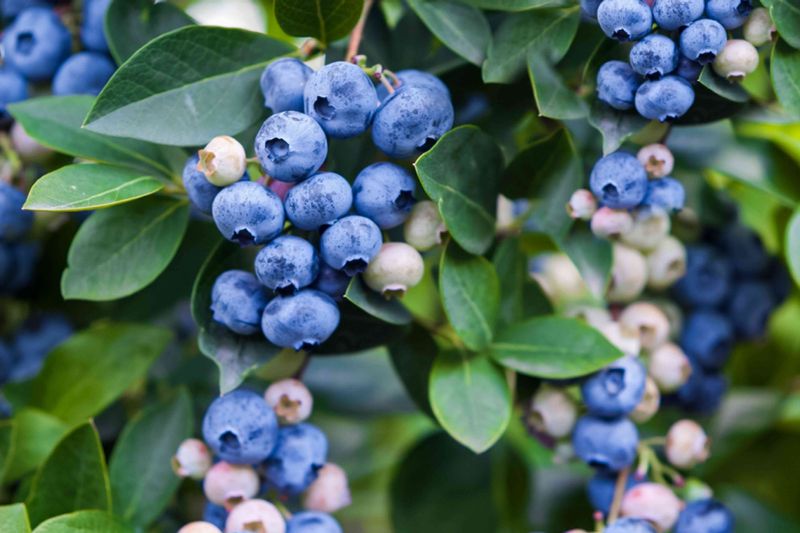
Blueberries are a gardener’s delight, yielding bountiful harvests with each season. Plant them in acidic soil or pots with peat moss for best results. Varieties like ‘Pink Lemonade’ offer unique, pink-hued berries that are both sweet and visually striking. Beyond their taste, blueberries are renowned for their antioxidant properties. A fun tidbit: Native to North America, blueberries were once revered by Indigenous peoples for their nutritional and medicinal benefits.
8. Strawberry Guava (Psidium cattleianum)
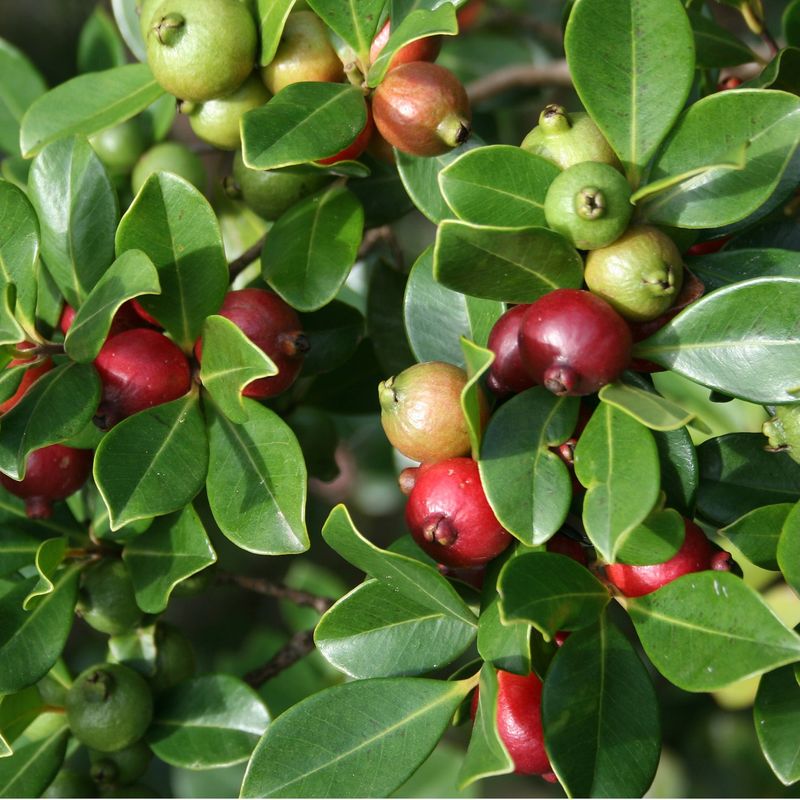
For those in tropical or subtropical climates, the strawberry guava is a must-have. Known for its sweet, fragrant fruit and resistance to common plant diseases, it’s a reliable choice for gardeners. These trees may also thrive in pots indoors, offering versatility. Beyond their taste, strawberry guavas are rich in vitamin C, rivaling even oranges. Interestingly, they are considered invasive in some regions, a testament to their hardiness and prolific nature.
9. Dwarf Pineapple Guava (Acca sellowiana)
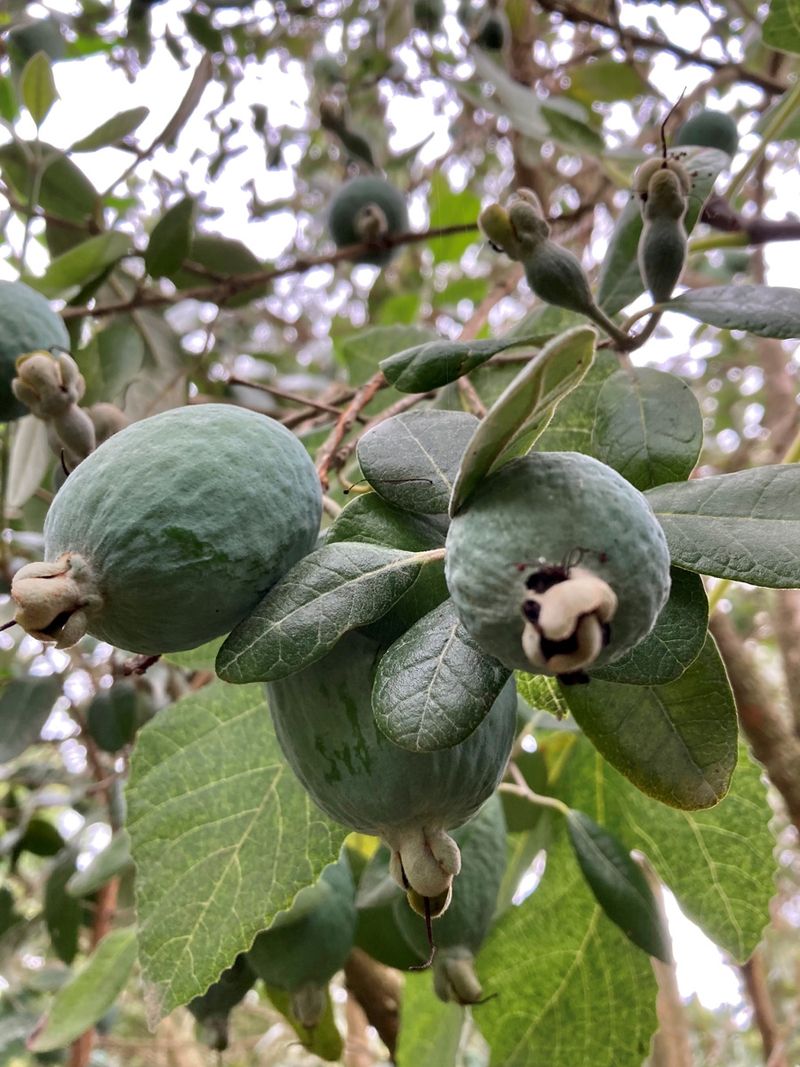
In warm climates, the dwarf pineapple guava stands out, offering drought tolerance and delightful fruits. Their unique tropical flavor profile makes them a garden favorite. Though compact, they serve as both ornamental and functional plants. Did you know? These fruits are not only tasty but also rich in dietary fiber, making them a healthy snack. Historically, they hail from South America, cherished by indigenous cultures before spreading worldwide.
10. Blackberry Bush (Rubus fruticosus)
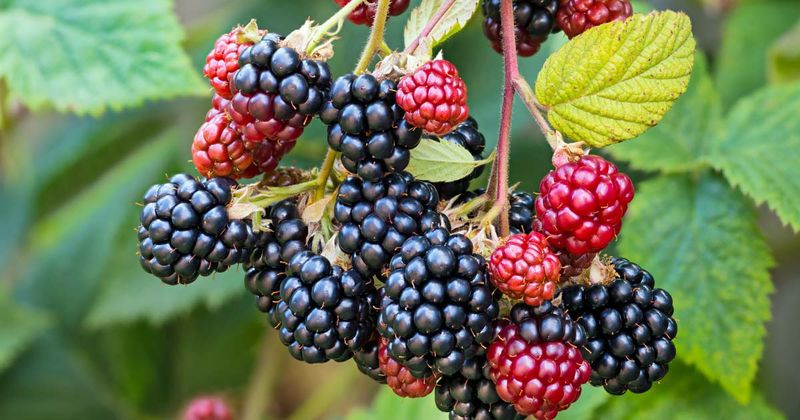
Blackberries are synonymous with summer, evoking memories of sun-drenched days and berry-picking adventures. With thornless varieties like ‘Prime Ark’, gardeners can expect fruits in the first year. Perfect for trellises or fences, these bushes are both practical and decorative. Beyond their sweet taste, blackberries boast high vitamin C content. Historically, they were used by the ancient Greeks as a remedy for gout, showcasing their long-standing medicinal value.
11. Hardy Kiwi (Actinidia arguta)
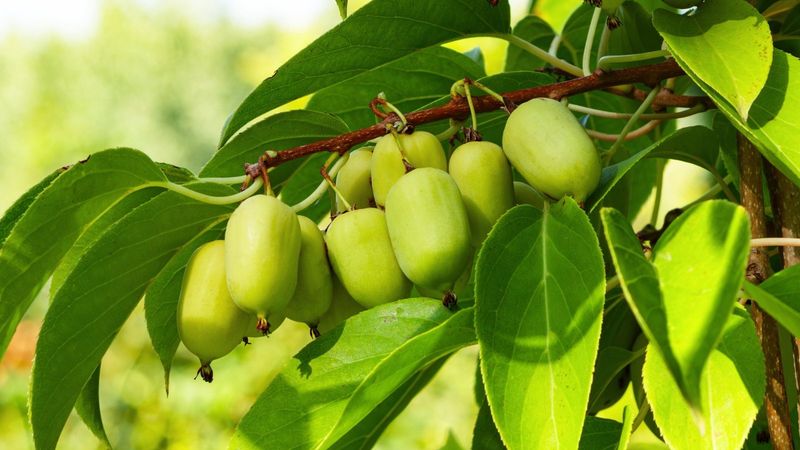
The hardy kiwi vine promises a unique treat: smooth-skinned fruits that require no peeling. These vines thrive in cold climates, enduring temperatures as low as -25°F. Their compact fruits deliver a sweet, tangy burst of flavor. Did you know? Hardy kiwis are native to northern China and Russia, adapted to withstand harsh winters. Their vines are not only fruit-bearing but also serve as ornamental climbers, adding greenery to any space.
12. Nectarine Tree (Prunus persica var. nucipersica)
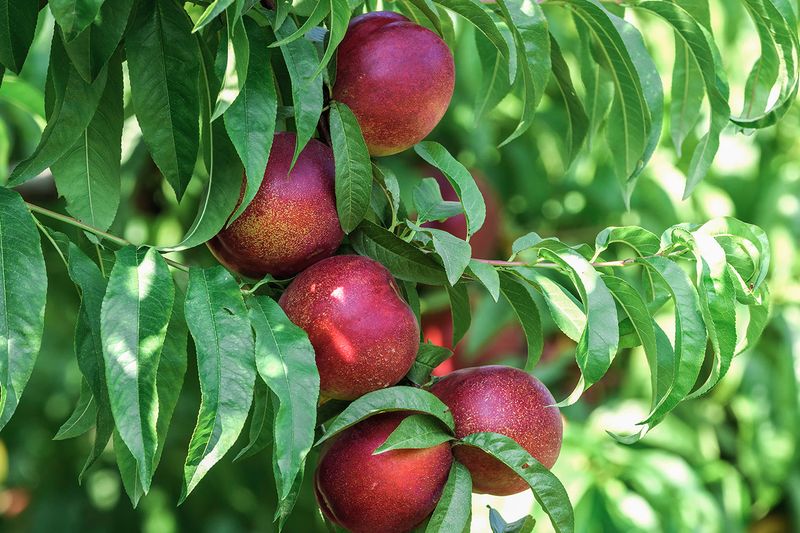
Nectarines, with their fuzz-free appeal, are a delightful alternative to peaches. Dwarf varieties like ‘Necta Zee’ ensure a quick yield, making them a popular choice for eager gardeners. These trees thrive in conditions similar to peach trees, preferring sunny exposures. The smooth fruits are perfect for fresh consumption or culinary creations. A fun nugget: Nectarines are simply a genetic variant of peaches, distinguished by their absence of fuzz.
13. Mulberry Tree (Morus spp.)
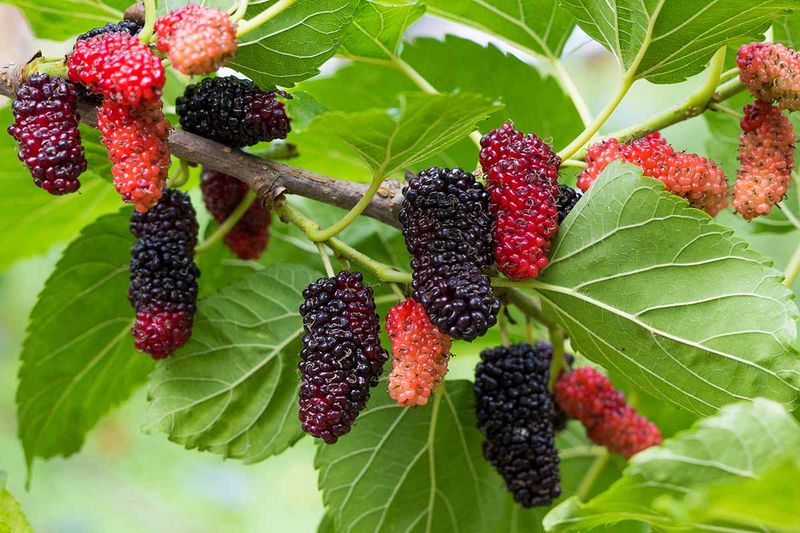
Mulberry trees are fast growers, offering both shade and sweet berries. A unique trait: these trees can grow up to 10 feet per year. Their berries are not only delicious but also packed with nutrients. Historically, mulberries have been cherished for their use in silkworm cultivation, a testament to their versatile nature. With origins tracing back to ancient cultures, they remain a favorite for both gardeners and culinary enthusiasts.
14. Columnar Apple Tree (Malus domestica)
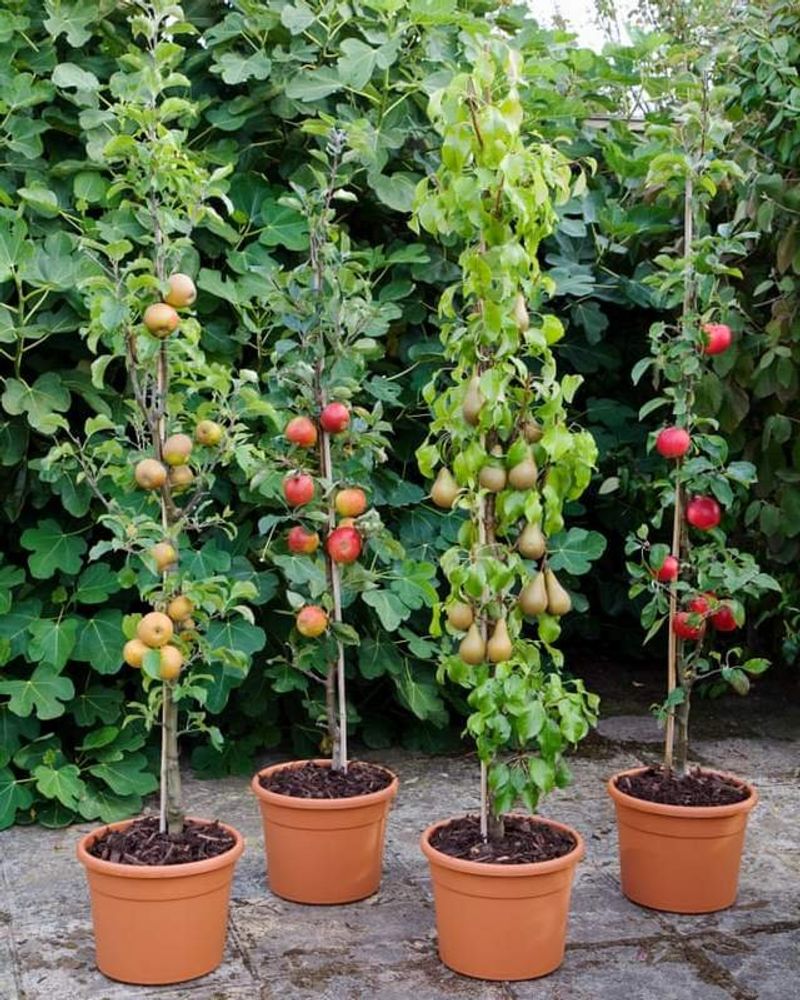
For those with limited space, the columnar apple tree is a dream come true. Its tall, narrow stature ensures minimal space use while delivering delicious apples. Buying a grafted tree can yield fruits in just 1–2 years. These trees are perfect for patios or urban gardens, offering beauty and bounty. A quirky detail: Columnar apple trees were discovered as a mutant variety in Canada, highlighting the wonders of nature’s surprises.
15. Kumquat Tree (Citrus japonica)
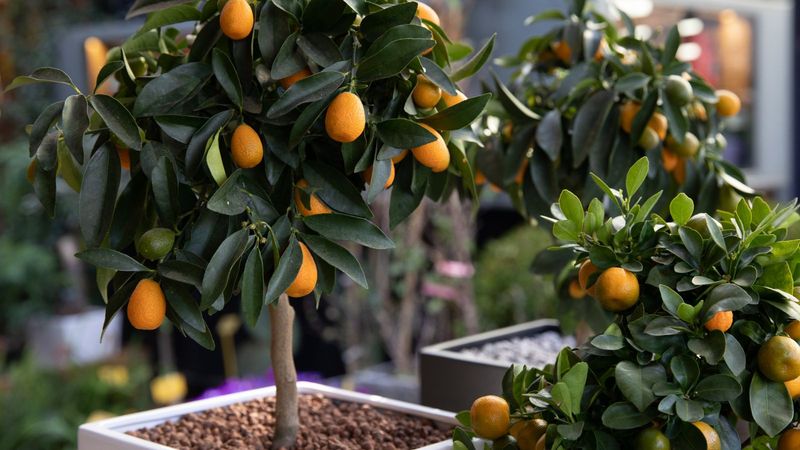
Kumquats are a citrusy delight, allowing you to enjoy their sweet and tart flavors by eating the entire fruit, peel included. Ideal for containers, they are more cold-hardy than most citrus trees. Their small stature makes them suitable for any space. A historical tidbit: Kumquats have been cultivated in China for centuries, revered for their unique taste and decorative appeal. Today, they continue to charm gardeners worldwide.
16. Juneberry (Serviceberry) (Amelanchier spp.)
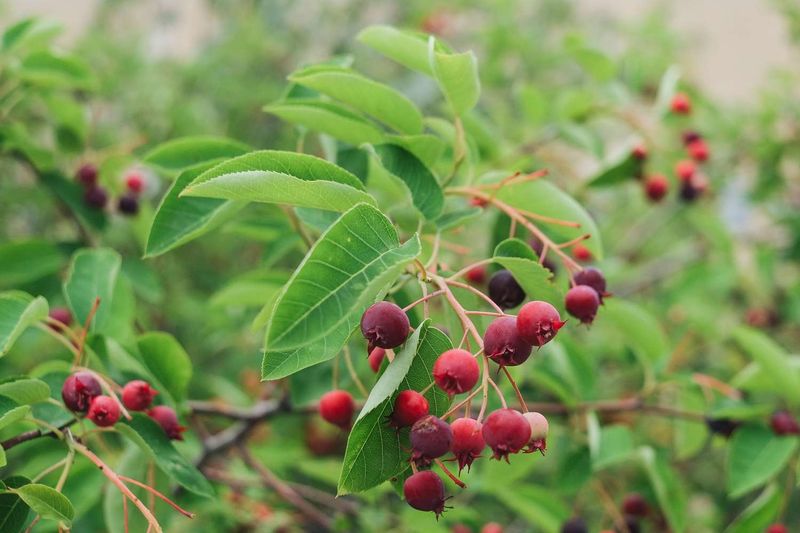
Juneberries offer a delightful combination of aesthetics and taste, with beautiful spring flowers and berries that taste like a blend of blueberries and almonds. Cold climates suit them best, where they thrive and attract birds. These trees make a picturesque addition to any landscape. Did you know? Juneberries are among the earliest fruiting trees in spring, often marking the arrival of the season. Their berries are a hit with both humans and wildlife alike.
17. Key Lime Tree (Citrus × aurantiifolia)
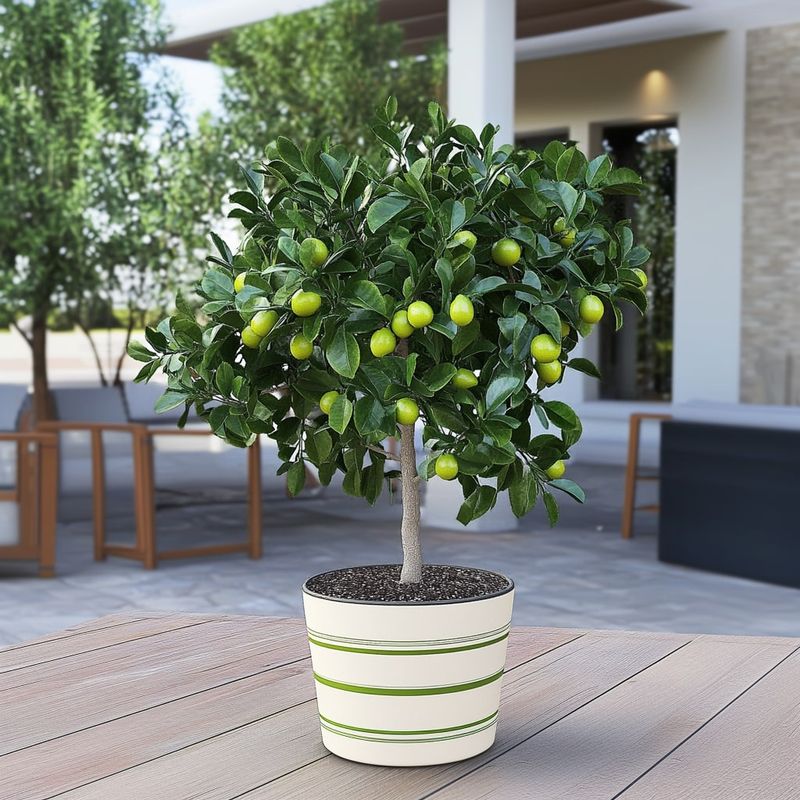
Tiny but mighty, the key lime tree is a prolific bearer, ideal for pots and indoor cultivation. Bringing them inside when temperatures drop below 50°F ensures a continuous yield. Their small limes are famous for flavoring pies and drinks. A fun fact: Key limes are native to Southeast Asia but gained fame in the Florida Keys, where they became an integral part of local cuisine.
18. Dwarf Pomegranate (Punica granatum ‘Nana’)
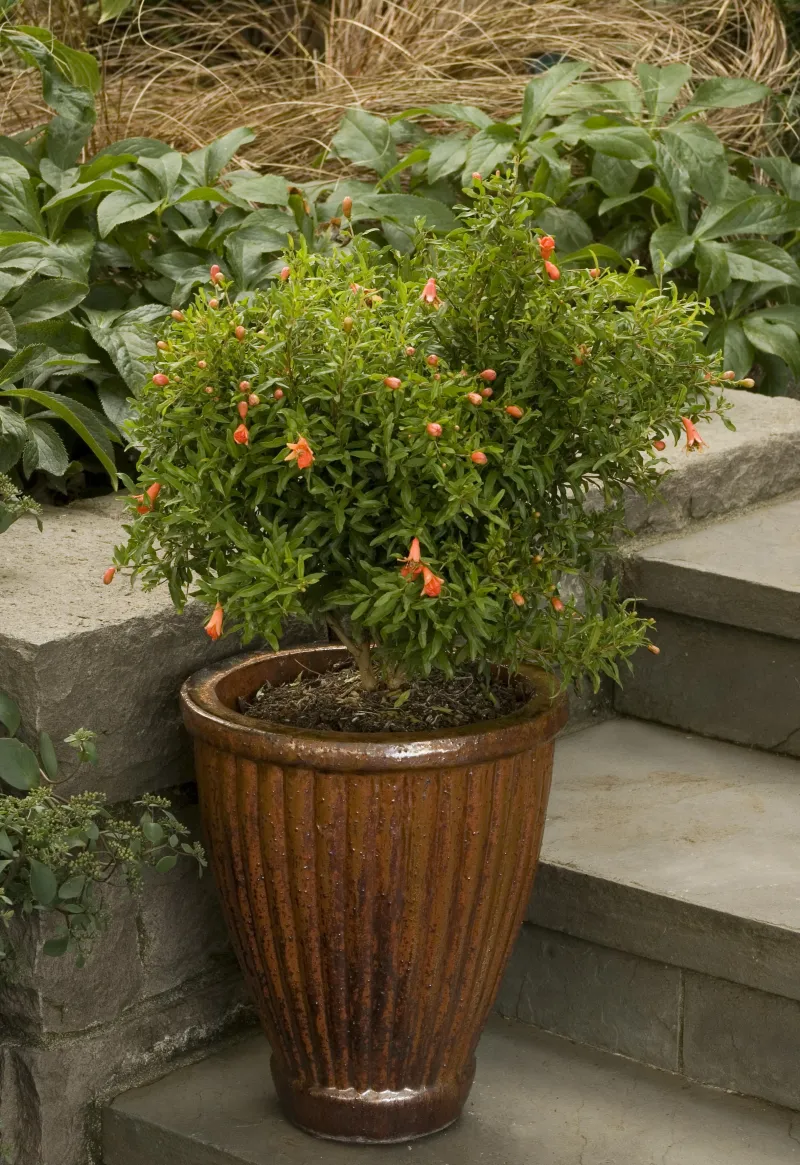
Dwarf pomegranates are a gardener’s delight, offering both ornamental beauty and edible rewards. Perfect for hot, dry climates or containers, they deliver mini pomegranates that charm with their sweet-tart flavor. A fun tidbit: The pomegranate is one of the oldest known fruits, symbolizing fertility and abundance throughout history. Today, its miniature counterpart continues to enchant with its vibrant red seeds and decorative appeal.