 Complete Gardening
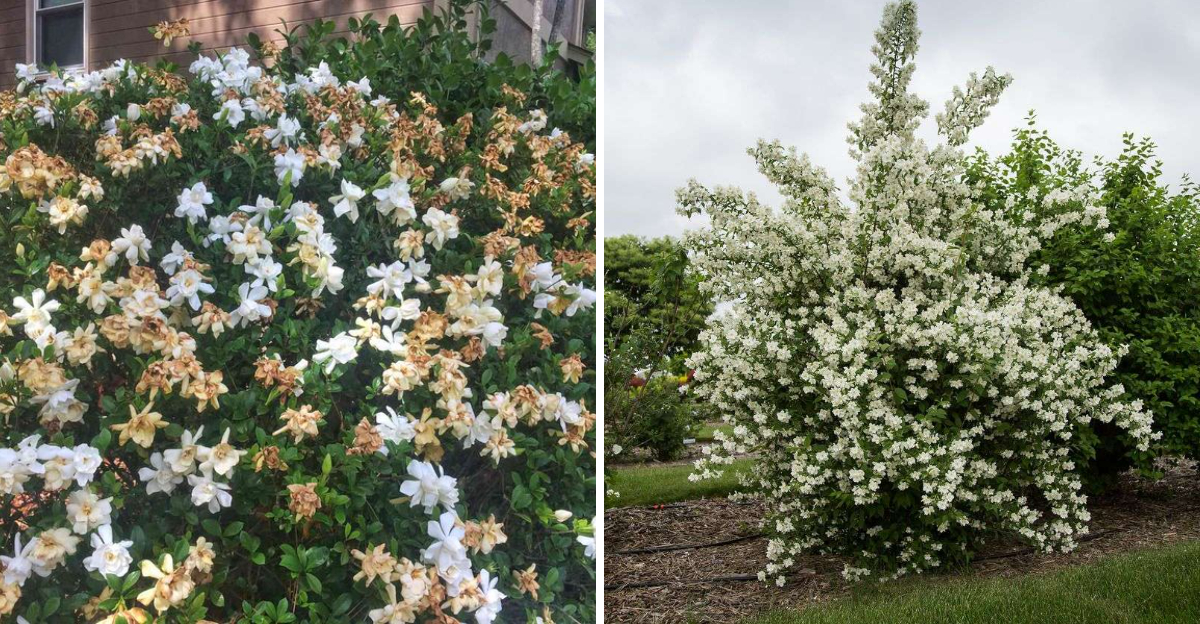
Navigating the world of gardenias can be a perplexing journey, especially if you find them wilting or not blooming despite your best efforts. Gardenias are notoriously finicky, demanding specific conditions to thrive.
This guide will illuminate 15 common traps that can spell doom for your beloved gardenias, as well as five resilient alternatives that ensure a flourishing garden regardless of these pitfalls.
1. Full Sun All Day
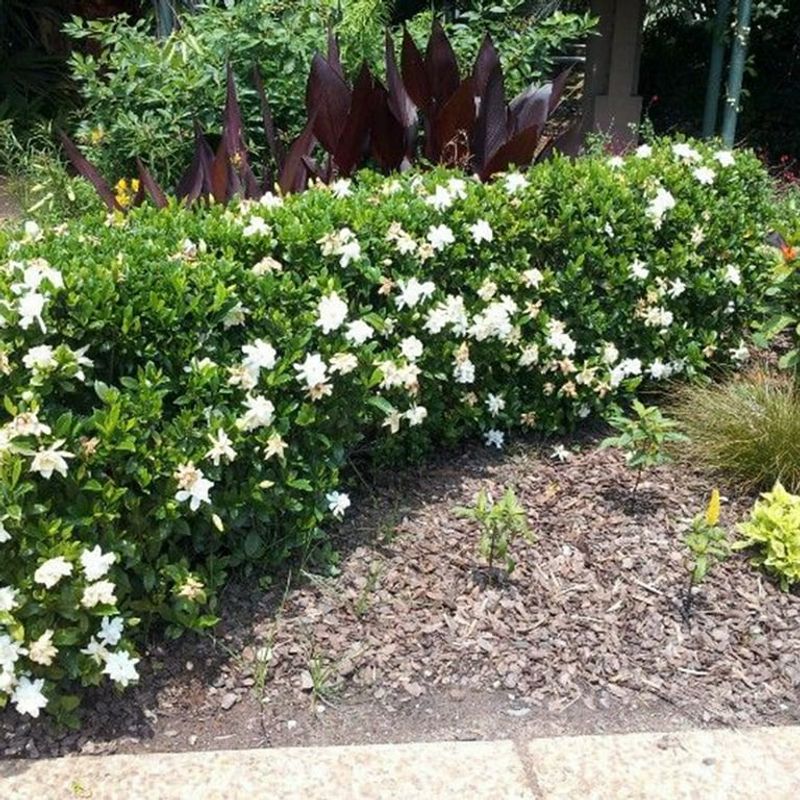
Gardenias, with their elegant white blooms, often appear to bask in the sun’s glow. However, in hot climates, too much direct sunlight can scorch their leaves and damage their blooms. These plants prefer the gentler touch of filtered light or the mild embrace of morning sun with afternoon shade. The intense heat can cause the blooms to wilt, and the leaves to turn brown, signaling their distress. Protecting them with a little shade ensures their beauty remains untarnished and their blooms continue to enchant.
2. Deep Shade
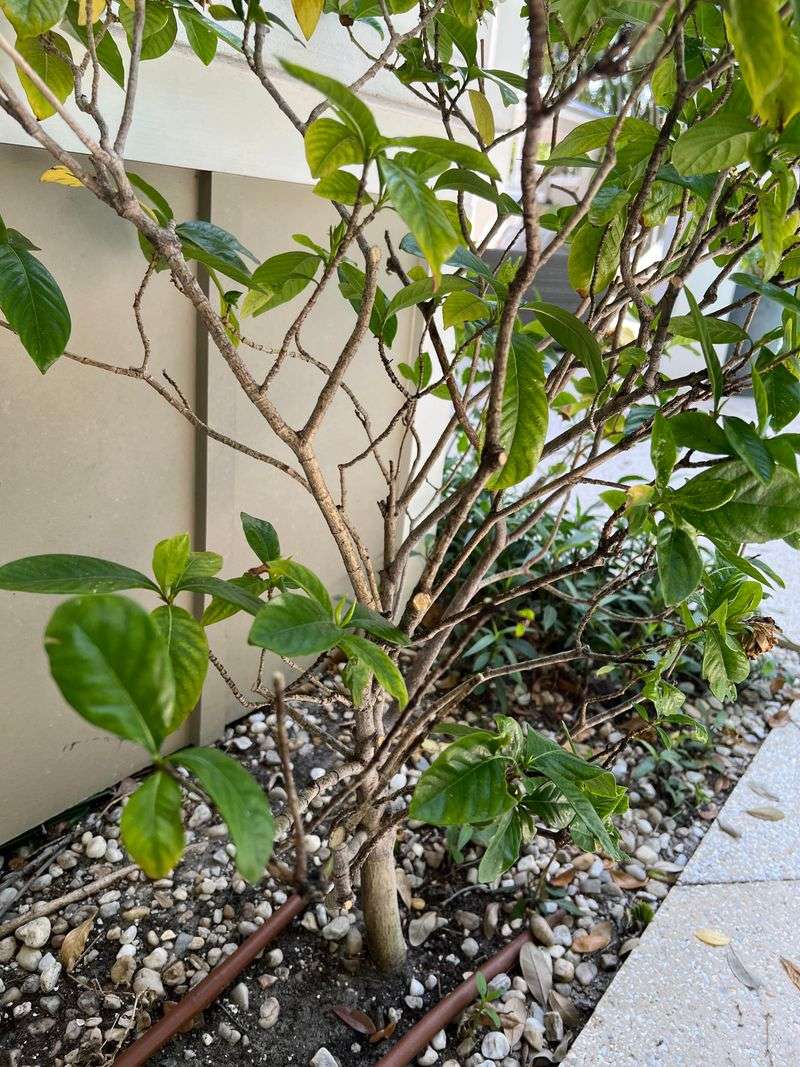
Gardenias thrive when they receive just the right amount of light. In deep shade, these plants struggle, their blooms elusive. A location bathed only in shade denies them the vital sunlight needed for vibrant flowers. Without at least four hours of light daily, the gardenia’s potential remains locked away. Consider moving them to a sunnier spot, where dappled light can kiss their leaves and encourage lush blooms. In this natural dance of light and shadow, gardenias find their rhythm and reward you with their exquisite beauty.
3. Near Concrete Paths or Walls
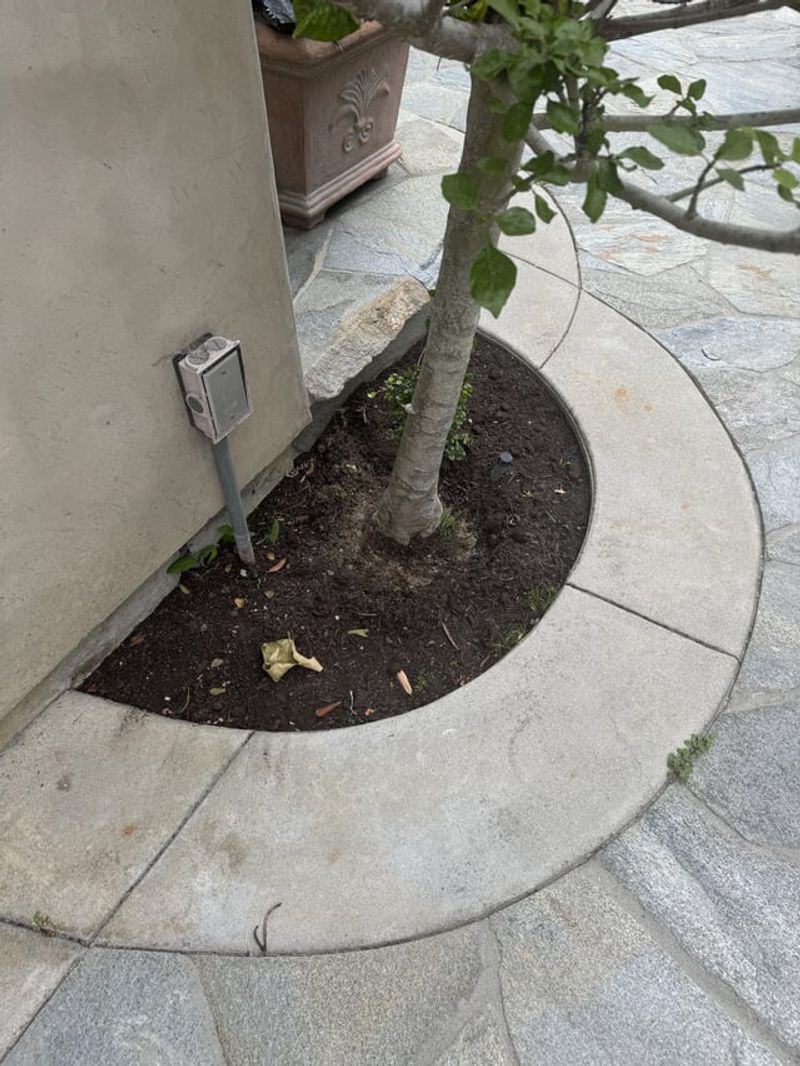
Concrete surfaces, though practical, can silently sabotage your gardenia’s health. These structures leach lime into the soil, raising pH levels unfavorable for gardenias, which thrive in acidic conditions. A gardenia near concrete may show signs of stress as its leaves yellow and blooms falter. To counteract this, regularly test the soil pH and amend it with sulfur or peat moss to maintain acidity. A little distance from concrete paths or walls can make all the difference, allowing your gardenia to flourish without constraint.
4. Poorly Draining Soil
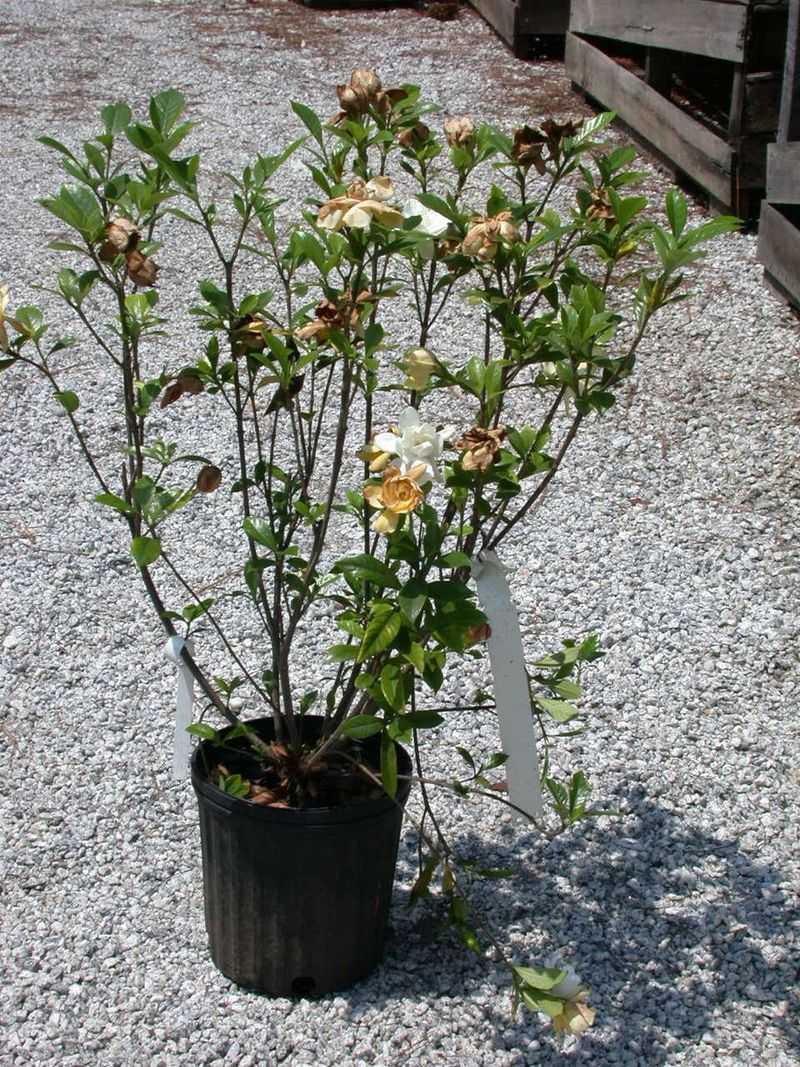
Gardenias demand well-draining soil, abhorring the feeling of ‘wet feet.’ In poorly draining environments, water pools and stagnates, leading to root rot and plant decline. Ensure your gardenia’s home is one of aerated soil, enriched with organic matter to aid drainage. Raised beds or planting in pots can offer a solution, lifting the plant above any lingering excess moisture. In these nurturing conditions, gardenias can express their full potential, with healthy roots supporting vibrant growth and stunning, aromatic blooms.
5. Windy Exposed Areas
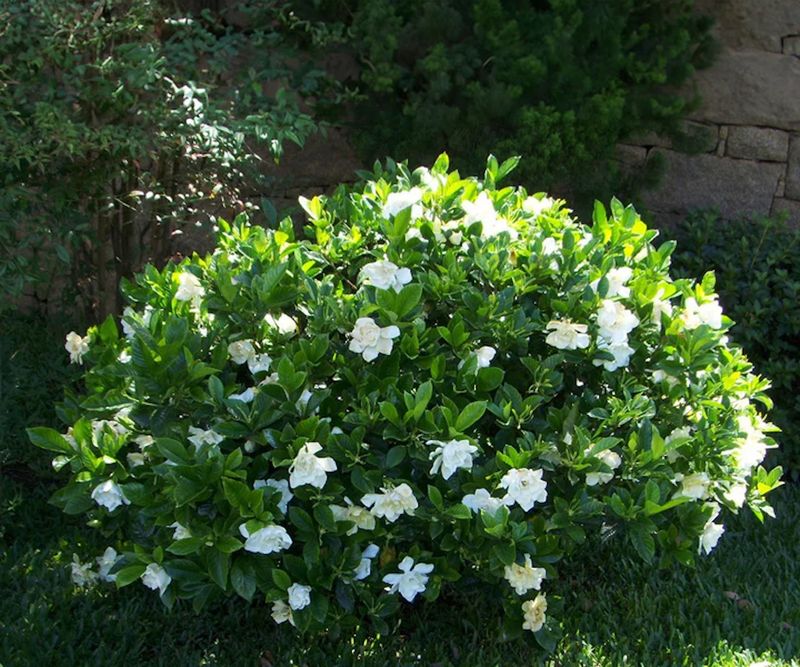
In the wild dance of the wind, gardenias find themselves struggling to hold onto their delicate blooms. Strong gusts tear apart their flowers and sap moisture from their leaves, leaving the plant in distress. Gardenias thrive best in sheltered spots where gentle breezes can caress them without causing harm. A protective hedge or a cozy corner of the garden provides the ideal setting. In such a haven, gardenias can focus on blooming, filling the air with their sweet fragrance without the fear of the wind’s unrelenting grasp.
6. High-Traffic Walkways
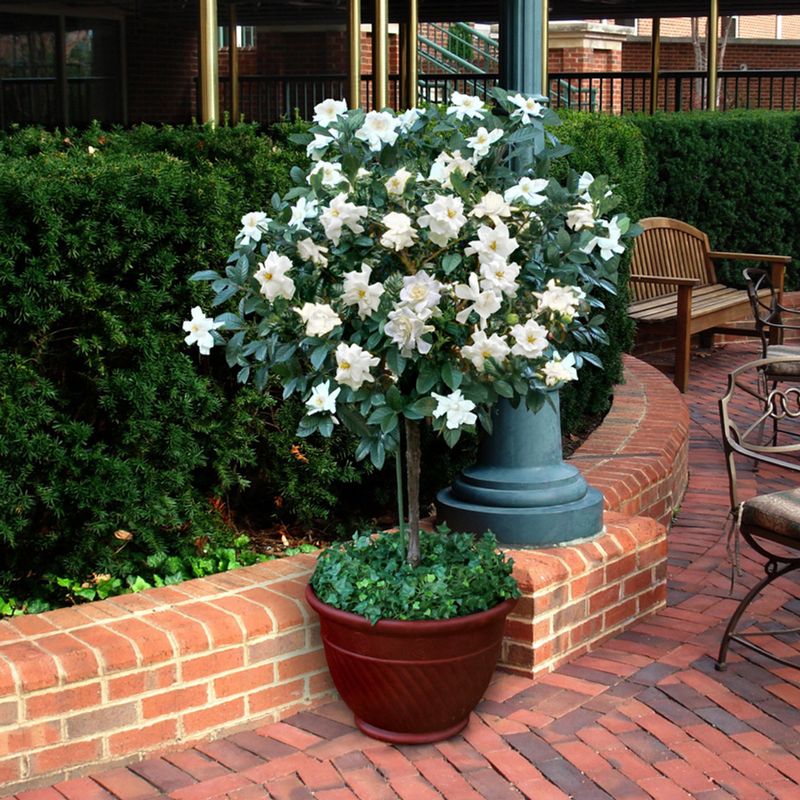
Gardenias, with their fragile blooms, suffer in high-traffic areas where they’re consistently brushed or bumped. The constant jostling can cause precious buds to drop prematurely. Position them away from bustling entrances or busy footpaths to protect their integrity. In a tranquil, undisturbed spot, gardenias can develop fully, their blooms unfurling in peace. Allowing these plants a quiet space in your garden ensures they are free to grow and blossom without interruptions, showcasing their elegant beauty to its fullest potential.
7. Dry, Sandy Soil
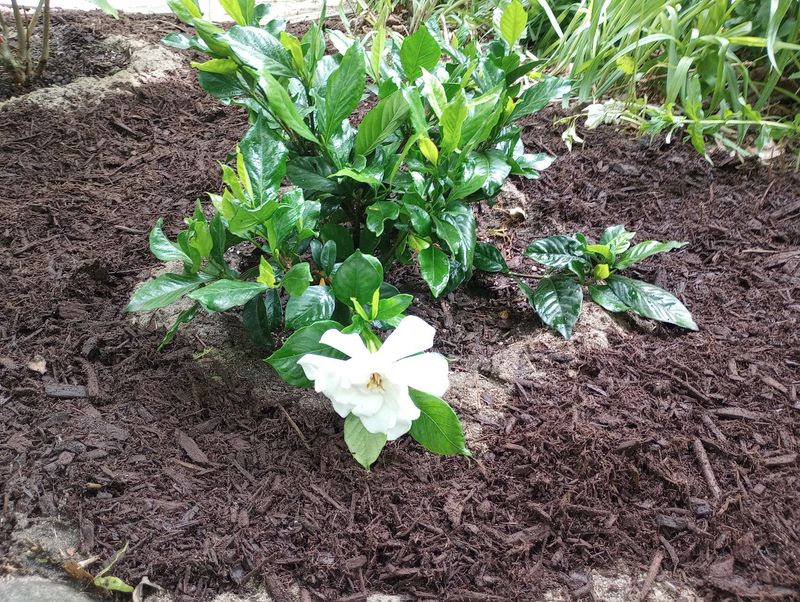
Gardenias crave rich, moisture-retentive soil to truly thrive. In dry, sandy conditions, essential nutrients percolate away too quickly, leaving the plant hungry and weak. Amend sandy soils with organic matter like compost to enhance water retention and nutrient supply. With these adjustments, gardenias can anchor themselves deeply, drawing sustenance for lush growth. A balanced, nutrient-rich soil environment transforms a struggling gardenia into a flourishing spectacle of vibrant green leaves and creamy, fragrant blooms, satisfying both plant and gardener alike.
8. Cold, Frost-Prone Zones
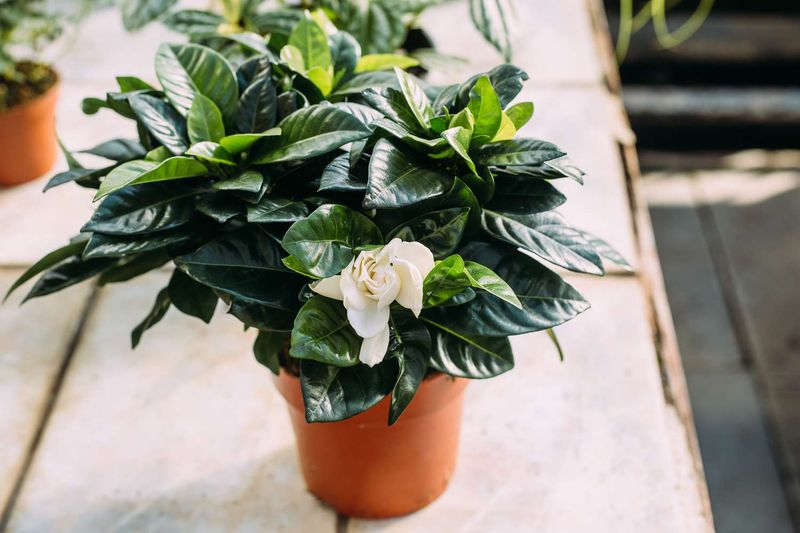
Gardenias, known for their love of warmth, struggle in cold, frost-prone areas. These plants shiver in the chill, their leaves turning brown and brittle. If you reside below USDA Zone 8, consider planting gardenias in containers. This allows for easy relocation indoors during cold snaps. Creating a microclimate with frost blankets or protective structures can also shield them. By ensuring warmth and protection, even in the harshest conditions, gardenias can survive winters, emerging vibrant and ready to bloom with the return of spring’s gentle touch.
9. Near Heat-Reflective Surfaces (Like Brick Walls)
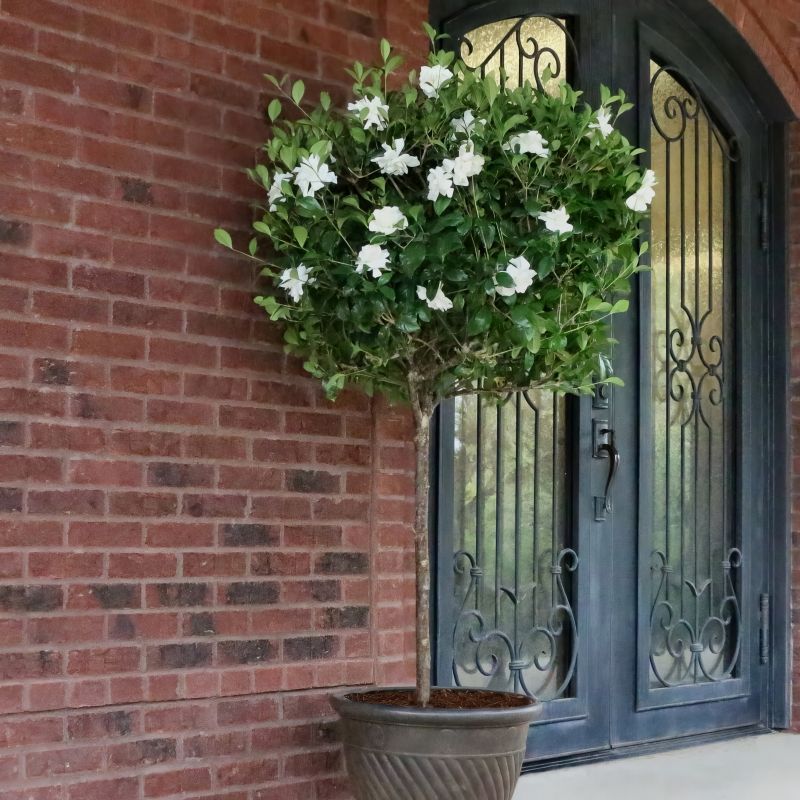
Heat-reflective surfaces, like brick walls, amplify the sun’s intensity, creating hot, dry environments unsuitable for gardenias. The reflected heat can scorch leaves, leading to dehydration and stress. Placing gardenias away from such surfaces or providing a shade barrier can mitigate these effects. In cooler surroundings, gardenias flourish, their roots untroubled by excessive warmth. This allows them to focus on producing their signature, fragrant blooms. Ensuring a balanced temperature is key to maintaining gardenias’ health, turning potential heat traps into havens of floral beauty.
10. Under Trees With Invasive Roots
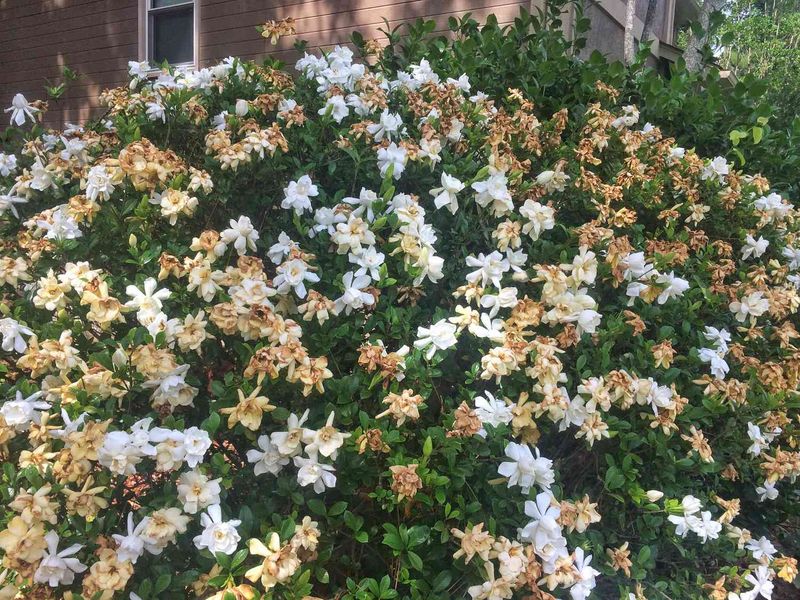
In the shadow of trees with invasive roots, gardenias struggle for resources, competing for water and nutrients. Species like maples, walnuts, or large oaks are particularly aggressive, leaving little for gardenias to thrive on. To avoid this competition, choose planting locations away from such trees or use root barriers. With their own dedicated space, gardenias can fully realize their growth potential, free from the overshadowing dominance of larger trees. In this nurtured environment, they can blossom beautifully, showcasing their fragrant flowers in undisturbed splendor.
11. Next to Lawn Sprinklers
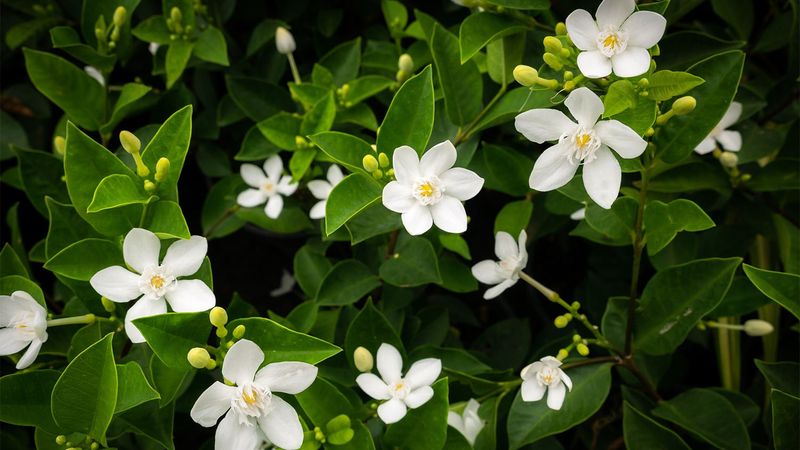
Gardenias, while appreciative of regular watering, dislike soggy foliage. Constant misting from lawn sprinklers can lead to fungal diseases, disfiguring their lush leaves. Positioning gardenias away from direct sprinkler paths helps maintain their health. Instead, focus on ground-level watering to nourish their roots without drenching their foliage. This careful attention to watering technique ensures gardenias maintain their robust health and continue to grace the garden with their captivating beauty and aromatic blooms. An ounce of prevention, in this case, truly guarantees a thriving plant.
12. Alkaline Soil Regions (Without Soil Prep)
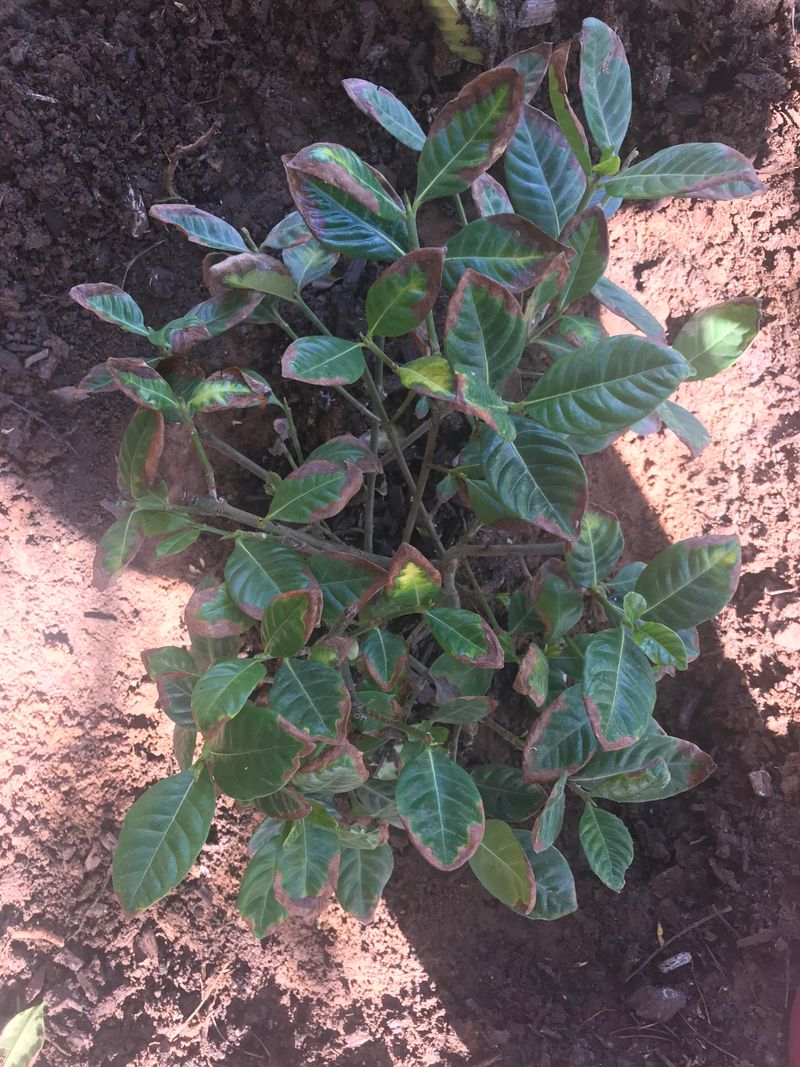
In regions where the soil naturally runs alkaline, gardenias face an uphill battle unless properly prepared. Without amendments, their leaves yellow, a sign of nutrient lock-up in unsuitable pH levels. To thrive, gardenias need acidic conditions; introducing sulfur, peat moss, or acidic fertilizers can transform the soil environment. By adjusting the soil’s character through these additions, gardenias can access nutrients freely, promoting healthy foliage and abundant blooms. This thoughtful preparation sets the stage for gardenias to overcome natural soil challenges and flourish magnificently.
13. Places With Heavy Clay Soil
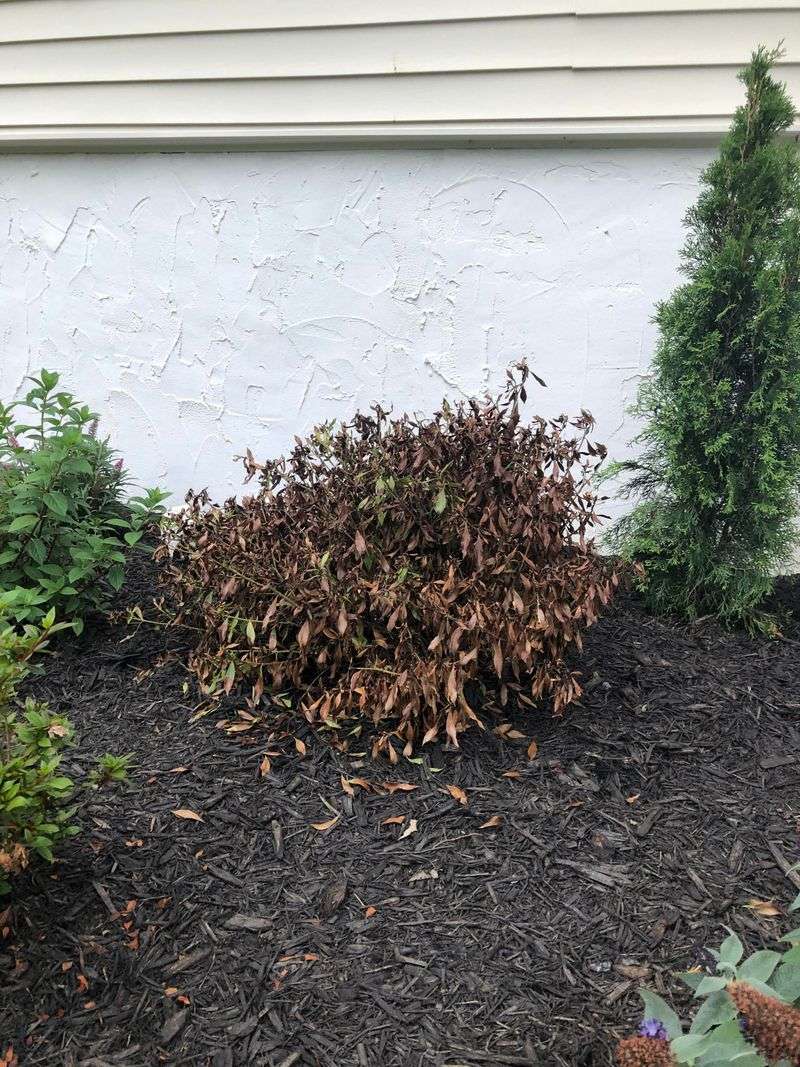
Clay soil’s dense nature can be a trap for gardenias, holding too much water and suffocating roots. This can lead to root rot, a serious threat to the plant’s health. Raised beds or significant soil amendments are crucial in clay-heavy gardens. By incorporating organic material like compost or sand, the soil becomes more aerated and well-draining. This transformation provides gardenias with the optimal environment for root health, allowing their vibrant blooms to thrive above a strong, well-supported base. Embracing these adjustments results in a flourishing gardenia.
14. Dry Indoor Spaces
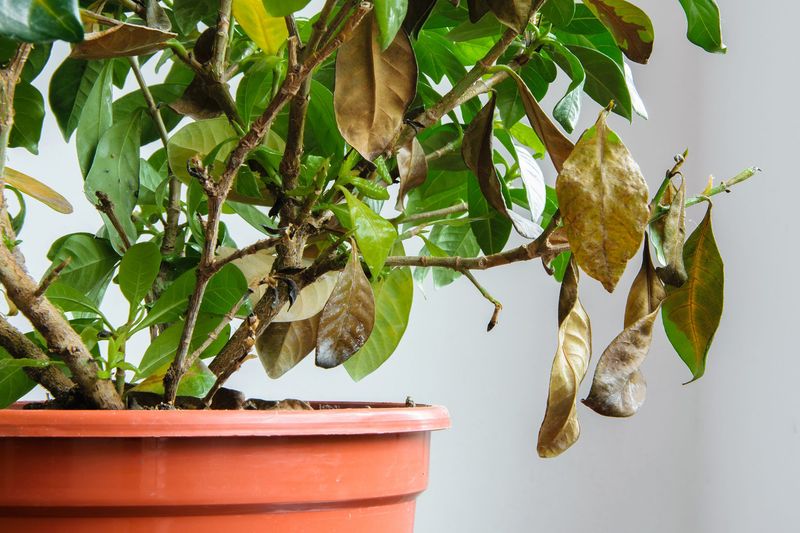
Gardenias, with their demand for high humidity, can struggle indoors, especially in dry environments. Leaves with brown tips and sparse blooms signal distress in these conditions. A humidifier or regular misting can recreate the humidity they crave, ensuring lush foliage and vibrant blossoms. Consider their placement carefully; avoid dry, sunny windowsills where they can become parched. With attentive care to their moisture needs, indoor gardenias can overcome the challenges of dry air, rewarding your efforts with their signature aromatic presence and elegant appearance.
15. Anywhere You Forget to Mulch
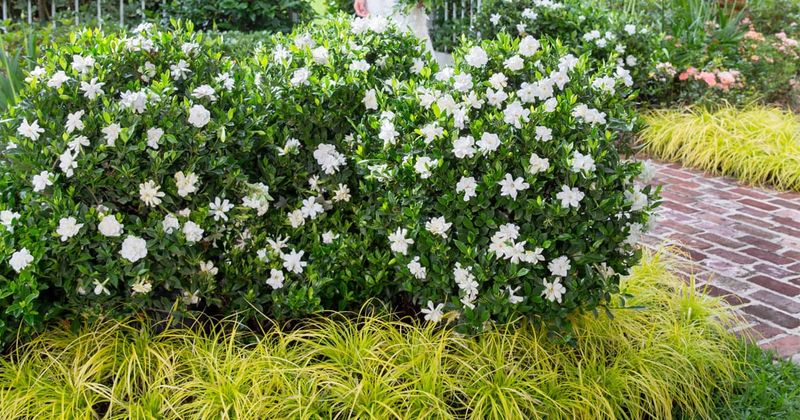
Mulch is more than an aesthetic touch; it’s a vital component for gardenia health. Without it, soil moisture evaporates quickly, and weeds compete for resources. Gardenias without mulch may show signs of stress, with drooping leaves reflecting their struggle. Mulching helps retain moisture, suppresses weed growth, and stabilizes soil temperature, creating a nurturing environment. This simple step of adding organic mulch around the base can transform their well-being, allowing gardenias to maintain even moisture levels and thrive with robust, healthy growth.
1. Camellias
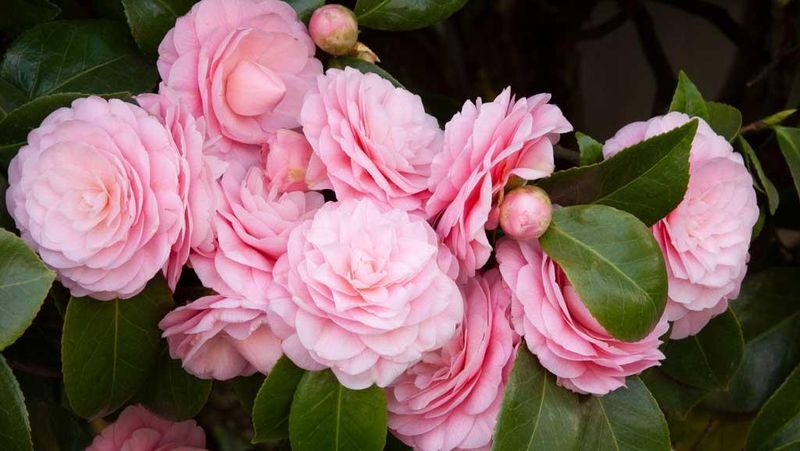
Camellias, with their similarly elegant blooms, offer a more forgiving nature compared to gardenias. Tolerant of acidic soil, they flourish where gardenias might falter. Their rich green foliage and vibrant flowers bring beauty to part-shade areas. Camellias are adaptable, thriving in conditions that might challenge other plants. They present a reliable alternative, embodying grace and resilience. With a history rooted in Asia, camellias have found their way into gardens worldwide, cherished for their versatility and charm. These blooms stand as a testament to enduring beauty and adaptability.
2. Azaleas
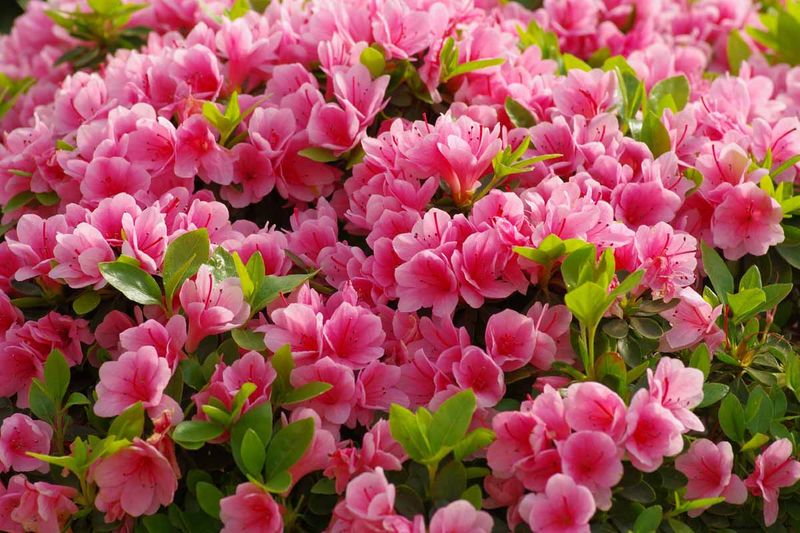
Azaleas, belonging to the Rhododendron family, provide a stunning visual display with their vibrant blooms. They share gardenias’ preference for acidic soil but are far more adaptable to different light and soil conditions. Whether in dappled sun or part shade, azaleas bring color and life to the garden. Their resilience makes them ideal companions in areas where gardenias might struggle. Native to Asia and North America, azaleas have long been celebrated for their beauty and hardiness, offering a reliable option for gardeners seeking both aesthetics and ease of care.
3. Hydrangeas (Especially Panicle or Smooth Types)
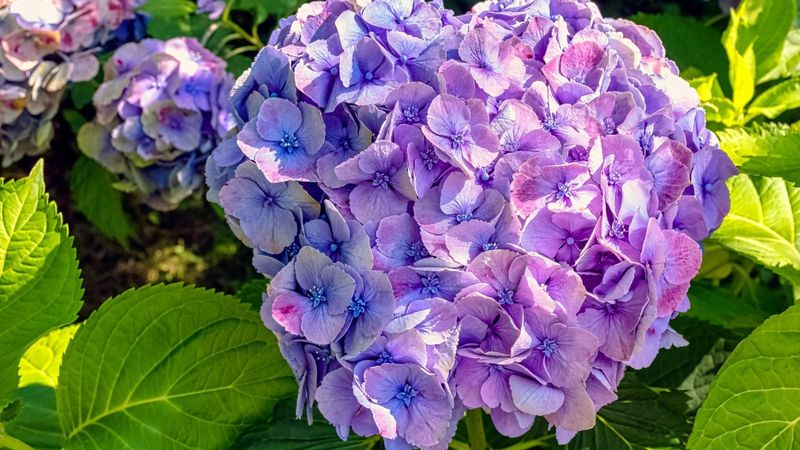
Hydrangeas, particularly the panicle and smooth varieties, are not fragrant like gardenias but compensate with spectacular blooms. Their ability to thrive in sun-to-part-shade areas makes them versatile alternatives. Hydrangeas, with their large clusters of blossoms, create a stunning visual impact in any garden setting. They are adaptable, flourishing in a range of soil types and conditions. Originating from Asia and the Americas, hydrangeas have charmed gardeners with their robustness and beauty, offering a reliable choice for those seeking vibrant blooms without the fuss of gardenias.
4. Star Jasmine
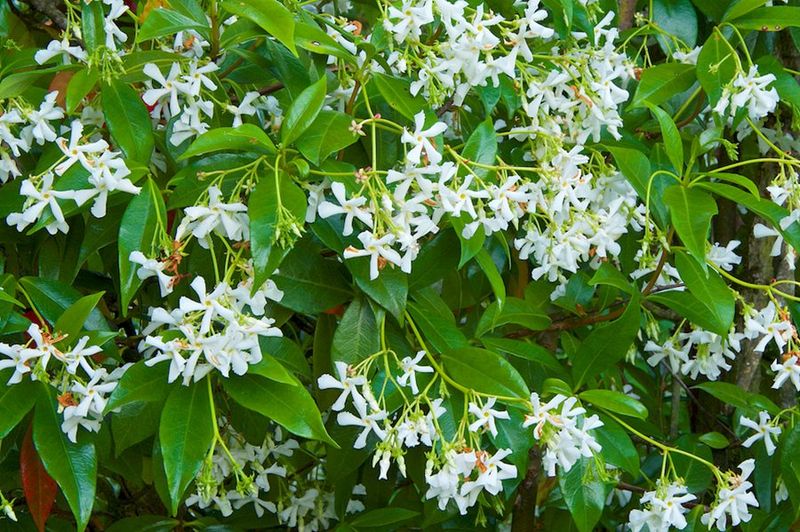
Star jasmine, a fast-growing vine, captivates with its fragrant white flowers. Unlike gardenias, it thrives in full sun to part shade with minimal fuss. Its twining habit allows it to cover trellises and walls, bringing a touch of elegance to any garden. Star jasmine’s easygoing nature makes it a favorite for gardeners seeking beauty without the high maintenance. Known for its adaptability and resilience, star jasmine provides a lush, fragrant alternative to gardenias, perfect for those who want to enjoy aromatic blooms without the stringent care requirements.
5. Mock Orange (Philadelphus coronarius)
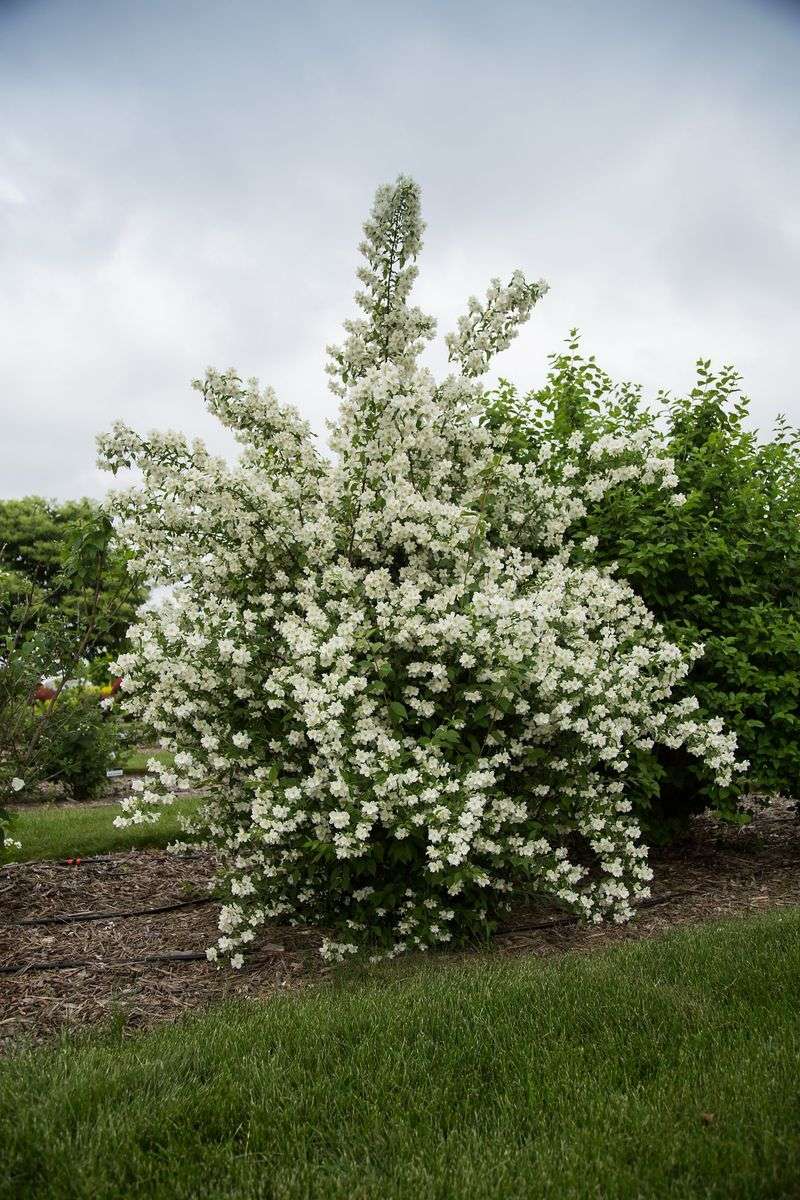
Mock orange, with its delightful citrusy fragrance, is a hardy shrub that adapts to various garden conditions. Unlike the finicky gardenia, it is content in a range of soils and sunlight exposures. Its beautiful white flowers add charm and fragrance, creating a serene garden atmosphere. Mock orange’s resilience and adaptability make it an excellent alternative for gardeners seeking low-maintenance plants. With a history dating back to 16th-century Europe, this shrub has captivated with its beauty and scent, proving to be a versatile addition to any garden setting.