
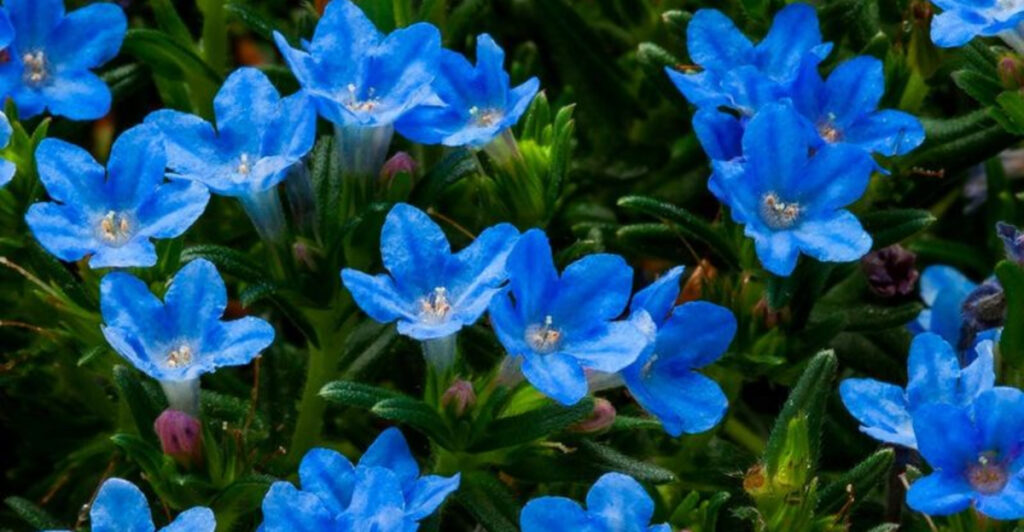
Periwinkle, known for its vibrant blue blooms and lush greenery, is a favorite among gardeners. However, its invasive nature can overwhelm your garden. Fear not! Here are 15 stunning alternatives that offer the same visual appeal without taking over your backyard. Each plant brings its own charm, providing a unique twist to your garden decor.
1. Vinca Minor
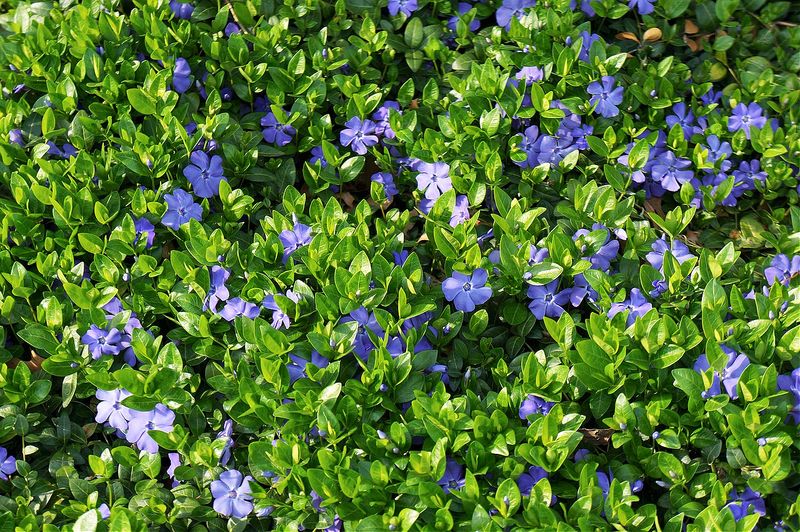
Meet Vinca Minor, the understated cousin of Periwinkle. This charming ground cover offers the same blue-violet blossoms without the aggressive growth habits. Known for its resilience, Vinca Minor thrives in both sun and shade.
It provides a lush carpet of foliage, perfect for adding color to your garden paths.
Its adaptability to various soil types makes it a versatile choice. Historically, Vinca Minor has been used in traditional medicine, adding a touch of history to its allure.
2. Lobelia
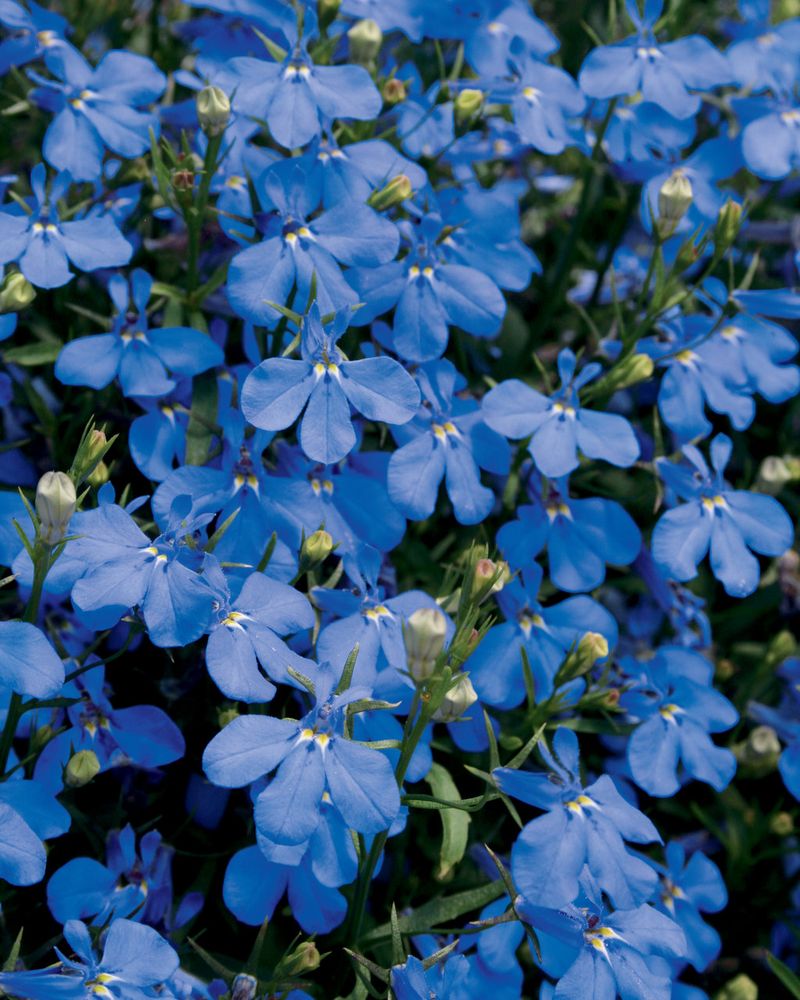
Lobelia, with its vivid blue flowers, brings a splash of color to any space. Known for its cascading blooms, it’s ideal for hanging baskets and borders.
This plant thrives in moist, well-drained soil and enjoys a sunny spot to truly flourish. Its compact form adds an elegant touch without overwhelming its surroundings.
Fun fact: Lobelia was named after the Belgian botanist Matthias de Lobel, giving your garden a hint of botanical history.
3. Bugleweed (Ajuga)
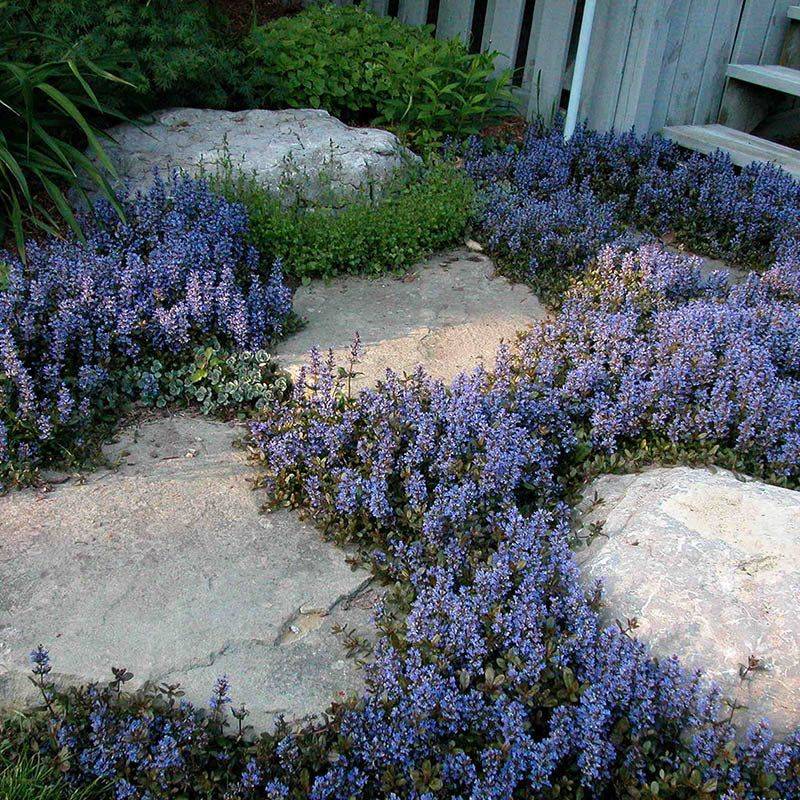
Bugleweed, or Ajuga, offers a striking mix of blue flowers and vibrant foliage, making it a standout choice. With its low-growing habit, it serves as an excellent ground cover.
Ajuga is perfect for filling gaps between stepping stones or lining pathways, adding a touch of whimsy.
Its ability to thrive in shade makes it a versatile option for those tricky garden spots. Plus, its historical use in herbal medicine adds an intriguing layer to its presence.
4. Blue Star Creeper
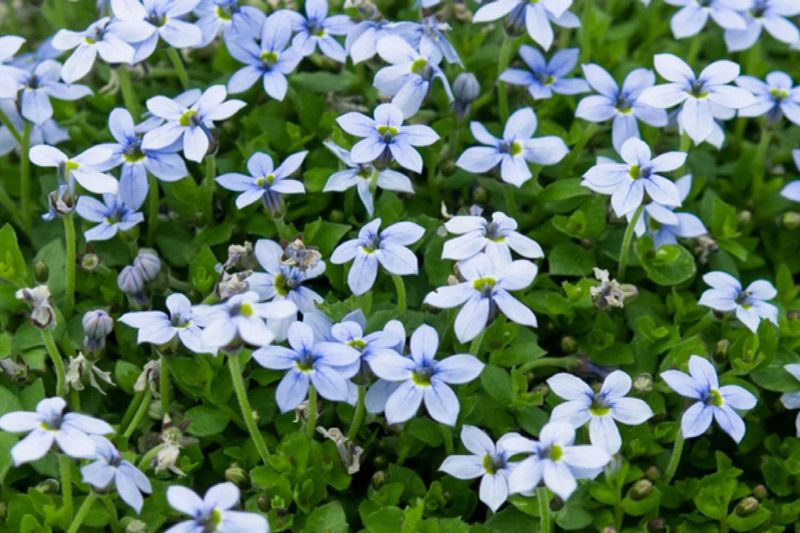
Blue Star Creeper is a petite yet robust ground cover that produces enchanting blue star-shaped flowers. Its low profile makes it ideal for filling in between stepping stones or as a lawn substitute.
It’s a sun-loving plant that can tolerate light foot traffic, making it both beautiful and functional.
This unassuming plant adds a delicate charm to any garden setting, creating an inviting atmosphere. The star-shaped blooms offer an enchanting touch, reminiscent of twinkling stars underfoot.
5. Campanula (Bellflower)
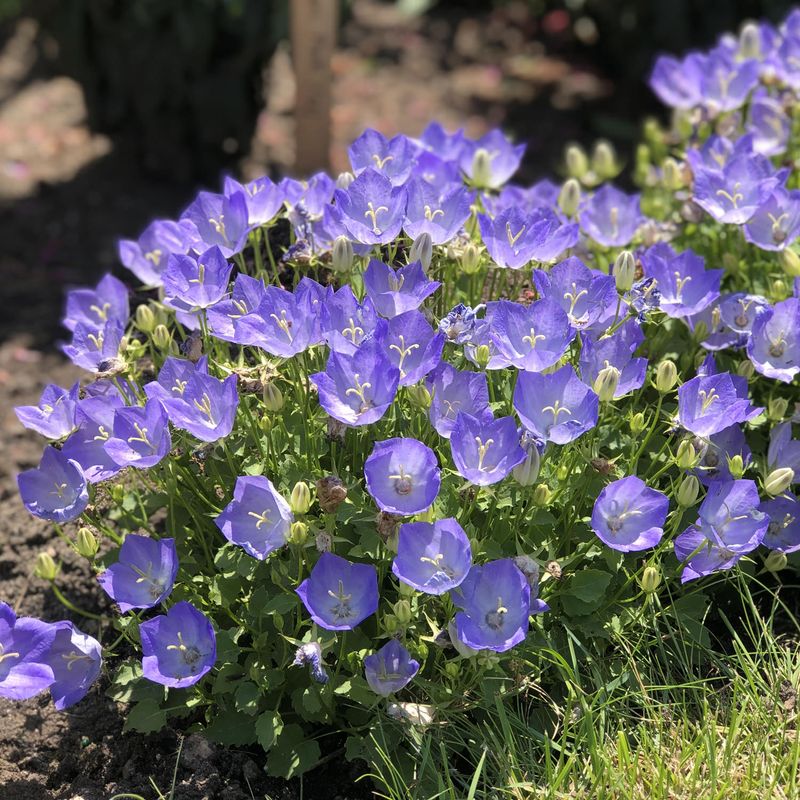
Campanula, commonly known as Bellflower, captivates with its bell-shaped blossoms. Available in various shades of blue, it can be a centerpiece in both formal and wild gardens.
This plant enjoys a sunny spot and well-drained soil, rewarding you with blooms throughout the summer.
The whimsical shape of its flowers adds a fairy-tale quality. Historically, Campanula symbolizes gratitude and everlasting love, bringing emotional depth to your garden’s narrative.
6. Lithodora
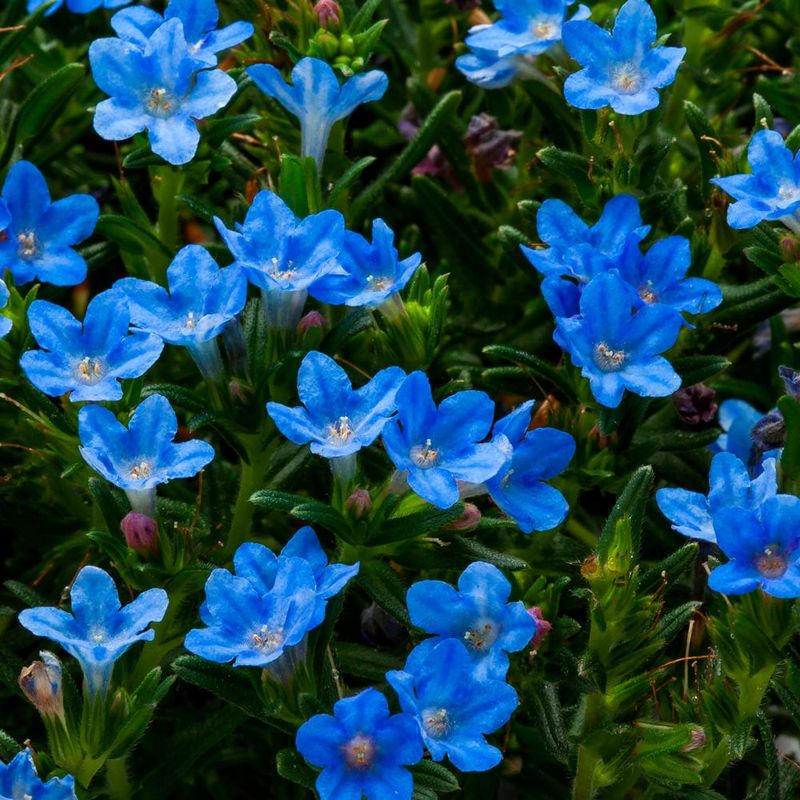
Lithodora stands out with its intense blue flowers and evergreen foliage. This ground-hugging plant loves well-drained, acidic soil and full sun.
Its dazzling blooms attract pollinators, adding life and movement to your garden. Despite its delicate appearance, Lithodora is hardy, making it suitable for rock gardens or container planting.
Did you know? Lithodora’s vibrant flowers were historically used as a dye, adding a splash of ancient color to modern gardens.
7. Hepatica
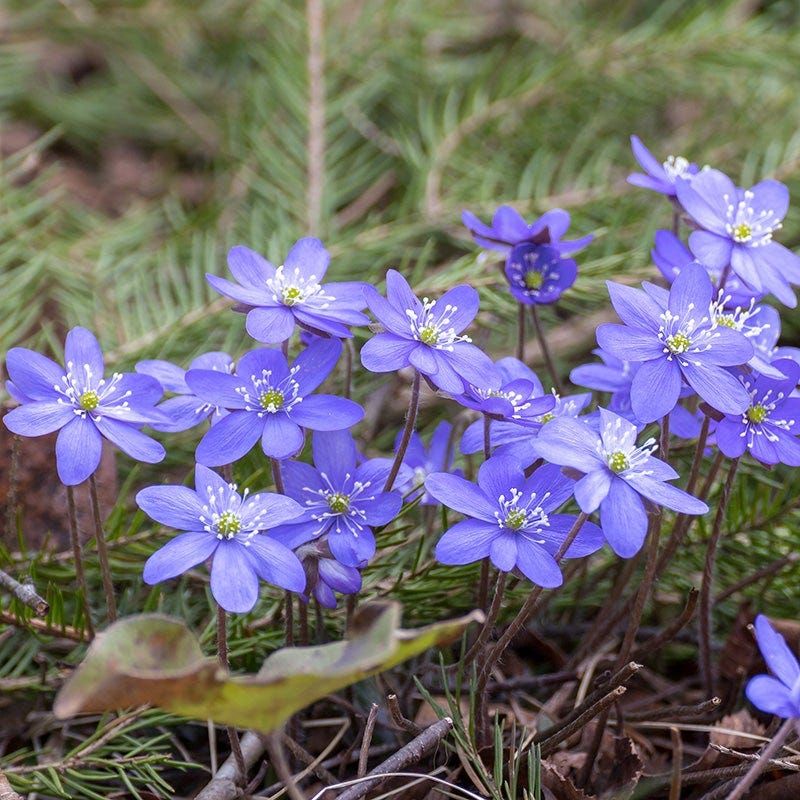
Hepatica, with its delicate blue flowers, heralds the arrival of spring. This woodland plant prefers shady areas, offering a burst of color in low-light conditions.
Its rounded leaves provide a soft texture, contrasting with its vibrant blossoms. The charm of Hepatica lies in its simplicity and resilience.
Historically, it was used in traditional medicine, believed to cure liver ailments, which reflects in its Latin name, meaning ‘liverwort.’
8. Brunnera (False Forget-Me-Not)
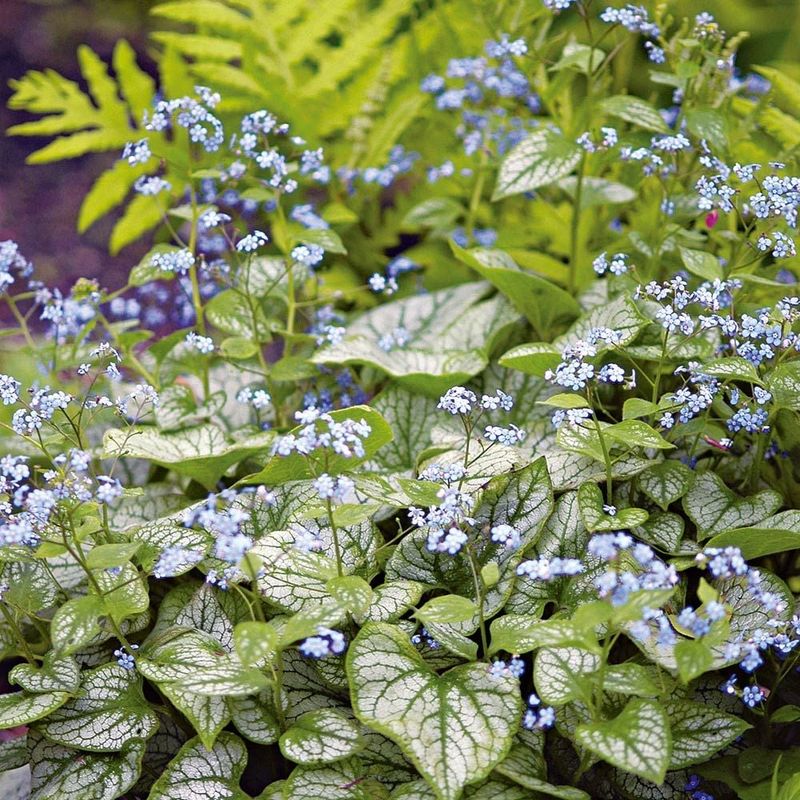
Brunnera, often called ‘False Forget-Me-Not,’ enchants with its sky-blue flowers and heart-shaped leaves. Perfect for shady borders, it thrives in moist, rich soil.
The striking foliage remains attractive throughout the season, even after the flowers fade.
This plant’s ability to light up a shady corner makes it a favorite among gardeners. Did you know? Despite its delicate appearance, Brunnera is hardy and low-maintenance, offering beauty without the fuss.
9. Veronica (Speedwell)
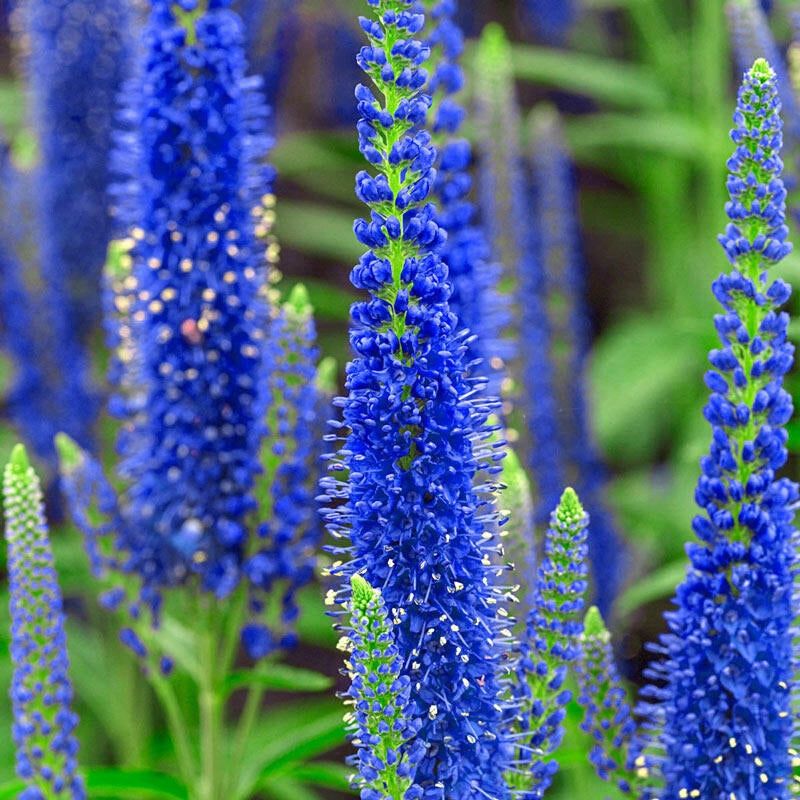
Veronica, or Speedwell, brings a touch of elegance with its spiky blue flowers. These perennials thrive in sunny borders and well-drained soil, offering blooms that attract bees and butterflies.
With a variety of forms, from ground cover to tall spikes, Veronica adds versatility to your garden design.
Historically, Veronica was believed to offer protection from evil, adding a layer of folklore to its charm. Its long blooming season ensures a splash of color for months.
10. Gentiana
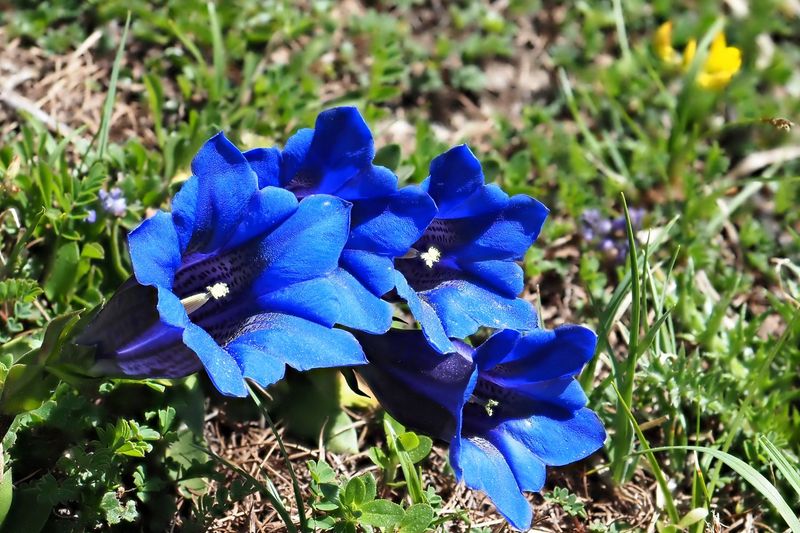
Gentiana, known for its striking blue trumpet-shaped flowers, is a true alpine beauty. This plant thrives in cool, well-drained conditions and is perfect for rock gardens.
Gentiana’s vivid blooms bring a touch of the mountains to your garden. Its unique flower shape adds architectural interest.
Fun fact: Gentiana is named after Gentius, an Illyrian king who discovered its medicinal properties, adding a regal touch to its history.
11. Anemone Blue Shades
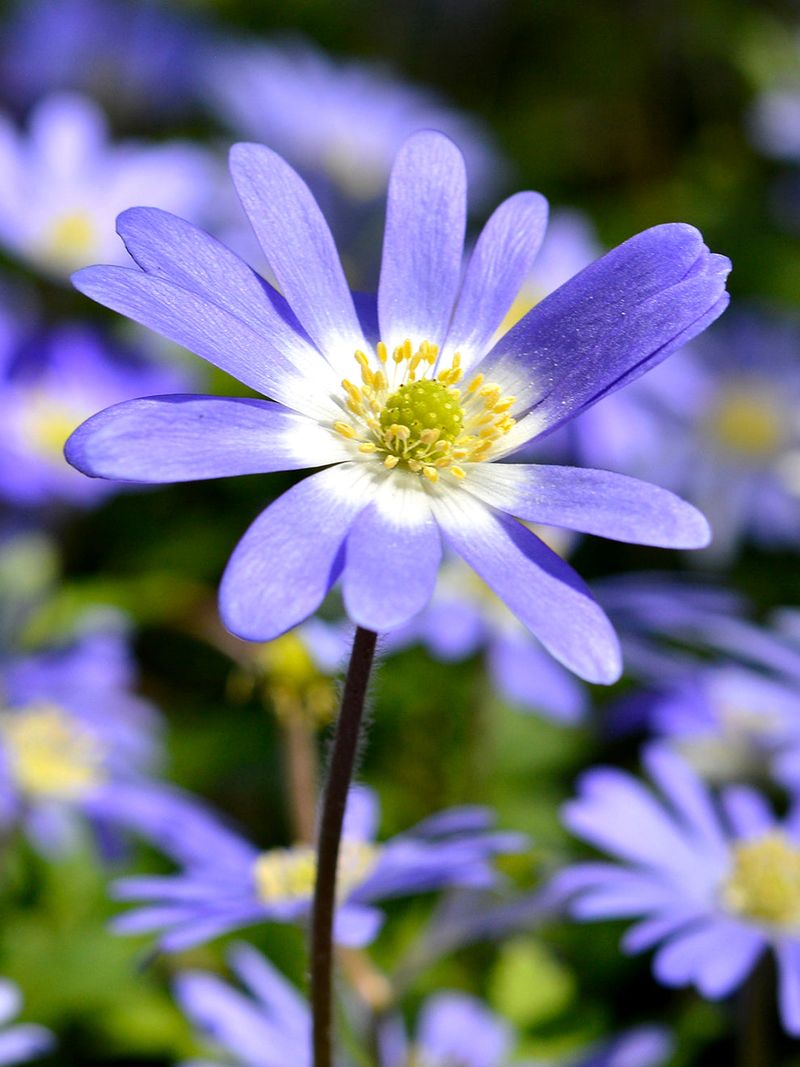
Anemone ‘Blue Shades’ captivates with its wind-blown elegance. The delicate blue flowers sway gracefully, creating a dynamic visual effect.
This plant thrives in well-drained soil, enjoying both sun and partial shade. Its long-lasting blooms provide color from early spring to autumn, enhancing garden borders.
Did you know? Anemones are said to bring luck and protection, infusing your garden with positive vibes.
12. Evolvulus (Blue Daze)
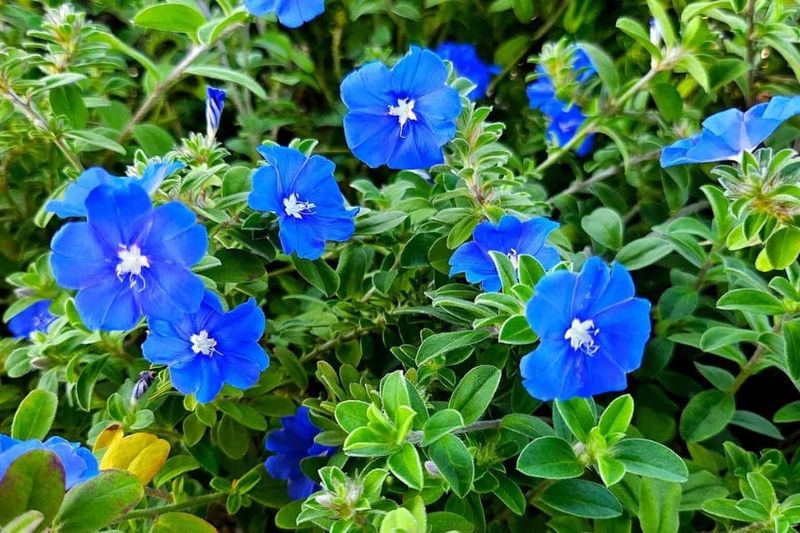
Evolvulus, commonly known as ‘Blue Daze,’ offers vibrant blue flowers that contrast beautifully with its silvery foliage. This heat-loving plant is perfect for sunny spots and rock gardens.
Its trailing habit makes it ideal for hanging baskets, providing a cascade of color. Evolvulus is drought-tolerant, adding practicality to its aesthetic appeal.
Fun fact: Despite its delicate blooms, Evolvulus is resilient, thriving in tough conditions.
13. Plumbago
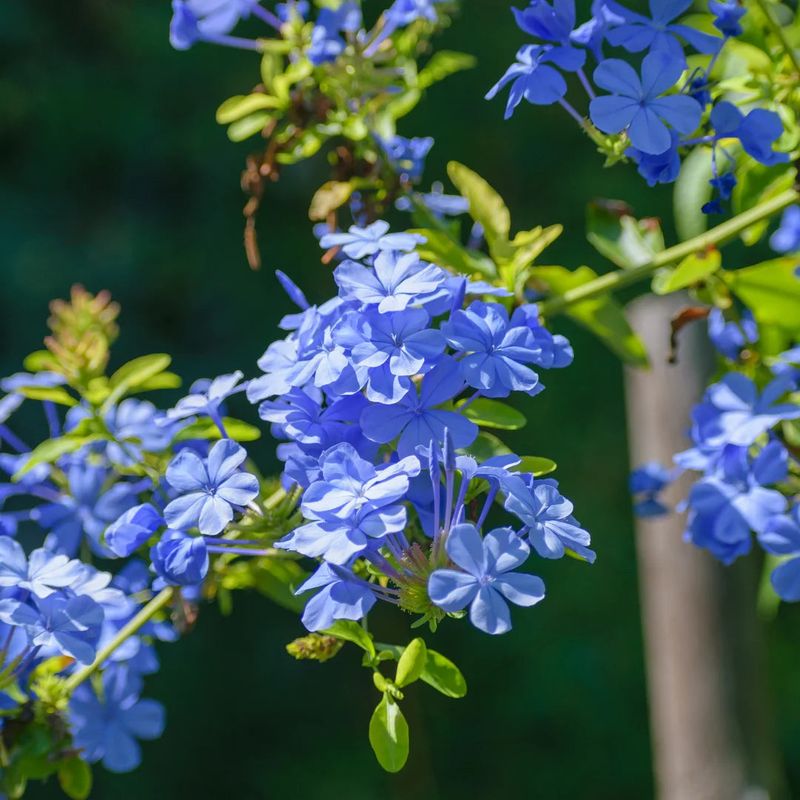
Plumbago enchants with clusters of sky-blue flowers. This sprawling shrub thrives in warm climates, perfect for adding a tropical feel to your garden.
Its sprawling habit can be trained on trellises, creating a wall of color. Plumbago’s long blooming season ensures vibrant displays.
Historically, it was believed that Plumbago could ward off evil spirits, adding a mystic element to its allure.
14. Scaevola (Fan Flower)
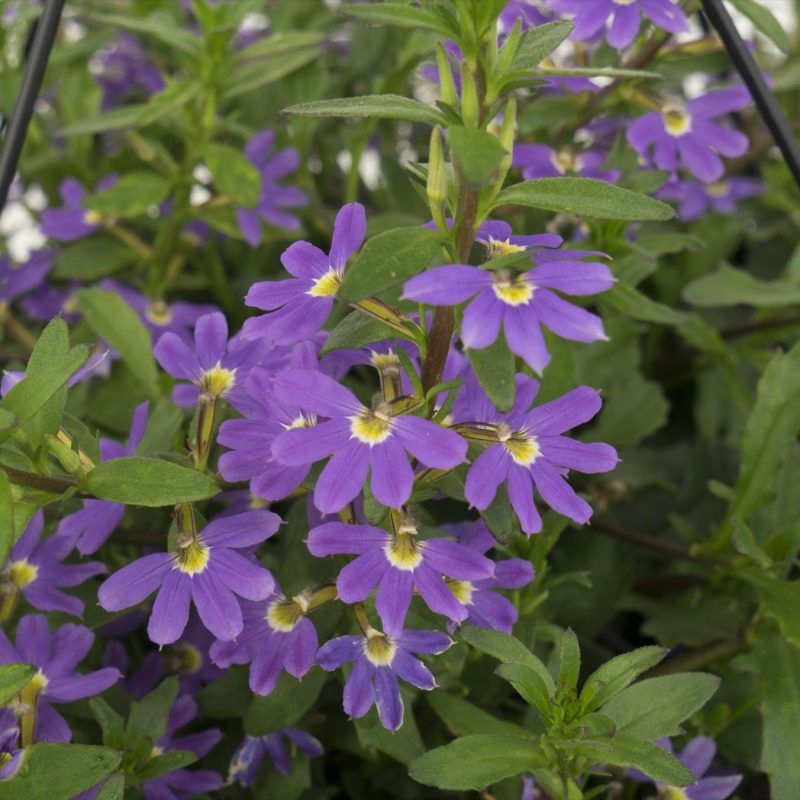
Scaevola, known as the ‘Fan Flower,’ features unique fan-shaped blooms that add a whimsical touch. Perfect for hanging baskets, it cascades elegantly, providing continuous color.
This plant loves sunny locations and well-drained soil, making it a low-maintenance option.
Its playful shape and vivid colors attract butterflies, adding life to your garden. Did you know? Scaevola is native to Australia, bringing a bit of the exotic to your patio or garden.
15. Ceratostigma (Leadwort)
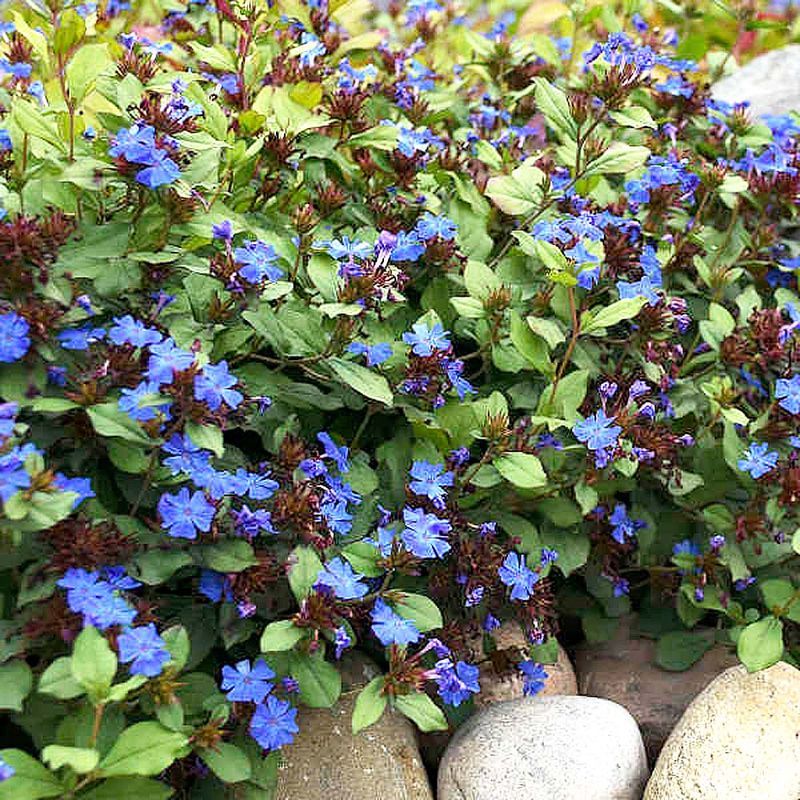
Ceratostigma, or Leadwort, dazzles with cobalt-blue flowers and striking bronze-tinted foliage. This ground cover thrives in sunny, well-drained areas, perfect for borders and rock gardens.
Its vibrant flowers bloom from late summer to fall, providing a burst of color when many others have faded.
Fun fact: Ceratostigma is known for its ability to attract pollinators, ensuring a lively and buzzing garden environment.