
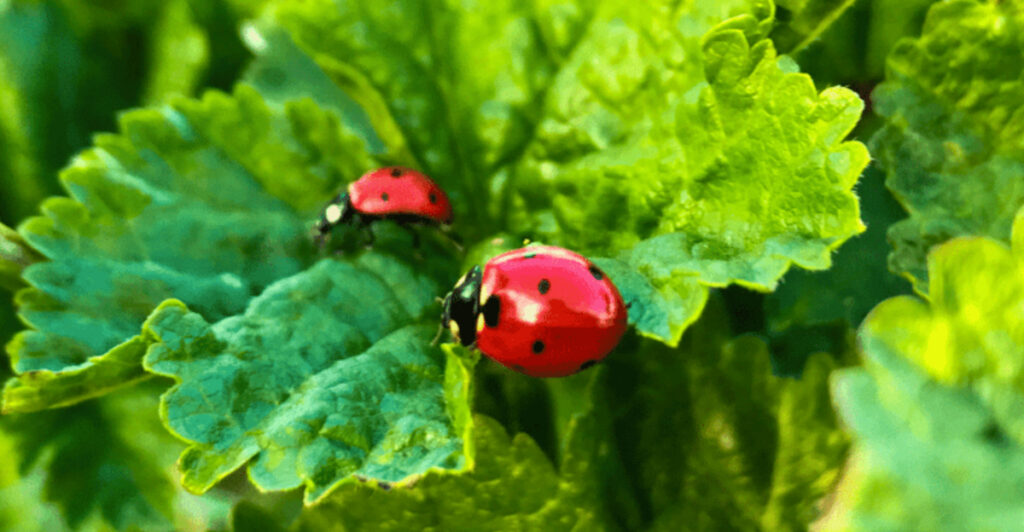
Ladybugs are often hailed as beneficial insects in the garden, helping to control pest populations naturally. However, improper release of ladybugs can lead to unintended consequences, potentially damaging your garden instead of aiding it. In this blog post, we’ll explore thirteen common mistakes gardeners make when releasing ladybugs and offer seven effective alternative pest control solutions. By understanding these pitfalls and alternatives, you can ensure your garden thrives without relying solely on ladybugs.
1. Mistake 1: Releasing During the Day
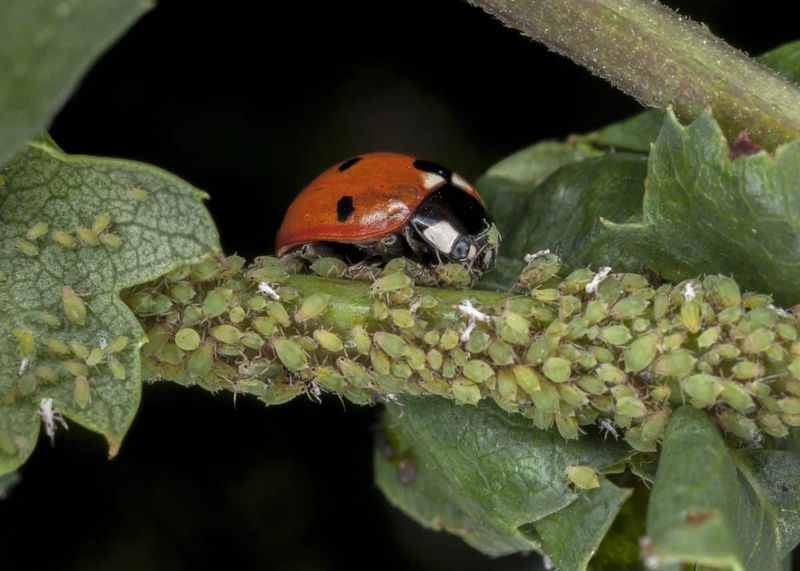
Releasing ladybugs when the sun is high seems harmless, but it’s counterproductive. Ladybugs are more active during cooler, dimmer conditions. During the day, they tend to fly away in search of shade.
Try releasing them at dusk or dawn. This way, they are more likely to settle into your garden and start their beneficial work.
Choose a shady spot, give them time to acclimate, and watch them thrive. By understanding their natural tendencies, you can better harness their pest-fighting abilities.
2. Mistake 2: Ignoring Humidity Needs
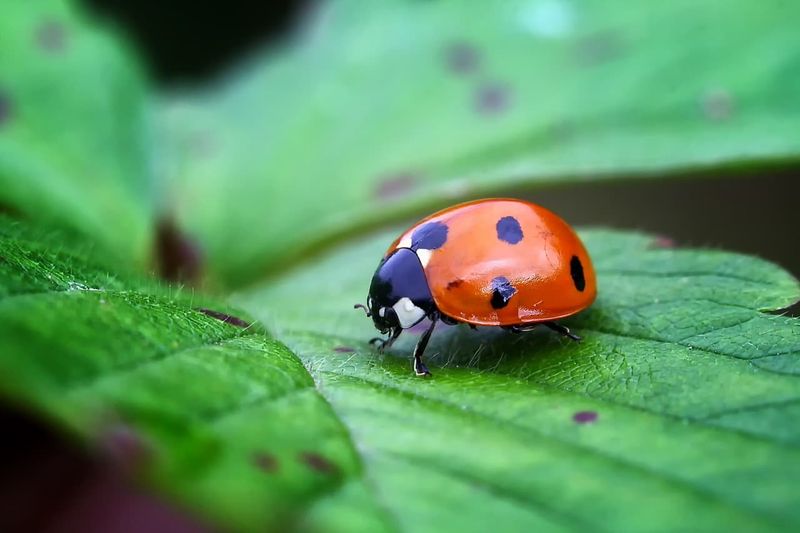
Ladybugs prefer environments with higher humidity. Releasing them in dry, arid conditions can lead to their quick departure. Moisture helps them thrive and encourages them to stay.
Before release, consider watering your garden slightly. This simple step can make your garden more inviting.
Creating a more humid microclimate ensures ladybugs remain comfortable and effective in their pest control role. Their comfort translates to better protection for your plants.
3. Mistake 3: Overcrowding the Garden
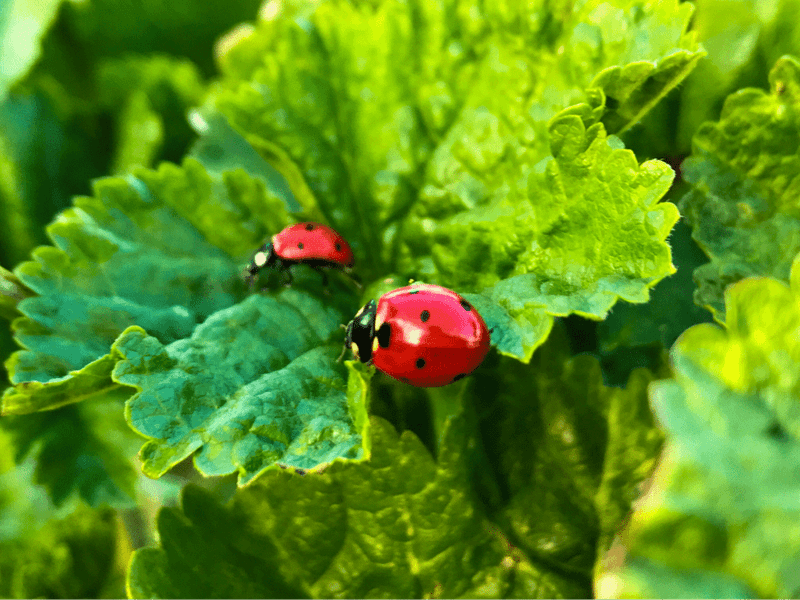
Overcrowding your garden with ladybugs can backfire. Too many can lead to competition for food and territory.
Introduce them gradually, allowing them to establish themselves comfortably. Monitor their activity and adjust as needed.
Balance is key. A well-planned release ensures ladybugs can control pests without overwhelming your garden. Understanding the balance helps in maintaining a healthy ecosystem.
4. Mistake 4: Misidentifying Pest Problems
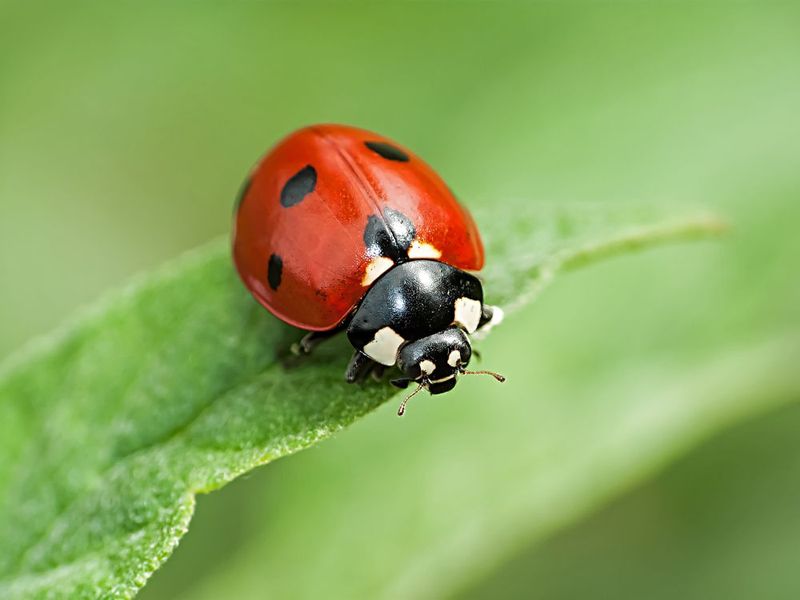
Mistaking a beneficial insect for a pest is a common error. Not all bugs need controlling. Some insects, like ladybugs, are allies.
Before releasing ladybugs, identify the true culprits harming your plants. Proper identification ensures effective pest control.
Learn to distinguish between friend and foe. This crucial skill aids in making informed decisions on pest management.
5. Mistake 5: Using Pesticides Simultaneously
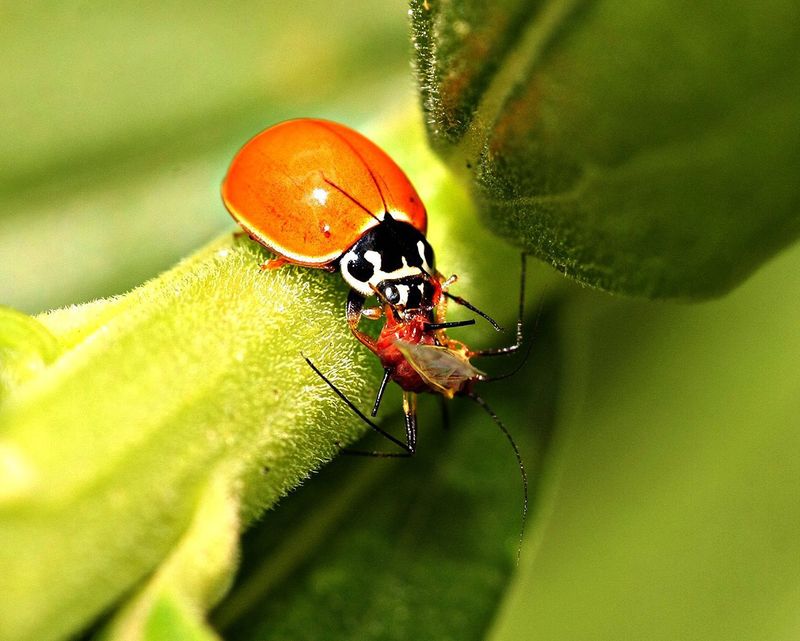
Combining ladybugs with pesticides is a recipe for disaster. Pesticides can harm ladybugs and disrupt their beneficial activities.
If you plan to use ladybugs, reduce or eliminate pesticide use. This allows ladybugs to function as natural pest controllers.
Adopting an integrated pest management approach ensures your garden flourishes without chemical intervention. Harmony between natural and chemical methods is essential.
6. Mistake 6: Releasing in Unfavorable Seasons
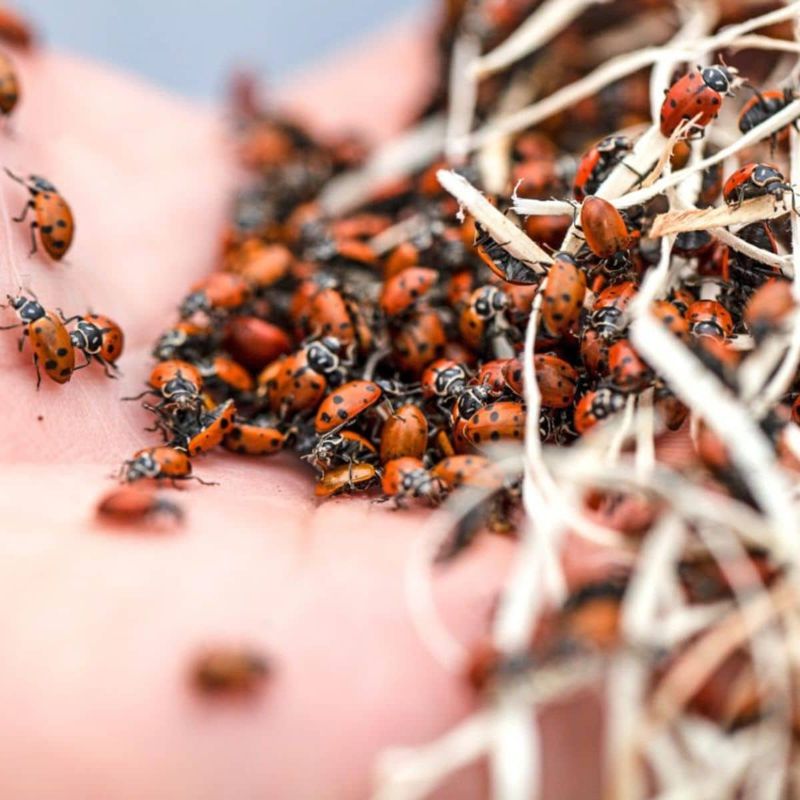
Releasing ladybugs in the wrong season can be futile. They thrive in spring and summer, not in cold winter months.
Timing is everything. Release them when food is abundant and conditions are favorable.
Understanding seasonal patterns ensures ladybugs contribute positively to your garden’s health. Proper timing enhances their role as pest controllers.
7. Mistake 7: Failing to Provide Shelter
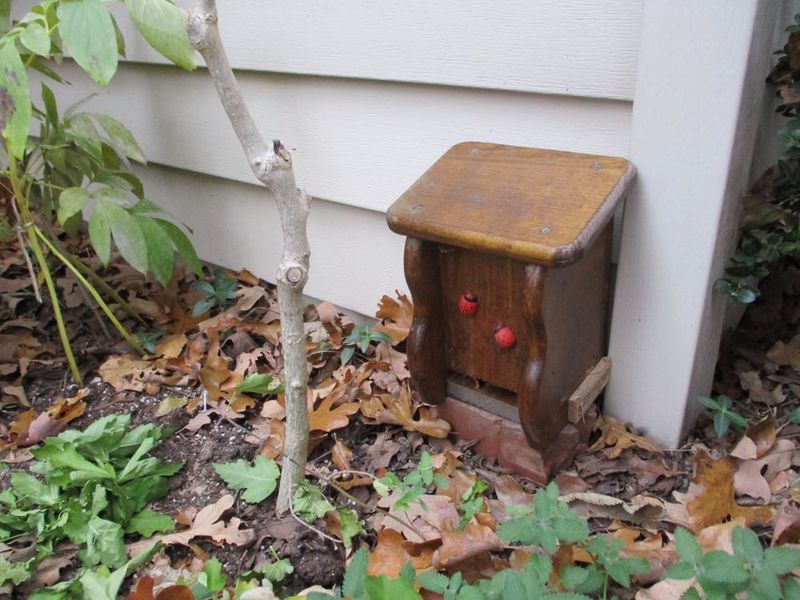
Ladybugs need shelter to thrive. Without it, they may move on to better environments.
Provide them with natural hiding spots, like small bushes or leaf piles. This encourages them to establish their home in your garden.
Shelter is crucial for their survival and effectiveness in pest control. Creating a welcoming environment keeps them engaged and active.
8. Mistake 8: Unbalanced Ecosystem Introduction
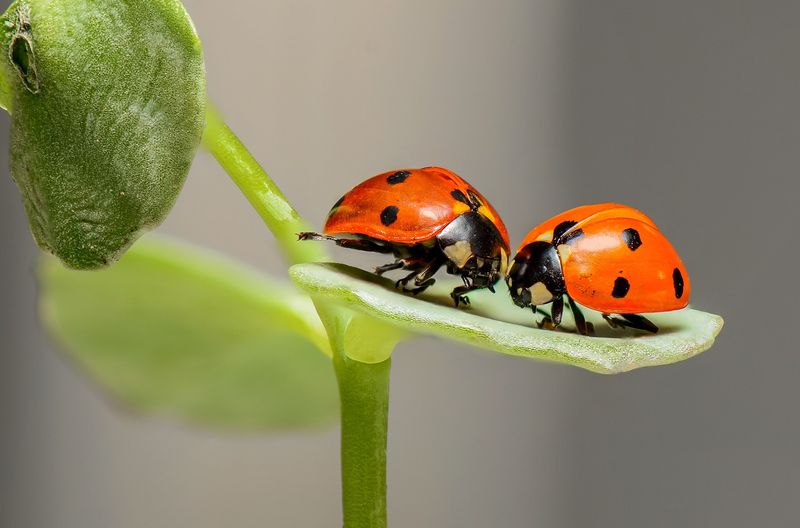
Introducing ladybugs without considering the existing ecosystem can disrupt balance. Every garden is different, with unique interactions between species.
Assess your garden’s needs before release. Consider the impact on current insect populations.
Balance is key to a thriving garden. Understanding your ecosystem ensures ladybugs integrate seamlessly, providing natural pest control.
9. Mistake 9: Releasing in Non-Target Areas
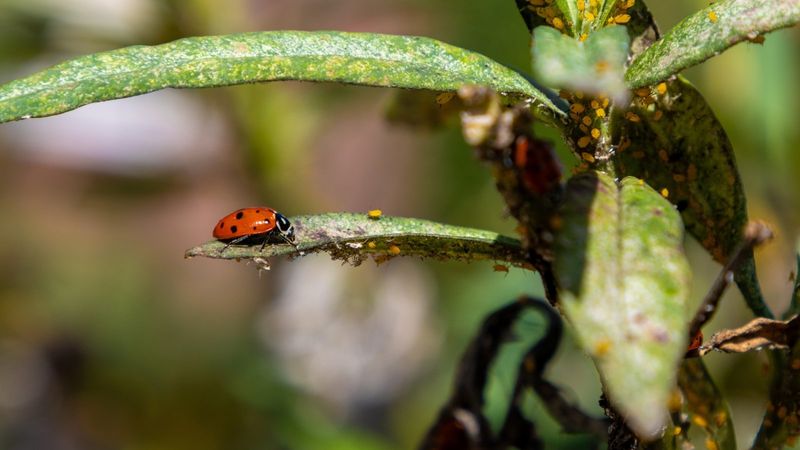
Releasing ladybugs in areas without plants is ineffective. They need foliage to thrive and hunt pests.
Focus on areas with high pest activity. This ensures ladybugs have the resources they need.
Choosing the right location maximizes their impact on pest control. Thoughtful placement is crucial for success.
10. Mistake 10: Focusing Solely on Ladybugs
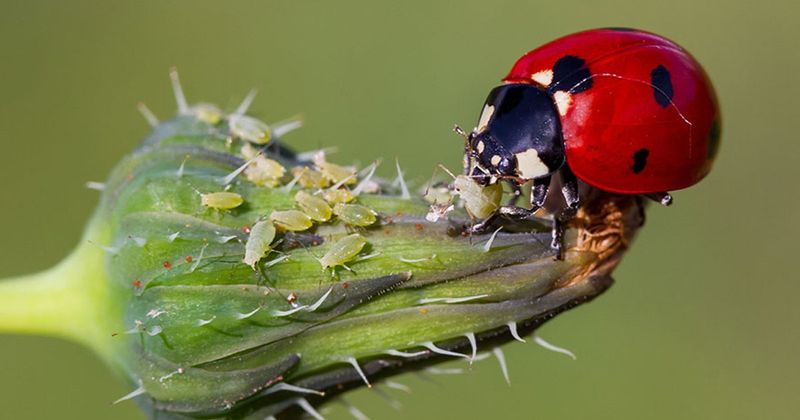
Relying solely on ladybugs for pest control limits effectiveness. They are beneficial but not a cure-all.
Diversify your strategies. Incorporate companion planting or beneficial nematodes.
Broaden your approach for a robust garden. Integrating multiple techniques fosters resilience and health. Ladybugs play a part, but not the whole story.
11. Mistake 11: Not Monitoring After Release
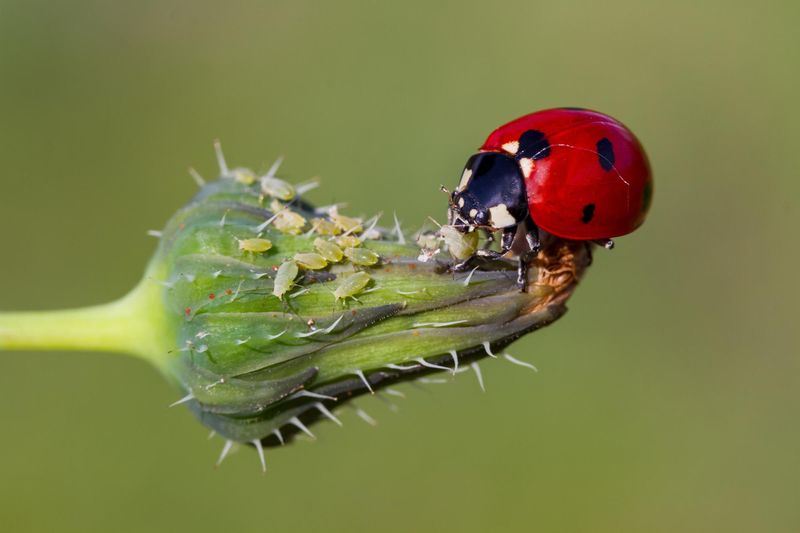
Post-release monitoring is crucial for success. Without it, issues may go unnoticed.
Observe their activity, assess their impact, and make necessary adjustments. Stay engaged with your garden’s needs.
Regular check-ins ensure ladybugs are thriving and doing their job effectively. Active participation leads to better outcomes.
12. Mistake 12: Buying from Unreliable Sources
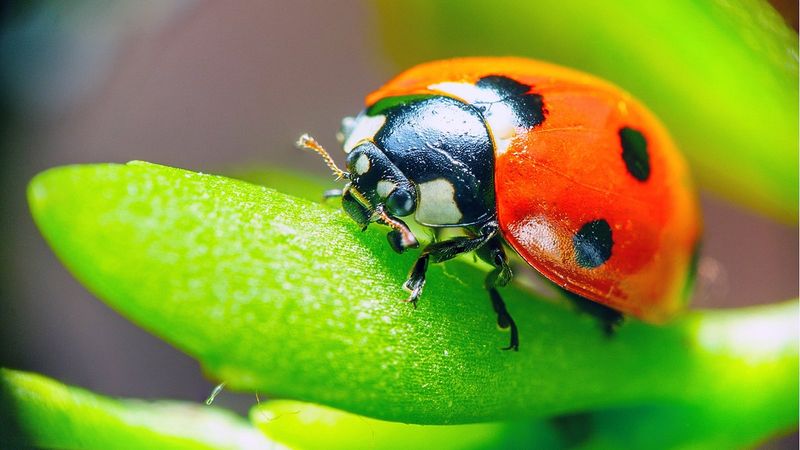
Sourcing ladybugs from unreliable vendors can lead to poor results. Quality matters.
Research suppliers and choose reputable sources. Ensure they provide healthy, active ladybugs.
Trustworthy sources guarantee better results in your garden. Quality control is an essential step in pest management.
13. Mistake 13: Ignoring Local Regulations
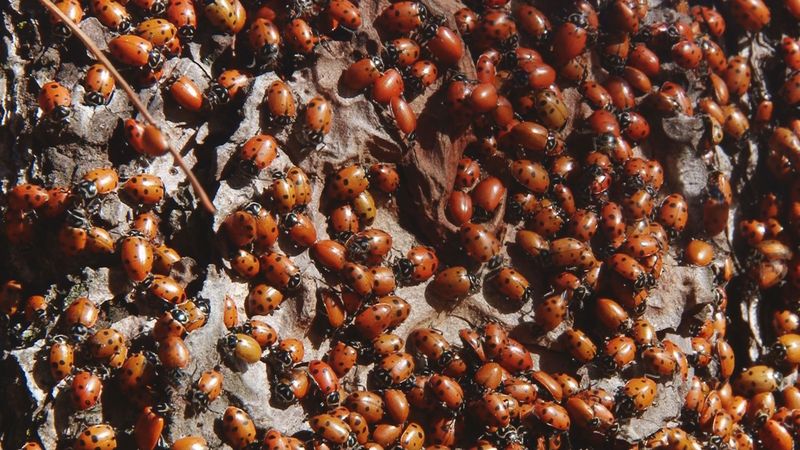
Ignoring regulations can lead to fines or ecological harm. Ladybug release is subject to local laws.
Research your area’s guidelines before introducing them. Compliance is key.
Understanding legal frameworks protects both your garden and local ecosystems. Responsible gardening includes adherence to regulations.
14. Solution 1: Companion Planting

Companion planting enhances biodiversity and pest control. Certain plants repel pests naturally, benefiting others.
Choose companions wisely. Basil with tomatoes or marigolds with beans are great examples. They support each other, promoting health.
This method encourages natural defenses, reducing reliance on interventions. Understanding plant relationships fosters a self-sustaining garden ecosystem.
15. Solution 2: Beneficial Nematodes
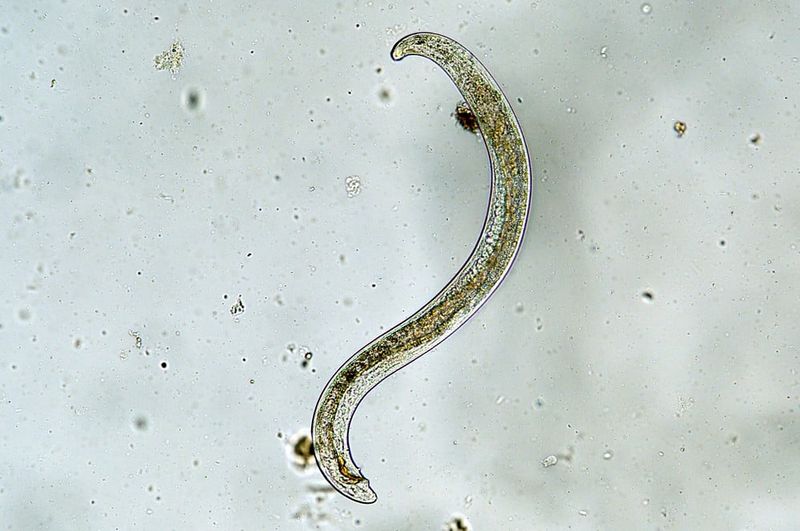
Beneficial nematodes are microscopic allies against garden pests. They live in soil, targeting root-feeding insects.
Introduce them to your garden to reduce pest populations naturally. They are safe for plants and non-target organisms.
Their presence strengthens your garden’s pest defense. They are a sustainable and effective solution for soil health.
16. Solution 3: Neem Oil Sprays
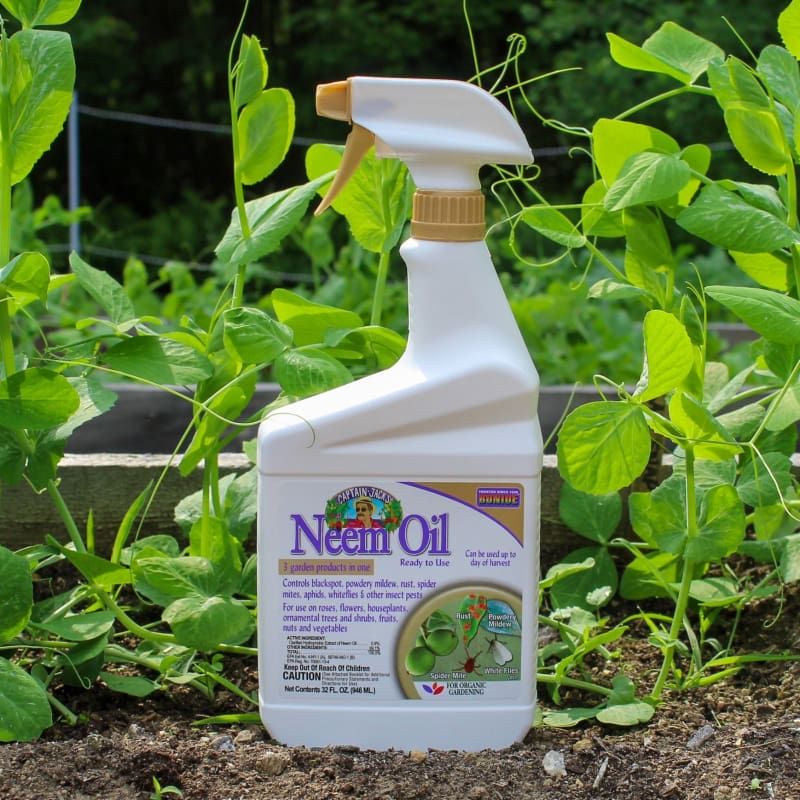
Neem oil is a versatile tool in organic gardening. It disrupts pest life cycles, reducing their impact.
Apply it carefully to affected areas. This ensures effective pest control without harming beneficial insects.
Neem oil is a natural, eco-friendly option. It complements other strategies, creating a balanced approach to pest management.
17. Solution 4: Diatomaceous Earth
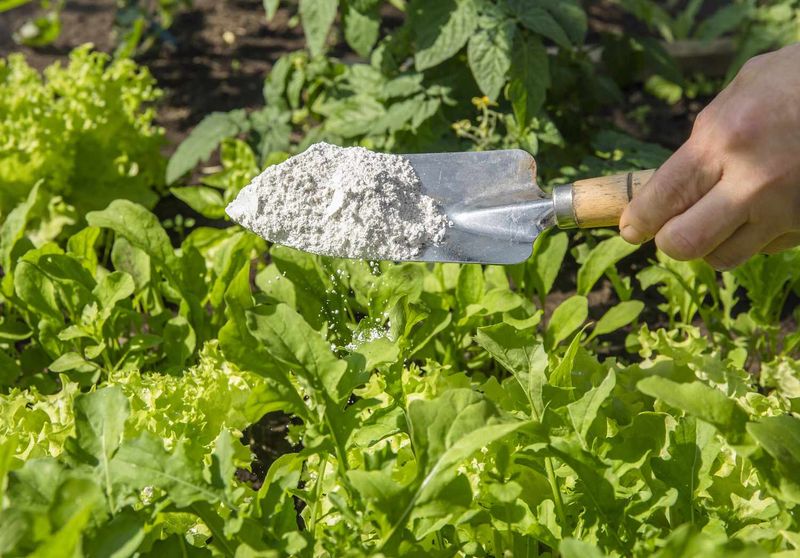
Diatomaceous earth is a natural pest deterrent. Made from fossilized algae, it’s harmless to humans but lethal to insects.
Dust it around plant bases for effective pest control. It’s especially useful against slugs and beetles.
This non-toxic solution supports a healthy garden environment. Its versatility makes it a valuable addition to pest management strategies.
18. Solution 5: Attracting Predatory Birds
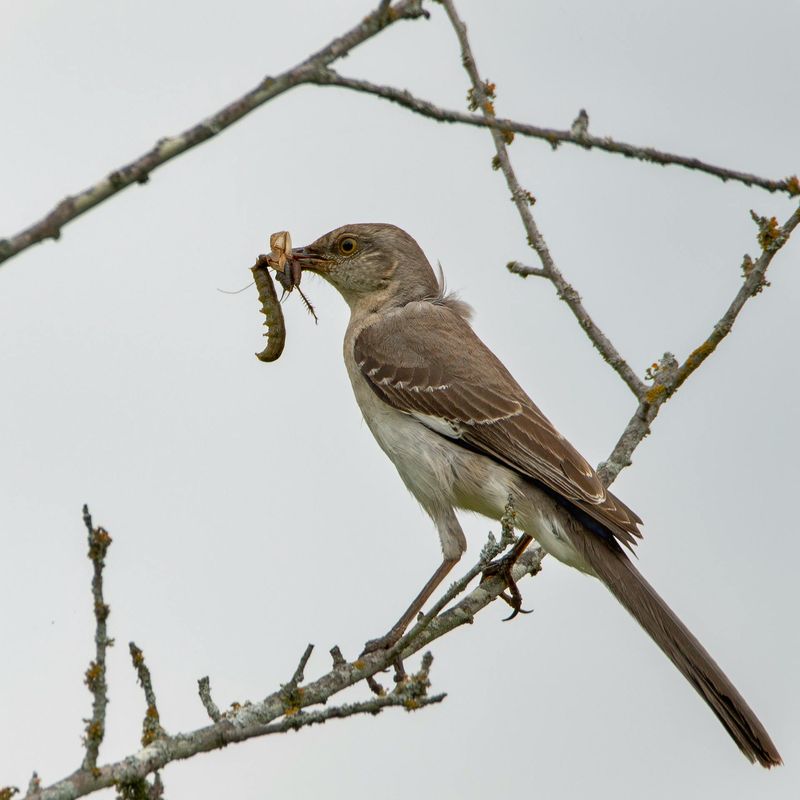
Predatory birds are effective natural pest controllers. They prey on insects, reducing their numbers.
Attract birds by providing food, water, and nesting sites. This encourages them to settle in your garden.
Birds add a dynamic layer to pest management. Their presence enhances biodiversity and garden vitality.
19. Solution 6: Manual Pest Removal
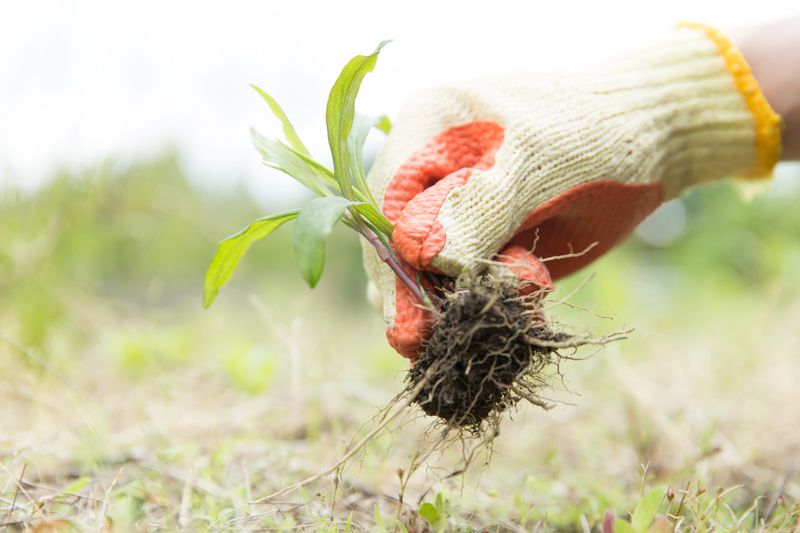
Handpicking pests may seem old-fashioned but is effective. Regularly inspecting plants prevents infestations.
Remove pests gently, using tools like tweezers if needed. This method ensures precise control without chemicals.
Manual removal is time-consuming but rewarding. It provides insight into your garden’s health and fosters a hands-on connection.
20. Solution 7: Mulching for Pest Prevention
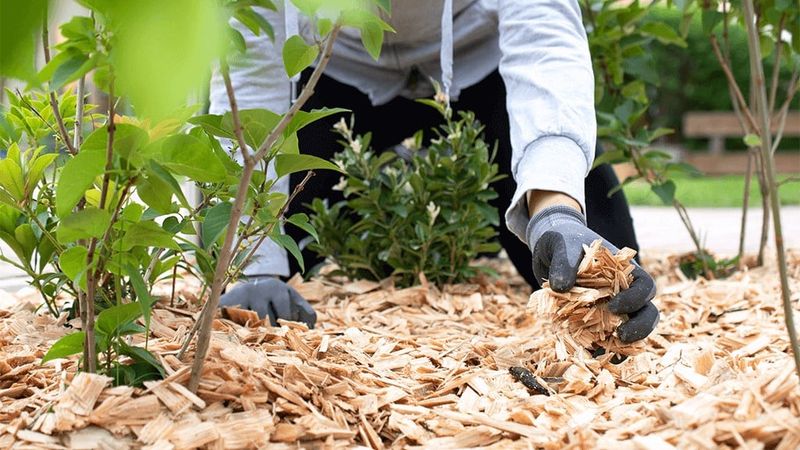
Mulching serves multiple purposes, including pest prevention. It creates a barrier, deterring soil-borne insects.
Use organic mulch like straw or wood chips. It enriches soil as it breaks down, supporting plant health.
This simple technique contributes to a resilient garden. Mulch is an ally in pest control and soil enhancement.