 Complete Gardening
July is the perfect month to plant vegetables that will feed your family throughout the winter. Not only do these vegetables thrive in the cooling temperatures, but they also provide essential nutrients when fresh produce is scarce. From leafy greens to vibrant root vegetables, this selection will ensure your meals are both healthy and delicious. Embrace the gardening season and prepare for a bountiful winter harvest with these 17 exceptional vegetables.
1. Kale
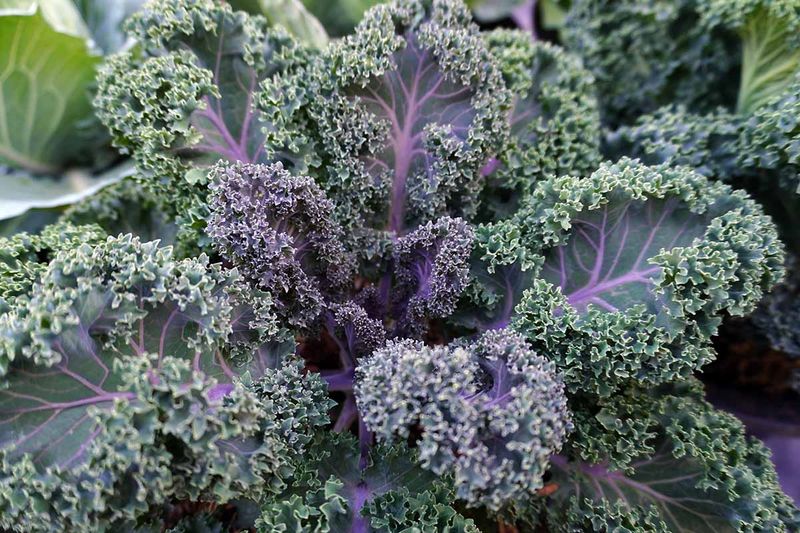
Kale, a leafy green powerhouse, thrives when planted in July. Its robust nature and frost tolerance make it a winter staple. Known for its rich nutrient content, kale adds a healthy punch to any meal. Imagine a chilly day with a bowl of steaming kale soup, a comfort like no other. Its deep green leaves stand resilient against the cold, offering a refreshing crunch in salads. With a history rooted in the Mediterranean, kale’s versatility in dishes is unmatched. Planting kale ensures your garden remains vibrant all winter long, providing sustenance and flavor.
2. Brussels Sprouts
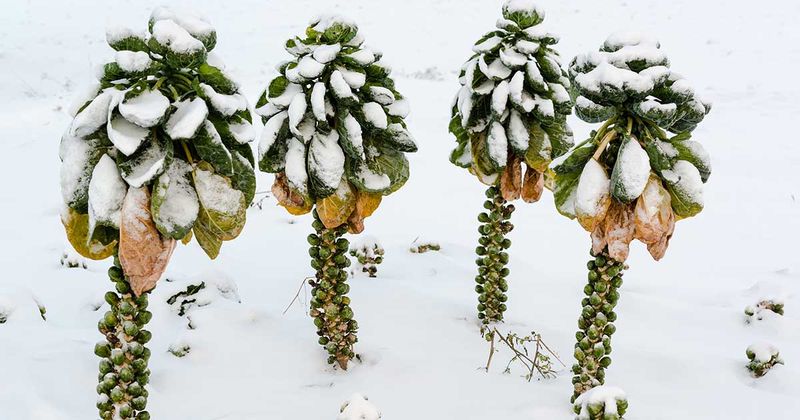
Brussels sprouts, with their unique mini-cabbage appearance, thrive when planted mid-summer. Their hearty flavor develops best after frost, making them a winter favorite. Picture a holiday feast with roasted Brussels sprouts, their crispy edges adding a delightful crunch. These vegetables flourish in cooler temperatures, standing tall against winter’s chill. Originating in Belgium, they have become a beloved dish worldwide. Their compact size and robust taste make them a versatile addition to any meal. Planting Brussels sprouts will ensure your winter table is never dull.
3. Carrots
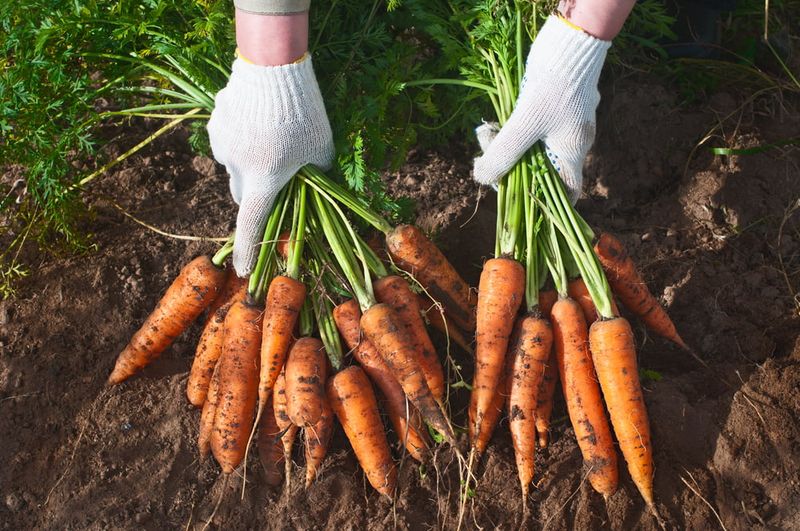
Carrots, known for their sweet and earthy flavor, are an excellent choice for July planting. Their roots develop well in the cool autumn soil, resulting in a crisp texture. Envision pulling a bright orange carrot from the earth, its color a beacon in the winter garden. Carrots have been cultivated since antiquity, loved for their versatility in cooking. Whether in a comforting stew or fresh as a snack, their presence is always welcome. By planting carrots in July, you secure a constant supply of this nutritious root vegetable through the cold months.
4. Beets
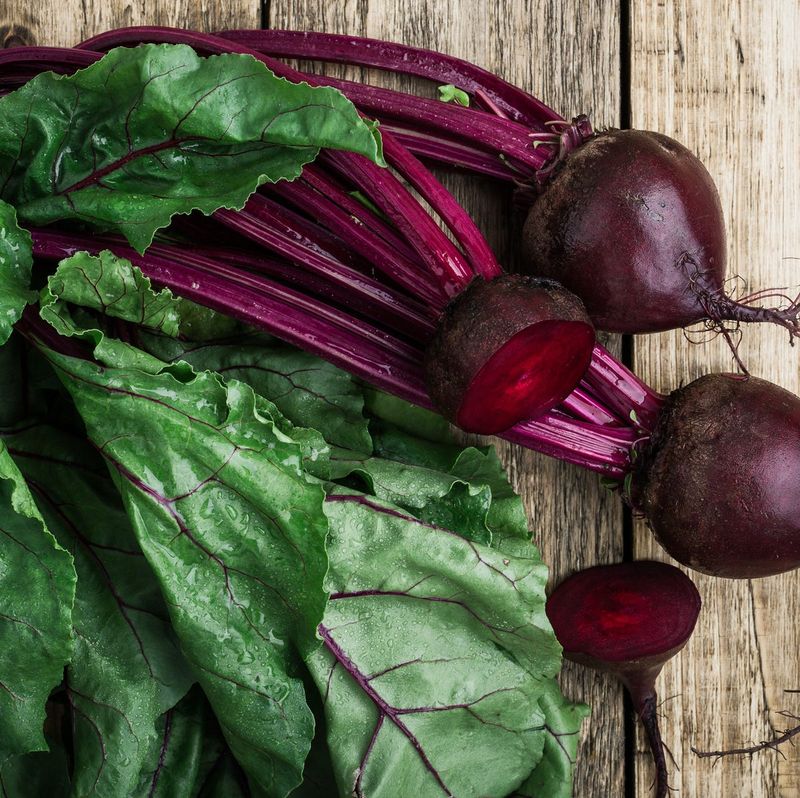
Beets, with their striking color and sweet taste, are ideal for July planting. Their vibrant roots mature in the cool soil, adding warmth to winter dishes. Picture a hearty beet salad, its earthy tones complemented by creamy cheese and nuts. Beets thrive in cooler weather, their deep color hinting at a rich nutrient profile. Historically, they have been a staple in diets across Europe and Asia. With both roots and greens being edible, beets offer versatility in the kitchen. Planting them ensures your winter meals are both colorful and nourishing.
5. Turnips
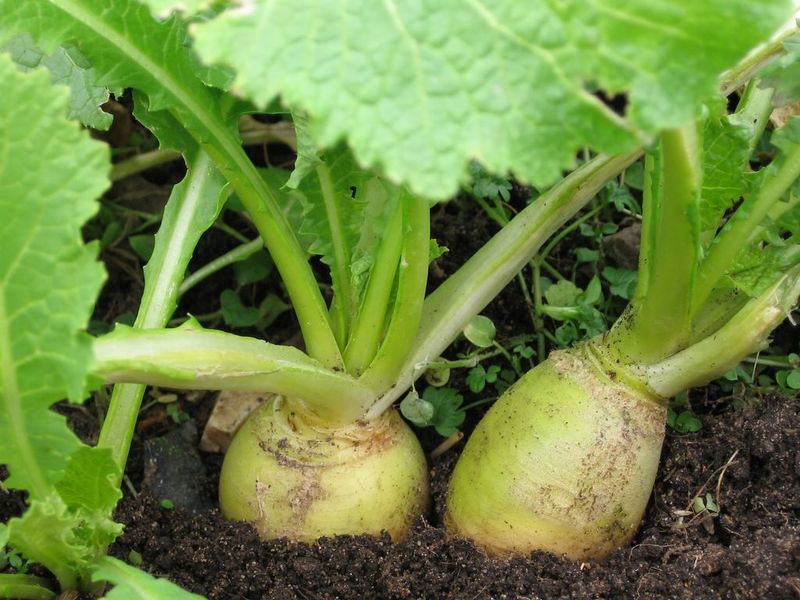
Turnips, a root vegetable with a subtly spicy flavor, are perfect for July gardens. Their ability to grow in cool conditions makes them a winter favorite. Imagine a savory turnip mash, paired with roasted meats on a chilly evening. Turnips have been cultivated for centuries, valued for both their roots and nutritious greens. Their resilience in adverse weather ensures they provide sustenance through the winter months. Originally from the Mediterranean, turnips have found a place in diverse cuisines worldwide. Planting them guarantees a robust winter kitchen.
6. Radishes

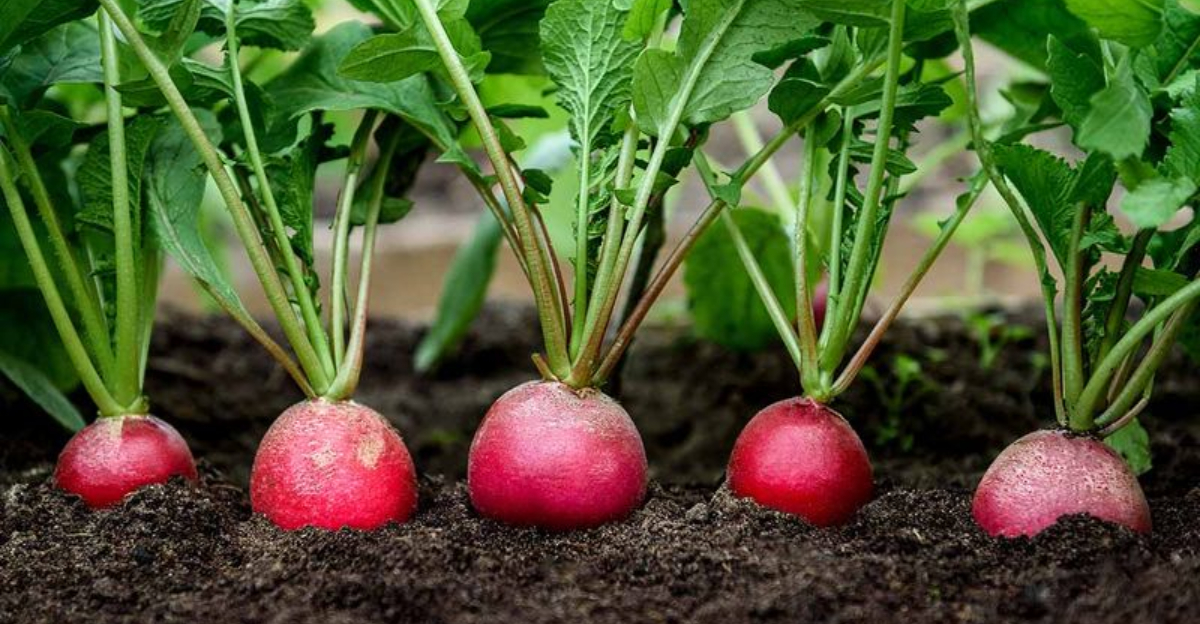
Radishes, with their peppery kick, are a delightful addition to any fall garden. When planted in July, they mature quickly, offering a fresh harvest before winter. Think of a crisp radish slice atop a buttered bread, its spice cutting through the richness. These small but mighty roots are perfect for adding zing to salads and cold dishes. Radishes have a storied history, enjoyed since ancient times for their unique taste and health benefits. Planting radishes will ensure your meals have a lively touch, even as the days grow shorter.
7. Cabbage
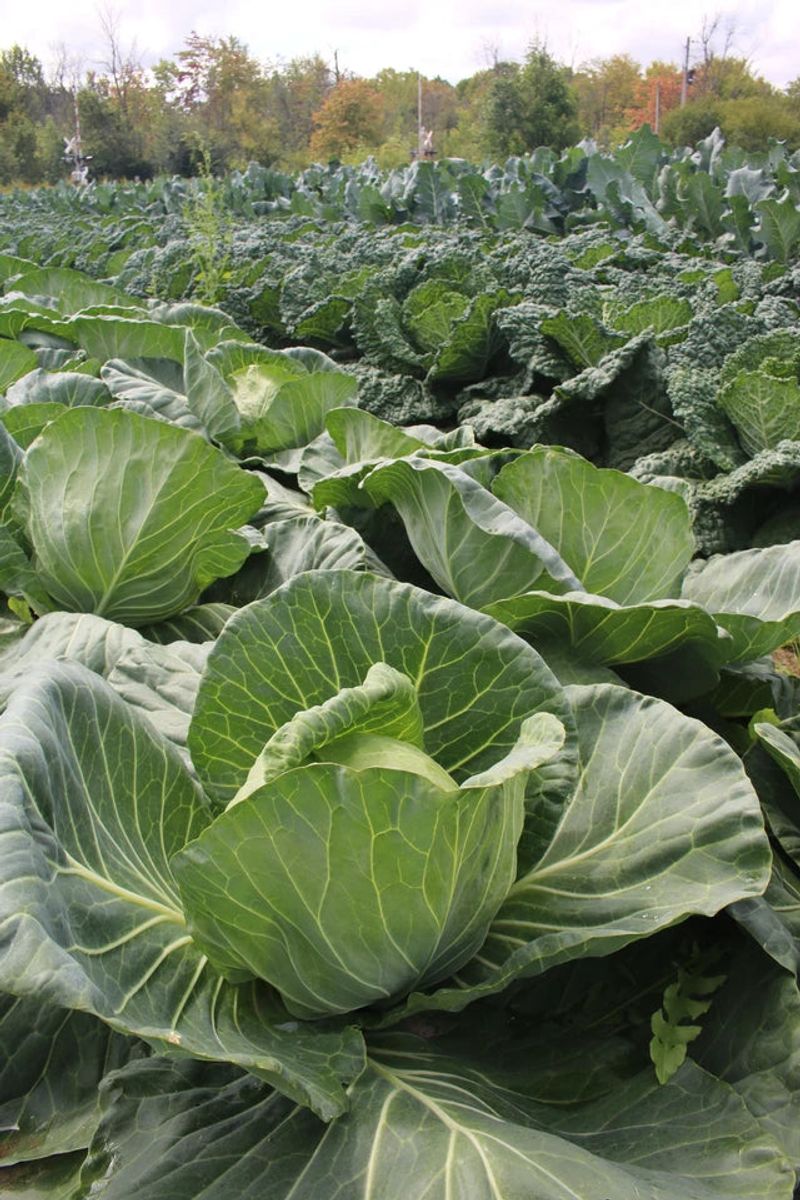
Cabbage, with its robust heads and crunchy texture, is a staple for winter meals. Planting in July allows the cool weather to enhance its sweet flavor. Picture a warm cabbage stew on a frosty night, its comforting aroma filling the kitchen. Cabbage is known for its versatility, whether in slaws, soups, or fermented as sauerkraut. With origins in Europe, it has been a dietary mainstay for millennia. Its hardy nature ensures a dependable harvest even in harsh conditions. By planting cabbage, you’ll enjoy its nutritious benefits all winter long.
8. Broccoli
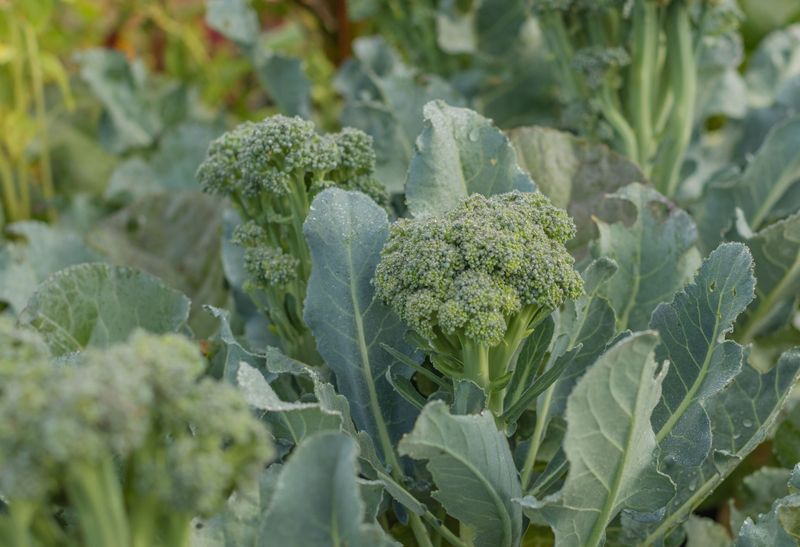
Broccoli, known for its tree-like appearance, is ideal for July planting to extend your vegetable season into winter. Its nutrient-rich florets are perfect in stir-fries or as a simple side dish. Imagine a steaming plate of broccoli, vibrant and full of flavor, on a cold evening. Broccoli thrives in cool temperatures, and its crisp texture is a joy in meals. With a history dating back to ancient Rome, it continues to be a nutritious favorite. Planting broccoli ensures you have a steady supply of this green gem throughout the cold months.
9. Cauliflower
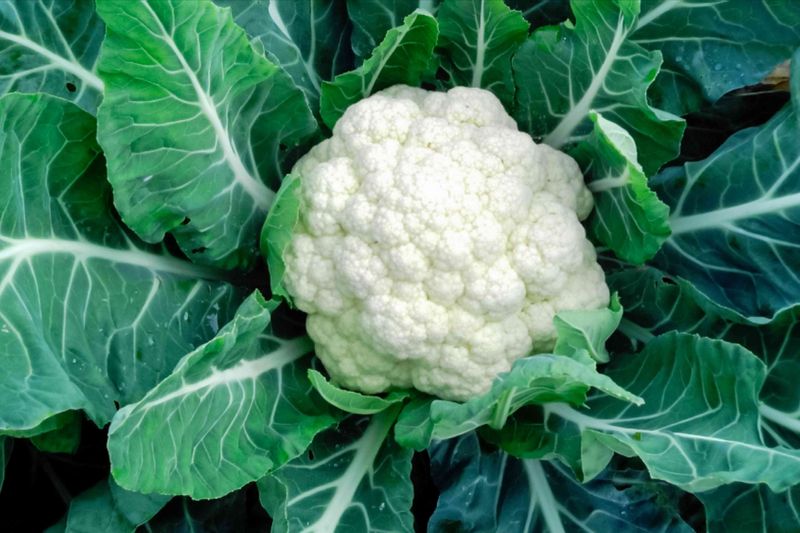
Cauliflower, with its delicate flavor and versatile nature, thrives when planted in July. As temperatures drop, its heads develop a sweet, nutty taste. Picture a bowl of creamy cauliflower soup, warming you from the inside on a winter’s day. Cauliflower’s adaptability shines in various dishes, from mashed sides to roasted florets. Originating from the Mediterranean, it has become a global favorite. Its ability to withstand cold makes it an excellent winter crop. By planting cauliflower, you’ll enjoy its culinary versatility through the chilly season.
10. Collard Greens

Collard greens, with their sturdy leaves and rich flavor, are perfect for a July garden. Their ability to withstand frost enhances their taste, making them a winter staple. Imagine a pot of simmering collard greens, filling the home with a hearty aroma. These greens have a rich history, particularly in Southern cuisine, where they are a beloved side dish. Packed with nutrients, collard greens offer both health and flavor. Planting them ensures your winter meals are wholesome and satisfying, bringing a touch of the South to your table.
11. Swiss Chard
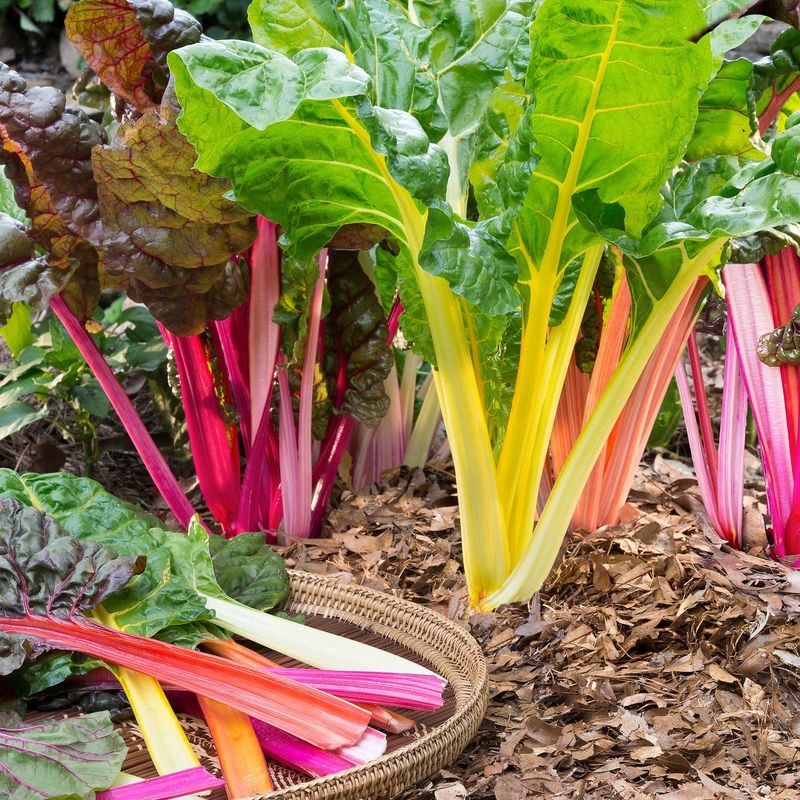
Swiss chard, with its striking colors and mild taste, is a gardener’s delight. Planting in July allows it to mature as the weather cools. Envision a dish adorned with rainbow chard, its stems adding a pop of color on a dreary day. Swiss chard is versatile, whether sautéed, added to soups, or as a salad base. Its origins trace back to the Mediterranean, and it remains a staple in many cuisines. Known for its nutritional benefits, planting Swiss chard ensures a vibrant and healthy harvest throughout the winter months.
12. Parsnips
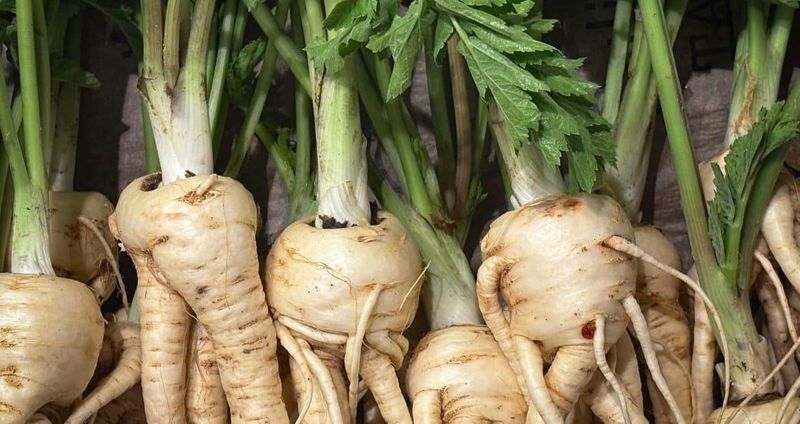
Parsnips, with their sweet and nutty flavor, become even more delicious after frost. When planted in July, they develop beautifully in the cool soil. Picture roasted parsnips, their caramelized edges offering a taste of warmth on a winter’s night. Parsnips have been cultivated since Roman times, cherished for their unique taste and versatility. Whether in soups or as a side dish, they add a delightful twist to meals. By planting parsnips, you ensure a steady supply of this underrated root vegetable throughout the frosty months.
13. Leeks
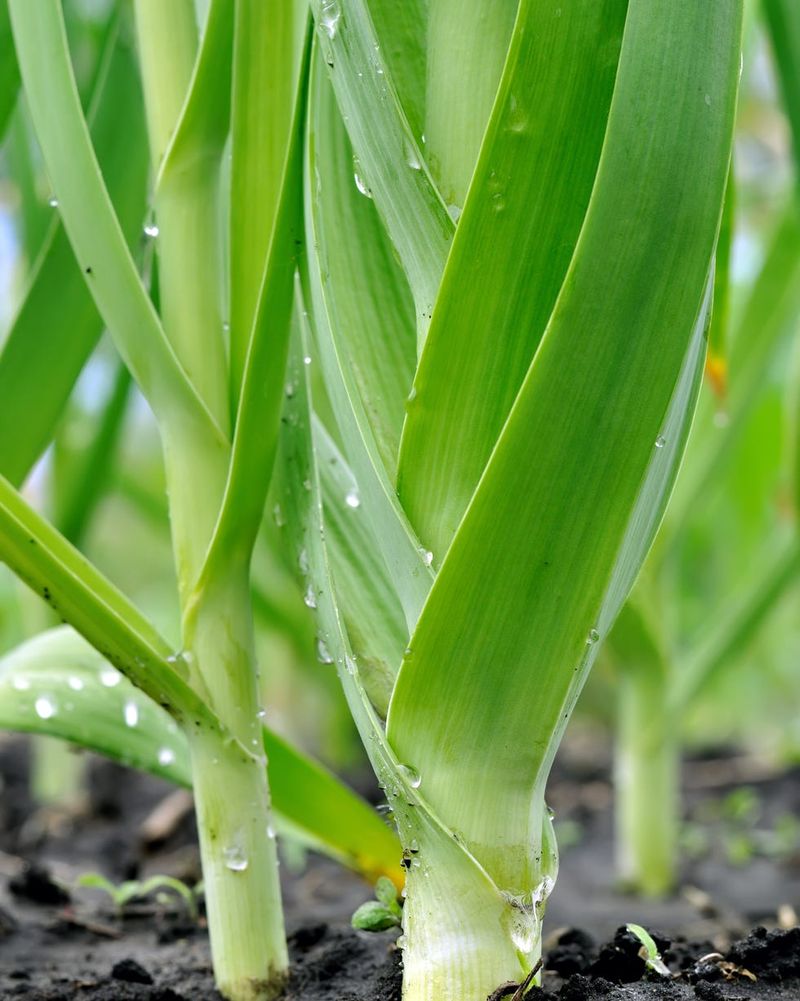
Leeks, with their mild onion-like taste, are perfect for July planting. As the weather cools, they develop a sweeter flavor, ideal for winter recipes. Imagine a creamy leek and potato soup, providing warmth and comfort on a cold day. Leeks have been a part of European cuisine for centuries, valued for their subtle yet distinct taste. Their tall, green stalks stand resilient in the garden, promising a hearty harvest. By planting leeks, you bring both flavor and nutrition to your winter dishes, ensuring your table is never bland.
14. Spinach
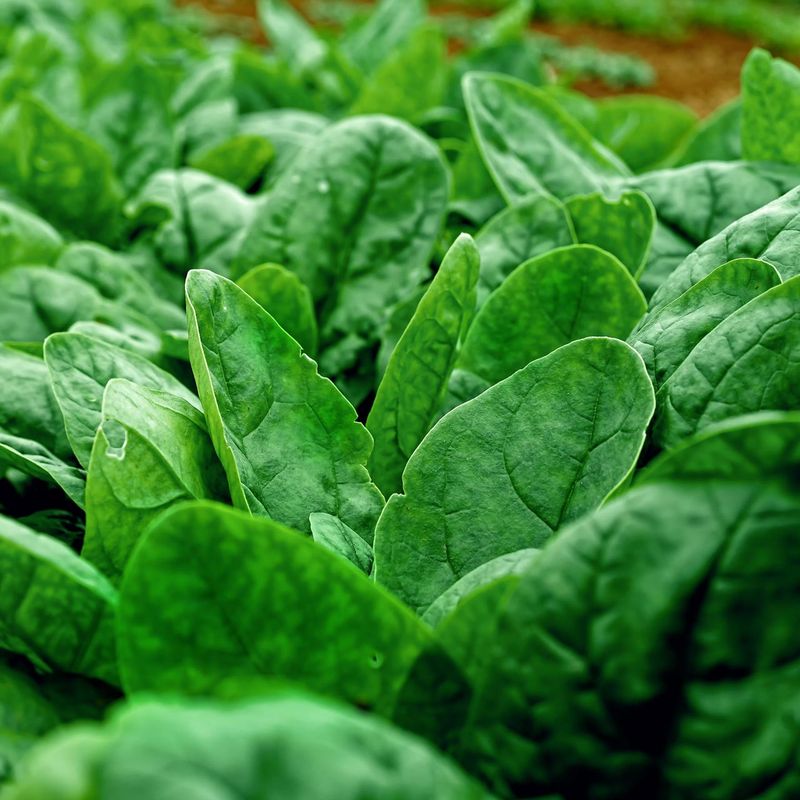
Spinach, a nutrient-packed leafy green, thrives when planted in July’s warmth. As the days cool, it becomes sweeter, perfect for winter dishes. Imagine fresh spinach leaves in a warming stew, their green hue adding vibrancy. Spinach is beloved for its versatility, whether in salads, smoothies, or cooked dishes. Its history stretches back to ancient Persia, and it continues to be a dietary staple worldwide. Planting spinach ensures a steady supply of this superfood through the winter months, keeping your meals balanced and nutritious.
15. Mustard Greens

Mustard greens, known for their peppery flavor, are a bold addition to any fall garden. When planted in July, they thrive in cooling temperatures, enhancing their taste. Picture a plate of mustard greens, their spice adding excitement to a winter meal. These greens have been enjoyed for centuries, particularly in Asian and Southern cuisines. Their resilience in cold weather makes them an ideal winter crop. By planting mustard greens, you ensure your meals have a zesty kick, warming you from the inside out during the cold season.
16. Bok Choy
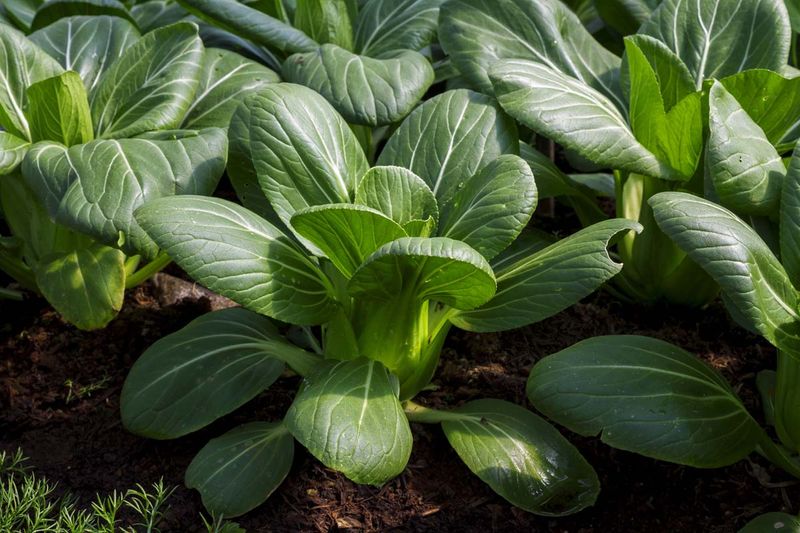
Bok choy, with its crisp texture and mild taste, is perfect for July planting. As the weather cools, its stalks remain tender and flavorful, ideal for winter stir-fries. Imagine a steaming bowl of bok choy stir-fried with garlic, a comfort on chilly evenings. Originating from China, bok choy is a staple in Asian dishes, loved for its versatility. Its ability to grow in cool conditions makes it a reliable winter vegetable. By planting bok choy, you ensure your meals are enriched with this delightful green throughout the cold months.
17. Mâche (Corn Salad)
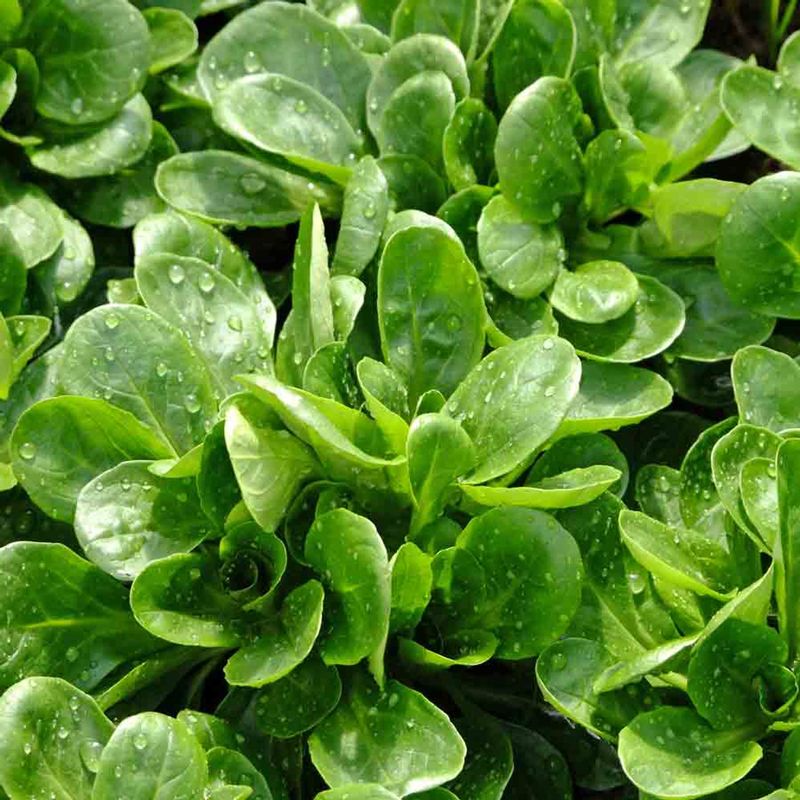
Mâche, also known as corn salad, is a delightful addition to any fall garden. With its tender, nutty leaves, it thrives in the cool temperatures of autumn. Planting Mâche in July ensures a robust harvest by late fall.
This green is not only tasty but also rich in vitamins, making it a nutritious choice for winter meals. Its compact growth allows it to fit in small garden spaces.
Interestingly, Mâche was once foraged by European peasants, earning it the nickname “lamb’s lettuce.” Its resilience and flavor make it a must-try for home gardeners.