
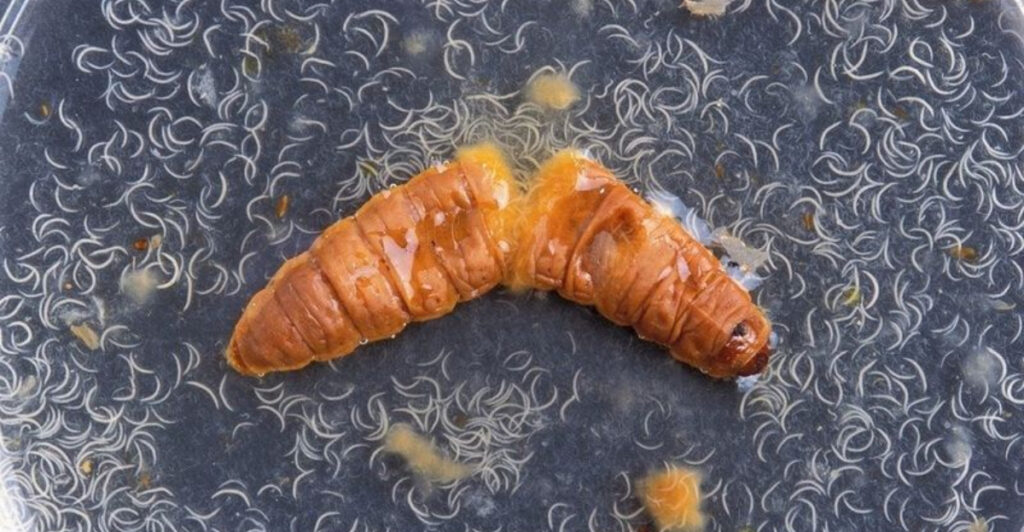
Root-knot nematodes are microscopic worms that can cause significant damage to plants. Controlling them organically is vital for maintaining a healthy garden without resorting to chemical pesticides. This guide explores 17 natural methods to manage and eliminate these pests, ensuring your plants thrive naturally.
1. Solarization
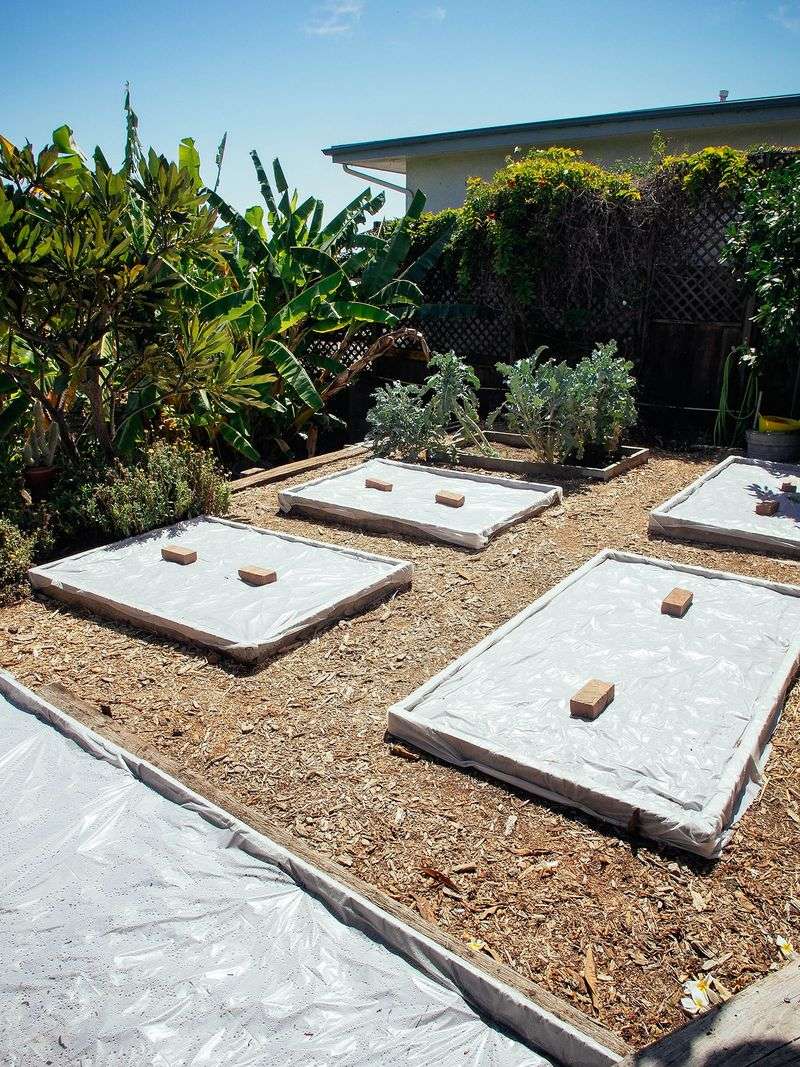
Harness the sun’s power to combat nematodes by solarizing your garden soil. Covering the soil with clear plastic during the hottest months traps heat, raising the temperature to levels lethal to nematodes.
This technique not only eradicates nematodes but also suppresses weeds and other soil-borne pests. Ensure the plastic is sealed tightly around the edges to maximize efficiency. This method is especially effective in regions with long, hot summers.
It’s a simple yet powerful way to purify your garden soil and create a welcoming environment for your plants.
2. Crop Rotation
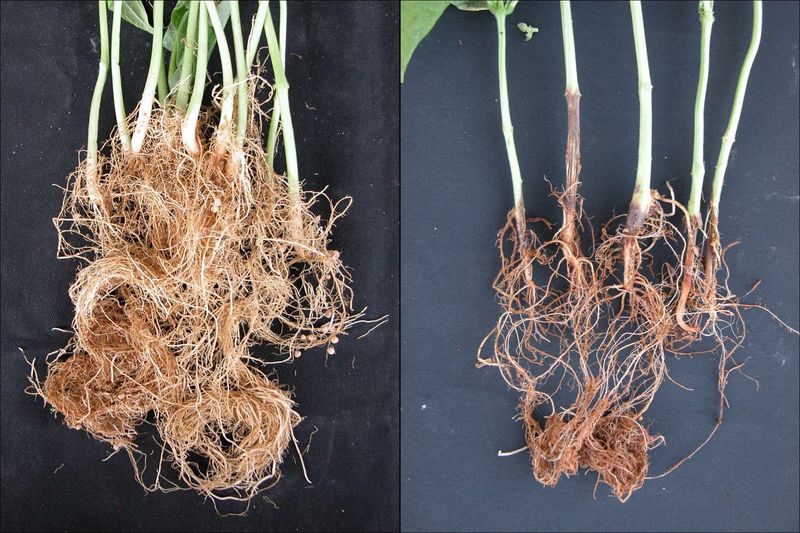
Rotate your crops regularly to outsmart nematodes. By changing the types of plants in a given area, you disrupt the nematodes’ lifecycle and reduce their population.
This strategy works best when you know which plants nematodes favor and switch to those they dislike. Not only does crop rotation help with nematode control, but it also improves soil fertility and reduces disease.
It’s an age-old farming practice that continues to offer numerous benefits, making it a cornerstone of organic gardening.
3. Marigold Planting
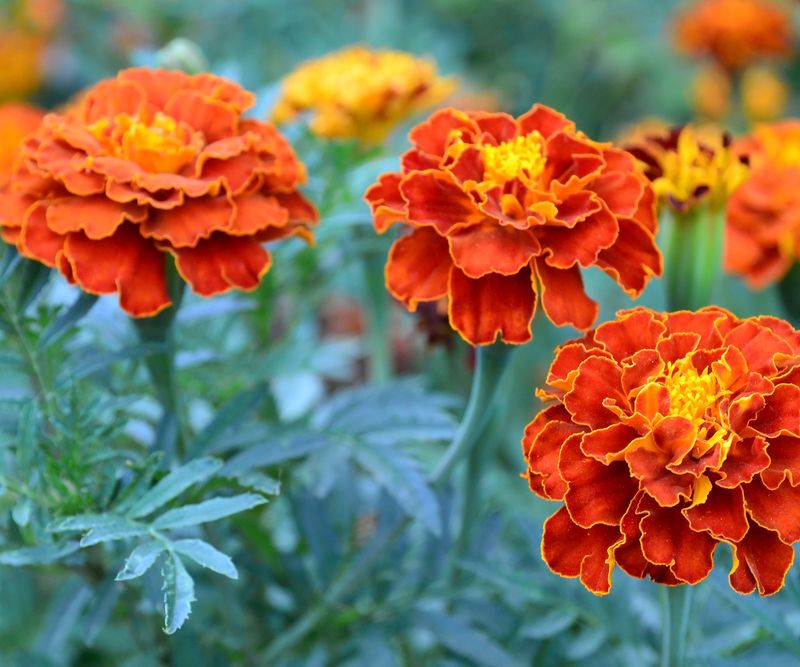
The vibrant marigold is more than just a pretty face in the garden. Known for its nematode-repelling properties, marigolds can be strategically planted to protect your crops.
Their roots release compounds that deter nematodes, creating a natural barrier around your precious plants. Choose varieties known for their effectiveness, such as French marigolds, and plant them densely for the best results.
Integrating marigolds into your garden not only adds beauty but also serves as a natural defense mechanism.
4. Neem Cake Application
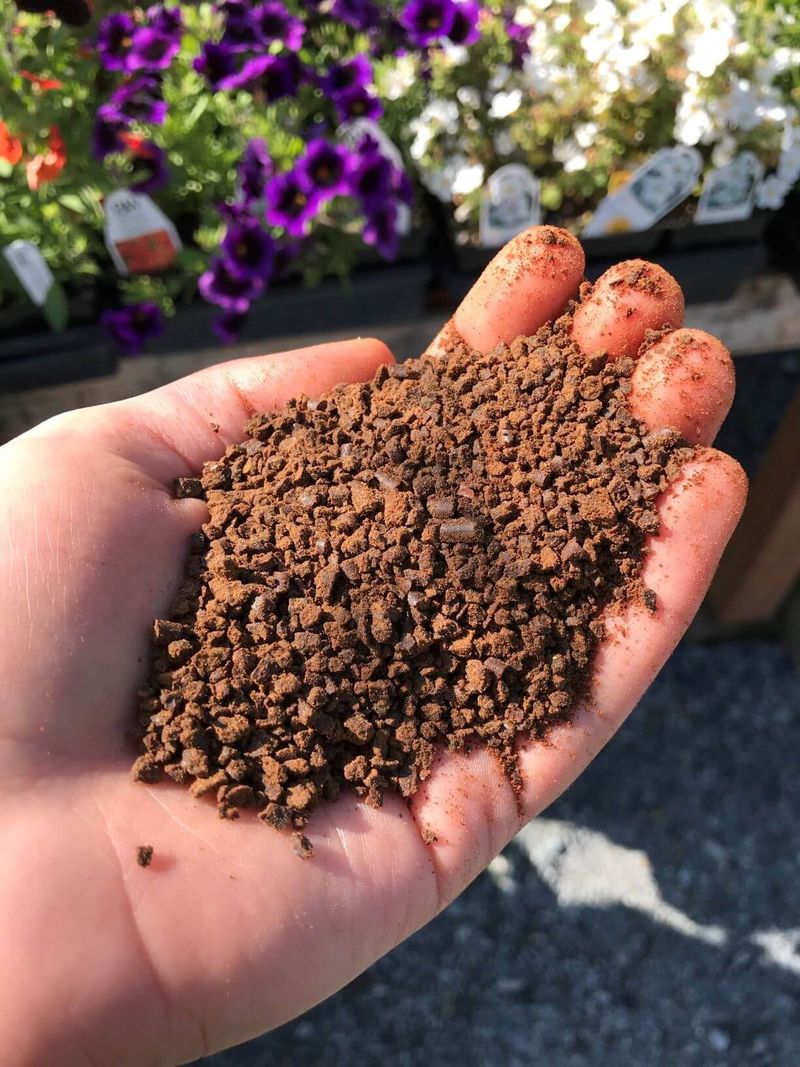
Neem cake, a byproduct of neem oil extraction, is a potent organic option against nematodes. Rich in nutrients, it also enhances soil fertility while controlling pests.
Incorporate neem cake into your soil to create a hostile environment for nematodes. Its natural compounds disrupt the pests’ growth and reproduction cycles, making it an effective long-term solution.
Neem cake’s dual role as a fertilizer and pest control agent makes it a valued addition to any organic garden.
5. Composting
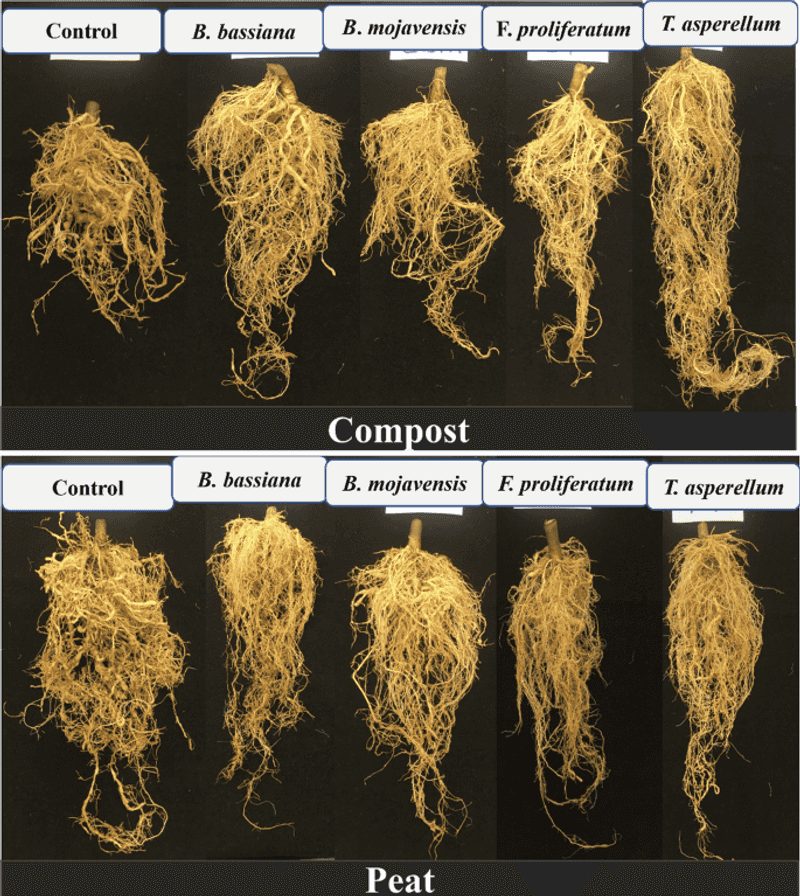
Composting is a gardener’s ally in the fight against nematodes. A rich compost can boost your soil’s health and resilience, making it less hospitable to these pests.
By regularly adding well-decomposed compost to your garden, you improve its texture and nutrient content. Healthy soil supports robust plants that can resist nematode attacks.
Composting not only recycles waste but also promotes a balanced ecosystem in your garden, naturally reducing pest problems.
6. Beneficial Nematodes
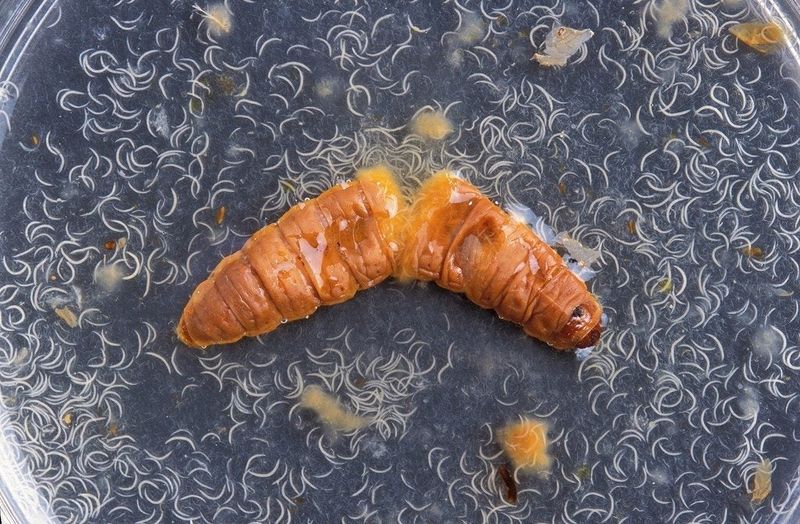
Not all nematodes are foes. Beneficial nematodes can be your allies, preying on root-knot nematodes and other soil pests.
Introduce these microscopic helpers into your garden to naturally reduce harmful nematode populations. They are easy to apply and pose no threat to plants or humans.
Harnessing the power of nature, beneficial nematodes offer a targeted approach to pest management, enhancing your garden’s health and productivity.
7. Organic Mulching
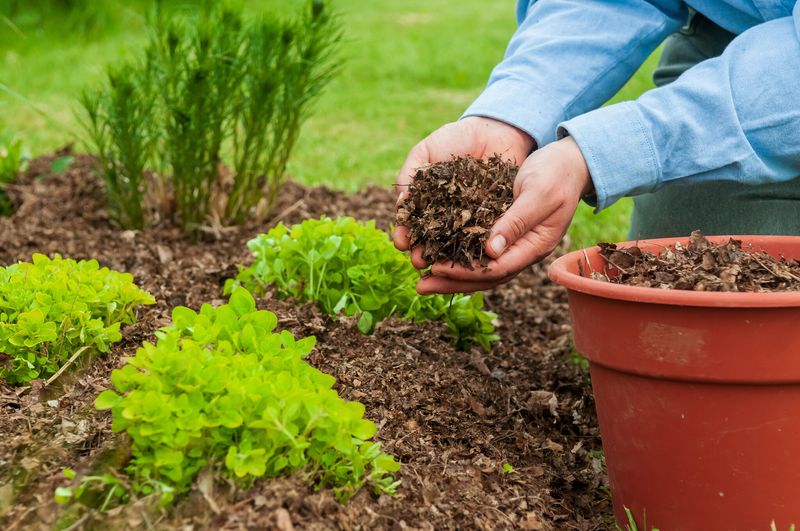
Mulching with organic materials like straw or wood chips can protect your plants from nematodes. A thick layer of mulch acts as a barrier, preventing nematodes from reaching plant roots.
This method also conserves moisture and regulates soil temperature, promoting healthy plant growth. As the mulch breaks down, it enriches the soil with organic matter.
Organic mulching is a straightforward, effective strategy to shield your garden from nematode damage while enhancing soil quality.
8. Biofumigation

Biofumigation involves growing specific plants like mustard or radish, then incorporating them into the soil to release natural toxins.
These compounds suppress nematodes and other pests, offering a chemical-free alternative to soil sterilization. It’s crucial to choose the right plants and timing for incorporation to maximize effectiveness.
This innovative technique combines pest control with soil enrichment, making it a valuable tool in organic gardening.
9. Garlic Extract

Garlic isn’t just for the kitchen; its potent compounds can deter nematodes in the garden.
Create a garlic extract by blending cloves with water, then apply it to the soil. The sulfur compounds in garlic interfere with nematodes’ ability to thrive.
This natural remedy offers a fragrant and effective way to protect your plants, turning a culinary staple into a gardening ally.
10. Soil Solarization
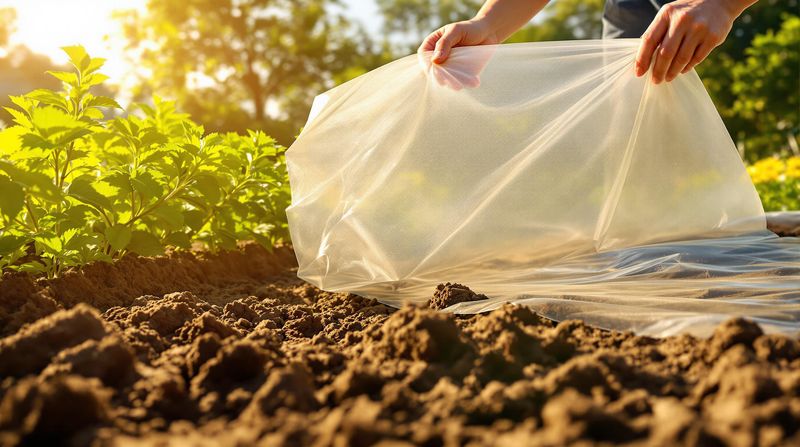
Soil solarization is a powerful technique to combat nematodes. By trapping solar heat under clear plastic, soil temperatures rise to levels that kill nematodes and other pathogens.
This eco-friendly method requires a few weeks of sunny weather to be effective. It’s a simple way to cleanse your soil and ensure a healthier growing environment.
Implementing soil solarization can rejuvenate your garden, making it a sanctuary for plant life.
11. Cover Cropping

Cover cropping involves planting specific crops like clover or rye to improve soil health and suppress pests.
These plants enhance soil structure and introduce beneficial organisms that naturally control nematodes. As cover crops decompose, they enrich the soil with organic matter.
Utilizing cover cropping creates a balanced ecosystem, reducing the need for chemical interventions and fostering a sustainable garden environment.
12. Organic Manures
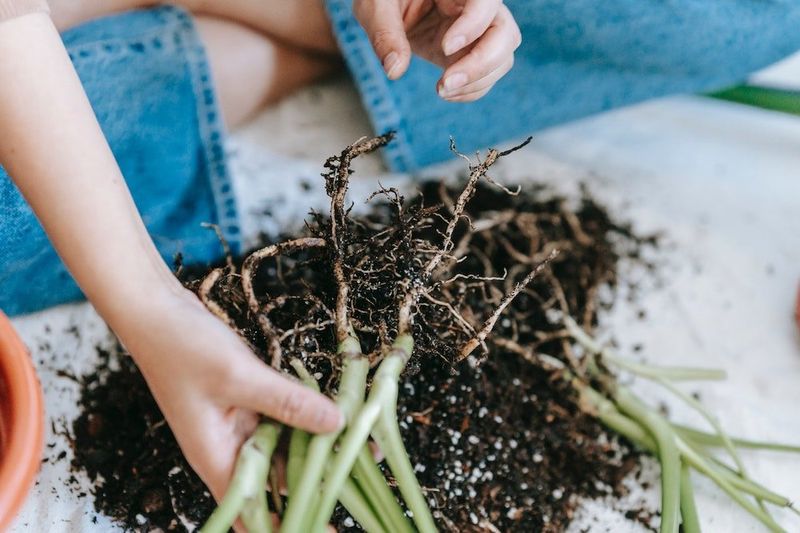
Incorporating organic manures into your soil can deter nematodes and improve plant health.
These natural fertilizers enhance soil fertility and structure, promoting robust plant growth that’s less susceptible to nematodes. Manures like cow or chicken dung introduce beneficial microbes, creating a hostile environment for pests.
Using organic manures is an age-old practice that supports a thriving, chemical-free garden.
13. Hot Water Treatment
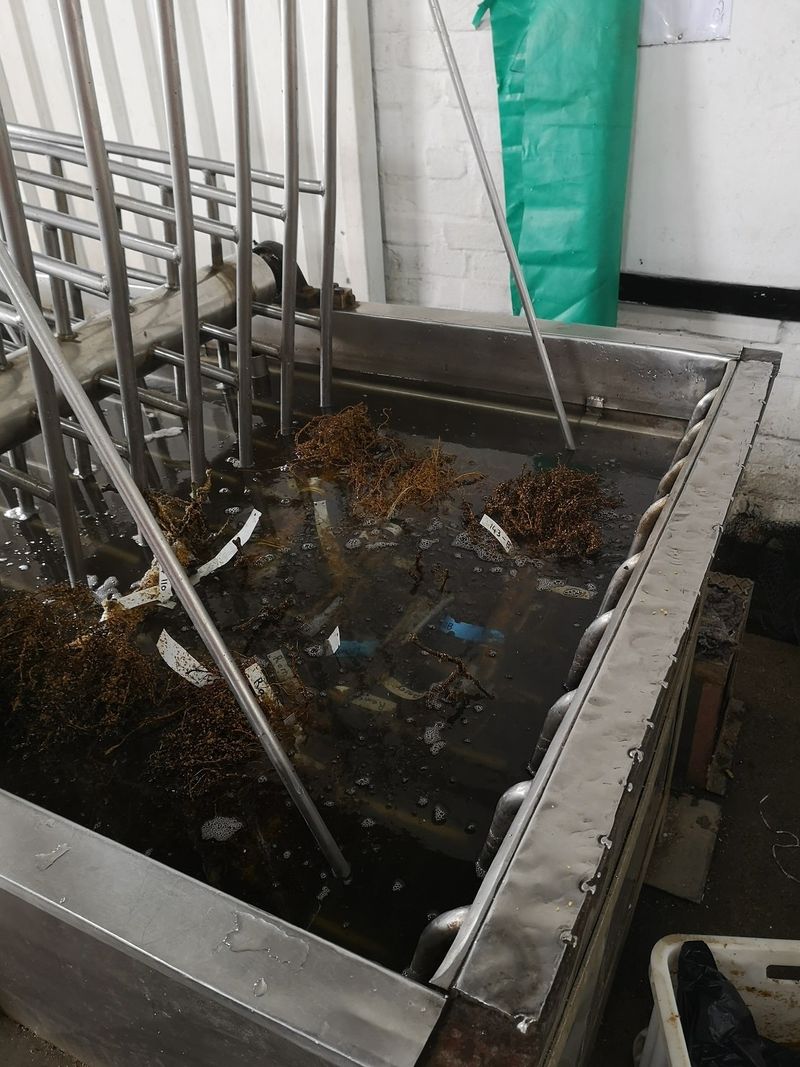
Hot water treatment offers a precise method to eradicate nematodes in potted plants.
Immerse the plant’s root ball in hot water, ensuring the temperature is carefully controlled to avoid damaging the plant. This method targets nematodes directly, reducing their numbers without chemicals.
It’s a targeted approach that requires care but can be highly effective for small-scale gardening challenges.
14. Resistant Varieties

Choosing plant varieties resistant to nematodes can prevent infestations before they start.
Research and select crops known for their resistance, providing your garden with a natural defense mechanism. This proactive strategy reduces the need for interventions and encourages a healthy growing environment.
By opting for resistant varieties, you invest in a sustainable future for your garden.
15. Root Barrier Installation
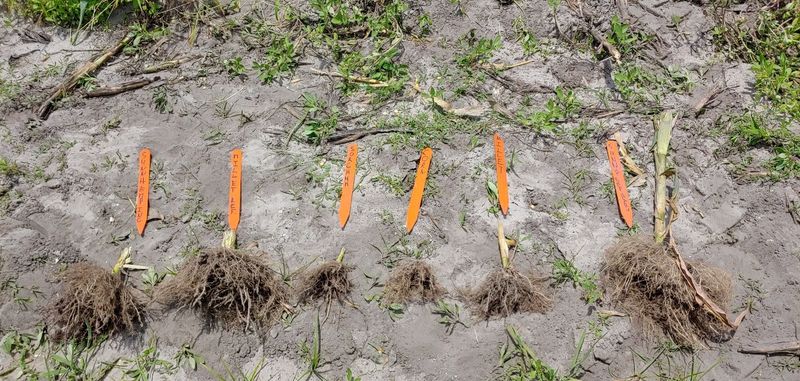
Installing root barriers can physically prevent nematodes from reaching your plants.
These barriers are made from materials that stop nematodes or redirect their path, safeguarding your crops. Root barriers are particularly useful in areas with persistent nematode issues.
Implementing this physical defense adds an extra layer of protection, ensuring your garden remains healthy and productive.
16. Organic Soil Amendments
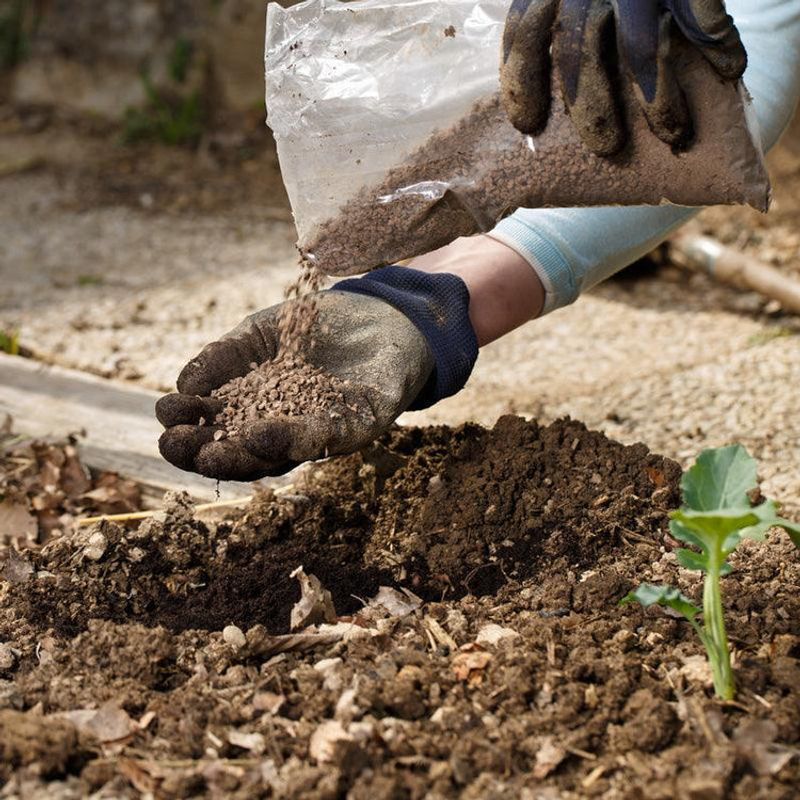
Enhancing your soil with organic amendments can foster an environment inhospitable to nematodes.
Ingredients like compost, peat, and vermiculite improve soil structure and introduce beneficial microorganisms. These amendments boost plant health, making them less vulnerable to nematode attacks.
Adopting organic soil amendments supports a vibrant, resilient garden free from chemical interventions.
17. Companion Planting
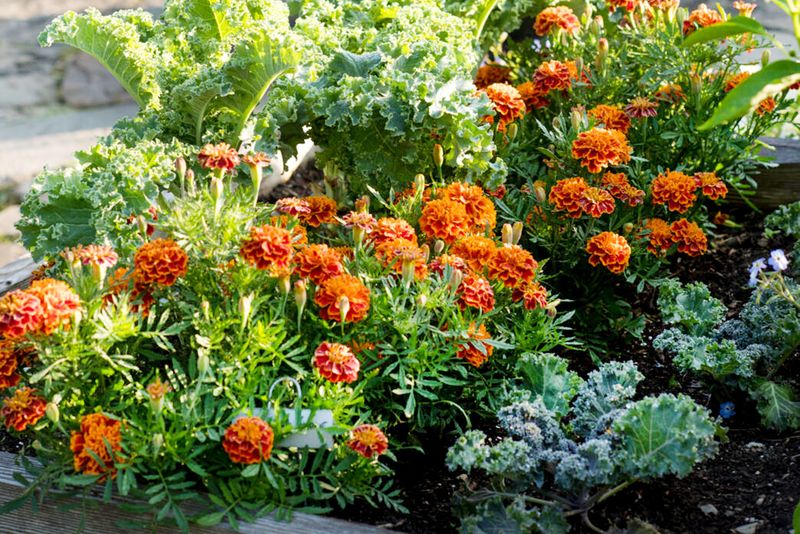
Companion planting pairs plants strategically to deter nematodes and enhance growth.
Certain plants, when grown together, can repel pests and boost each other’s health. This harmonious approach benefits the entire garden, creating a natural network of support.
Companion planting transforms your garden into a collaborative ecosystem, emphasizing the power of plant partnerships.