
Discover the secrets to thriving jasmine plants with our guide on what to avoid and master techniques that ensure abundant blooms. Uncover the common mistakes in jasmine care and the proven methods to achieve a flourishing garden filled with aromatic jasmine flowers.
1. Overwatering (Root Rot Risk!)
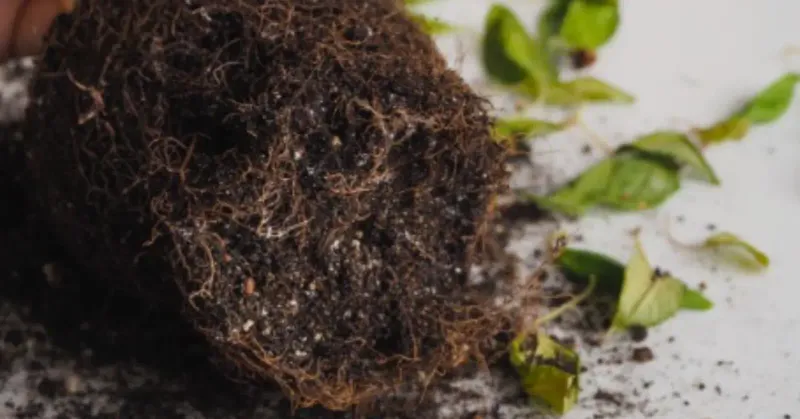
Jasmine’s charm can tempt one to overwater, but beware! This plant thrives in moist, not soggy, soil. Overwatering leads to root rot, causing more harm than good. Letting the top inch of soil dry before rehydrating can make all the difference. Imagine your jasmine as a delicate balance artist on a tightrope, needing just the right amount of moisture to stay upright and flourish.
2. Wrong Soil (Too Heavy or Alkaline)
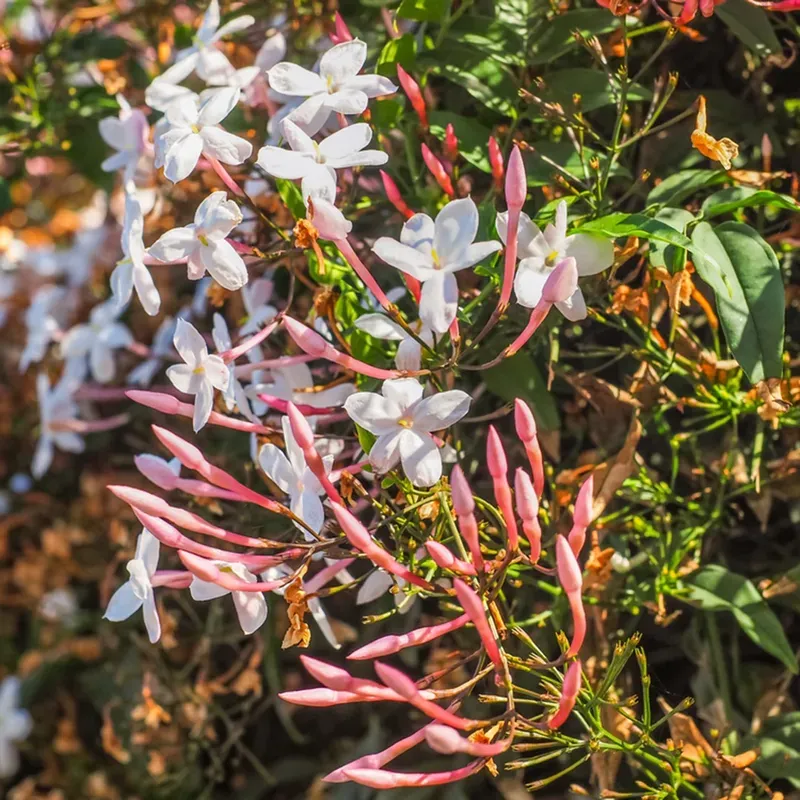
Imagine trying to breathe through a thick, woolen blanket – that’s jasmine in heavy, alkaline soil. This plant prefers a slightly acidic, well-draining environment. Using soil with pH levels between 6.0 and 7.0 can vastly improve nutrient absorption and flower production. Think of it as swapping a thick coat for a light sweater, suddenly everything feels just right.
3. Too Much Shade (Weak Blooms or No Flowers)
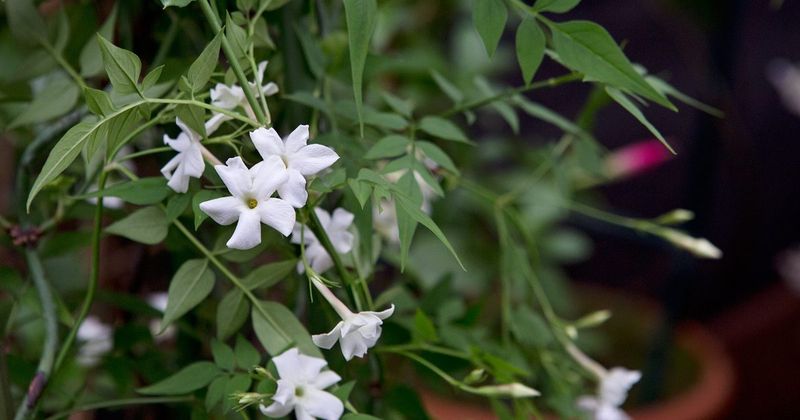
Like a sun-seeking traveler, jasmine craves light. Placed in too much shade, it weakens, producing fewer blooms. Jasmine needs 4-6 hours of sunlight; morning sun paired with afternoon shade works wonders. Moving it to a brighter spot or trimming surrounding plants can transform your jasmine into a radiant blossom of vitality.
4. Over-Fertilizing (Lush Leaves, No Flowers)
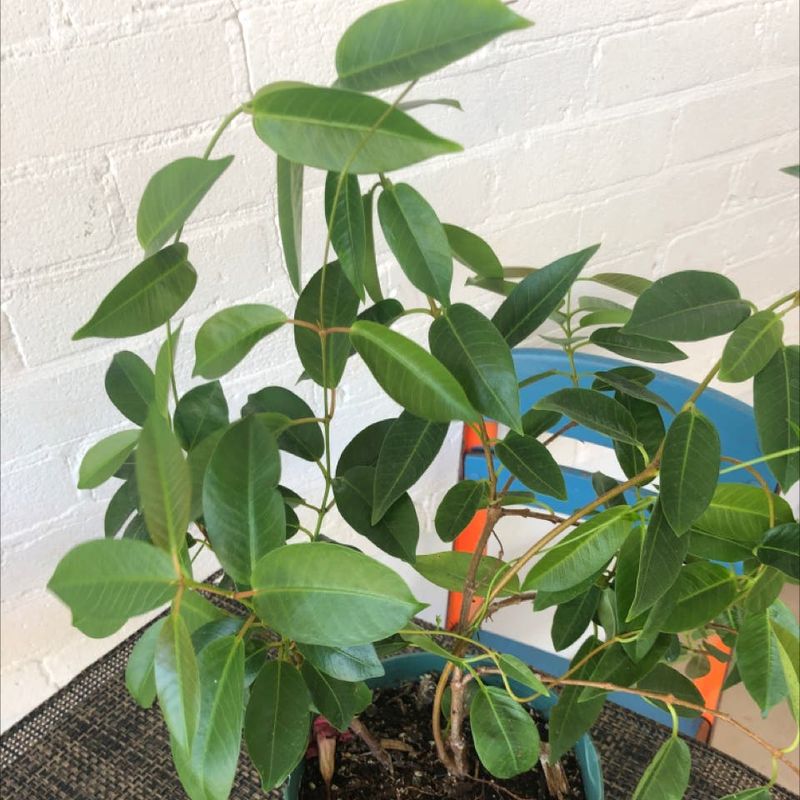
Often, the adage “less is more” applies to feeding jasmine. Excessive nitrogen fertilization leads to vigorous leaves but sparse blooms. To promote flowering, use a high-phosphorus fertilizer like 10-30-20 during growing seasons. Imagine your jasmine as an artist needing the right paint colors to create a masterpiece of blooms.
5. Pruning at the Wrong Time (Cutting Off Buds!)
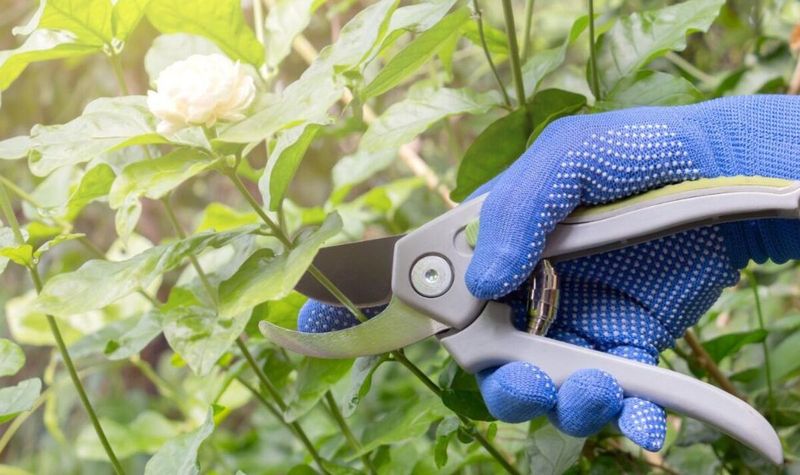
Timing is everything, especially with pruning. Prune jasmine too late, and next season’s flower buds will be history. The ideal time is right after blooming, not during fall or winter. Think of it as synchronizing a dance; get the steps wrong, and the performance falters. Get it right, and the jasmine will reward you with a spectacular floral display.
1. Give It a Winter Chill (For Some Varieties)
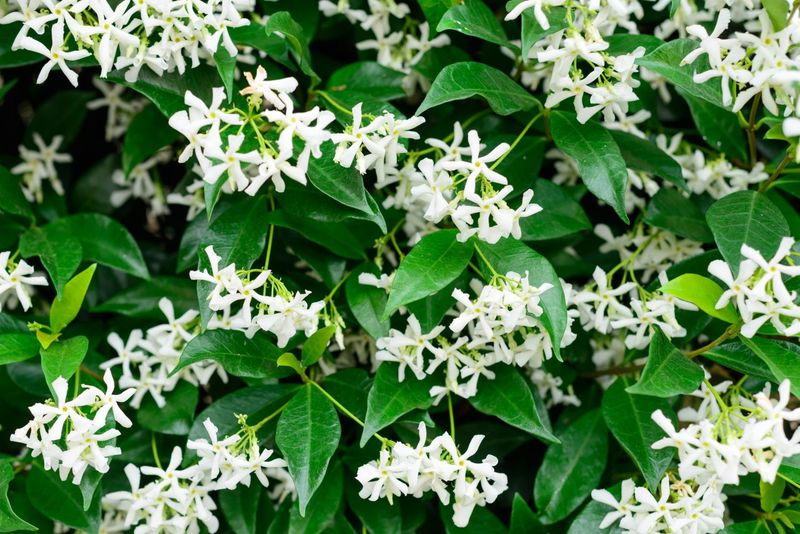
Some jasmine varieties, like star jasmine, enjoy a nip of winter to bloom come spring. Cooler temperatures around 50-60°F act as a catalyst for flowering. Picture it as a gentle nudge from nature, encouraging jasmine to store energy for a burst of springtime brilliance. It’s this winter chill that heralds those heady, fragrant blossoms.
2. Use Epsom Salt for Magnesium Boost
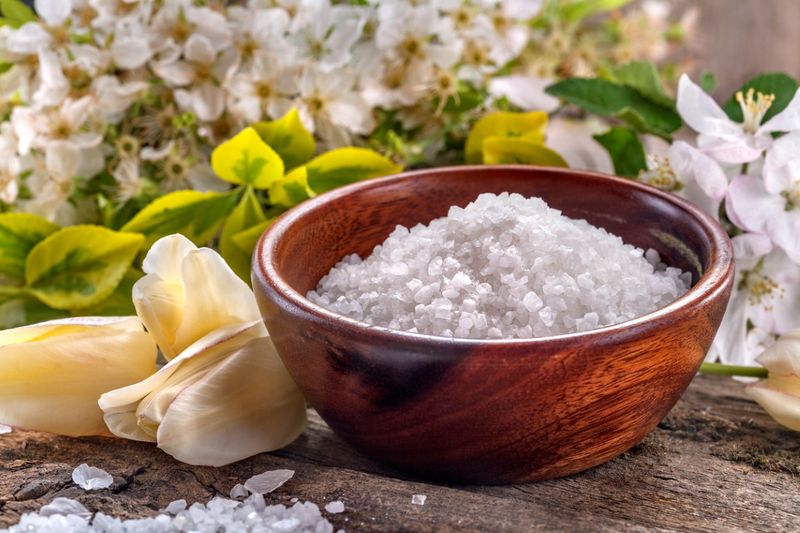
Magnesium is a secret weapon for jasmine enthusiasts. A monthly dose of Epsom salt, about 1 tbsp per gallon of water, can enhance flowering. Think of it as a magic potion that bolsters the plant’s resilience and bloom quality. This simple treatment can be the difference between a modest display and a breathtaking spectacle of blooms.
3. Train on a Trellis for Better Airflow

Airflow is jasmine’s unsung hero. Training it on a trellis not only provides structure but also improves light exposure and reduces fungal problems. Visualize it as a dance partner twirling gracefully, needing room to move and breathe. This setup ensures jasmine’s health and supports a cascade of lavish blooms.
4. Feed with Banana Peel Tea (Potassium Hack)
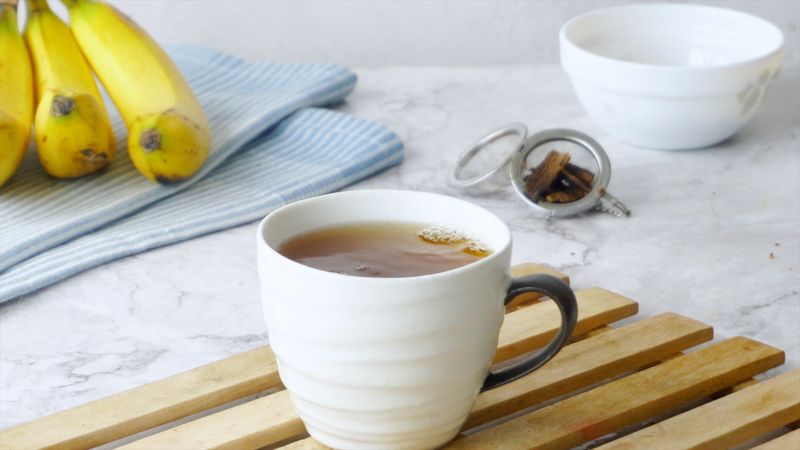
Banana peels, often discarded, are a potassium treasure for jasmine. Steeping them in water for two days creates a nutrient-rich tea. Feeding jasmine with this concoction can fortify its bloom capability. Consider it a nourishing elixir, converting a common kitchen waste into floral gold, encouraging richer, more vibrant flowers.
5. Mist Leaves (Humidity Lover!)
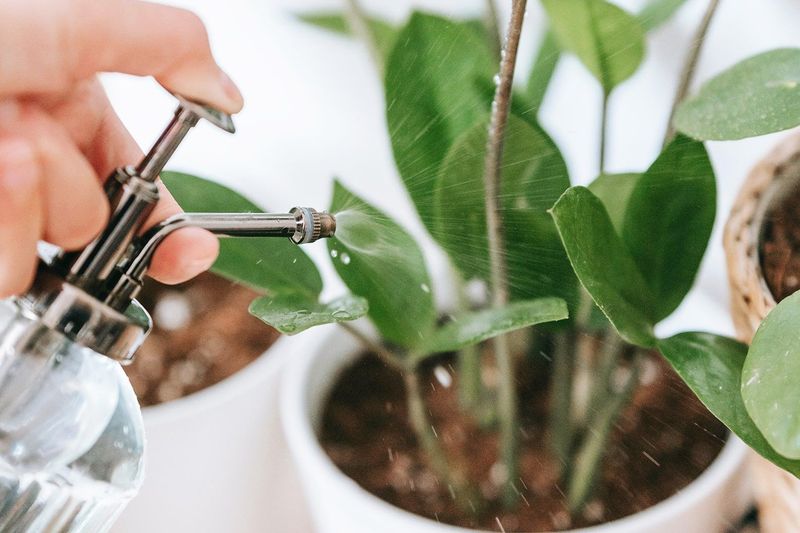
Humidity is a jasmine plant’s friend, especially indoors where air can be dry. Light misting mimics the plant’s natural habitat, helping it thrive in 40-60% humidity. Picture the mist as a refreshing shower for your jasmine, invigorating it with the moisture it craves, bringing out the best in its aromatic blooms.
6. Deadhead Spent Blooms
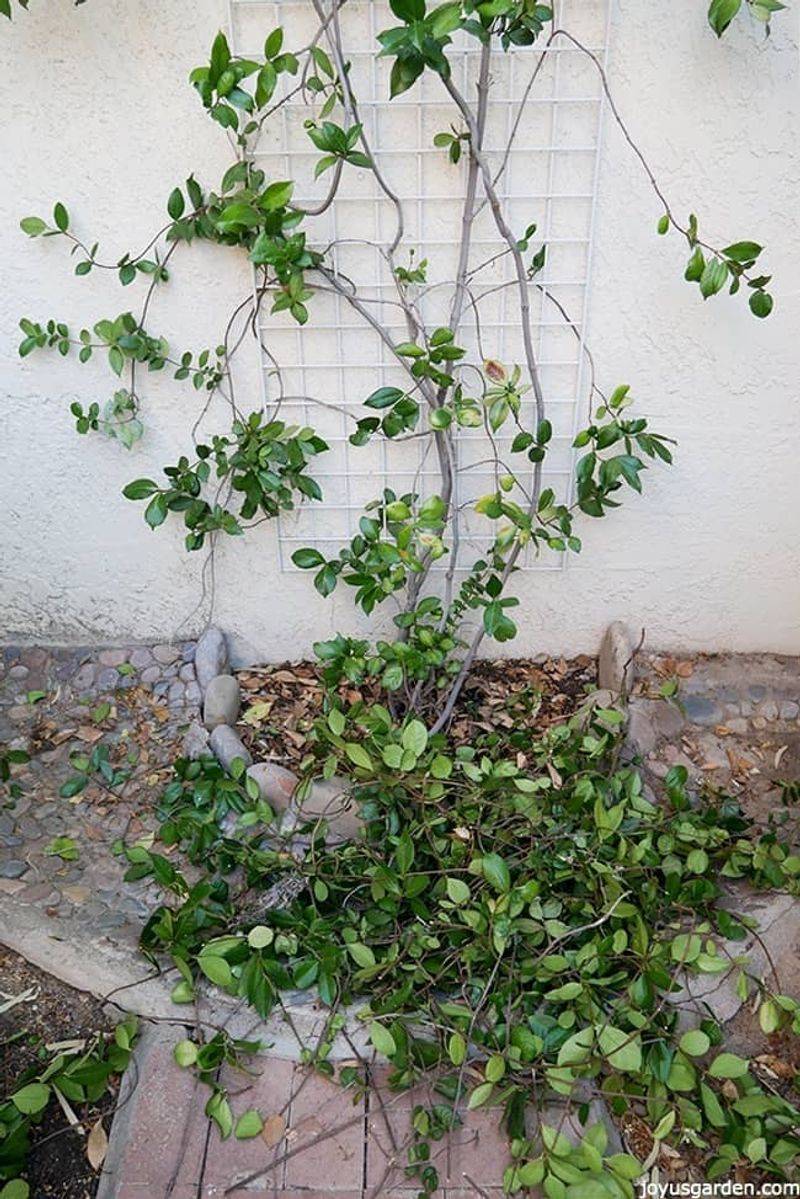
Deadheading may sound morbid, but for jasmine, it’s life-enhancing. Removing spent blooms redirects energy to produce new flowers. It’s like trimming the old to make way for the new, ensuring continual beauty and fragrance. This practice keeps your jasmine bush vibrant and eager to display its fragrant treasures.
7. Use Coffee Grounds for Slightly Acidic Soil
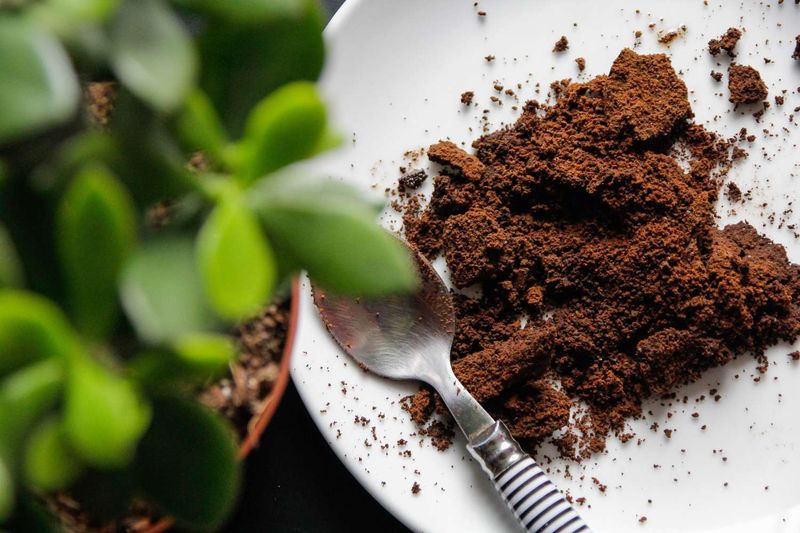
Coffee grounds aren’t just for your morning brew; they’re a boon for jasmine soil. By lowering the soil’s pH naturally, they create an acidic environment that enriches the plant’s growth. Think of it as nature’s gentle nudge, subtly adjusting the soil chemistry to favor jasmine’s robust bloom and health.
8. Avoid Repotting While Budding
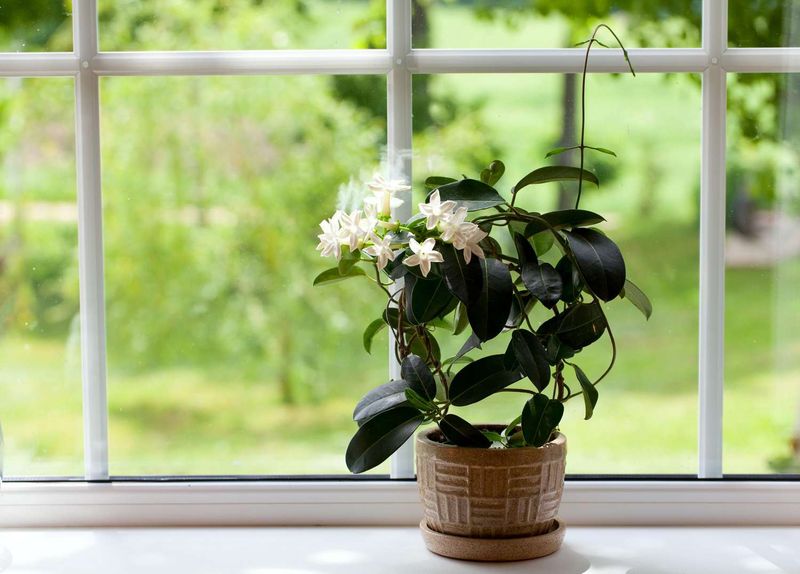
Repotting can be traumatic for a budding jasmine. Transplant shock often leads to bud drop, hindering bloom potential. It’s best to repot in early spring when the plant is less vulnerable. Picture this as respecting a delicate balance, where timing and care combine to preserve the promise of future flowers.
9. Try “Stress Blooming” (For Stubborn Plants)
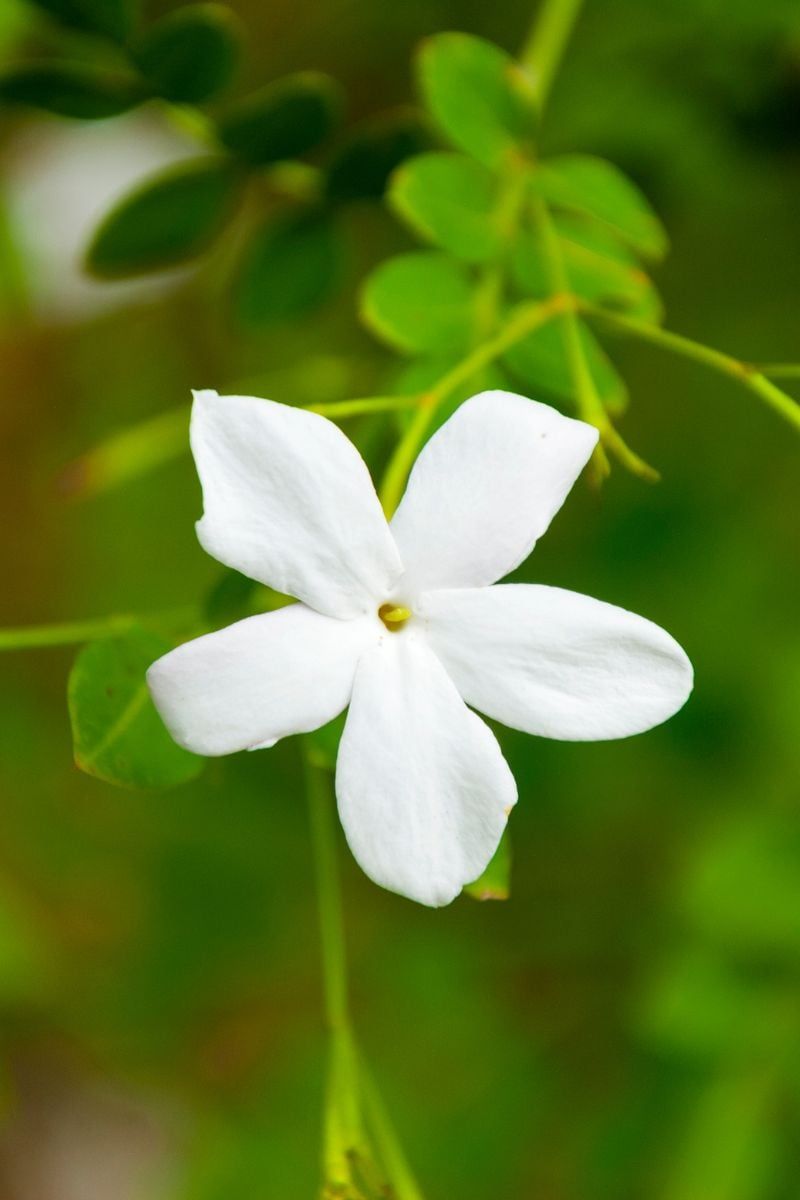
A counterintuitive trick, stress blooming involves reducing water for two weeks to mimic drought, then resuming. This can stimulate stubborn jasmine to flower. It’s akin to a wake-up call, jolting the plant’s natural instincts to push forward blooms as a survival strategy, rewarding you with unexpected floral displays.
10. Use a Bloom Booster Fertilizer
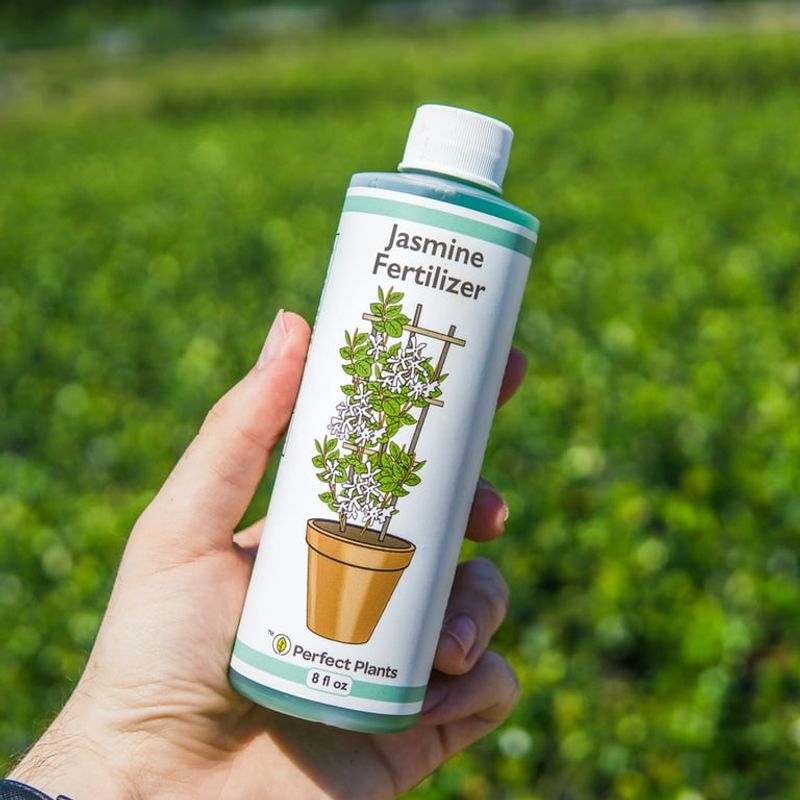
Bloom booster fertilizers, low in nitrogen but high in phosphorus, are like a tailored diet for jasmine. When applied every 4-6 weeks during the growing season, they enhance the plant’s ability to produce flowers. Picture this as a gourmet meal, nourishing your jasmine with exactly what it needs to flourish in floral abundance.
11. Grow Near a Warm Wall (For Cold Climates)
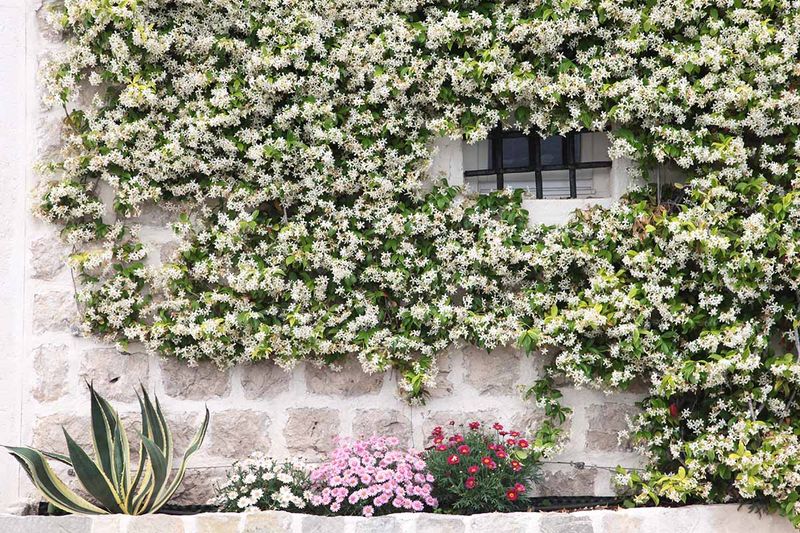
For jasmine in cooler climates, a warm wall can be a blessing. It captures heat, creating a microclimate that aids in nighttime blooming. Think of it as a cozy nook, offering protection and warmth, helping the plant thrive despite lower temperatures. This simple strategy can lead to lush, fragrant evenings.
12. Hand-Pollinate Indoor Jasmine
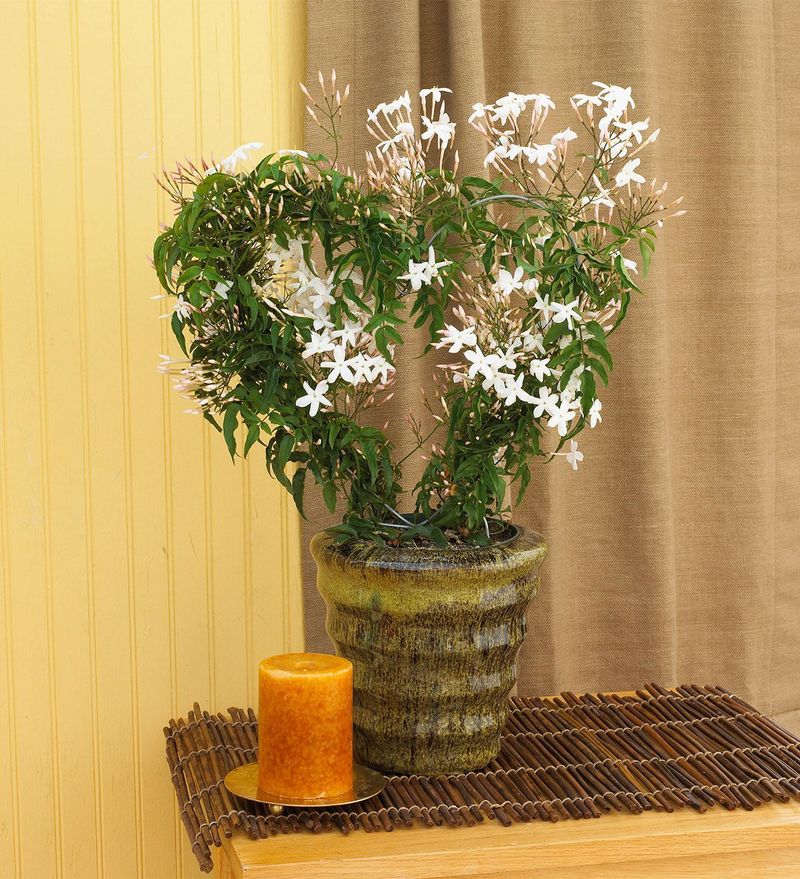
For indoor jasmine lacking natural pollinators, hand-pollination is a game changer. Using a small brush to swirl inside flowers mimics bee activity, ensuring pollination. It’s like playing nature’s helper, stepping in to assist the plant in its reproductive process, leading to fruitful, abundant flowering indoors.
13. Keep Pests Away (Aphids & Spider Mites Love Jasmine!)
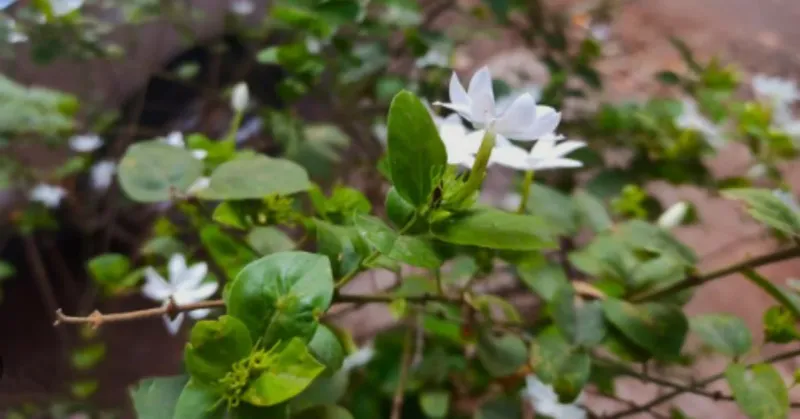
Jasmine’s sweetness attracts unwanted guests like aphids and spider mites. Neem oil or insecticidal soap can keep these pests at bay. Imagine it as a protective shield, safeguarding your plant from harm. Early intervention ensures your jasmine remains healthy and free to enchant with its alluring blooms.